



A technical procurement guide for seafood processors, frozen-food distribution centers and temperature-controlled warehouses in Thailand and Southeast Asia.
A forklift can perform reliably on a dry warehouse floor and still struggle at the door of a freezer. In Thailand, the difficulty is rarely just the lowest room temperature. It is the combination of humid loading bays, repeated temperature changes, heavy pallet movements, wet floors and limited charging windows.
For a buyer searching for Forklift for Cold Storage Thailand, the critical questions are practical: Will the battery complete the shift? Will moisture freeze on the truck after it returns to the freezer? Can it stop and turn safely at the dock? And can the chosen model lift the actual pallet—not just the nominal rated load?
The following checks turn those questions into a selection and acceptance process. The aim is to avoid an expensive mismatch between a warehouse forklift and the workflow it is expected to support.
I. Thailand Cold-Chain Operations: Define the Duty Before the Truck
A seafood freezer and a chilled produce warehouse do not have the same bottleneck
A seafood processor may move packed frozen products from a cold room through a humid dispatch dock. Its critical risks include meltwater from cleaning, door-area ice, condensation on a cold mast and loading delays during dispatch peaks. A chilled fruit or vegetable warehouse may instead face many short picking cycles, mixed pallet sizes and tight aisle space. A frozen-food distributor often combines both problems with two-shift operations and frequent truck arrivals.
This distinction matters because no single temperature rating, capacity figure or battery chemistry captures the whole operating duty. A forklift that stays inside a freezer has different environmental exposure from one that crosses the door dozens of times per shift.
These are planning examples, not mandatory storage temperatures. Actual product-temperature specifications and the warehouse control system take precedence.
Map the temperature crossings, not only the coldest room
Before asking for a quotation, record how long the truck remains in each zone, how many doors it crosses per hour, where it parks, and where it charges. Note the pallet weights, lift heights, aisle widths, maximum gradients and daily handling peaks. If two forklifts transfer a pallet at a controlled handover point, each vehicle may be exposed to fewer temperature cycles than a single truck moving continuously between zones.
That extra transfer can add handling time, so it must be measured. The right question is whether the saving in condensation control and service interruptions outweighs the added transfer cost.
II. Battery and Charging: Avoid Designing the Shift Around Nominal Ah
Discharge capability and charging permission are different limits
Lithium-ion power is attractive for indoor food handling because electric trucks have no combustion-engine tailpipe exhaust during operation. However, a standard Electric Forklift Thailand configuration is not automatically a freezer-rated machine. Low cell temperature can reduce available energy and power; charging can be restricted at temperatures where discharge remains possible. Depending on cell chemistry and the battery system, charging too cold can create lithium-plating and degradation risks.
Ask for the permitted cell-temperature range for discharge and charge, BMS low-temperature derating and lockout thresholds, charger compatibility, and whether the quoted battery includes validated thermal management. A battery heater is not merely an add-on: cell sensors, controls and charging logic must work together.
Use measured duty-cycle energy rather than a promised eight-hour runtime
Consider a battery rated at 76.8 V and 280 Ah. Its nominal energy is 76.8 × 280 / 1,000 = 21.50 kWh. That is not the energy necessarily available on a −20°C shift. For an illustrative calculation only, assume 80% is available under the actual temperature and load profile, and the operating plan uses 80% of that usable energy to retain a reserve.
Planned energy = 21.50 × 0.80 × 0.80 = 13.76 kWh. If measured average operating demand is 3.0 kW, estimated operating time is 13.76 / 3.0 = 4.6 hours. These assumed percentages and power figures are not universal test values or a manufacturer runtime commitment.
A credible estimate must come from route distance, lift count, payload, lift height, idle time, ramps, cell temperature, usable state-of-charge window and charging duration. Request a scenario for the busiest shift, not just the average day.
Put the charger where the battery can actually accept energy
An operator may plan to charge during a 45-minute meal break. If the cells are too cold and the BMS inhibits charging, that break will not provide the planned energy. The engineering choices are to use a manufacturer-approved charging location and warm-up procedure, a validated cold-temperature battery solution, a longer charging window, or sufficient standby truck capacity. Simply increasing charger current will not remove a temperature limit.
Also verify the actual site electrical supply, charger location, cable routing, water exposure and forklift traffic segregation. A nominal charging specification is not a practical charging plan.
III. Condensation: Control the Crossing Between Cold and Humid Air
Why a freezer exit creates a water problem
Warm, humid air can deposit moisture on a cold vehicle. For example, at 30°C and 75% relative humidity, the dew point is approximately 25°C. When a mast, chassis member or connector surface remains below that temperature after leaving a freezer, water may form on it. If the truck re-enters sub-zero storage before residual water is removed, some of that moisture can freeze.
Repeated condensation and refreezing may interfere with mechanical movement, expose electrical connectors to moisture, and increase inspection and corrosion-control work. An enclosure IP rating is relevant, but it does not by itself establish resistance to low-temperature thermal cycling, ice accumulation or all forms of condensation.
Break the cycle before specifying more protective parts
First check whether the route can be redesigned. Dedicated freezer handling with pallet transfer at a buffer zone may reduce temperature crossings. Fast-closing doors, air separation, appropriate dehumidification and disciplined door management can reduce humid-air entry. None of these measures should be treated as a universal retrofit; the warehouse refrigeration design and throughput requirements must be considered.
Second, establish a manufacturer-approved parking, inspection and drying procedure. Identify the mast rollers and chains, exposed connectors, cable entry points, underside and wheel areas that require attention. Avoid improvised high-pressure washing or direct high-heat treatment around battery and electrical assemblies.
A useful inspection record takes less time than an unexplained failure
For each truck, log the entry/exit frequency, visible water and ice, abnormal mast movement, warning codes, and cleaning or drying actions. Trend the findings by door, shift and weather condition. If one doorway repeatedly produces the problem, a route or building-control correction may achieve more than replacing the same failed connector again.
IV. Floor Conditions and Load Geometry: The Safety Margin Buyers Miss
The most difficult surface is often the freezer doorway
Seafood washdown areas, condensation near doors, drainage channels, epoxy-coated floors and uneven joints can create changing grip conditions along one short route. Ask for a floor survey at the actual time of operation—not only when the site is dry and empty. A Warehouse Forklift that brakes predictably on dry concrete cannot be assumed to stop the same way on water, frost or ice.
Tyre type must be evaluated with the manufacturer’s permitted operating temperature, floor material, tyre compound and braking test results. Neither pneumatic nor solid tyres should be described as universally suitable for icy floors. Keep floor drainage and cleaning windows in the traffic-risk assessment.
Small changes in speed can have a disproportionate effect
With equal effective deceleration in a simplified model, braking distance is proportional to speed squared. Raising speed from 5 km/h to 8 km/h changes the theoretical braking-distance factor to (8/5)² = 2.56. This is a physics illustration, not a guaranteed stopping distance for a specific truck. On a slick surface, the achievable deceleration may be worse and must be tested.
Set site-specific speed controls at wet doorways, crossings and docks. Where gradients are present, confirm traction, brake behavior, load orientation, dock-plate capacity and operator procedures. A published maximum gradeability figure is not permission to operate on an icy ramp.
Nominal lift capacity is only the beginning of a safe load calculation
Most forklift capacity labels assume a stated load-center distance and configuration. Long cartons, extended forks, side shifters and taller masts can move the combined center of gravity or reduce residual lifting capacity. Request the load chart for the exact mast-and-attachment combination at the maximum required lift height.
Floor strength matters too. The maximum wheel load under a laden truck can be more relevant than the truck’s average weight per square metre. Confirm slabs, joints, ramps and any dock bridges can accept the specified wheel loads. Choosing a heavier truck for “extra safety” can worsen space and floor constraints without improving the actual duty cycle.
V. The Hidden Operating Cost: Count Lost Pallet Movements
Downtime is a throughput problem before it is a repair invoice
Imagine two forklifts, each capable of 20 pallet moves per productive hour, losing an additional 30 minutes per day to unexpected moisture-related inspection or repair. Theoretical handling capacity lost is 2 × 20 × 0.5 = 20 moves per day, or 520 moves over 26 working days.
This does not mean 520 orders or pallets are necessarily lost: the warehouse may recover some moves in slack periods or by using a backup truck. The example shows why buyers should measure idle time and dispatch peaks instead of comparing service invoices alone.
Build a total cost of ownership case around the actual process
A useful TCO model includes acquisition and configuration, charger and electrical installation, energy, tyres, hydraulic and electrical maintenance, approved cold-weather provisions, spares, planned inspections, replacement capacity and the business cost of unplanned downtime. Where relevant, add refrigeration effects from prolonged door openings while avoiding double-counting other operating costs.
Compare at least two operating arrangements: (A) one validated cross-zone truck and (B) zone-dedicated handling with pallet handover. For each, record the actual cycle time, labour requirement, moisture exposure, availability and capital cost. The less expensive vehicle is not necessarily the less expensive operation.
Calculate the number of trucks from peak-hour work, not an average shift
A warehouse might move 240 pallets per day but dispatch 90 of them within one three-hour window. In that case, dividing 240 by a 16-hour operating day gives only 15 moves per hour and hides the real peak: 30 moves per hour during dispatch. The fleet must be capable of covering the concentrated demand after allowing for congestion, battery limitations, inspections and operator breaks.
Build a simple time-and-motion study. For ten to twenty representative handling cycles, record loaded travel, empty return, lift and placement, waiting at the freezer door, and pallet identification. A 150-second handling cycle implies a theoretical 24 moves per hour before delays. If only 75% of the hour is practically available for handling, the planning rate is 18 moves per hour. Both cycle time and availability are illustrative assumptions; the site must measure its own values.
At a peak demand of 30 moves per hour, one truck planned at 18 moves per productive hour cannot cover the dispatch period alone. A second truck, staggered loading schedule or redesigned pallet flow may be required. A larger nominal tonnage does not automatically fix a throughput deficit caused by door queues, aisle interference or a missing charge window.
VI. Procurement and Acceptance: Turn Site Conditions into Testable Criteria
Send a duty sheet before requesting the final configuration
Use an acceptance trial, not a single demonstration lift
A representative trial should cover the heaviest routine pallet, the highest working lift, the busiest doorway and a full duty sequence in the relevant temperature range. Record battery state of charge, cell temperature or BMS alarms where available, charging restrictions, lift response, steering and braking, and any water or ice after temperature transitions.
Agree on pass/fail conditions in writing before delivery. For a freezer application, obtain documentary confirmation of the exact battery, hydraulic fluid, seals, electrical protection and tyre setup. If the standard model cannot be validated for the specified temperature, treat that as a design boundary rather than a small purchasing detail.
Validate the complete temperature transition, not just the cold-room run
Divide commissioning into three periods: a controlled warm-area baseline, the intended low-temperature operating sequence, and a return to the humid handling area followed by re-entry where the truck is approved to do so. An isolated test that proves a forklift can start and raise a pallet in a freezer says little about condensation after repeated door crossings. A machine can pass a short test and still require a different drying schedule, charging strategy or protective specification for a full daily duty cycle.
During the trial, inspect the mast and chain movement, connector and electrical warnings, brake response, visibility, operator controls and tyre traction. Record the time of each observed issue and the exposure that preceded it. Use a site-approved method to inspect for moisture and ice; do not open high-voltage electrical assemblies or attempt battery modifications as part of an ordinary operator inspection.
Where a freezer-rated truck is required, acceptance should include the manufacturer-approved minimum temperature, permitted duration, any conditioning period and the exact list of validated components. Written evidence matters because “cold storage” can describe anything from a chilled produce room to continuous deep-freeze operation.
Include operators, hygiene teams and maintenance in the buying decision
Warehouse supervisors tend to describe speed and capacity; maintenance technicians see connector failures and hydraulic behavior; food-safety teams see water, cleaning agents and product exposure. The purchasing specification is incomplete if only one group is consulted. Conduct a short route walk with all three and mark the freezer door, charging bay, pedestrian crossing, washdown point and the locations where pallets queue.
Low temperatures also affect people. Depending on the exposure, protective clothing and gloves may restrict reach and control feel, while cold-to-warm transitions can affect eyewear and visibility. Verify that displays, controls, entry and exit procedures, warning devices and the selected operator protection remain usable with the site’s protective equipment. Do not treat a heated cabin as standard or as a substitute for a formal occupational safety assessment.
Finally, align floor cleaning and dispatch windows. A forklift should not routinely enter a freshly washed route before it is safe for traffic; nor should a wet or icy doorway be accepted as an unavoidable part of cold-chain work. Agree who has authority to close and release a route, how hazards are reported and how failures are escalated. These operating controls often determine whether a technically suitable forklift delivers the availability assumed in the business case.
VII. How OXPLO Electric Forklifts Fit the Warehouse Decision
Once the duty sheet is complete, model comparison becomes meaningful. The OXPLO electric and diesel forklift range includes electric counterbalance models for indoor warehouses, logistics centers and food-handling sites. For a Thailand buyer, the OXPLO CPD20, CPD25 and CPD30 provide three rated-load options with lithium battery configurations and no tailpipe emissions during use. The listed specifications are a starting point—not evidence that a standard truck is approved for continuous deep-freeze duty.
All three current OXPLO product pages list 76.8 V / 280 Ah lithium battery specifications and a standard two-stage / 3 m mast. They share nominal stored battery energy, but operating time should not be assumed identical: truck weight, movement, load and lift duty differ. Published minimum aisle values are manufacturer reference specifications and must be checked against real pallet size and clearance.
OXPLO CPD20: standard pallets and limited maneuvering space
The OXPLO CPD20 electric forklift is rated at 2,000 kg and has a listed outer turning radius of 2,190 mm. It is worth comparing when most loads comfortably fit the 2-ton capacity envelope and frequent turning matters. The smaller nominal truck rating does not remove the need to verify capacity at height or with a side shifter. OXPLO buyers should confirm that the warehouse floor and any low-temperature exposure are inside the final configuration limits.
OXPLO CPD25: greater load allowance without the larger CPD30 footprint
The OXPLO CPD25 electric forklift is rated at 2,500 kg, with the same listed 1,164 mm truck width as CPD20 and a 2,240 mm outer turning radius. That combination is useful to assess when pallet weights vary but aisle space is constrained. It is not automatically the right machine for a 2,200 kg pallet at high lift: OXPLO must confirm residual capacity for the actual fork, mast and attachment configuration.
OXPLO CPD30: heavier pallets, with a measurable space trade-off
For regularly heavier pallet loads, the OXPLO CPD30 3-ton electric forklift raises nominal capacity to 3,000 kg. However, its 2,515 mm outer turning radius is 275 mm larger than CPD25, and its listed right-angle aisle value is 265 mm greater. If high-volume turning or a narrow freezer doorway is the bottleneck, the extra capacity may not improve throughput. Buyers can also review the OXPLO 2.5-ton versus 3-ton forklift selection guide for the broader capacity-versus-space decision.
What OXPLO can verify—and what must not be assumed
For suitable applications, OXPLO electric models offer a practical choice of nominal lifting capacities, lithium battery monitoring through a BMS, electric indoor operation and a basis for matching mast, fork and optional attachment configurations. OXPLO can use the buyer’s load chart, aisle survey and shift plan to narrow the candidate truck and confirm quoted options. For additional comparisons, see the OXPLO Thailand electric-versus-diesel forklift guide and Thailand logistics forklift planning article.
Important limitation: the public standard OXPLO CPD20, CPD25 and CPD30 pages do not establish that every truck is suitable for continuous operation at −18°C or −25°C. Do not assume cold-rated lithium heating, freezer-specific hydraulic oil, heated cabins, dedicated low-temperature seals or ice-traction tyres are included. OXPLO should confirm availability, compatibility and documented temperature limits for the exact proposed build before a freezer order is approved.
For an application review, send OXPLO the temperature range, time per zone, crossing frequency, maximum pallet mass and dimensions, top lift height, aisle width, floor and ramp details, daily shifts and charging arrangement. Use the OXPLO service and support page for service information and the OXPLO contact page to discuss a specific configuration.
VIII. Frequently Asked Questions (FAQ)
Q1. Can a standard electric forklift work continuously in a −20°C freezer?
A1. Not unless the complete truck configuration is explicitly approved for that temperature and operating duration. Battery, hydraulics, electrical components, lubrication, seals and tyres all require verification. OXPLO standard product-page specifications alone are not a deep-freeze certification.
Q2. Can a lithium-powered cold storage forklift be charged inside the freezer?
A2. Only where the battery pack, BMS, charging equipment and thermal-management system are designed and approved for that charging condition. Low-temperature discharge capability is not the same as low-temperature charge permission. Ask for the cell-temperature charging limits for the selected OXPLO configuration.
Q3. Why does condensation occur even if a forklift has a weather-protected controller?
A3. A cold truck entering warmer humid air may be below the air’s dew point. Moisture can form on exposed mechanical components and surfaces outside the controller enclosure, then freeze during re-entry. Door management, dry buffer zones and inspection procedures matter alongside electrical sealing.
Q4. Which forklift tyres are safest on a wet or icy warehouse floor?
A4. No tyre suits every wet or icy floor. Check its temperature rating and actual braking performance; control ice and standing water. Ask OXPLO which options are approved for the chosen truck rather than assuming its standard tyres are freezer-rated.
Q5. Should a Thai cold-chain warehouse buy a 2-ton, 2.5-ton or 3-ton forklift?
A5. Match the truck to the heaviest required load at the real load center and lift height, then check turning, aisle clearance and floor wheel-load capacity. OXPLO CPD20, CPD25 and CPD30 offer different load-and-space trade-offs; nominal tonnage is not a substitute for a configuration-specific capacity chart.
Q6. Does a 76.8 V / 280 Ah battery guarantee a full eight-hour shift?
A6. No. The approximately 21.5 kWh nominal energy rating is not an operating-hours promise. Lifting frequency, travel, low temperature, usable state-of-charge, load and charging conditions determine runtime. OXPLO should estimate performance from the specific warehouse duty cycle.
Q7. What should a buyer in Thailand include with the first inquiry?
A7. Share temperature and humidity by zone, door crossing frequency, pallet dimensions, maximum load, lift height, aisle width, floor and ramp photographs, moves per hour, number of shifts and planned charging position. This information lets OXPLO discuss fit and technical limitations rather than quoting by tonnage alone.
IX. Conclusion: Specify the Workflow Before the Forklift
The difficult part of a Forklift for Cold Storage Thailand project is rarely the headline lifting capacity. It is the interaction between battery temperature, charge windows, condensation, tyre grip, load geometry and the warehouse dispatch schedule. Resolve those interfaces early and a forklift becomes easier to operate, maintain and budget for.
For Thailand’s seafood, frozen-food and produce supply chains, the sensible order is to map the duty, measure the energy demand, assess door and floor conditions, validate actual capacity, and test the proposed configuration before signing off. OXPLO offers electric forklift options in the 2–3-ton class that can be evaluated against those requirements for suitable indoor and temperature-controlled applications. For continuous deep-freeze work, OXPLO and the buyer must explicitly establish the required low-temperature specification before purchase.
If you are evaluating a new cold-chain project, contact OXPLO with your site measurements and shift requirements. A short technical duty sheet will lead to a more useful recommendation than a request for “one 2.5-ton cold storage forklift.”
Customer Distribution
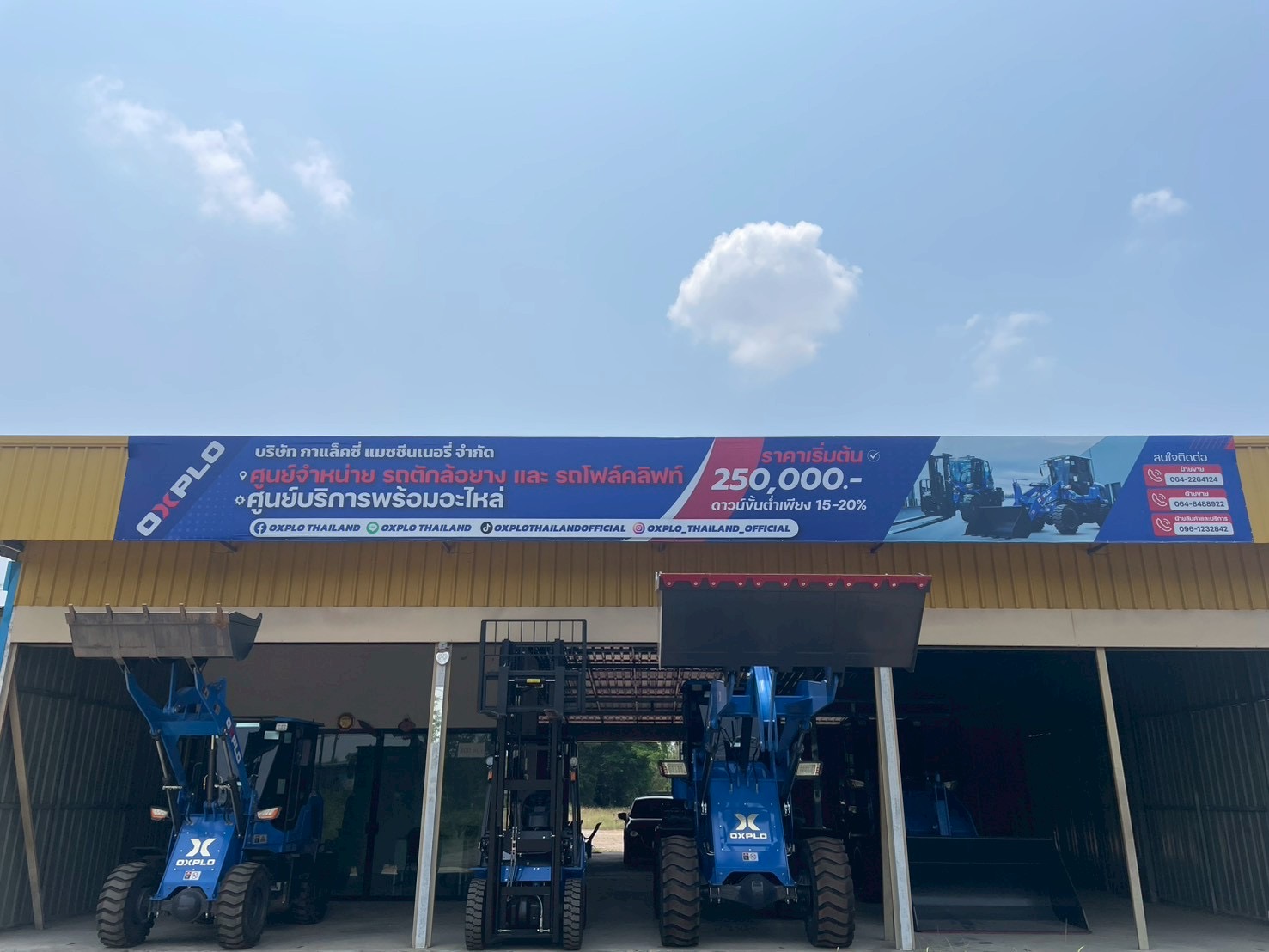
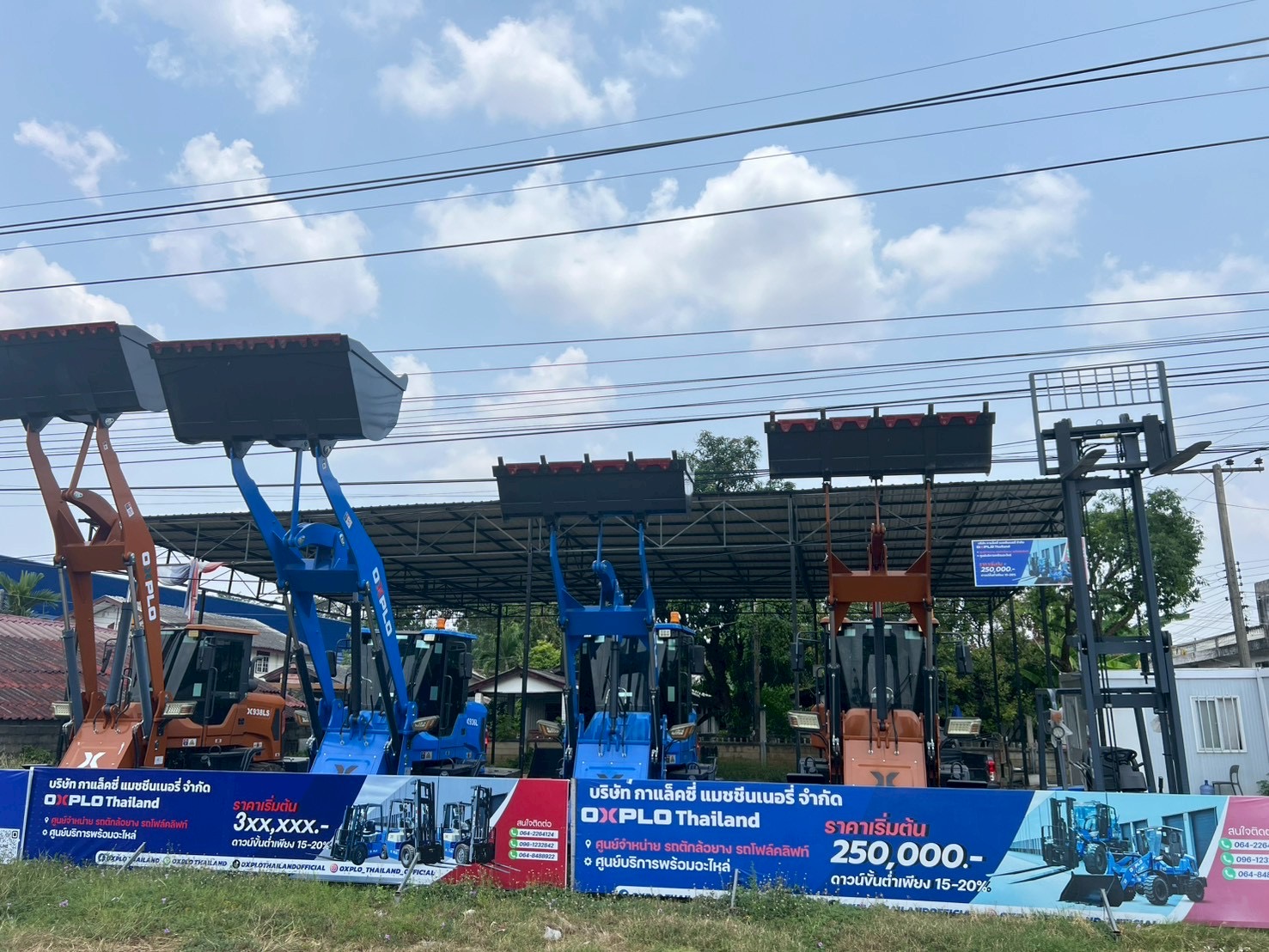
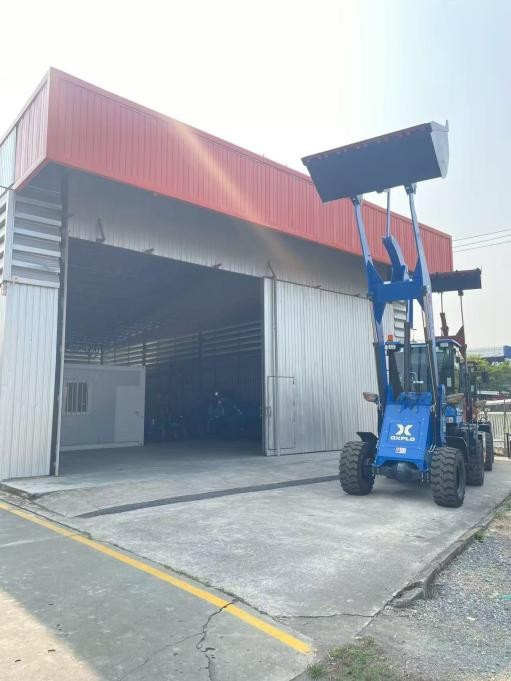
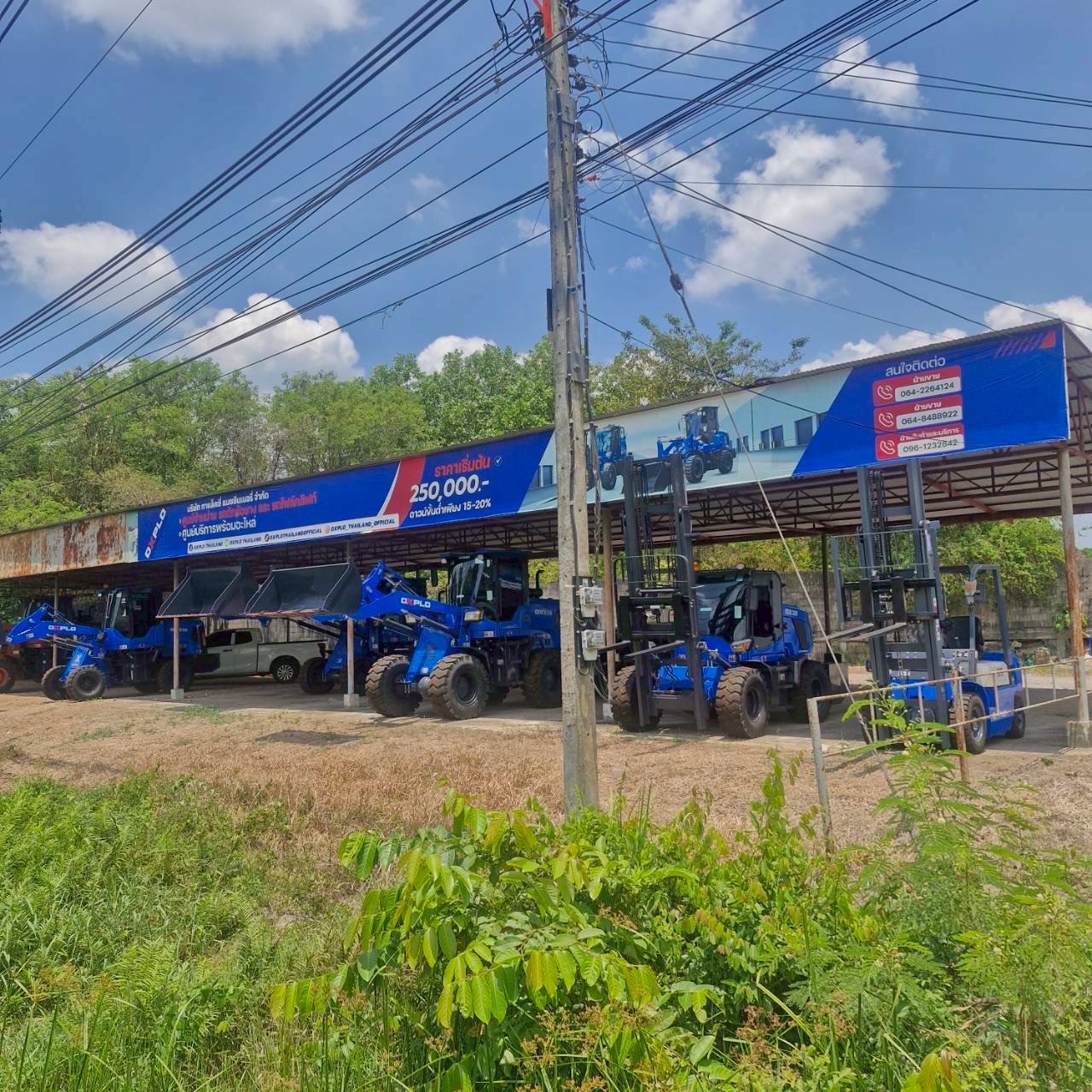
 Thailand-Ayutthaya
 Thailand-Khon Kaen
 Thailand-Nakhon Ratchasima
 Thailand-Ubon Ratchathani
 Thailand-Chiang Mai
 Thailand-Phthalum
, MAGUYAM ROAD, BRGY. MAGUYAM, SILANG, CAVITE") Philippines-ELITE GLOBUS WAREHOUSE(NO. 43 - OXPOWER MACHINERY INC.), MAGUYAM ROAD, BRGY. MAGUYAM, SILANG, CAVITE
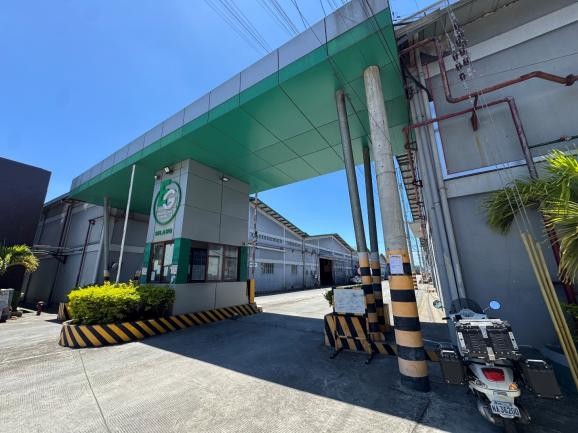
OUR OPERATiONS
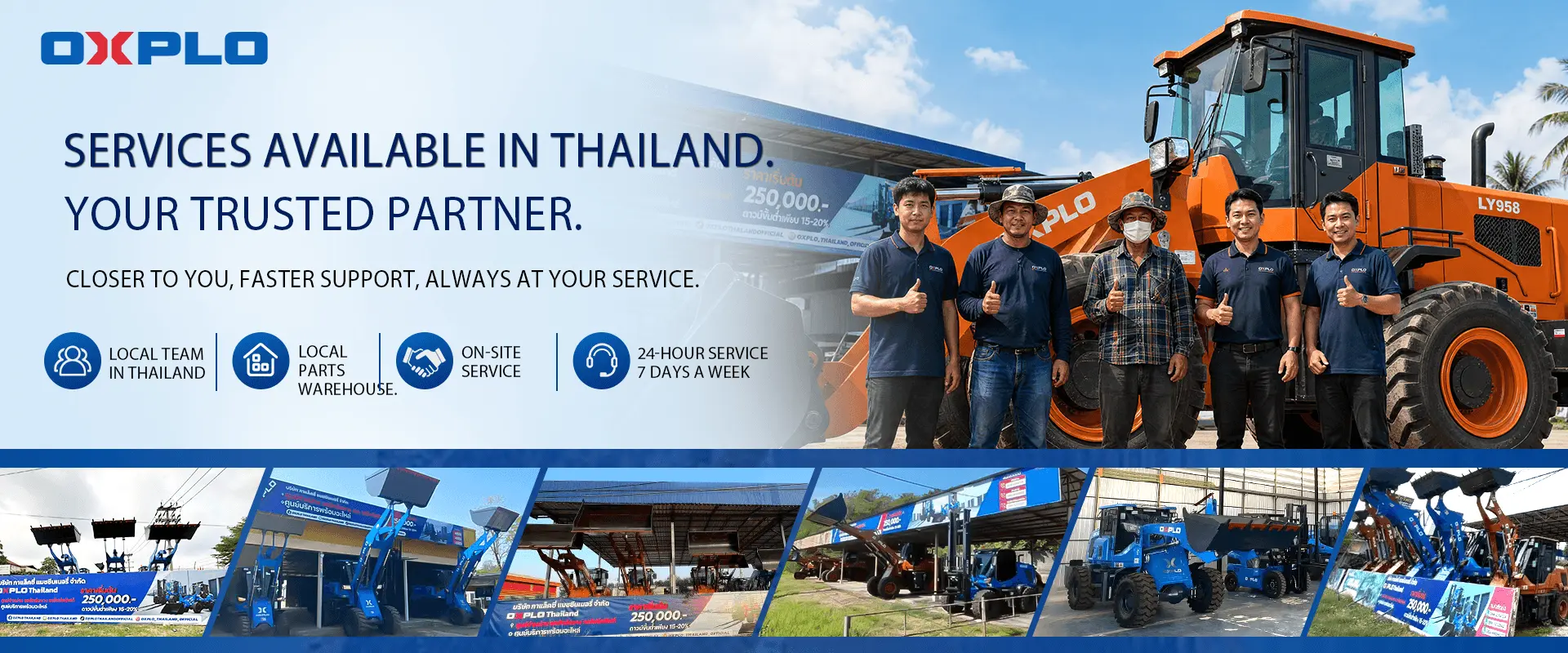
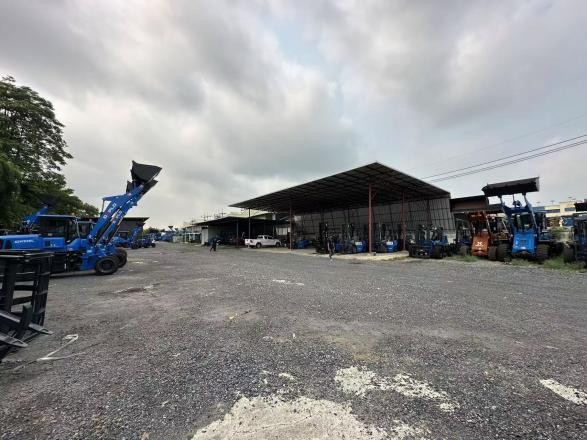
Our regional headquarters are located in Thailand, with independent operations company and service team in the Philippines. This multi-market presence enables us to provide customers throughout Southeast Asia with efficient communication, faster response times, and reliable local support.


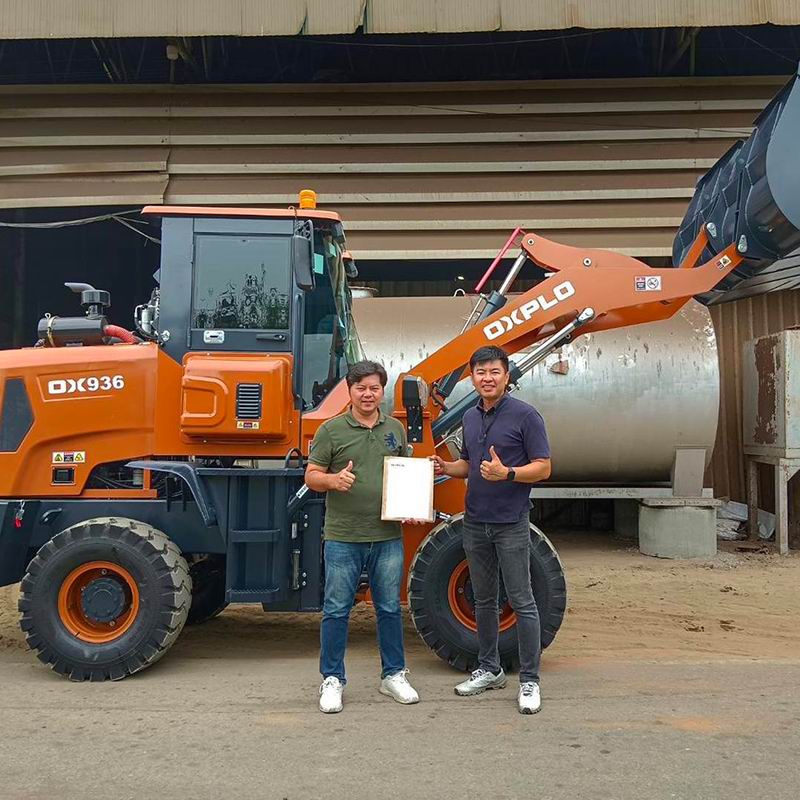
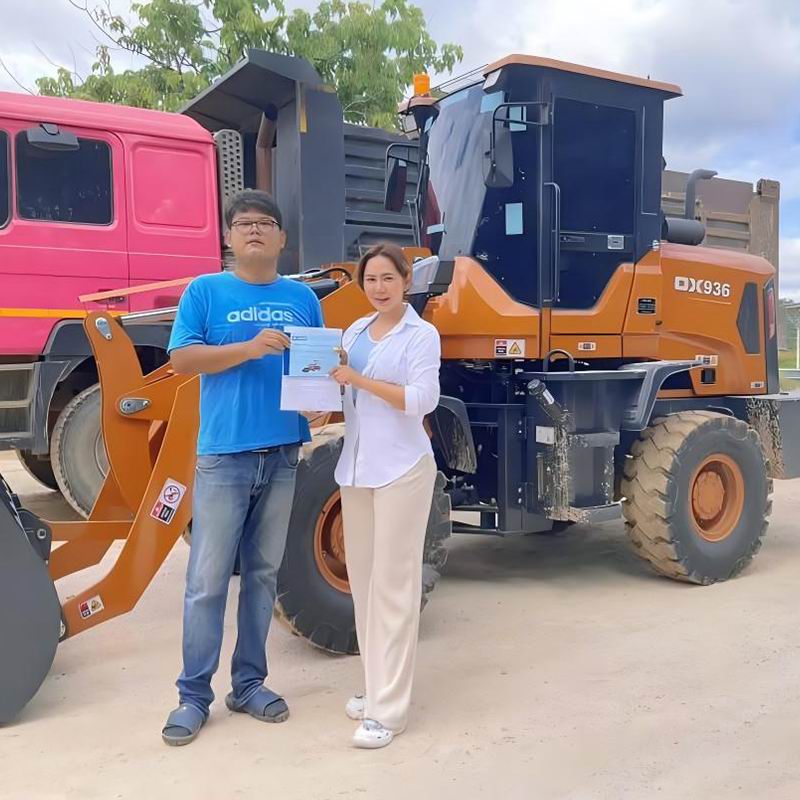
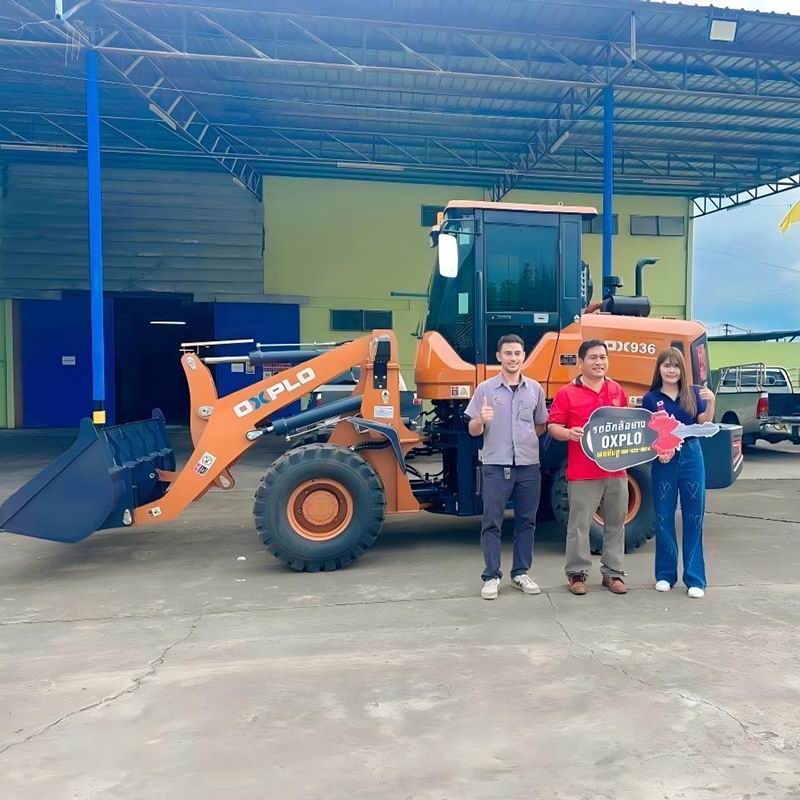
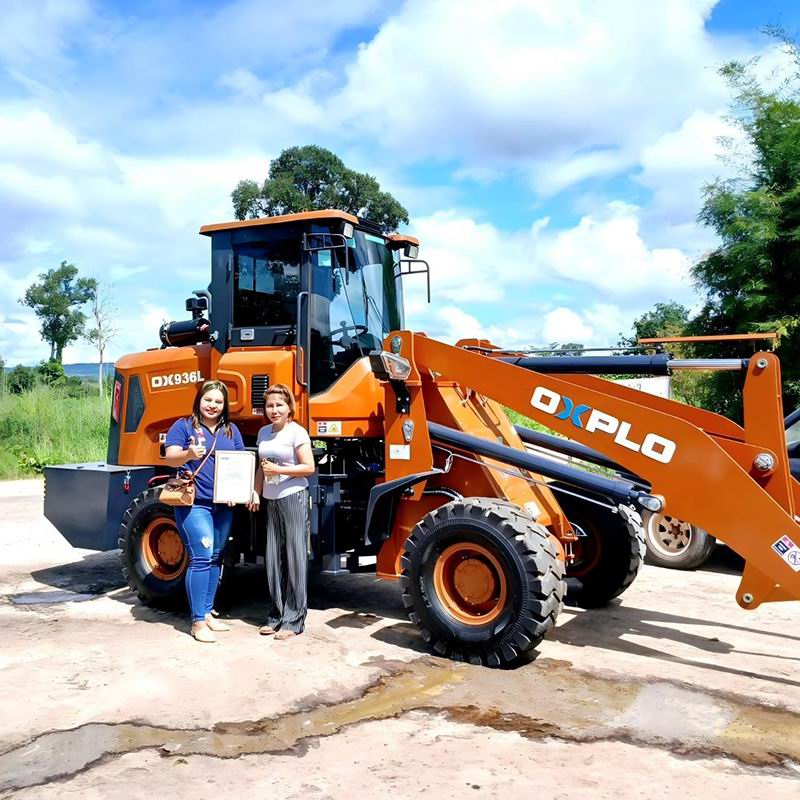
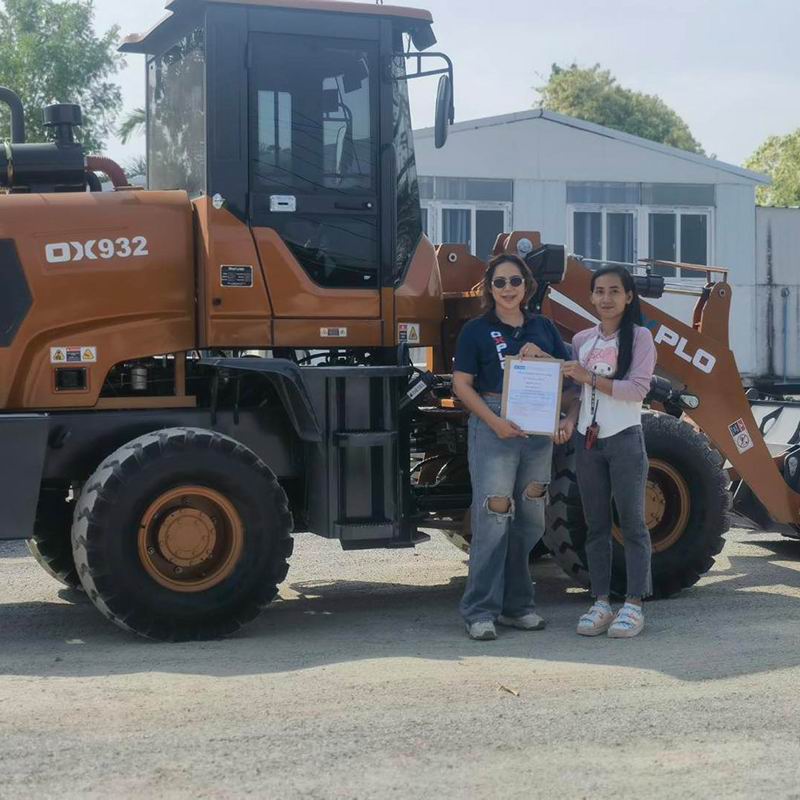
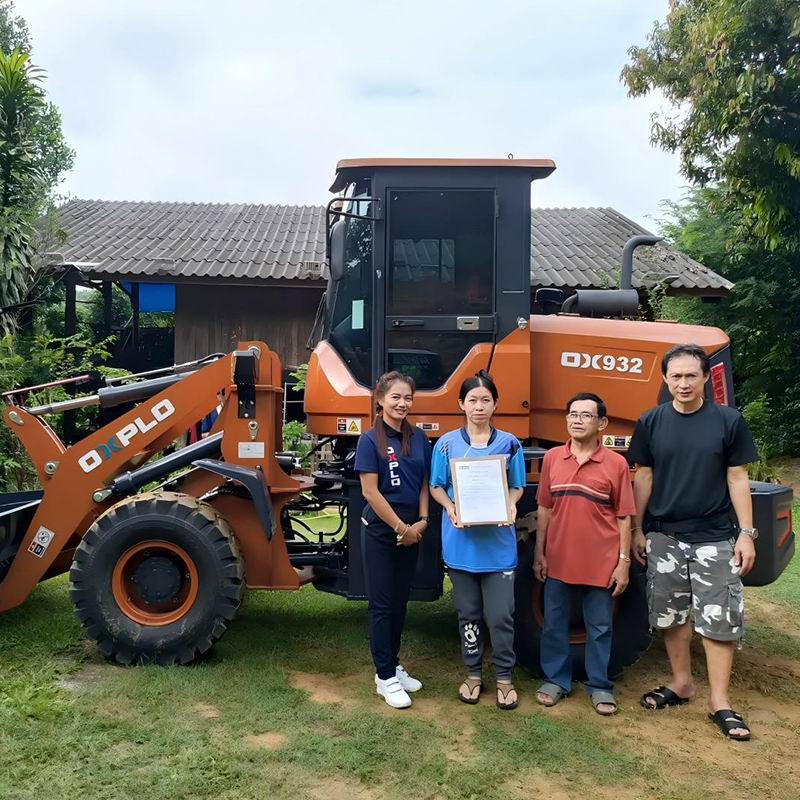
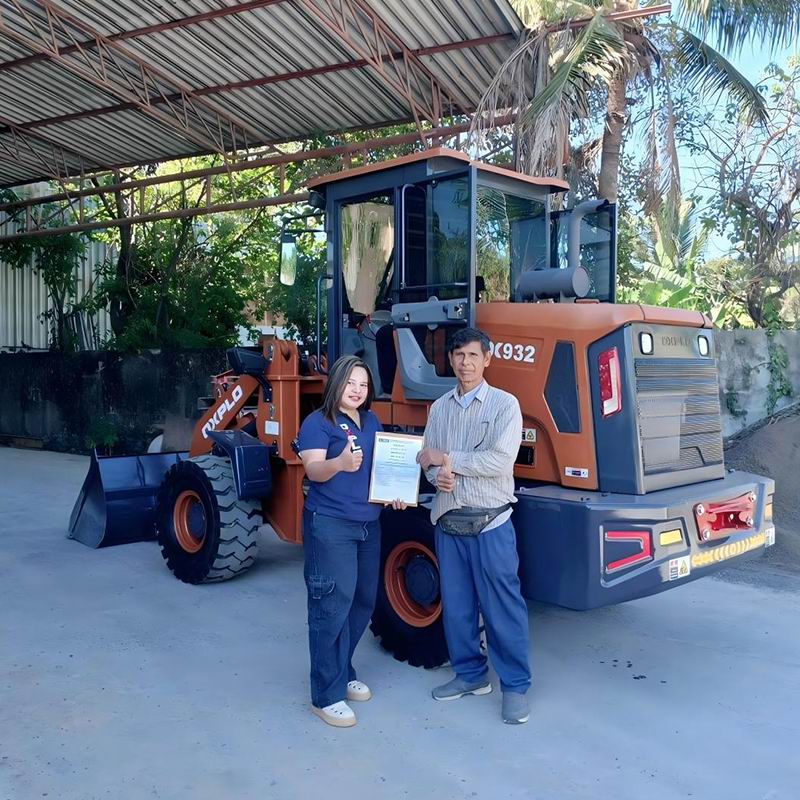
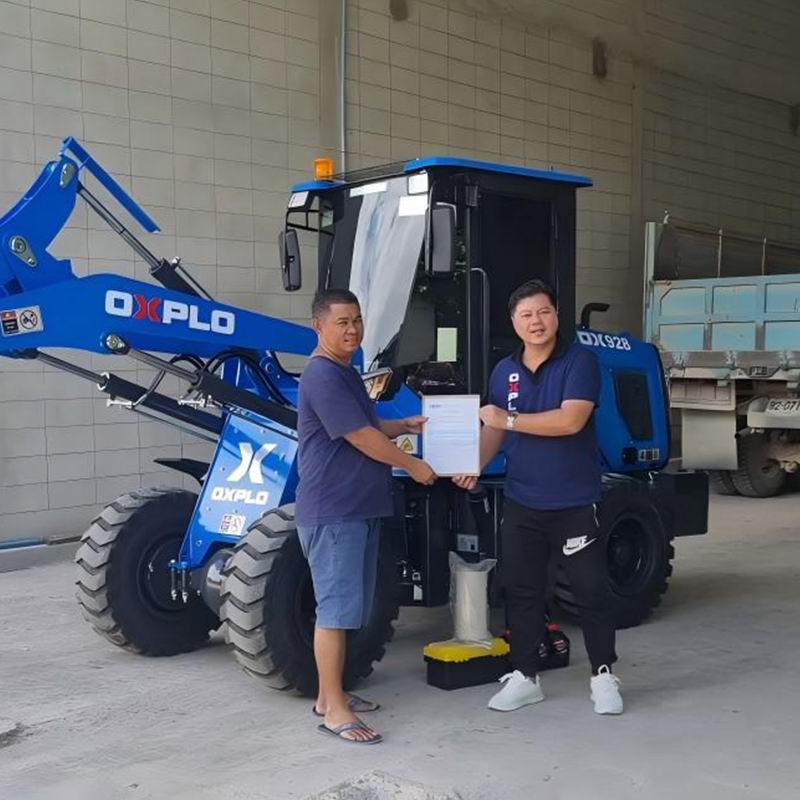
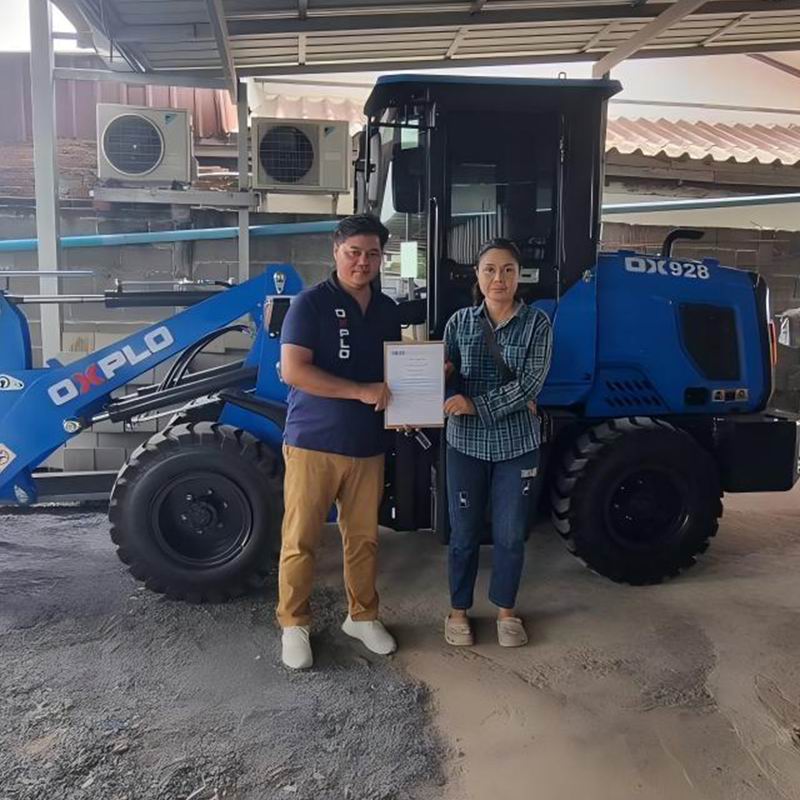
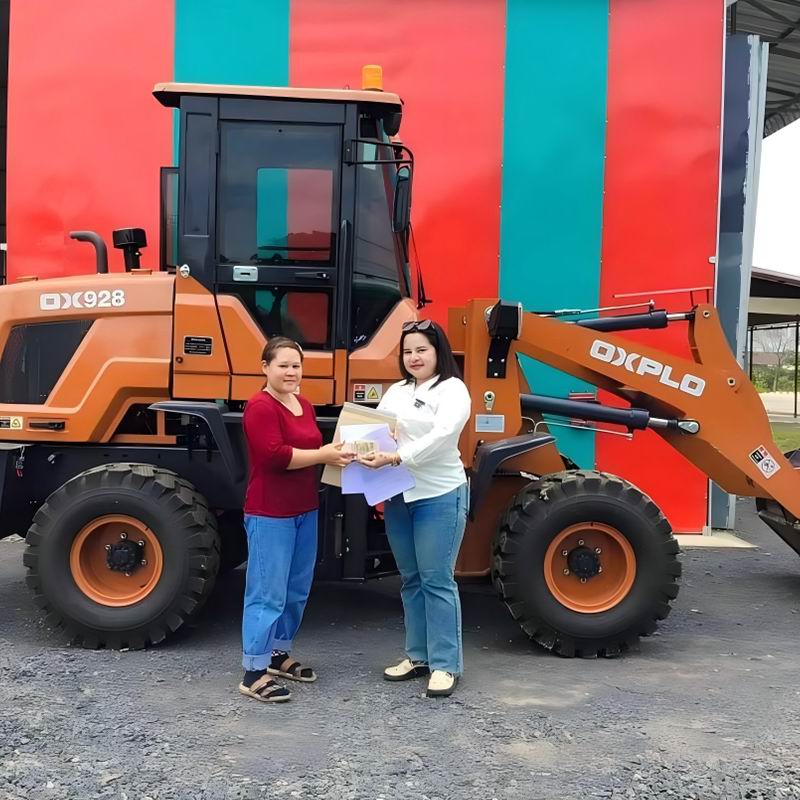
customer case
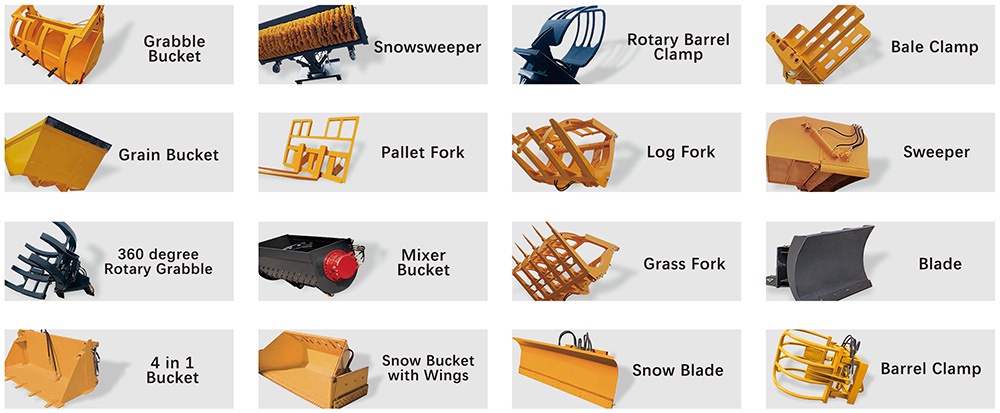
Wheel Loader Attachments
OXPLO provides a variety of spare parts support.
OXPLO's advantages
Let us introduce our products & factory to you
What makes us different
Why Choose Us
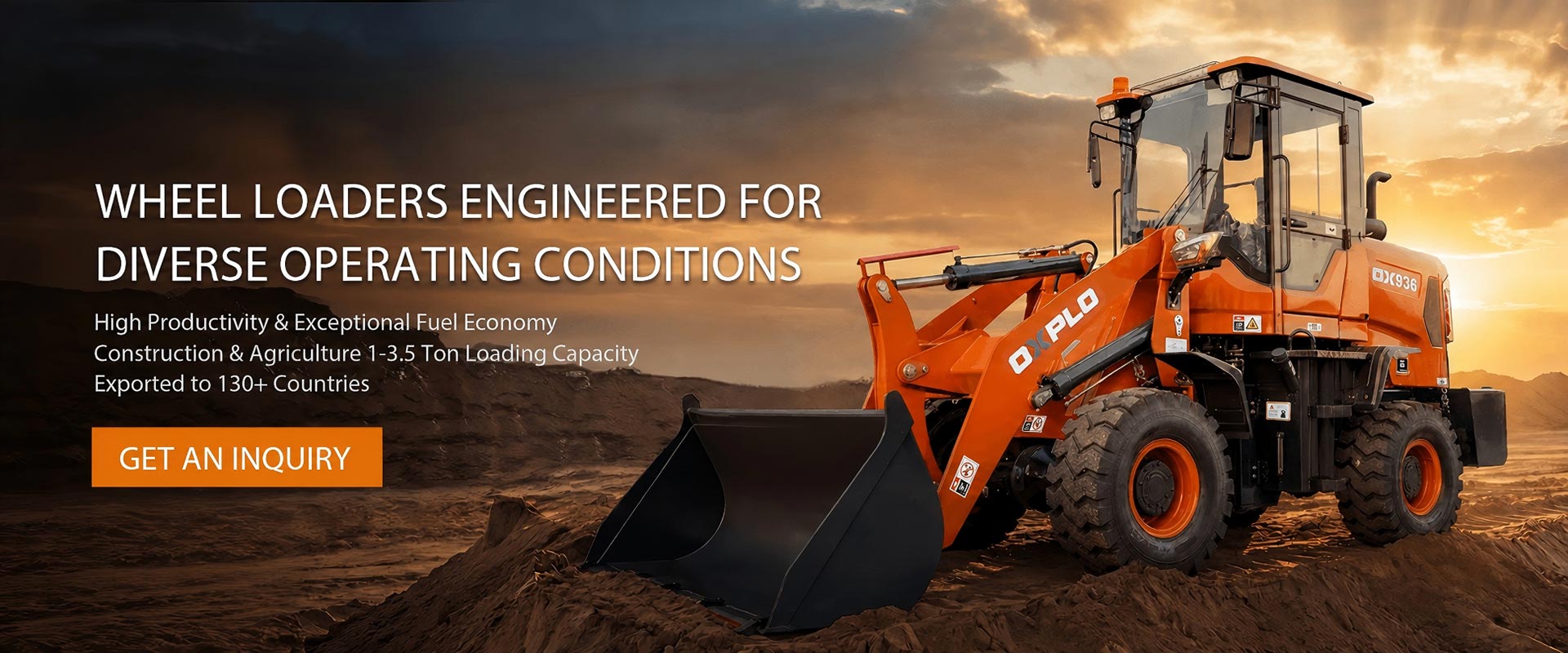
OXPLO specializes in the supply of forklifts, wheel loaders and tractors, providing reliable machinery solutions for material handling, construction and agricultural industries
Thailand Headquarters & SEAN Regional Operations
Headquartered in Thailand, with established firms and local service teams in the Philippines.
Reliable After-Sales & Spare Parts Support
We offer full after-sales care, including maintenance support and spare parts supply.
Factory Direct Supply
Direct factory operation ensures superior quality and a stable supply.
Quick Response & Service
Our local SEAN teams deliver rapid response, on-site service and expert technical help.
High-Performance Equipment
Built for tough jobs, our gear delivers robust power, steady performance and efficiency.
Application Scenarios
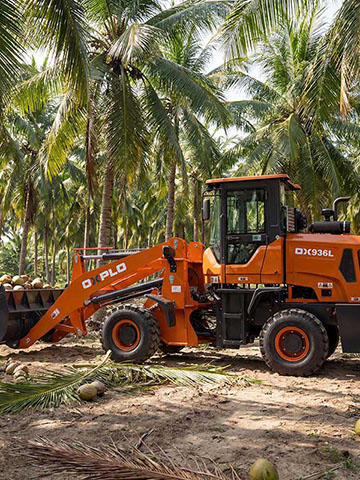
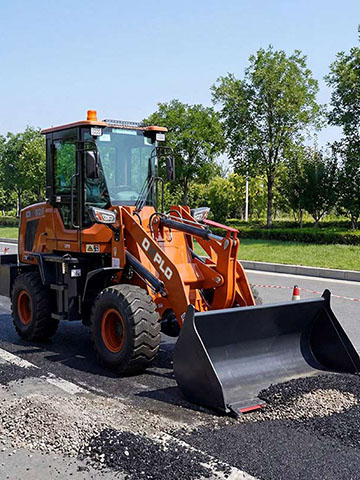
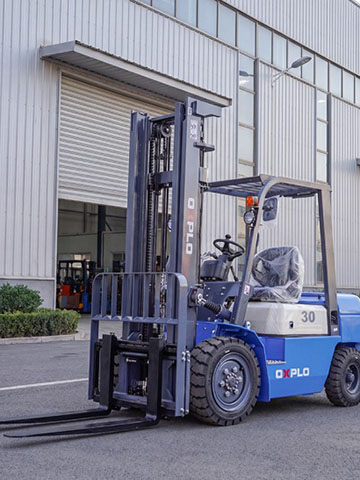
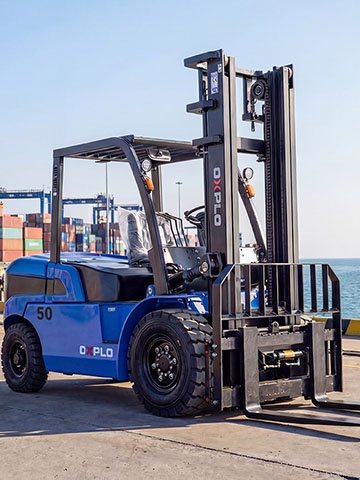
Our products are widely used in various fields such as warehousing,
construction, municipal roads, agriculture
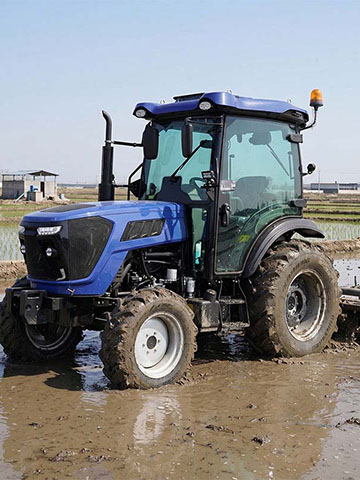
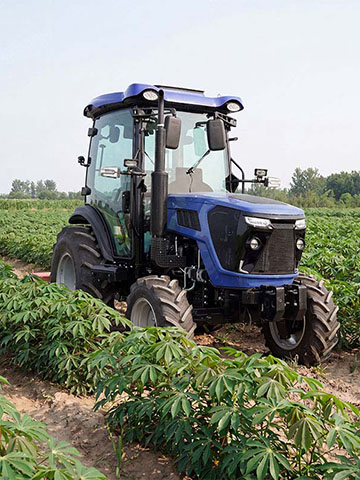
about OXPLO
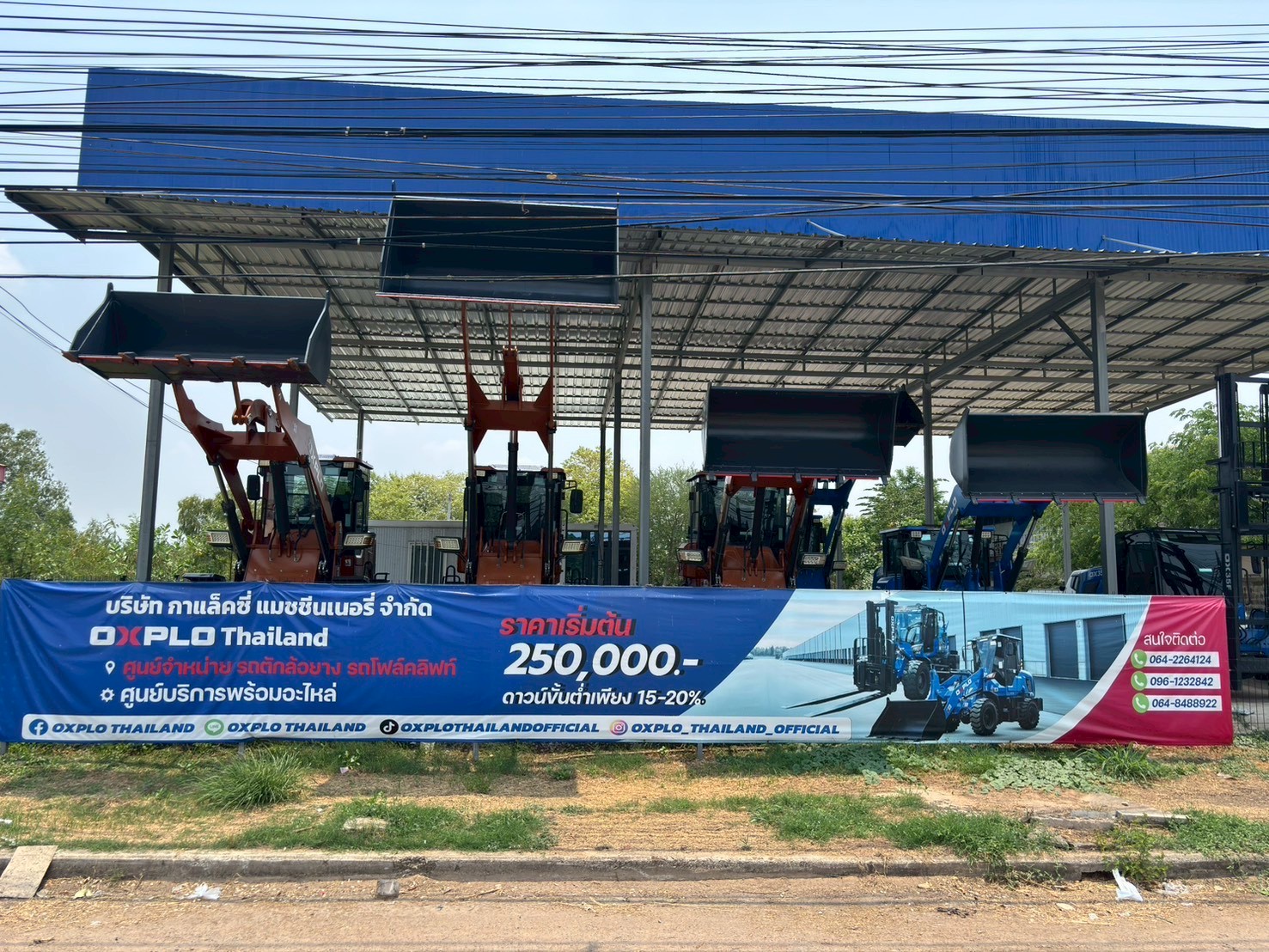
OXPLO is headquartered in Vannok District, Ayutthaya Province, Thailand, with five new branch offices in Khon Kaen, Nakhon Ratchasima, Ubon Ratchathani, Chiang Mai, and Phatthalung Provinces. The company's core competitive advantage lies in its "fast and efficient after-sales service and on-site problem-solving capabilities." OXPLO provides a comprehensive service guarantee system. Having cultivated the Thai market for many years, OXPLO not only provides excellent loaders, industrial forklifts, and off-road forklifts, but also offers one-stop service from procurement financing to after-sales support through comprehensive local support.







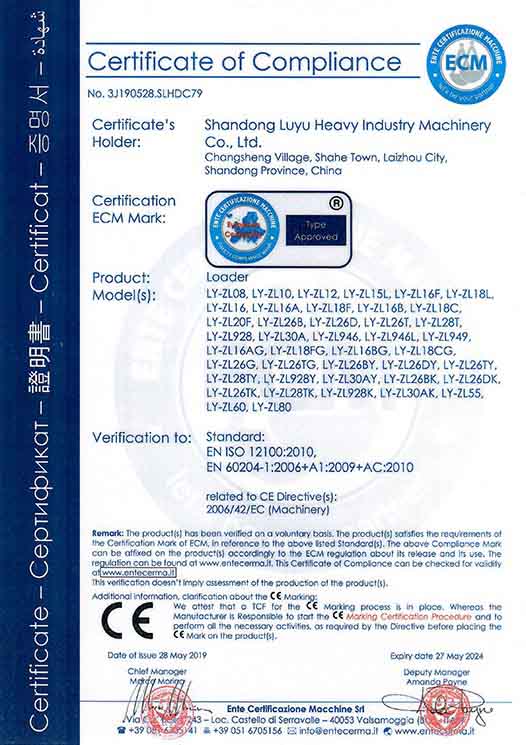
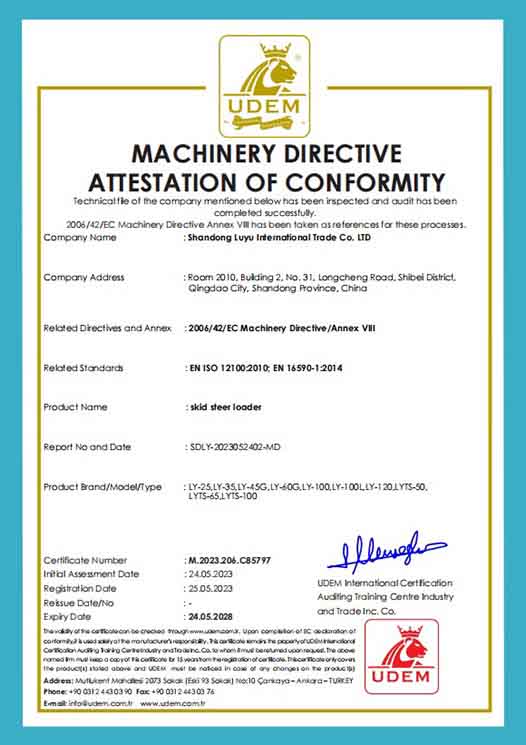
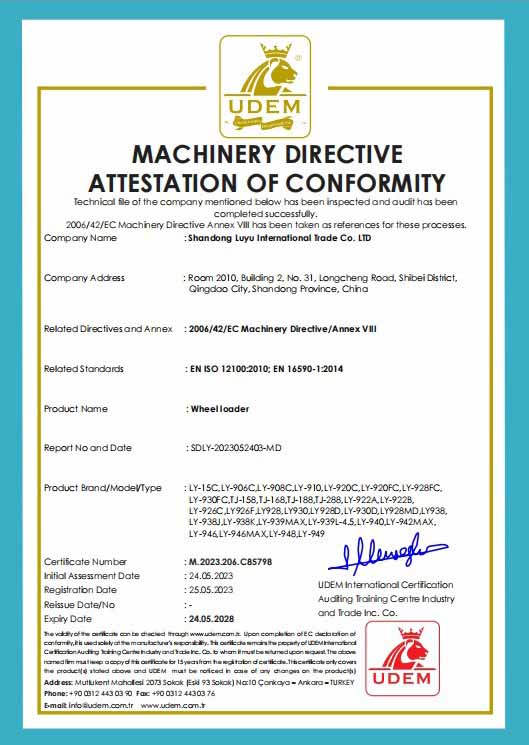
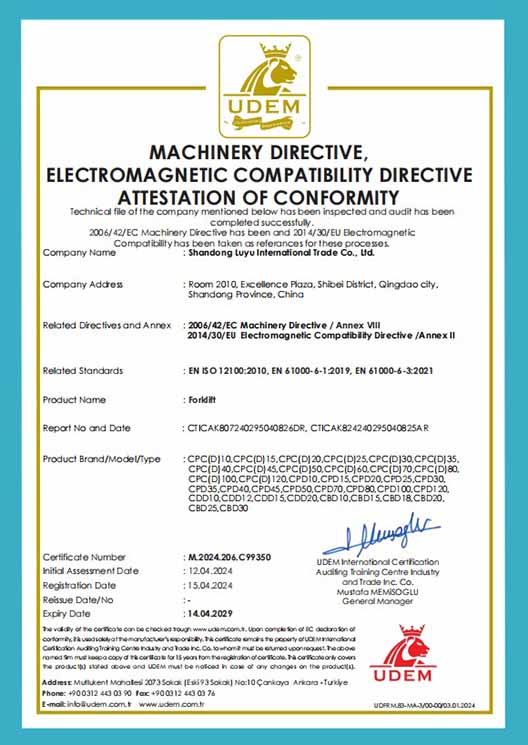
OUR CERTIFICATE
Wheel Loader FAQ
How much does a wheel loader cost?
The cost of a wheel loader varies depending on its rated load capacity, engine configuration, attachments, and optional features. Compact wheel loaders generally cost less than larger construction models. For an accurate quotation, contact OXPLO with your application requirements, preferred specifications, and destination country.
What is the fuel consumption of a wheel loader?
Fuel consumption depends on the loader size, engine power, operating conditions, and workload. Compact wheel loaders typically consume less fuel than larger models used in heavy-duty construction. Proper maintenance, efficient operating practices, and selecting the right machine size can help reduce fuel costs and improve productivity.
What is the lifting capacity of a wheel loader?
A wheel loader's lifting capacity is determined by its rated load. OXPLO offers wheel loaders with rated load capacities ranging from approximately 1.6 tons to 5 tons, making them suitable for agriculture, construction, material handling, and industrial applications. Always select a machine with sufficient capacity for your intended workload.
Can a wheel loader be used with pallet forks?
Yes. Many OXPLO wheel loaders can be equipped with pallet forks through a quick coupler system. This allows the machine to handle palletized goods, construction materials, agricultural products, and warehouse cargo, making it a versatile alternative to dedicated material handling equipment in certain applications.
How often should a wheel loader be serviced?
Regular maintenance is essential for maximizing machine performance and lifespan. Daily inspections should include checking engine oil, hydraulic fluid, coolant levels, and tire condition. Scheduled maintenance intervals vary by model and operating hours, but following the manufacturer's maintenance guidelines can help prevent unexpected downtime and costly repairs.
What is the difference between a wheel loader and a skid steer loader?
The primary difference is size, lifting capability, and maneuverability. Wheel loaders generally offer higher lifting capacities, larger buckets, and better performance for moving bulk materials over longer distances. Skid steer loaders are more compact and excel in confined spaces where tight turning and versatility are required. The best choice depends on your job site conditions and application needs.
What engine brands are available on OXPLO wheel loaders?
OXPLO wheel loaders are available with different engine configurations depending on the model and market requirements. Engine options may include reliable diesel engines designed to deliver strong performance, fuel efficiency, and easy maintenance. Please contact our sales team for specific engine options available in your region.
Do you provide operator training and technical support?
Yes. OXPLO provides after-sales support and technical assistance to help customers operate and maintain their equipment efficiently. Our team can offer guidance on machine operation, routine maintenance, troubleshooting, and spare parts support to ensure long-term reliability and productivity.