



A Practical B2B Selection Guide for Capacity, Aisle Space, Residual Capacity and Total Cost of Ownership
For procurement managers, warehouse supervisors and factory operators, the difference between a 2.5-ton forklift and a 3 Ton Forklift can look deceptively small. One machine is rated for 2,500 kg; the other for 3,000 kg. On a quotation sheet, the natural reaction is often to ask whether paying a little more for another 500 kg of capacity is the safer investment.
That question is too narrow. Forklift economics are shaped by much more than nominal capacity. A larger truck usually brings a heavier chassis, longer wheelbase, larger turning envelope and greater floor loading. A smaller truck can save space and simplify positioning, but it can become expensive if it regularly works near its practical capacity limit, requires load splitting or loses residual capacity after a sideshifter, fork positioner or high mast is installed.
The decision therefore should not be framed as '2.5 tons or 3 tons?' It should be framed as: which machine gives the lowest reliable cost per pallet movement under the site's real worst-case recurring conditions? That shift in thinking changes the entire purchasing process.
I. Why Rated Capacity Alone Is a Poor Investment Metric
A 2,500 kg nameplate does not mean every 2,500 kg load is equally easy to handle
Forklift capacity is conditional. It depends on the load center, mast configuration, fork and attachment geometry, lift height and the way the load is distributed. A truck that is rated at 2,500 kg at a 500 mm load center is not automatically suitable for every object weighing 2,500 kg.
The difficult cases are usually long crates, machinery components, timber, building materials and non-standard pallets. When the center of gravity moves farther away from the fork face, the overturning moment increases. The forklift may therefore need to handle less weight even though the cargo itself has not changed.
A useful field estimate is to compare the rated load moment with the actual load moment. For example, a 2,500 kg truck rated at a 500 mm load center would have an approximate theoretical capacity of 1,786 kg at a 700 mm load center. A 3,000 kg truck under the same simplified calculation would be approximately 2,143 kg. These are only screening calculations; the manufacturer's capacity plate and configuration-specific capacity data remain the final reference.
Technical reference: OSHA Powered Industrial Trucks - Load Composition explains why load size, position and load-center distance can reduce usable capacity.
Attachments can consume the safety margin you thought you had
A second mistake is selecting the forklift first and attachments second. A side shifter, fork positioner, clamp, rotator or longer fork set adds weight to the carriage and may move the effective load farther forward. Both effects can reduce residual capacity.
This matters most when a 2.5-ton forklift is chosen for loads already in the 2.2-2.4 ton range. A purchasing team may believe it has 100-300 kg of spare capacity, but that apparent reserve can disappear once the actual attachment, load center and lift height are included.
In other words, nominal capacity is not the same as usable capacity. For equipment selection, residual capacity at the required height is the number that protects the operation from future restrictions.
Technical reference: OSHA Forklift Attachments Guidance notes that attachments change center of gravity, visibility and capacity and that the forklift/attachment combination must stay within its rated limit.
II. What Really Changes When You Move from 2.5 Tons to 3 Tons?
The extra 500 kg is only one part of the trade-off
A 3 Ton Forklift is not simply a 2.5-ton forklift with a higher number printed on the data plate. In many product families, the higher-capacity machine uses a larger chassis and heavier counterweight to create the stability needed for the additional load moment.
That generally improves capacity reserve for heavier or more variable loads, but it also changes the vehicle's relationship with the building. More truck length and a larger turning radius affect right-angle stacking, dock positioning and traffic flow. More truck mass affects floor loading, tire loading and the energy required to accelerate and stop the machine.
This is why the better investment depends on the bottleneck. If the site is capacity-constrained, the 3-ton class can remove restrictions. If the site is space-constrained, the smaller truck can produce better real throughput even with a lower nominal capacity.
III. The Hidden Cost Most Buyers Miss: Warehouse Geometry
A forklift must fit the operating cycle, not just the aisle
Warehouse drawings often show aisle width as a single number. Forklift operation is not one-dimensional. The operator must enter the aisle, square the truck to the rack, position the pallet, insert the forks, lift, reverse and return to the travel lane. Every one of those movements consumes space.
The practical operating envelope therefore depends on overall truck length, front overhang, wheelbase, fork length, pallet depth, outer turning radius, right-angle stacking aisle requirement and the safety clearance the site applies around racks and traffic routes.
This is where an apparently minor dimensional difference can become expensive. If a larger truck requires one extra correction maneuver at every rack position, the lost seconds repeat hundreds of times per shift.
A simple cycle-time example shows why space can outweigh capacity
Assume the larger truck needs one additional eight-second steering correction during 500 pallet cycles per day. That creates 4,000 seconds of extra positioning time, or about 67 minutes per day. Across 250 working days, the difference is roughly 278 hours of operating time.
The example is not a universal productivity claim. It illustrates the method procurement teams should use: translate dimensional differences into repeated cycle-time consequences. A smaller forklift can therefore outperform a larger machine in high-density storage even though it carries fewer kilograms per lift.
IV. The Cheapest Purchase Price Can Produce the Highest TCO
Use total cost of ownership, not quotation price, as the decision framework
A forklift's purchase price is paid once. Handling inefficiency is paid every shift. A more useful commercial model is to evaluate purchase cost together with energy or fuel, scheduled maintenance, tires, labor, downtime, load splitting, lost storage density, facility constraints and residual value.
The right question is therefore not 'which truck is cheaper?' but 'what does one successful pallet movement cost after all operating consequences are included?'
Under-sizing creates repeated operational penalties
Consider a site that handles 70 heavy unit loads per shift. If 20 of those loads must be split because the forklift cannot safely handle the full unit, the operation performs 90 movements instead of 70. At four minutes per additional movement, the site loses 80 minutes per shift. With two shifts, that becomes 160 minutes of extra truck and labor time every day.
This is where a 3 Ton Forklift can justify a higher purchase cost: not because it is bigger, but because it may eliminate repeated handling and restore the intended unit-load flow.
Over-specification also has a cost
The opposite mistake is buying a 3-ton truck for a warehouse where 90% of pallets weigh 800-1,400 kg, the heaviest load is 1,700 kg, pallet dimensions are standardized and narrow aisles dominate the cycle. In that environment, the extra capacity may never be monetized.
The site could carry a larger turning envelope, higher truck mass and additional facility demand without gaining throughput. Over-specification is therefore not conservative engineering; it is a different form of procurement waste.
V. A Six-Step Technical Selection Method
1. Build a load distribution instead of using average load weight
Average weight hides the loads that actually determine forklift capacity. Record the percentage of daily movements below 1,500 kg, between 1,500 and 2,000 kg, between 2,000 and 2,300 kg, and above 2,300 kg. The small percentage at the top of the distribution often determines whether a 2.5-ton or 3-ton truck is required.
If heavy loads occur only once a month, a different handling method may be more economical. If they occur every hour, the forklift must be designed around them. Frequency changes the investment logic.
2. Measure the actual load center
Record pallet depth, crate dimensions, product geometry and any offset center of gravity. For long loads, the center of gravity may sit much farther from the fork face than the rated 500 mm load center used by many counterbalance forklifts.
Do not assume a 2,300 kg load is automatically suitable for a 2.5-ton truck. First establish where the 2,300 kg acts relative to the truck's front axle and confirm the manufacturer's capacity data for the intended configuration.
3. Confirm capacity at the required lift height
Ground-level transport is only half the job. If the heaviest pallet must be stored at the top rack level, evaluate that load at the required mast height and with the intended attachment installed.
The selection should be validated as one system: load weight + load center + mast height + attachment. Checking these variables separately can create a false sense of capacity margin.
4. Simulate right-angle stacking with the real pallet
Measure the narrowest rack aisle, loading-bay corner, door opening, staging zone and trailer access point. Then test the truck dimensions against the actual pallet length and fork configuration.
A truck that technically enters the aisle but requires repeated corrections is not a good warehouse match. This is one reason a 2.5-ton machine can outperform a 3 Ton Forklift in a space-constrained facility.
5. Quantify the duty cycle
Operating hours alone are not enough. Two forklifts can both run eight-hour shifts while experiencing completely different stress. Record loads per hour, average travel distance, lift frequency, average lift height, ramp gradient, idle time and available charging windows.
These variables determine whether battery capacity, travel performance or thermal demand becomes the real constraint.
6. Separate realistic growth from hypothetical growth
If a new production line will introduce 2,500-2,600 kg components within the next three years, additional capacity can be justified. If no heavier SKU, pallet or attachment is planned, paying for unused headroom may not produce a return.
Capacity reserve should therefore protect against credible future conditions, not vague 'just in case' thinking.
VI. OXPLO CPD25 vs OXPLO CPD30: What the Specifications Actually Tell Us
Once the operating requirements are clear, the comparison becomes much more concrete. OXPLO currently lists the OXPLO CPD25 Electric Forklift and the OXPLO CPD30 3 Ton Electric Forklift in its electric counterbalance range. Both standard configurations are listed with a 500 mm load center and a 76.8V/280Ah lithium battery, but their geometry and operating envelopes are materially different.
Moving from the OXPLO CPD25 to the OXPLO CPD30 adds 500 kg of rated capacity, but it also adds approximately 550 kg of truck weight. The OXPLO CPD30 is 355 mm longer with forks, 61 mm wider, and its listed outer turning radius is 275 mm larger. Its minimum right-angle aisle width is 265 mm greater.
That is the investment trade-off in numerical form. The OXPLO CPD30 gives the operation more lifting headroom; the OXPLO CPD25 gives the operation a smaller spatial envelope. Neither advantage matters unless it solves the site's actual bottleneck.
When the OXPLO CPD25 is likely to make more economic sense
· Most daily loads remain comfortably below approximately 2 tons.
· Pallet geometry and load center are standardized and predictable.
· Warehouse aisle width and rack positioning are major constraints.
· High-frequency turning and positioning matter more than occasional peak capacity.
· Heavy attachments are not part of the normal operating configuration.
· Future load growth is limited or well defined.
In this type of operation, the OXPLO CPD25 can convert its smaller chassis and turning envelope into practical warehouse efficiency. The objective is not to buy less forklift; it is to avoid paying for capacity that cannot be productively used.
When the OXPLO CPD30 is likely to provide the stronger investment case
· Loads regularly exceed 2 tons or frequently approach the upper range of a 2.5-ton truck.
· Long pallets or irregular cargo move the load center forward.
· A side shifter, fork positioner, extended forks or other attachment is required.
· Higher stacking levels make residual capacity more important.
· The operation expects heavier SKUs or higher production volume in the next several years.
· Avoiding split loads and repeated handling is more valuable than minimizing truck size.
For these operations, the OXPLO CPD30 3 Ton Forklift is valuable because of the additional operating margin, not simply because its nominal capacity is higher.
Buyers who want to compare other OXPLO capacities can review the full OXPLO forklift product range, including CPD15, CPD20, CPD25 and CPD30 electric models as well as other forklift configurations.
VII. How OXPLO Can Help Turn Site Data into a Forklift Specification
A useful forklift quotation should be the result of an application review, not the start of one. When a buyer contacts OXPLO, the most valuable information is not simply 'I need a 3 Ton Forklift.' The useful input is the complete duty profile.
OXPLO can use that information to narrow the capacity class and then review mast height, battery, forks, attachments and available aisle space. This reduces the risk of ordering a truck that meets the nominal tonnage requirement but creates a new constraint elsewhere in the facility.
Prepare this data before asking OXPLO for a recommendation
1. Maximum recurring load weight - not only the average pallet weight.
2. Pallet or load dimensions, including unusually long or offset loads.
3. Required lift height and highest rack position used for heavy loads.
4. Minimum aisle width and tightest turning point in the facility.
5. Required attachments such as side shifters, fork positioners or extended forks.
6. Indoor or outdoor use, floor condition and ramp gradient.
7. Daily operating hours, pallet cycles and available charging windows.
8. Expected changes in product weight or throughput over the next three to five years.
For technical support, maintenance guidance and spare-parts information, buyers can also review OXPLO Service & Support. For company information and the broader equipment portfolio, visit the OXPLO official website.
VIII. FAQ: 2.5 Ton Forklift vs 3 Ton Forklift
Q1. Is a 3 Ton Forklift always a better investment than a 2.5-ton forklift?
No. A 3 Ton Forklift provides more nominal capacity and usually more capacity reserve, but the larger chassis may require more maneuvering space and create greater floor and tire loading. If most loads remain well below 2 tons and warehouse geometry is tight, a 2.5-ton forklift can be the more efficient investment.
Q2. Can a 2.5-ton forklift safely lift exactly 2,500 kg?
Only under the capacity conditions stated by the manufacturer. Load center, lift height, attachment weight and cargo geometry all matter. If the load center moves forward or a heavy attachment is installed, the permissible load can fall below the nominal 2,500 kg rating.
Q3. If my heaviest pallet is 2,200 kg, should I choose OXPLO CPD25 or OXPLO CPD30?
Do not decide from weight alone. If the 2,200 kg load is compact, handled at moderate height and uses no heavy attachment, the OXPLO CPD25 may be suitable subject to the capacity data for the final configuration. If the load is long, handled high, uses a side shifter or varies significantly in weight, the OXPLO CPD30 can provide more operating margin.
Q4. Does a side shifter reduce forklift capacity?
It can. The attachment adds weight and may move the effective load center forward. OXPLO recommends confirming the final forklift, mast and attachment combination rather than assuming the original nominal rating remains unchanged.
Q5. Is the OXPLO CPD30 3 Ton Forklift suitable for narrow warehouse aisles?
That depends on the real warehouse geometry. OXPLO lists a 2,515 mm outer turning radius and a 2,545 mm minimum right-angle aisle width for the CPD30 standard specification. Actual space requirements can increase with pallet dimensions, fork length, attachments and site safety clearance.
Q6. What are the main differences between OXPLO CPD25 and CPD30?
The OXPLO CPD25 is rated at 2,500 kg and has a more compact listed operating envelope. The OXPLO CPD30 is rated at 3,000 kg and provides more capacity headroom, but it is longer, wider, heavier and requires a larger turning and right-angle stacking envelope.
Q7. What information should I send OXPLO before requesting a forklift quotation?
Send OXPLO the maximum load weight, pallet dimensions, load center, lift height, aisle width, attachments, floor and ramp conditions, daily duty cycle, charging availability and destination. This allows the OXPLO team to compare capacity, mast, battery and attachment options against the real application.
Q8. Where can I see OXPLO forklift models and technical specifications?
You can review the OXPLO forklift range on the official product page, then open the CPD25 and CPD30 product pages for detailed specifications. The links are included throughout this guide and in the final selection section below.
IX. Conclusion: Buy Capacity You Can Actually Use
The difference between a 2.5-ton forklift and a 3 Ton Forklift is not simply 500 kg. The real decision is a balance between capacity margin, load center, residual capacity, lift height, attachments, warehouse geometry, duty cycle, future demand and total cost of ownership.
If loads are predictable, space is tight and most pallets remain comfortably below the 2.5-ton class limit, the OXPLO CPD25 can be the more efficient investment. If loads are heavier, dimensions vary, attachments are required or production growth may push closer to the 2.5-ton boundary, the OXPLO CPD30 3 Ton Forklift can provide valuable operating headroom.
The goal is not to purchase the largest forklift the budget allows. It is to select the smallest configuration that can safely and consistently handle the real worst-case recurring load without turning capacity, warehouse space or cycle time into a bottleneck.
For a model comparison or application review, visit the OXPLO official website, browse the OXPLO forklift range, or compare the OXPLO CPD25 and OXPLO CPD30 directly. Providing OXPLO with your load weight, pallet dimensions, lifting height, aisle width and duty cycle will make the recommendation substantially more accurate than selecting by tonnage alone.
Customer Distribution
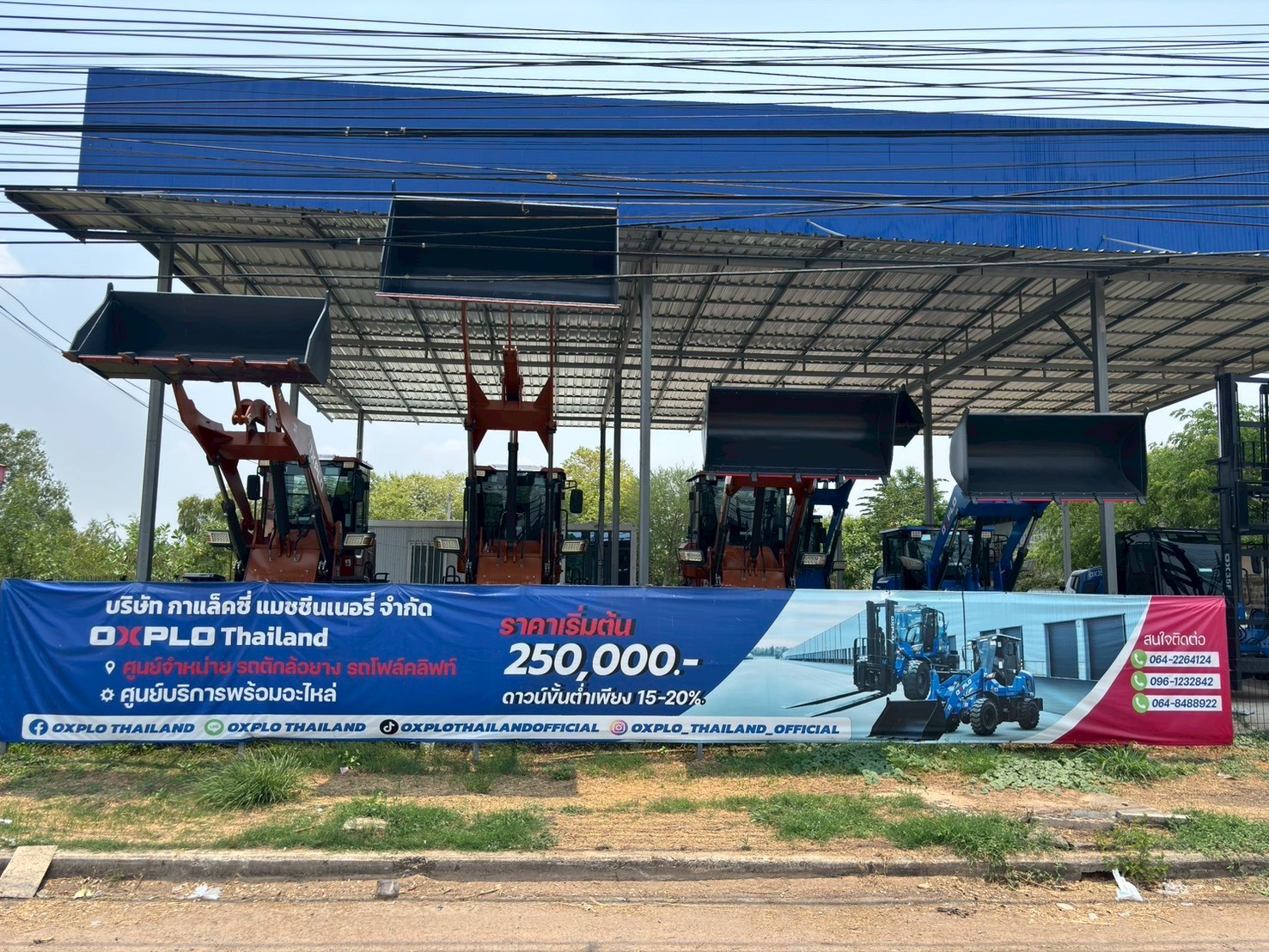
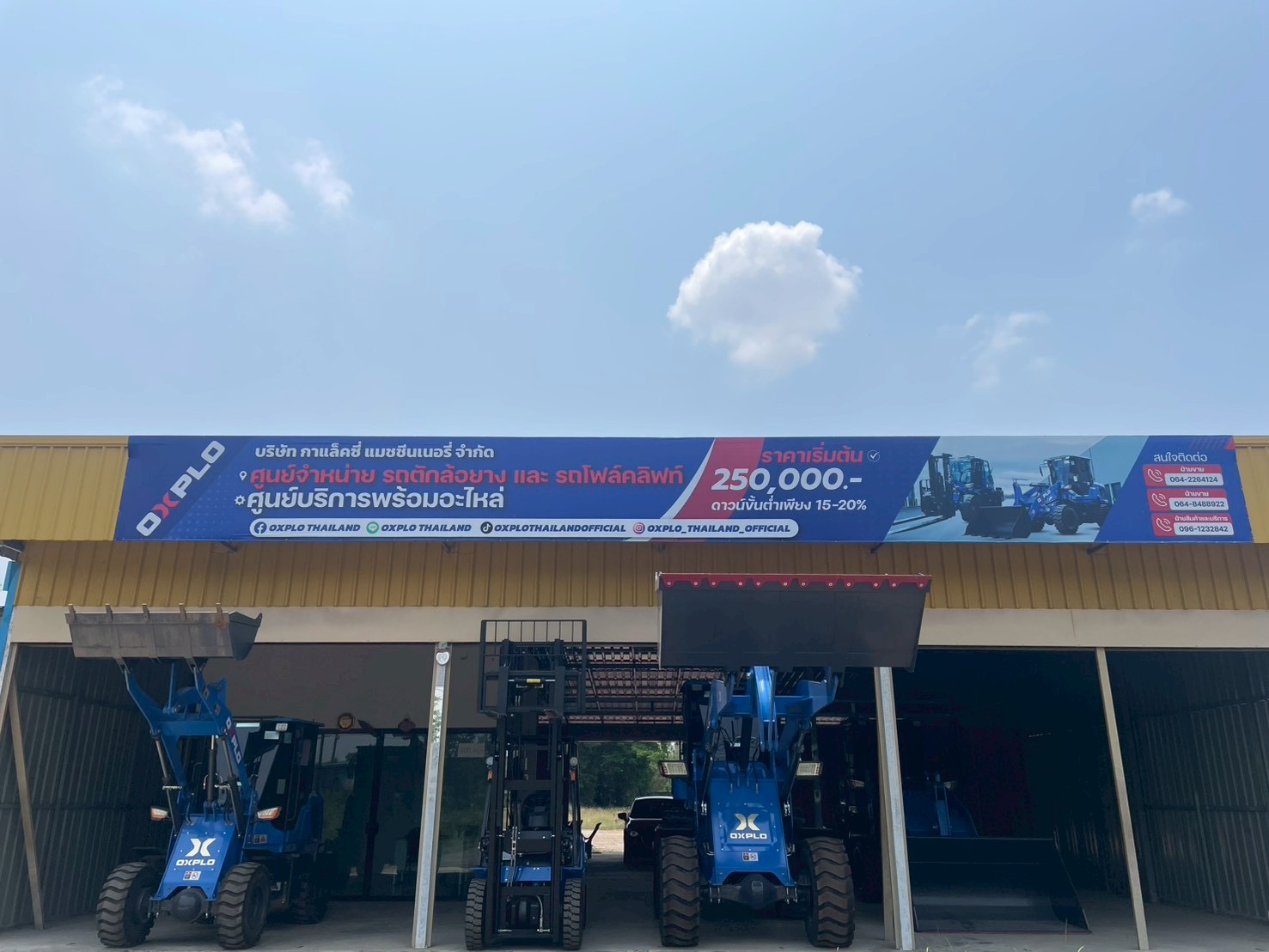
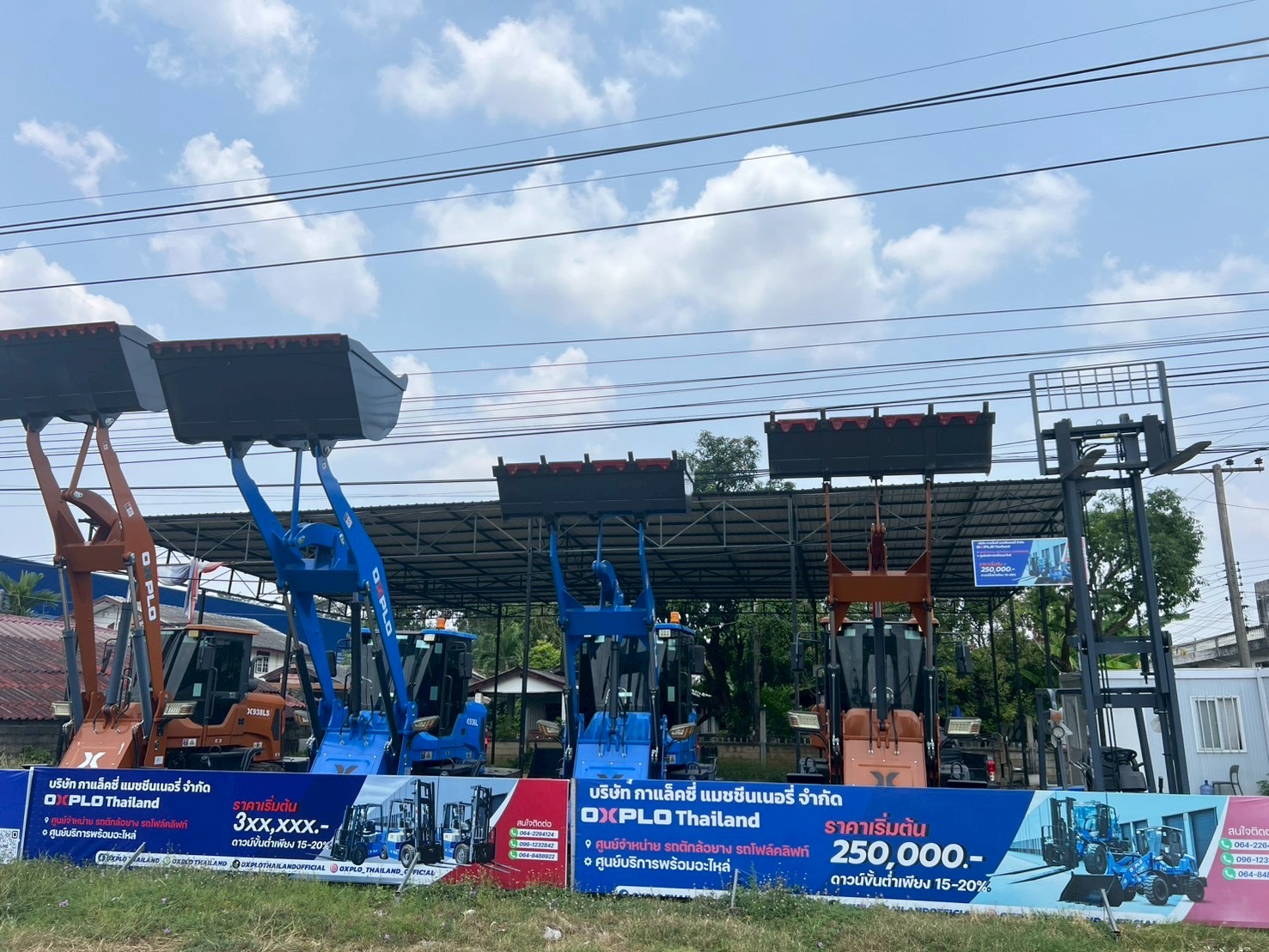
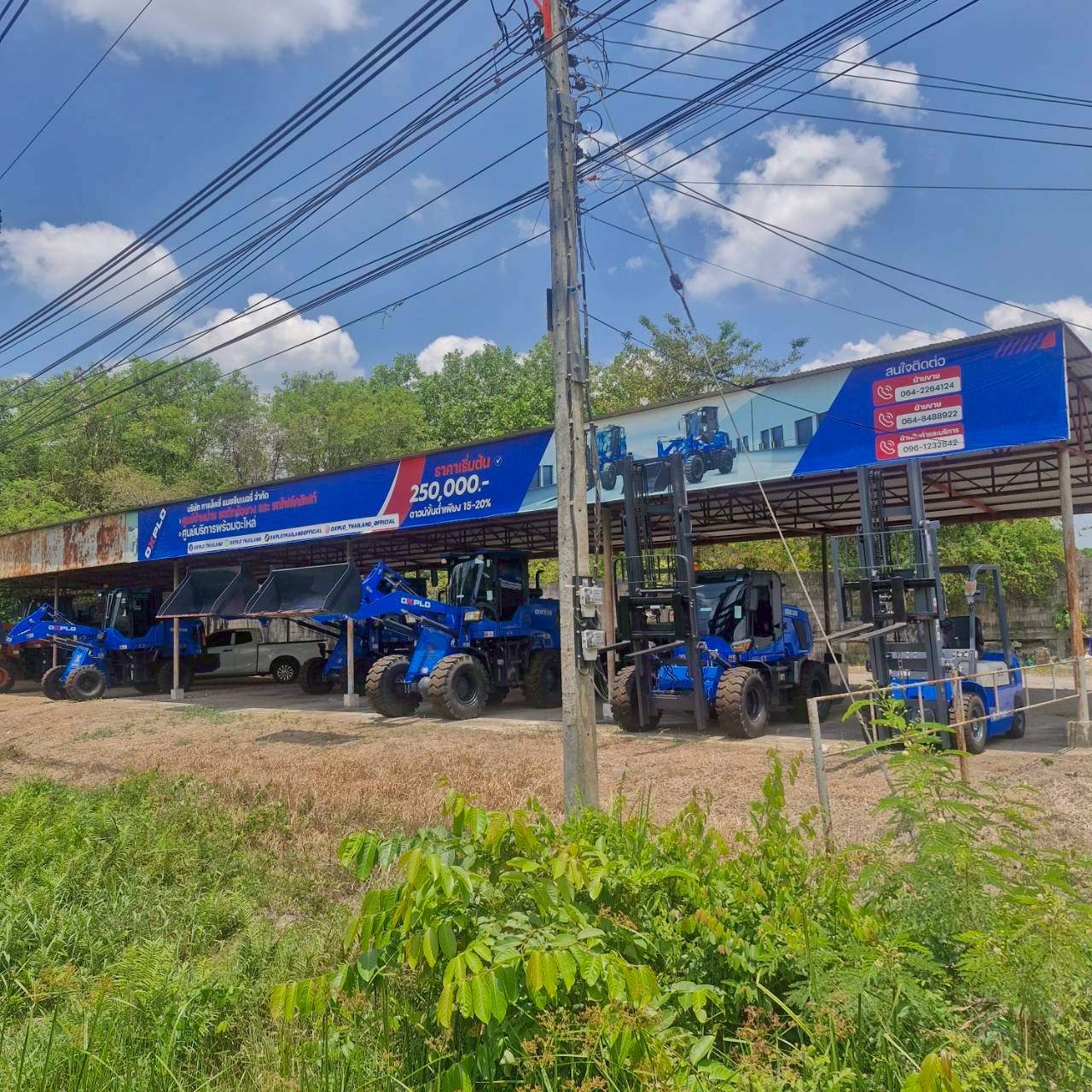
 Thailand-Ayutthaya
 Thailand-Khon Kaen
 Thailand-Nakhon Ratchasima
 Thailand-Ubon Ratchathani
 Thailand-Chiang Mai
 Thailand-Phthalum
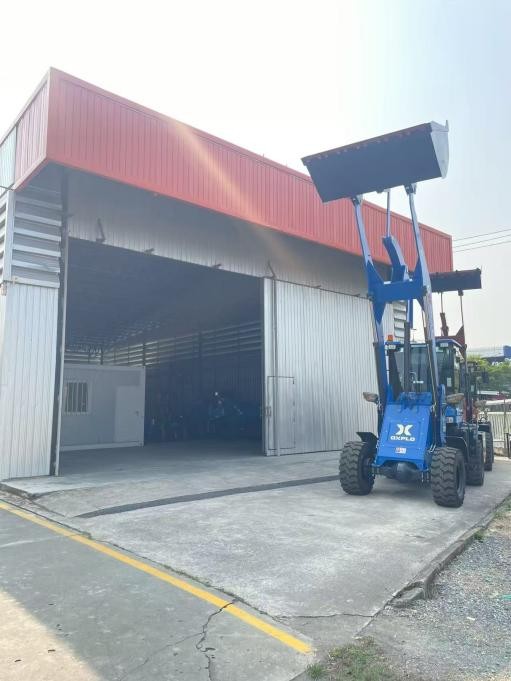
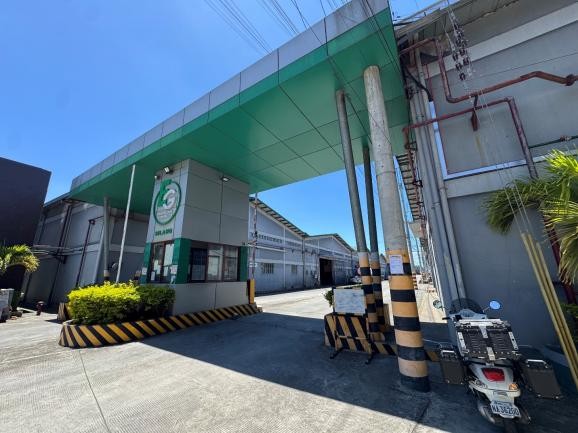
, MAGUYAM ROAD, BRGY. MAGUYAM, SILANG, CAVITE") Philippines-ELITE GLOBUS WAREHOUSE(NO. 43 - OXPOWER MACHINERY INC.), MAGUYAM ROAD, BRGY. MAGUYAM, SILANG, CAVITE
Philippines-ELITE GLOBUS WAREHOUSE(NO. 43 - OXPOWER MACHINERY INC.), MAGUYAM ROAD, BRGY. MAGUYAM, SILANG, CAVITE
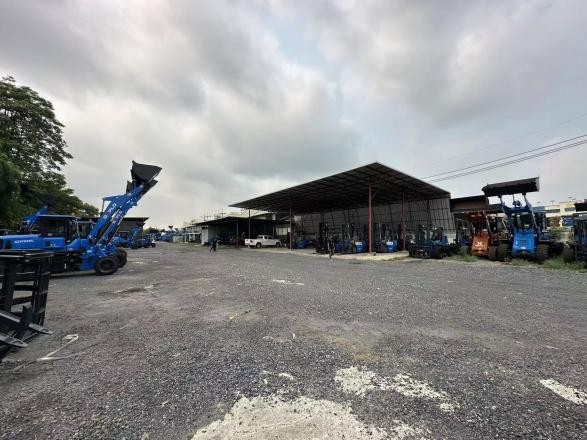
OUR OPERATiONS
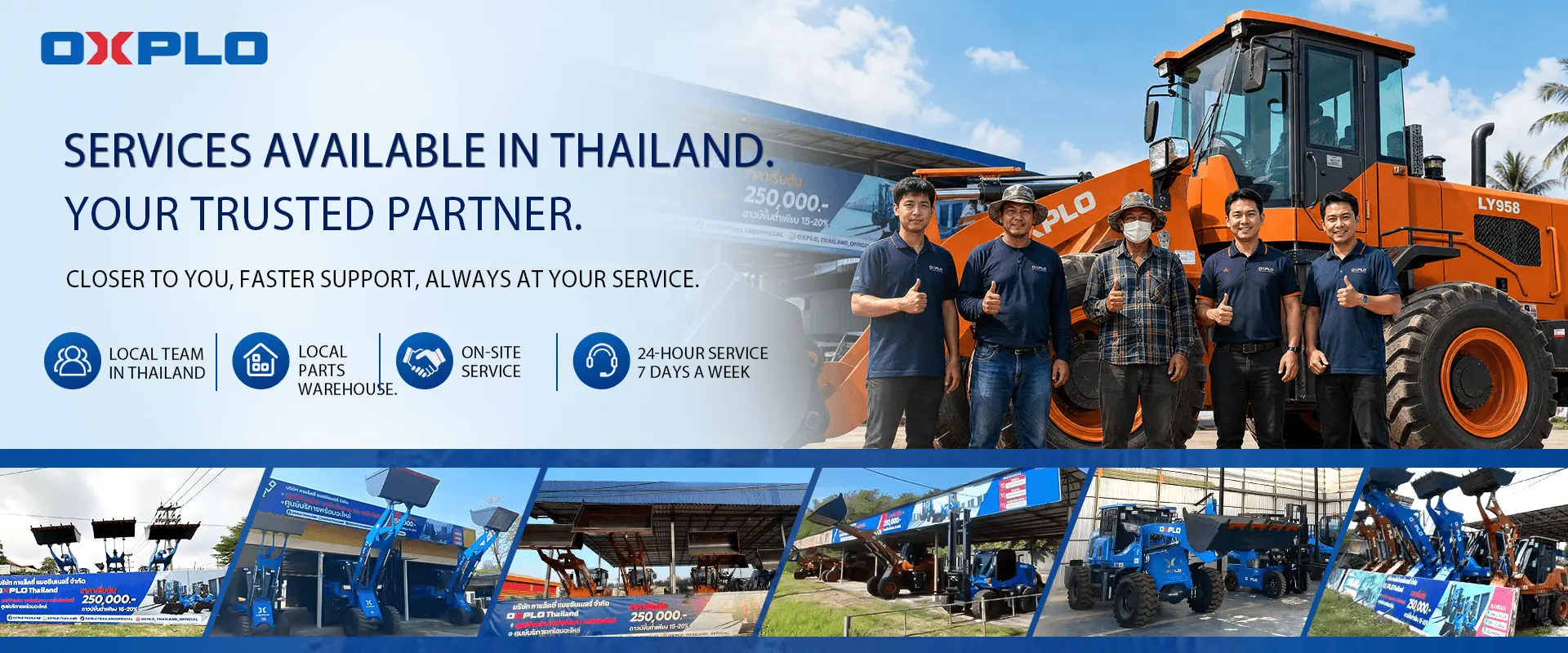
Our regional headquarters are located in Thailand, with independent operations company and service team in the Philippines. This multi-market presence enables us to provide customers throughout Southeast Asia with efficient communication, faster response times, and reliable local support.


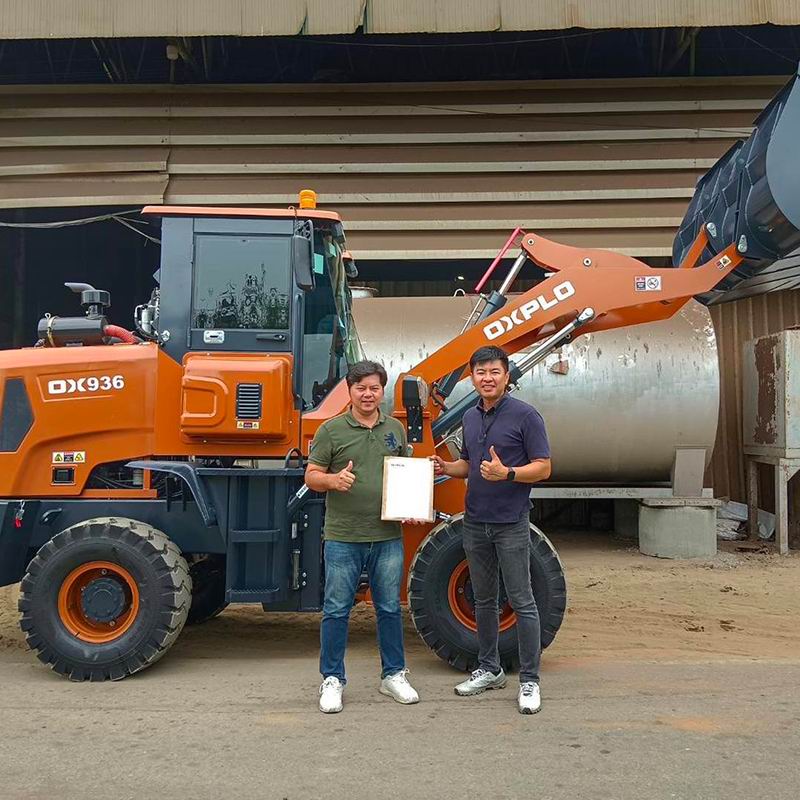
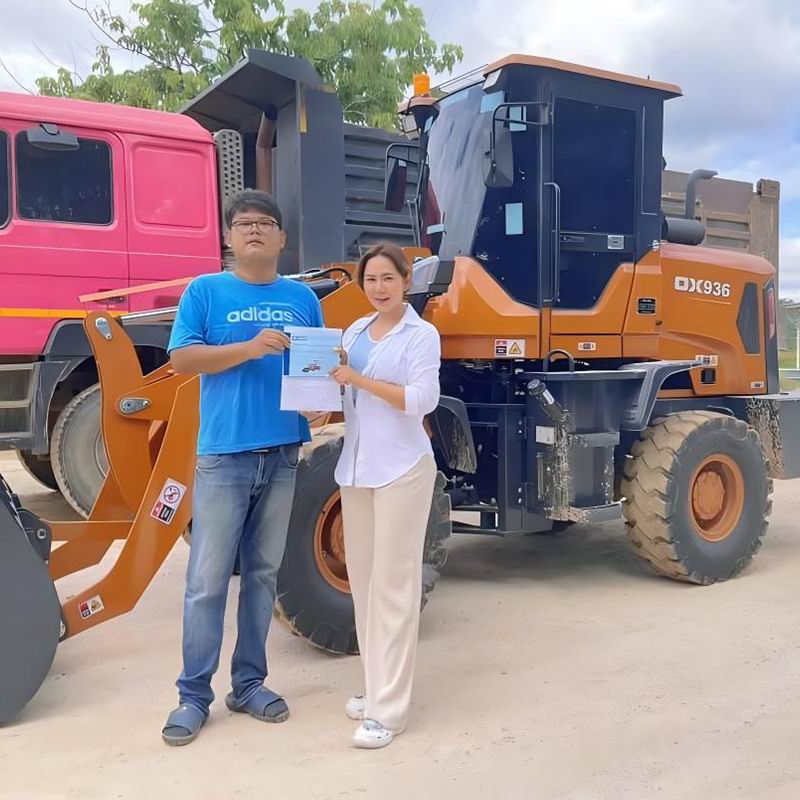
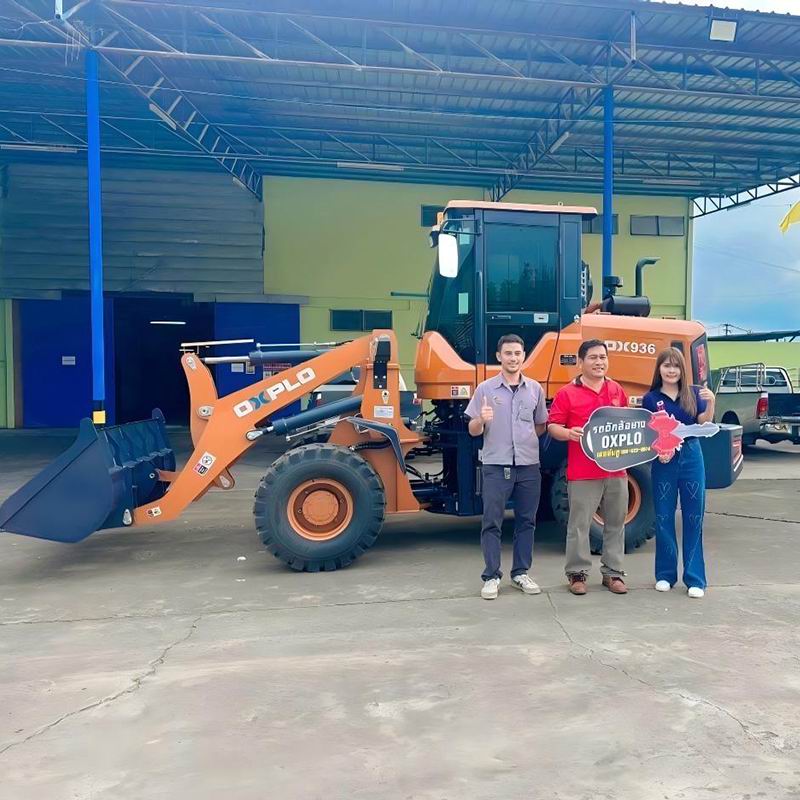
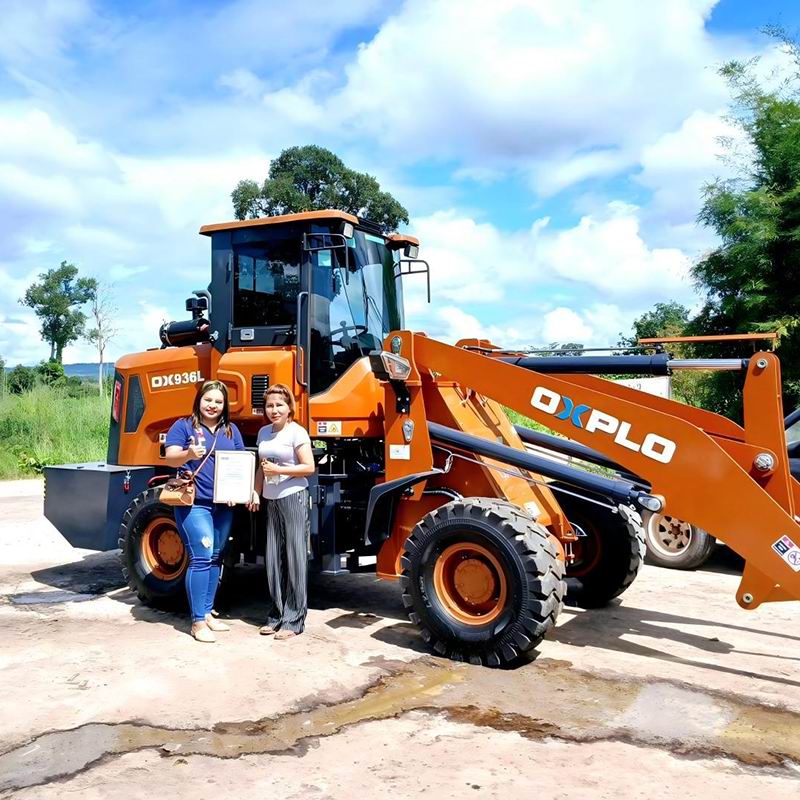
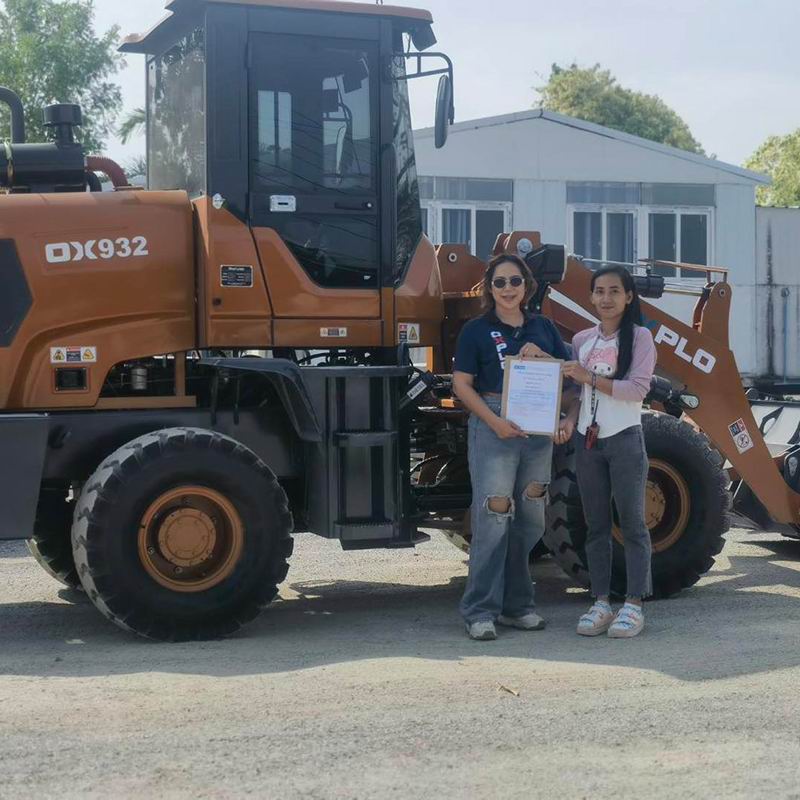
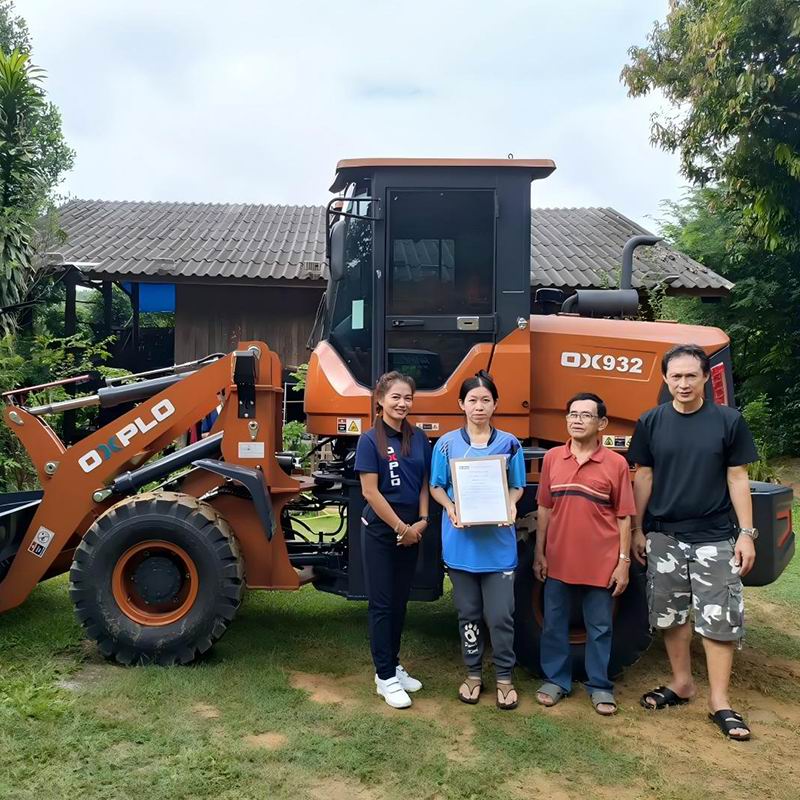
customer case
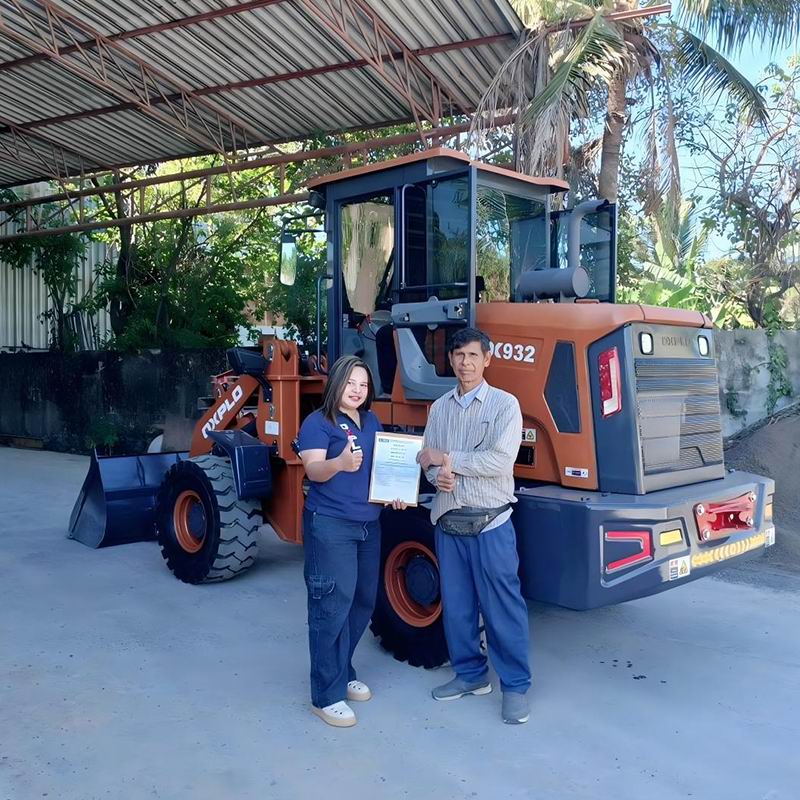
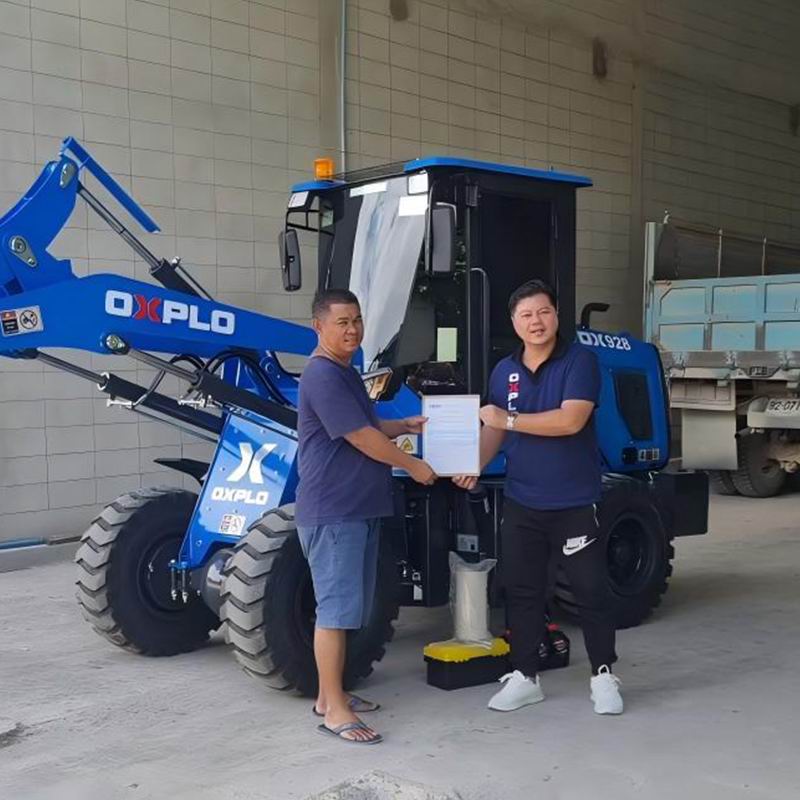
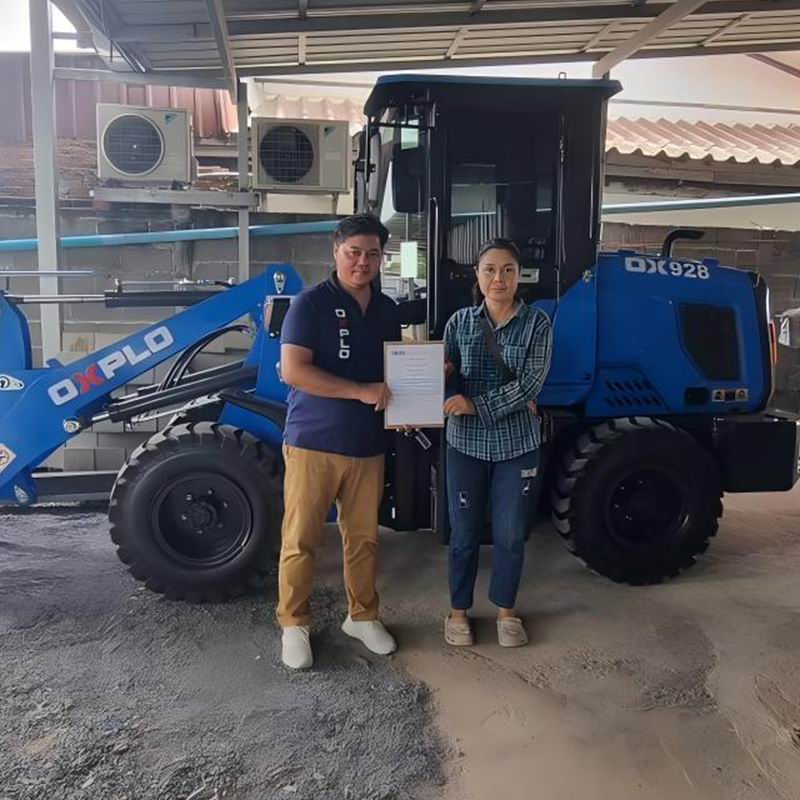
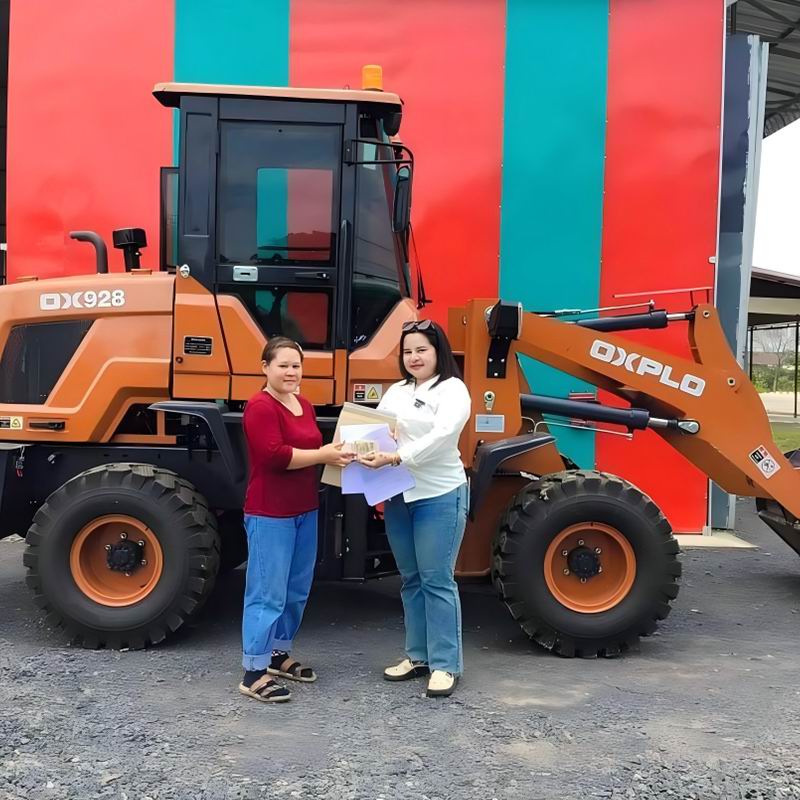
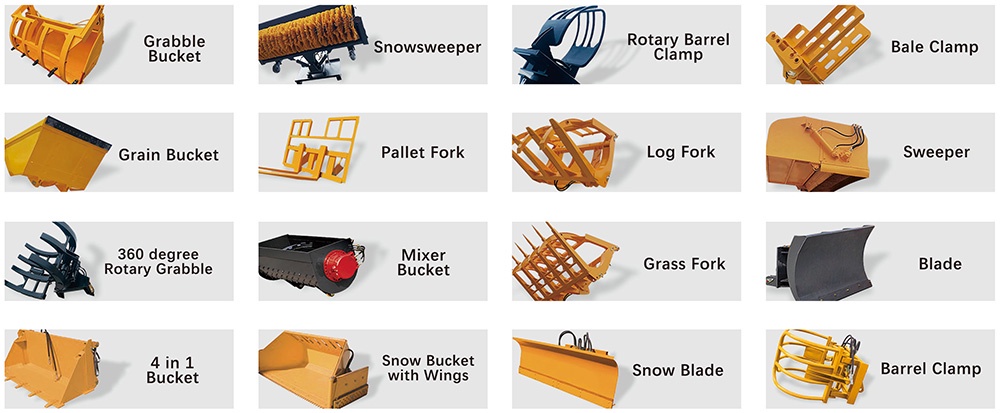
Wheel Loader Attachments
OXPLO provides a variety of spare parts support.
OXPLO's advantages
Let us introduce our products & factory to you
What makes us different
Why Choose Us
OXPLO specializes in the supply of forklifts, wheel loaders and tractors, providing reliable machinery solutions for material handling, construction and agricultural industries
Thailand Headquarters & SEAN Regional Operations
Headquartered in Thailand, with established firms and local service teams in the Philippines.
Reliable After-Sales & Spare Parts Support
We offer full after-sales care, including maintenance support and spare parts supply.
Factory Direct Supply
Direct factory operation ensures superior quality and a stable supply.
Quick Response & Service
Our local SEAN teams deliver rapid response, on-site service and expert technical help.
High-Performance Equipment
Built for tough jobs, our gear delivers robust power, steady performance and efficiency.
Application Scenarios
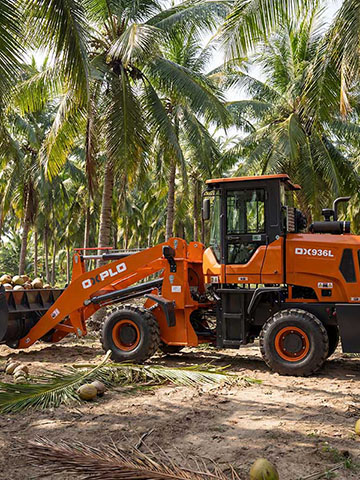
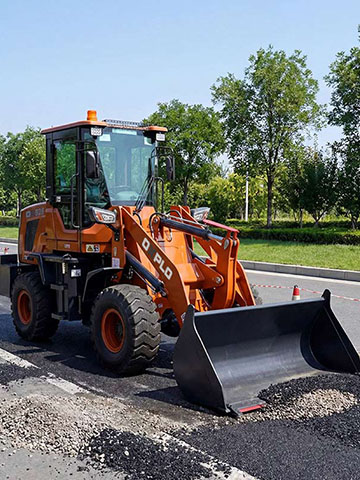
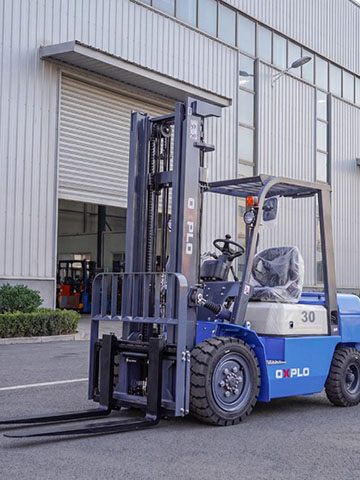
Our products are widely used in various fields such as warehousing,
construction, municipal roads, agriculture
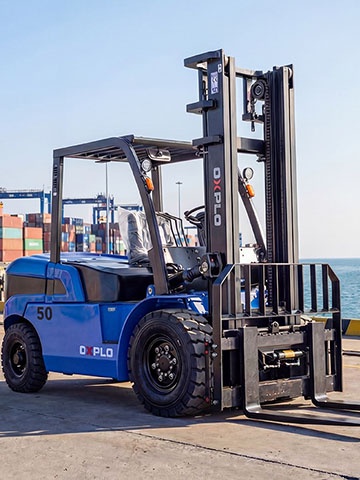
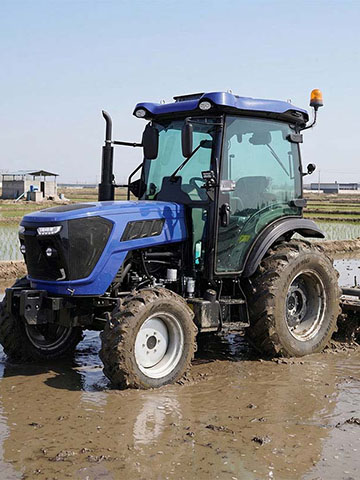
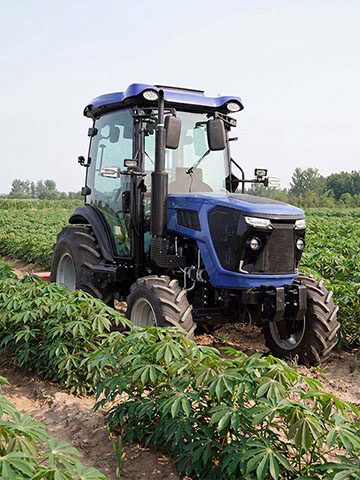
about OXPLO
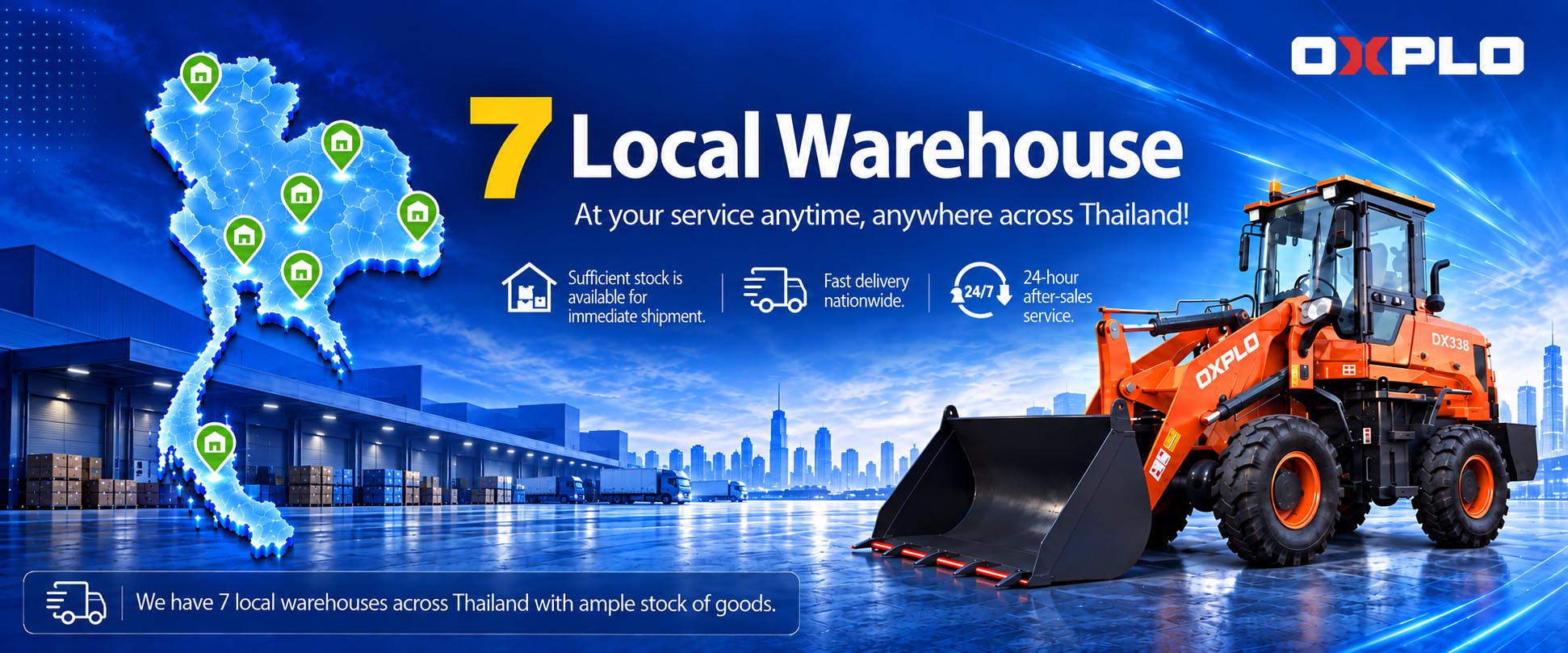
OXPLO is headquartered in Vannok District, Ayutthaya Province, Thailand, with five new branch offices in Khon Kaen, Nakhon Ratchasima, Ubon Ratchathani, Chiang Mai, and Phatthalung Provinces. The company's core competitive advantage lies in its "fast and efficient after-sales service and on-site problem-solving capabilities." OXPLO provides a comprehensive service guarantee system. Having cultivated the Thai market for many years, OXPLO not only provides excellent loaders, industrial forklifts, and off-road forklifts, but also offers one-stop service from procurement financing to after-sales support through comprehensive local support.







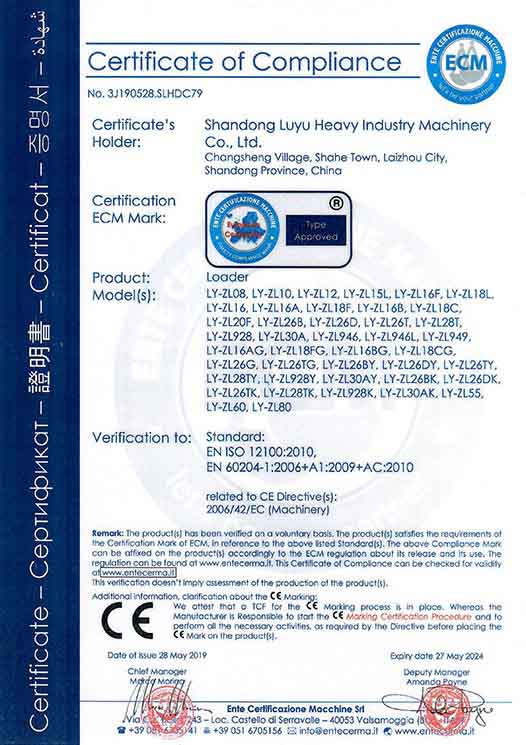
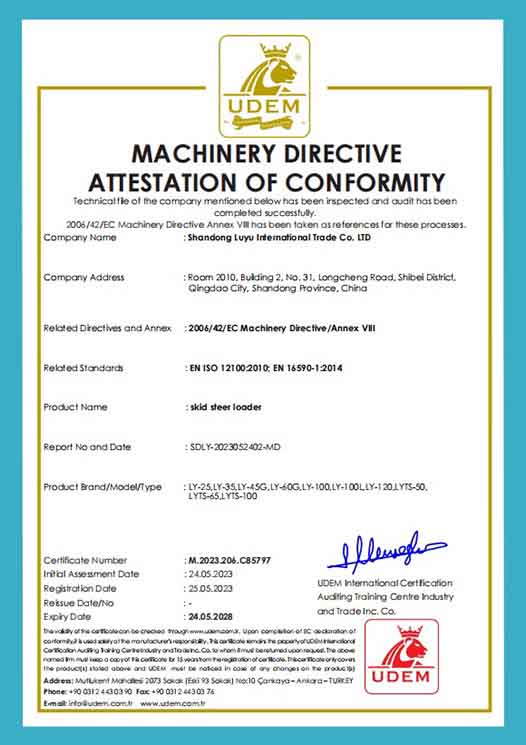
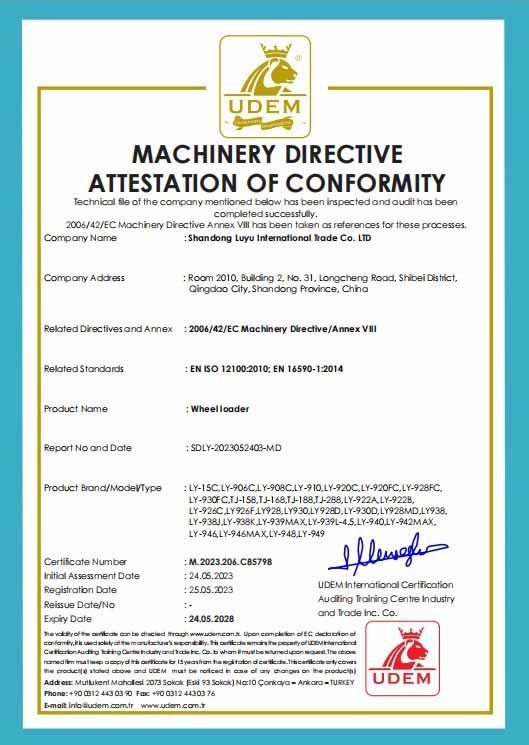
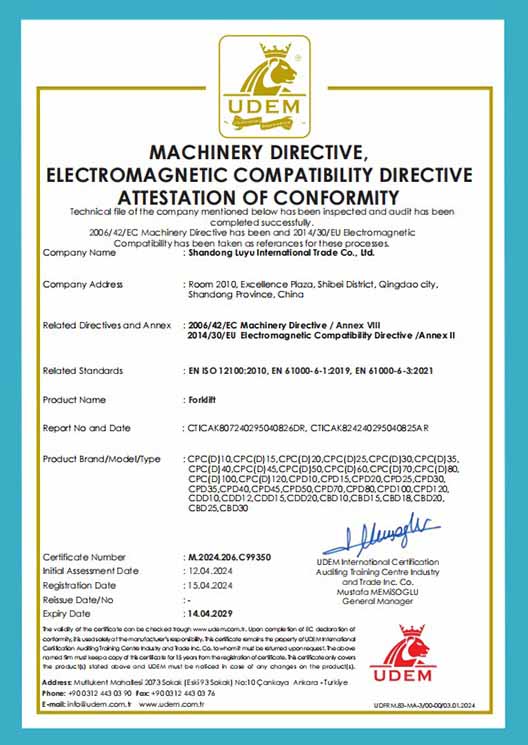
OUR CERTIFICATE
Wheel Loader FAQ
How much does a wheel loader cost?
The cost of a wheel loader varies depending on its rated load capacity, engine configuration, attachments, and optional features. Compact wheel loaders generally cost less than larger construction models. For an accurate quotation, contact OXPLO with your application requirements, preferred specifications, and destination country.
What is the fuel consumption of a wheel loader?
Fuel consumption depends on the loader size, engine power, operating conditions, and workload. Compact wheel loaders typically consume less fuel than larger models used in heavy-duty construction. Proper maintenance, efficient operating practices, and selecting the right machine size can help reduce fuel costs and improve productivity.
What is the lifting capacity of a wheel loader?
A wheel loader's lifting capacity is determined by its rated load. OXPLO offers wheel loaders with rated load capacities ranging from approximately 1.6 tons to 5 tons, making them suitable for agriculture, construction, material handling, and industrial applications. Always select a machine with sufficient capacity for your intended workload.
Can a wheel loader be used with pallet forks?
Yes. Many OXPLO wheel loaders can be equipped with pallet forks through a quick coupler system. This allows the machine to handle palletized goods, construction materials, agricultural products, and warehouse cargo, making it a versatile alternative to dedicated material handling equipment in certain applications.
How often should a wheel loader be serviced?
Regular maintenance is essential for maximizing machine performance and lifespan. Daily inspections should include checking engine oil, hydraulic fluid, coolant levels, and tire condition. Scheduled maintenance intervals vary by model and operating hours, but following the manufacturer's maintenance guidelines can help prevent unexpected downtime and costly repairs.
What is the difference between a wheel loader and a skid steer loader?
The primary difference is size, lifting capability, and maneuverability. Wheel loaders generally offer higher lifting capacities, larger buckets, and better performance for moving bulk materials over longer distances. Skid steer loaders are more compact and excel in confined spaces where tight turning and versatility are required. The best choice depends on your job site conditions and application needs.
What engine brands are available on OXPLO wheel loaders?
OXPLO wheel loaders are available with different engine configurations depending on the model and market requirements. Engine options may include reliable diesel engines designed to deliver strong performance, fuel efficiency, and easy maintenance. Please contact our sales team for specific engine options available in your region.
Do you provide operator training and technical support?
Yes. OXPLO provides after-sales support and technical assistance to help customers operate and maintain their equipment efficiently. Our team can offer guidance on machine operation, routine maintenance, troubleshooting, and spare parts support to ensure long-term reliability and productivity.