



A practical operating-cost and duty-cycle guide for warehouses, factories, yards and logistics operations
In Thailand, the Electric Forklift versus Diesel Forklift debate is often reduced to two lines: electric trucks cost less to run and need less engine-related maintenance; diesel trucks refuel quickly and keep working for long shifts. Both statements can be true. Neither is enough to make a purchasing decision.
Forklift cost is created by the duty cycle, not by the brochure. One truck may unload a few trailers in the morning and spend half the afternoon waiting. Another may shuttle components between production and storage almost continuously. Both may be described as “eight-hour-per-day” machines, yet their energy use, thermal load, tyre wear, charging requirements and downtime exposure are completely different.
For that reason, the useful question is not “Which powertrain is better?” It is: which truck can complete the required moves, across the full shift, at the lowest predictable cost without creating a new operational bottleneck? That is the basis of a sound Forklift Operating Cost comparison.
I. Why Forklift Powertrain Decisions Go Wrong in Thailand
Purchase price is visible. Operating loss is not.
A quotation is easy to compare. The expensive part is what happens after the truck enters service. Energy, planned maintenance, emergency repairs, tyres, charging or fuel infrastructure, operator time and lost production all accumulate over years. A truck that is cheaper on day one can be the more expensive asset by year three.
5-Year TCO = Purchase Cost + Energy + Maintenance + Infrastructure + Downtime - Residual Value
The formula is simple. Getting honest inputs is not. Most companies have a reasonably accurate purchase price and a rough fuel or electricity estimate, but downtime is often entered as zero and maintenance is represented by a single annual number. That hides the costs that usually hurt production teams most.
“Eight hours per day” is not a duty-cycle specification
Two sites can report the same eight-hour shift and need different powertrains. A finished-goods warehouse may have concentrated loading periods followed by long idle windows. A manufacturing plant may ask the truck to travel, lift, place, reverse and repeat for most of the shift. The second truck will consume more energy and generate more heat even if its key-on hours are identical.
Before asking a supplier for a final configuration, log at least five to seven normal working days. Include both busy and quiet days. A one-day snapshot is too easy to distort.
II. Thailand’s Operating Environment Changes the Answer
In hot weather, the real question is where the heat goes
For an Electric Forklift, buyers often begin with battery capacity. In Thailand, thermal behaviour deserves equal attention. A truck can work hard for several hours, stop with a warm battery, enter a fast-charge window and return to service before the system has had much time to cool. That is not automatically a problem, but it is a very different operating pattern from one full charge overnight.
Ask how the battery management system monitors cell voltage and temperature, where the charger will be installed, whether the charging area is ventilated and how long the truck remains parked between work blocks. “Fast charging supported” is not a shift plan.
A warehouse with a 60- to 90-minute lunch break may be able to use opportunity charging very effectively. A two-shift operation with a 15-minute handover may need a larger energy buffer, a different charging strategy, or another truck. Cheap electricity is irrelevant if the truck is parked at 3 p.m. waiting for charge while outbound trucks queue at the dock.
Diesel heat problems usually arrive more gradually
A Diesel Forklift avoids state-of-charge limits, but hot, dusty work is still hard on the machine. Radiator blockage, dirty air filters and neglected cooling systems often increase temperature and fuel consumption before they cause a clear fault. Because the truck still moves, these problems can stay invisible for weeks.
This is one reason Forklift Maintenance Cost should include deteriorating efficiency, not just the invoice for the eventual repair. A machine that slowly burns more fuel and delivers less performance is already costing money before anyone opens a work order.
Indoor/outdoor ratio matters more than a generic “tropical climate” label
Thailand is hot, but not every forklift works in the sun. Food warehouses, electronics plants, finished-goods stores and e-commerce facilities may keep the truck indoors for most of the day. In those sites, exhaust, ventilation, noise and repeated low-speed manoeuvring can matter more than ambient outdoor temperature.
An outdoor building-material yard has a different priority set. Surface condition, ramp demand, dust, rainfall exposure and the ability to refuel or charge near the work area become more important. The country does not choose the powertrain. The actual route does.
III. Electric Forklift: Where It Saves Money - and Where It Does Not
Energy cost can become decisive at high utilisation
Consider a simple internal model for a 2.5- to 3-ton class truck. These are illustration inputs, not market averages, and should be replaced with your own invoices and measured consumption.
The difference is large enough to get attention, but the important point is not the exact number. Fuel consumption changes with load, route, idle time and engine condition. Electricity cost changes with tariff structure, charging schedule and site demand. A proper model should have a low, base and high case rather than one “correct” energy price.
Battery capacity is not operating time
A 76.8 V / 280 Ah battery has about 21.5 kWh of nominal stored energy. That does not translate directly into “eight hours of work.” The usable shift duration depends on average load, travel distance, lift frequency, lift height, ramps, tyre condition, operator behaviour, temperature, the usable SOC window and the charging strategy.
This is why battery selection should be worked backward from the duty cycle. If most cycles move light pallets over short level routes, the same nominal battery can cover a very different shift from a truck repeatedly lifting near-rated loads and climbing ramps.
Lower maintenance does not mean maintenance-free
An Electric Forklift removes many combustion-engine service items, but it still has a mast, chains, forks, hydraulics, tyres, brakes, steering components, connectors, control electronics, a traction battery and a charger. Neglecting those items simply moves the failure somewhere else.
The advantage is narrower and more credible: there are fewer engine-related consumables and failure points. At high annual utilisation, that can reduce both planned service work and the number of opportunities for a small maintenance delay to become a production interruption.
When an Electric Forklift is probably the wrong first choice
Be cautious if the site has no fixed charging location, runs long continuous shifts with almost no break, moves the truck between temporary work areas, has uncertain electrical capacity, or refuses to add backup coverage. In those conditions, lower kWh cost can be outweighed by poor availability.
The economic test is simple: if the electric truck cannot reliably cover the required work window, solve the availability problem before celebrating the energy saving.
IV. Diesel Forklift: When Higher Fuel Cost Still Makes Operational Sense
Fast refuelling is an availability feature
A Diesel Forklift can carry a higher hourly energy cost and still be the cheaper operational choice when charging downtime would interrupt the job. Refuelling is quick, and the truck is less dependent on a fixed electrical point. That matters in temporary yards, outdoor material handling, cross-site work and multi-shift operations where the truck must remain available.
The correct comparison is sometimes cost per completed job, not cost per operating hour. A diesel truck that completes the full shift can beat an electric truck with a lower hourly energy cost if the electric unit cannot cover the required cycles without additional fleet capacity.
Idle time is where diesel fleets quietly leak money
The biggest fuel-saving opportunity is not always a new truck. Watch the waiting time first. If a Diesel Forklift idles unnecessarily for two hours per day and uses roughly 1 litre per idle hour, that is 600 litres per year across 300 working days. At an illustrative 36.7 THB/L, the site is spending about 22,020 THB per year before counting the extra engine hours and service exposure.
That is why telematics, operator discipline and route planning can sometimes improve Forklift Operating Cost faster than replacing equipment.
When diesel is simply an expensive habit
The opposite failure also happens. A truck spends more than 80% of its time indoors, runs six to ten hours a day, returns to the same parking point every evening and could charge overnight - yet the company keeps buying diesel because “that is what we have always used.” In that case, the old fleet standard itself deserves scrutiny.
V. Forklift Operating Cost: Build a Real Five-Year TCO Model
Separate the costs that behave differently
A useful TCO sheet should be editable. Do not hide everything inside one “annual running cost” line. Energy, maintenance, downtime and infrastructure respond to different operational changes, so keep them separate.
Forklift Maintenance Cost is not just parts and labour
Forklift Maintenance Cost = Parts + Labour + Planned Downtime + Unplanned Downtime
A 4,000 THB repair can be a 30,000 THB event if the truck is the only unit feeding a production line and the site must rent a replacement, delay a truck or pay overtime to recover the schedule. This is why maintenance teams and purchasing teams often have different views of “cheap” equipment. Both are looking at real numbers; they are just looking at different columns.
For critical forklifts, assign a downtime cost per hour. It does not need to be perfect. Even a conservative estimate makes the TCO model more realistic than setting downtime to zero.
Do not forget infrastructure on either side
Electric fleets need charging locations, cabling, protection and enough electrical capacity to support the intended charging schedule. A few forklifts charging overnight may be simple. A large fleet fast-charging at the same time can create a very different site-load profile.
Diesel operations also have infrastructure. Fuel storage, refuelling procedures, spill control, inventory management and site safety carry cost. “No charger required” does not mean “no infrastructure cost.”
VI. Break-Even Point: When Does an Electric Forklift Become Cheaper?
Payback depends on utilisation, not on a universal number
Annual Operating Savings = Diesel Annual Cost - Electric Annual Cost
Payback Period = Additional Electric Investment / Annual Operating Savings
Suppose the complete Electric Forklift package costs 120,000 THB more at the start, including the charging setup, but saves 150,000 THB per year in combined energy and maintenance under the actual duty cycle. The simple payback is 0.8 year. That looks compelling.
Now reduce daily use to two hours. Energy savings fall sharply while most of the initial premium remains. The same truck may take several years to recover its extra investment, and the business may have better uses for that capital. This is why “How many years does an Electric Forklift take to pay back?” is the wrong question.
VII. How to Choose the Right Forklift for Daily Operations in Thailand
1. Start with the heaviest recurring load, not the rare extreme load
Record the load weight and load centre. A 2.3-ton compact pallet and a 2.3-ton long machine component are not the same handling case. The farther the load centre moves away from the fork face, the more the effective capacity margin changes.
2. Confirm lift height and residual capacity
A “3-ton forklift” is not automatically a 3-ton forklift at every mast height and with every attachment. Mast configuration, lift height, load centre and attachments can change residual capacity. This should be checked before purchase, not discovered during commissioning.
3. Measure the indoor/outdoor split
If the truck is indoors 90% of the time and only crosses a yard briefly, do not configure the whole fleet around the harshest 10% without checking the cost. The same logic applies in reverse. A mostly outdoor truck should not be specified around an ideal warehouse floor.
4. Put the charging windows on a clock
List lunch, shift handover, night parking, weekend parking and any predictable waiting blocks. If the truck is parked for twelve hours every night, charging may be easy. If it is handed directly from one operator to another, the energy strategy needs much more engineering.
5. Inspect the floor before debating electric versus diesel
Smooth concrete, broken slabs, ramps, gravel and mud change traction, tyre wear, stability and travel speed. A normal counterbalance Diesel Forklift is not automatically a rough-terrain truck. Powertrain choice cannot correct the wrong chassis, tyre or ground-clearance decision.
6. Ask who will repair the truck before you ask for the final price
For a Forklift Thailand project, local parts and service response can be worth more than a small purchase-price difference. Confirm common wear-part availability, diagnostic capability, warranty procedure and the process for technical support. The cost of a fault depends heavily on how quickly the site can get back to work.
How OXPLO applies the same duty-cycle logic to model selection
OXPLO offers both Electric Forklift and Diesel Forklift options for material handling in Thailand. The useful starting point is not “send me a 3-ton price.” It is the operating data above: load weight, load centre, lift height, daily hours, aisle width, floor condition, indoor/outdoor ratio and charging availability.
A good example is the OXPLO CPD25 Electric Forklift versus the OXPLO CPD30 Electric Forklift. Both use a 76.8 V / 280 Ah lithium battery on the current product pages, but the CPD25 is rated at 2,500 kg while the CPD30 is rated at 3,000 kg. Their operating envelopes are not identical: the CPD30 is larger and needs more turning and aisle space. This is exactly why battery capacity or rated tonnage should never be used as the only selection criterion.
On the diesel side, the OXPLO OX30 Diesel Forklift is a 3,000 kg class truck with a 500 mm load centre. The current OXPLO page lists a 4,000 mm standard mast configuration, 18 km/h full-load travel speed and a 20% full-load gradeability figure. Those parameters are useful, but OXPLO still recommends matching the truck to the route, load and lift cycle rather than selecting by the “3 ton” label alone.
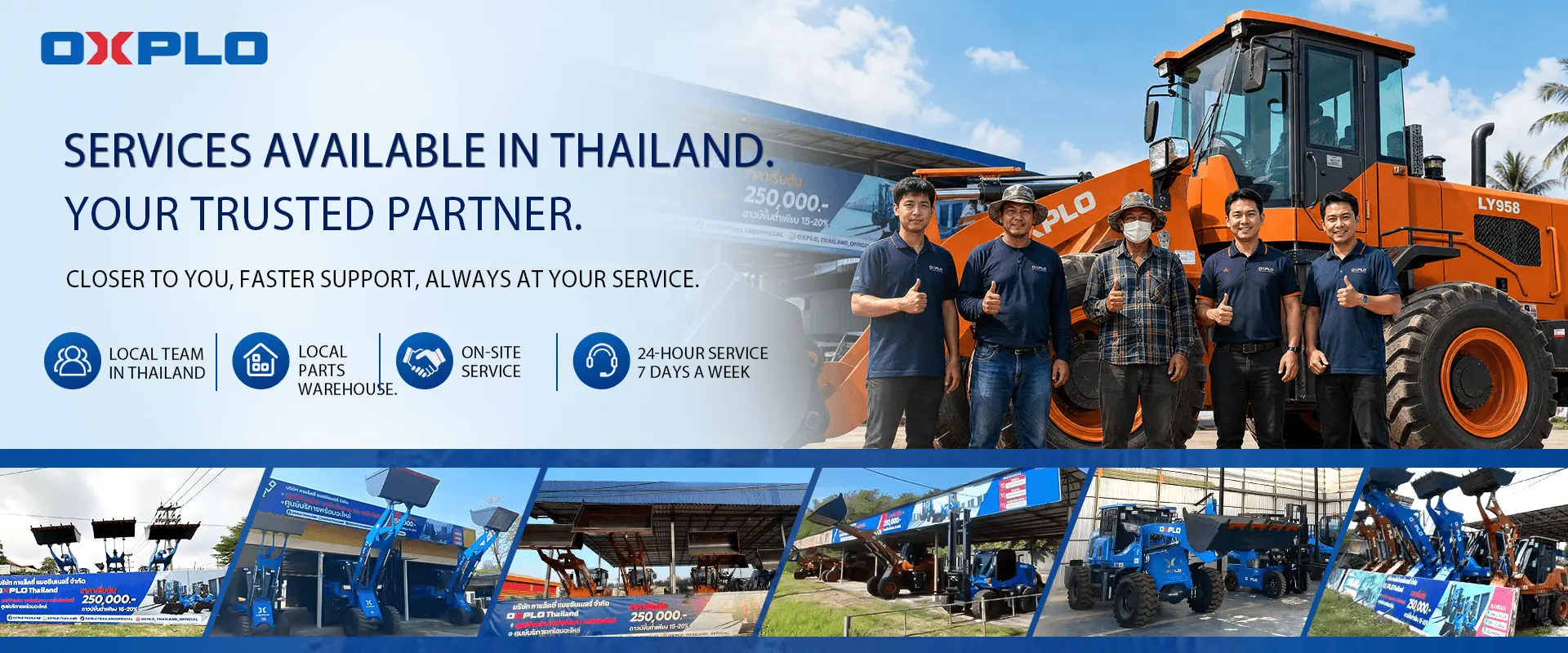
For ongoing operation, OXPLO Service & Support is also part of the TCO discussion. OXPLO lists local Thailand service and spare-parts support, which matters because a low component price is of little value if the machine remains offline waiting for the correct part or diagnosis.
VIII. Frequently Asked Questions
Q1. Is an Electric Forklift cheaper to operate than a Diesel Forklift in Thailand?
Often, but not automatically. High annual utilisation, predictable charging and indoor work generally make the Electric Forklift case stronger. Low utilisation, poor charging access or continuous multi-shift work can change the result. Compare a five-year TCO using your own duty-cycle data.
Q2. Can an Electric Forklift work eight hours on one charge?
Battery capacity alone cannot answer that question. Load, distance, lift frequency, height, ramps, temperature, tyre condition, SOC limits and driver behaviour all affect shift duration. OXPLO recommends checking the actual duty cycle rather than converting amp-hours directly into working hours.
Q3. Is a Diesel Forklift better for outdoor work in Thailand?
It is often worth evaluating first when the work is remote, continuous or difficult to support with charging. But “outdoor” does not automatically mean diesel. Surface condition, tyres, ground clearance, stability and the actual route still need to be checked.
Q4. What has the biggest effect on Forklift Maintenance Cost?
Parts and labour matter, but downtime is frequently underestimated. A short repair on a non-critical truck may be cheap. The same repair on the only forklift feeding a line can be expensive. Track the operational consequence, not just the workshop invoice.
Q5. Which OXPLO forklift should I choose for a Thai warehouse?
For clean, level indoor warehousing with stable charging, an OXPLO Electric Forklift such as the CPD25 or CPD30 may be a strong starting point, subject to load, aisle and lift-height checks. For work with limited charging access or more continuous outdoor duty, an OXPLO Diesel Forklift such as the OX30 may deserve closer evaluation. The final choice should be made from the duty cycle, not the product category name.
Q6. What information should I send OXPLO before asking for a quotation?
Send the maximum recurring load, load dimensions and load centre, required lift height, aisle width, daily working hours, shift pattern, indoor/outdoor ratio, ramp details, floor condition and available charging window. With that information, OXPLO can discuss the forklift, mast, battery or engine configuration against the actual job rather than quote a generic unit.
IX. Conclusion: Choose for the Duty Cycle, Not the Powertrain Label
There is no universal winner between an Electric Forklift and a Diesel Forklift in Thailand. Electric power usually becomes more attractive when daily utilisation is high, the route is predictable and charging can be planned. Diesel remains practical when the job demands fast refuelling, flexible deployment or continuous availability that the site cannot yet support electrically.
A mixed fleet can be the most economical answer. Stable indoor cycles can be assigned to electric trucks while outdoor, temporary or hard-to-schedule work stays with diesel where that protects productivity. Fleet standardisation is useful, but forcing one powertrain into every duty cycle can be more expensive than managing two.
Before buying, take one week of operating logs. Measure loads, distance, lift cycles, idle time, shift gaps and floor conditions. Then calculate energy, Forklift Maintenance Cost and downtime over the ownership period. That work is less exciting than comparing brochures, but it is where most of the TCO decision is actually made.
If you are planning a Forklift Thailand project, OXPLO can review those operating inputs and compare the relevant electric and diesel configurations. Explore the OXPLO forklift range, check OXPLO Service & Support, or visit the OXPLO Thailand website to discuss a configuration around your real load, shift and operating environment. The goal is not to buy the cheapest forklift on the quotation sheet. It is to keep the cost per completed move predictable for the years you actually own the machine.
Customer Distribution
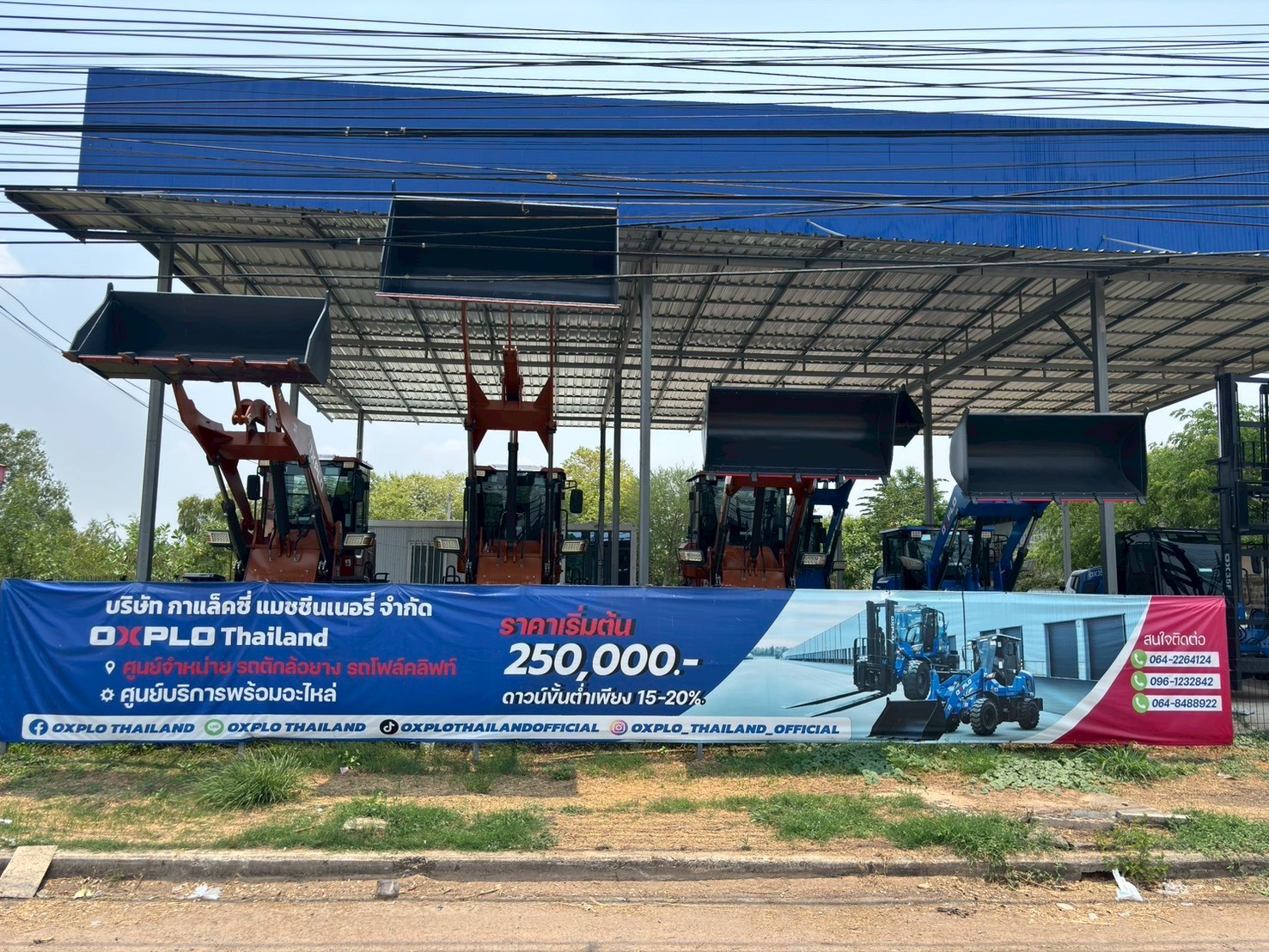
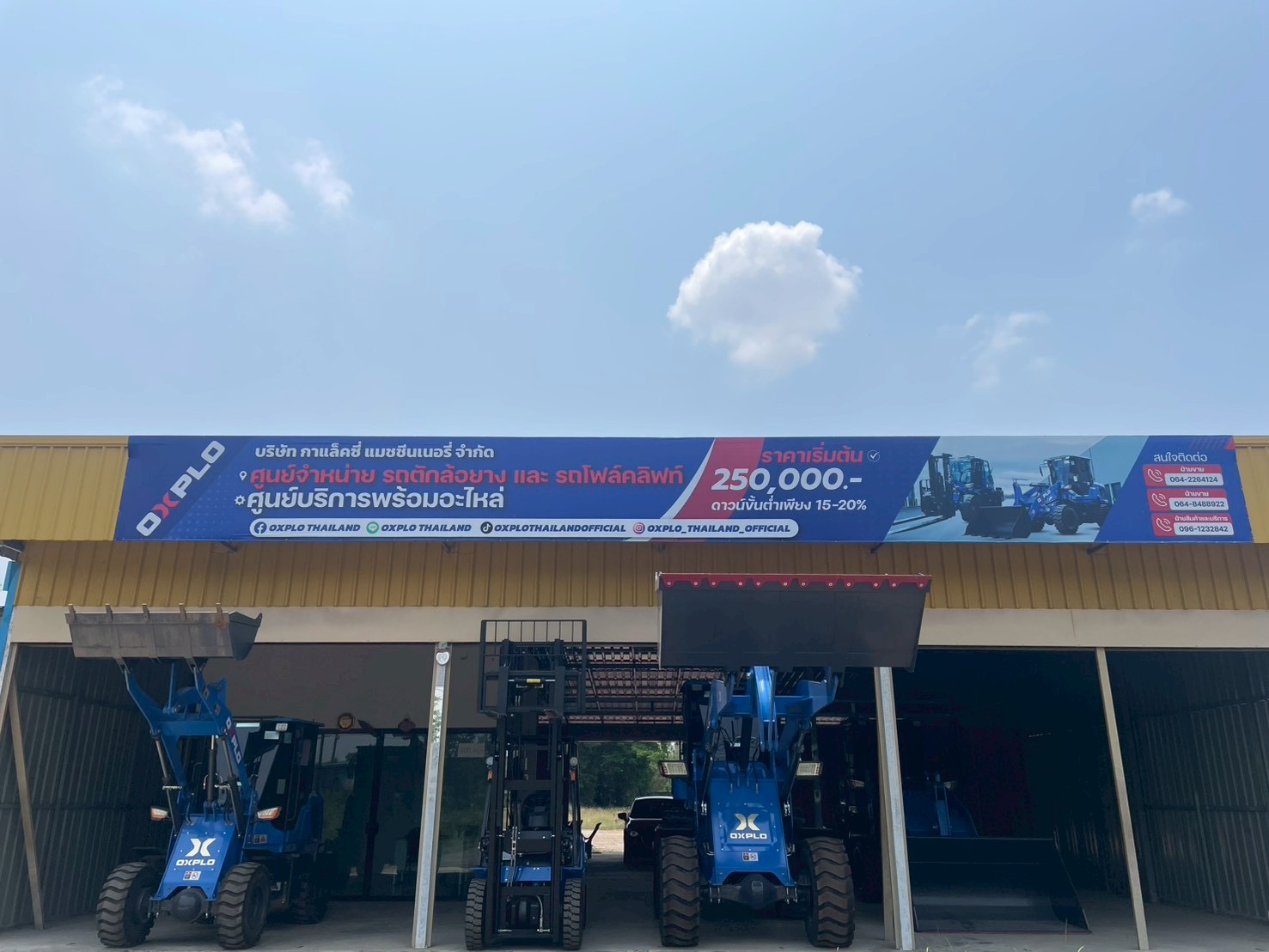
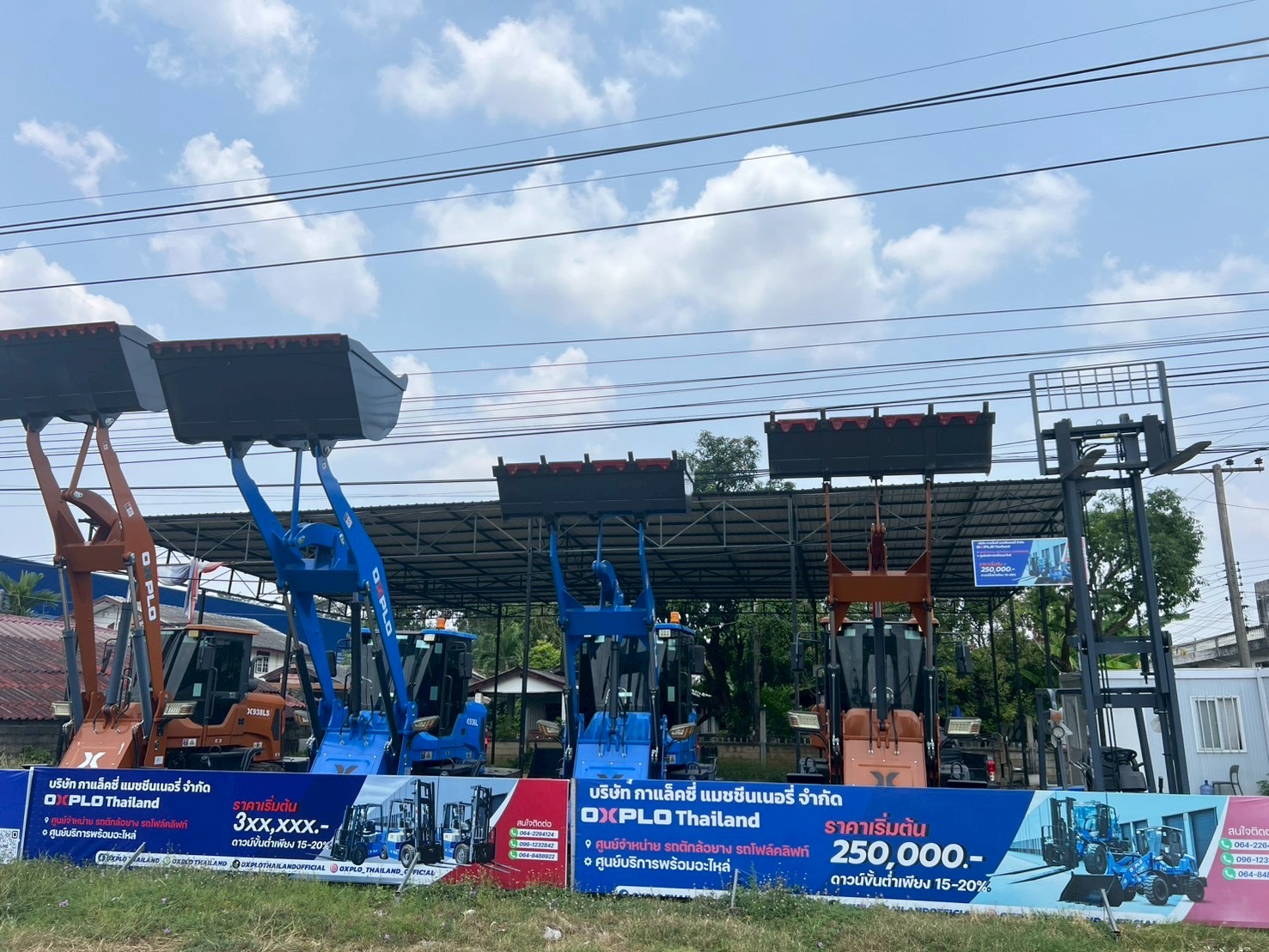
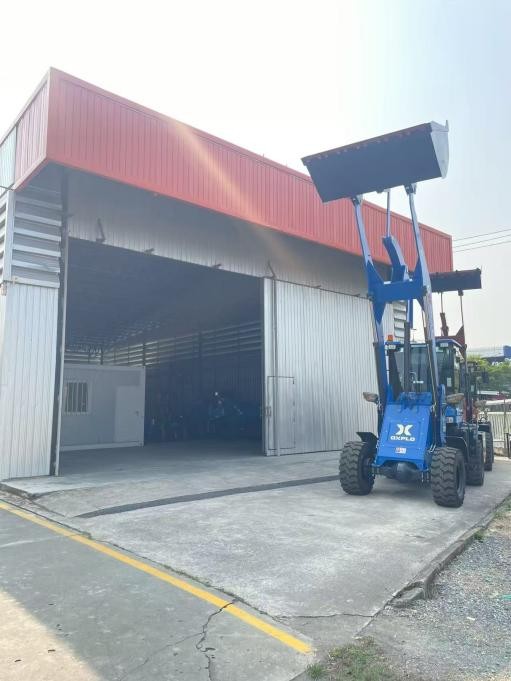
 Thailand-Ayutthaya
 Thailand-Khon Kaen
 Thailand-Nakhon Ratchasima
 Thailand-Ubon Ratchathani
 Thailand-Chiang Mai
 Thailand-Phthalum
, MAGUYAM ROAD, BRGY. MAGUYAM, SILANG, CAVITE") Philippines-ELITE GLOBUS WAREHOUSE(NO. 43 - OXPOWER MACHINERY INC.), MAGUYAM ROAD, BRGY. MAGUYAM, SILANG, CAVITE
Philippines-ELITE GLOBUS WAREHOUSE(NO. 43 - OXPOWER MACHINERY INC.), MAGUYAM ROAD, BRGY. MAGUYAM, SILANG, CAVITE
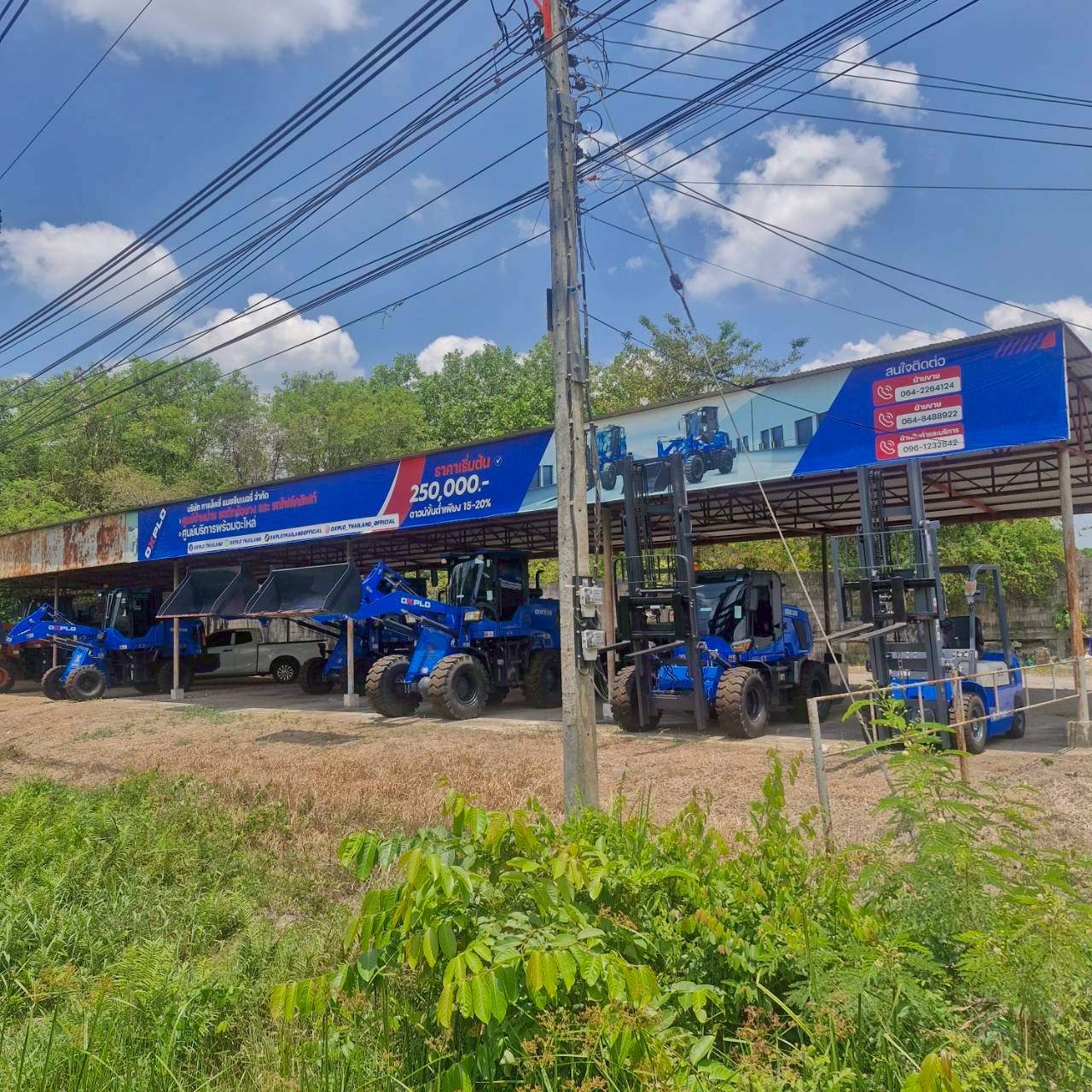
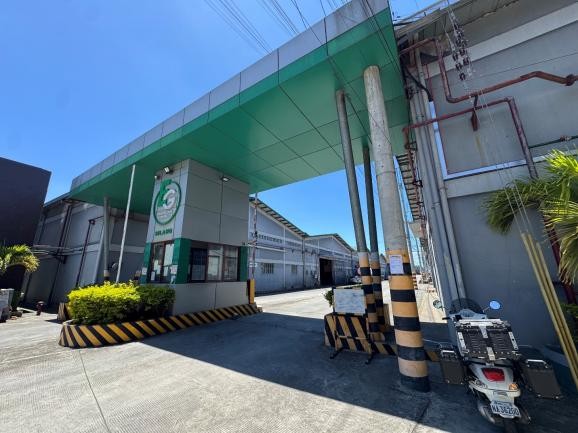
OUR OPERATiONS
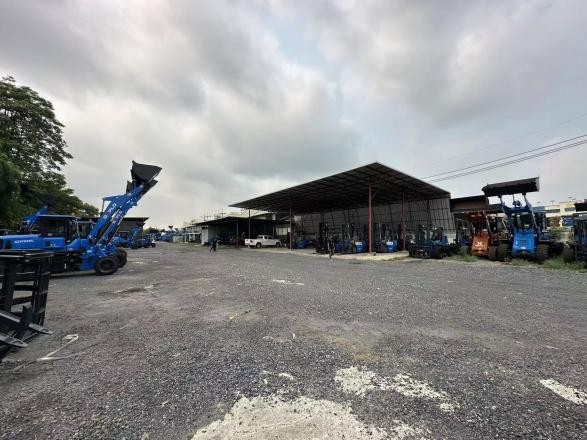
Our regional headquarters are located in Thailand, with independent operations company and service team in the Philippines. This multi-market presence enables us to provide customers throughout Southeast Asia with efficient communication, faster response times, and reliable local support.


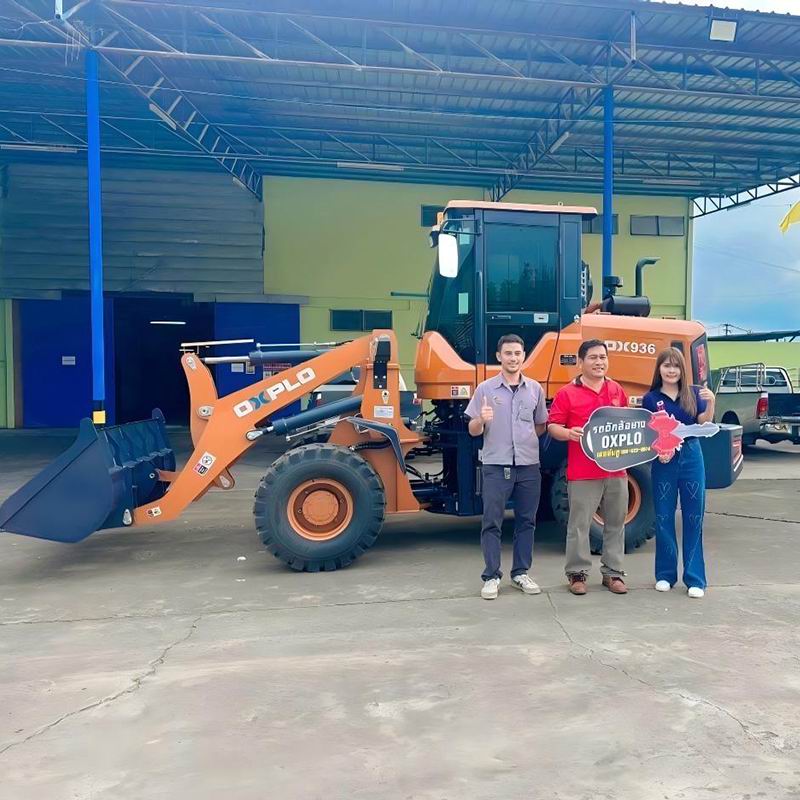
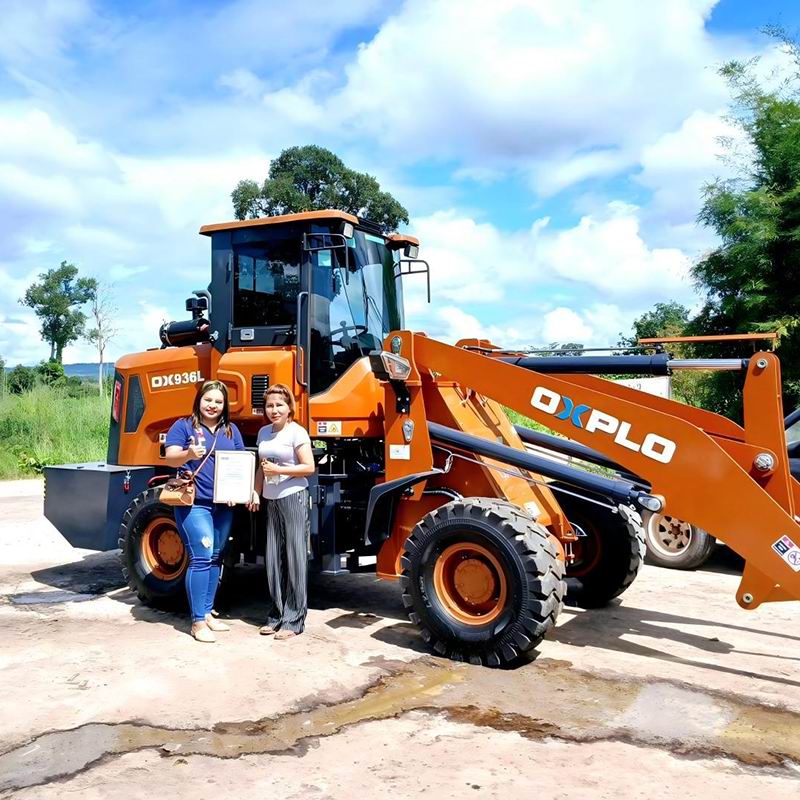
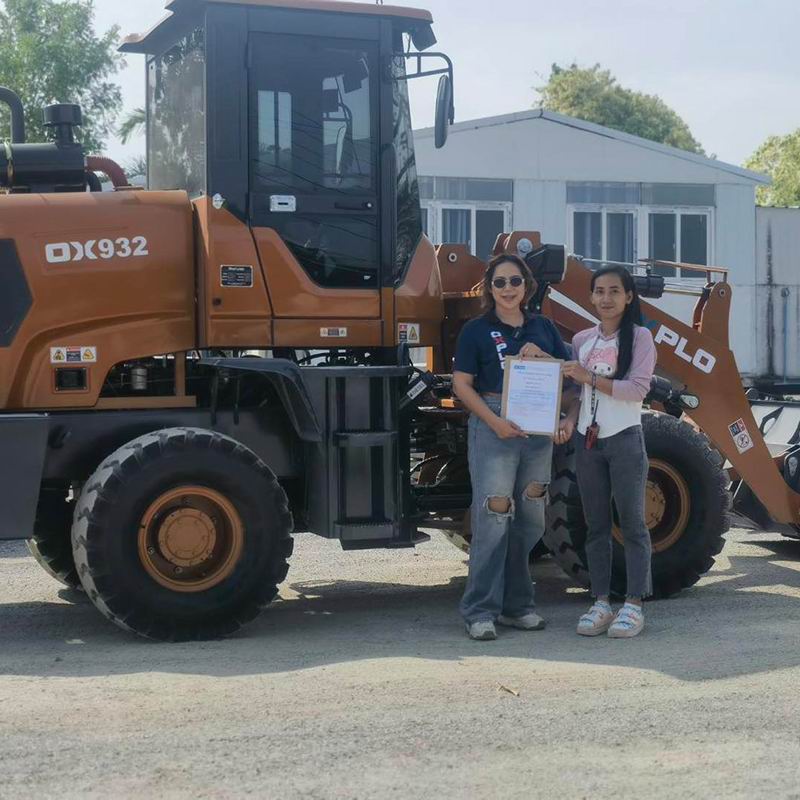
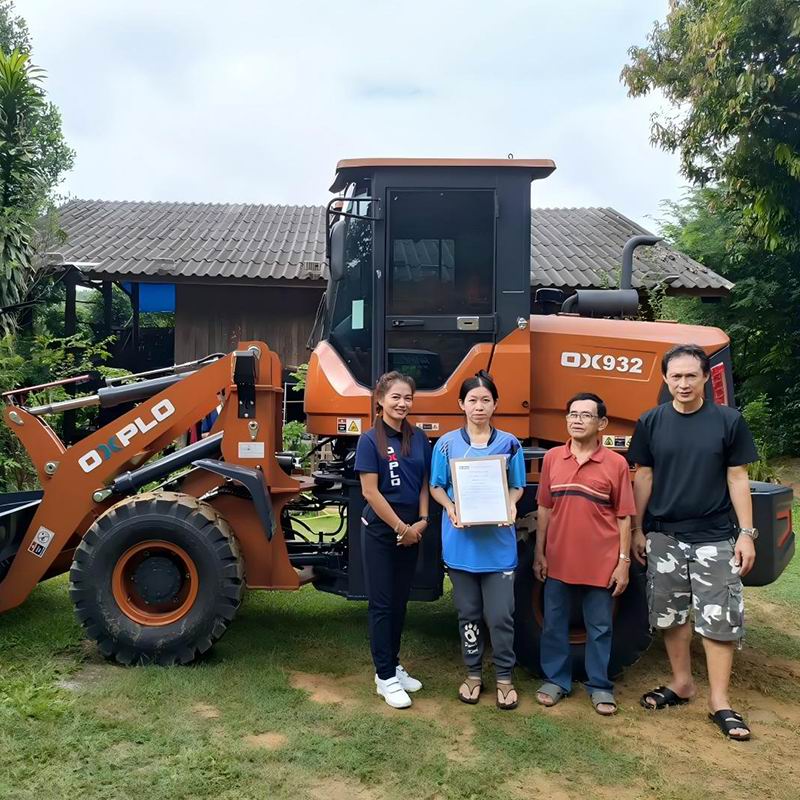
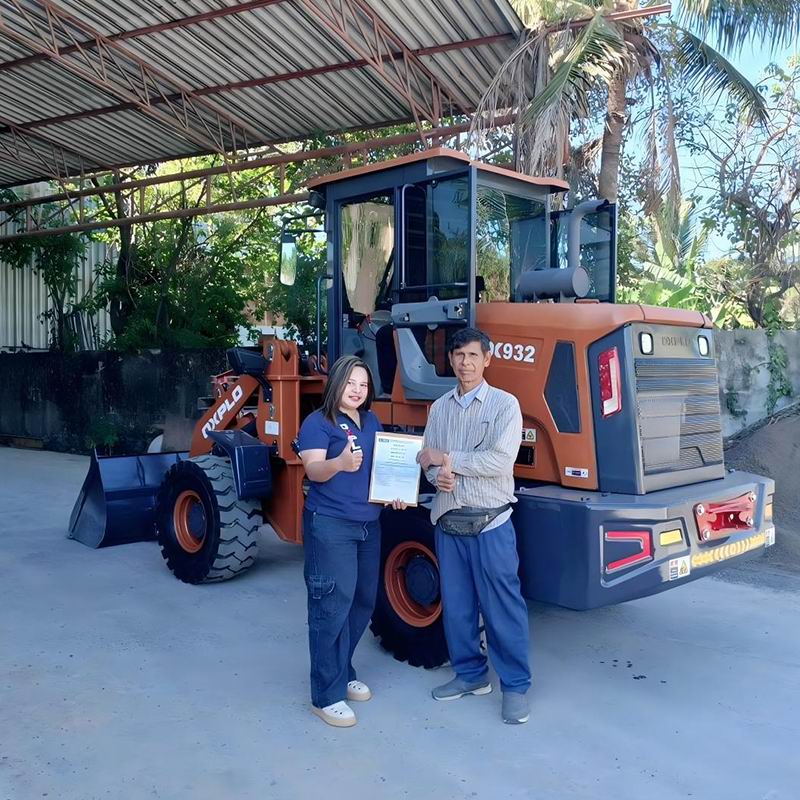
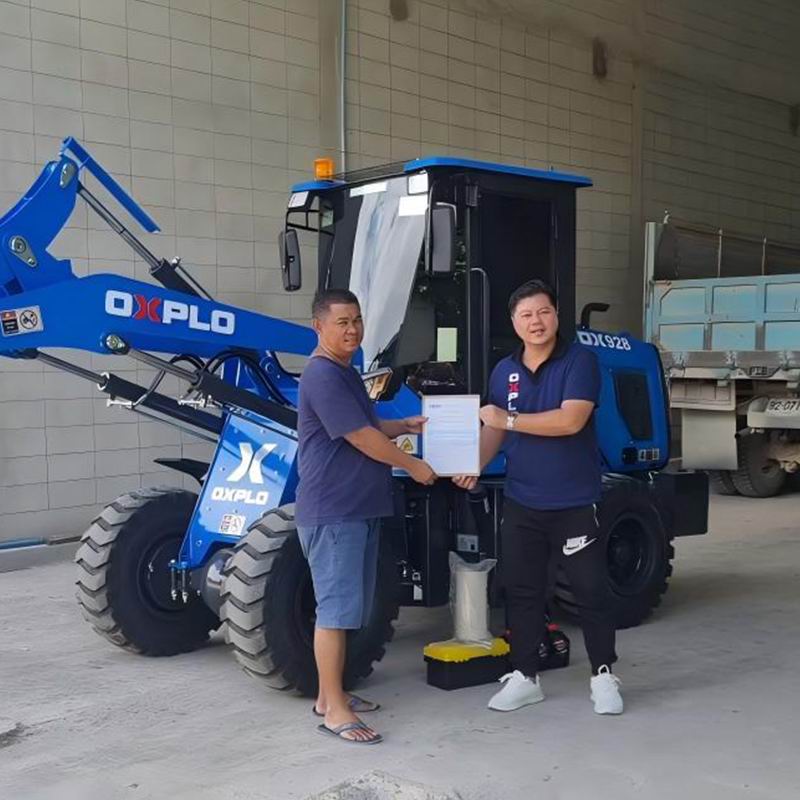
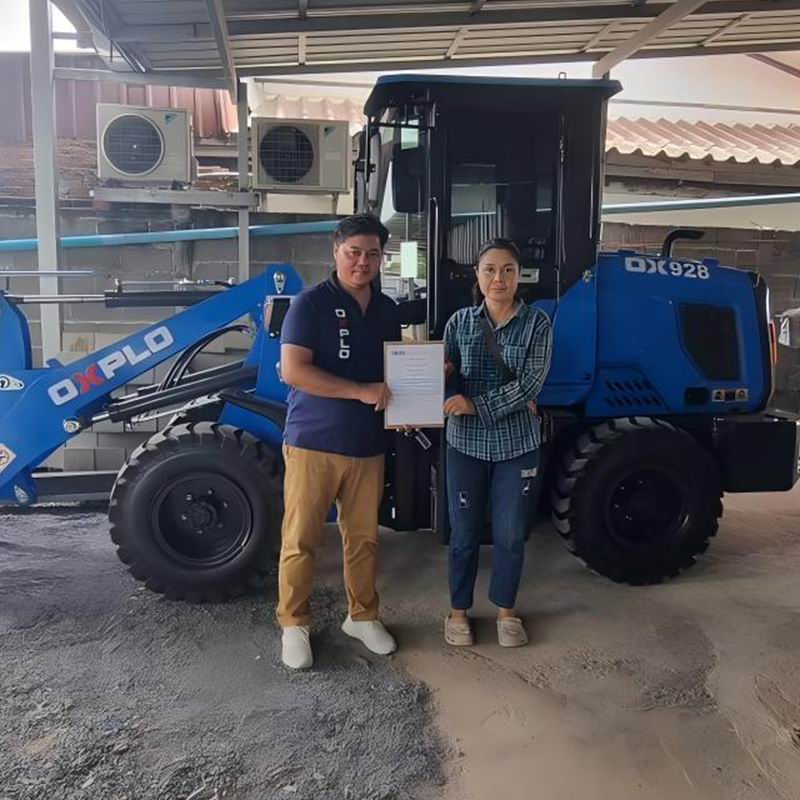
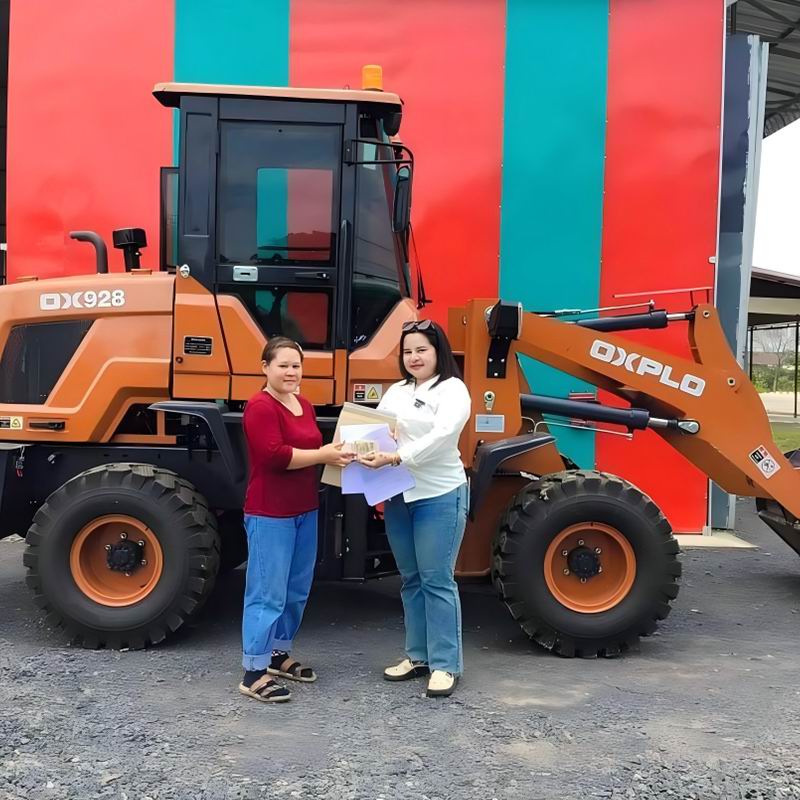
customer case
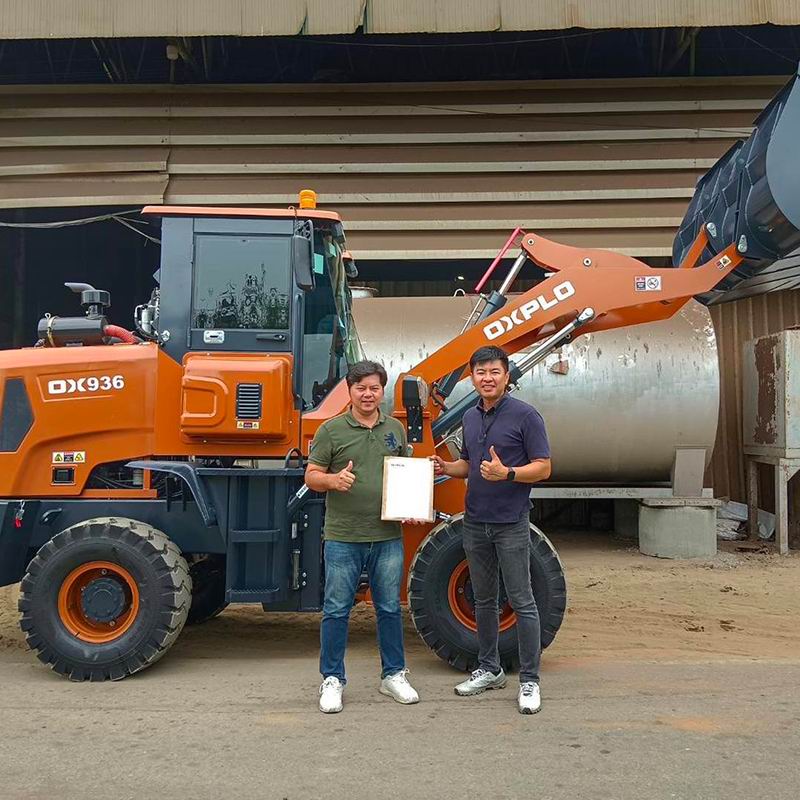
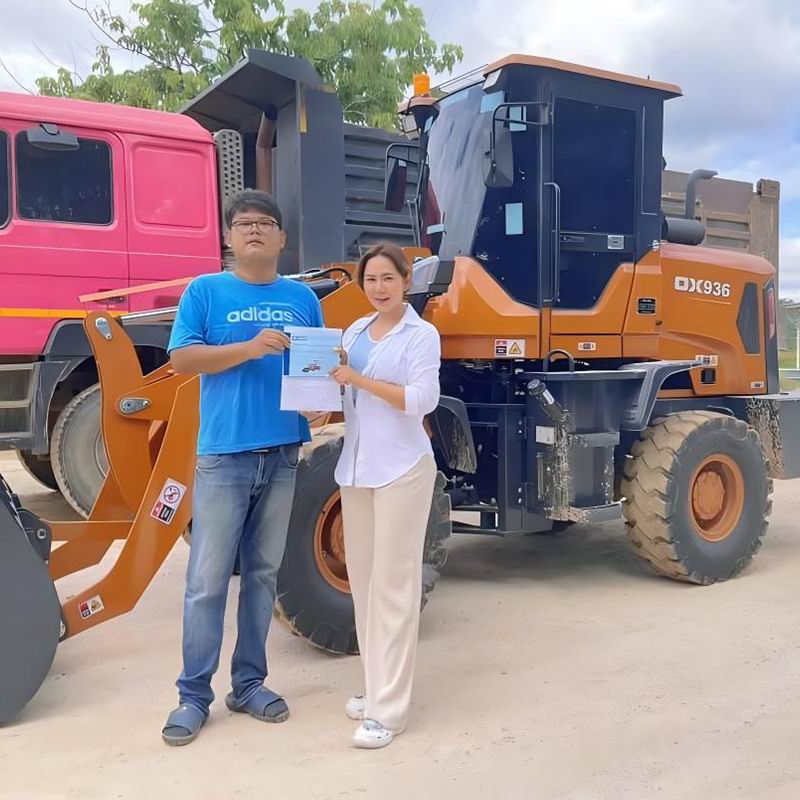
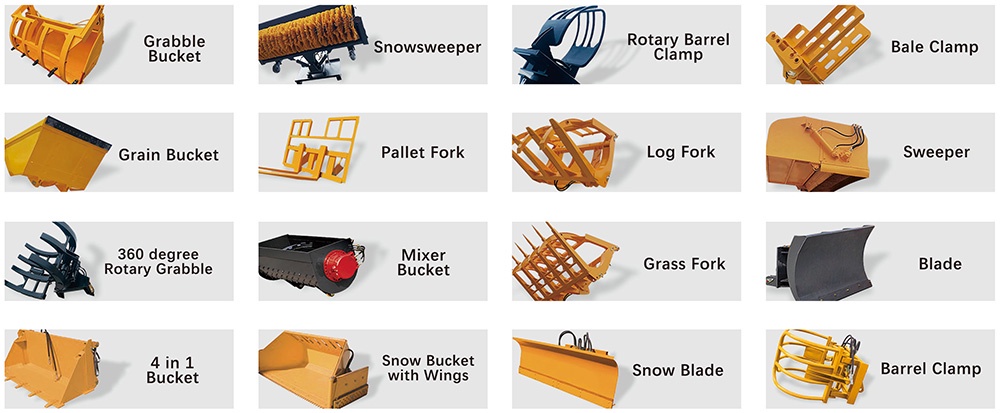
Wheel Loader Attachments
OXPLO provides a variety of spare parts support.
OXPLO's advantages
Let us introduce our products & factory to you
What makes us different
Why Choose Us
OXPLO specializes in the supply of forklifts, wheel loaders and tractors, providing reliable machinery solutions for material handling, construction and agricultural industries
Thailand Headquarters & SEAN Regional Operations
Headquartered in Thailand, with established firms and local service teams in the Philippines.
Reliable After-Sales & Spare Parts Support
We offer full after-sales care, including maintenance support and spare parts supply.
Factory Direct Supply
Direct factory operation ensures superior quality and a stable supply.
Quick Response & Service
Our local SEAN teams deliver rapid response, on-site service and expert technical help.
High-Performance Equipment
Built for tough jobs, our gear delivers robust power, steady performance and efficiency.
Application Scenarios
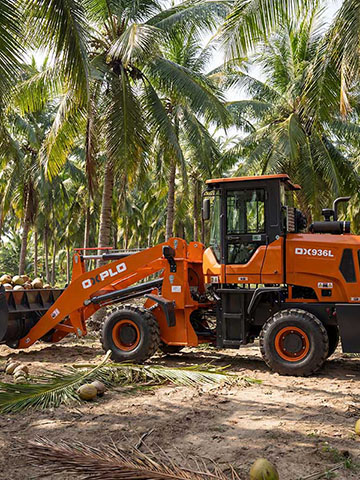
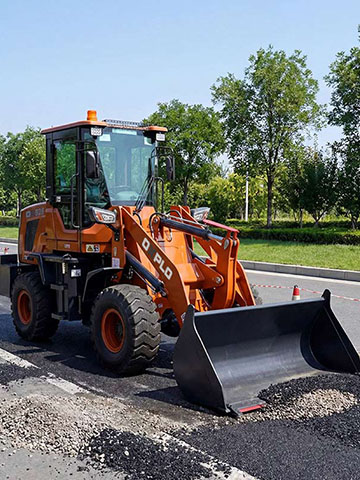
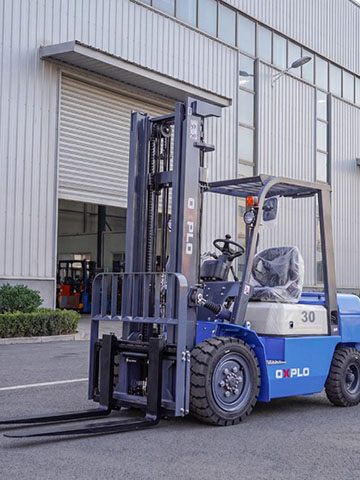
Our products are widely used in various fields such as warehousing,
construction, municipal roads, agriculture
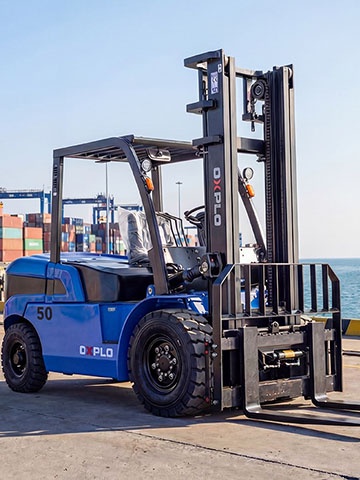
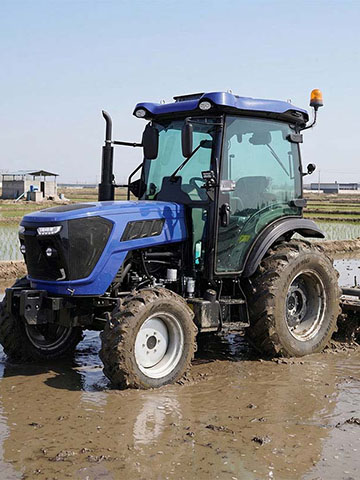
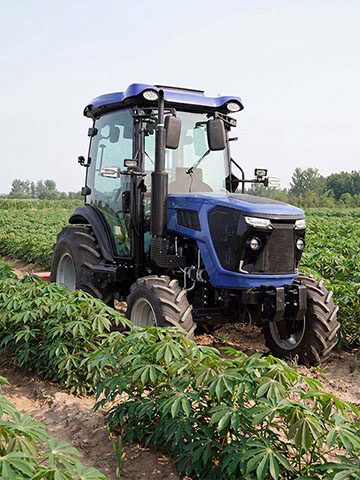
about OXPLO
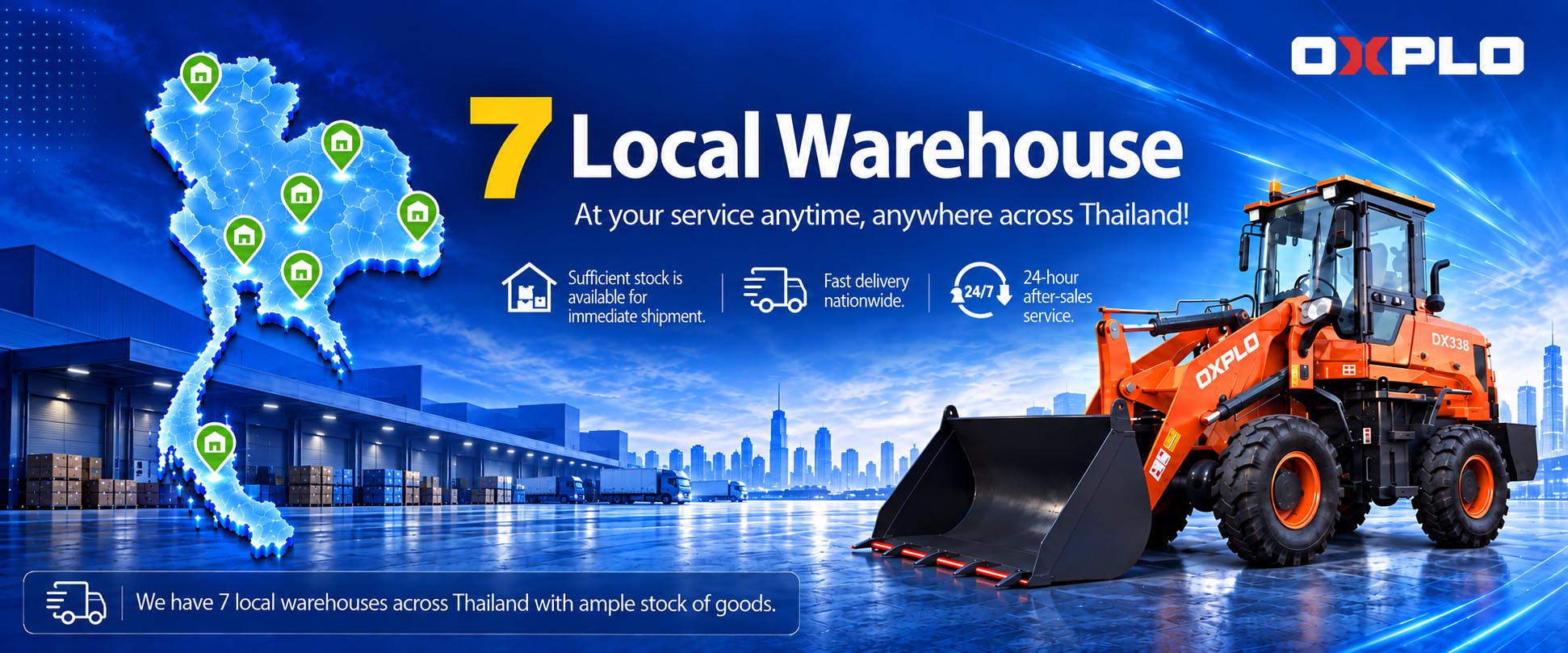
OXPLO is headquartered in Vannok District, Ayutthaya Province, Thailand, with five new branch offices in Khon Kaen, Nakhon Ratchasima, Ubon Ratchathani, Chiang Mai, and Phatthalung Provinces. The company's core competitive advantage lies in its "fast and efficient after-sales service and on-site problem-solving capabilities." OXPLO provides a comprehensive service guarantee system. Having cultivated the Thai market for many years, OXPLO not only provides excellent loaders, industrial forklifts, and off-road forklifts, but also offers one-stop service from procurement financing to after-sales support through comprehensive local support.







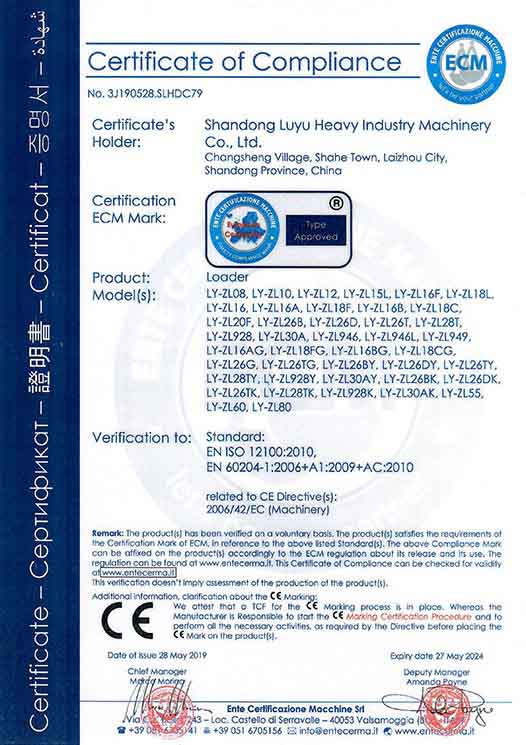
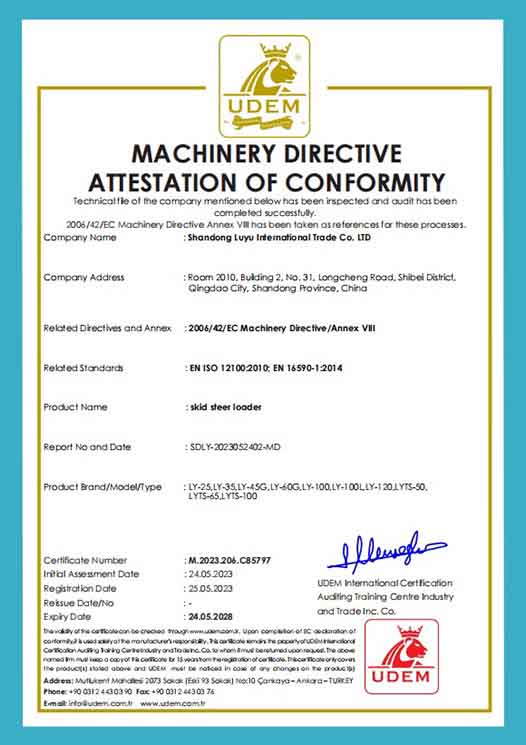
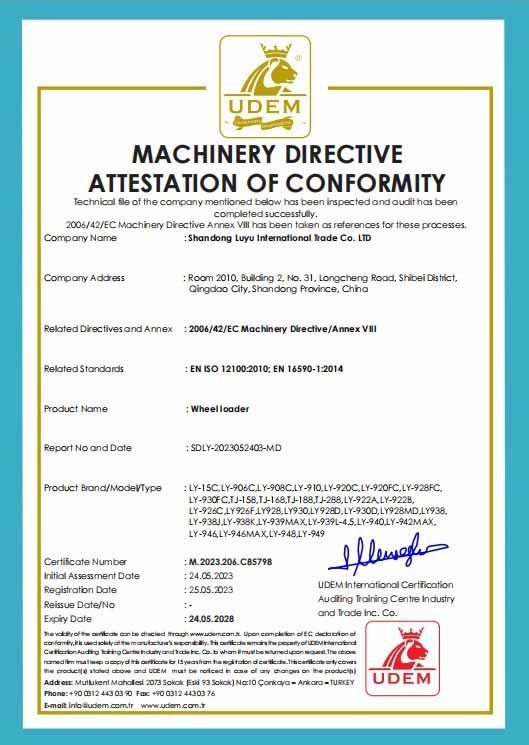
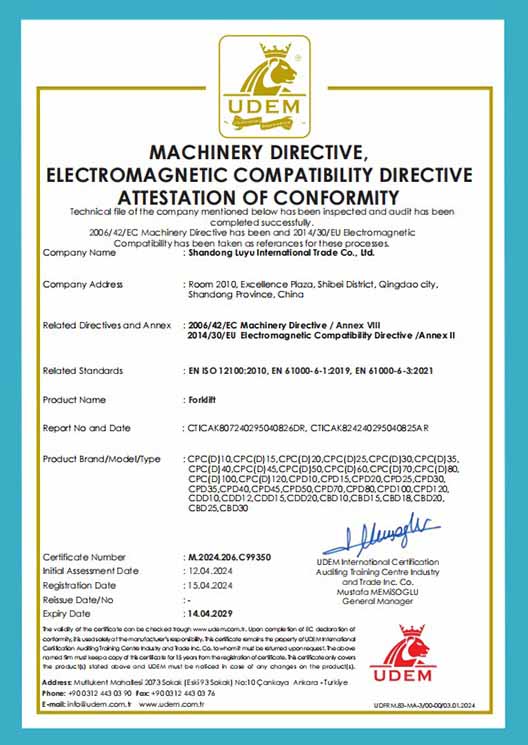
OUR CERTIFICATE
Wheel Loader FAQ
How much does a wheel loader cost?
The cost of a wheel loader varies depending on its rated load capacity, engine configuration, attachments, and optional features. Compact wheel loaders generally cost less than larger construction models. For an accurate quotation, contact OXPLO with your application requirements, preferred specifications, and destination country.
What is the fuel consumption of a wheel loader?
Fuel consumption depends on the loader size, engine power, operating conditions, and workload. Compact wheel loaders typically consume less fuel than larger models used in heavy-duty construction. Proper maintenance, efficient operating practices, and selecting the right machine size can help reduce fuel costs and improve productivity.
What is the lifting capacity of a wheel loader?
A wheel loader's lifting capacity is determined by its rated load. OXPLO offers wheel loaders with rated load capacities ranging from approximately 1.6 tons to 5 tons, making them suitable for agriculture, construction, material handling, and industrial applications. Always select a machine with sufficient capacity for your intended workload.
Can a wheel loader be used with pallet forks?
Yes. Many OXPLO wheel loaders can be equipped with pallet forks through a quick coupler system. This allows the machine to handle palletized goods, construction materials, agricultural products, and warehouse cargo, making it a versatile alternative to dedicated material handling equipment in certain applications.
How often should a wheel loader be serviced?
Regular maintenance is essential for maximizing machine performance and lifespan. Daily inspections should include checking engine oil, hydraulic fluid, coolant levels, and tire condition. Scheduled maintenance intervals vary by model and operating hours, but following the manufacturer's maintenance guidelines can help prevent unexpected downtime and costly repairs.
What is the difference between a wheel loader and a skid steer loader?
The primary difference is size, lifting capability, and maneuverability. Wheel loaders generally offer higher lifting capacities, larger buckets, and better performance for moving bulk materials over longer distances. Skid steer loaders are more compact and excel in confined spaces where tight turning and versatility are required. The best choice depends on your job site conditions and application needs.
What engine brands are available on OXPLO wheel loaders?
OXPLO wheel loaders are available with different engine configurations depending on the model and market requirements. Engine options may include reliable diesel engines designed to deliver strong performance, fuel efficiency, and easy maintenance. Please contact our sales team for specific engine options available in your region.
Do you provide operator training and technical support?
Yes. OXPLO provides after-sales support and technical assistance to help customers operate and maintain their equipment efficiently. Our team can offer guidance on machine operation, routine maintenance, troubleshooting, and spare parts support to ensure long-term reliability and productivity.