



A practical budgeting guide for farms, plantations, small contractors and material-handling operations in Thailand.
The purchase price is only the first line in a wheel loader ownership budget. For farms, plantations and small contractors, the more useful question is what the machine will cost to keep working over a full year: fuel, routine service, wear parts and the effect of machine utilization all matter.
The OXPLO OX930 1.5-ton wheel loader is positioned as a compact solution for agricultural handling, light construction and general site support. Its 1.5-ton rated load gives it useful capacity without moving into the size, fuel demand and maneuvering requirements of a larger loader. In Thailand, OXPLO customers commonly consider this type of machine for farm-road maintenance, crop handling, aggregate loading, fertilizer movement and everyday support work.
This guide uses a planning scenario of about 1,000 operating hours per year and the operating assumptions supplied for this OXPLO 1.5-ton wheel loader. The figures are intended for budgeting rather than as a fixed quotation, because actual cost changes with fuel price, workload, ground conditions, operator habits and local service pricing.
I. What Makes Up the Annual OXPLO 1.5-Ton Wheel Loader Cost?
Fuel Cost
Fuel is normally the largest recurring operating expense. Under the planning assumptions used in this article, an OXPLO 1.5-ton wheel loader working at a medium load for roughly 1,000 hours per year may consume about 3,000-6,000 liters of diesel. That is equivalent to an average planning range of roughly 3-6 liters per operating hour across the year, although real consumption will rise or fall with load cycle, travel distance, idling time, hydraulic demand and operator technique.
For Thai farms and small contractors, the useful budgeting method is simple: multiply expected annual operating hours by a realistic average fuel-use figure, then apply the local diesel price you actually pay. This gives a much more credible budget than relying on a single “best case” fuel number.
Routine Maintenance and Servicing
Preventive maintenance is less expensive than unplanned downtime. For the OXPLO 1.5-ton wheel loader, the working assumption in this guide is a routine service interval of about 250 operating hours. At 1,000 hours per year, that means planning for approximately four routine service points during the year.
A typical routine service should include the engine oil, oil filter and fuel filter, together with inspection of the hydraulic oil, coolant level, lubrication points, hoses, fasteners and major connections. Daily checks should also cover leakage, tire condition, bucket or attachment damage and any unusual noise or vibration.
OXPLO designs compact equipment with service accessibility in mind. Easy-to-reach daily inspection and maintenance points reduce the time needed for routine work and make it more likely that basic checks are completed on schedule. For a machine that may be used almost every working day, service access has a direct effect on uptime.
Tires and Wear Parts
Tires, pins, bushings, bucket edges and other contact parts wear gradually. They may not all be replaced every year, but a sensible annual operating budget should reserve money for them because their cost appears sooner or later.
Replacing badly worn parts before failure helps preserve loading performance, steering accuracy, hydraulic efficiency and operating safety. Delaying a small wear-part replacement can turn into a larger repair if movement, vibration or misalignment begins to damage adjacent components.
More Jobs from One OXPLO Machine
Operating cost is not only about how much money the machine consumes; utilization matters just as much. A loader that works across several tasks can produce more value from the same annual ownership cost. This is one reason OXPLO emphasizes attachment flexibility and application matching rather than using one configuration for every customer.
With the right bucket or compatible attachment, an OXPLO compact loader can support jobs such as:
· Loading cassava, palm fruit, grain and other agricultural products
· Moving bagged fertilizer, seed and farm supplies
· Handling soil during land preparation and landscaping
· Maintaining farm roads and leveling work areas
· Cleaning drainage ditches and supporting water-management work
· Loading backfill soil, sand, gravel and aggregate
· Removing construction waste and general site debris
· Supporting earthmoving work alongside an excavator
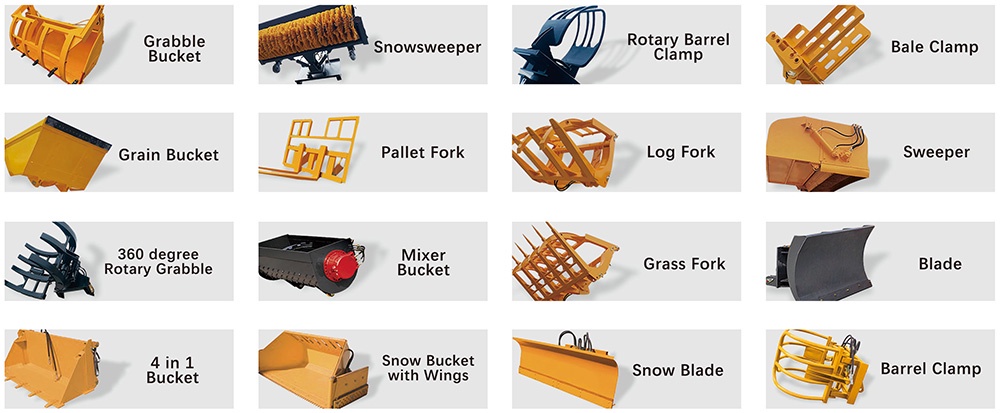
For applications that need more than a standard bucket, review the OXPLO attachments range and confirm attachment compatibility before ordering. Hydraulic flow, working load, connection type and operating environment should all be checked rather than assuming any attachment will fit any loader.
II. How Much Does an OXPLO 1.5-Ton Wheel Loader Cost to Operate Per Year?
Estimated Annual Cost at 1,000 Operating Hours
Using the assumptions above, the annual operating budget should include fuel, engine oil, filters, grease, routine servicing, tires, bucket wear parts, hydraulic components and other normal wear items. For roughly 1,000 operating hours under normal working conditions, the estimated annual operating cost of the OXPLO 1.5-ton wheel loader is approximately:
Compared with running a substantially larger loader for relatively light work, or repeatedly hiring equipment for routine jobs, an OXPLO 1.5-ton wheel loader can give farms and small contractors a more predictable operating budget when the machine is used regularly. The comparison should still be based on your own annual hours, required loading capacity and job mix.
What Can Change the Annual Budget?
The $5,500-$7,700 range is a useful starting point, but it should not be treated as a fixed result. The biggest variables are:
· Local diesel price and annual fuel-price movement
· Actual annual operating hours and idle time
· Material density, bucket fill factor and loading cycle length
· Soft ground, mud, slopes or rough travel surfaces
· Operator technique, especially excessive idling or aggressive loading
· Attachment use and hydraulic demand
· Preventive-maintenance discipline and local parts/service prices
A buyer comparing machines should therefore calculate cost per productive hour, not just annual fuel consumption. If you are still selecting a loader size or configuration, the OXPLO wheel loader buying guide is a useful checklist for matching capacity, work surface, attachments and service requirements before purchase.
III. Why Is the OXPLO 1.5-Ton Wheel Loader a Practical Long-Term Choice?
Compact Size for Tight Working Areas
A compact wheel loader earns its place when access and maneuverability are as important as raw capacity. On farms, plantations and small construction sites, narrow lanes, storage areas, yards and material piles often leave limited turning space. The OXPLO 1.5-ton class is intended to cover these everyday loading jobs without bringing the footprint and operating demand of a much larger loader.
A Balanced Reference Configuration
For readers comparing specifications, OXPLO currently lists the OX930 as its 1.5-ton wheel loader reference, with a 42 kW / 58 HP YN27 engine, a 0.8 m³ bucket and a 3.2 m dumping height. These figures help explain why the machine is suited to general farm, aggregate and support work rather than heavy production loading. Final configuration can vary, so specifications should be confirmed with OXPLO before ordering.
Simple Maintenance and Lower Downtime
A machine that is easy to inspect is more likely to be serviced correctly. Accessible lubrication points, filters and daily inspection areas reduce the time required for routine checks. Over a year of work, that matters: four planned service stops are easier to budget than a major repair caused by skipped maintenance.
More Utilization Through Attachments
The strongest long-term case for a compact OXPLO loader is often utilization. If the machine loads aggregate in the morning, moves fertilizer or crop materials later, maintains a road after rain and handles a seasonal attachment when needed, the same capital asset is creating value across more hours and more jobs.
Before choosing a configuration, tell OXPLO what material you handle, the heaviest expected load, working surface, entrance width, dumping height and preferred attachments. That information is more useful than choosing only by rated tonnage. You can also compare the wider OXPLO wheel loader range to see whether 1.5 tons is sufficient for your actual workload.
IV. Conclusion: Is the OXPLO 1.5-Ton Wheel Loader Cost-Effective for Long-Term Use?
For a farm, plantation or small contractor that expects around 1,000 working hours per year, the OXPLO 1.5-ton wheel loader can be a practical long-term option when the workload matches its capacity. Under the assumptions used in this guide, a reasonable annual operating-cost estimate is about $5,500-$7,700, with fuel remaining the largest variable.
The more important buying decision is whether the machine will stay productive throughout the year. A compact OXPLO loader that is correctly sized, serviced on schedule and configured with useful attachments can reduce reliance on hired machinery and avoid paying the fuel and maintenance penalty of an oversized loader for light-to-medium work.
If you are building a budget for your own operation, share your annual working hours, main materials, site conditions and required attachments with OXPLO. You can contact OXPLO for a recommended configuration and quotation, or visit the OXPLO Equipment website for current product information and application guides.
Customer Distribution
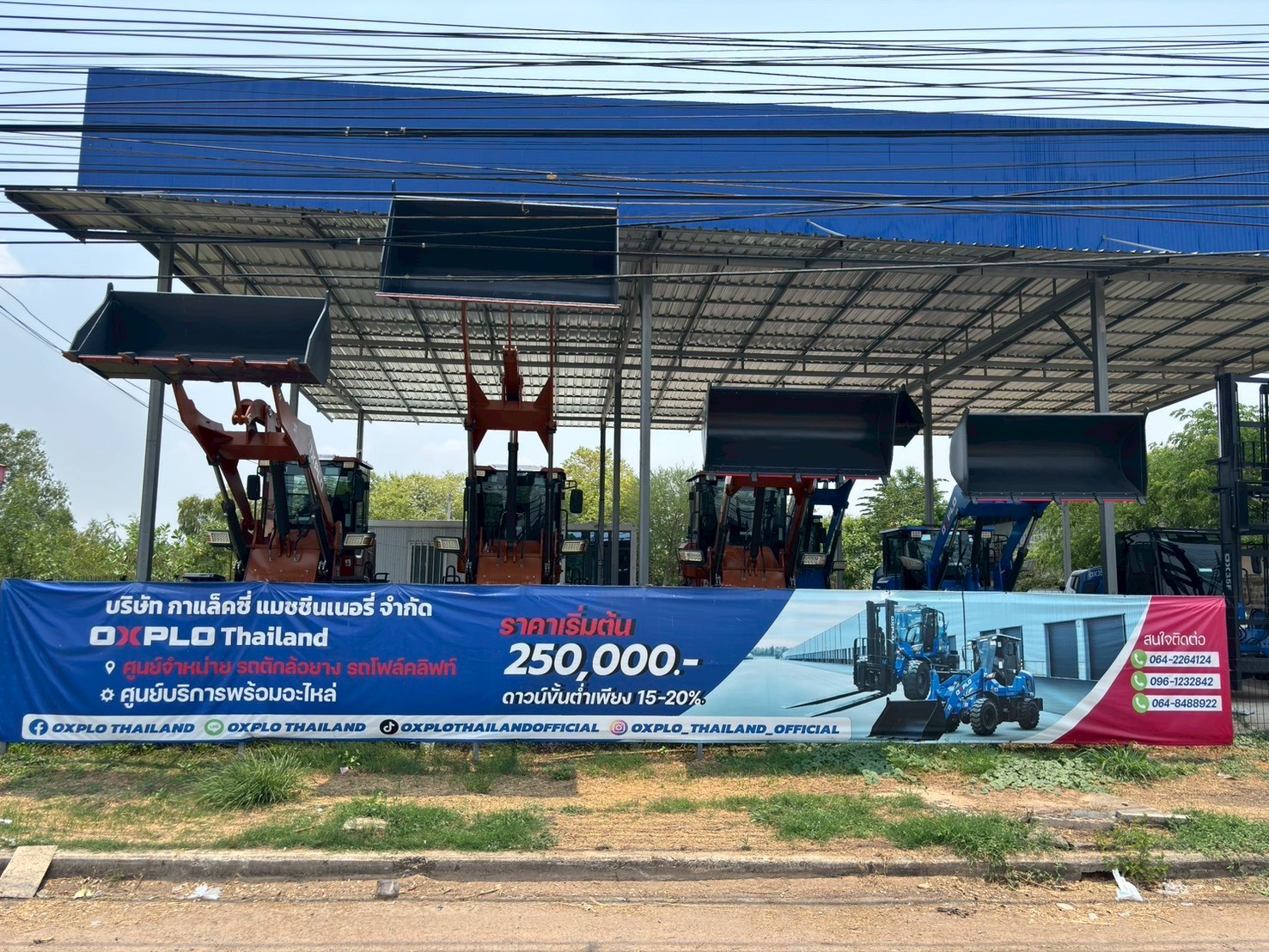
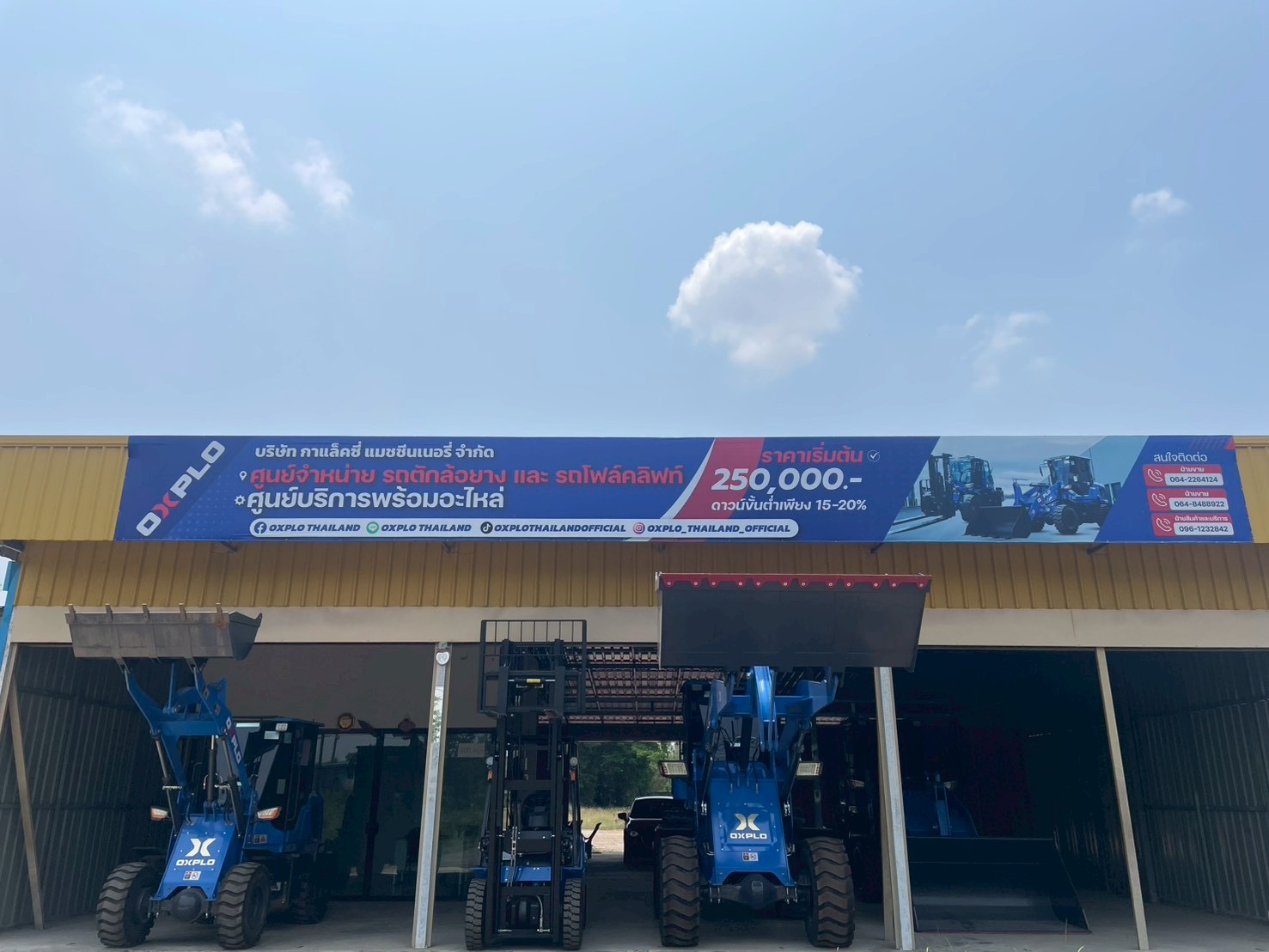
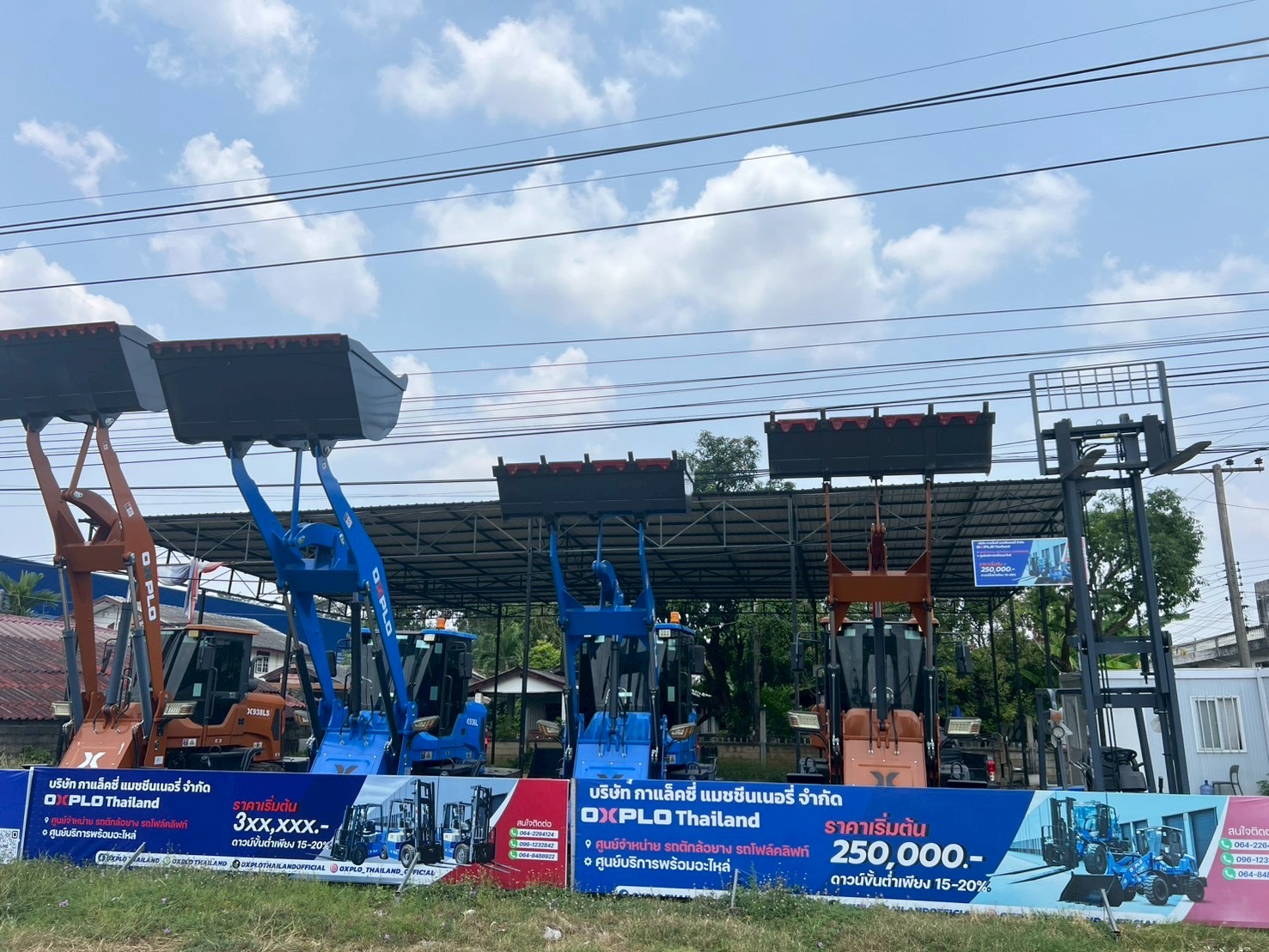
 Thailand-Ayutthaya
 Thailand-Khon Kaen
 Thailand-Nakhon Ratchasima
 Thailand-Ubon Ratchathani
 Thailand-Chiang Mai
 Thailand-Phthalum
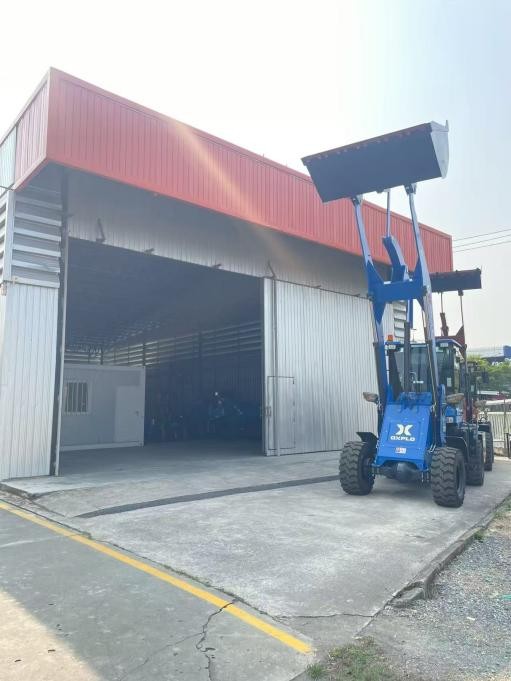
, MAGUYAM ROAD, BRGY. MAGUYAM, SILANG, CAVITE") Philippines-ELITE GLOBUS WAREHOUSE(NO. 43 - OXPOWER MACHINERY INC.), MAGUYAM ROAD, BRGY. MAGUYAM, SILANG, CAVITE
Philippines-ELITE GLOBUS WAREHOUSE(NO. 43 - OXPOWER MACHINERY INC.), MAGUYAM ROAD, BRGY. MAGUYAM, SILANG, CAVITE
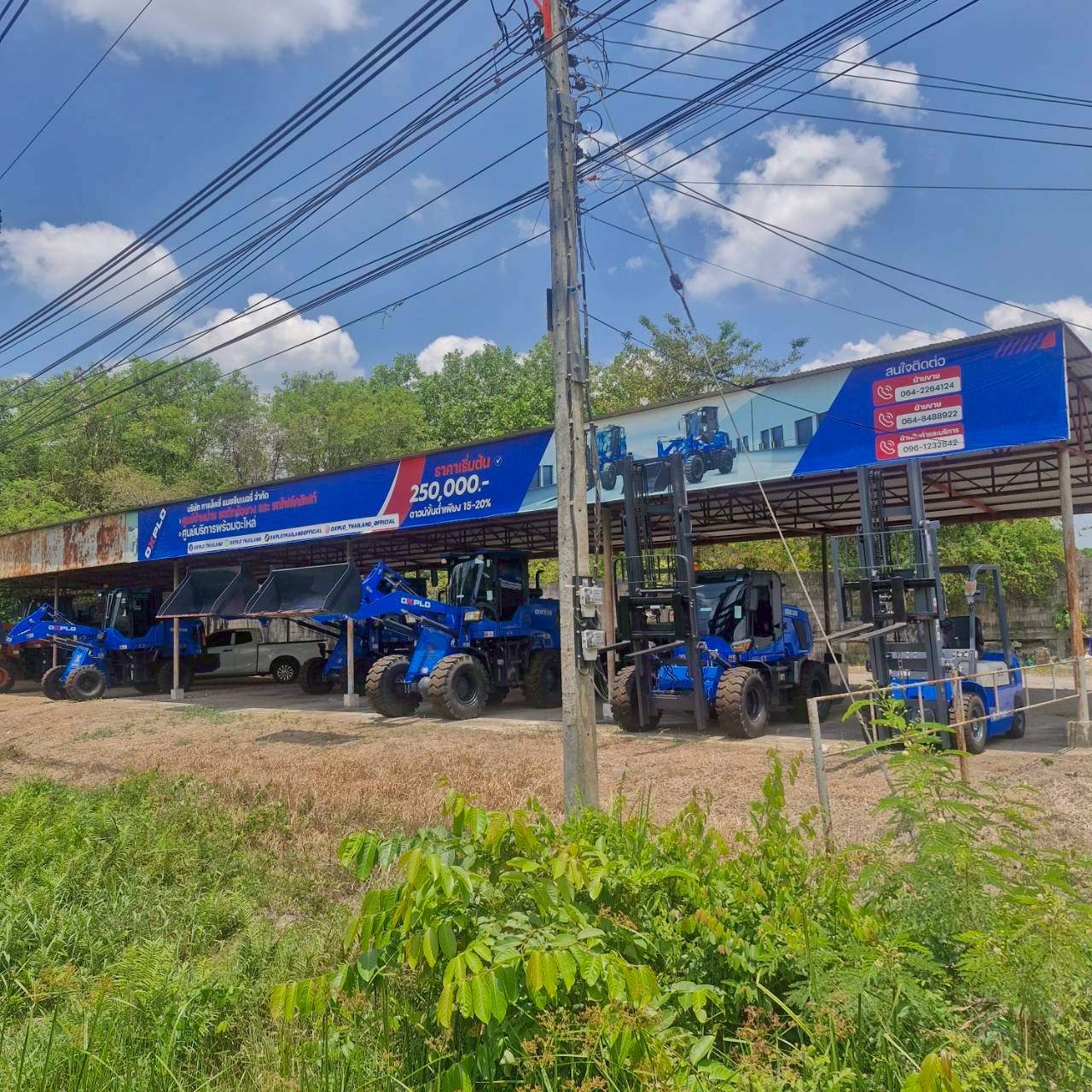
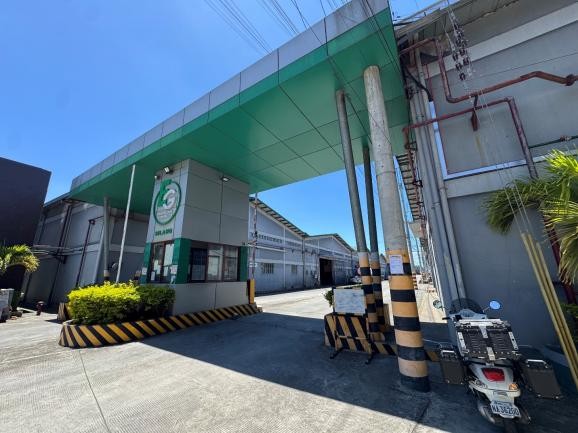
OUR OPERATiONS
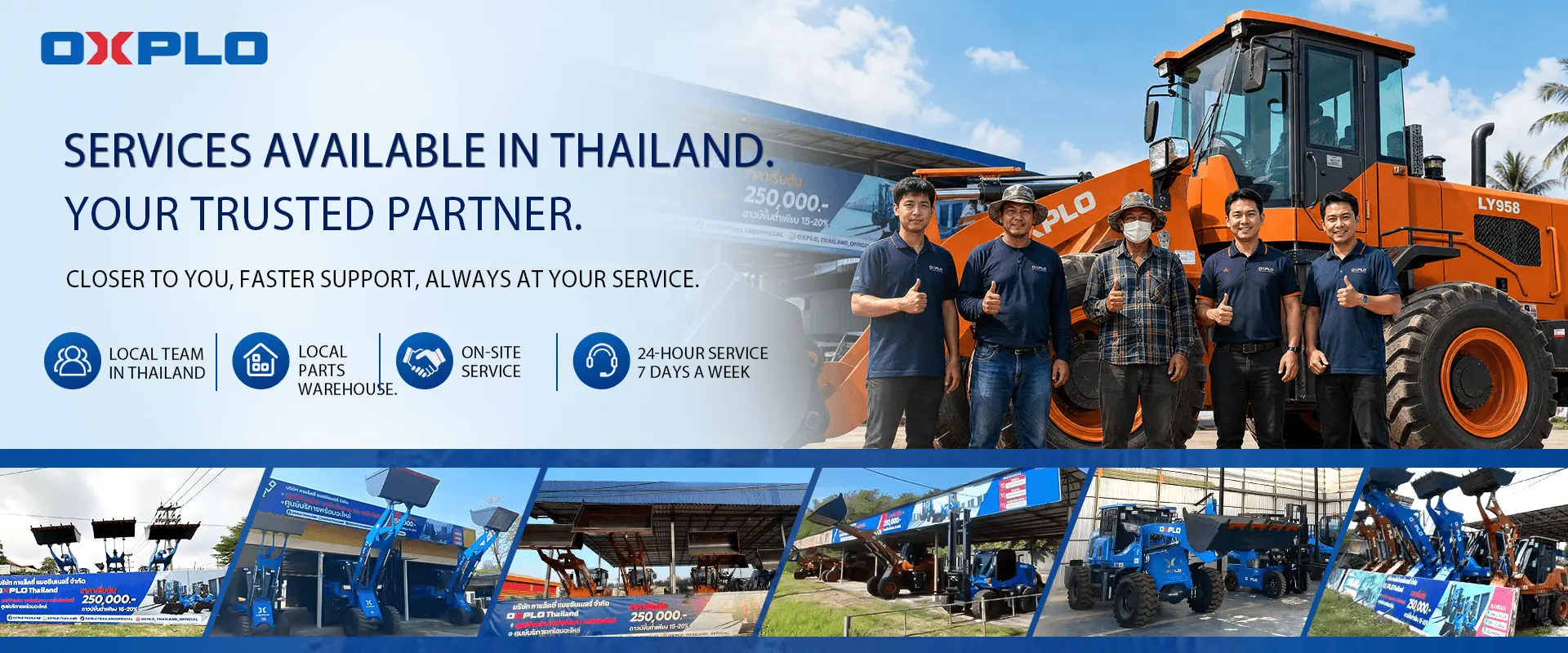
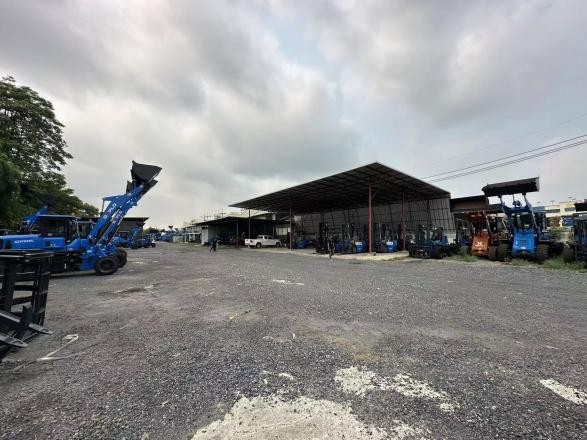
Our regional headquarters are located in Thailand, with independent operations company and service team in the Philippines. This multi-market presence enables us to provide customers throughout Southeast Asia with efficient communication, faster response times, and reliable local support.


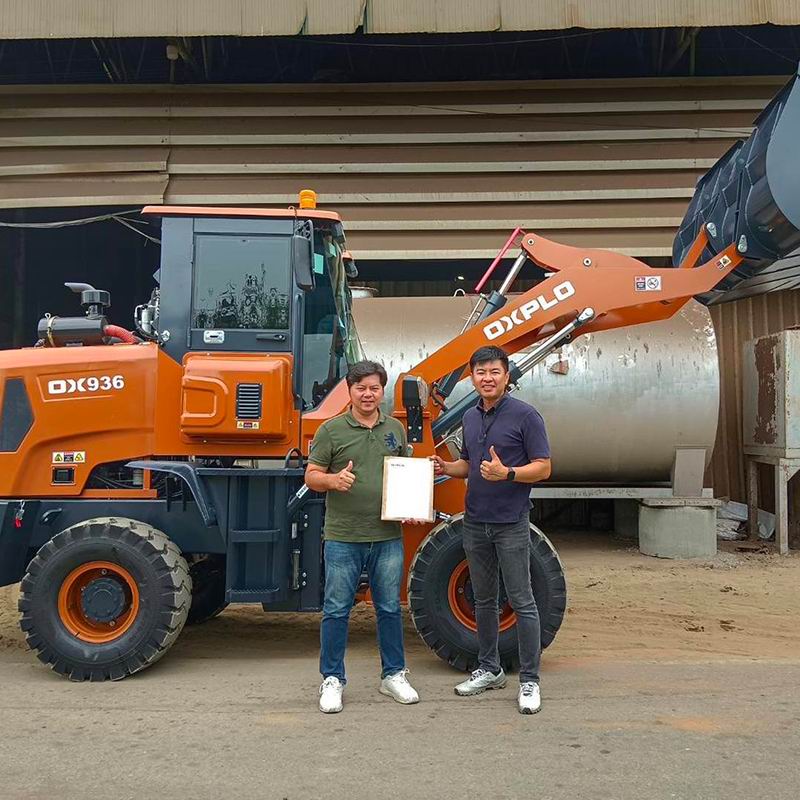
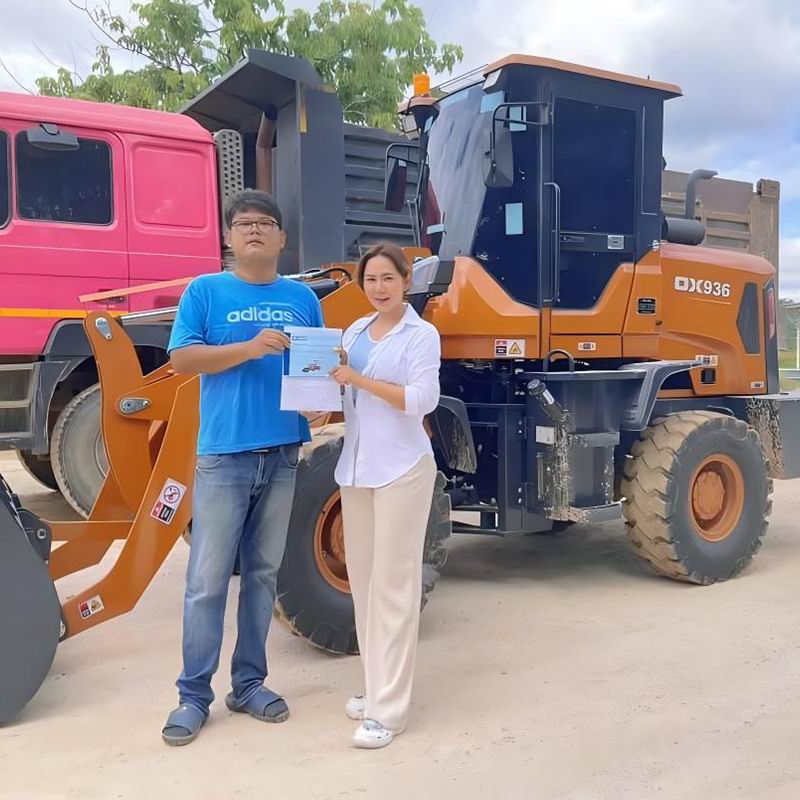
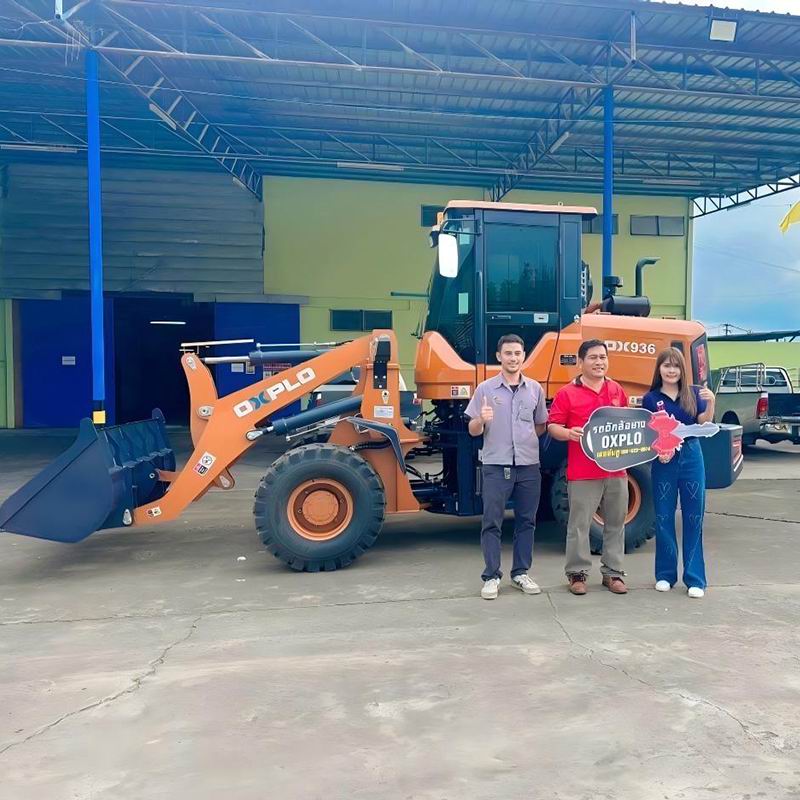
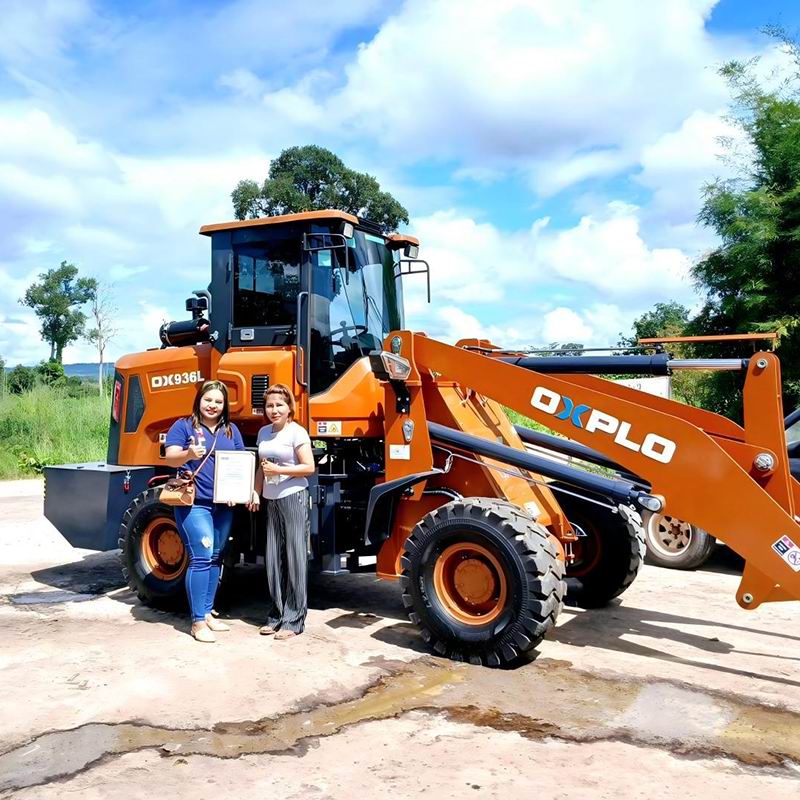
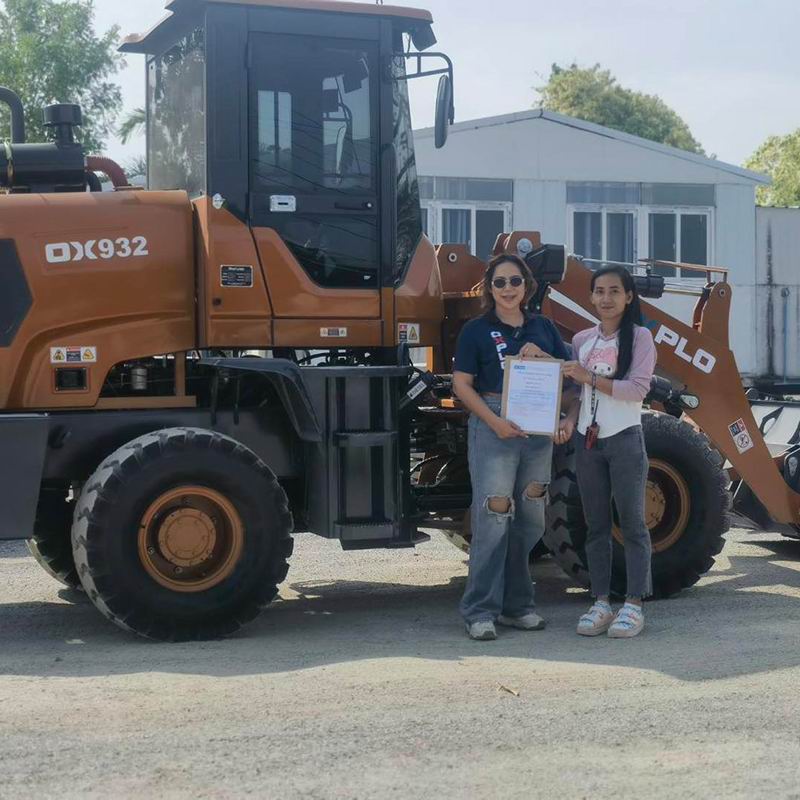
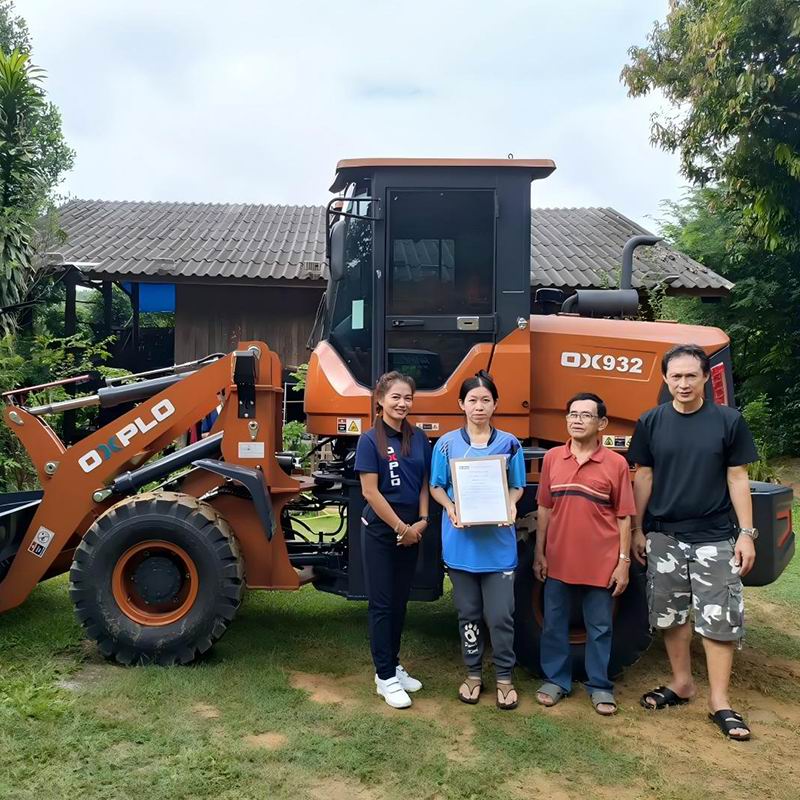
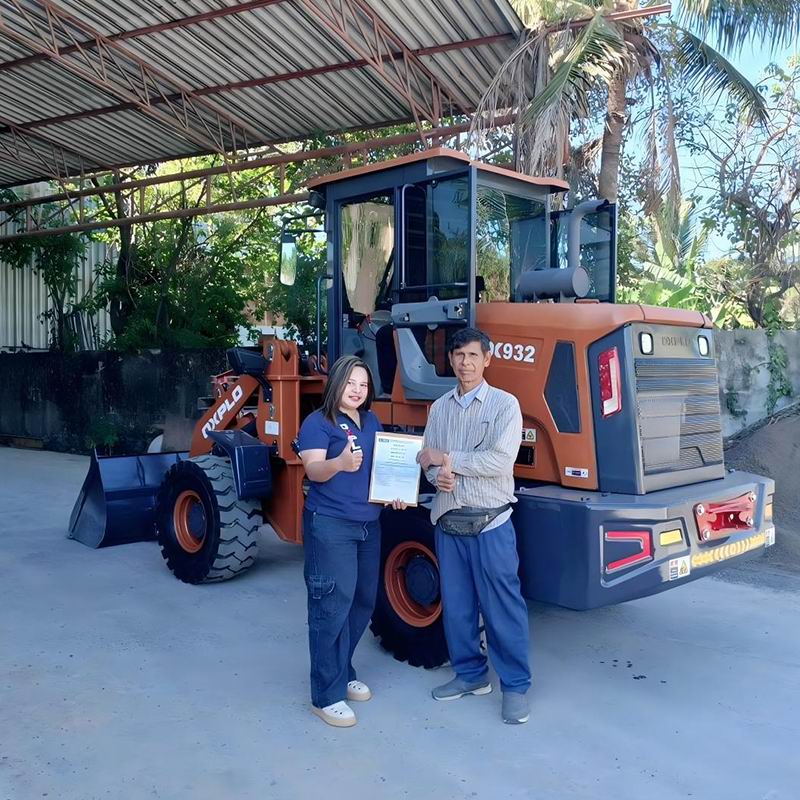
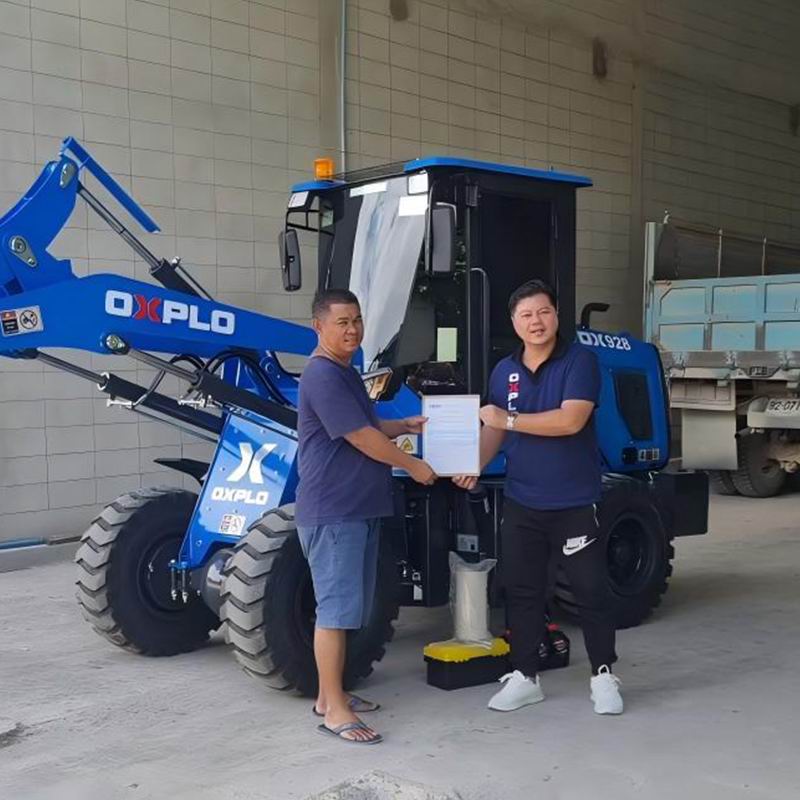
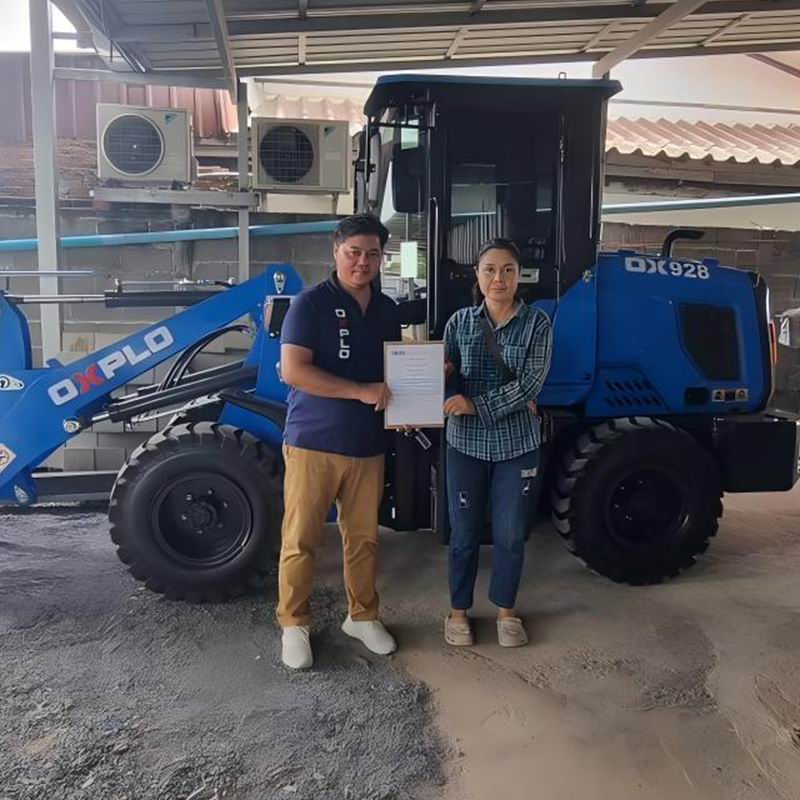
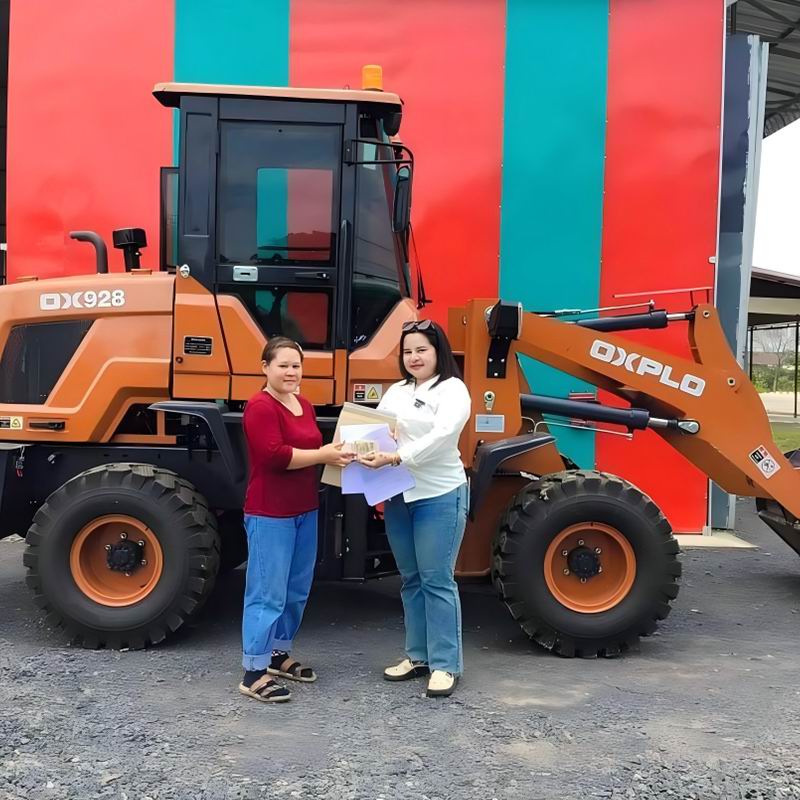
customer case
Wheel Loader Attachments
OXPLO provides a variety of spare parts support.
OXPLO's advantages
Let us introduce our products & factory to you
What makes us different
Why Choose Us
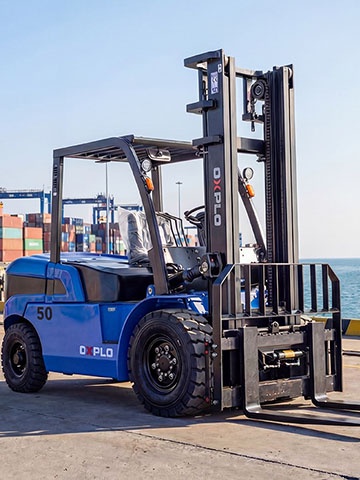
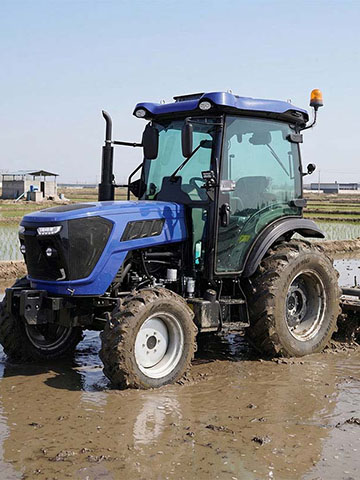
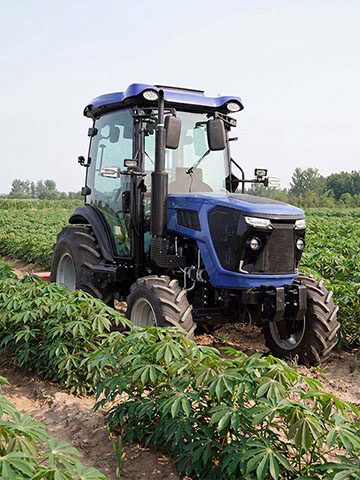
OXPLO specializes in the supply of forklifts, wheel loaders and tractors, providing reliable machinery solutions for material handling, construction and agricultural industries
Thailand Headquarters & SEAN Regional Operations
Headquartered in Thailand, with established firms and local service teams in the Philippines.
Reliable After-Sales & Spare Parts Support
We offer full after-sales care, including maintenance support and spare parts supply.
Factory Direct Supply
Direct factory operation ensures superior quality and a stable supply.
Quick Response & Service
Our local SEAN teams deliver rapid response, on-site service and expert technical help.
High-Performance Equipment
Built for tough jobs, our gear delivers robust power, steady performance and efficiency.
Application Scenarios
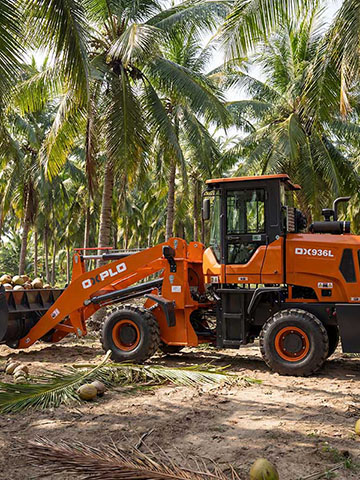
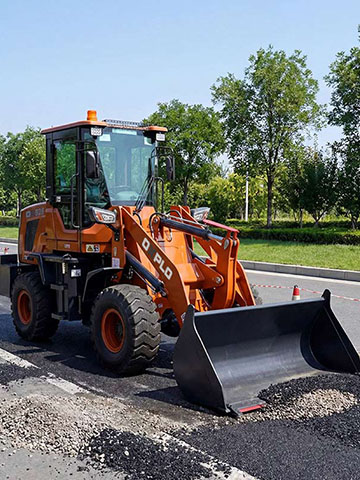
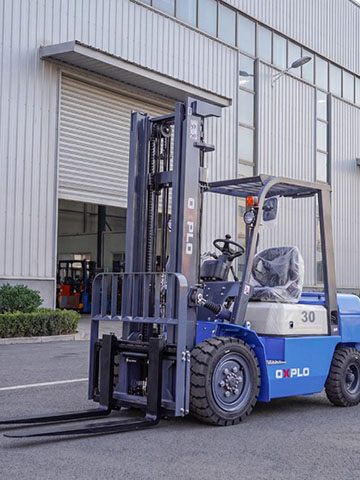
Our products are widely used in various fields such as warehousing,
construction, municipal roads, agriculture
about OXPLO
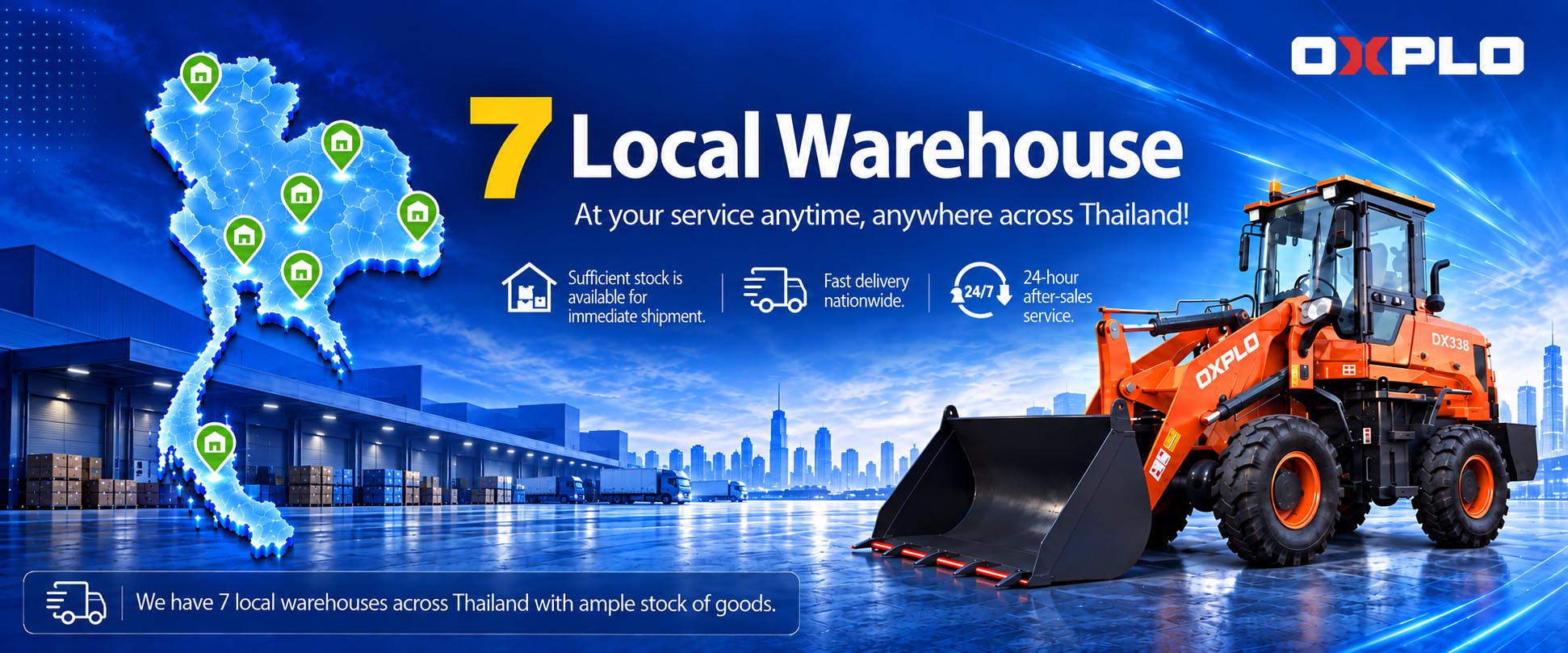
OXPLO is headquartered in Vannok District, Ayutthaya Province, Thailand, with five new branch offices in Khon Kaen, Nakhon Ratchasima, Ubon Ratchathani, Chiang Mai, and Phatthalung Provinces. The company's core competitive advantage lies in its "fast and efficient after-sales service and on-site problem-solving capabilities." OXPLO provides a comprehensive service guarantee system. Having cultivated the Thai market for many years, OXPLO not only provides excellent loaders, industrial forklifts, and off-road forklifts, but also offers one-stop service from procurement financing to after-sales support through comprehensive local support.







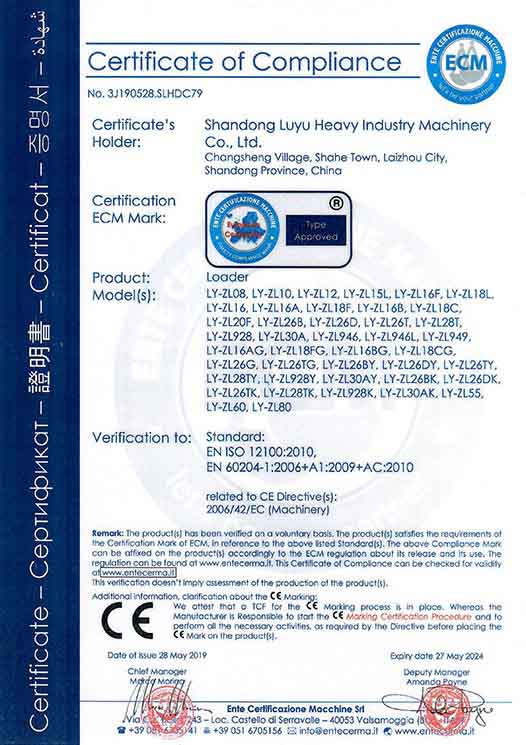
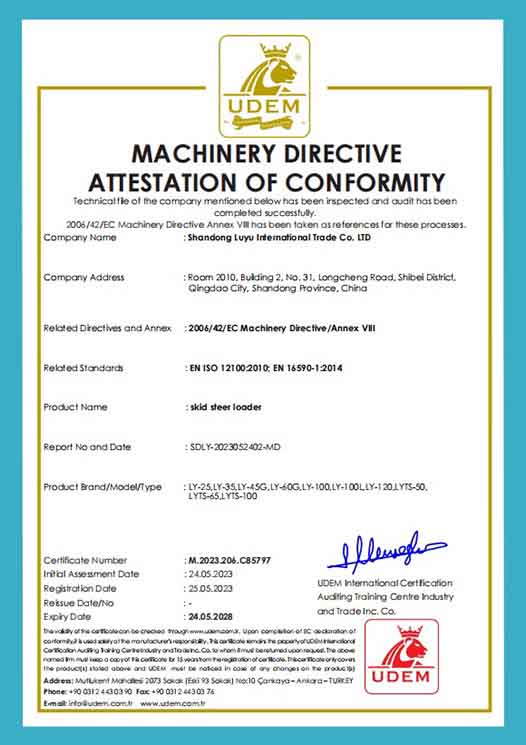
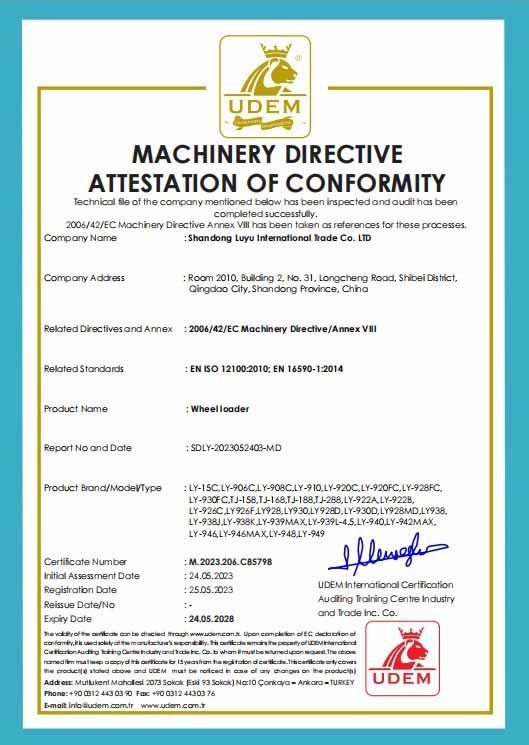
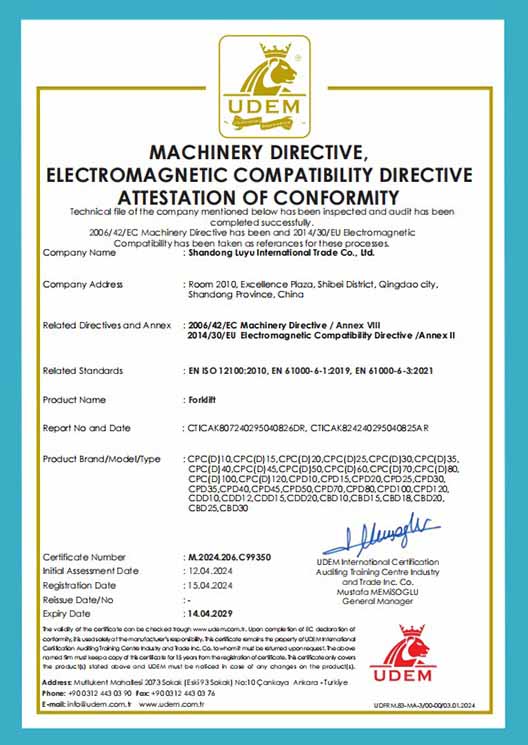
OUR CERTIFICATE
Wheel Loader FAQ
How much does a wheel loader cost?
The cost of a wheel loader varies depending on its rated load capacity, engine configuration, attachments, and optional features. Compact wheel loaders generally cost less than larger construction models. For an accurate quotation, contact OXPLO with your application requirements, preferred specifications, and destination country.
What is the fuel consumption of a wheel loader?
Fuel consumption depends on the loader size, engine power, operating conditions, and workload. Compact wheel loaders typically consume less fuel than larger models used in heavy-duty construction. Proper maintenance, efficient operating practices, and selecting the right machine size can help reduce fuel costs and improve productivity.
What is the lifting capacity of a wheel loader?
A wheel loader's lifting capacity is determined by its rated load. OXPLO offers wheel loaders with rated load capacities ranging from approximately 1.6 tons to 5 tons, making them suitable for agriculture, construction, material handling, and industrial applications. Always select a machine with sufficient capacity for your intended workload.
Can a wheel loader be used with pallet forks?
Yes. Many OXPLO wheel loaders can be equipped with pallet forks through a quick coupler system. This allows the machine to handle palletized goods, construction materials, agricultural products, and warehouse cargo, making it a versatile alternative to dedicated material handling equipment in certain applications.
How often should a wheel loader be serviced?
Regular maintenance is essential for maximizing machine performance and lifespan. Daily inspections should include checking engine oil, hydraulic fluid, coolant levels, and tire condition. Scheduled maintenance intervals vary by model and operating hours, but following the manufacturer's maintenance guidelines can help prevent unexpected downtime and costly repairs.
What is the difference between a wheel loader and a skid steer loader?
The primary difference is size, lifting capability, and maneuverability. Wheel loaders generally offer higher lifting capacities, larger buckets, and better performance for moving bulk materials over longer distances. Skid steer loaders are more compact and excel in confined spaces where tight turning and versatility are required. The best choice depends on your job site conditions and application needs.
What engine brands are available on OXPLO wheel loaders?
OXPLO wheel loaders are available with different engine configurations depending on the model and market requirements. Engine options may include reliable diesel engines designed to deliver strong performance, fuel efficiency, and easy maintenance. Please contact our sales team for specific engine options available in your region.
Do you provide operator training and technical support?
Yes. OXPLO provides after-sales support and technical assistance to help customers operate and maintain their equipment efficiently. Our team can offer guidance on machine operation, routine maintenance, troubleshooting, and spare parts support to ensure long-term reliability and productivity.