



In forklift procurement, a 1-ton and a 2.5-ton forklift may seem like just a 1.5-ton difference in rated load. However, this choice actually impacts pallet handling capacity, aisle utilization, ground load, attachment compatibility, operating cycle time, and future business expansion.
Many companies are accustomed to choosing forklifts based on the weight of their heaviest load. For example, if the heaviest pallet in the warehouse currently weighs only 900kg, the procurement personnel naturally assume a 1-ton forklift is sufficient.
The problem is that the rated load on the forklift's nameplate does not guarantee its ability to safely lift the same weight under all operating conditions. Load dimensions, load center, mast height, side shifters, fork length, and ramps all affect the equipment's actual load capacity. A forklift that seems just right on paper often reveals its problems most easily in actual operation.
Therefore, determining whether a 1-ton or 2.5-ton forklift is more suitable cannot be based solely on price and rated tonnage. The real question to answer is: Under the most unfavorable but recurring operating conditions, can the equipment safely, stably, and continuously complete its work?
I. Why might a 2.5-ton forklift be needed for a load of less than 1 ton?
Rated load capacity is only the starting point for selection.
A forklift's load capacity is typically calibrated based on a specified load center, mast configuration, and lifting height. If the center of gravity of the load shifts forward, the resulting overturning moment increases, and the actual allowable load decreases.
Assume a forklift with a rated load of 1,000 kg and a rated load center of 500 mm. When the actual load center of the load increases to 650mm, a preliminary estimate can be made using the following simplified formula:
Estimated Allowable Load = Rated Load × Rated Load Center ÷ Actual Load Center
Therefore:
1,000kg × 500mm ÷ 650mm ≈ 769kg
In other words, this 1-ton forklift's estimated load capacity for deep pallets may be less than 800kg. Adding a side shifter, paper roll clamp, or extended forks will further reduce the remaining load capacity due to attachment weight and reach distance.
Similarly, a forklift rated at 2,500kg with a 500mm load center will have a simplified estimated load center of approximately 700mm:
2,500kg × 500mm ÷ 700mm ≈ 1,786kg
This shows that even a 2.5-ton forklift cannot lift 2,500kg for any load size. The final permissible load must be based on the load curve, attachment combination data, and vehicle nameplate provided by the manufacturer.
The example provided by OSHA in the United States illustrates this point: a forklift rated at 4,000 lbs with a 24-inch load center will have its estimated safe load drop to approximately 2,666 lbs when the load center is increased to 36 inches. A 50% increase in load center can reduce usable load capacity by about one-third.
Therefore, "cargo less than 1 ton" does not directly prove that a 1-ton forklift is sufficient. It is also necessary to determine the depth of the cargo, its center of gravity, the required lifting height, and whether attachments are needed.
II. Core Differences Between a 1-Ton Forklift and a 2.5-Ton Forklift
The difference between the two forklifts is not simply "one is light, one is heavy." Changes in tonnage typically mean changes in overall vehicle weight, wheelbase, tires, mast rigidity, hydraulic system, drive power, and energy consumption levels.
If a business primarily handles standard pallets weighing 300–700 kg, with consistent cargo dimensions, narrow aisles, and short daily operating hours, a 1-ton forklift may be more economical.
However, if common loads already reach 800–1,200 kg, or if the business may handle loads exceeding 1.5 tons in the future, continuing to choose a 1-ton forklift often means the equipment is operating near its capacity limit from day one.
A forklift's ability to occasionally withstand high loads does not mean it is suitable for long-term operation within that range. Frequently approaching limits increases stress on the hydraulic system, mast rollers, tires, and braking components, while reducing the operator's ability to correct center of gravity deviations.
III. Five Engineering Variables That Must Be Checked Beyond Rated Tonnage
1. Actual Load Center
Don't just record the total pallet weight; also record the depth of the cargo in the fork direction.
For a uniformly distributed 1,200 mm deep cargo, the theoretical center of gravity is approximately at 600 mm, not the 500 mm commonly found in rated conditions. If the front of the load is heavier, the packaging is loose, or the center of gravity is asymmetrical, the actual load center may continue to shift forward.
2. Maximum Lifting Height
The weight a forklift can handle at low positions may not be the same at high positions. With the mast raised, the system becomes more sensitive to shifts in the center of gravity, ground incline, and operator actions.
What you need when purchasing is not just "maximum lifting height 4.5m," but the remaining load data at that height.
3. Attachments and Fork Configuration
Side shifters can reduce repositioning and improve loading and unloading efficiency, but they also increase weight and may shift the center of gravity of the load forward.
OSHA points out that forklift attachments change the vehicle's center of gravity, visibility, and load capacity, and the attachment's own weight consumes a portion of the rated load.
If a company needs to use paper roll clamps, push-pull devices, swivels, or extended forks, it should request the supplier to provide the actual nameplate load of the "forklift + mast + attachment" combination, rather than checking the forklift and attachment parameters separately.
4. Aisles and Turning Space
1-ton forklifts are generally easier to maneuver in narrow areas, but purchasing personnel cannot determine whether a vehicle can enter a rack aisles solely based on its turning radius.
Actual aisle requirements also include:
* Vehicle length and turning radius;
* Fork length;
* Pallet width and depth;
* Cargo extension;
* Operating safety clearance;
* Rack upright protection devices;
* Walls, fire-fighting facilities, and pedestrian walkways.
The "minimum right-angle stacking aisle width" in the parameter table is usually obtained under specified pallet sizes and test conditions. Actual warehouses should be simulated using the largest pallet size; parameter table values should not be directly taken as the baseline for building design.
5. Ground, Ramps, and Loading/Unloading Platforms
Larger tonnage means higher overall vehicle weight. For example, with a fully loaded 2.5-ton forklift, the combined weight of the forklift and cargo can result in a total mass on the ground exceeding 6 tons, and the load is not evenly distributed across the entire vehicle area.
Therefore, the following needs to be checked:
* Floor slab allowable load;
* Rated load of truck bed and loading ramp;
* Ground cracks, settlement, and joints;
* Ramp gradient and anti-slip conditions;
* Climbing ability under full load;
* Edge protection of loading and unloading platforms.
If the forklift needs to enter the container, the overhead guard height, mast retracted height, and internal clearance of the container should also be checked.
IV. How to Choose for Different Operating Scenarios?
Scenario 1: Light E-commerce Warehouse
If the goods are mainly cardboard boxes, small appliances, and light standard pallets, the weight of a single pallet is usually less than 600–700 kg, and a 1-ton forklift may be sufficient for most tasks.
In this case, the ease of steering and lower energy consumption provided by the small body may be more valuable than the additional load capacity. However, companies should still randomly check the heaviest pallets during peak periods, rather than selecting based on average weight.
Scenario 2: Food, Beverage, and Manufacturing Warehouses
Pallets for beverages, canned foods, metal parts, and machinery components are more likely to exceed 1 ton. Even with an average load of only 900 kg, individual batches can reach 1.2–1.8 tons.
In this case, a 2.5-ton forklift is generally more robust. It not only provides a higher load margin but is also better suited for high-frequency loading and unloading, side shifters, and pallets of different sizes.
Scenario 3: Long or Non-Standard Goods
The challenge with timber, pipes, metal profiles, and large crates is not necessarily weight, but rather the center of gravity distance.
A batch of long goods weighing only 900 kg may have a load center far exceeding 500 mm. In this case, a 1-ton forklift may not provide sufficient safety margin. Purchasing personnel should judge based on load torque and the manufacturer's load curve, rather than continuing to compare with the net weight of the goods.
Scenario 4: Narrow Warehouses
Many companies believe that narrow warehouses must choose 1-ton forklifts, but this judgment is incomplete.
If the cargo itself exceeds 1 ton, a smaller forklift with insufficient load capacity will not improve efficiency. The real solution might be to recalculate aisle width, rack layout, and vehicle type, or choose a 2.5-ton forklift with a suitable turning radius.
Prioritize load safety, then optimize space.
Scenario 5: Mixed Indoor and Outdoor Operations
When outdoor ground has slopes, seams, gravel, or standing water, forklifts require better traction, ground clearance, and stability. Indoor use also requires consideration of emissions, noise, and charging conditions.
If the equipment needs to frequently switch between warehouses, yards, and loading/unloading platforms, a 2.5-ton forklift typically offers a wider operating range than a light 1-ton forklift. However, if ground conditions are extremely harsh, an off-road forklift should be evaluated, rather than simply increasing the tonnage of a regular counterbalance forklift.
V. What Hidden Costs Does Choosing the Wrong Tonnage Incur?
1. Repetitive Handling
Assume a shift requires handling 60 1.2-ton cargo units. 1. A Ton Forklift cannot safely handle goods in a complete unit and must be broken into two operations, increasing the work cycle from 60 to 120 cycles.
If each cycle takes an average of 4 minutes, the extra 60 cycles equate to an additional 240 minutes, or 4 hours of equipment and labor time.
This is just a calculation example, but it illustrates a key issue: a lower purchase price can be quickly offset by more handling operations.
2. Waiting and Downtime
When the forklift is underloaded, the site typically needs to wait for larger equipment, repackaging of goods, or calling a second forklift. The real cost isn't just forklift waiting; it also includes waiting on the production line, forklift drivers, warehouse personnel, and loading/unloading platforms.
3. Over-provisioning
Conversely, if all pallets in a company are under 500kg, aisles are narrow, and the company only operates for two or three hours a day, purchasing a 2.5 Ton Forklift may be wasteful.
Equipment purchase cost, charging power, tire costs, and space occupation will all increase. Larger tonnage does not automatically equate to higher efficiency.
4. Safety and Cargo Damage Risks
Operating near rated limits amplifies the risks associated with off-center loading, sharp turns, ramps, and high-level stacking. The costs of a single cargo fall can include product loss, rack damage, personnel downtime, incident investigation, and delivery delays.
Therefore, TCO should not only be calculated based on purchase price and energy costs. A more complete formula is:
Annual TCO = Equipment Depreciation + Energy Costs + Maintenance Costs + Tires and Wear Parts + Downtime Losses + Labor Costs + Site Modification Costs + Risk Costs
VI. A Directly Implementable Forklift Selection Process
Step 1: Establish a Realistic Load List
It is recommended to record operational data for two to four consecutive weeks, including:
* Average cargo weight;
* 95th percentile weight;
* Historical maximum weight;
* Pallet size;
* Cargo center of gravity location;
* Number of items handled per shift;
* Maximum lifting height;
* Expected weight growth over the next two to three years.
Don't rely solely on averages, as equipment capacity is typically determined by recurring heavy-load conditions.
Step 2: Identify the Most Unfavorable Normal Operating Condition
Assess the conditions by combining "maximum weight, maximum load center, highest stacking position, and commonly used attachments."
The emphasis here is on normal operating conditions, not extreme, isolated events. If a 3-ton load occurs only once a year, it can be handled by leasing or other equipment; if a 1.6-ton load occurs weekly, it should be included within the main forklift's capacity.
Step 3: Inspect Space and Infrastructure
Measure aisles, doorways, racking, ramps, loading platforms, loading bridges, and charging areas on-site.
It is recommended to conduct turning tests using the actual maximum pallet capacity. If possible, request the supplier to provide equipment trial runs, video verification, or operational route simulations.
Step 4: Verify Remaining Load After Assembly
Request the supplier to provide the following information:
* Rated load center;
* Load curves at different lifting heights;
* Remaining load after installing the side shifter;
* Limitations after using extended forks;
* Full-load climbing ability;
* Forklift and attachment assembly nameplate.
Any verbal promise that "a 2.5-ton forklift can always lift 2.5 tons" is insufficient to replace formal technical data.
Step 5: Compare Unit Handling Costs
Ultimately, compare the overall handling cost per pallet, per ton of goods, or per shift, not just the equipment quote.
If a 2.5-ton forklift can reduce pallet unloading, waiting, and repetitive cycles, it may have a lower unit handling cost, even with a higher initial investment.
VII. How does OXPLO help businesses determine the appropriate forklift tonnage?
OXPLO's product range covers forklifts, wheel loaders, and tractors, catering to various working conditions in warehousing and logistics, manufacturing, construction, and agriculture. For forklifts, OXPLO doesn't just offer a single 2.5-ton model; instead, it provides a comparable matrix of electric forklifts across different tonnage classes.
Currently, the electric counterbalance forklifts showcased on the OXPLO website mainly include:
It should be noted that OXPLO's currently publicly available product series starts from the 1.5-ton class and does not list the 1 Ton Forklift as an existing product model.
If the customer's operational analysis indicates that a 1-ton load capacity is sufficient, the OXPLO team can further compare the CPD15's space, load margin, and long-term operating costs. If the customer has needs for loads exceeding 1.2 tons, non-standard pallets, attachments, or business growth, they can continue to evaluate the CPD20, CPD25, or CPD30.
This comparative approach is more reliable than directly pushing a 2.5-tonn forklift. The procurement goal is not to buy a larger tonnage vehicle, but to determine a model that covers normal operating conditions, maintains a reasonable margin, and does not add excessive costs.
Key Technical Specifications of the OXPLO CPD25
For businesses requiring a 2.5-tonnn electric counterbalance forklift, the OXPLO CPD25 has a rated load of 2,500 kg, a rated load center of 500 mm, and a two-stage 3m mast.
Based on voltage and capacity, the nominal battery energy of the CPD25 is approximately 21.5 kWh. However, purchasing personnel should not directly infer fixed operating hours from this 21.5 kWh figure.
Actual range is affected by the following factors:
* Effective operating time per shift;
* Ratio of fully loaded to unloaded driving;
* Single trip distance;
* Number of lifts per hour;
* Lifting height;
* Ramp and ground resistance;
* Ambient temperature;
* Charging window;
* Permissible depth of discharge of the battery.
A more reliable approach is to break down actual shifts into four categories: driving, lifting, waiting, and charging time, and then have OXPLO technicians confirm the battery and charging plan based on the operating conditions.
Why is the CPD25 suitable as a mainstay vehicle for medium-sized warehouses?
The advantage of the OXPLO CPD25 is not just its 2,500 kg rated load, but also its relatively balanced configuration between load capacity, vehicle size, and maneuverability.
Its 1,164mm overall width helps control vehicle space occupancy, while its 2,240mm outer turning radius provides maneuverability in warehouses, loading/unloading areas, and production workshops. Meanwhile, its 2,500kg rated load covers a wider range of goods than light-duty forklifts.
However, the 2,280mm minimum right-angle stacking aisle width listed on the page cannot be directly taken as the actual aisle requirement for all warehouses. OXPLO still needs to recalculate based on the customer's pallet size, cargo extension, fork length, and safety clearance when selecting a model.
From Parameter Inquiry to Working Condition Selection
When a customer inquires with OXPLO with only the statement "I need a 2.5 Ton Forklift," the supplier can only quote based on the standard configuration.
To ensure your quote closely reflects your actual needs, we recommend submitting the following information simultaneously:
1. Maximum and commonly used cargo weight;
2. Pallet length, width, and fork entry direction;
3. Maximum lifting height;
4. Minimum doorway or container height;
5. Clear aisle width;
6. Indoor/outdoor usage ratio;
7. Maximum ramp gradient;
8. Daily operating shifts and working hours;
9. Whether side shifters, extended forks, or other attachments are required;
10. Local voltage and charging conditions.
With this information, OXPLO can further determine which CPD15, CPD20, CPD25, or CPD30 is most suitable and verify the mast, forks, battery, tires, and attachment configurations.
OXPLO Regional Operations and After-Sales Support
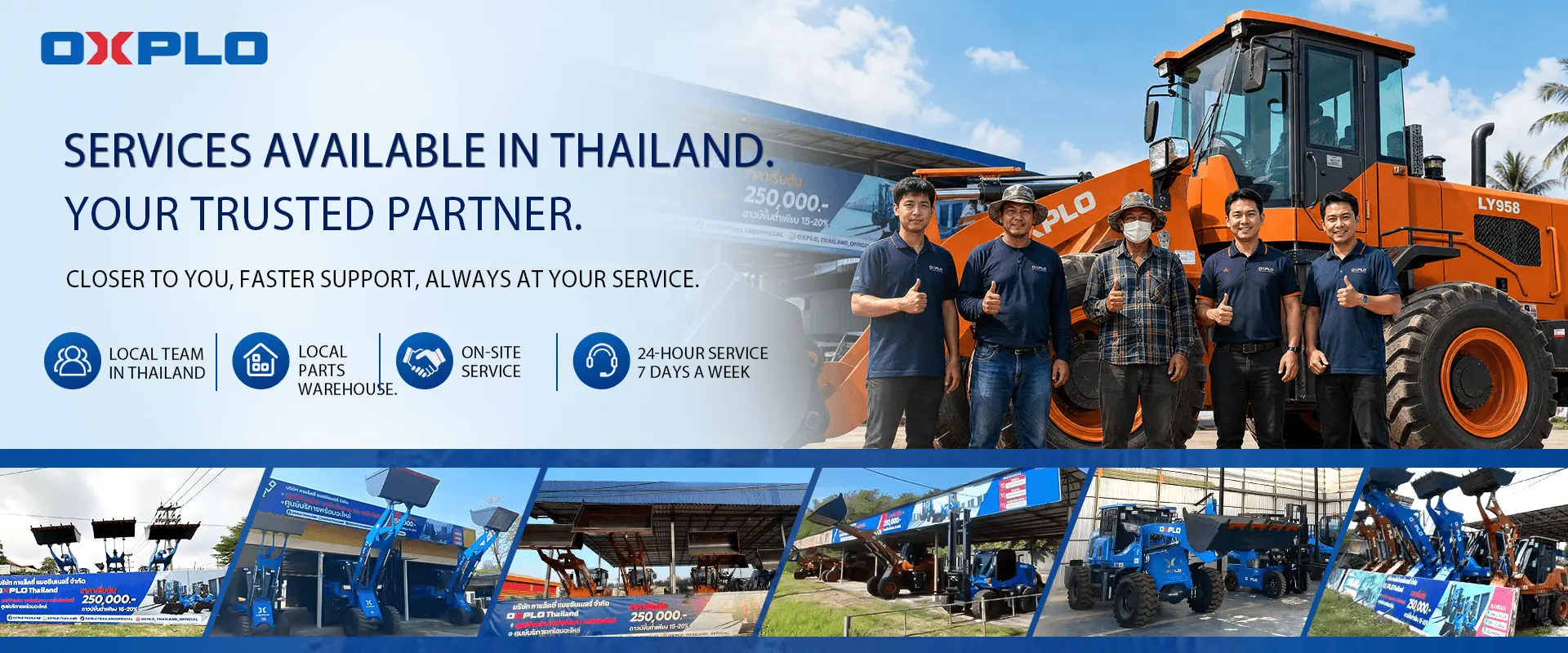
For B2B buyers, forklift delivery is not the end of the project. The availability of technicians, spare parts, and a clear troubleshooting process during equipment downtime truly impacts long-term TCO.
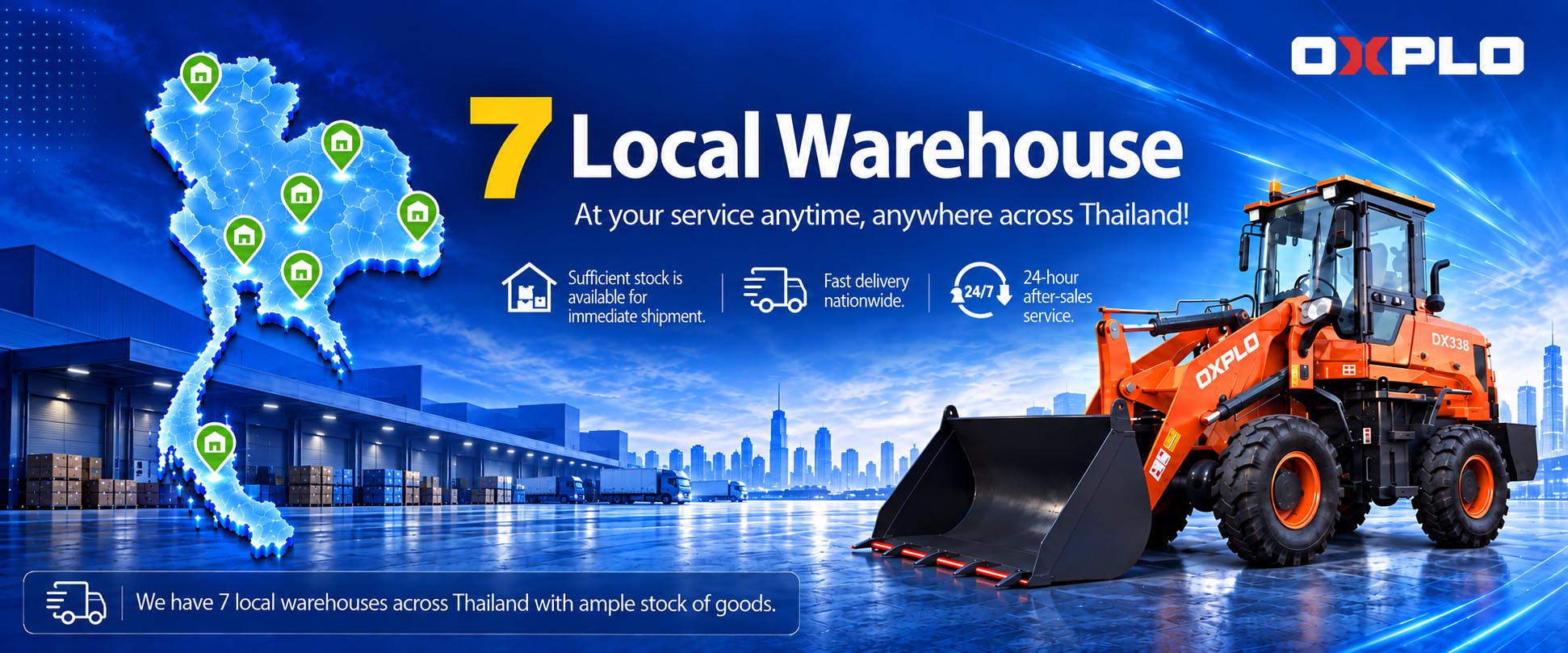
OXPLO's regional headquarters are located in Thailand, with an operations and service team in the Philippines. Its website currently shows its Thai operations in Ayutthaya, Khon Kaen, Nakhon Ratchasima, Ubon Ratchathani, Chiang Mai, and Phhatthalung, while it also has a team and warehousing network in the Philippines.
According to OXPLO's [Service & Support] page, the brand offers condition communication, configuration selection, online after-sales service, spare parts supply, technical support, and a range of customization services. Customization can involve tires, cabs, colors, signage, and equipment configuration.
The commercial value of this localized support is mainly reflected in three aspects:
* Reduced Selection Errors: Identifying mismatches in access, masts, and attachments before equipment production or delivery;
* Shorter Fault Recovery Time: Reducing waiting times through local technical communication and spare parts supply;
* Improved Equipment Utilization: Planning maintenance and charging according to actual shifts to avoid prolonged periods of low battery or unplanned downtime.
The specific warranty coverage, spare parts delivery time, and on-site service area should still be written into the final contract to avoid relying solely on verbal promises.
VIII. Conclusion: Choose Capacity That Matches the Work, Not Just the Price
1-ton forklifts are suitable for environments with lighter loads, stable pallet dimensions, narrow aisles, and limited operating frequency. Their advantages are mobility and lower initial investment, but they have a smaller load margin and are more sensitive to changes in load center and attachments.
2.5-ton forklifts are more suitable for medium-sized manufacturing, food and beverage, building materials, logistics centers, and scenarios with multiple pallet sizes. They offer greater coverage of operating conditions and are more suitable as the main counterbalance forklift for businesses.
However, the final answer is not "2.5 tons is always better than 1 ton."
The right equipment is one that can maintain a reasonable load margin under the most unfavorable repetitive working conditions without placing unnecessary burdens on warehouse space, floor space, and energy systems.
If a company is comparing 1-ton, 1.5-ton, 2-ton, and 2.5-ton forklifts, they can compile a work condition table containing cargo weight, pallet size, load center, lifting height, aisle width, slope, attachments, and shift duration.
The OXPLO team can use this information to verify the tonnage, mast, forks, battery, and attachment configurations of the CPD series, helping purchasing personnel shift from "comparing forklift prices" to "comparing actual handling efficiency and long-term TCO."
More CPD25 configurations can be found at [OXPLO CPD25 Electric Forklift].
IX. FAQ
Q1: Can a 1-ton forklift lift exactly 1,000kg?
A1: Not necessarily. 1,000kg is typically the rated capacity under specified load center and mast conditions. With a forward-shifted load center, increased lifting height, or attachments, the actual permissible load may be less than 1,000kg.
Q2: Is a 2.5-ton forklift suitable for narrow aisles?
A2: It needs to be determined by considering the turning radius, vehicle length, fork length, and pallet size, not just the "minimum aisle width." A right-angle stacking simulation using actual pallets should be performed before purchasing.
Q3: Should I choose a 2.5-ton forklift if my heaviest load is only 1,200kg?
A3: If the 1,200kg load is large, requires high-level stacking, involves sideshifting, or the load may increase in the future, a 2.5-ton model usually has more headroom. If the load size is stable, the lifting height is low, and space is limited, the OXPLO CPD15 and CPD20 can also be compared.
Q4: Does installing a sideshifter reduce forklift capacity?
A4: Usually. Sideshifters increase attachment weight and may shift the load center of gravity forward. Check the combined load label after attachment installation, rather than continuing to operate at the forklift's original rated tonnage.
Q5: What information should I provide when requesting an OXPLO forklift quotation?
A5: It is recommended to provide the maximum load weight, pallet size, load center, lifting height, aisle width, slope, daily working hours, charging conditions, and required attachments. The more complete the information, the closer OXPLO's recommended model and configuration will be to actual working conditions.
Q6: What OXPLO electric forklift models can be compared with the CPD25?
A6: OXPLO currently showcases the CPD15, CPD20, CPD25, and CPD30 electric forklifts, corresponding to rated loads of 1.5 tons, 2 tons, 2.5 tons, and 3 tons, respectively. The final selection should be determined based on the load center, mast height, attachments, and available space.
Customer Distribution
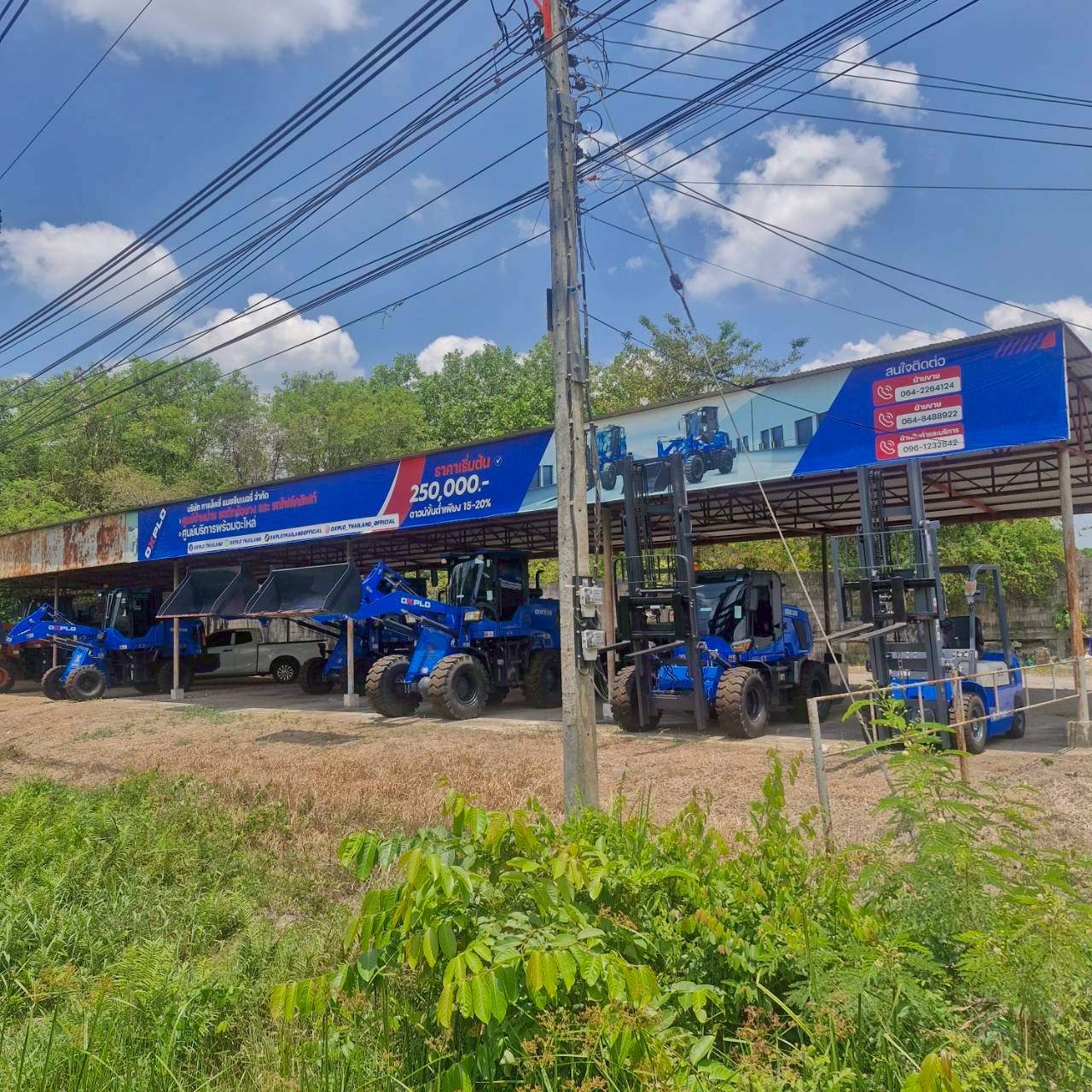
 Thailand-Ayutthaya
 Thailand-Khon Kaen
 Thailand-Nakhon Ratchasima
 Thailand-Ubon Ratchathani
 Thailand-Chiang Mai
 Thailand-Phthalum
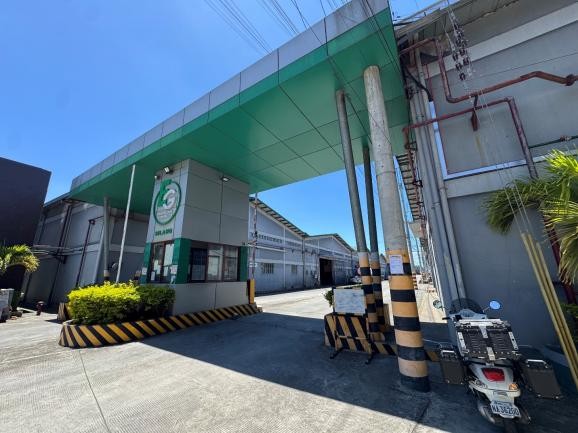
, MAGUYAM ROAD, BRGY. MAGUYAM, SILANG, CAVITE") Philippines-ELITE GLOBUS WAREHOUSE(NO. 43 - OXPOWER MACHINERY INC.), MAGUYAM ROAD, BRGY. MAGUYAM, SILANG, CAVITE
Philippines-ELITE GLOBUS WAREHOUSE(NO. 43 - OXPOWER MACHINERY INC.), MAGUYAM ROAD, BRGY. MAGUYAM, SILANG, CAVITE
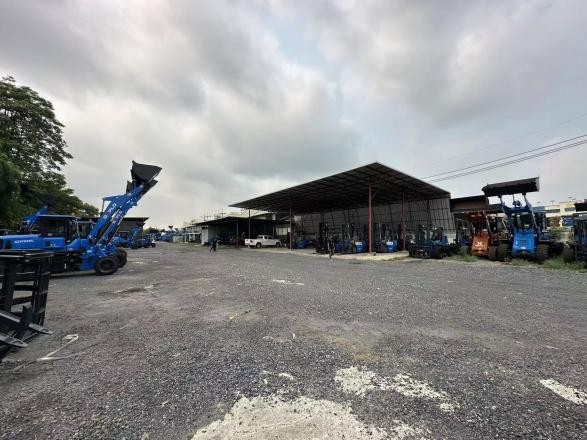
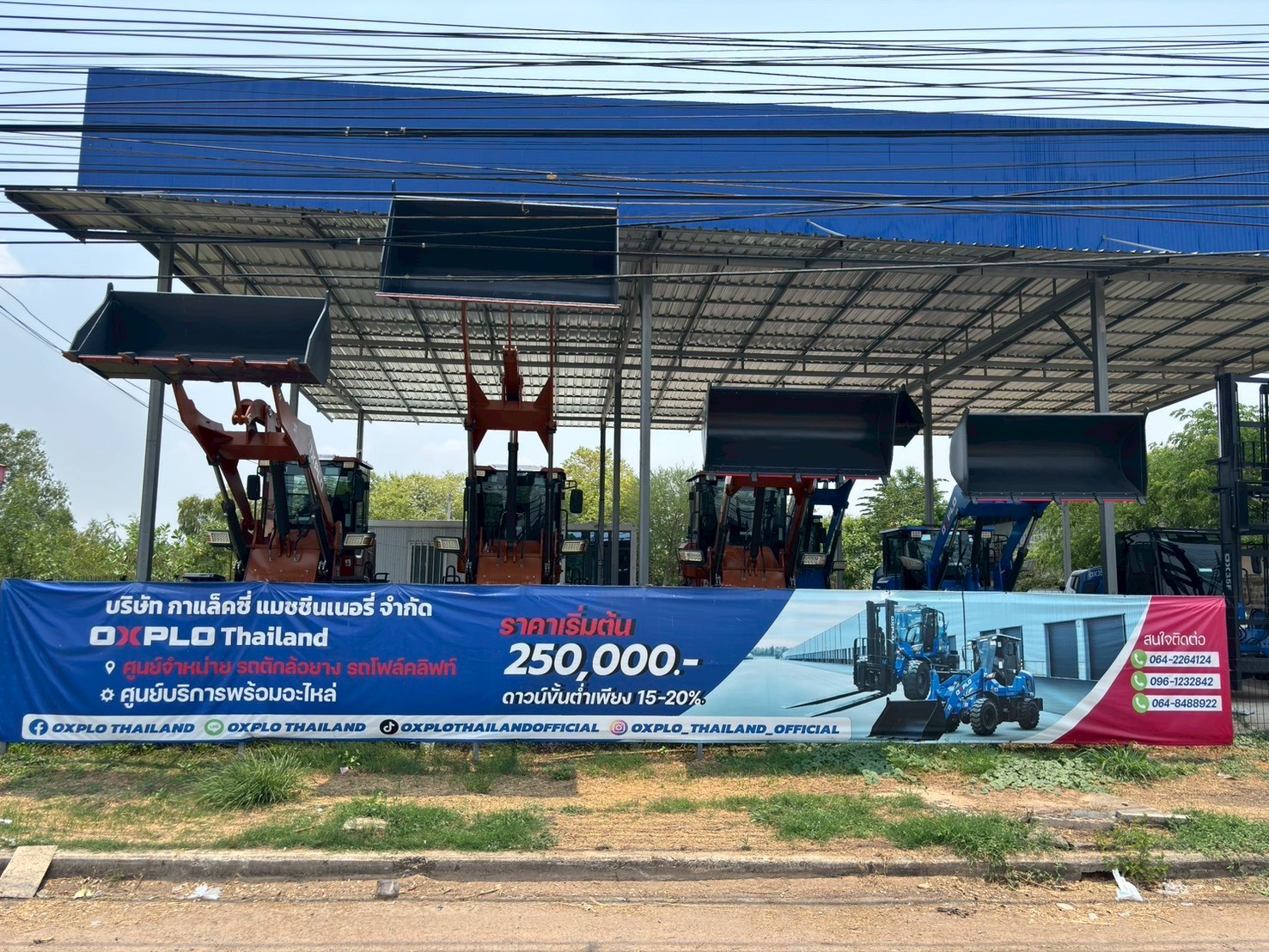
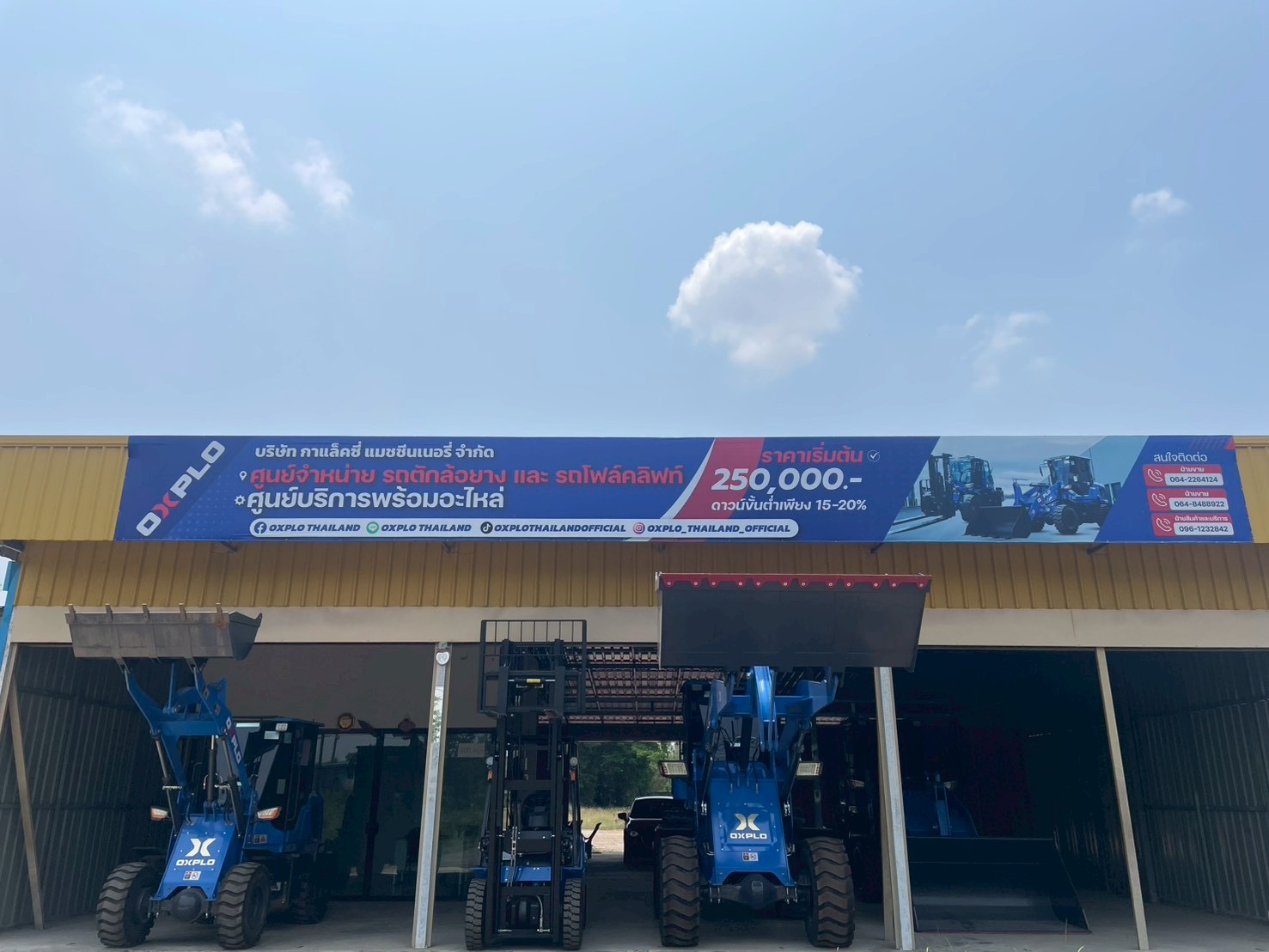
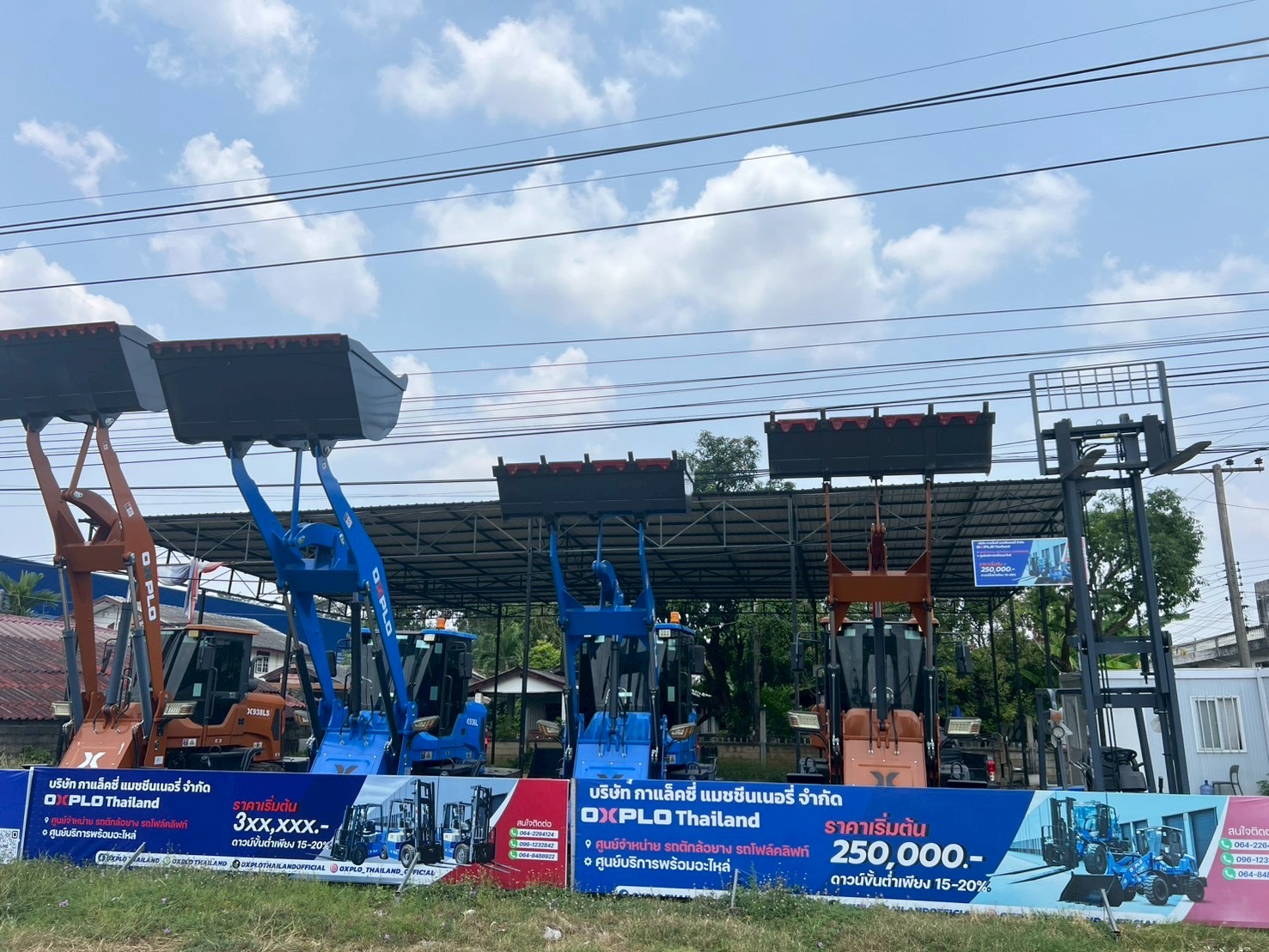
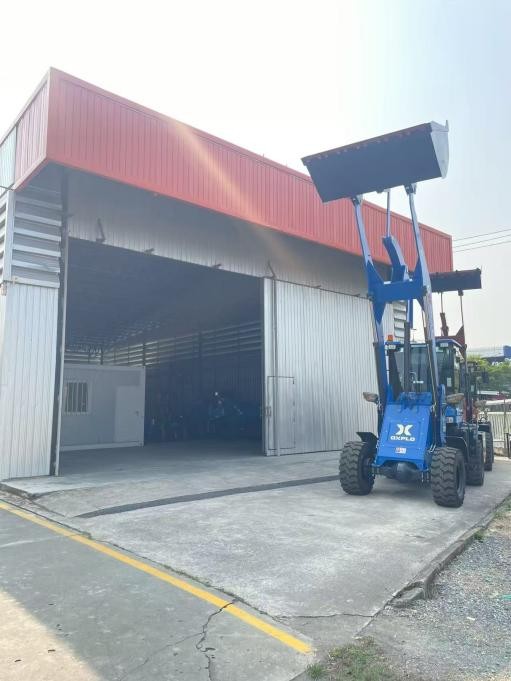
OUR OPERATiONS
Our regional headquarters are located in Thailand, with independent operations company and service team in the Philippines. This multi-market presence enables us to provide customers throughout Southeast Asia with efficient communication, faster response times, and reliable local support.


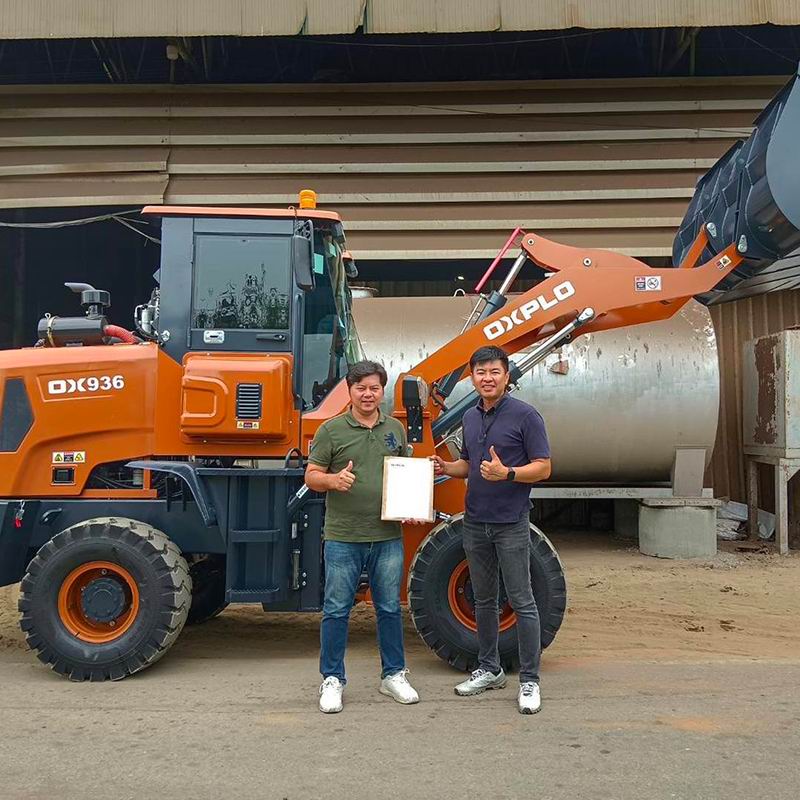
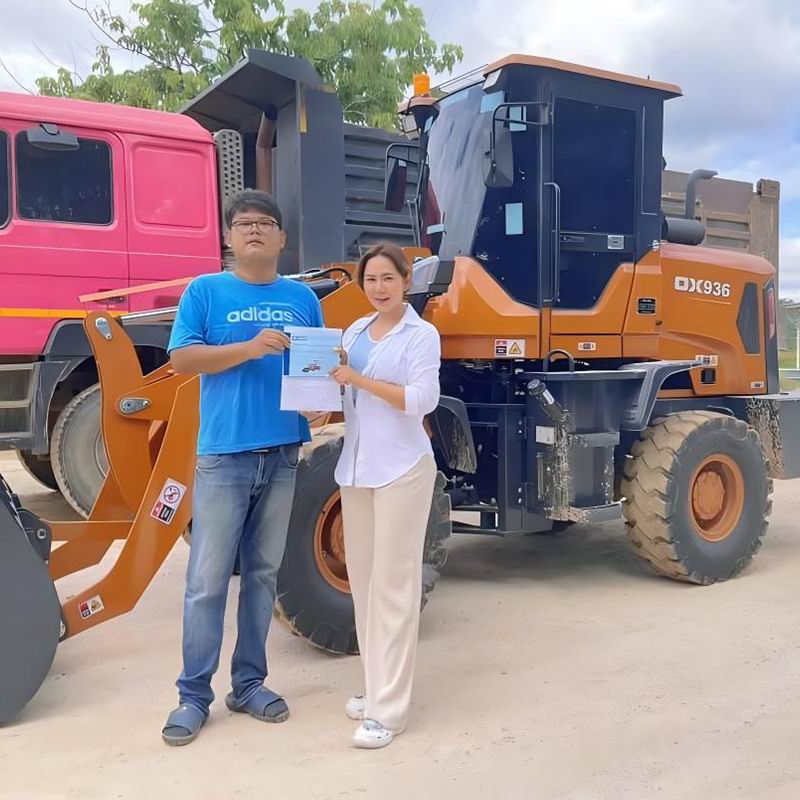
customer case
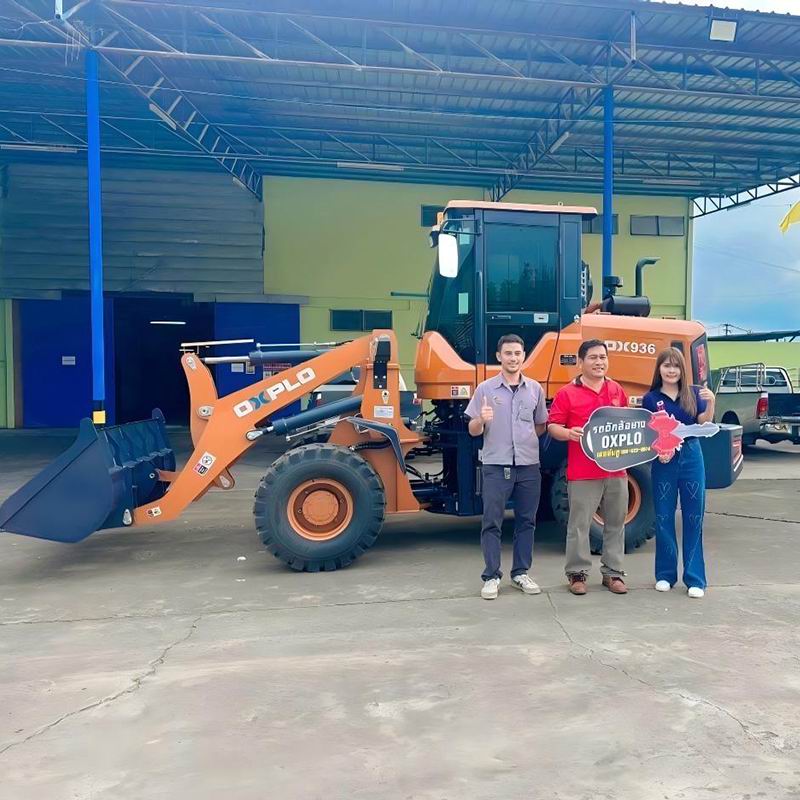
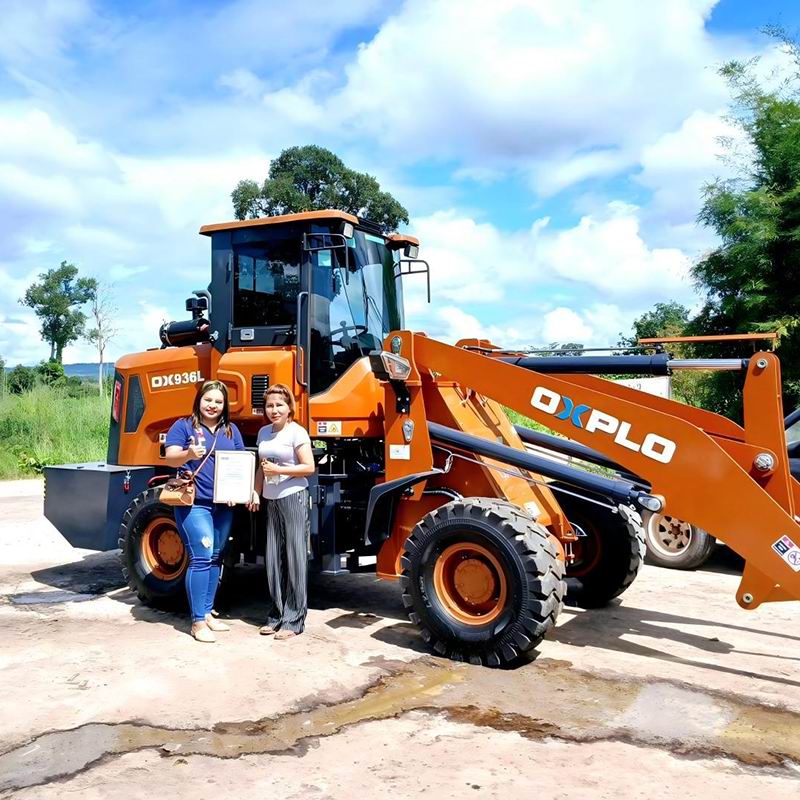
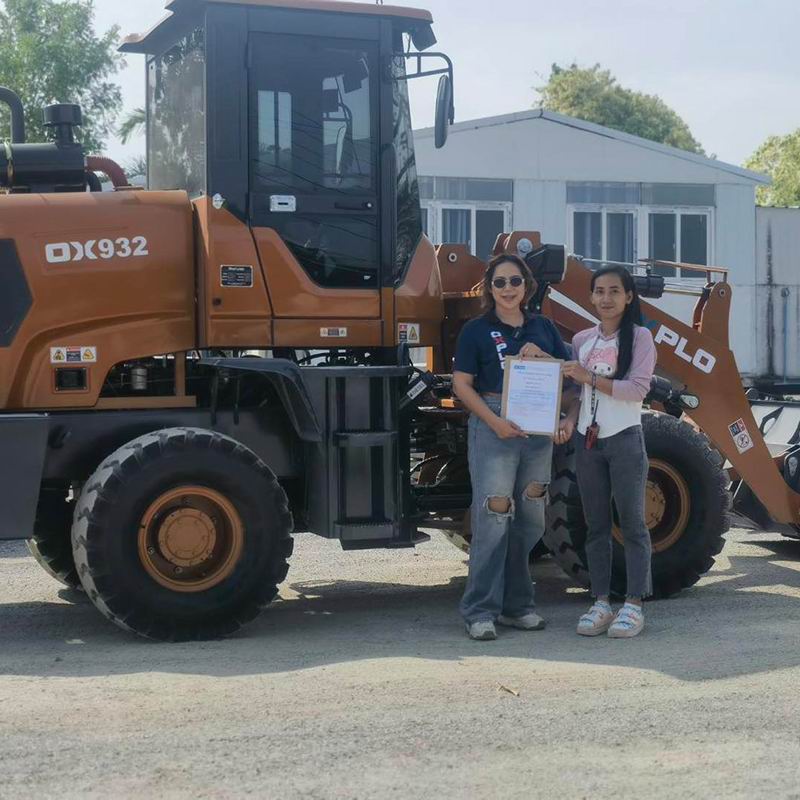
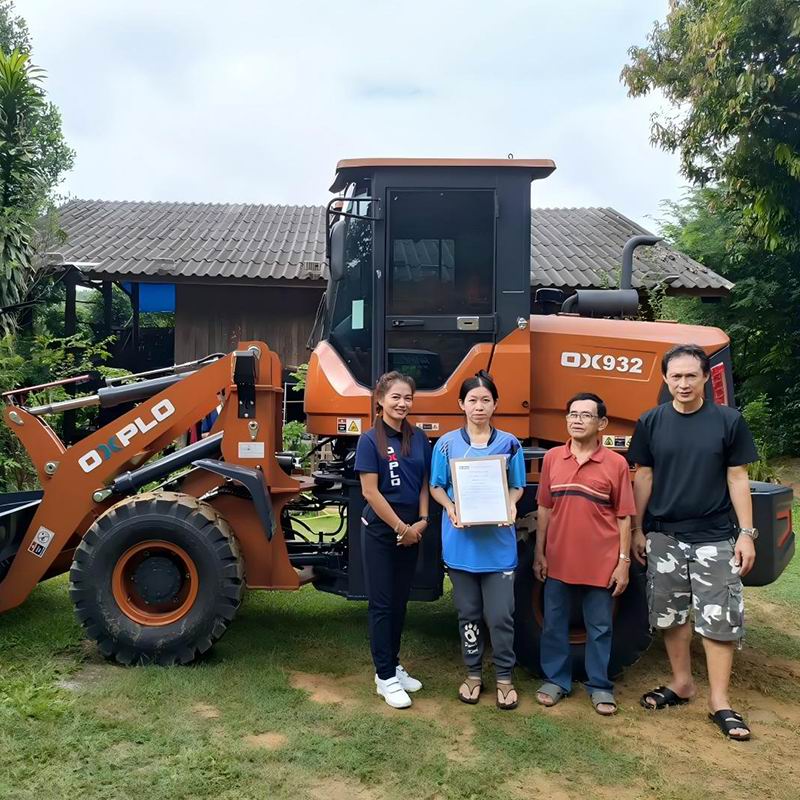
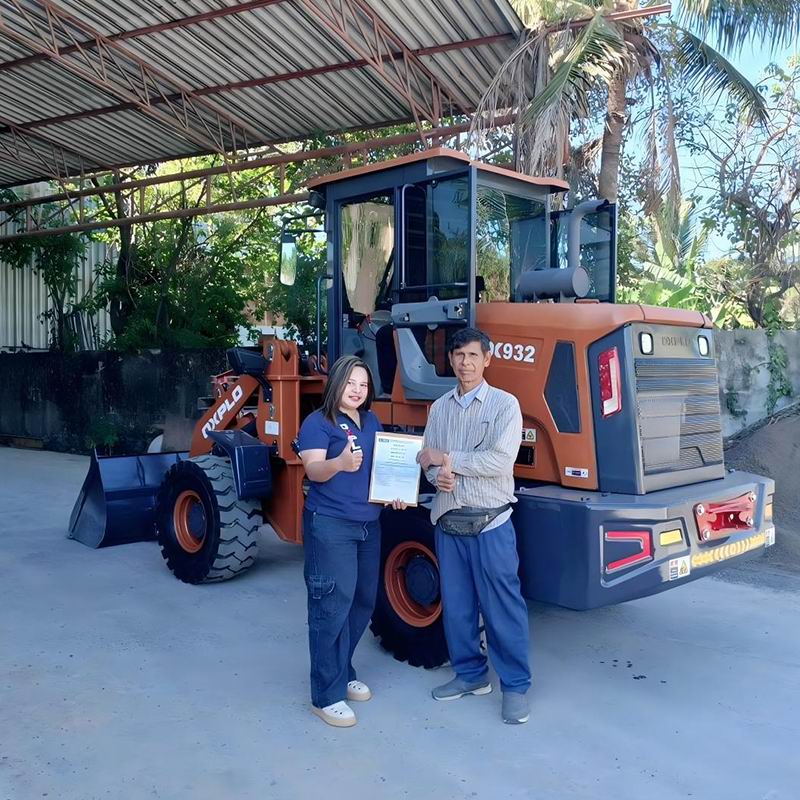
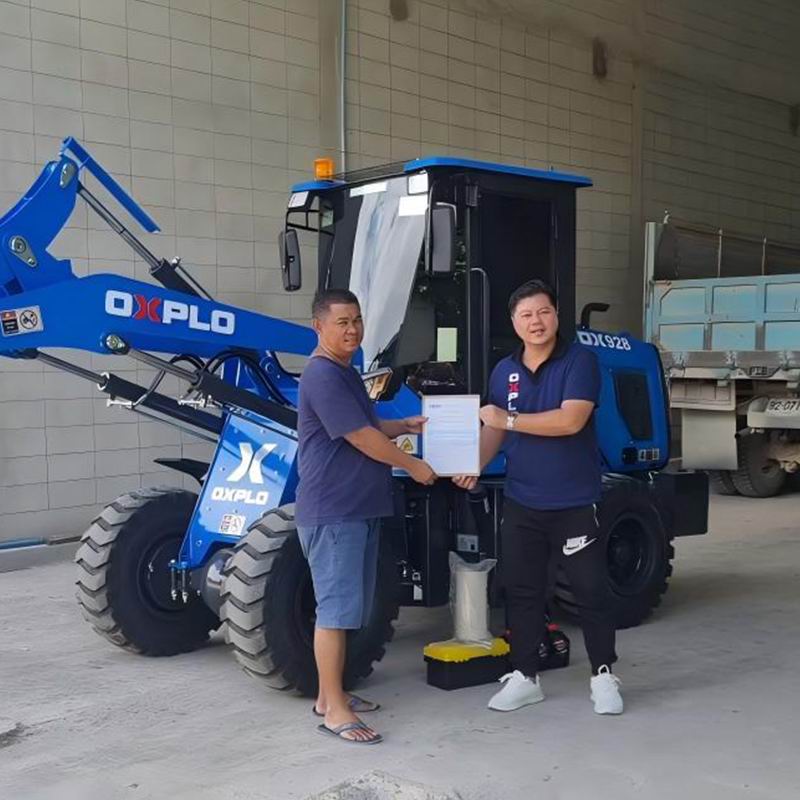
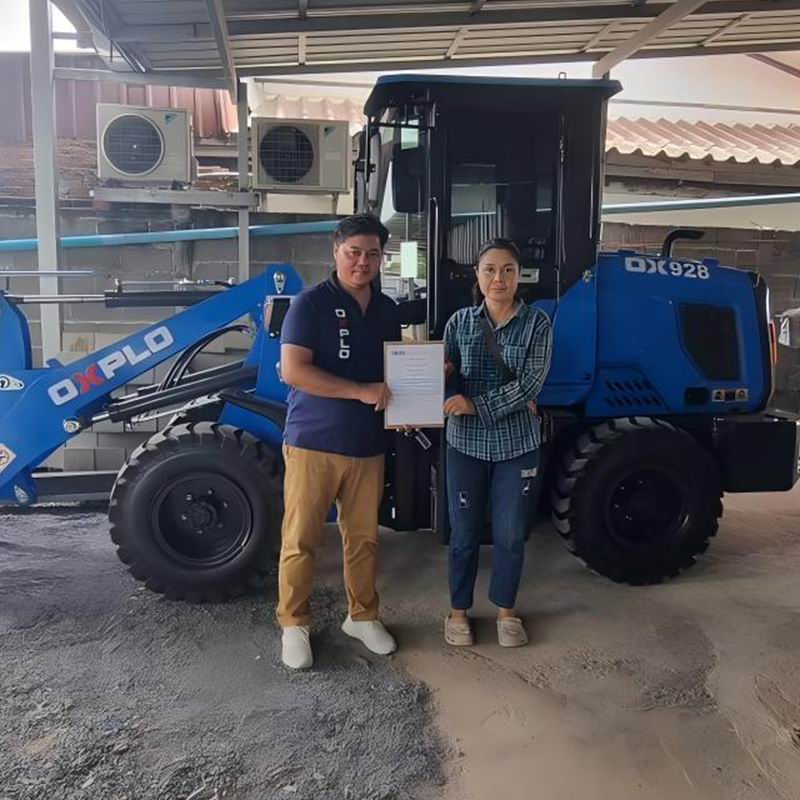
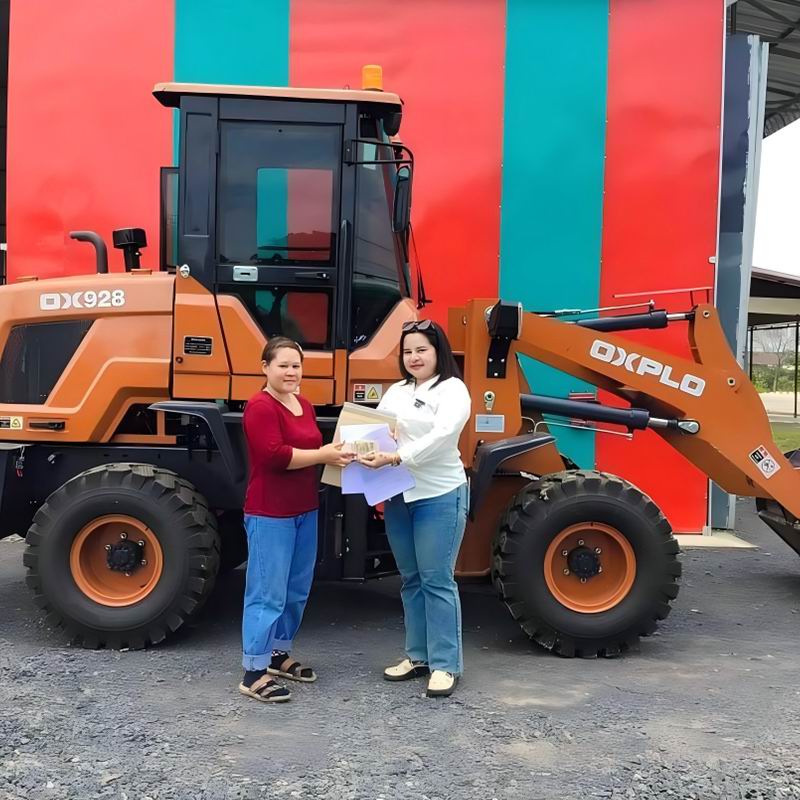
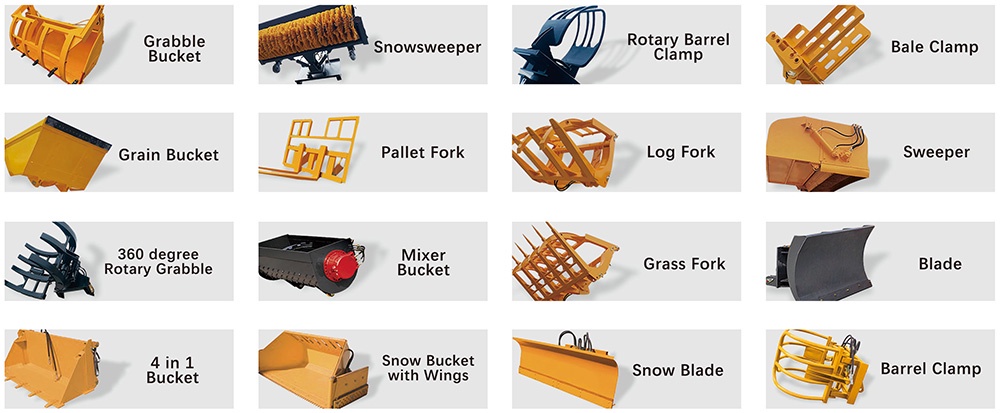
Wheel Loader Attachments
OXPLO provides a variety of spare parts support.
OXPLO's advantages
Let us introduce our products & factory to you
What makes us different
Why Choose Us
OXPLO specializes in the supply of forklifts, wheel loaders and tractors, providing reliable machinery solutions for material handling, construction and agricultural industries
Thailand Headquarters & SEAN Regional Operations
Headquartered in Thailand, with established firms and local service teams in the Philippines.
Reliable After-Sales & Spare Parts Support
We offer full after-sales care, including maintenance support and spare parts supply.
Factory Direct Supply
Direct factory operation ensures superior quality and a stable supply.
Quick Response & Service
Our local SEAN teams deliver rapid response, on-site service and expert technical help.
High-Performance Equipment
Built for tough jobs, our gear delivers robust power, steady performance and efficiency.
Application Scenarios
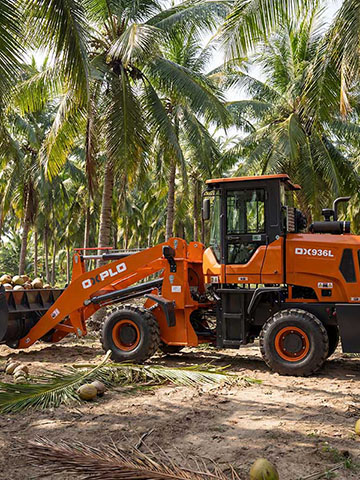
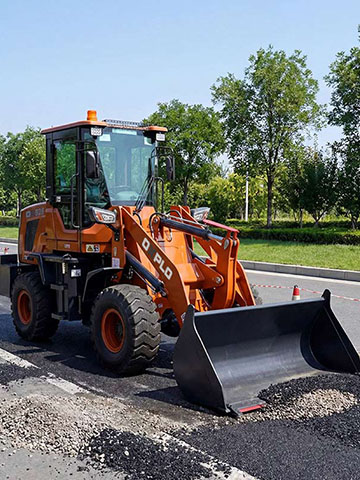
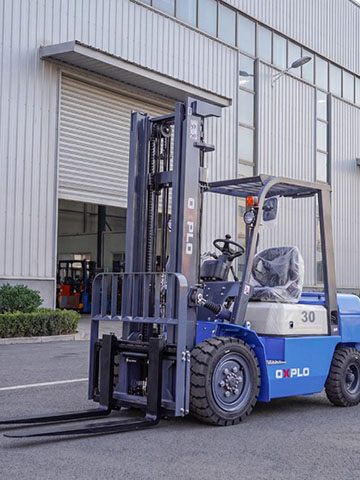
Our products are widely used in various fields such as warehousing,
construction, municipal roads, agriculture
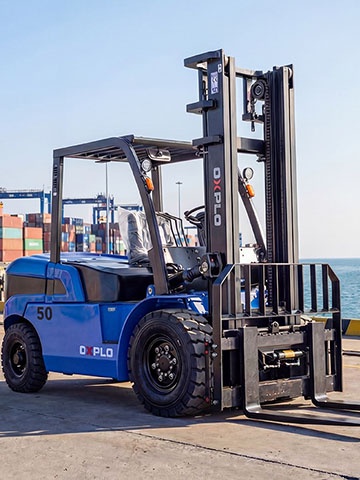
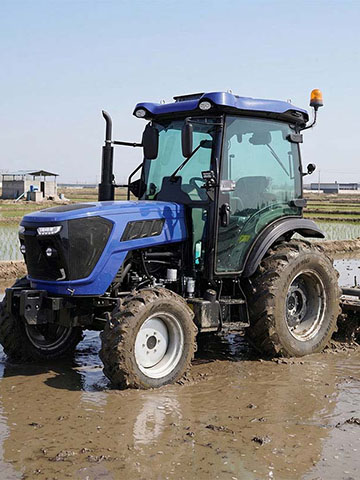
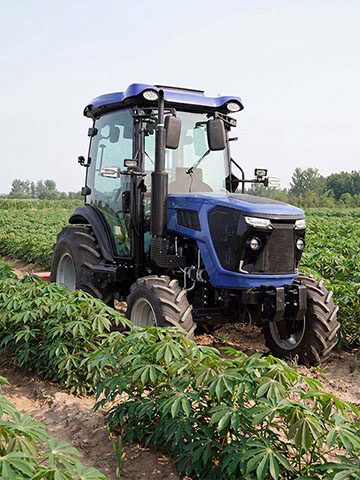
about OXPLO
OXPLO is headquartered in Vannok District, Ayutthaya Province, Thailand, with five new branch offices in Khon Kaen, Nakhon Ratchasima, Ubon Ratchathani, Chiang Mai, and Phatthalung Provinces. The company's core competitive advantage lies in its "fast and efficient after-sales service and on-site problem-solving capabilities." OXPLO provides a comprehensive service guarantee system. Having cultivated the Thai market for many years, OXPLO not only provides excellent loaders, industrial forklifts, and off-road forklifts, but also offers one-stop service from procurement financing to after-sales support through comprehensive local support.







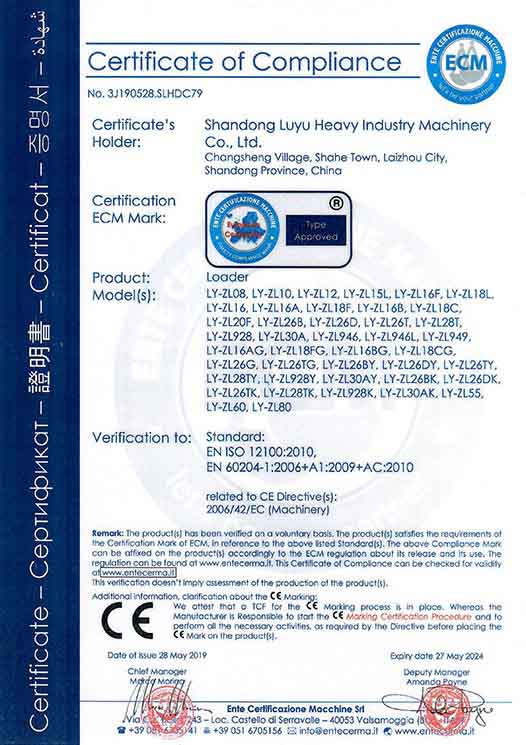
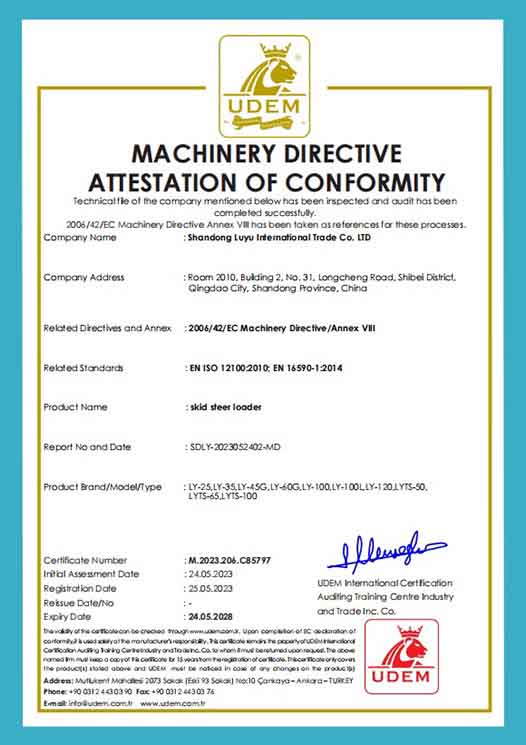
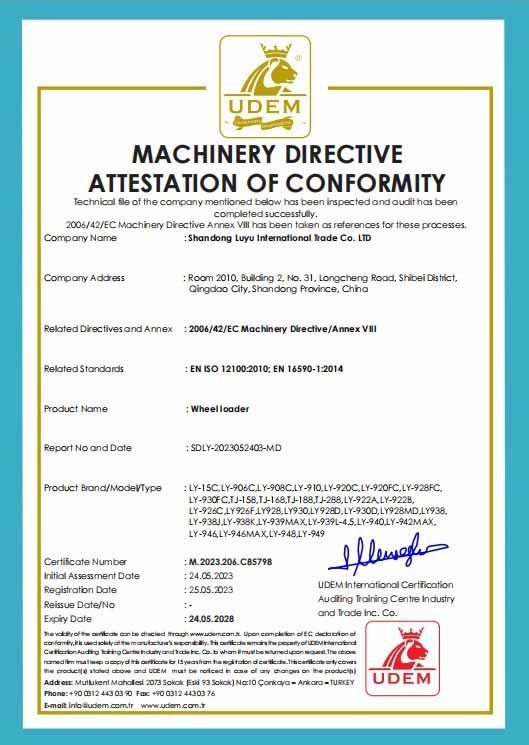
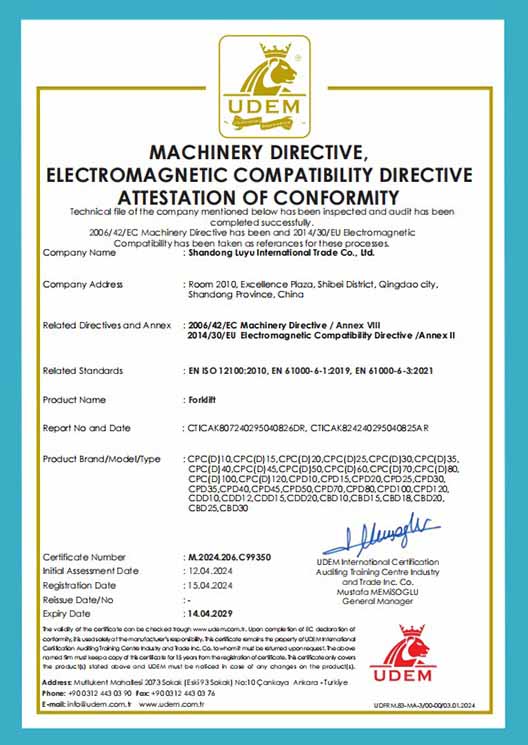
OUR CERTIFICATE
Wheel Loader FAQ
How much does a wheel loader cost?
The cost of a wheel loader varies depending on its rated load capacity, engine configuration, attachments, and optional features. Compact wheel loaders generally cost less than larger construction models. For an accurate quotation, contact OXPLO with your application requirements, preferred specifications, and destination country.
What is the fuel consumption of a wheel loader?
Fuel consumption depends on the loader size, engine power, operating conditions, and workload. Compact wheel loaders typically consume less fuel than larger models used in heavy-duty construction. Proper maintenance, efficient operating practices, and selecting the right machine size can help reduce fuel costs and improve productivity.
What is the lifting capacity of a wheel loader?
A wheel loader's lifting capacity is determined by its rated load. OXPLO offers wheel loaders with rated load capacities ranging from approximately 1.6 tons to 5 tons, making them suitable for agriculture, construction, material handling, and industrial applications. Always select a machine with sufficient capacity for your intended workload.
Can a wheel loader be used with pallet forks?
Yes. Many OXPLO wheel loaders can be equipped with pallet forks through a quick coupler system. This allows the machine to handle palletized goods, construction materials, agricultural products, and warehouse cargo, making it a versatile alternative to dedicated material handling equipment in certain applications.
How often should a wheel loader be serviced?
Regular maintenance is essential for maximizing machine performance and lifespan. Daily inspections should include checking engine oil, hydraulic fluid, coolant levels, and tire condition. Scheduled maintenance intervals vary by model and operating hours, but following the manufacturer's maintenance guidelines can help prevent unexpected downtime and costly repairs.
What is the difference between a wheel loader and a skid steer loader?
The primary difference is size, lifting capability, and maneuverability. Wheel loaders generally offer higher lifting capacities, larger buckets, and better performance for moving bulk materials over longer distances. Skid steer loaders are more compact and excel in confined spaces where tight turning and versatility are required. The best choice depends on your job site conditions and application needs.
What engine brands are available on OXPLO wheel loaders?
OXPLO wheel loaders are available with different engine configurations depending on the model and market requirements. Engine options may include reliable diesel engines designed to deliver strong performance, fuel efficiency, and easy maintenance. Please contact our sales team for specific engine options available in your region.
Do you provide operator training and technical support?
Yes. OXPLO provides after-sales support and technical assistance to help customers operate and maintain their equipment efficiently. Our team can offer guidance on machine operation, routine maintenance, troubleshooting, and spare parts support to ensure long-term reliability and productivity.