



A rice mill can have enough milling capacity and still lose production time in the yard. A paddy truck waits because the receiving area is full. Rice husk accumulates near the discharge point. A finished-rice shipment is ready, but the loading route is blocked by another machine.
For rice processors in Thailand, these problems become more visible during concentrated harvest deliveries, heavy rainfall and periods of limited labor availability. The solution is rarely as simple as purchasing the loader with the highest horsepower. The useful question is: which material-handling task is slowing the whole operation, and what machine-and-route combination will remove it?
This guide explains how to choose a Wheel Loader for Rice Mill operations by examining grain quality, husk volume, truck geometry, yard layout, cycle time and the true cost of ownership. The calculations are planning examples—not promised equipment performance or results from a particular customer site.
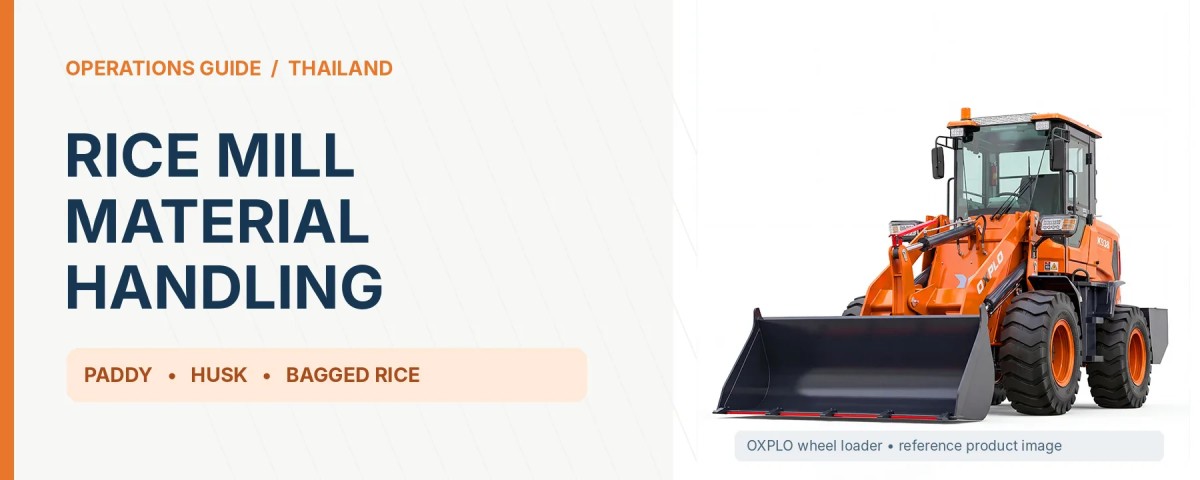
Figure 1. OXPLO loader reference imagery for rice mill material handling in Thailand.
Reference equipment photo supplied by OXPLO; product appearance may vary by configuration.
I. Find the Real Bottleneck Before Buying Equipment
A slow receiving yard can limit an otherwise capable mill
Imagine a facility whose intake arrangement is scheduled for 20 tonnes of paddy per hour. If its temporary receiving area and transfer process can only clear 12 tonnes per hour, material accumulates whenever deliveries approach the planned intake rate. Adding milling capacity would not correct the receiving bottleneck. The facility first needs to improve the transfer path, staffing, receiving schedule or suitable mechanized handling step.
A loader can assist with bulk material transfer from a designated storage or receiving area, but it cannot compensate for a restricted dryer, damaged elevator or undersized conveyor. Map where waiting begins before deciding where mobile equipment adds value.
Thailand-specific constraint: wet paddy cannot simply be moved into storage
Rice mills in Thailand operate across different wet- and dry-season crop patterns, and incoming grain may arrive with variable moisture. Thai Agricultural Standard TAS 4401-2008 is a useful postharvest reference: within its scope it specifies moisture limits of 15% for traded paddy and 14% for stored paddy, along with precautions against contamination. Operators should verify the standards applicable to their facility and product.
A loader may clear an unloading area faster, but faster transfer does not replace moisture measurement, suitable drying or lot identification. Wet grain left in an unsuitable pile can create quality losses even when the yard appears productive. This is why the machine must fit the *processing sequence*, not just the size of the truck queue.
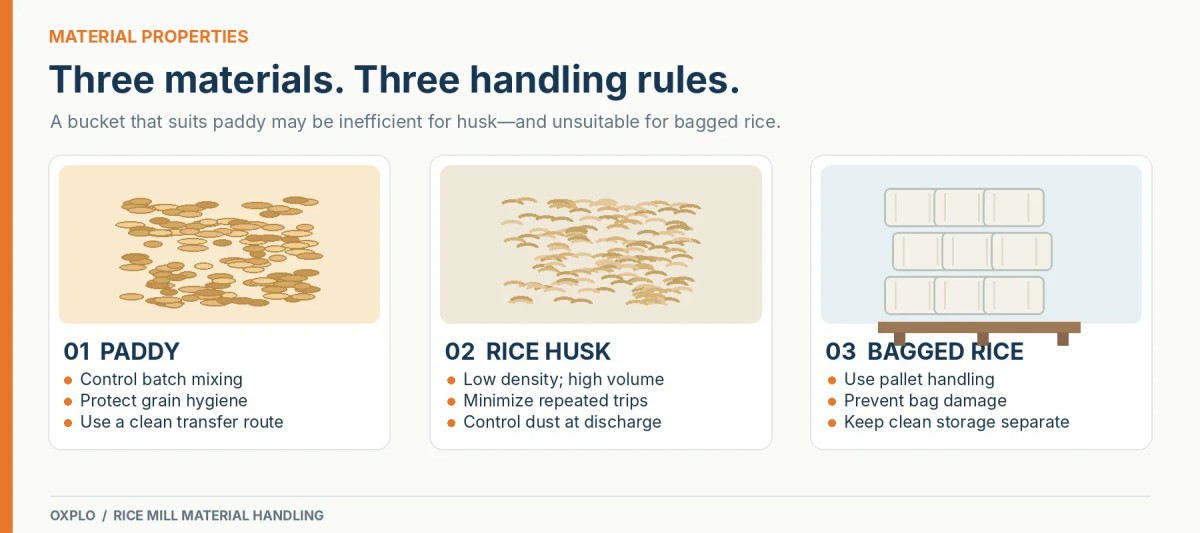
Figure 2. Wet-season site checks: covered intake, drainage and controlled vehicle traffic.
Illustrative operating guidance, not a site compliance assessment.
Ask where the current machine loses time
Observe a normal shift and a peak receiving period. Separate active loading time from reversing, truck waiting, blocked access, attachment changes and cleaning. A loader that spends half its time waiting on vehicles is not necessarily undersized. Its route may be poorly designed.
Decision rule: fix a process bottleneck with a process change. Buy more machine capacity only when the measured task actually requires it.
II. Three Rice Mill Materials, Three Different Handling Strategies
Paddy: control density, batch separation and contamination
Loose paddy is relatively dense compared with rice husk. An illustrative bulk-density range for planning is about 550–620 kg/m³, but the mill should measure its own material because variety, moisture and packing change the result. With a 0.8 m³ bucket, an 80% practical fill factor and an assumed density of 580 kg/m³, the estimated paddy mass per trip is 0.8 × 0.80 × 580 = 371 kg.
This figure demonstrates how bucket volume translates into material moved; it is not a published machine performance rating. Actual load must remain within the manufacturer-approved equipment and attachment limits.
The operating risk is as important as the weight. A Paddy Handling Loader working at a clean receiving surface should not scrape soil into the grain, mix varieties, or carry residues from previous work. Establish approved handling areas and clean the bucket before any grain-contact task. For direct transport between fixed machines, an enclosed conveyor or bucket elevator is often the better choice.
Rice husk: the limit is often cubic meters, not kilograms
Loose husk has a low bulk density. As a transparent example, assume 120 kg/m³. If a mill processes 24 tonnes of paddy per day and husk represents approximately 20% of incoming mass, the daily husk amount would be 4.8 tonnes, equivalent to about 40 m³ at the assumed loose density. The actual proportion and density should be checked at the site.
A buyer comparing loaders only by rated weight may overlook this volume problem. Husk Handling frequently depends more on usable bucket volume, fill factor, loading height, dust control and trip distance. A larger bucket may reduce trips, but only if it is an approved configuration and does not make the loader too large for the yard.
Bagged finished rice: choose controlled pallet handling
A pallet with forty 25 kg bags contains 1,000 kg of rice before the pallet itself is counted. A standard loader bucket is a poor tool for moving this load: bags can tear, the load can shift and repeated rehandling increases contamination and labor risk.
A warehouse forklift is usually more suitable for palletized finished rice on an appropriate floor. Where a wheel loader uses approved forks outdoors, evaluate load center, attachment weight and residual capacity at the required lift height. Different materials require different tools; buying one machine to perform every task is often a false economy.
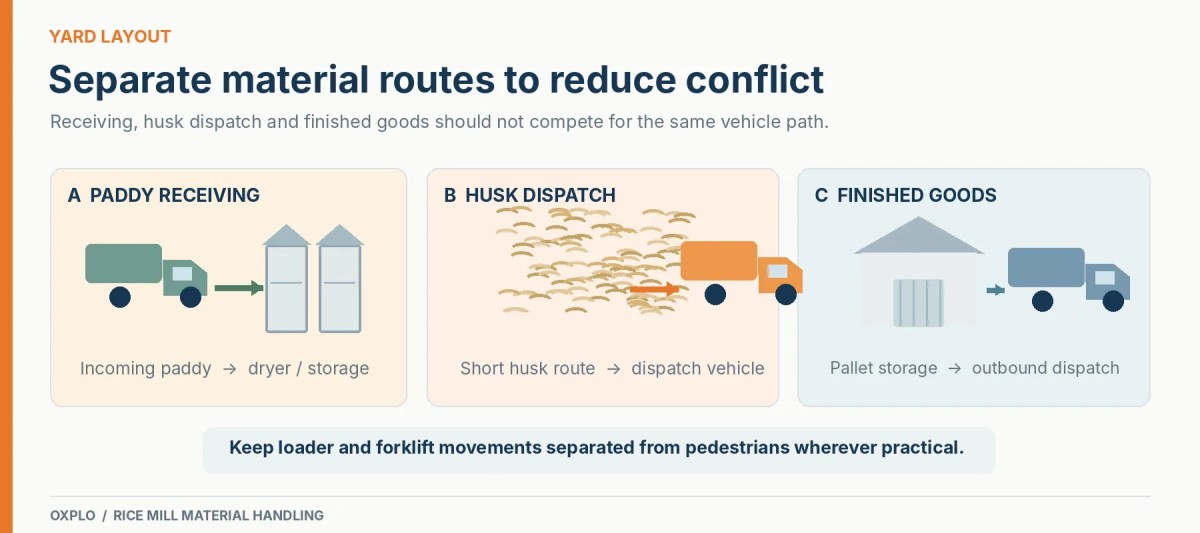
Figure 3. Paddy, loose husk and bagged rice need different material-handling methods.
Illustrative comparison; ensure all grain-contact equipment meets applicable hygiene requirements.
III. Design the Yard Around Safe, Repeatable Material Flow
Separate receiving, husk dispatch and finished-goods routes
A useful facility layout distinguishes three movements: incoming paddy toward inspection and drying or storage; husk toward collection and external dispatch; and packed rice toward clean warehousing and truck loading. These flows do not always require separate buildings, but they should avoid uncontrolled cross-traffic and cross-contamination.
In smaller Thai mills, a new shed or storage extension sometimes narrows an existing access road. The original route may still admit a loader, but leave too little room for articulation and truck positioning. Measure the full work cycle—including approach, reversal, turn and discharge—rather than checking only the entrance width.
Measure dumping height *and* reach against the actual truck
A loader can raise its bucket high enough yet still fail to place material beyond a truck sideboard. Measure the sideboard, horizontal reach over the body, ground slope and any overhead restriction. Maximum bucket lift height is not the same specification as dumping height. A high-discharge machine is useful only if its geometry fits the receiving vehicle.
Treat rain, dust and indoor air as engineering constraints
Paved areas, gravel lanes and wet soil create different traction and axle-load conditions. During rainy periods, check drainage, ruts, slope, tire suitability and ground-bearing capacity rather than assuming a loader will operate safely on any muddy surface.
Rice husk and grain dust also require attention. Dust should be contained and removed by appropriate housekeeping methods, and facilities should assess potential combustible-dust hazards and ignition sources. A diesel loader should not be assumed acceptable inside an enclosed production or potentially hazardous dust area. Site ventilation, equipment suitability and applicable safety controls must be evaluated.
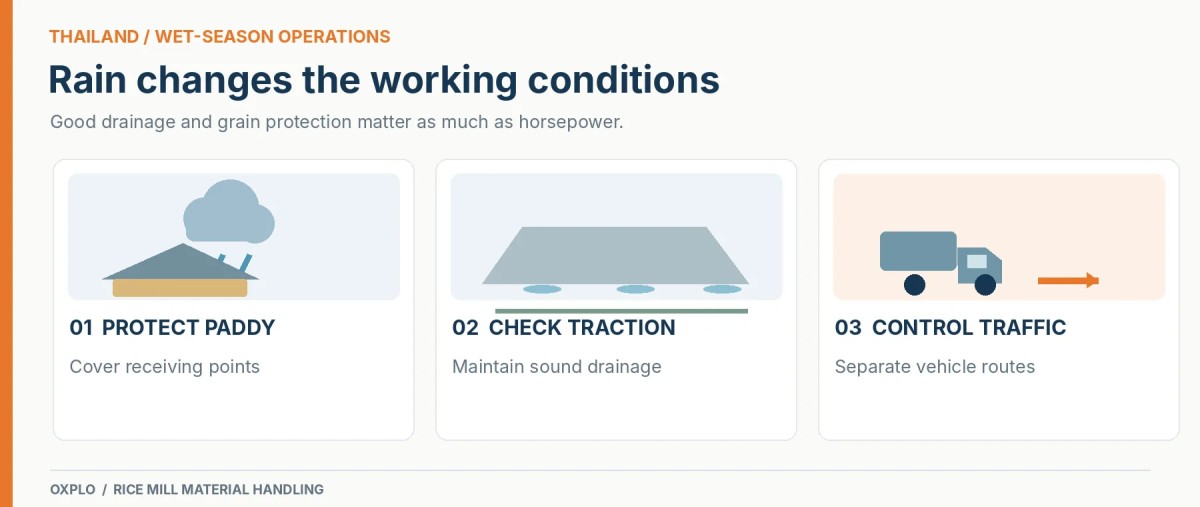
Figure 4. Separate receiving, husk dispatch and finished-goods routes.
Conceptual flow only; site layout, safety controls and process equipment must be validated locally.
IV. Calculate Real Handling Capacity and the Cost of Extra Trips
Start with the material volume, not a brochure claim
For the modeled 40 m³ of daily loose husk, compare two bucket volumes at the same illustrative 80% fill factor. The smaller 0.8 m³ bucket moves 0.64 m³ per trip; the 1.5 m³ bucket moves 1.20 m³. Dividing daily volume by usable bucket volume gives the approximate trip count, rounded up to whole trips.
The larger bucket requires approximately 46% fewer trips, but the assumed time saving is approximately 42 minutes per day, not 46% of all paid labor or the mill shift. A larger machine may travel and turn more slowly, use more fuel or require a different attachment. These values show the calculation method; they do not establish measured performance results.
Use a break-even cycle time to test the larger machine
At 63 trips × 2.5 minutes, the compact configuration uses 157.5 minutes of active cycle time. The 1.5 m³ configuration needs 34 trips. To finish within the same time, it must average no more than 157.5 ÷ 34 = 4.63 minutes per trip. If turning, waiting or maneuvering regularly pushes its cycle beyond this threshold, the nominal bucket advantage can disappear.
This is a more useful procurement question than “Is 1.5 m³ better than 0.8 m³?” Ask instead: “Can the larger loader complete our actual route in less than 4.63 minutes, safely and consistently?”
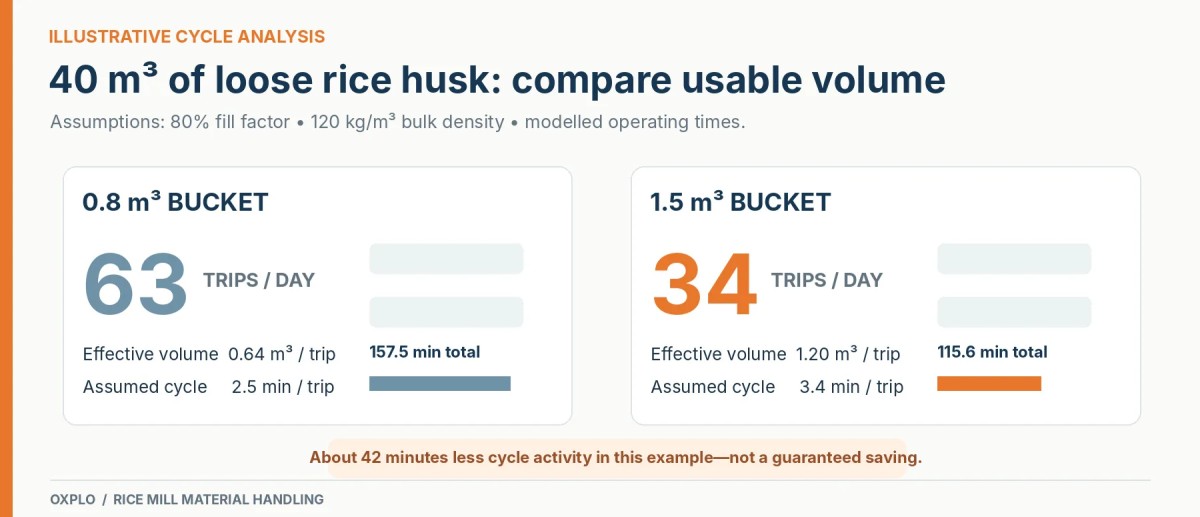
Figure 5. Modeled husk transport: 63 trips with a 0.8 m³ bucket versus 34 with a 1.5 m³ bucket.
Illustrative assumptions only: 40 m³, 80% bucket fill, 2.5/3.4 minute cycles—not OXPLO measured results.
Calculate the cost of completed work
Total cost of ownership includes fuel, operator hours, routine service, tires, repairs, depreciation or finance cost and the financial consequence of relevant downtime. For husk, cost per m³ handled is a helpful metric. For paddy, cost per tonne handled may be more informative. Record both when the machine has mixed duties.
Also consider losses. Repeated paddy handling creates opportunities for spillage and contamination; poor bag handling can damage finished products. These are real business risks, but savings should only be quoted after recording a credible baseline and verifying the improvement.
A larger machine is justified when its additional usable throughput, fewer interruptions and lower handling cost outweigh the extra ownership and operating costs.
V. Avoid the Five Mistakes That Make Equipment Expensive
Mistake 1: choosing only by engine horsepower
Power matters for a demanding duty cycle, but it cannot eliminate unnecessary turning or waiting. For low-density husk, bucket volume and route geometry may be the controlling factors. For heavier bulk loads or soft ground, traction and capacity reserve become more important.
Mistake 2: assuming a high bucket rating means high throughput
A loader with an impressive rated lifting weight may still make many trips with lightweight husk. Calculate usable cubic meters per cycle and check whether the specified bucket is appropriate for that material. Never fit an unapproved high-volume attachment simply to increase the nominal size.
Mistake 3: overlooking truck sideboards and turning clearance
A machine that cannot position its bucket over the truck body is not the correct machine for that loading station. Likewise, a larger loader that needs several extra steering adjustments can lose its theoretical productivity advantage. Site dimensions should be part of every quotation request.
Mistake 4: treating hygiene and dust as secondary issues
Raw paddy, husk and finished rice should not automatically share the same attachments or handling surfaces. Establish cleaning, material separation and dust-management procedures. Equipment suitable for outdoor bulk movement is not necessarily suitable for handling edible goods in enclosed processing areas.
Mistake 5: comparing purchase prices without a service plan
Rice harvest periods can make an unexpected breakdown particularly disruptive. Before committing, ask who handles repairs locally, which consumables and key parts are stocked, how warranty terms work and what support is available at the exact operating location. A cheaper machine with longer interruptions may cost more over its useful life.
VI. Turn Equipment Selection into a Practical Site Decision
What an equipment supplier needs to assess the application
A technically meaningful quotation starts with a short site brief. Instead of asking only for the price of a wheel loader, send the information that determines safe, useful handling capacity:
· Material and quantity: daily and peak-hour paddy intake, estimated husk volume, typical bag or pallet weight.
· Route: travel distance, narrowest passage, turning space, floor or ground condition, drainage and gradients.
· Loading geometry: truck sideboard height, required dumping reach, overhead clearance and receiving-point location.
· Duty cycle: operating hours, number of shifts, current cycle time, frequent waiting points and expected growth.
· Service expectations: delivery province or country, required attachments, available maintenance staff and downtime constraints.
Photos, a simple yard sketch or a short loading-cycle video can make the review more accurate. A supplier can use these details to compare a compact loader, a higher-discharge model, a specialist attachment or a separate forklift arrangement where appropriate.
How local service affects procurement in Thailand
A rice processor should evaluate the local service arrangement as carefully as the purchase specification. Ask whether the seller has an accessible technical contact, a clear service process, available consumables and the necessary support for the precise delivery province. This becomes especially important when a loader is required during a concentrated harvest-delivery period.
Confirm the warranty package, service location, spare-part availability and any promised response time in writing. Buyers in other Southeast Asian countries should verify local coverage rather than assume that the service arrangements are identical across the region.
A 30-day evaluation that avoids an expensive wrong purchase
1. Week 1 – Diagnose: record truck queues, paddy and husk quantities, actual loading cycles and current interruptions.
2. Week 2 – Measure: map routes, truck geometry, ground conditions and safe operating clearances.
3. Week 3 – Compare: ask suppliers to review candidate machine-and-attachment configurations using the same materials and working assumptions.
4. Week 4 – Validate: compare estimated cost per m³ or tonne, service arrangements and the implications of downtime; trial the representative cycle where practical.
VII. Matching OXPLO Equipment to Thai Rice Mill Duties
Once the site measurements and material calculations are available, the OXPLO wheel loader range can be compared against the work—not the other way around. OXPLO supplies agricultural and industrial material-handling equipment for Thailand and other Southeast Asian markets. The following uses published standard configurations; customers should confirm availability, attachments and latest specifications before ordering.
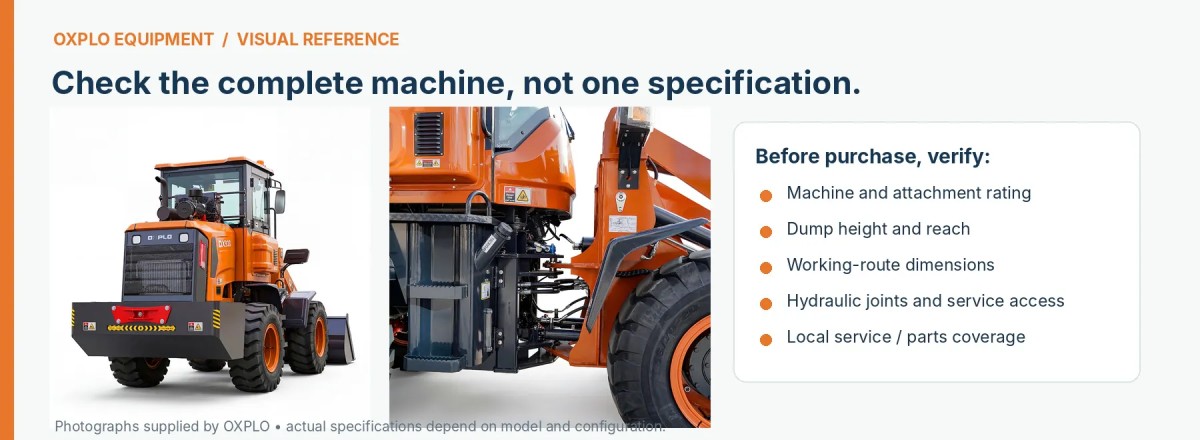
Figure 6. OXPLO wheel loader reference views and key equipment checks before purchase.
Photographs provided by OXPLO; confirm model-specific specifications and attachment compatibility.
OX930: compact receiving yards and short bulk transfer routes
The OXPLO OX930 wheel loader lists a 1,500 kg rated load, 0.8 m³ bucket, 42 kW engine, 3.2 m dumping height and approximately 1.91 m overall width. Its published 705 mm dumping reach also gives buyers a specific figure to compare with truck sideboards.
For a small mill with a relatively narrow outdoor yard, OXPLO OX930 may be worth assessing for designated paddy receiving or general bulk-material movement. Its compact dimensions can be valuable when turning space is restricted. But a 0.8 m³ bucket could require frequent cycles for large daily husk volumes. That limitation should be checked against the mill’s workload.
OX932: similar nominal bucket volume, a different power configuration
The OXPLO OX932 wheel loader lists a 1,600 kg rated load, 0.8 m³ bucket, 58 kW engine, 3.2 m dumping height and approximately 1.90 m overall width. Compared with the OX930, OXPLO OX932 offers a different power and equipment configuration while retaining the same published standard bucket volume.
This matters to buyers: moving from OX930 to OX932 should not be described as a major reduction in husk trip count when both are using the standard 0.8 m³ bucket. The justification needs to come from the measured duty cycle, ground conditions, power requirements or other machine characteristics.
OX936L: more bucket volume and higher discharge for suitable open yards
The OXPLO OX936L wheel loader lists a 1.5 m³ standard bucket, 1,600 kg rated load, 4.2 m dumping height and approximately 2.00 m overall width. Its published overall length is approximately 7.26 m.
For rice mills repeatedly removing lightweight husk or loading a higher-sided vehicle, OXPLO OX936L deserves consideration because both its bucket volume and dumping geometry address common task limitations. The larger machine envelope is the trade-off: it needs suitable travel routes, loading space and approved operating conditions. A compact mill should not buy it solely because the bucket is bigger.
OX938: heavier mixed loads, not automatically more husk per hour
The OXPLO OX938 wheel loader lists a 2,200 kg rated load, 1.0 m³ standard bucket, 76 kW engine and 3.7 m dumping height. It can be evaluated when heavier mixed agricultural or yard loads are part of the job.
However, the OXPLO OX938 standard bucket is smaller than the OX936L standard bucket. For low-density husk, higher rated weight alone does not guarantee fewer trips. Buyers should select by material properties and route conditions, not assume that higher rated load means higher volume throughput.
CPD25: keep finished-rice pallet handling separate
For a suitable paved warehouse, the OXPLO CPD25 electric forklift offers a different solution: a published 2,500 kg rated capacity at a 500 mm load center, with a standard two-stage 3 m mast. It is designed for pallet transport and stacking—not replacing a bulk paddy loader.
A combination of an OXPLO wheel loader in the designated outdoor bulk zone and an appropriate OXPLO forklift in the finished-goods area may reduce equipment conflicts and product-handling risks. The CPD25’s actual usable capacity still depends on pallet dimensions, attachments, lift height and the specified load center.
Buyers can also review OXPLO’s loader specification buying guide and Thailand 1.5-ton loader application guide, then confirm model-specific support through the OXPLO service team. These resources complement the site assessment rather than replace it.
Frequently Asked Questions
What size wheel loader is suitable for a small rice mill in Thailand?
Start with daily material volume, yard dimensions, truck height and measured cycle time. A compact 0.8 m³ configuration may fit a small yard, while a larger-volume machine may suit an open husk-loading area. Do not choose by engine power or rated load alone.
Can one loader handle paddy, rice husk and bagged rice?
A loader can perform some designated bulk-material tasks with suitable procedures and approved attachments. Finished-rice pallets are generally better managed with a forklift. Material separation, hygiene and capacity limits must be assessed for each task.
Does OXPLO OX936L always beat OXPLO OX930 for husk handling?
No. The OX936L has a larger published standard bucket, but if it takes considerably longer to maneuver in a restricted yard, its cycle advantage can shrink. Compare actual trips, time and operating cost on the real route.
Can a wheel loader move wet paddy during the rainy season?
It may assist with an approved external transfer task, but it cannot replace moisture checks, drying and protected storage. Check applicable Thai quality and safety requirements, drainage and the suitability of the material-contact surfaces.
What should buyers ask OXPLO before ordering?
Ask for a configuration matched to material density, bucket capacity, truck dumping height and reach, route geometry, daily operating hours, approved attachments, warranty terms and local parts support. Send the site dimensions and actual workload to help avoid a price-only recommendation.
Conclusion
The hardest part of choosing a Wheel Loader for Rice Mill operations is not reading the specification sheet. It is identifying which material movement is limiting the business. Paddy handling is tied to cleanliness, moisture and lot control. Husk handling is often limited by volume and repeated trips. Bagged rice requires precise pallet movement and protection against damage.
In Thailand, seasonal deliveries, rain, yard drainage and local service access can change the purchasing decision. A smaller loader can be the more practical choice for a tight receiving route. A higher-discharge model can justify itself in a suitable open husk-loading area. A forklift may be the right investment for finished-rice pallets.
OXPLO offers configurations for these different jobs, but no single model should be presented as the answer to every mill. Review the OXPLO product range and contact the OXPLO team with your material volumes, a simple yard sketch, truck dimensions and required operating hours. That information allows OXPLO to discuss a machine suited to the task rather than merely quote a bigger engine or bucket.
Customer Distribution
 Thailand-Ayutthaya
 Thailand-Khon Kaen
 Thailand-Nakhon Ratchasima
 Thailand-Ubon Ratchathani
 Thailand-Chiang Mai
 Thailand-Phthalum
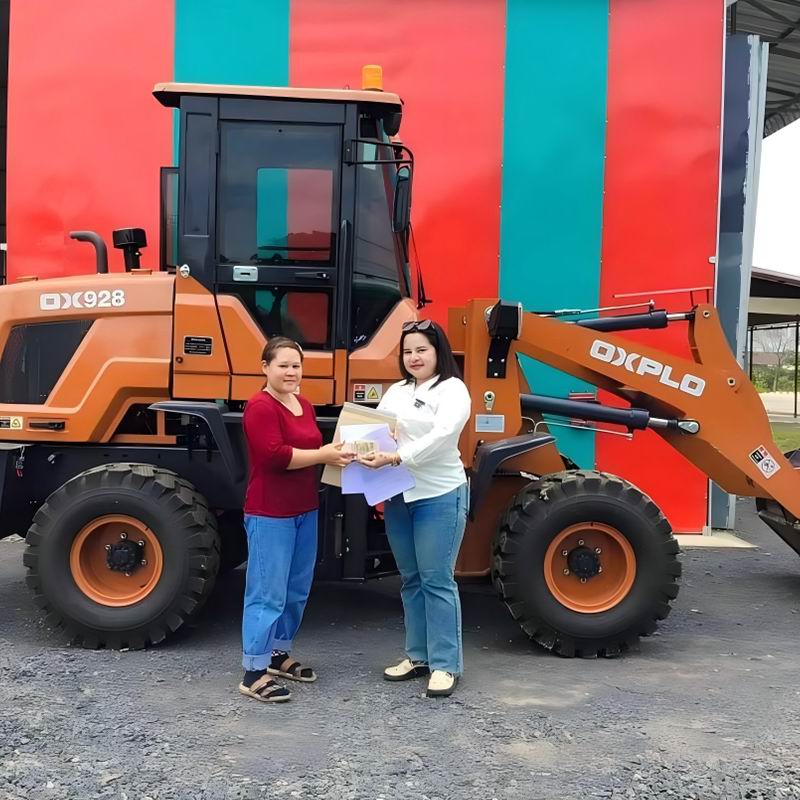
, MAGUYAM ROAD, BRGY. MAGUYAM, SILANG, CAVITE") Philippines-ELITE GLOBUS WAREHOUSE(NO. 43 - OXPOWER MACHINERY INC.), MAGUYAM ROAD, BRGY. MAGUYAM, SILANG, CAVITE
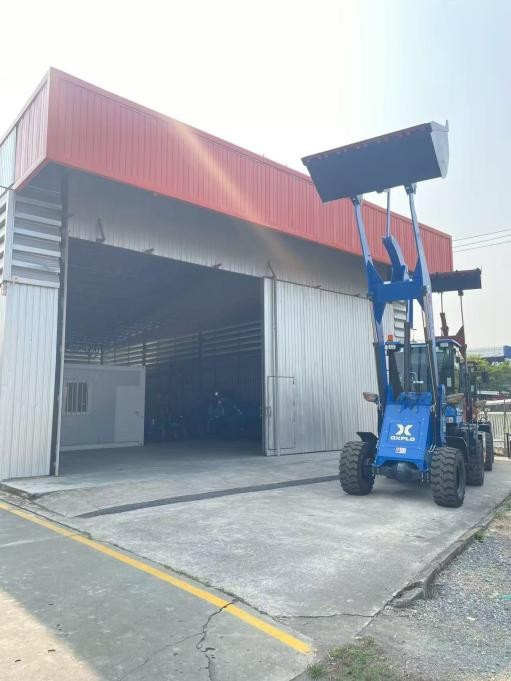
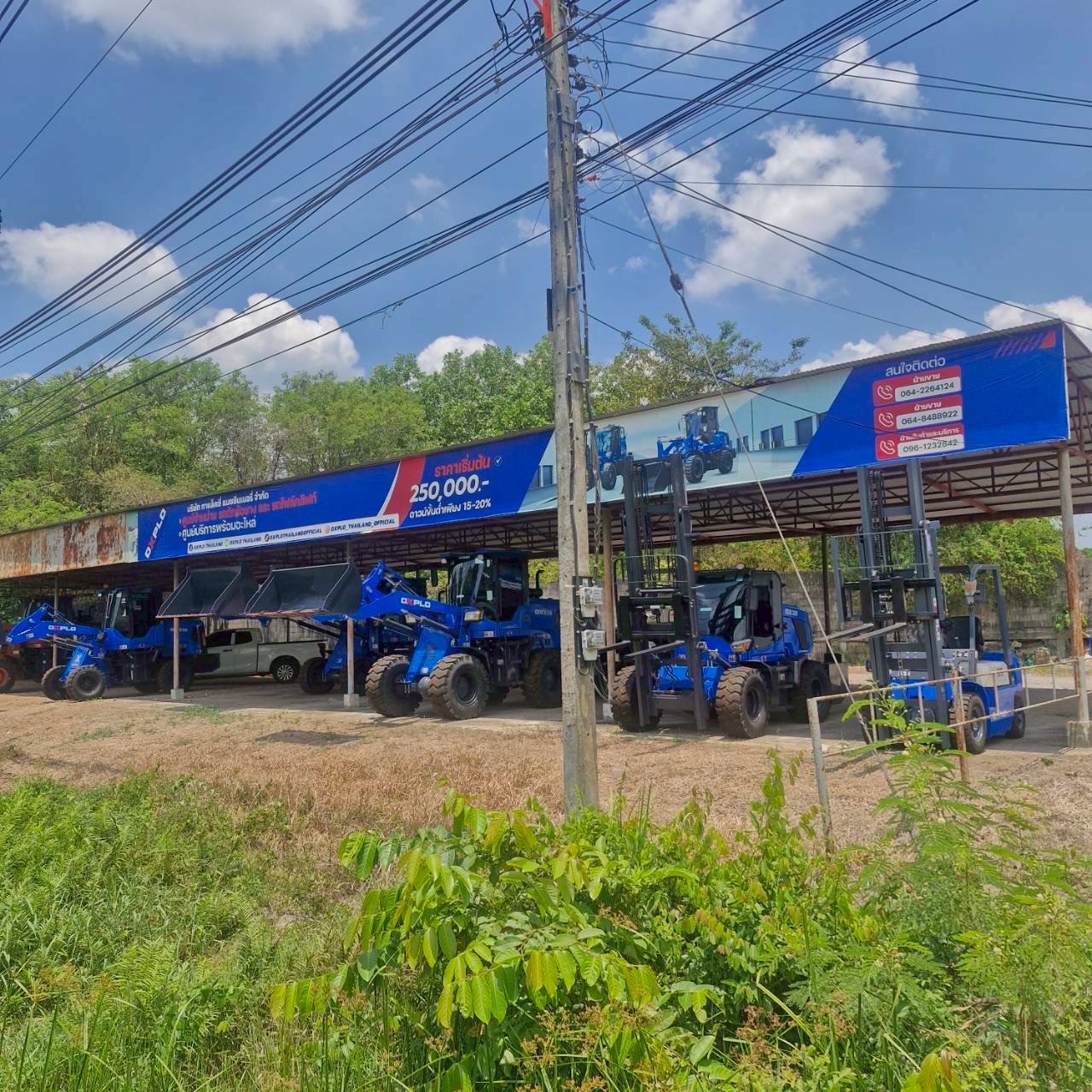
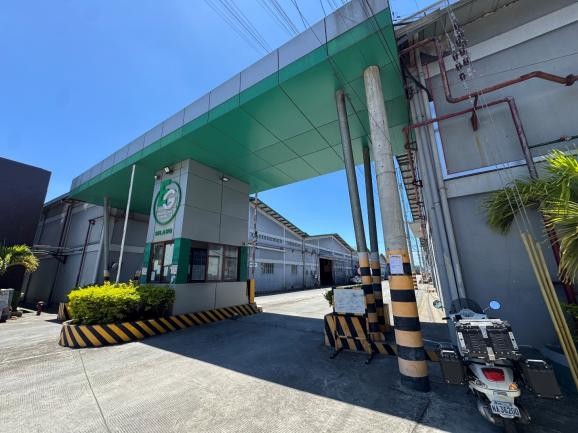
OUR OPERATiONS
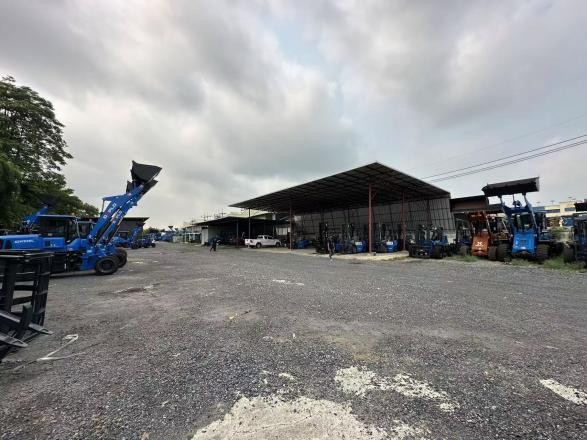
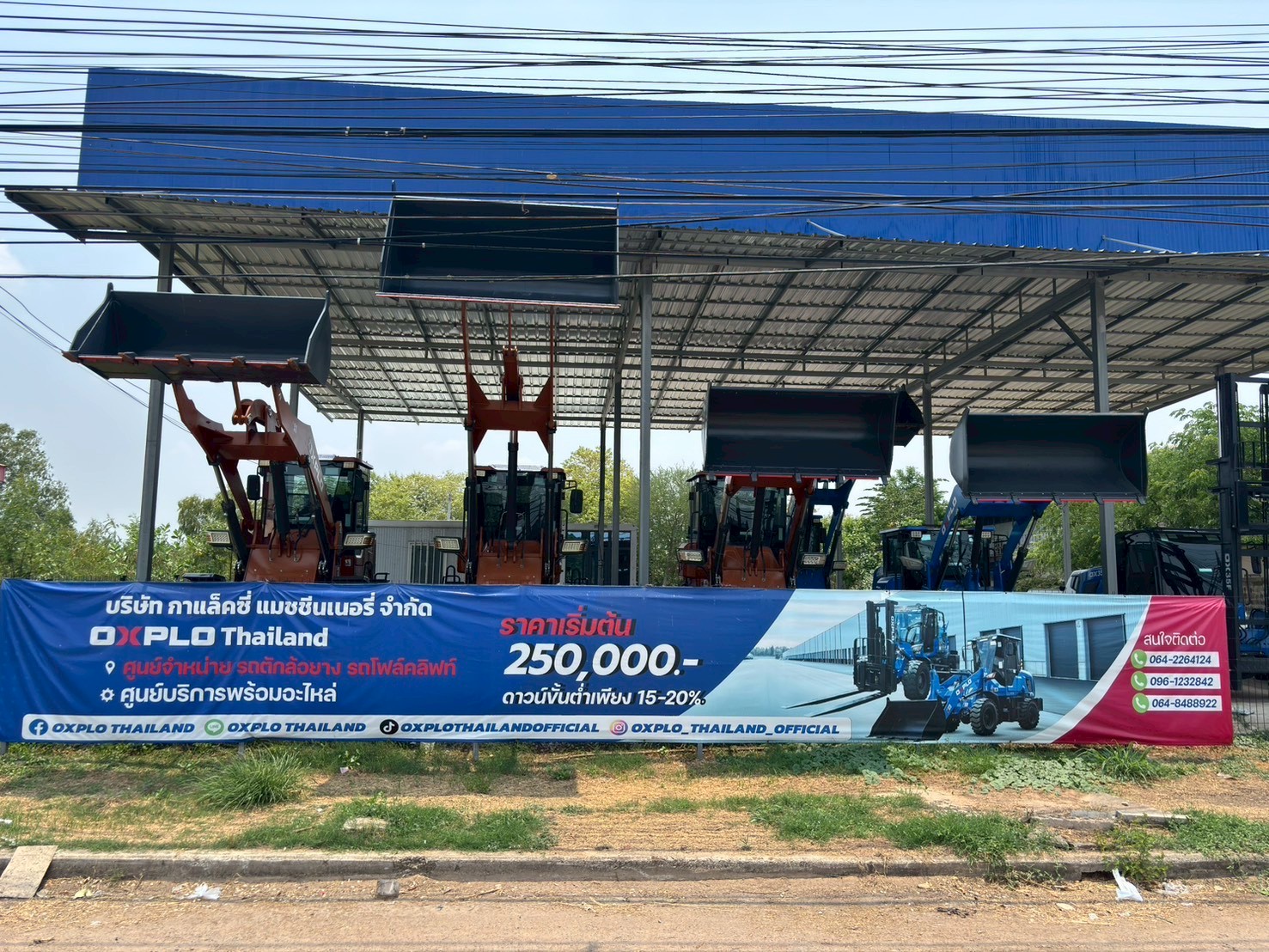
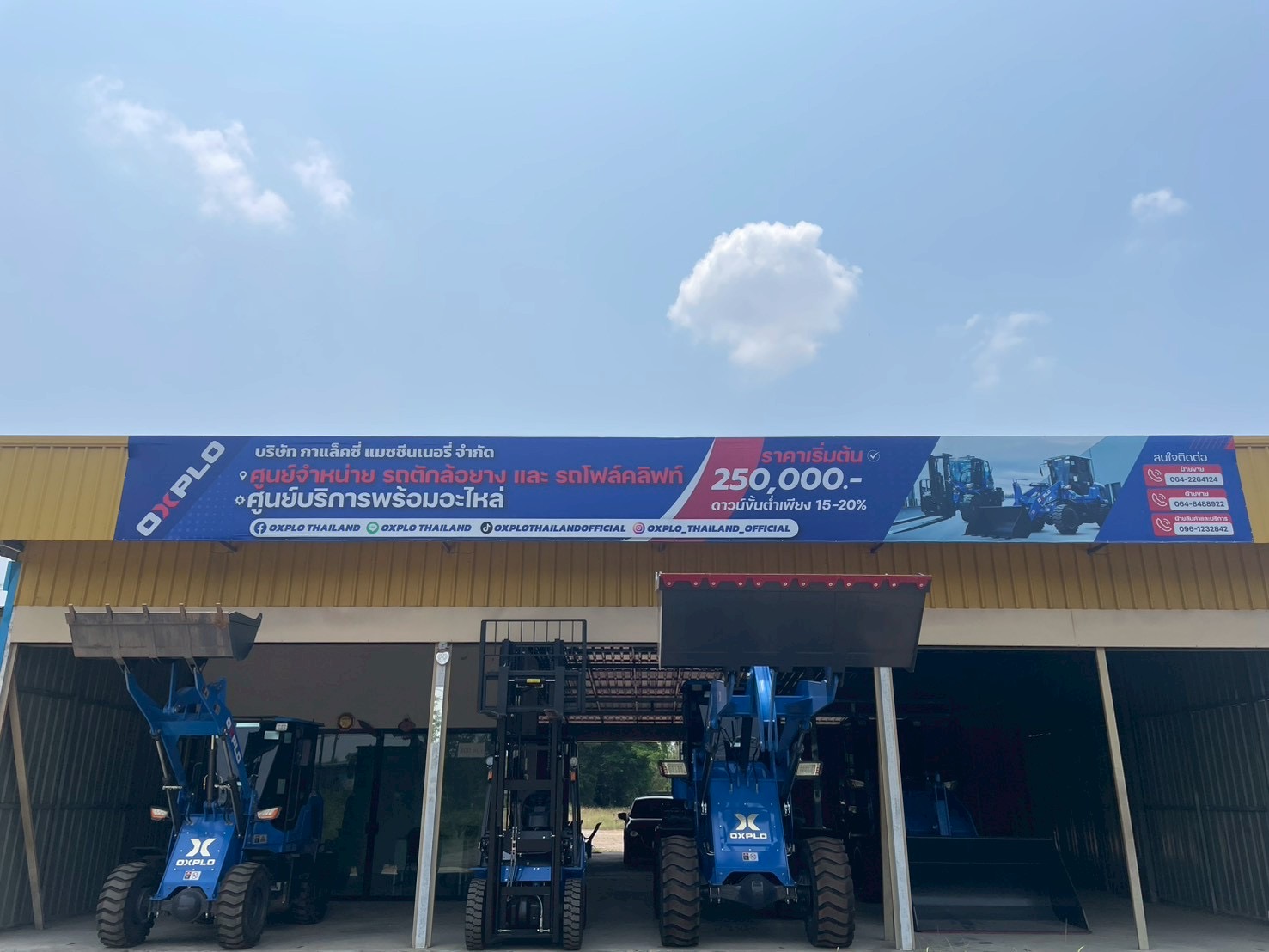
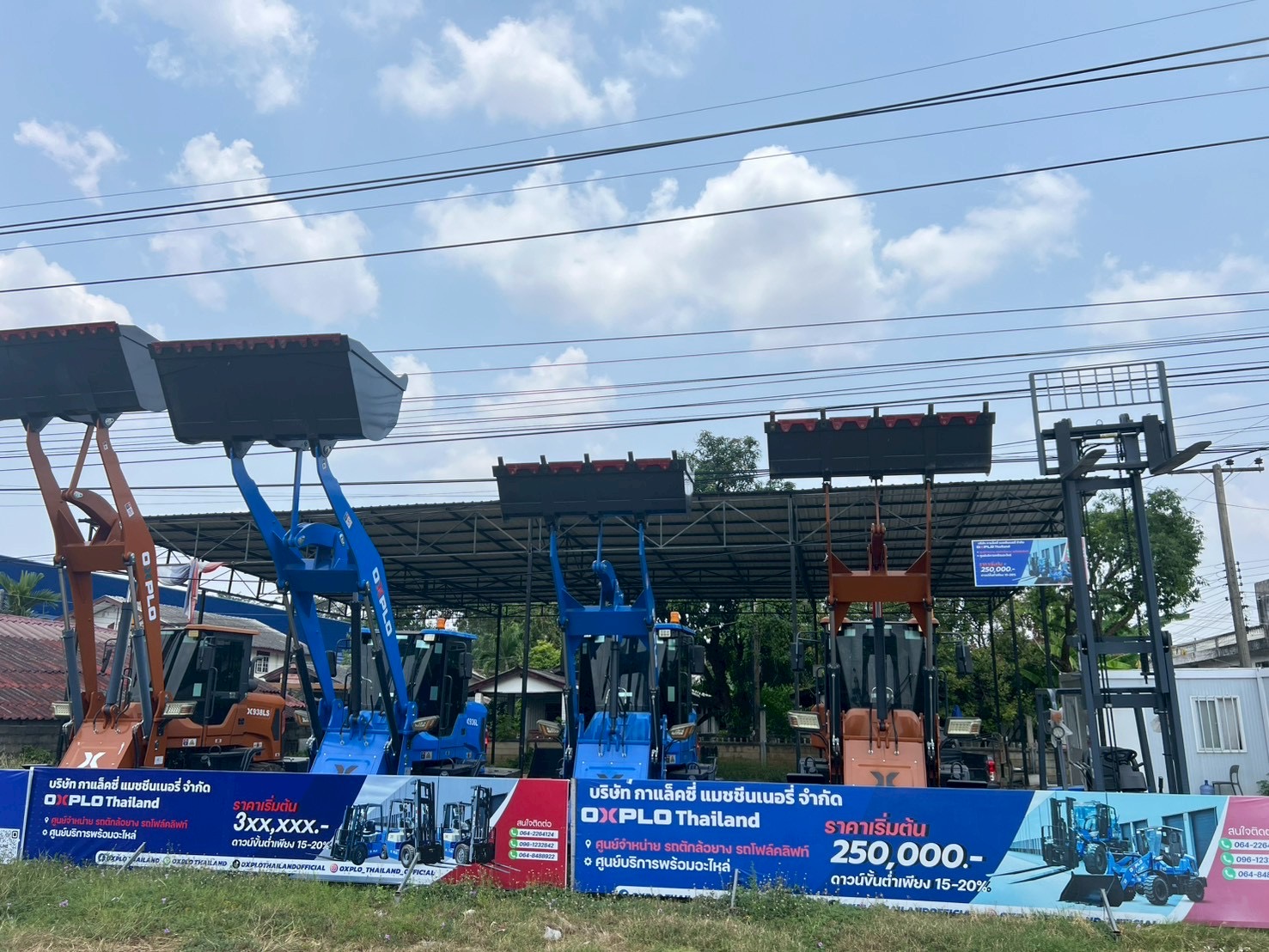
Our regional headquarters are located in Thailand, with independent operations company and service team in the Philippines. This multi-market presence enables us to provide customers throughout Southeast Asia with efficient communication, faster response times, and reliable local support.


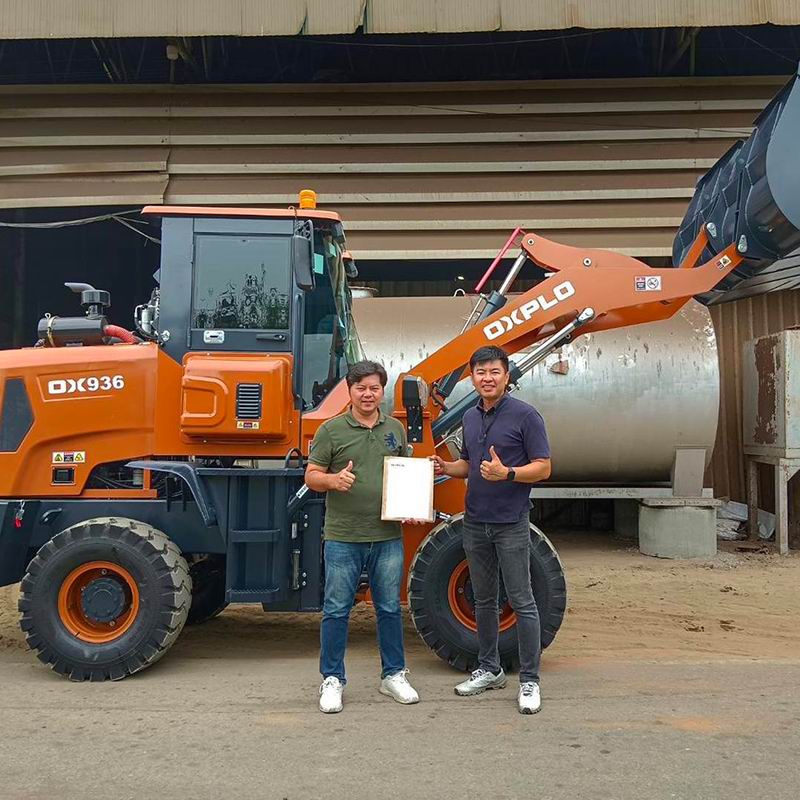
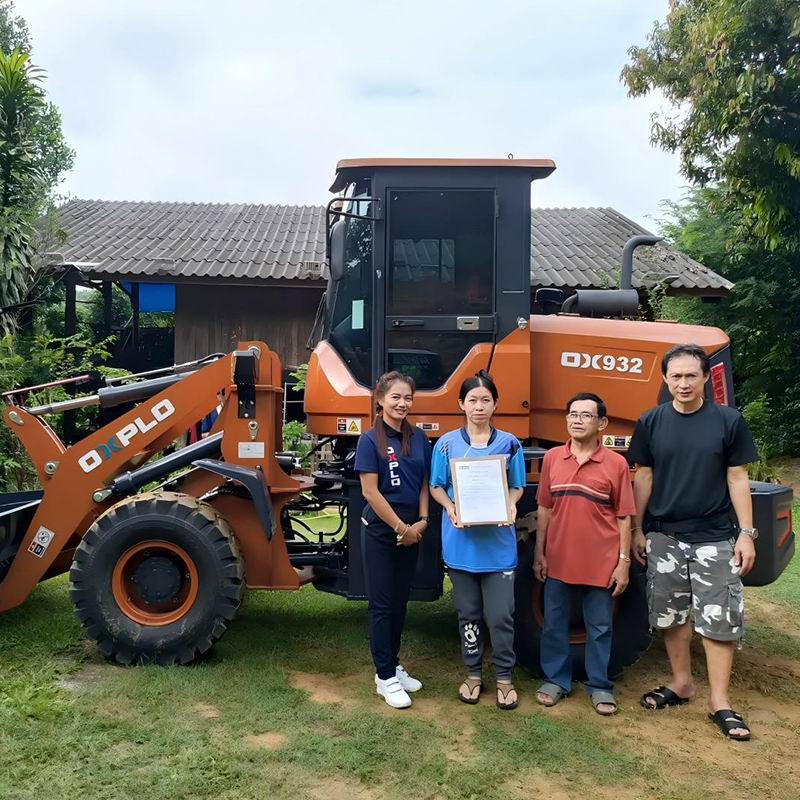
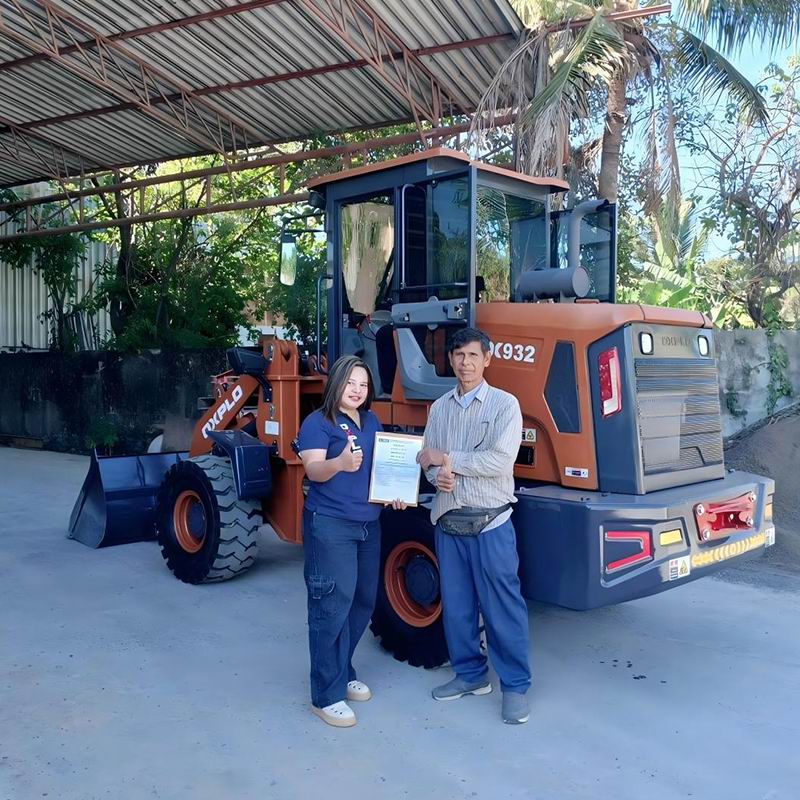
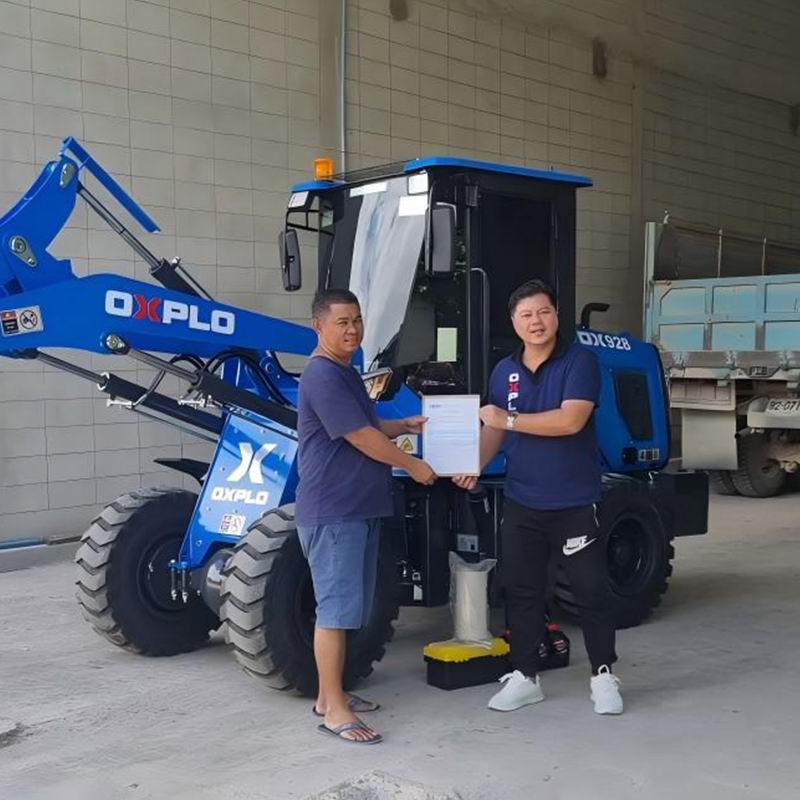
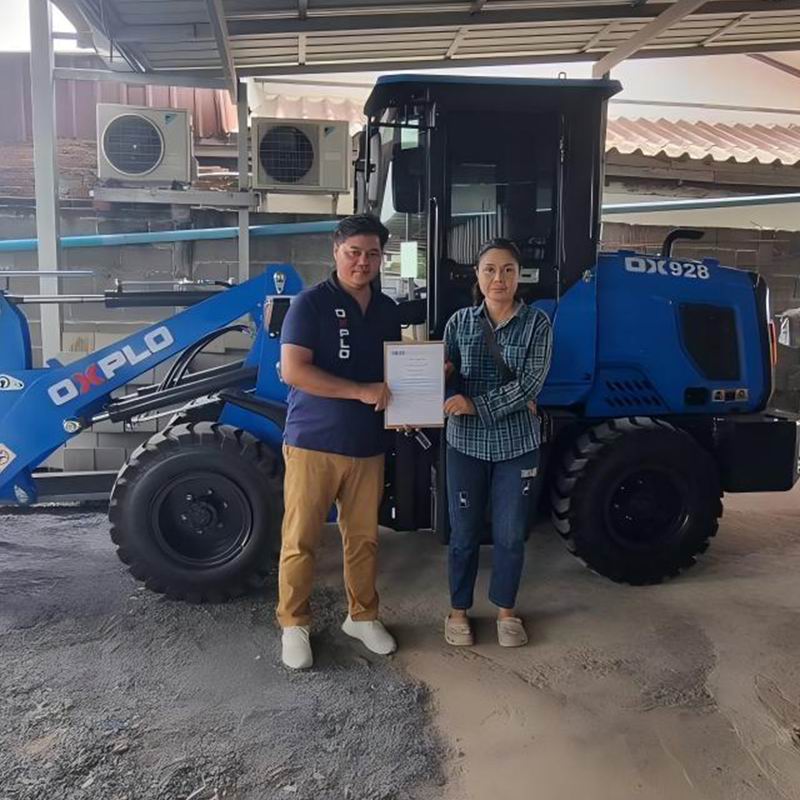
customer case
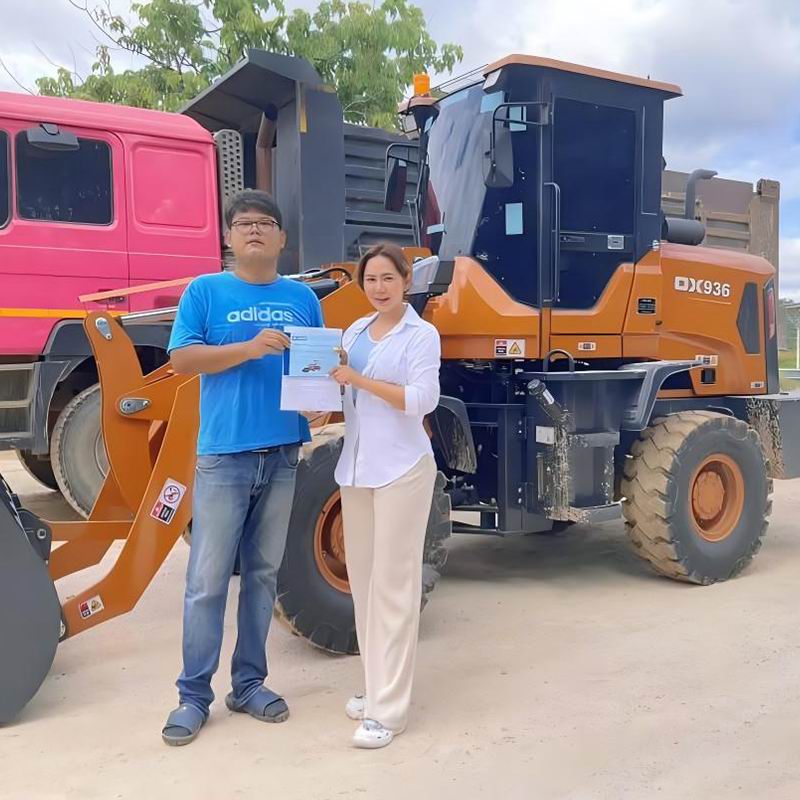
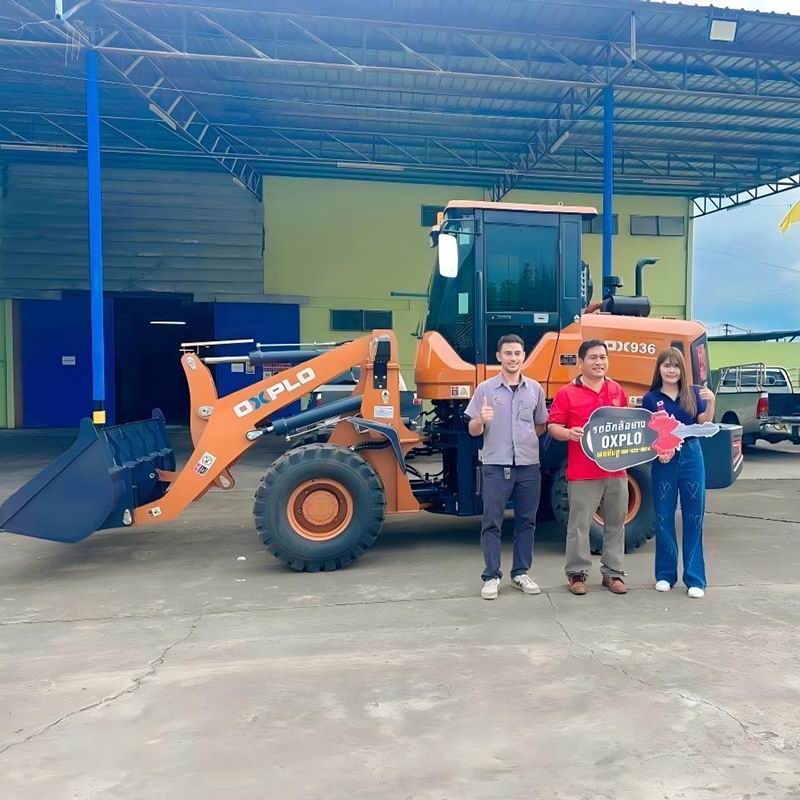
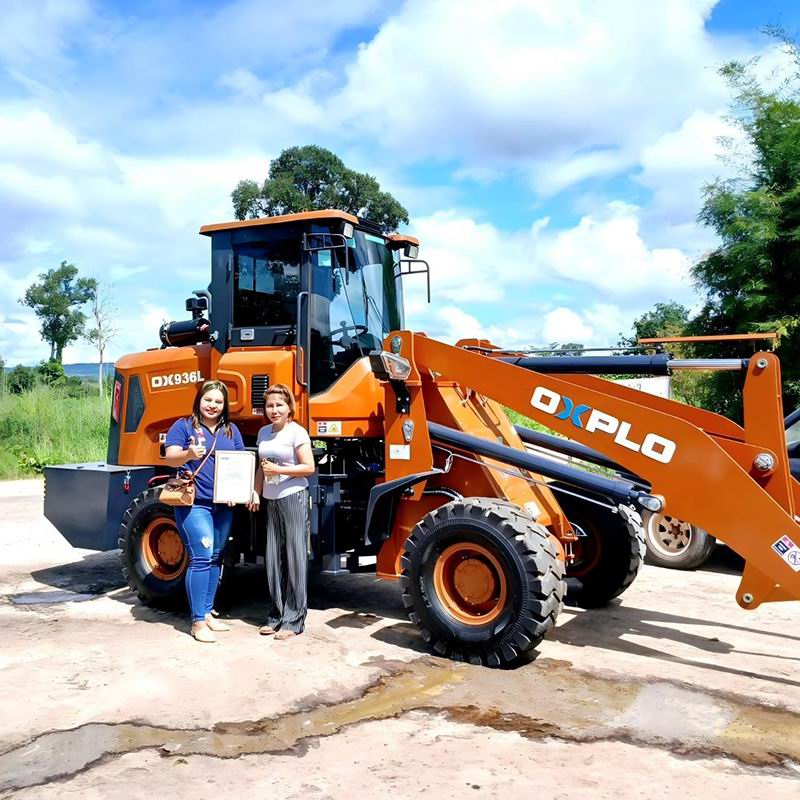
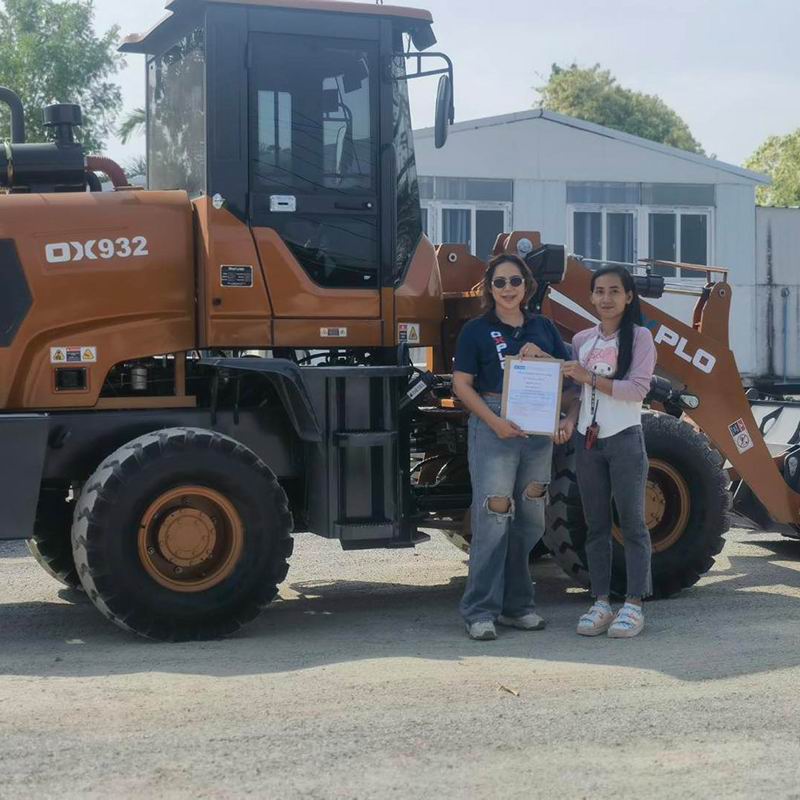
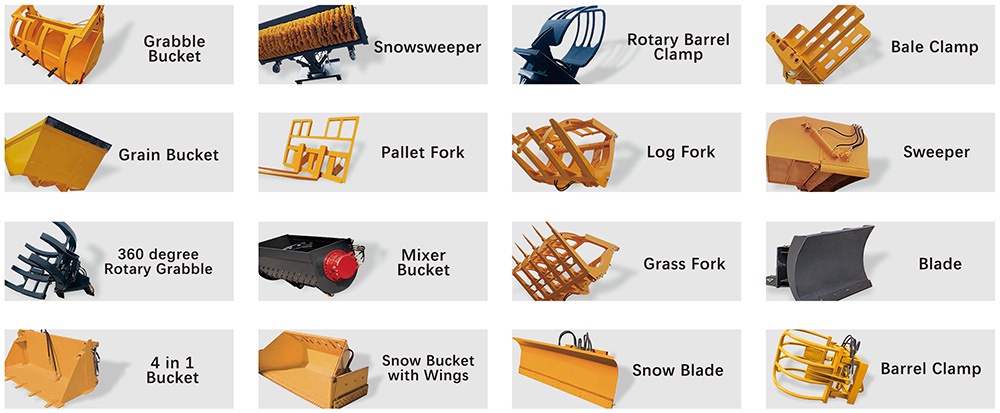
Wheel Loader Attachments
OXPLO provides a variety of spare parts support.
OXPLO's advantages
Let us introduce our products & factory to you
What makes us different
Why Choose Us
OXPLO specializes in the supply of forklifts, wheel loaders and tractors, providing reliable machinery solutions for material handling, construction and agricultural industries
Thailand Headquarters & SEAN Regional Operations
Headquartered in Thailand, with established firms and local service teams in the Philippines.
Reliable After-Sales & Spare Parts Support
We offer full after-sales care, including maintenance support and spare parts supply.
Factory Direct Supply
Direct factory operation ensures superior quality and a stable supply.
Quick Response & Service
Our local SEAN teams deliver rapid response, on-site service and expert technical help.
High-Performance Equipment
Built for tough jobs, our gear delivers robust power, steady performance and efficiency.
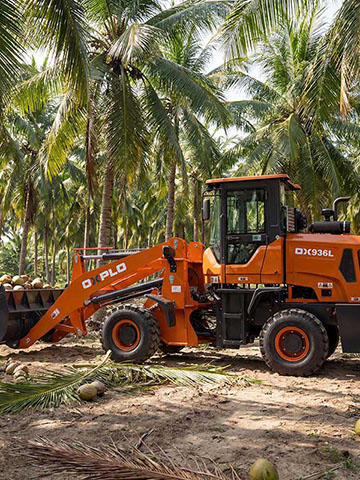
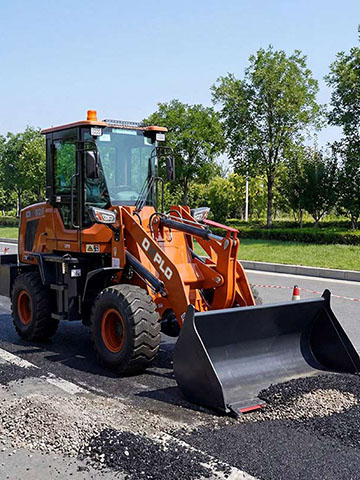
Application Scenarios
Our products are widely used in various fields such as warehousing,
construction, municipal roads, agriculture
about OXPLO
OXPLO is headquartered in Vannok District, Ayutthaya Province, Thailand, with five new branch offices in Khon Kaen, Nakhon Ratchasima, Ubon Ratchathani, Chiang Mai, and Phatthalung Provinces. The company's core competitive advantage lies in its "fast and efficient after-sales service and on-site problem-solving capabilities." OXPLO provides a comprehensive service guarantee system. Having cultivated the Thai market for many years, OXPLO not only provides excellent loaders, industrial forklifts, and off-road forklifts, but also offers one-stop service from procurement financing to after-sales support through comprehensive local support.







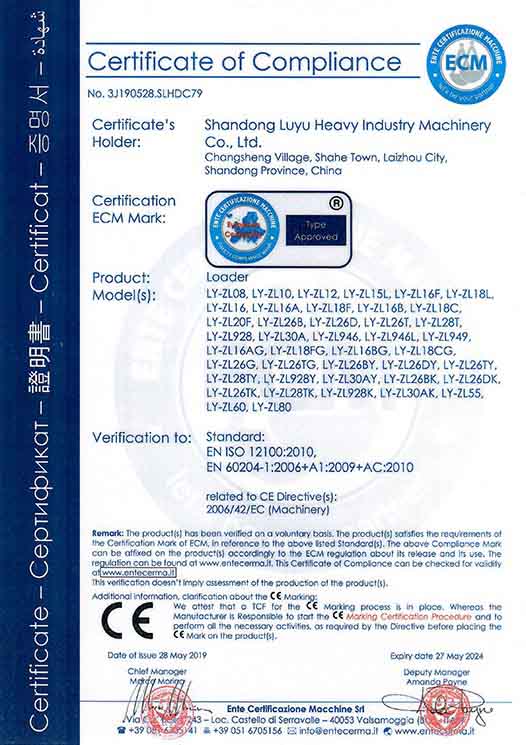
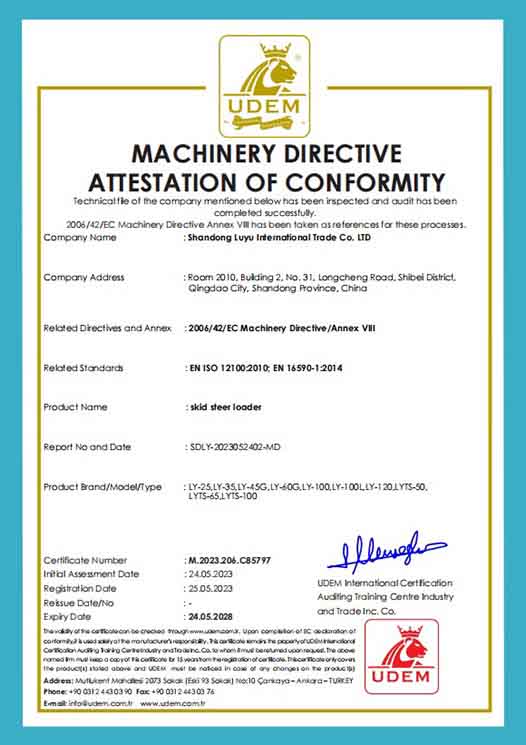
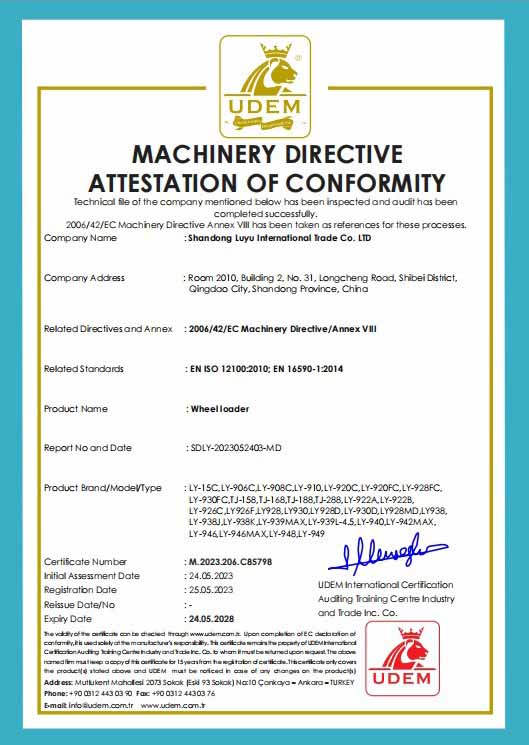
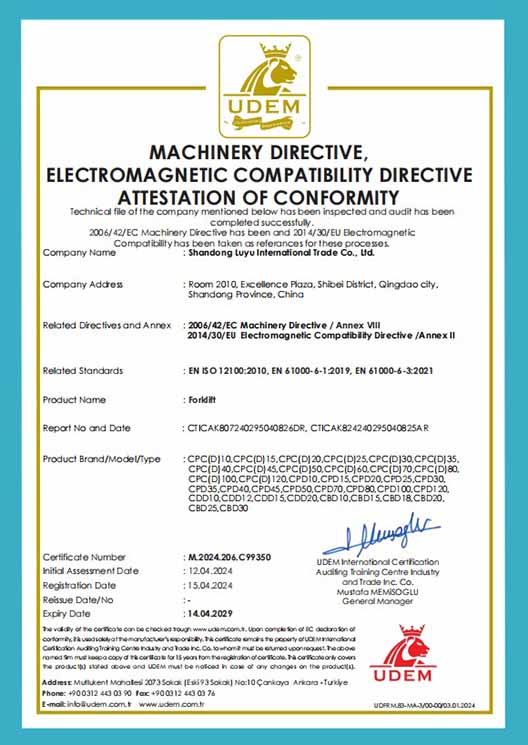
OUR CERTIFICATE
Wheel Loader FAQ
How much does a wheel loader cost?
The cost of a wheel loader varies depending on its rated load capacity, engine configuration, attachments, and optional features. Compact wheel loaders generally cost less than larger construction models. For an accurate quotation, contact OXPLO with your application requirements, preferred specifications, and destination country.
What is the fuel consumption of a wheel loader?
Fuel consumption depends on the loader size, engine power, operating conditions, and workload. Compact wheel loaders typically consume less fuel than larger models used in heavy-duty construction. Proper maintenance, efficient operating practices, and selecting the right machine size can help reduce fuel costs and improve productivity.
What is the lifting capacity of a wheel loader?
A wheel loader's lifting capacity is determined by its rated load. OXPLO offers wheel loaders with rated load capacities ranging from approximately 1.6 tons to 5 tons, making them suitable for agriculture, construction, material handling, and industrial applications. Always select a machine with sufficient capacity for your intended workload.
Can a wheel loader be used with pallet forks?
Yes. Many OXPLO wheel loaders can be equipped with pallet forks through a quick coupler system. This allows the machine to handle palletized goods, construction materials, agricultural products, and warehouse cargo, making it a versatile alternative to dedicated material handling equipment in certain applications.
How often should a wheel loader be serviced?
Regular maintenance is essential for maximizing machine performance and lifespan. Daily inspections should include checking engine oil, hydraulic fluid, coolant levels, and tire condition. Scheduled maintenance intervals vary by model and operating hours, but following the manufacturer's maintenance guidelines can help prevent unexpected downtime and costly repairs.
What is the difference between a wheel loader and a skid steer loader?
The primary difference is size, lifting capability, and maneuverability. Wheel loaders generally offer higher lifting capacities, larger buckets, and better performance for moving bulk materials over longer distances. Skid steer loaders are more compact and excel in confined spaces where tight turning and versatility are required. The best choice depends on your job site conditions and application needs.
What engine brands are available on OXPLO wheel loaders?
OXPLO wheel loaders are available with different engine configurations depending on the model and market requirements. Engine options may include reliable diesel engines designed to deliver strong performance, fuel efficiency, and easy maintenance. Please contact our sales team for specific engine options available in your region.
Do you provide operator training and technical support?
Yes. OXPLO provides after-sales support and technical assistance to help customers operate and maintain their equipment efficiently. Our team can offer guidance on machine operation, routine maintenance, troubleshooting, and spare parts support to ensure long-term reliability and productivity.