



A Practical 1 Ton Wheel Loader Buying Guide for Farms, Contractors and Material-Handling Businesses in Thailand and Southeast Asia
A small wheel loader often looks like an easy purchase. The machine is compact, the rated load seems adequate, and the quotation is usually far below that of a larger production loader. For a Thai farm, plantation, building-material yard or small contractor, that can make a 1-ton-class machine look like the obvious economical choice.
The problem is that the number on the nameplate does not describe the work cycle. A loader that handles dry agricultural material comfortably can become marginal when the same bucket is filled with wet soil or dense aggregate. A machine that fits the entrance gate may still waste time if it cannot turn efficiently between a stockpile and a truck. And a loader that looks inexpensive at purchase can become costly if spare parts, tyres or service support are difficult to obtain during a busy season.
That is why this 1 Ton Wheel Loader Buying Guide starts with the customer's job rather than the machine brochure. The objective is to help you decide whether a 1-ton class is genuinely suitable, which specifications matter most, and when moving to a 1.5-ton machine is the lower-risk business decision.
You can review the current OXPLO Wheel Loader range before comparing the decision points below.
I. Why a 1-Ton Loader Can Be the Right Size - and Still Be the Wrong Machine
The appeal of a Compact Wheel Loader is not just lower purchase price. Compact machines can reduce turning space, shorten travel paths and work inside farms, warehouses, livestock areas and small construction sites where a larger loader becomes cumbersome. In Southeast Asia, these benefits matter because equipment often works in mixed-use yards rather than purpose-built loading terminals.
But compact size creates a capacity trade-off. When the machine is repeatedly operated near its practical limit, small changes in moisture, attachment weight, bucket fill or ground condition can push the work cycle from efficient to slow. The loader may still complete the job, but it may require more passes, more wheel spin, more repositioning and more operating hours per ton moved.
For Thai buyers, the most important distinction is therefore not 'small versus large'. It is 'adequate reserve versus constant overload pressure'. A 1-ton machine is economical only when its capacity, bucket, tyres and hydraulic performance match the actual material and duty cycle.
The four questions to answer before requesting a quotation
· What material will the loader handle most often, and how dense does that material become when wet?
· How many loading cycles or truckloads must the machine complete during a normal and peak working day?
· What are the narrowest access points, turning areas and ground conditions on the site?
· What truck, trailer, hopper or storage system must the loader reach when dumping?
If these four answers are unclear, comparing 1 Ton Wheel Loader Specifications is mostly comparing numbers without knowing which numbers create business value.
II. The Thailand and Southeast Asia Operating Conditions Buyers Often Underestimate
A loader in Thailand may work in heat, humidity, dust and heavy seasonal rainfall, sometimes within the same operating year. Agricultural customers may move cassava, oil-palm fruit, feed, fertilizer, soil and maintenance materials. Small contractors may switch between sand, gravel, wet soil and debris. The machine therefore needs to tolerate changing material density and changing traction conditions rather than one controlled application.
Rain changes more than the road surface
After heavy rain, the obvious concern is whether the loader will become stuck. The less obvious concern is productivity loss. Soft ground reduces tyre grip; reduced grip increases wheel spin; wheel spin makes it harder to penetrate a material pile; poor penetration lowers bucket fill; and lower bucket fill means more cycles for the same tonnage. Fuel consumption per ton moved can increase even when hourly fuel use appears unchanged.
For this reason, tyre specification, machine weight distribution, ground clearance and drive performance should be treated as productivity variables, not accessories.
Hot conditions make cooling and maintenance access part of the specification
A machine may have adequate engine output on paper but still lose productive time if radiators, air filters and cooling surfaces are difficult to inspect and clean. Farms and construction sites can expose the loader to dust, plant residue and fine material. Buyers should therefore look beyond HP and ask how easily daily maintenance can be completed before the shift begins.
Tight sites reward maneuverability
Many Thai farms, local material yards and small construction projects do not offer the open turning space found in a large quarry. A few extra corrective movements per cycle can erase the theoretical advantage of a larger bucket. This is one reason a Compact Wheel Loader can outperform a larger machine in the right environment: less reversing, shorter travel paths and easier access can translate into more useful cycles per hour.
III. The 8 Specifications You Should Check Before You Buy a 1 Ton Wheel Loader
1. Rated Operating Load: Buy Capacity Reserve, Not Just a 1,000 kg Label
Rated load is the first specification most buyers compare, but it should be interpreted as a limit within a system, not as the guaranteed weight of every bucket. Material moisture, attachment mass, uneven ground and load position all affect the machine's practical working margin.
If your application occasionally approaches 1,000 kg, a 1-ton class may still be reasonable. If nearly every bucket approaches the rated limit, however, the machine is being selected around its maximum rather than around a safe productivity reserve. That usually increases the risk of slower cycles, greater tyre slip and more stress on the loading structure.
2. Bucket Capacity: Calculate Weight per Bucket, Not Just Cubic Metres
A bucket is sold by volume, but the loader experiences weight. This is one of the most common reasons buyers overestimate productivity.
A practical planning formula is: Estimated bucket payload = bucket volume x material bulk density x fill factor.
For example, a 0.6 m3 bucket filled to 90% with material averaging 1.0 t/m3 carries about 0.54 ton. The same bucket at the same fill factor with material averaging 1.8 t/m3 carries about 0.97 ton. The bucket did not change; the operating risk did.
This is particularly important for Thai customers who use one machine for both agricultural and site-maintenance work. A bucket that is efficient for light farm material may be too aggressive for wet soil after the rainy season.
3. Dumping Height and Dumping Reach: Measure the Truck Before You Measure the Loader
A loader can lift a bucket successfully and still fail at the job it was purchased to perform. The common example is truck loading: the machine reaches a high position, but the bucket lip does not clear the sideboard with enough forward reach to place material inside the body.
Measure the tallest truck or trailer used regularly. Record sideboard height, the horizontal clearance needed beyond the sideboard, and the working margin required when the machine is on imperfect ground. Then compare both dumping height and dumping reach.
As a useful benchmark, the OXPLO OX930 currently lists a 3.2 m dumping height and 705 mm dumping reach. Those numbers only create value when they match the geometry of the customer's actual truck or receiving point.
4. Overall Width, Wheelbase and Turning Space: Compact Must Mean Productive, Not Merely Small
Do not check only whether the loader can pass through the entrance. Map the complete work cycle: entry, approach to the pile, articulation, bucket filling, reversing, turning toward the truck, dumping and returning to the pile.
The key business question is how many steering corrections are required per cycle. A machine that needs three extra adjustments each time may lose many minutes over a long shift. OXPLO's current OX930 reference, for example, is listed at 1,910 mm overall width with a 2,150 mm wheelbase. These dimensions are useful only after the buyer compares them against the actual operating path.
5. Tyres, Traction and Ground Clearance: Specify for the Wettest Recurring Condition
Dry-season test drives can be misleading. If the loader must remain productive during the rainy season, tyre design and ground clearance should be selected for the softest recurring surface rather than the easiest surface of the year.
Wider or more aggressive tyres can improve flotation and traction on soft ground, but they may also affect rolling resistance and behavior on hard surfaces. The correct specification is therefore application-specific. The OXPLO OX930 currently lists 20.5/70-16 tyres and 215 mm minimum ground clearance, giving buyers concrete figures to compare with ruts, farm-road conditions and loading areas.
The point is not that one tyre size is universally better. The point is that traction affects bucket fill, cycle time, fuel per ton and tyre wear. It belongs in the purchasing calculation.
6. Engine Power and Cooling: Usable Power Matters More Than the Highest HP Number
Engine output is important, but loader productivity depends on the complete path from engine to transmission, axle, tyres and hydraulics. If the tyres cannot transfer power to the ground or the hydraulic system is slow, extra horsepower alone does not create faster loading.
For Southeast Asian duty, also check service access to the radiator, air filter and daily inspection points. Heat, humidity, dust and crop residue can reduce cooling efficiency over time. A machine that is easy to inspect and clean is more likely to maintain consistent performance during long working days.
For comparison, the OXPLO OX930 publicly lists a 42 kW / 58 HP YN27 engine. Buyers should treat that figure as one part of the working system, not as a stand-alone productivity guarantee.
7. Hydraulic Response and Cycle Time: Productivity Is Built One Cycle at a Time
Wheel loaders earn their value through repeated cycles: enter the pile, fill, reverse, travel, lift, dump and return. A small time difference becomes significant over a full day.
For illustration, a theoretical 45-second cycle allows about 80 cycles per hour, while a 55-second cycle allows about 65. Real operations will be lower because of positioning, waiting and traffic, but the principle remains: hydraulic response, control smoothness and operator visibility directly influence hourly output.
When comparing machines, ask about boom lift, bucket rollback, dumping response and whether the controls allow smooth simultaneous movements. For pallet work or loading near people and trucks, controllability can be more valuable than aggressive speed.
8. Attachments, Serviceability and Spare Parts: The Specification Must Still Work in Year Three
A 1-ton loader is often purchased as a multipurpose machine. Over time, the customer may add pallet forks, a light-material bucket, a grapple or another hydraulic attachment. Each tool changes effective payload, load center and hydraulic requirements.
Before ordering, confirm four items: mechanical interface, hydraulic pressure and flow, attachment weight, and the remaining usable load after the attachment is installed. A heavy attachment can consume a meaningful portion of the payload margin before any material is lifted.
Serviceability deserves the same attention. A low purchase price can lose its advantage quickly when a minor component stops the machine during harvest, truck loading or a construction deadline.
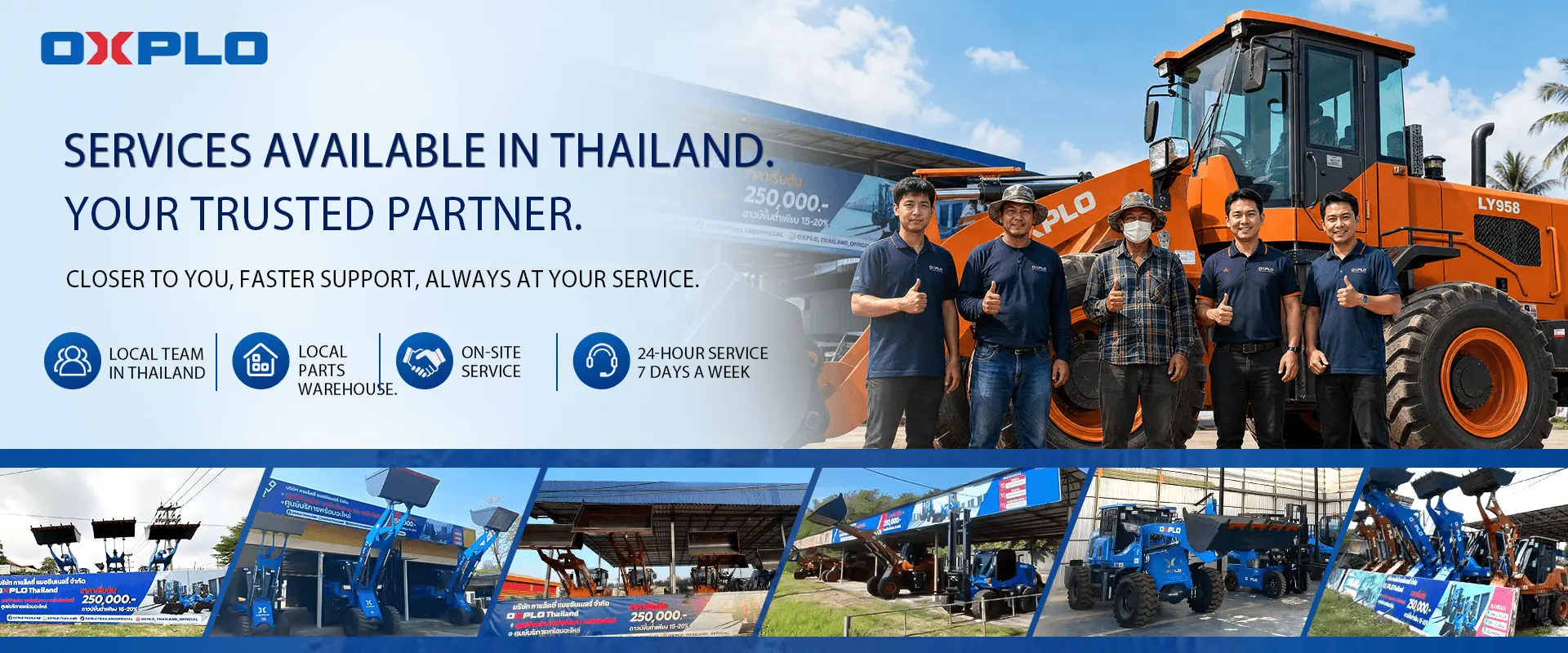
This is where OXPLO's Thailand presence is relevant. The OXPLO Service & Support page states that the company maintains local service coverage, 24/7 online after-sales support and spare-parts supply, with operations across several Thai regions. For a single-machine farm or small contractor, reducing recovery time can matter more than saving a small amount on the initial quotation.
IV. The Hidden Cost of Choosing a Loader That Is Too Small
The lowest purchase price is not automatically the lowest total cost. An undersized loader often creates costs that do not appear on the quotation: extra passes, longer truck waiting time, additional fuel, more operator hours and more time spent at high load.
A more useful metric for commercial buyers is cost per ton moved:
This changes the conversation. A slightly larger machine can be the cheaper choice if it completes the same workload in fewer cycles, keeps trucks moving and reduces the time spent operating near maximum capacity.
V. Thailand Application Matrix: What Matters Most for Your Job?
This is why two customers can both search for a 1 Ton Wheel Loader Buying Guide and still need different machines. A farm moving light material may value bucket volume and compact dimensions. A contractor loading wet soil may need payload reserve and traction. The correct specification follows the bottleneck in the customer's workflow.
VI. When a 1-Ton Loader Is Sensible - and When You Should Consider 1.5 Tons or More
A 1-ton-class loader is usually sensible when:
· Access and maneuverability are major constraints.
· Most material is light to medium density rather than wet aggregate.
· Travel distances are short and loading frequency is moderate.
· Truck or trailer loading height is not excessive.
· Heavy hydraulic attachments are not used continuously.
· The machine is not expected to operate near its rated load for most of the shift.
Move the comparison toward 1.5 tons or above when:
· Wet soil, sand or gravel is handled frequently.
· The required bucket volume would push a 1-ton machine close to its rated load.
· Truck loading is continuous and cycle time directly affects revenue or delivery schedules.
· Heavy forks, grapples or hydraulic attachments are part of normal work.
· Rainy-season ground conditions require more traction and stability margin.
· The business expects workload to increase during the machine ownership period.
This is where the current OXPLO product range becomes relevant. Buyers who begin by searching for an OXPLO 1 Ton Wheel Loader may find that the OX930's 1,500 kg rated capacity, 0.8 m3 bucket and compact 1,910 mm width provide a more balanced margin for regular agricultural and light-construction work. The right choice still depends on the site, material and duty cycle.
For the full published configuration, see the OXPLO OX930 product page.
VII. How OXPLO Addresses the Problems Behind the Specifications
A specification sheet should be the result of a work-site discussion, not the beginning and end of one. OXPLO's value for Southeast Asian buyers is strongest when the selection process connects machine configuration with the customer's material, terrain, transport equipment and maintenance reality.
Local operating knowledge in Thailand
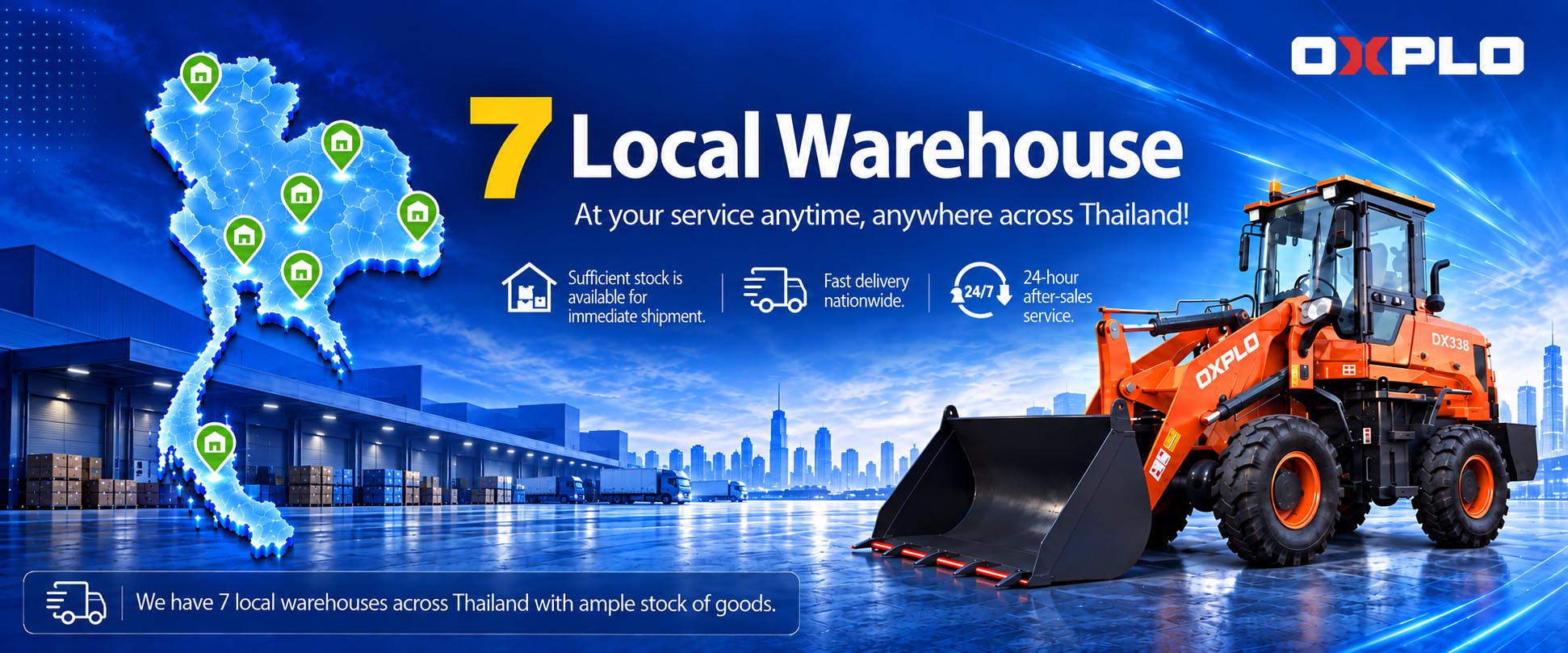
OXPLO's regional headquarters are in Thailand, and the company lists operations in Ayutthaya, Chiang Mai, Khon Kaen, Nakhon Ratchasima, Ubon Ratchathani and Phatthalung. That local footprint matters because the questions affecting loader selection - rainy-season access, farm-road width, local truck dimensions and service response - are operating questions, not only product questions.
A product range that allows capacity to be matched instead of forced
OXPLO publishes multiple Wheel Loader models across different rated capacities and dumping-height configurations. This allows a buyer to compare compactness, capacity reserve and loading geometry instead of forcing every job into the same machine size.
Configuration support for different applications
For farms, contractors and material yards, attachments can change the economics of the machine. OXPLO's support approach includes configuration and attachment discussions for different working scenarios. Buyers should use this stage to confirm bucket type, fork requirements, tyre choice and any hydraulic attachment before the order is finalized.
Local parts and after-sales support reduce downtime exposure
Downtime is especially expensive for customers who own only one loader. During harvest or a construction deadline, the cost of a stopped machine can include waiting trucks, idle labor, lost production and emergency rental. OXPLO states that it maintains spare-parts support and localized service in Thailand, which directly addresses the operational risk behind the purchase decision.
Learn more about OXPLO Service & Support and the company's Southeast Asia operations.
VIII. A Practical Buyer Checklist Before You Request an OXPLO Quotation
A good inquiry contains more than 'Please send the price for a 1-ton loader.' The more accurately you describe the work, the less likely you are to buy the wrong capacity or attachment.
1. Main material: cassava, palm fruit, fertilizer, soil, sand, gravel, feed or mixed material.
2. Heaviest recurring condition: especially moisture level for soil, sand and agricultural material.
3. Daily workload: operating hours, approximate cycles or trucks loaded per day.
4. Peak-season workload: the busiest week is often more important than the average week.
5. Site dimensions: narrowest access width, height restrictions and turning area.
6. Ground condition: concrete, hard soil, loose soil, muddy farm road or mixed terrain.
7. Truck or receiving-point dimensions: sideboard height and required dumping reach.
8. Attachments: standard bucket, light-material bucket, forks, grapple or hydraulic tools.
9. Service priority: how much downtime the business can tolerate before the job is disrupted.
10. Growth plan: whether the material volume or project workload is likely to increase over the next two to three years.
With these inputs, OXPLO can discuss the machine as a productivity system rather than simply quoting a loader by tonnage. That usually leads to a better decision on capacity, tyres, bucket, attachments and support requirements.
IX. FAQ: Buying a 1-Ton-Class Compact Wheel Loader in Thailand
Q1. Is a 1-ton wheel loader enough for a farm in Thailand?
It can be, particularly for light to medium-density material, short travel distances and tight working areas. The decision should be based on the heaviest recurring material and peak-season cycle demand, not only average daily work.
Q2. Can a 1-ton loader handle sand or wet soil?
Occasional handling may be possible depending on the machine and bucket, but dense material can bring a 1-ton loader close to its practical capacity quickly. Calculate expected bucket payload and compare the workload with a 1.5-ton class before purchasing.
Q3. Why is dumping reach as important as dumping height?
Height tells you whether the bucket can clear the truck side; reach helps determine whether the material can be discharged far enough into the body. Both should be checked against the customer's actual truck geometry.
Q4. Which OXPLO wheel loader should I compare if I am searching for a 1-ton model?
OXPLO's current public English product range lists the OX930 at 1,500 kg as the smallest wheel loader model. If you are considering a 1-ton-class machine, compare your material density, working space and duty cycle with the OX930 to determine whether the additional capacity reserve is commercially useful.
Q5. What information should I send OXPLO before asking for a price?
Send the material type, approximate material density or moisture condition, daily operating hours, site dimensions, truck height, ground condition and required attachments. A quotation built around those inputs is more useful than a price-only comparison.
X. Conclusion: Buy the Working Cycle, Not the 1-Ton Label
The main lesson of this 1 Ton Wheel Loader Buying Guide is simple: rated capacity is only the starting point. The right loader is the machine that can repeatedly complete the customer's real work cycle with enough capacity reserve, traction, dumping geometry and service support to keep the business moving.
For Thai and Southeast Asian buyers, this means checking more than 1 Ton Wheel Loader Specifications on a quotation sheet. Material density determines bucket weight. Rain changes traction. Site width changes cycle time. Truck geometry determines whether the loader can actually dump. Attachments change usable payload. Parts availability changes the financial impact of downtime.
If those variables point toward a true 1-ton duty cycle, a compact machine can be an efficient investment. If the loader will repeatedly handle wet soil, sand, gravel, heavy attachments or high-frequency truck loading, stepping up in capacity can reduce the cost per ton even when the initial purchase price is higher.
OXPLO can help buyers evaluate these trade-offs against real working conditions. Review the OXPLO Wheel Loader range, compare the OX930 1.5-ton wheel loader, or visit OXPLO to discuss your material, site, truck dimensions, attachments and daily workload before choosing a configuration.
For B2B buyers, that is the more reliable way to Buy 1 Ton Wheel Loader equipment: not by selecting the smallest price on the page, but by selecting the machine size that protects productivity, TCO and uptime over the full ownership period.
Customer Distribution
 Thailand-Ayutthaya
 Thailand-Khon Kaen
 Thailand-Nakhon Ratchasima
 Thailand-Ubon Ratchathani
 Thailand-Chiang Mai
 Thailand-Phthalum
, MAGUYAM ROAD, BRGY. MAGUYAM, SILANG, CAVITE") Philippines-ELITE GLOBUS WAREHOUSE(NO. 43 - OXPOWER MACHINERY INC.), MAGUYAM ROAD, BRGY. MAGUYAM, SILANG, CAVITE
Philippines-ELITE GLOBUS WAREHOUSE(NO. 43 - OXPOWER MACHINERY INC.), MAGUYAM ROAD, BRGY. MAGUYAM, SILANG, CAVITE
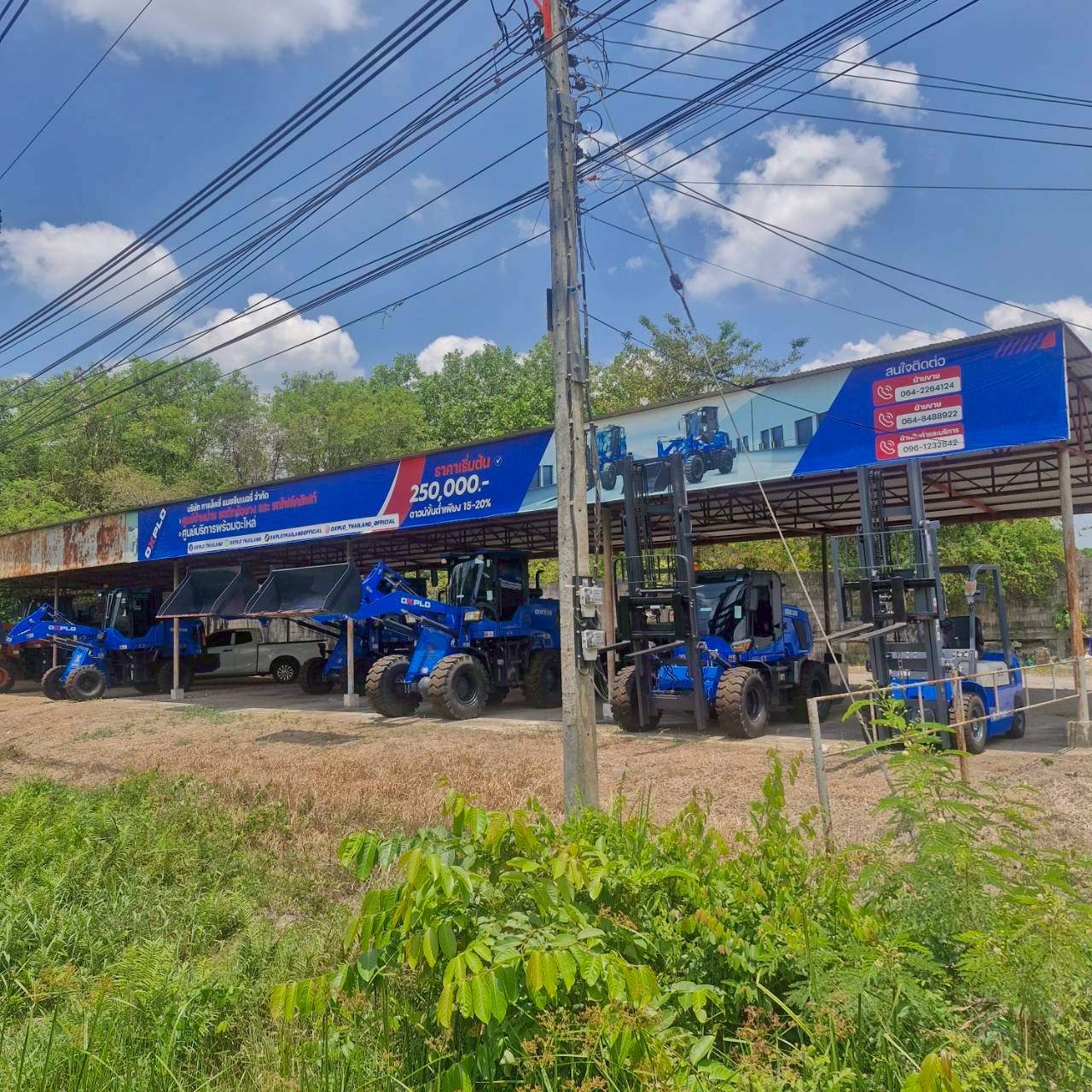
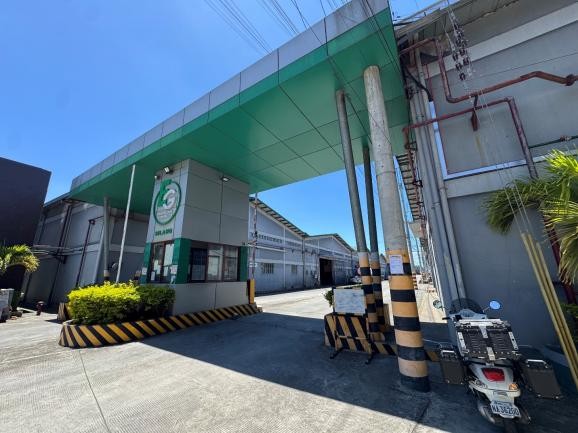
OUR OPERATiONS
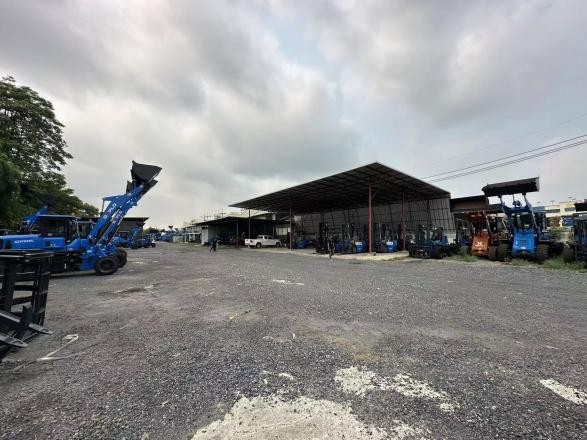
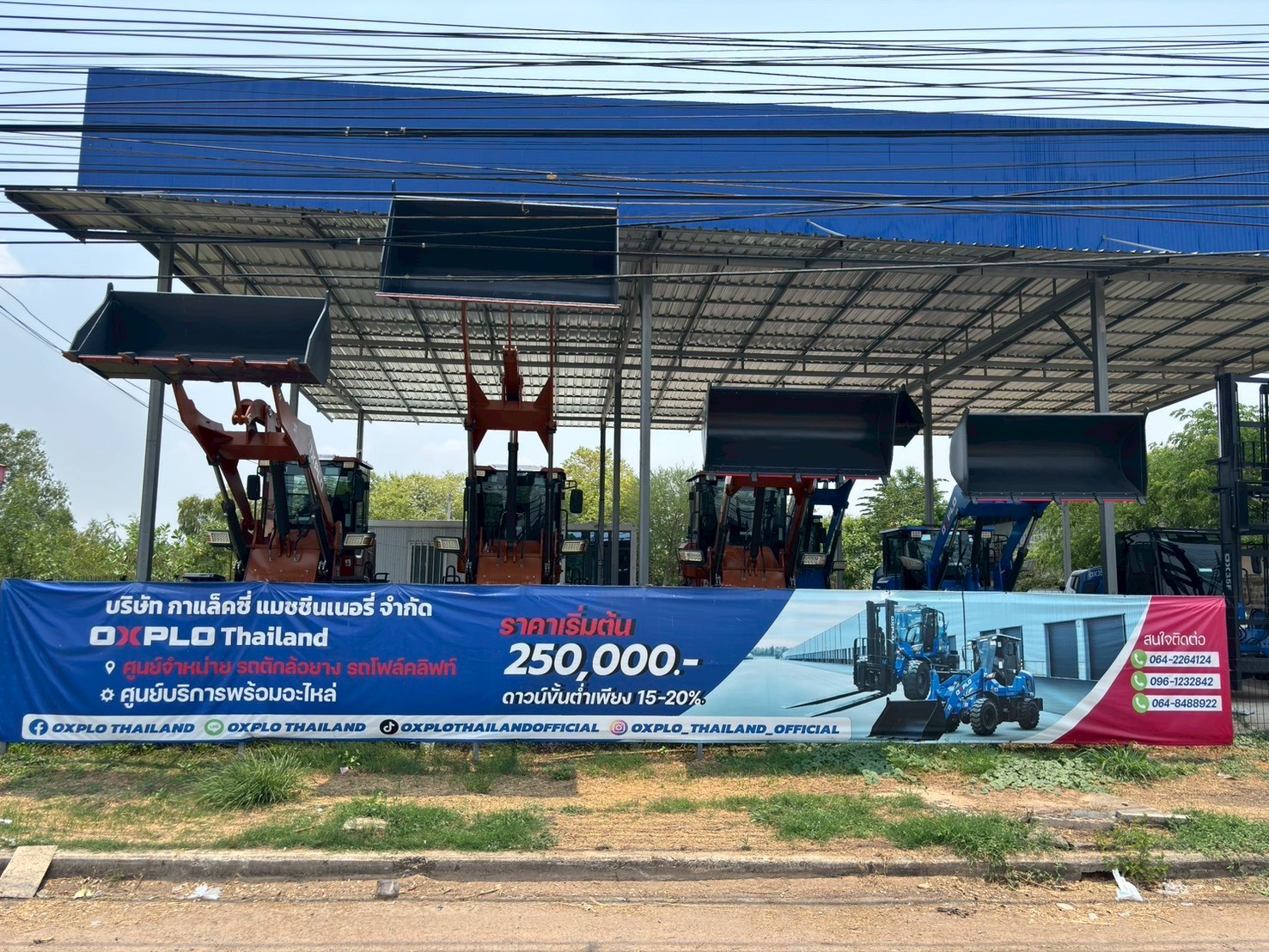
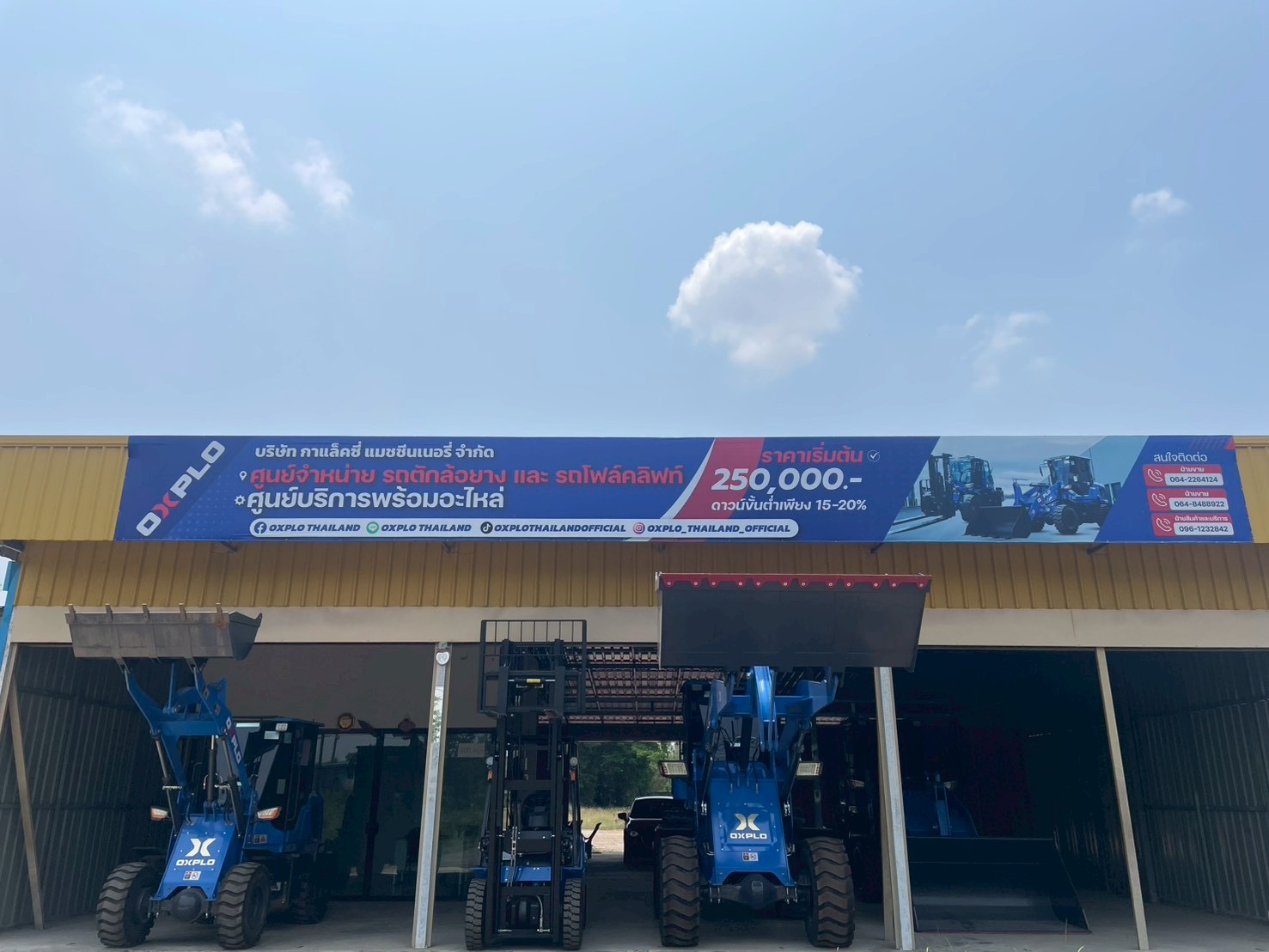
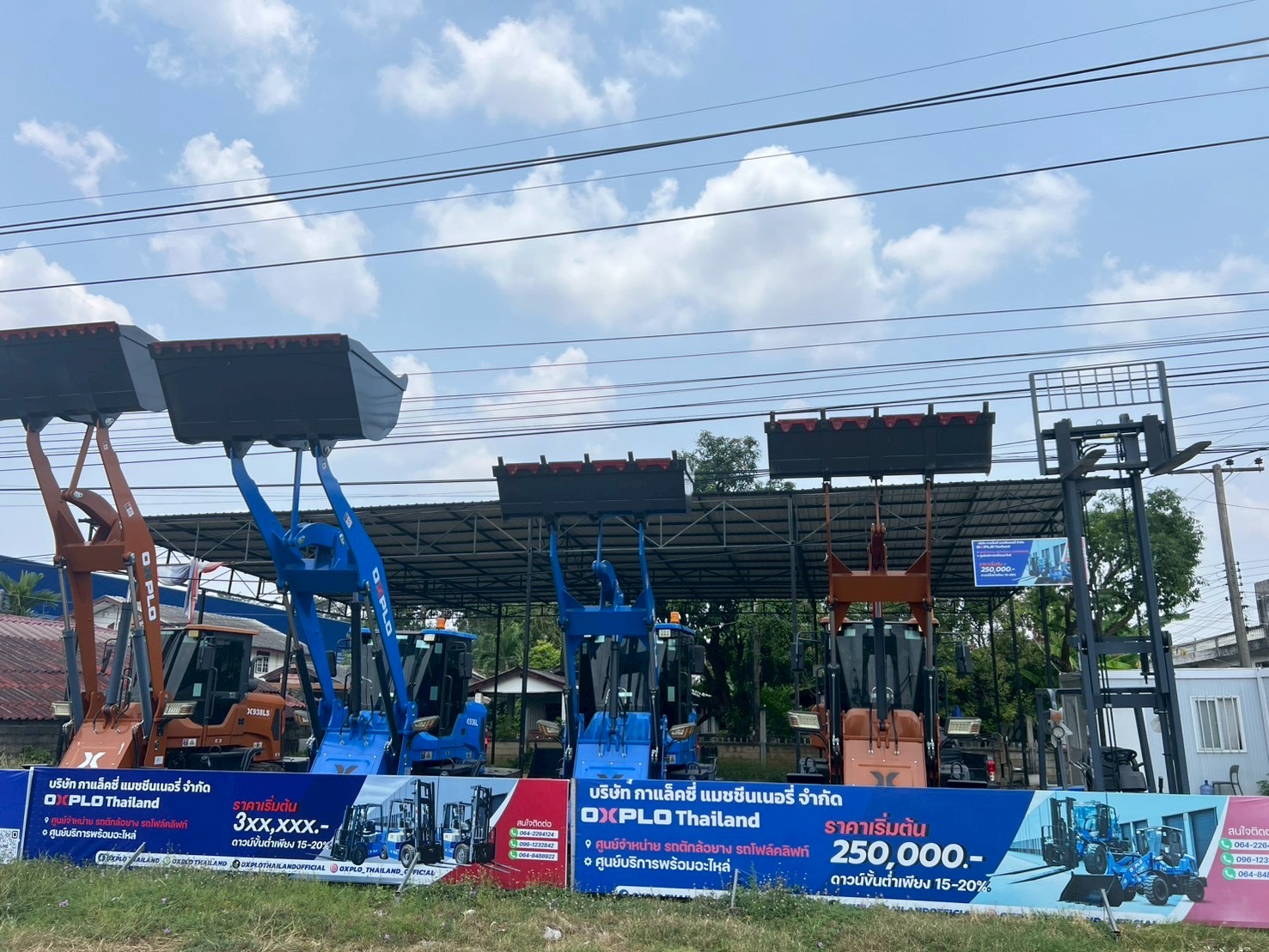
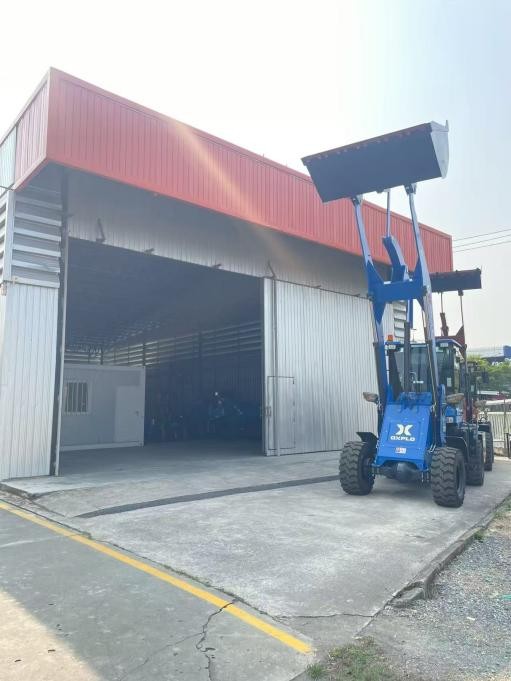
Our regional headquarters are located in Thailand, with independent operations company and service team in the Philippines. This multi-market presence enables us to provide customers throughout Southeast Asia with efficient communication, faster response times, and reliable local support.


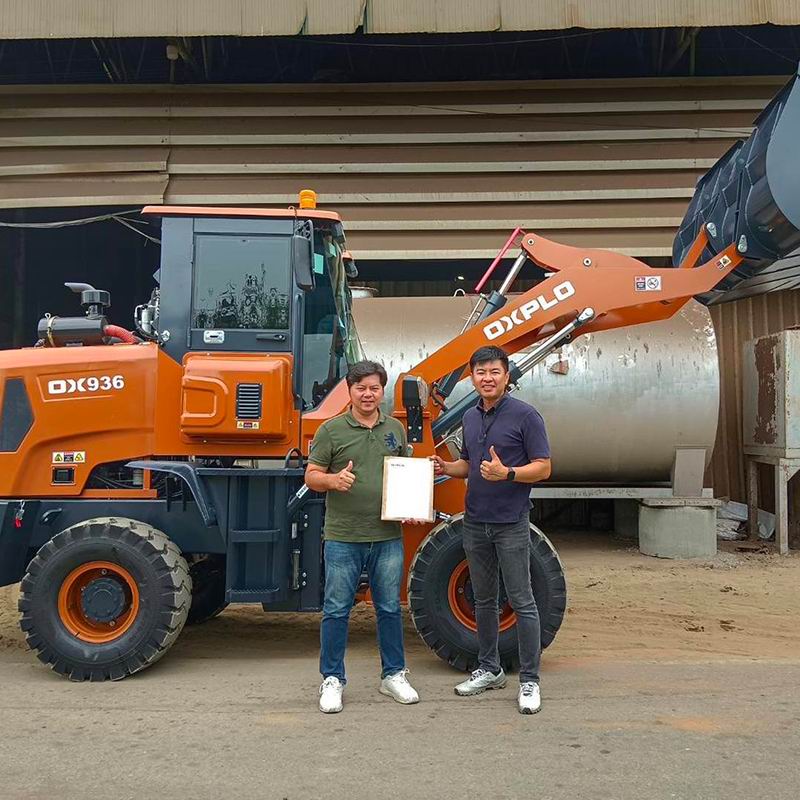
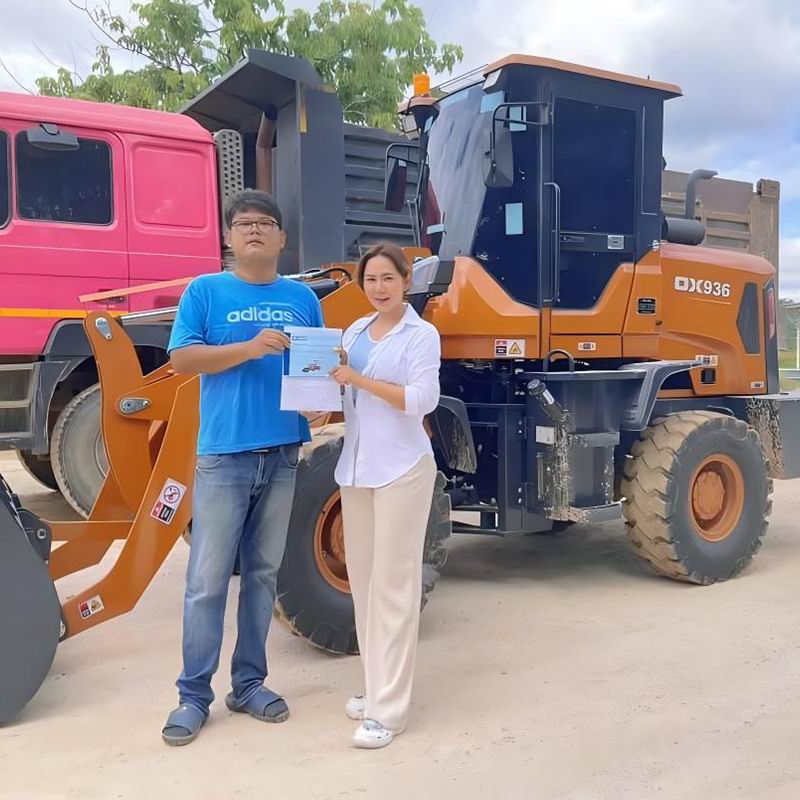
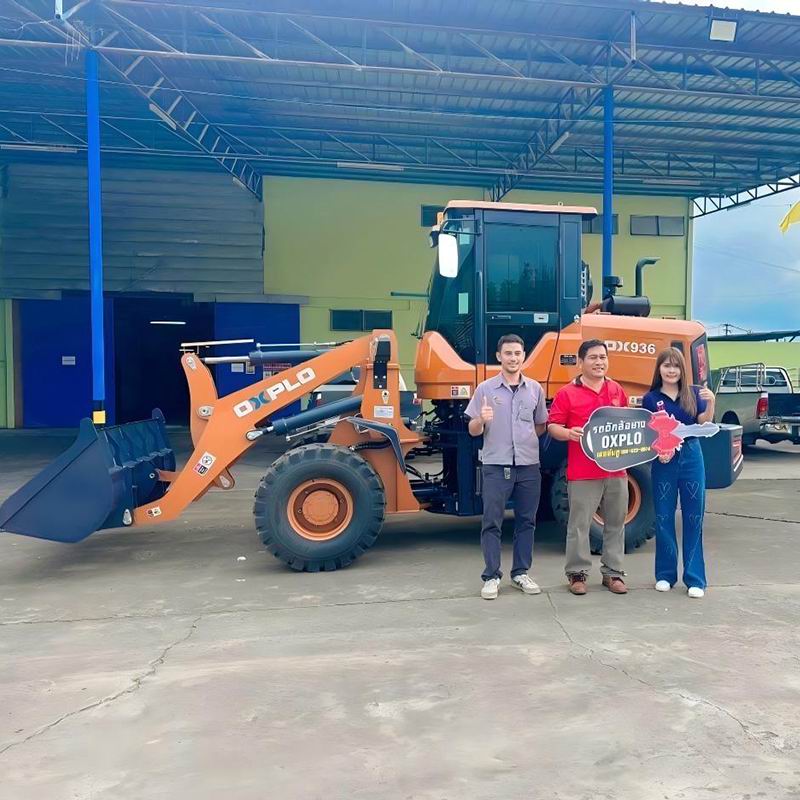
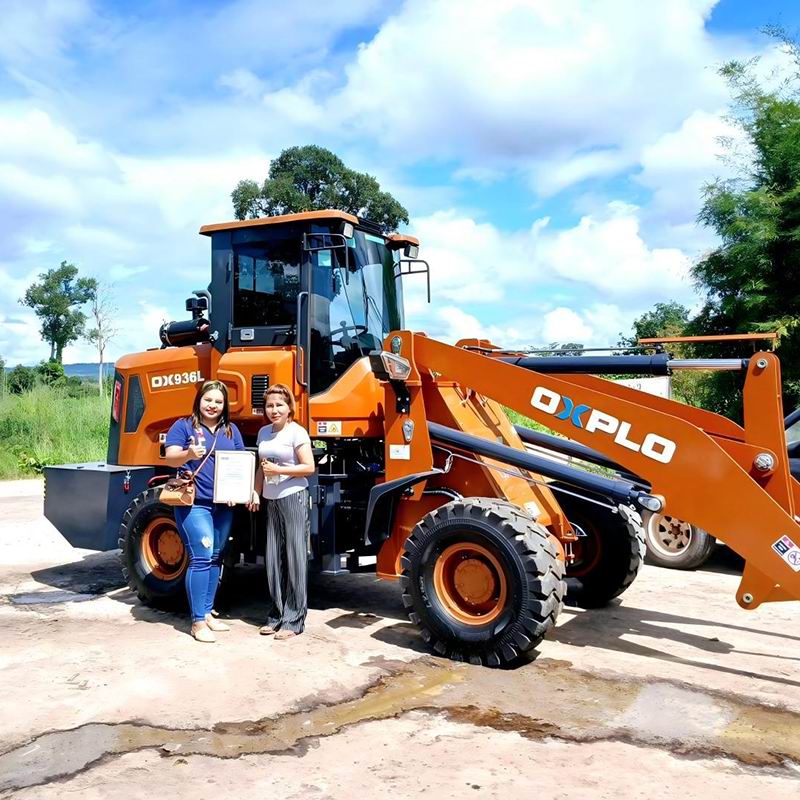
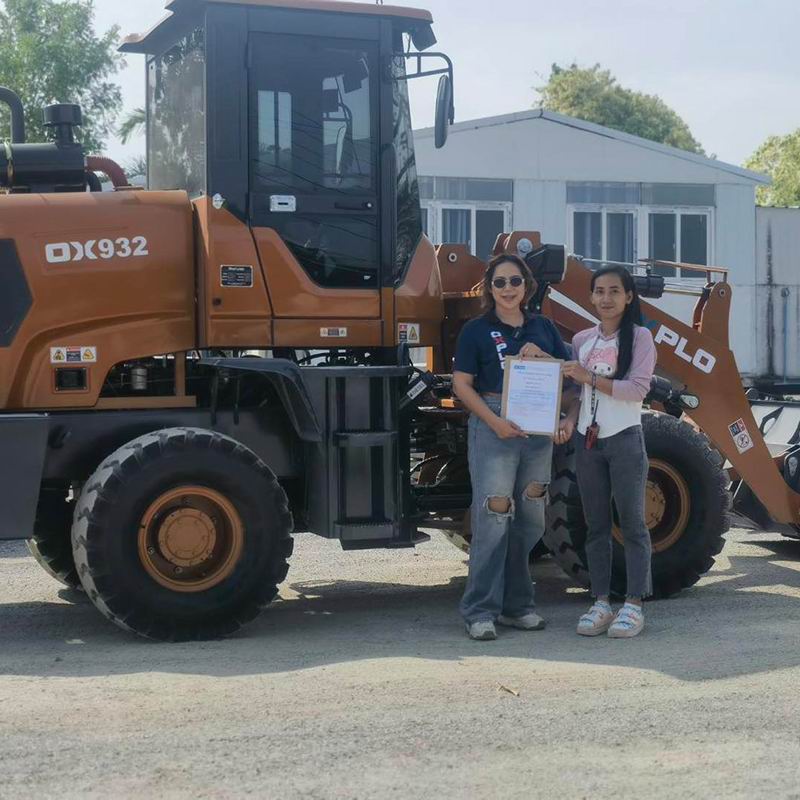
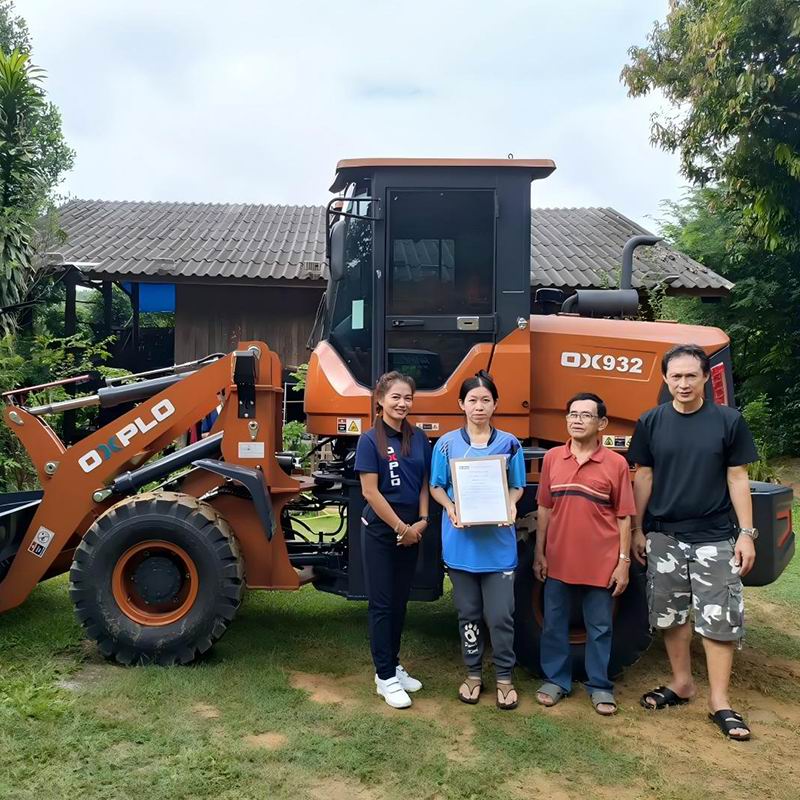
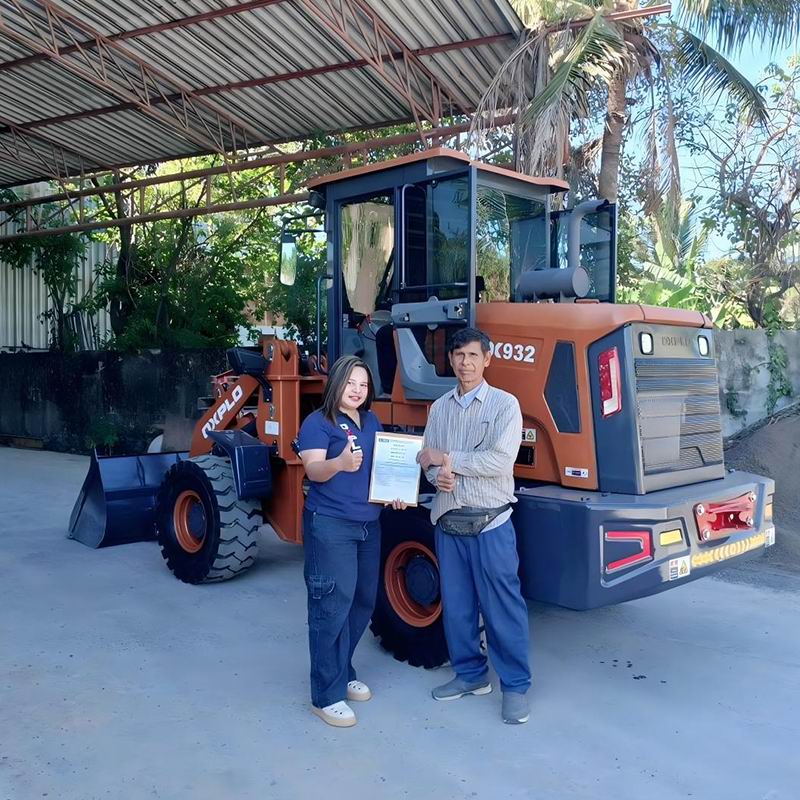
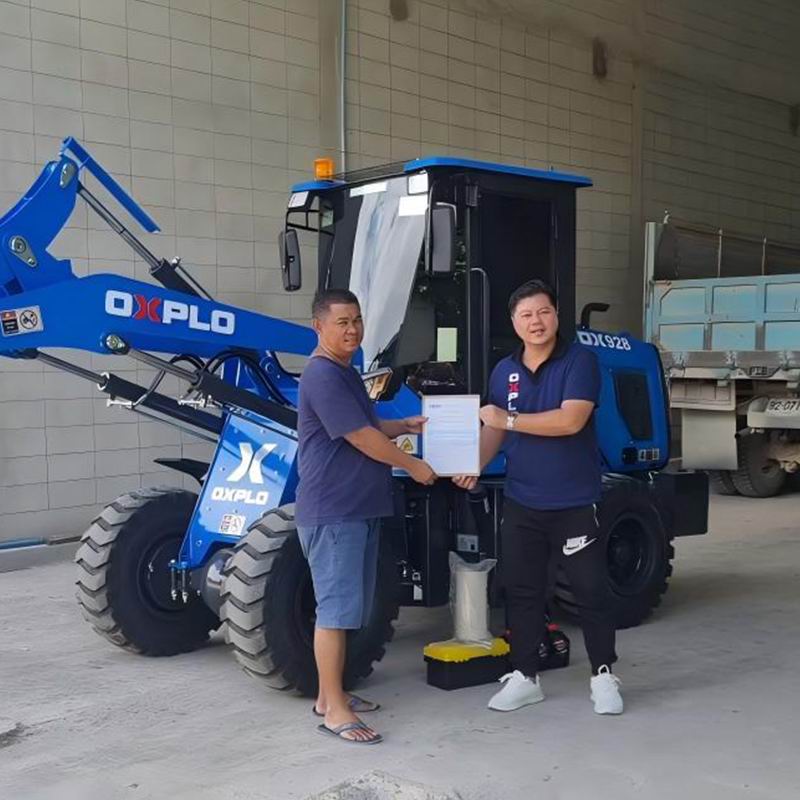
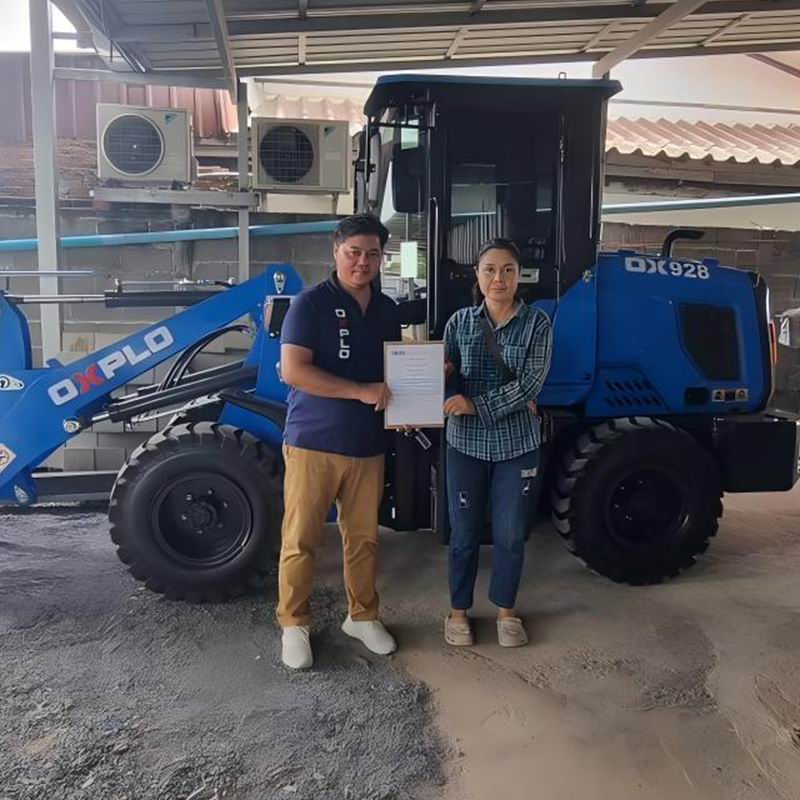
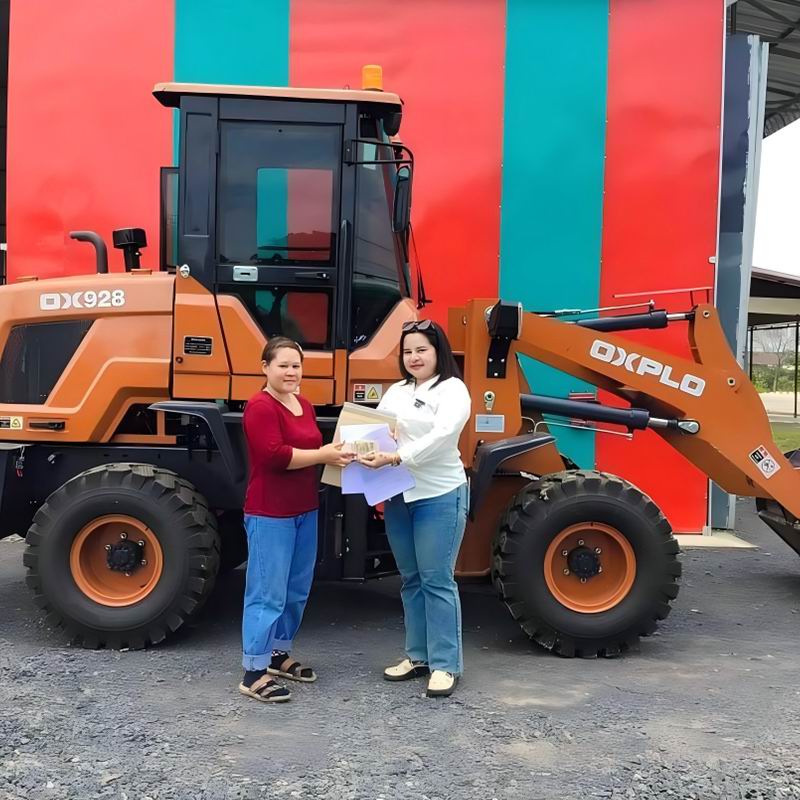
customer case
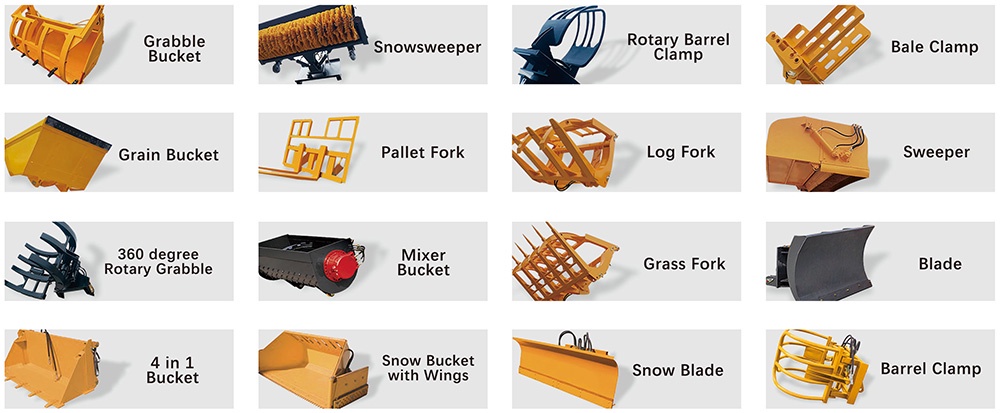
Wheel Loader Attachments
OXPLO provides a variety of spare parts support.
OXPLO's advantages
Let us introduce our products & factory to you
What makes us different
Why Choose Us
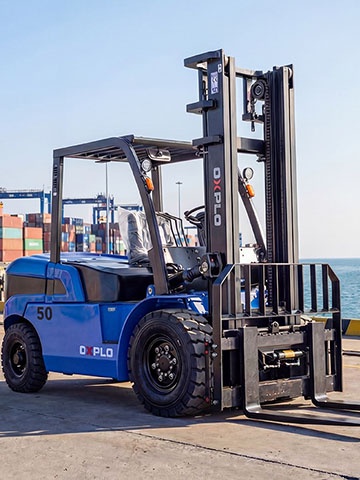
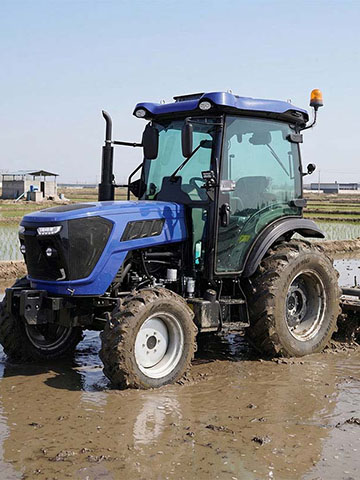
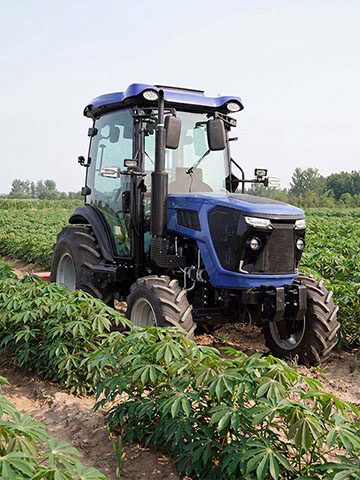
OXPLO specializes in the supply of forklifts, wheel loaders and tractors, providing reliable machinery solutions for material handling, construction and agricultural industries
Thailand Headquarters & SEAN Regional Operations
Headquartered in Thailand, with established firms and local service teams in the Philippines.
Reliable After-Sales & Spare Parts Support
We offer full after-sales care, including maintenance support and spare parts supply.
Factory Direct Supply
Direct factory operation ensures superior quality and a stable supply.
Quick Response & Service
Our local SEAN teams deliver rapid response, on-site service and expert technical help.
High-Performance Equipment
Built for tough jobs, our gear delivers robust power, steady performance and efficiency.
Application Scenarios
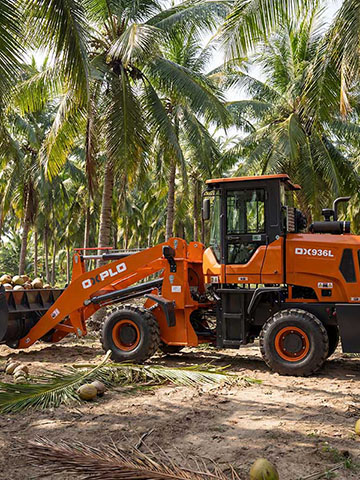
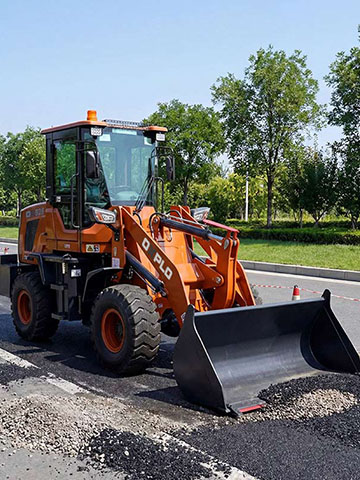
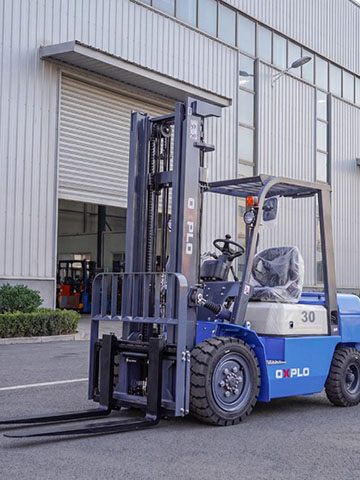
Our products are widely used in various fields such as warehousing,
construction, municipal roads, agriculture
about OXPLO
OXPLO is headquartered in Vannok District, Ayutthaya Province, Thailand, with five new branch offices in Khon Kaen, Nakhon Ratchasima, Ubon Ratchathani, Chiang Mai, and Phatthalung Provinces. The company's core competitive advantage lies in its "fast and efficient after-sales service and on-site problem-solving capabilities." OXPLO provides a comprehensive service guarantee system. Having cultivated the Thai market for many years, OXPLO not only provides excellent loaders, industrial forklifts, and off-road forklifts, but also offers one-stop service from procurement financing to after-sales support through comprehensive local support.







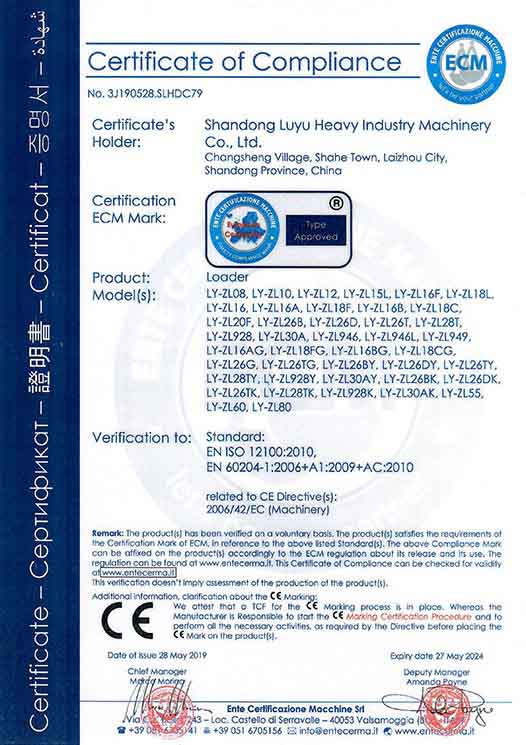
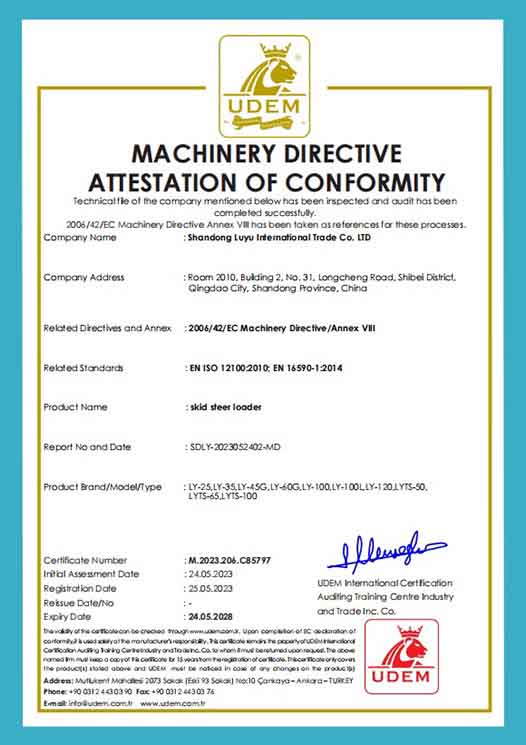
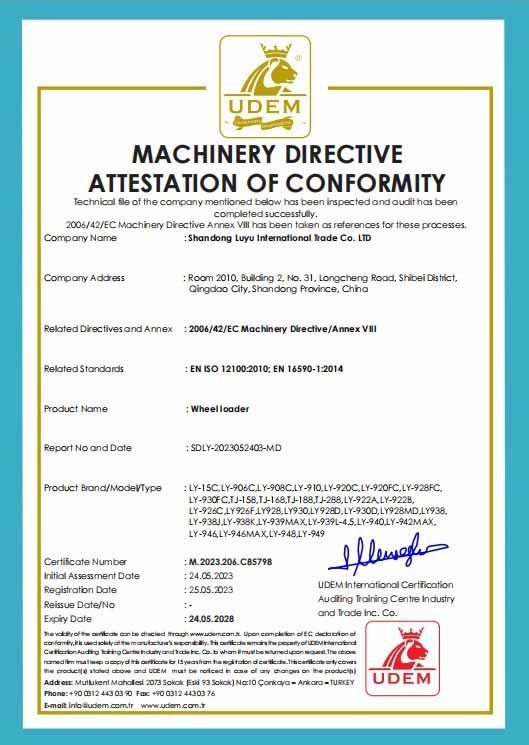
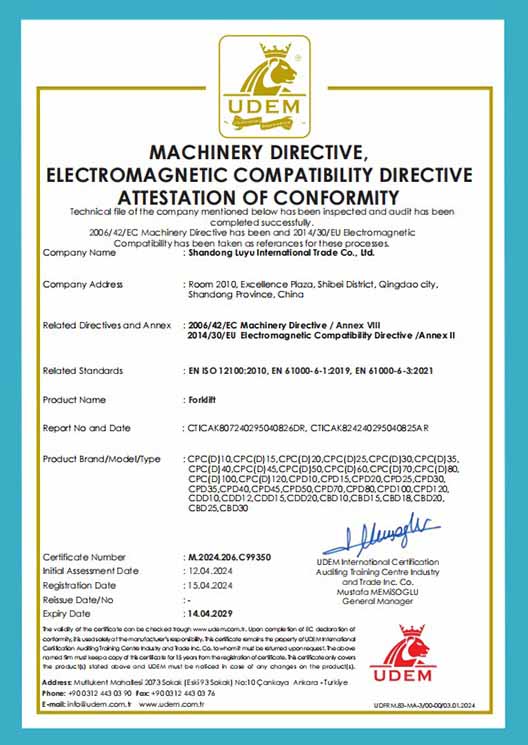
OUR CERTIFICATE
Wheel Loader FAQ
How much does a wheel loader cost?
The cost of a wheel loader varies depending on its rated load capacity, engine configuration, attachments, and optional features. Compact wheel loaders generally cost less than larger construction models. For an accurate quotation, contact OXPLO with your application requirements, preferred specifications, and destination country.
What is the fuel consumption of a wheel loader?
Fuel consumption depends on the loader size, engine power, operating conditions, and workload. Compact wheel loaders typically consume less fuel than larger models used in heavy-duty construction. Proper maintenance, efficient operating practices, and selecting the right machine size can help reduce fuel costs and improve productivity.
What is the lifting capacity of a wheel loader?
A wheel loader's lifting capacity is determined by its rated load. OXPLO offers wheel loaders with rated load capacities ranging from approximately 1.6 tons to 5 tons, making them suitable for agriculture, construction, material handling, and industrial applications. Always select a machine with sufficient capacity for your intended workload.
Can a wheel loader be used with pallet forks?
Yes. Many OXPLO wheel loaders can be equipped with pallet forks through a quick coupler system. This allows the machine to handle palletized goods, construction materials, agricultural products, and warehouse cargo, making it a versatile alternative to dedicated material handling equipment in certain applications.
How often should a wheel loader be serviced?
Regular maintenance is essential for maximizing machine performance and lifespan. Daily inspections should include checking engine oil, hydraulic fluid, coolant levels, and tire condition. Scheduled maintenance intervals vary by model and operating hours, but following the manufacturer's maintenance guidelines can help prevent unexpected downtime and costly repairs.
What is the difference between a wheel loader and a skid steer loader?
The primary difference is size, lifting capability, and maneuverability. Wheel loaders generally offer higher lifting capacities, larger buckets, and better performance for moving bulk materials over longer distances. Skid steer loaders are more compact and excel in confined spaces where tight turning and versatility are required. The best choice depends on your job site conditions and application needs.
What engine brands are available on OXPLO wheel loaders?
OXPLO wheel loaders are available with different engine configurations depending on the model and market requirements. Engine options may include reliable diesel engines designed to deliver strong performance, fuel efficiency, and easy maintenance. Please contact our sales team for specific engine options available in your region.
Do you provide operator training and technical support?
Yes. OXPLO provides after-sales support and technical assistance to help customers operate and maintain their equipment efficiently. Our team can offer guidance on machine operation, routine maintenance, troubleshooting, and spare parts support to ensure long-term reliability and productivity.