



A practical engineering and TCO guide for warehouses, factories, logistics centers, yards and industrial buyers in Thailand.
When companies in Thailand compare a Diesel Forklift with an Electric Forklift, the discussion often starts with a simple question: which powertrain is better for hot weather? For a procurement manager, plant manager or warehouse operator, that question is too narrow.
Thailand’s operating environment combines high ambient temperature, humidity, frequent stop-start movement, repeated lifting cycles and, in many sites, long working shifts. Under these conditions, the real purchasing issue is not whether diesel or electric technology can operate in heat. Both can. The real issue is how each system manages heat, energy, maintenance and downtime under the buyer’s actual duty cycle.
A forklift that starts normally at 35-40°C is not automatically a forklift that can sustain rated productivity for a full shift. Heat rejection, battery temperature, charging windows, radiator cleanliness, hydraulic load, idle time and service response all influence the final result.
I. Why Thailand’s Hot Climate Changes the Forklift Buying Decision
High Ambient Temperature Is Only One Part of the Thermal Load
Heat problems usually appear when several conditions occur at the same time: high ambient temperature, low vehicle speed, frequent lifting, heavy loads and long continuous operating periods. A forklift moving slowly between a production line and a loading bay may travel only a short distance, yet the hydraulic system can be working repeatedly. An outdoor yard truck may spend much of its shift accelerating, braking, reversing and lifting rather than cruising.
These cycles create heat while giving the machine limited time or airflow to reject it. This is why Forklift Hot Weather capability should be evaluated as a continuous-duty question, not as a one-line ambient-temperature specification.
Ask About Derating, Not Just Maximum Ambient Temperature
A useful procurement question is not simply, “Can this forklift work at 40°C?” A better question is: “At 35°C, 40°C or the maximum site temperature, how long can the forklift operate at the required load before the system reduces power, limits charging or triggers thermal protection?”
Thermal derating is not necessarily a design weakness. When correctly engineered, it protects batteries, controllers, motors or engines from operating outside their safe thermal envelope. The buyer’s task is to understand when derating occurs and whether it conflicts with the production schedule.
II. Diesel Forklift in Hot Weather: The Forklift Cooling System Becomes a Maintenance Item
Radiator Airflow Is Often the First Hidden Failure Point
A Diesel Forklift rejects heat from combustion, hydraulic work and transmission operation. In a clean test environment, the cooling system may have enough reserve capacity. In a real Thai yard or factory, however, dust, cement powder, paper fiber, wood debris, agricultural material and packaging fragments can gradually restrict airflow through the radiator and cooling fins.
The machine may still run normally for days or weeks. Then coolant temperature begins to rise during the busiest part of the shift. Operators often suspect an engine problem first, even though the underlying issue may be restricted airflow, a weak fan, incorrect coolant condition or a partially blocked heat exchanger.
Do Not Treat Repeated Water Top-Ups as Cooling-System Maintenance
When a forklift repeatedly runs hot, the maintenance process should check the complete cooling circuit, including:
· Coolant level, concentration and condition
· Radiator cleanliness and fin damage
· Radiator cap condition and system pressure
· Thermostat operation
· Cooling fan speed, belt condition and airflow direction
· Water-pump condition
· Leaks in hoses, joints and the radiator
· Oil cooler or transmission cooler cleanliness, where fitted
Simply adding water can temporarily hide the symptom while allowing corrosion, scale formation or incorrect coolant concentration to reduce long-term cooling performance. For this reason, Forklift Maintenance Cost for a Diesel Forklift must include the cooling system - not only engine oil and filters.
Idle Time Is Still Fuel, Heat and Engine Hours
Another hidden cost in hot-weather diesel operation is idle time. A forklift waiting for pallets, trucks or production material may remain running because the operator expects to move again soon. The truck is not producing useful material-handling output, but it is still consuming fuel, generating heat and accumulating engine hours.
For cost analysis, record total engine hours and productive handling hours separately. The gap between them is often where avoidable Forklift Operating Cost accumulates.
III. Electric Forklift in Hot Weather: Thermal Management Moves from Engine to Battery and Electronics
An Electric Forklift Is Not Automatically Limited to Air-Conditioned Warehouses
The idea that an Electric Forklift is only suitable for cool indoor warehouses is outdated. Lithium-powered counterbalance forklifts are now widely used in manufacturing, logistics and mixed indoor/outdoor material handling. However, a hot climate changes what buyers need to inspect.
Instead of focusing on an engine radiator, the thermal system now includes the battery pack, Battery Management System (BMS), drive controller, traction motor, hydraulic motor and charger.
Battery Capacity Alone Does Not Tell You Hot-Weather Capability
A large Ah figure may look impressive on a quotation, but battery capacity does not explain how the system protects itself in a hot duty cycle. Long-term battery durability depends on how cell voltage, pack voltage, current, state of charge and temperature are monitored and controlled.
Before buying an Electric Forklift for Thailand, ask the supplier:
· What is the permitted battery operating-temperature range?
· Does the BMS monitor battery temperature and abnormal cell conditions?
· What happens when temperature rises - warning, current limitation, derating or shutdown?
· How are the traction motor and controller cooled?
· What is the charger’s permitted ambient-temperature range?
· Does charging power change when the battery is hot?
Thermal Protection Is a Productivity Variable
A well-designed protection strategy can extend component life, but it must be understood operationally. If a forklift reaches thermal limits during the busiest two hours of a shift, the buyer may experience lower travel speed, lower acceleration, restricted charging or reduced lifting performance exactly when throughput matters most.
The correct decision therefore combines battery chemistry, BMS logic, cooling architecture and the site’s actual work pattern.
IV. Charging Strategy Matters More Than Simply Buying a Larger Battery
Start with the Duty Cycle
Two Electric Forklift units can use the same battery capacity and still require completely different charging strategies. A truck that works 35 minutes each hour and has regular waiting time is very different from a truck that runs almost continuously, carries heavy loads and performs high-frequency lifting.
A useful duty-cycle record should include:
· Travel time
· Lifting and lowering frequency
· Average and maximum load weight
· Idle or waiting time
· Break periods
· Shift changes
· Ramp use
· Indoor/outdoor percentage
Opportunity Charging Can Work Well - If Temperature Is Managed
Lithium batteries can support opportunity charging when the battery and charger are designed for it. Short charging windows during lunch, shift changes or loading delays can reduce the need for a very large battery.
In hot weather, however, the charging decision should consider both state of charge and battery temperature. A battery that has just completed a high-load operating period may already be warm. Immediately applying a high charging current adds charging heat to operating heat and ambient heat.
The practical charging logic is therefore: SOC + battery temperature + next required operating window. This is more useful than managing the fleet by SOC alone.
Do Not Forget the Charger Location
A common project mistake is to specify the forklift carefully and then install the charger in direct sunlight, an enclosed corner or a poorly ventilated electrical room. Charger thermal limits and airflow matter too. The charging area should be evaluated as part of the forklift system, not as an afterthought.
V. Forklift Maintenance Cost: Diesel and Electric Spend Money in Different Places
Typical Diesel Forklift Maintenance Cost
Routine and age-related maintenance commonly includes:
· Engine oil and oil filter
· Fuel filter and fuel-system service
· Air filter
· Engine coolant
· Belts, hoses and cooling-system components
· Radiator and heat-exchanger cleaning
· Transmission and drivetrain maintenance
· Engine and exhaust-related repairs
· Hydraulic oil, hoses and mast service
In dusty, hot environments, air filtration and cooling-system cleaning often become more frequent. A low purchase price can therefore be misleading if the site creates high service intensity.
Typical Electric Forklift Maintenance Cost
An Electric Forklift removes many routine engine-related service items, but it is not maintenance-free. Key inspection points include:
· Lithium battery condition and BMS fault history
· Charging plug and charging cable
· High-current electrical connections
· Drive motor and hydraulic motor
· Controller and cooling fan or cooling channels
· Hydraulic system
· Brakes, steering, tyres and wheel components
· Mast rollers, chains, forks and attachments
Connector Temperature Is a Small Detail with a Large Consequence
Charging connectors and high-current terminals deserve particular attention. Increased contact resistance can create localized heating during charging or heavy operation. Maintenance teams should inspect for discoloration, looseness, abnormal odor, damaged contacts and repeated temperature-related faults rather than only asking whether the truck still charges.
VI. Forklift Operating Cost: Use TCO, Not Purchase Price, to Compare Diesel and Electric
A Practical Annual TCO Structure
For B2B buyers, the most useful comparison is total cost of ownership over the expected service period. A practical model should include the following:
Annual TCO = Purchase/Lease Cost + Energy + Scheduled Maintenance + Repairs + Downtime + Infrastructure + Parts & Service - Residual Value
Then Calculate Cost per Productive Hour
Forklift Operating Cost per Productive Hour = Annual TCO ÷ Productive Operating Hours
Productive operating hours are more informative than engine-on hours. If a forklift is powered for ten hours but only performs seven hours of useful material handling, the three-hour gap still creates cost without creating equivalent throughput.
Diesel Energy-Cost Formula
Annual Diesel Cost = Average Fuel Consumption (L/h) × Local Diesel Price × Annual Engine Hours
Use measured site fuel consumption where possible. Brochure figures may not represent repeated acceleration, hydraulic lifting, reversing, ramp use or long idle periods.
Electric Energy-Cost Formula
Annual Electricity Cost = Average Energy Use (kWh/h) × Electricity Tariff × Annual Operating Hours
For a more complete model, include charger losses, demand charges where relevant, charging-infrastructure depreciation and a battery replacement reserve if your ownership horizon requires it.
VII. Hidden Costs Buyers Often Miss
Downtime Can Cost More Than the Repair
A failed forklift may stop a truck from unloading, leave production without components, block a dispatch schedule or force overtime later in the day. This is why service response, spare-parts availability and troubleshooting capability belong inside TCO.
Indoor Ventilation and Air Quality
For indoor Diesel Forklift operation, exhaust management and ventilation are additional project variables. In enclosed warehouses and production areas, an Electric Forklift can reduce tailpipe-emission concerns and may reduce the operational burden associated with ventilation and engine idling.
Charging Infrastructure Can Become a Bottleneck
Electric projects fail when the fleet is purchased before the electrical infrastructure is checked. If several forklifts charge simultaneously, the site must have enough distribution capacity, correctly sized protection devices and cables, appropriate charger locations and workable charging windows.
A five- or ten-unit Electric Forklift fleet is therefore an energy-infrastructure project as well as a vehicle purchase.
VIII. Which Forklift Fits Common Operating Scenarios in Thailand?
The important point is that there is no universal winner. A technically correct choice depends on where the forklift works, how intensively it works and how the site supports it.
IX. A Practical Forklift Selection Workflow for Thai Buyers
Step 1 - Define the Load Correctly
Record:
· Maximum and typical load weight
· Load dimensions
· Load center
· Fork length
· Required lift height
· Attachment requirements
Do not stop at “I need a 3-ton forklift.” Rated capacity does not mean the truck will retain the same capacity at every lift height, load center or attachment configuration.
Step 2 - Measure the Real Duty Cycle
Observe at least one representative working day. Measure operating time, lifting time, travel time, waiting time, idle time, breaks, ramp use and peak periods. Classify the application as light, medium or heavy duty only after this data is available.
Step 3 - Measure Temperature Where the Forklift Actually Works
Do not use the office temperature. Measure the loading bay, container yard, metal-roof warehouse, production aisle or outdoor storage area where the forklift spends its shift. Local heat buildup can be very different from the general weather report.
Step 4 - Check the Energy Infrastructure
For a Diesel Forklift, confirm fuel storage, refueling access and the operating process. For an Electric Forklift, confirm:
· Available input voltage and current
· Distribution-panel capacity
· Number of chargers operating at the same time
· Cable and protection-device sizing
· Charger location and ventilation
· Available charging windows between shifts
Step 5 - Ask for the Thermal Protection Logic
A statement such as “suitable for hot weather” is not enough. Ask what happens when temperatures rise. For an Electric Forklift, ask about BMS temperature monitoring, warning thresholds, current limitation and charging behavior. For a Diesel Forklift, ask how the engine, transmission and hydraulic heat are rejected during continuous work and how the Forklift Cooling System should be maintained.
X. How OXPLO Applies This Logic to Forklift Selection in Thailand
Once the operating data above is clear, the discussion can move from generic technology to a specific machine. This is the stage where OXPLO can help buyers compare electric and diesel configurations against load, lift height, aisle space, duty cycle, surface condition and charging availability.
OXPLO’s selection logic should begin with the application rather than a predetermined powertrain. For a predictable warehouse or factory duty cycle, an OXPLO Electric Forklift may reduce engine-related maintenance and eliminate tailpipe emissions at the point of use. For remote, outdoor or refueling-driven applications, an OXPLO Diesel Forklift may still provide the more practical operating model.
Buyers can review the broader OXPLO forklift business and support network to understand how OXPLO combines forklift supply, local service and spare-parts support in Thailand.
XI. OXPLO Electric Forklift Reference Points: CPD20 and CPD30
OXPLO CPD20: 2,000 kg Electric Forklift
The OXPLO CPD20 Electric Forklift is rated for 2,000 kg at a 500 mm load center and uses a 76.8V/280Ah lithium battery system. The current OXPLO product page states that its BMS monitors key battery conditions including voltage, temperature and state of charge.
For Thai warehouses, manufacturing facilities and logistics sites, this is the type of information that matters more than simply asking whether the battery is “lithium.” The OXPLO CPD20 should still be matched to the buyer’s real lift height, pallet dimensions, aisle width, travel distance, temperature and shift schedule.
OXPLO CPD30: 3,000 kg Electric Forklift
For heavier pallet handling, the OXPLO CPD30 Electric Forklift is rated for 3,000 kg at a 500 mm load center and also uses a 76.8V/280Ah lithium battery system on the current product page.
The fact that the OXPLO CPD20 and OXPLO CPD30 can share the same nominal battery capacity is a useful purchasing lesson: battery Ah alone does not define productivity. Truck mass, load, lifting frequency, travel distance, speed, gradients and thermal conditions all affect energy consumption.
XII. OXPLO Diesel Forklift Reference Point: OX30
On the diesel side, the OXPLO OX30 Diesel Forklift is a 3,000 kg-class forklift with a 500 mm load center. The current OXPLO page lists a 2-stage / 4 m mast configuration, 18 km/h full-load travel speed and 20% full-load gradeability.
Those specifications can make the OXPLO OX30 relevant for conventional industrial handling where rapid refueling and long operating windows are important. However, Thai buyers should still treat cooling-system cleanliness, coolant condition, idle hours and daily inspection discipline as part of the operating plan.
In other words, choosing the OXPLO OX30 because diesel is familiar is not enough. The decision should be based on whether the site’s duty cycle, ventilation, surface condition, refueling process and Forklift Maintenance Cost make diesel the better business case.
XIII. OXPLO Service Support Is Part of the TCO Equation
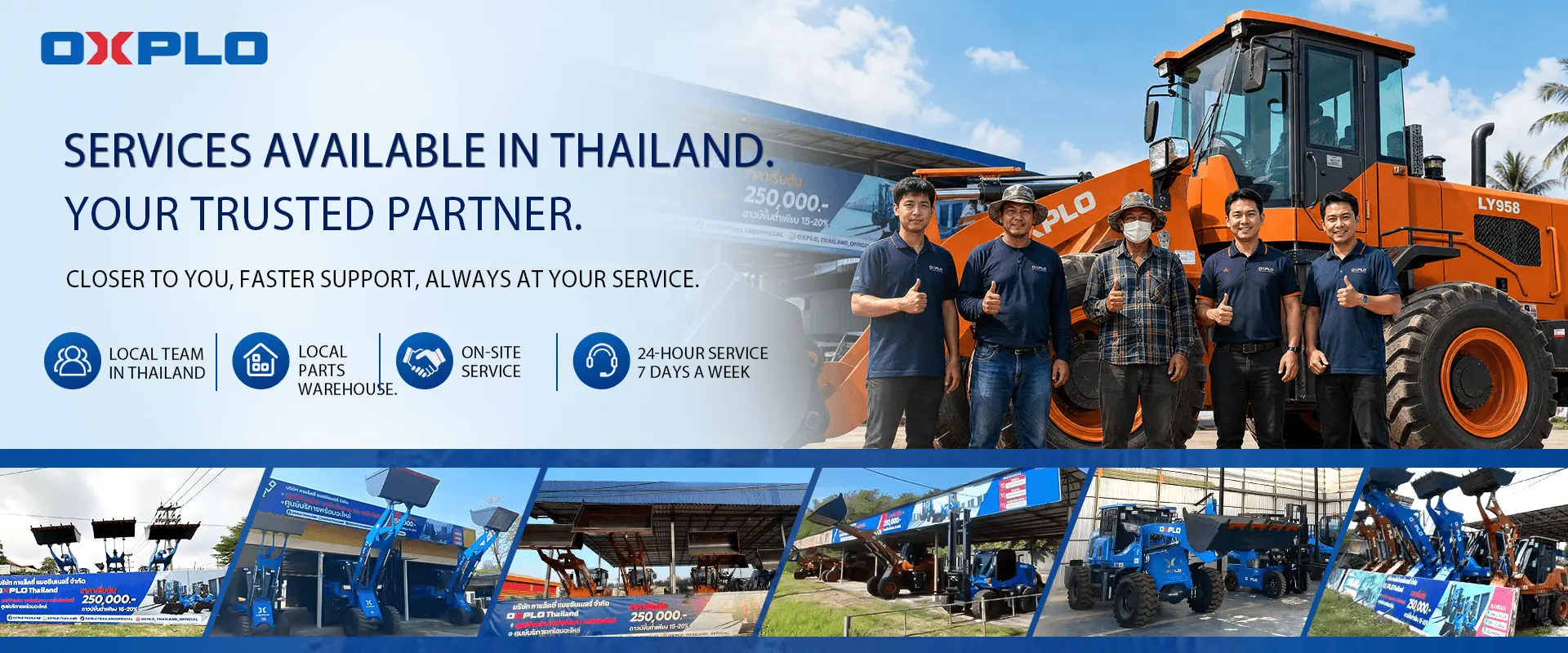
Forklift TCO is affected by how quickly a fault can be diagnosed and repaired. OXPLO Service & Support describes localized after-sales support, spare-parts supply and service operations in Thailand. For high-utilization forklifts, that support capability should be evaluated together with the machine specification.
When comparing an OXPLO Electric Forklift with an OXPLO Diesel Forklift, procurement teams should therefore ask not only about the warranty, but also about common-parts availability, troubleshooting workflow, preventive-maintenance guidance and expected service response for their location.
This matters because one half-day of unplanned downtime can cost more than a small difference in scheduled maintenance expense.
XIV. What to Send OXPLO Before Requesting a Forklift Quotation
A useful quotation should be based on operating data rather than capacity alone. Before asking OXPLO for a recommendation, prepare the following:
1. Required rated lifting capacity
2. Maximum required lifting height
3. Typical load dimensions and load center
4. Indoor, outdoor or mixed operation
5. Floor and road conditions
6. Average working hours per day
7. Number of shifts
8. Typical and peak ambient temperature
9. Required attachments
10. Available charging voltage and charging windows if considering an Electric Forklift
11. Required tyre type
12. Expected annual operating hours
The more complete this data is, the easier it is for OXPLO to recommend a suitable forklift capacity, mast, battery or engine configuration, tyres and attachments. If you need a site-specific recommendation, use the OXPLO Contact page to submit the application details.
XV. Conclusion: Choose the Forklift Around the Work, Not the Powertrain
In Thailand’s hot climate, the Diesel Forklift versus Electric Forklift decision does not have a universal answer. An Electric Forklift does not become unsuitable simply because ambient temperature is high. Buyers should examine battery temperature monitoring, BMS protection, controller and motor cooling, charging strategy and the real duty cycle.
A Diesel Forklift does not become the safer hot-weather choice simply because internal-combustion technology is familiar. Radiator condition, coolant quality, airflow, hydraulic heat, idle time and Forklift Cooling System maintenance directly affect reliability and Forklift Operating Cost.
For indoor warehouses, factories and logistics centers with predictable work patterns, an OXPLO Electric Forklift such as the CPD20 or CPD30 may deserve priority in the TCO analysis. For outdoor, remote or charging-constrained applications, an OXPLO Diesel Forklift such as the OX30 may provide the more practical operating model.
The correct OXPLO recommendation should therefore follow this sequence:
That approach gives Thai buyers a much stronger basis for comparing long-term productivity than choosing a forklift from purchase price alone. Explore OXPLO forklift solutions or visit the OXPLO website to discuss the operating conditions of your project.
Customer Distribution
 Thailand-Ayutthaya
 Thailand-Khon Kaen
 Thailand-Nakhon Ratchasima
 Thailand-Ubon Ratchathani
 Thailand-Chiang Mai
 Thailand-Phthalum
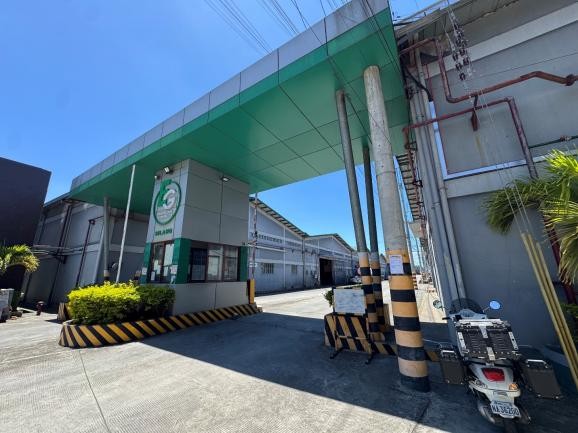
, MAGUYAM ROAD, BRGY. MAGUYAM, SILANG, CAVITE") Philippines-ELITE GLOBUS WAREHOUSE(NO. 43 - OXPOWER MACHINERY INC.), MAGUYAM ROAD, BRGY. MAGUYAM, SILANG, CAVITE
Philippines-ELITE GLOBUS WAREHOUSE(NO. 43 - OXPOWER MACHINERY INC.), MAGUYAM ROAD, BRGY. MAGUYAM, SILANG, CAVITE
OUR OPERATiONS
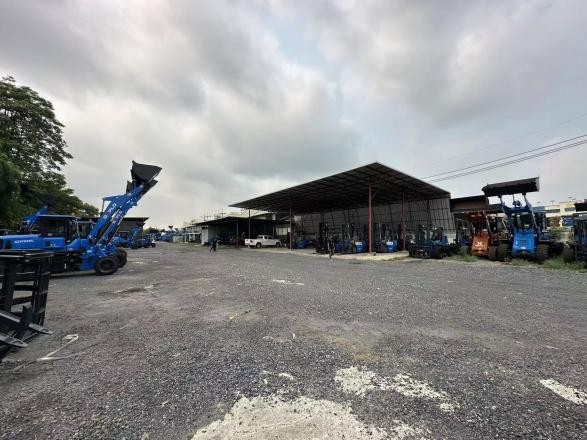
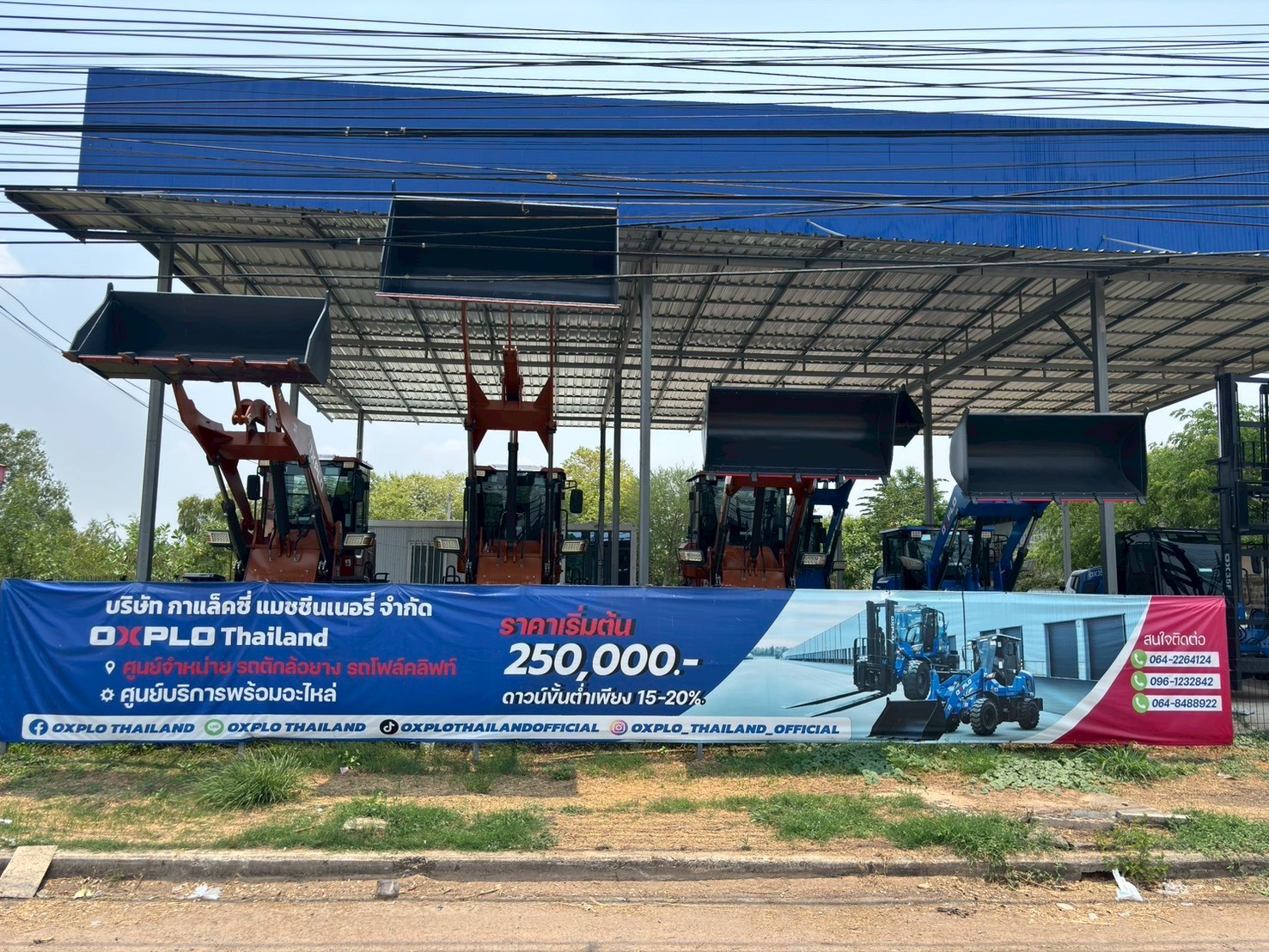
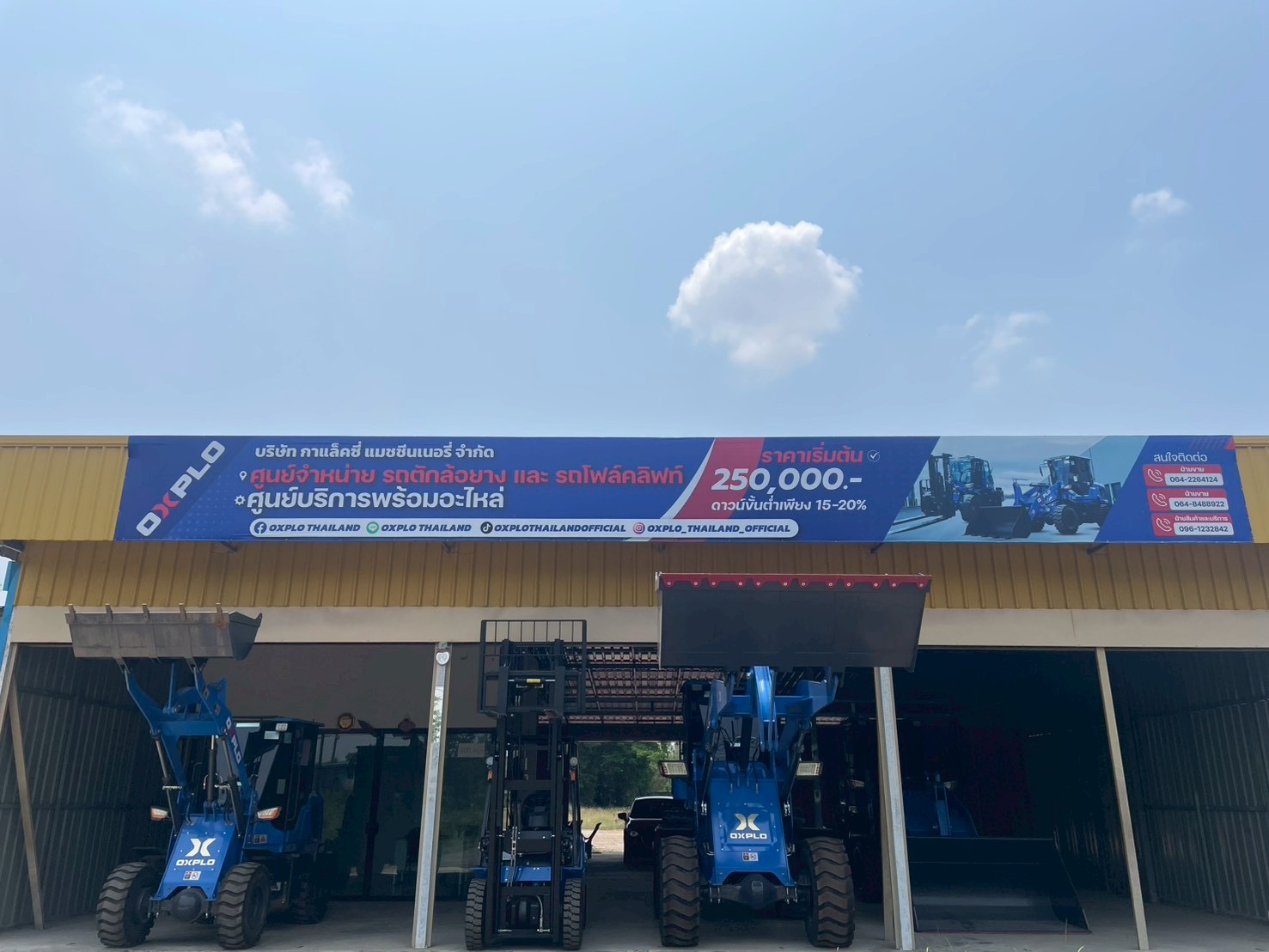
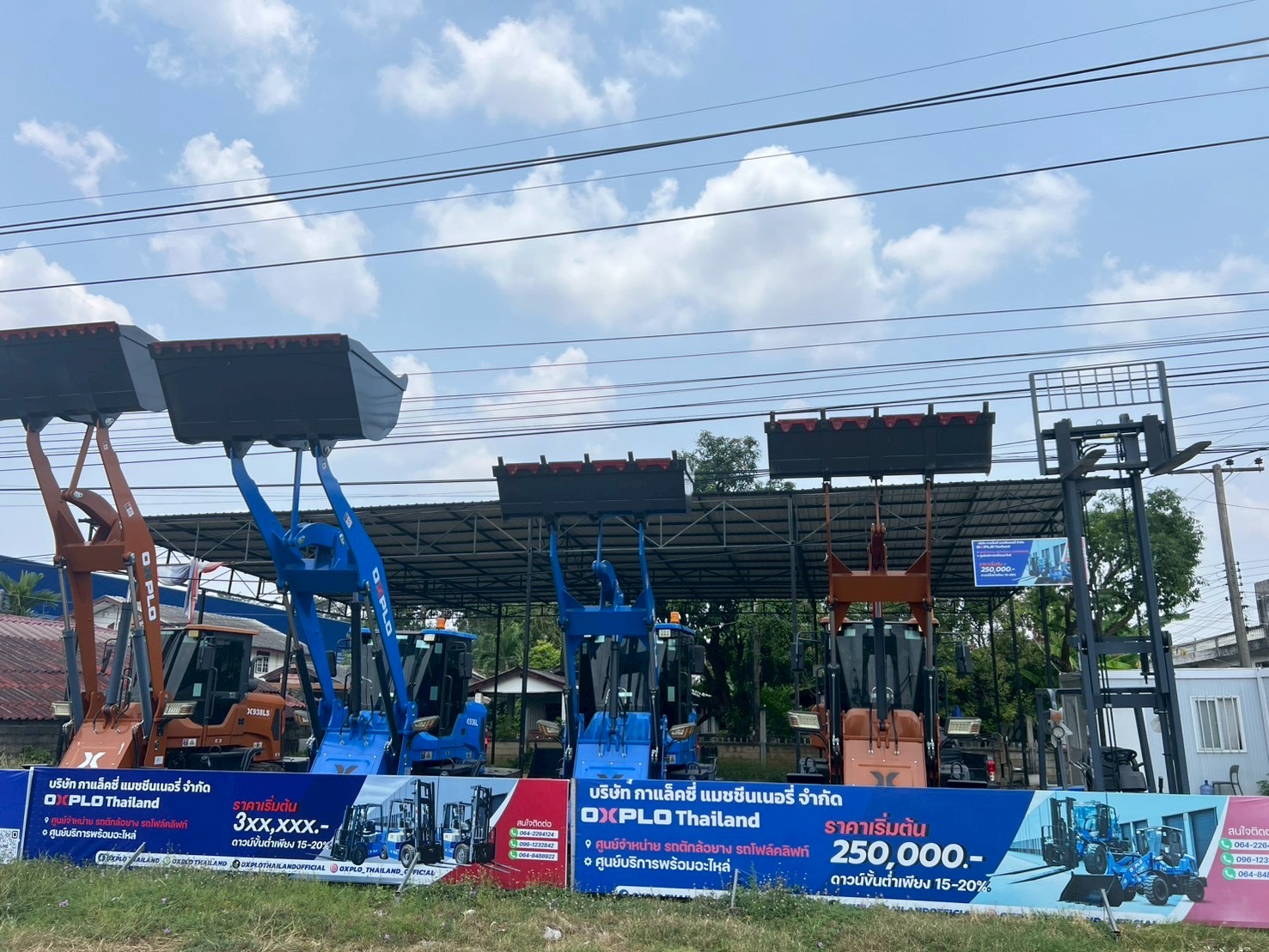
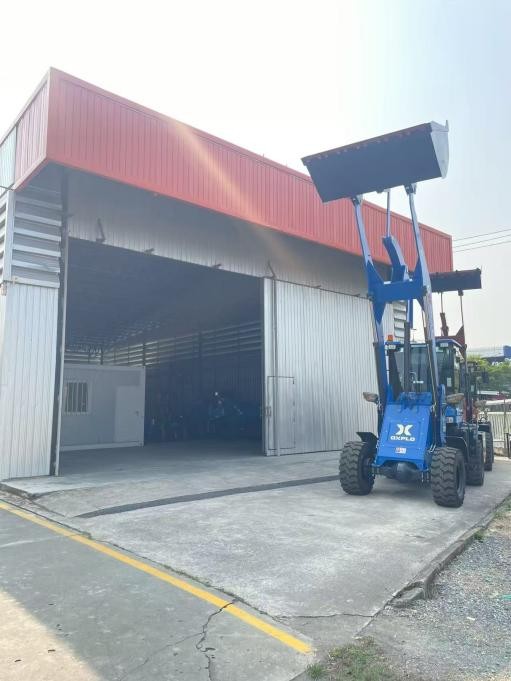
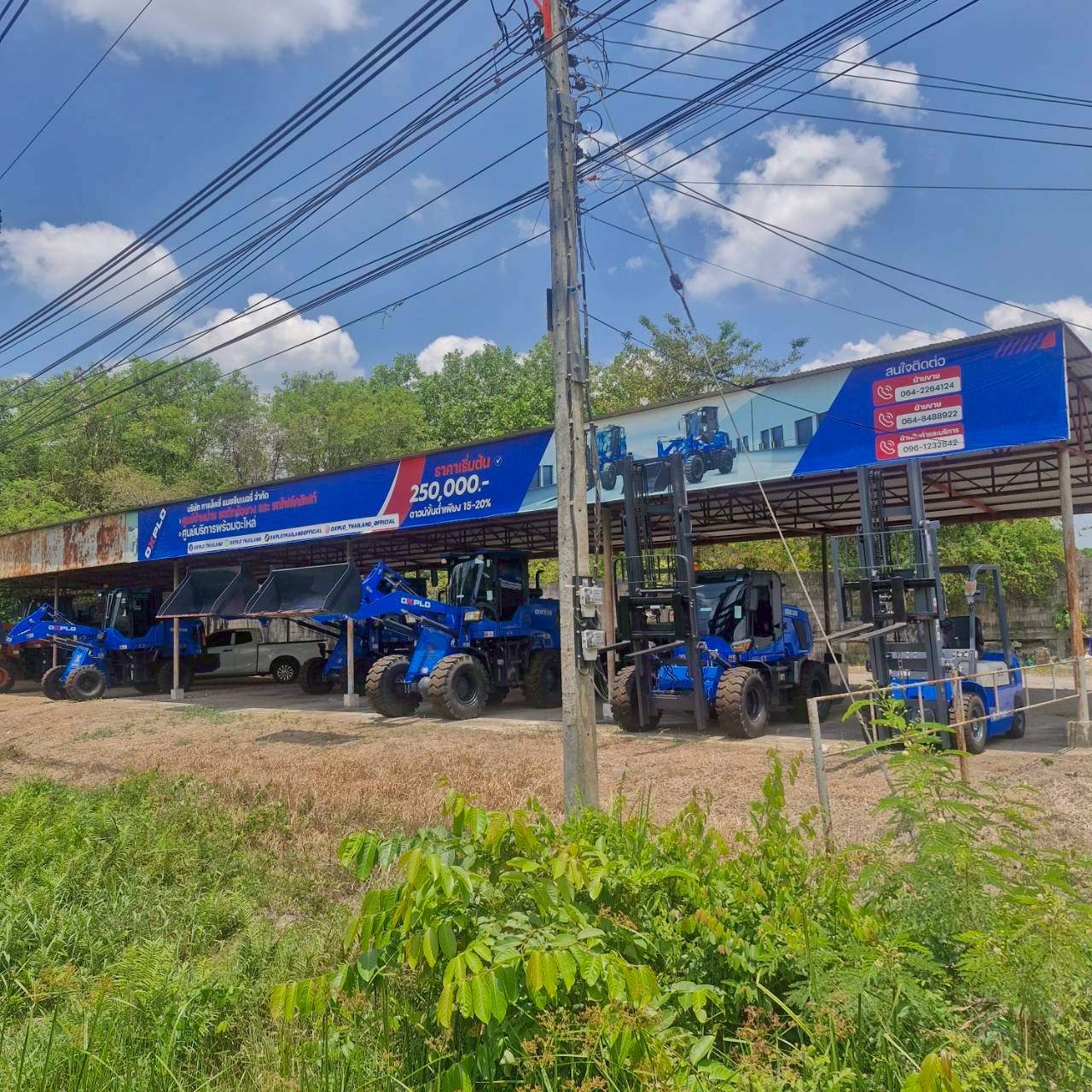
Our regional headquarters are located in Thailand, with independent operations company and service team in the Philippines. This multi-market presence enables us to provide customers throughout Southeast Asia with efficient communication, faster response times, and reliable local support.


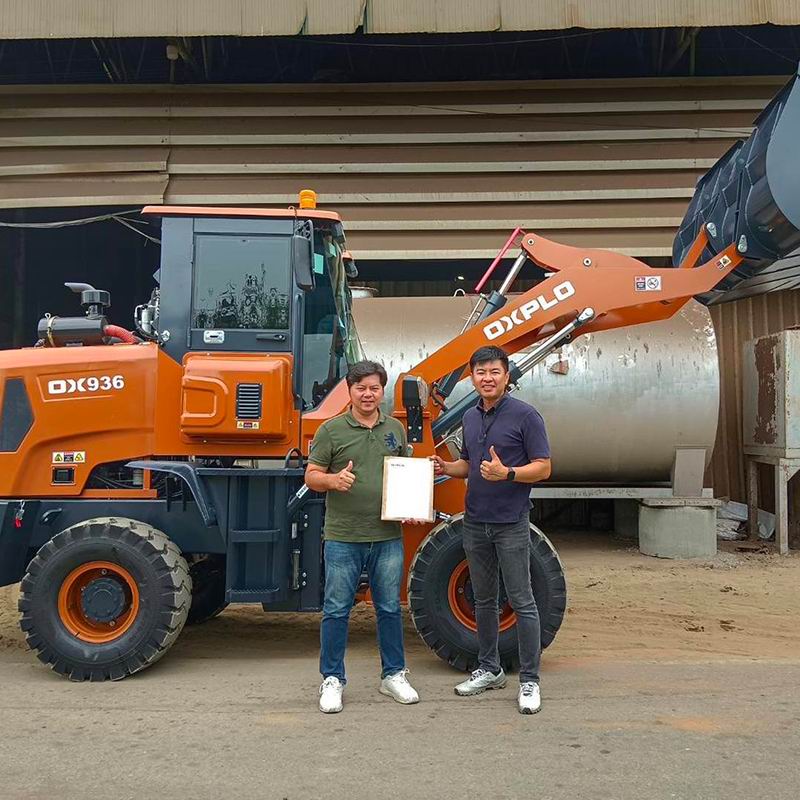
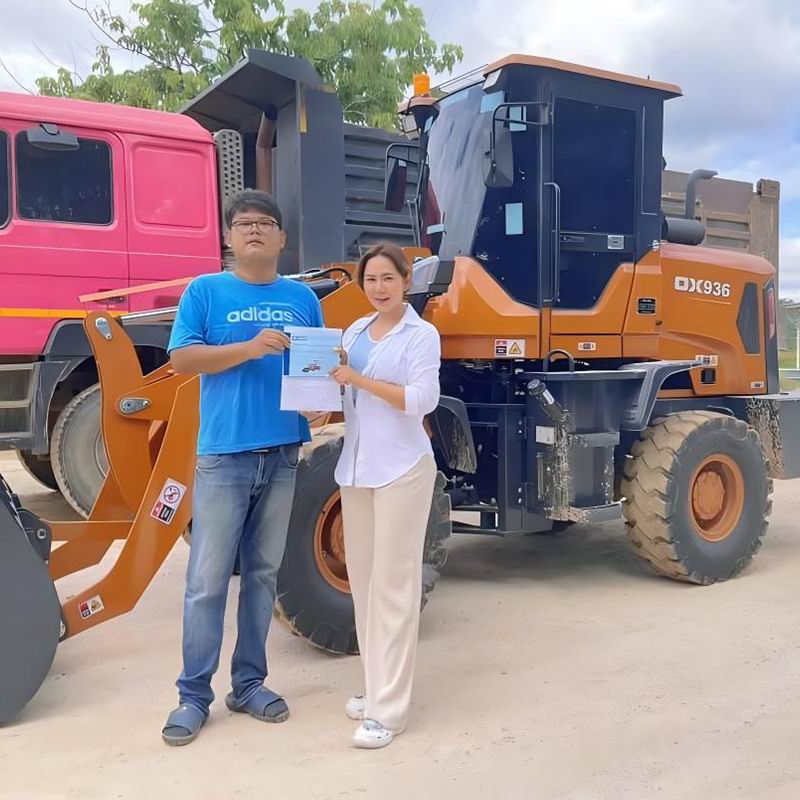
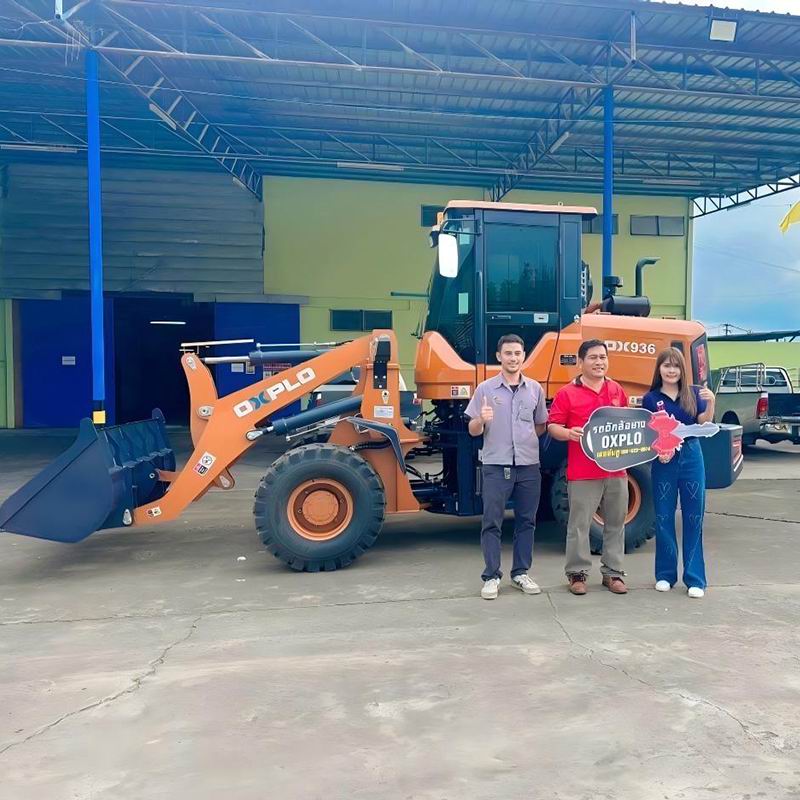
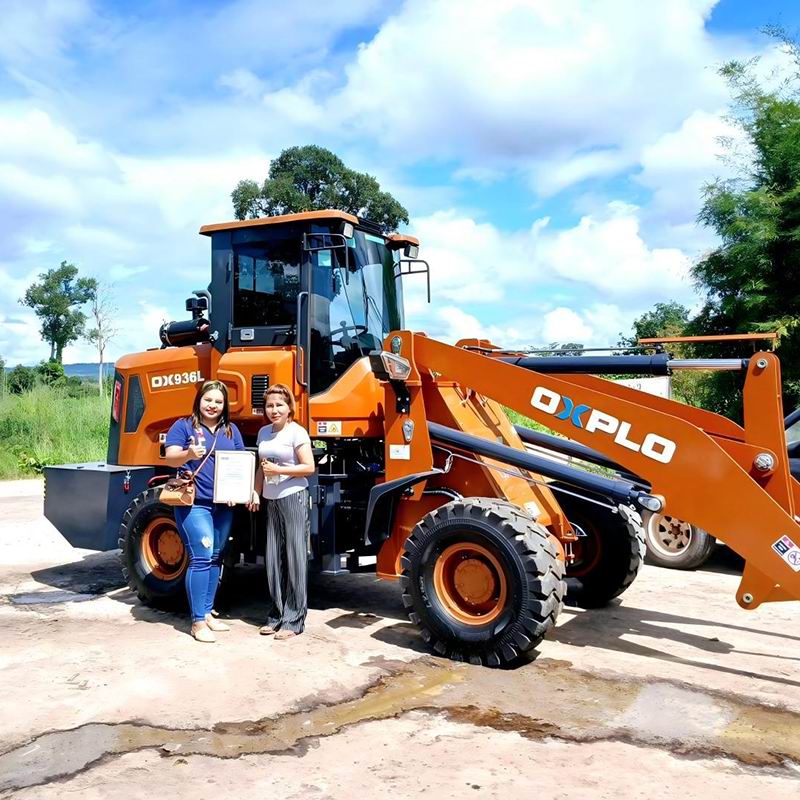
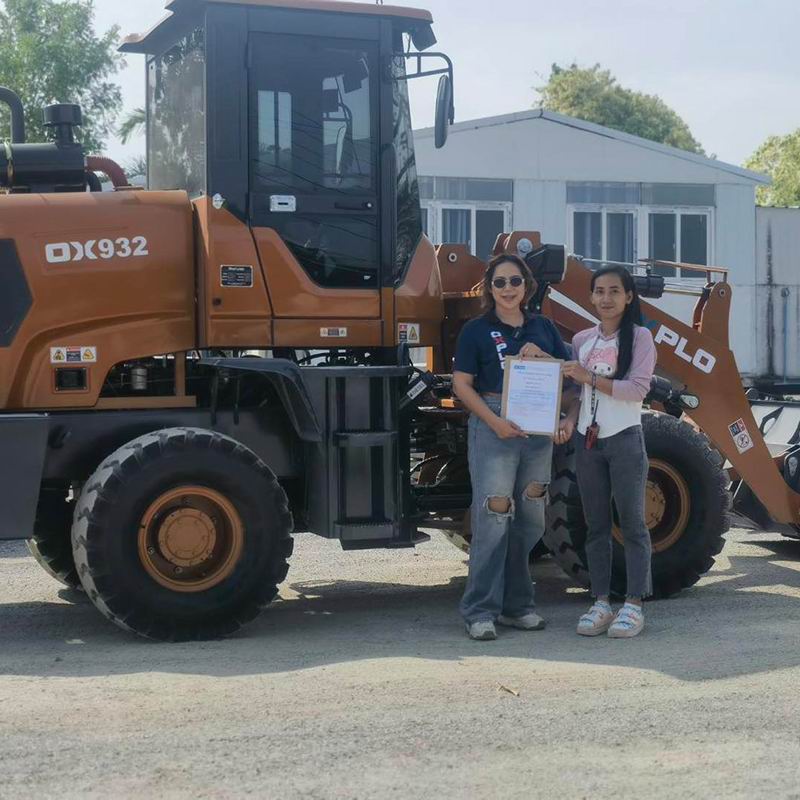
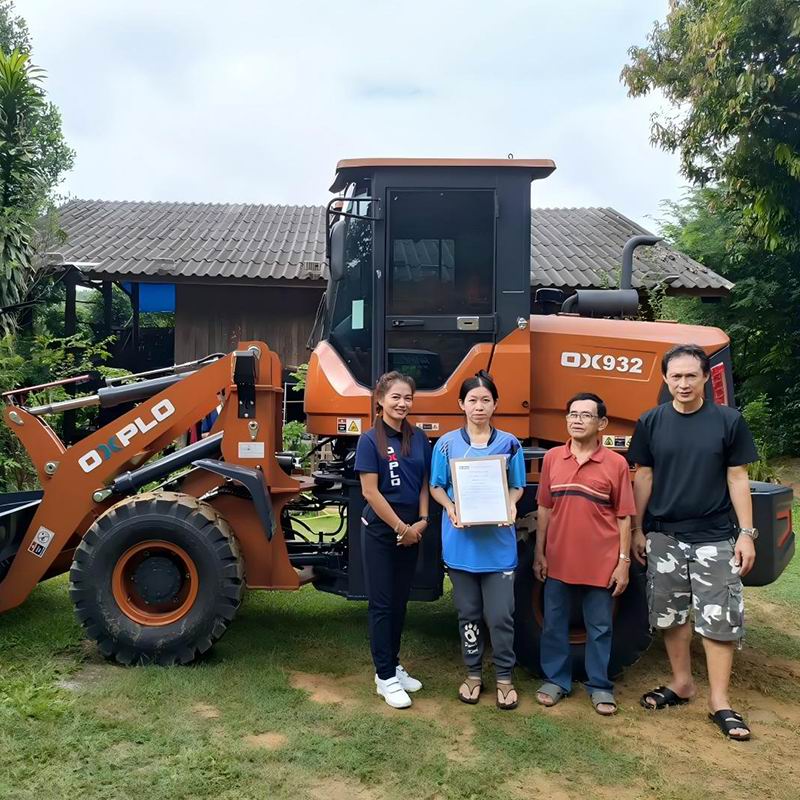
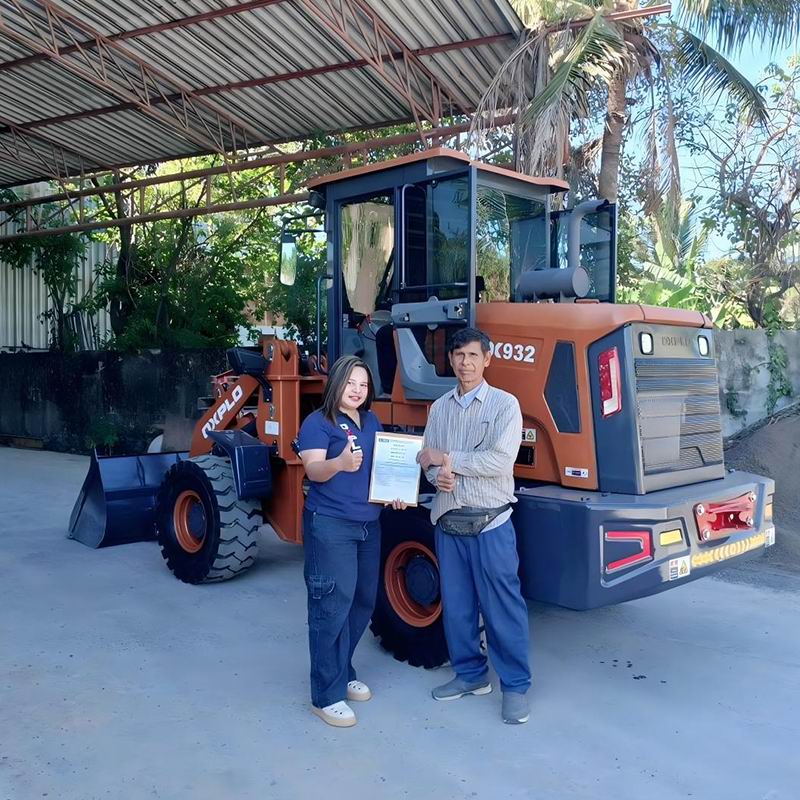
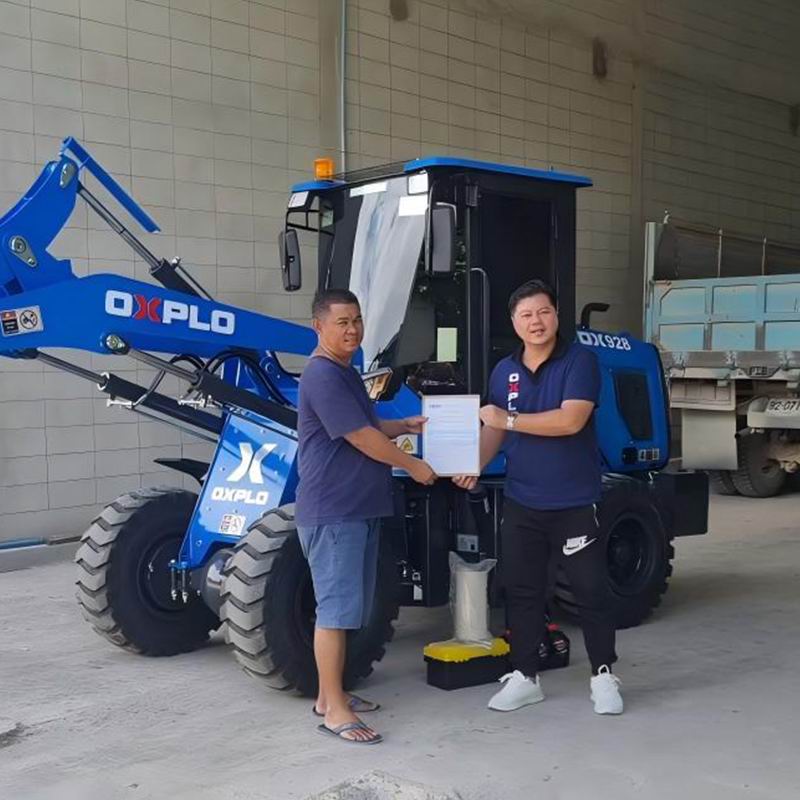
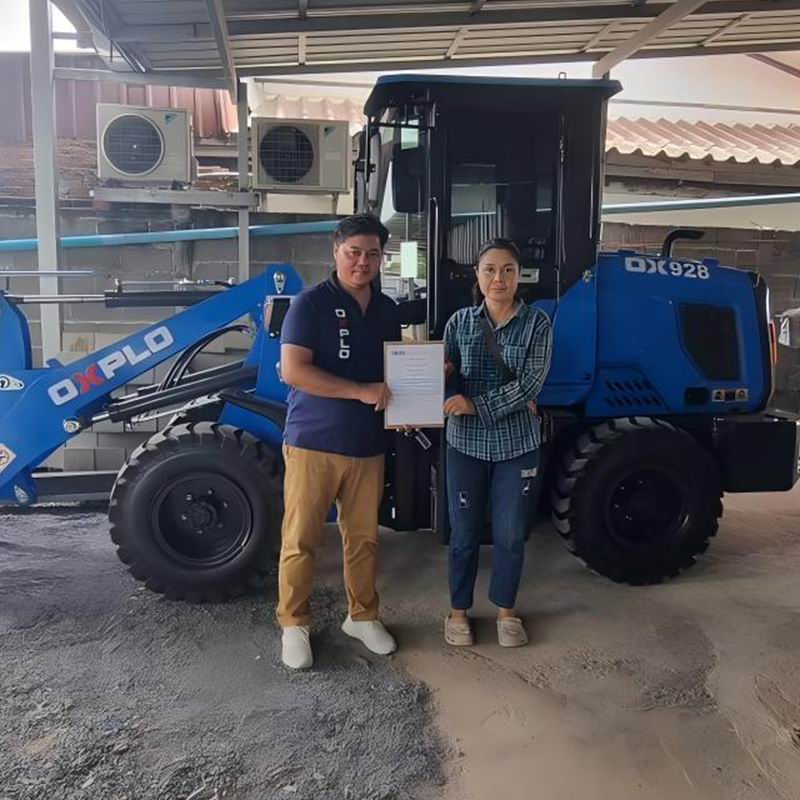
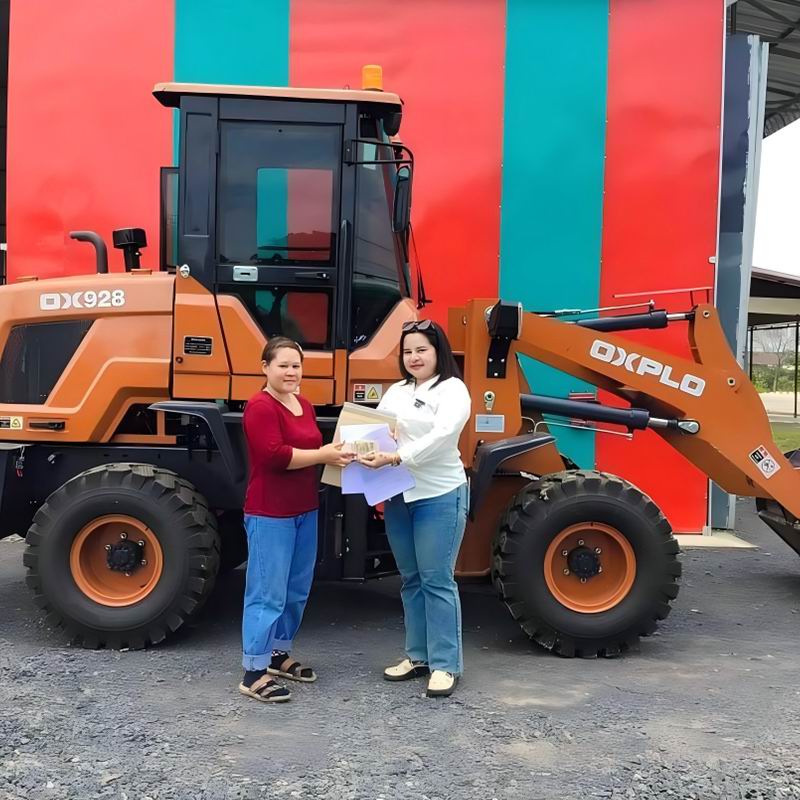
customer case
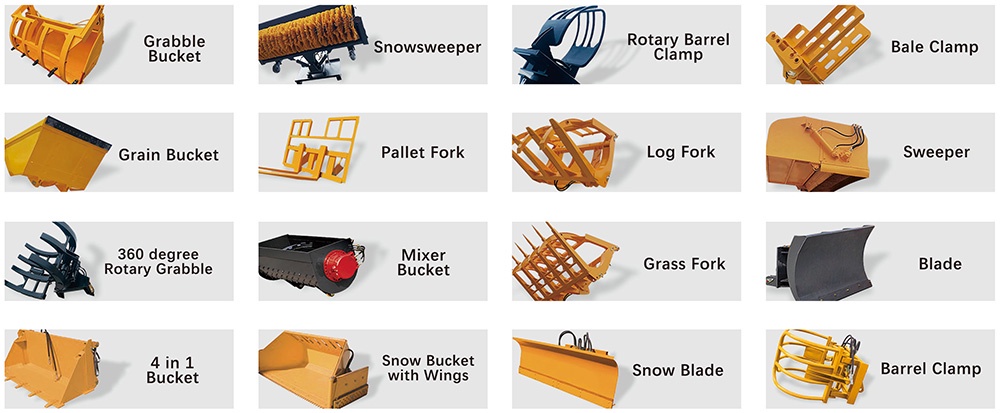
Wheel Loader Attachments
OXPLO provides a variety of spare parts support.
OXPLO's advantages
Let us introduce our products & factory to you
What makes us different
Why Choose Us
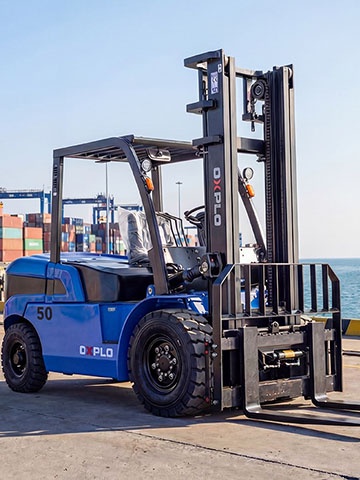
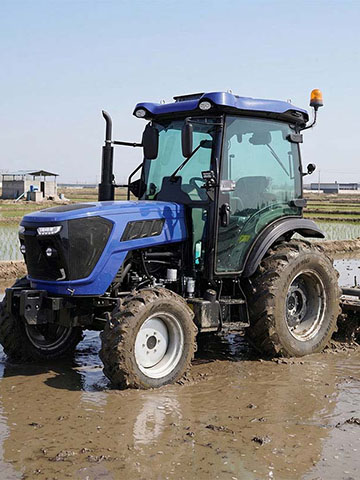
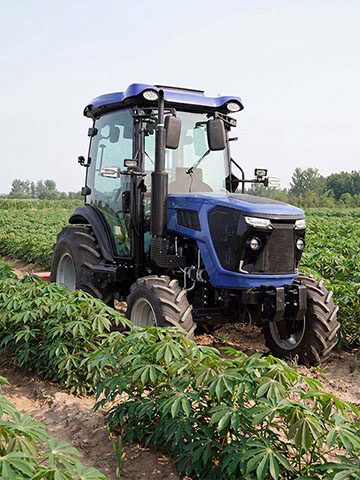
OXPLO specializes in the supply of forklifts, wheel loaders and tractors, providing reliable machinery solutions for material handling, construction and agricultural industries
Thailand Headquarters & SEAN Regional Operations
Headquartered in Thailand, with established firms and local service teams in the Philippines.
Reliable After-Sales & Spare Parts Support
We offer full after-sales care, including maintenance support and spare parts supply.
Factory Direct Supply
Direct factory operation ensures superior quality and a stable supply.
Quick Response & Service
Our local SEAN teams deliver rapid response, on-site service and expert technical help.
High-Performance Equipment
Built for tough jobs, our gear delivers robust power, steady performance and efficiency.
Application Scenarios
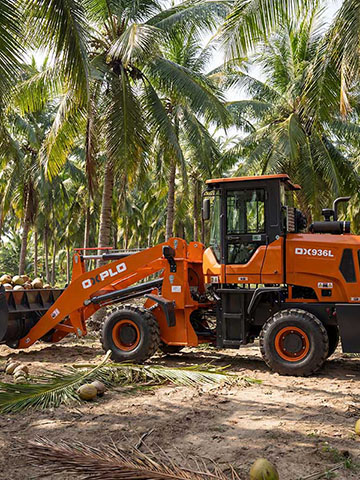
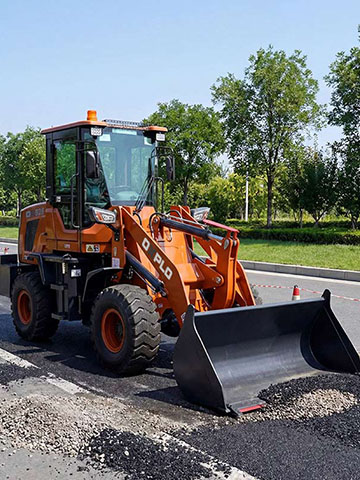
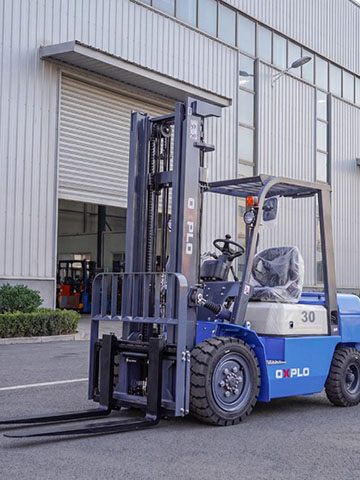
Our products are widely used in various fields such as warehousing,
construction, municipal roads, agriculture
about OXPLO
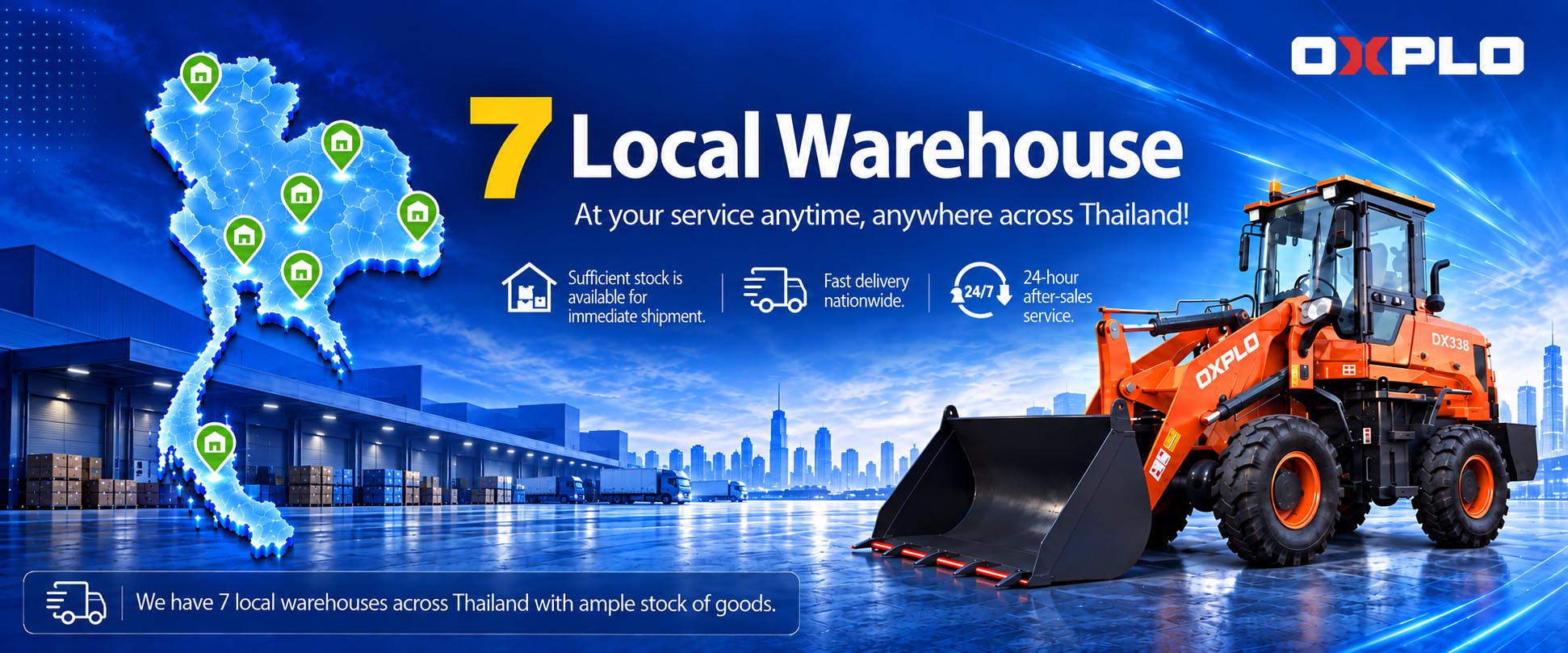
OXPLO is headquartered in Vannok District, Ayutthaya Province, Thailand, with five new branch offices in Khon Kaen, Nakhon Ratchasima, Ubon Ratchathani, Chiang Mai, and Phatthalung Provinces. The company's core competitive advantage lies in its "fast and efficient after-sales service and on-site problem-solving capabilities." OXPLO provides a comprehensive service guarantee system. Having cultivated the Thai market for many years, OXPLO not only provides excellent loaders, industrial forklifts, and off-road forklifts, but also offers one-stop service from procurement financing to after-sales support through comprehensive local support.







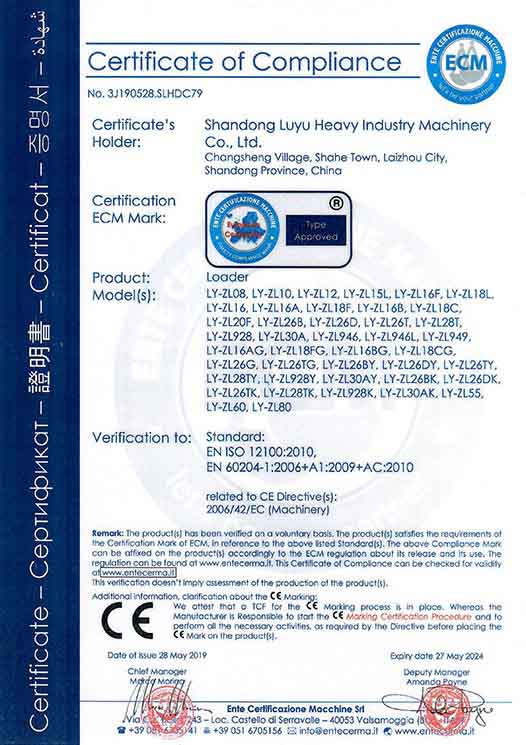
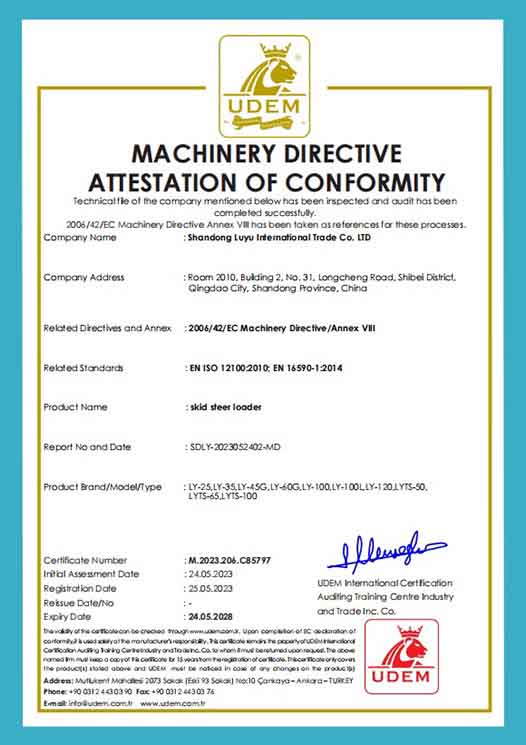
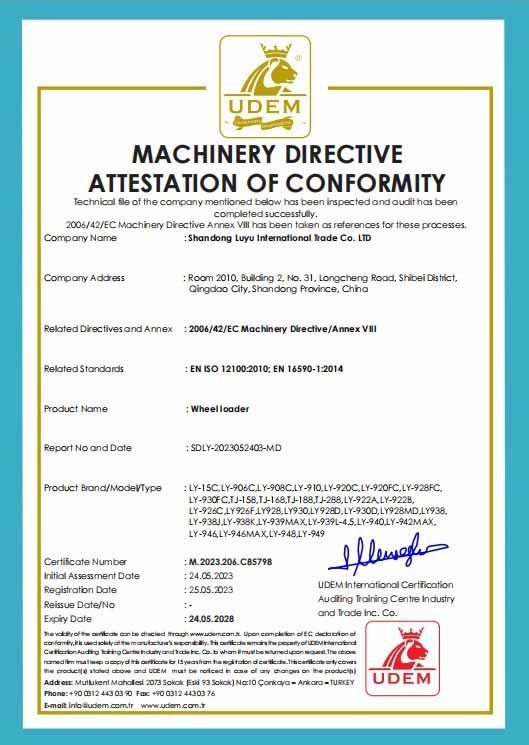
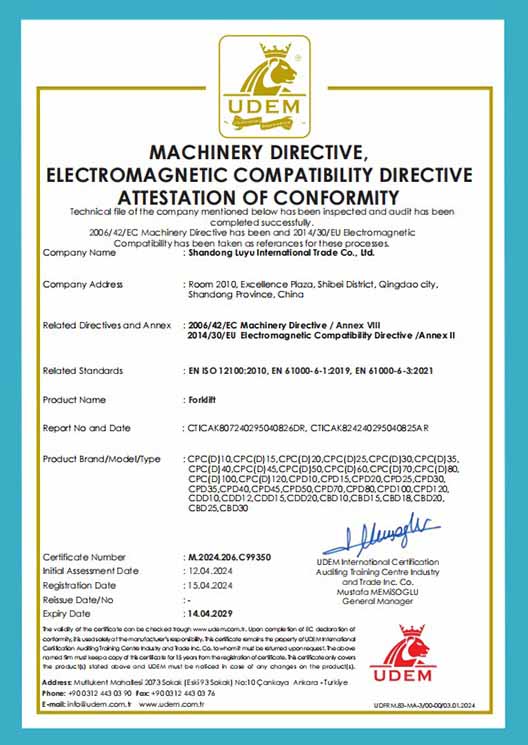
OUR CERTIFICATE
Wheel Loader FAQ
How much does a wheel loader cost?
The cost of a wheel loader varies depending on its rated load capacity, engine configuration, attachments, and optional features. Compact wheel loaders generally cost less than larger construction models. For an accurate quotation, contact OXPLO with your application requirements, preferred specifications, and destination country.
What is the fuel consumption of a wheel loader?
Fuel consumption depends on the loader size, engine power, operating conditions, and workload. Compact wheel loaders typically consume less fuel than larger models used in heavy-duty construction. Proper maintenance, efficient operating practices, and selecting the right machine size can help reduce fuel costs and improve productivity.
What is the lifting capacity of a wheel loader?
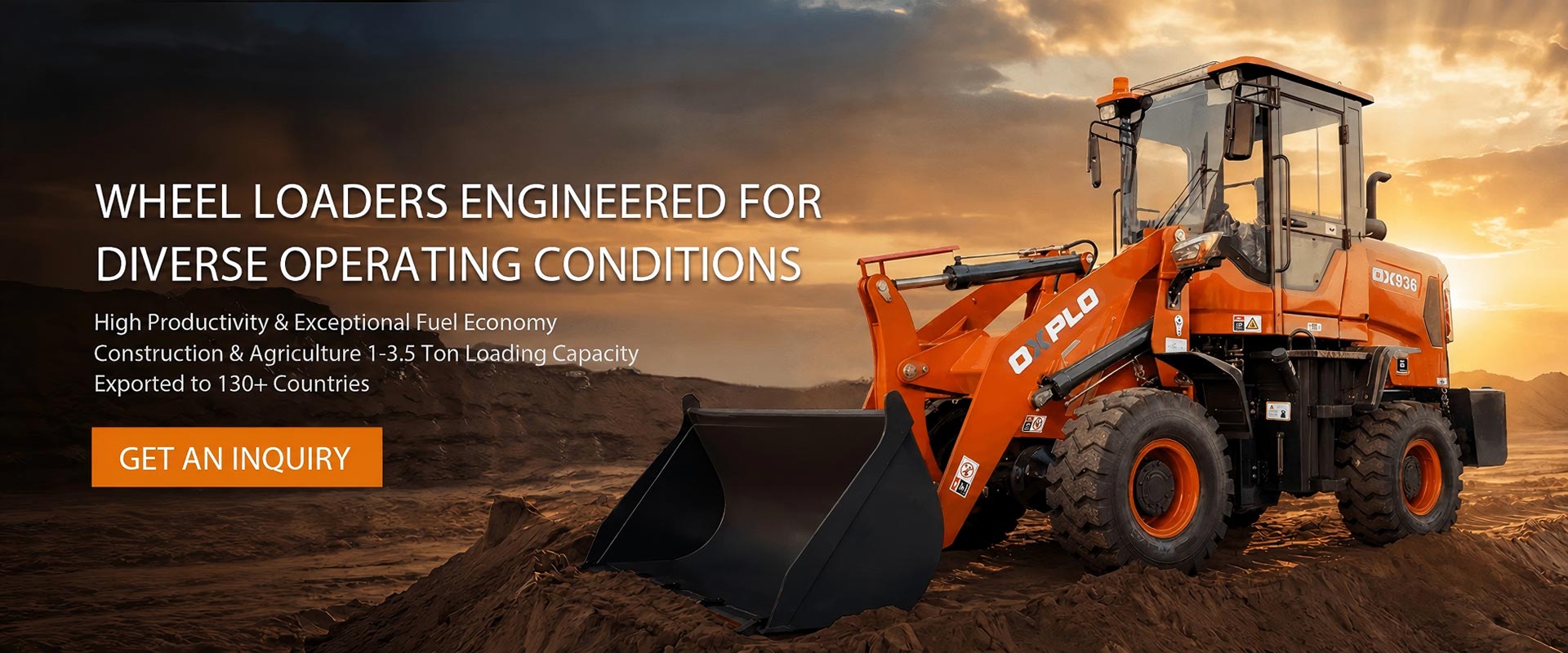
A wheel loader's lifting capacity is determined by its rated load. OXPLO offers wheel loaders with rated load capacities ranging from approximately 1.6 tons to 5 tons, making them suitable for agriculture, construction, material handling, and industrial applications. Always select a machine with sufficient capacity for your intended workload.
Can a wheel loader be used with pallet forks?
Yes. Many OXPLO wheel loaders can be equipped with pallet forks through a quick coupler system. This allows the machine to handle palletized goods, construction materials, agricultural products, and warehouse cargo, making it a versatile alternative to dedicated material handling equipment in certain applications.
How often should a wheel loader be serviced?
Regular maintenance is essential for maximizing machine performance and lifespan. Daily inspections should include checking engine oil, hydraulic fluid, coolant levels, and tire condition. Scheduled maintenance intervals vary by model and operating hours, but following the manufacturer's maintenance guidelines can help prevent unexpected downtime and costly repairs.
What is the difference between a wheel loader and a skid steer loader?
The primary difference is size, lifting capability, and maneuverability. Wheel loaders generally offer higher lifting capacities, larger buckets, and better performance for moving bulk materials over longer distances. Skid steer loaders are more compact and excel in confined spaces where tight turning and versatility are required. The best choice depends on your job site conditions and application needs.
What engine brands are available on OXPLO wheel loaders?
OXPLO wheel loaders are available with different engine configurations depending on the model and market requirements. Engine options may include reliable diesel engines designed to deliver strong performance, fuel efficiency, and easy maintenance. Please contact our sales team for specific engine options available in your region.
Do you provide operator training and technical support?
Yes. OXPLO provides after-sales support and technical assistance to help customers operate and maintain their equipment efficiently. Our team can offer guidance on machine operation, routine maintenance, troubleshooting, and spare parts support to ensure long-term reliability and productivity.