




Hidden Risks in Selecting a 3 Ton Forklift
When purchasing a forklift, most companies focus first on three figures: rated capacity, lift height, and purchase price. Whether the warehouse floor can support the machine over years of operation is often reduced to a vague statement: “It is a concrete floor, so it should be fine.”
That assumption conceals a significant engineering risk.
A forklift rated for 3 tons does not impose only 3 tons on the floor. Truck service weight, cargo, mast, attachments, and dynamic forces generated during travel all pass through the tires into the slab. Under full load, a large share of the combined weight shifts to the front axle, so the load beneath one front tire may be far higher than a buyer expects.
Selecting a 3 Ton Forklift therefore requires more than confirming that the truck can lift a 3,000 kg load. The truck must also be compatible with the slab, aisles, loading docks, weak structural points, and the site's actual material-handling cycle.
I. A 3 Ton Forklift's Rated Capacity Is Not the Load Applied to the Floor
Rated capacity is a lifting-performance figure
A 3 ton rating normally means that the forklift can safely handle 3,000 kg at a specified load center, with a defined mast and at a stated lift height. That rating is conditional, not universal.
• The cargo must not exceed 3,000 kg.
• The cargo's center of gravity must remain within the specified load center.
• The truck must retain the mast, forks, tires, and attachments covered by the rating.
If any of these conditions changes, both residual lifting capacity and axle-load distribution may change. Consider two loads that each weigh 3,000 kg. A 1,000 mm-long load may place its center of gravity about 500 mm from the fork face. A 1,400 mm-long load may move that point to about 700 mm. A sideshifter, fork extension, clamp, or unusually shaped load can move the effective load center farther forward.
The cargo still weighs 3 tons, but the overturning moment around the front axle has increased. Residual capacity decreases, and the demand on the front axle and floor can rise.
The floor carries the entire operating mass
Operating mass = Truck service weight + Cargo + Unaccounted attachments or accessories
If a 3 Ton Forklift weighs approximately 4.2 tons and carries 3 tons, the floor supports an operating mass close to 7.2 tons—not 3 tons. That 7.2 tons is not divided equally among four tires. A counterbalanced forklift uses the front axle near the mast as a principal fulcrum. When the truck is loaded, the front axle carries most of the combined mass, while the rear axle retains the reaction needed for stability and steering.
A simple “7.2 tons divided by four tires” calculation is therefore not a valid design check. A proper review should begin with data for the exact delivered configuration:
• Unladen front-axle load
• Unladen rear-axle load
• Laden front-axle load
• Laden rear-axle load
• Standard tire size and tire type
• Recommended tire pressure, where applicable
• Rated load center
• Truck weight with the selected mast, battery, cab, and attachments
Without these figures, a floor-capacity assessment is an informed guess rather than an engineering decision.
II. Why a “Tons per Square Meter” Rating Does Not Prove Forklift Compatibility
Uniformly distributed loads and concentrated wheel loads are different
Warehouse drawings often state that a floor is designed for 30 kN/m² or 3 tons/m². Buyers then compare that number directly with forklift weight. The comparison is incomplete.
A floor rating expressed per square meter may describe a uniformly distributed load spread over a broad area. Forklift tires produce concentrated wheel loads over relatively small contact patches. The average load across the warehouse may be modest while local stress beneath one front tire is high.
Preliminary single-wheel load ≈ Axle load ÷ Number of tires on that axle
Even this is only a preliminary screen. Cornering, braking, floor unevenness, tire deformation, and load eccentricity can prevent the two tires on one axle from sharing the load equally.
Tire contact area changes local pressure
Average contact pressure ≈ Single-wheel load ÷ Actual tire contact area
A smaller contact area produces higher average pressure. Solid, pneumatic, and cushion tires can therefore affect the slab differently even when installed on forklifts with the same rated capacity. Solid tires resist punctures and simplify maintenance, but they provide less cushioning. At joints, potholes, or damaged areas, they may transmit sharper impacts to the slab and truck.
Pneumatic tires generally provide more cushioning on rough surfaces, but pressure, wear, and maintenance affect the real contact condition. Tire selection should consider more than service life:
• Floor flatness and surface condition
• Slab surface strength
• Construction and movement joints
• Travel speed and braking behavior
• Turning frequency
• Risk of nails, metal fragments, or other sharp debris
• The proportion of indoor and outdoor travel
III. The Most Vulnerable Areas Are Often Not at the Center of the Slab
Movement joints and construction joints
An intact area of concrete and the edge of a joint do not behave in the same way. When a fully loaded 3 Ton Forklift repeatedly crosses a joint, its wheels impose cyclic impact on both slab edges. If joint filler has failed, edges have chipped, or adjacent panels are uneven, deterioration can accelerate.
• Joint-edge spalling
• Higher tire impact and vibration
• Load instability
• Additional vibration transmitted to the mast, bearings, and steering system
• Lower safe travel speed
• Irregular tire wear
In practice, many warehouse floors do not fail first because the center of the slab is globally too weak. Damage often begins at joints exposed to frequent wheel crossings.
Drains, trenches, covers, and inspection openings
Drainage channels, cable trenches, weighing areas, and inspection covers are local weak points along forklift routes. A cover may be suitable for pedestrians, carts, or occasional road vehicles but unsuitable for repeated passes by a loaded forklift.
• The cover's allowable concentrated load
• Whether a tire can pass over the center or unsupported edge
• Corrosion or damage to the supporting frame
• The relationship between tire width and support spacing
• Whether the forklift brakes or turns while on the cover
“Can cross occasionally” and “can cross 200 times per day at full load” are fundamentally different duty cycles.
Loading docks and suspended floors
A slab-on-ground is supported by its base and subgrade. A suspended warehouse floor, mezzanine, or loading platform transfers load through a structural system. The two cases require different checks.
• Allowable concentrated wheel loads
• Beam and column locations
• Forklift travel direction relative to structural spans
• Whether multiple trucks may enter the same bay simultaneously
• Overlap between temporary cargo storage and forklift routes
• Braking impact near ramps, dock edges, and slab boundaries
A suspended floor that can store several tons of palletized goods is not automatically suitable for repeated forklift traffic. Static storage and moving wheel loads create different structural demands.
IV. Five Common Selection Mistakes and Their Hidden Costs
Mistake 1: The heaviest load is below 3 tons, so a 3 ton truck must be enough
Rated capacity should not be selected from net cargo weight alone. If a company routinely moves 2.8–3.0 ton loads on long pallets, at a forward load center, or with a sideshifter, a 3 Ton Forklift may operate continuously near its limit. The truck may still lift the load, but stability margin, hydraulic performance, braking distance, and floor loading may be less favorable.
• Maximum gross load, including pallet and packaging
• Actual horizontal and vertical center of gravity
• Maximum lift height
• Attachment weight and effective thickness
• Percentage of each shift spent at or near full load
• Ramps, gradients, turns, and dock approaches
Mistake 2: A larger forklift is always safer
A higher-capacity truck can provide more lifting reserve, but it also creates trade-offs. It may have greater service weight, higher axle and wheel loads, a wider turning envelope, higher aisle-width requirements, more expensive tires and brake components, and greater energy use. An oversized truck can be a new structural risk in an older warehouse.
A 4 ton forklift is not automatically more suitable than a 3 Ton Forklift. The objective is to balance lifting reserve, floor conditions, aisle efficiency, and operating cost.
Mistake 3: No visible cracking means the floor is adequate
Floor damage is often cumulative. Early symptoms may be failed joint sealant, slight surface scaling, dusting, or small edge defects. Repeated loaded travel can then extend cracks, increase slab rocking, and enlarge joint damage.
• Floor-repair costs
• Closed aisles and disrupted production
• Reduced forklift speed
• Interrupted rack access
• Accelerated tire and component wear
• Higher risk of load instability or product damage
“No crack is visible today” is not a structural verification method.
Mistake 4: Only static weight is checked
Loads are relatively stable when the truck moves slowly in a straight line. Local demand changes during hard braking, rapid cornering, travel through a transition at the bottom of a ramp, crossing a joint, one-sided wheel impact, or travel with the load elevated.
A company may use a dynamic amplification factor for internal screening, but it should not adopt an arbitrary fixed percentage as a final design value. A structural engineer should select the appropriate allowance based on speed, floor condition, route geometry, traffic frequency, and structural form.
Mistake 5: A compliant forklift eliminates the need to redesign traffic routes
Even if the truck and slab pass separate checks, a poor traffic plan can create local overload and fatigue. Several forklifts waiting at one dock concentrate load in a small area. Repeated turning across the same damaged joint creates cyclic lateral and impact forces.
• Move loaded routes away from slab edges, covers, and damaged joints.
• Limit speed in structurally sensitive zones.
• Separate waiting positions for multiple trucks.
• Relocate frequent turning points to intact slab areas.
• Strengthen only the high-frequency route where appropriate.
V. A Practical Floor-Assessment Workflow for a 3 Ton Forklift
Step 1: Build a real load profile
Do not ask only, “What is the heaviest load?” Record actual movements for at least one or two representative weeks. The objective is to distinguish an occasional 3 ton lift from continuous full-load work.
Step 2: Obtain configuration-specific truck data
A 3 Ton Forklift quotation should be supported by technical data for the final delivered configuration, not just a generic sales brochure.
• Truck service weight
• Laden and unladen axle loads
• Tire sizes and tire type
• Capacity chart or de-rating curve
• Mast model and mast weight
• Residual capacity after attachment installation
• Capacity at the required lift height
• Minimum turning radius and right-angle stacking aisle width
Changing the mast, battery, tire package, cab, or attachment can alter truck mass and weight distribution. The final data sheet must match the machine being delivered.
Step 3: Draw a route-risk map
Overlay full-load traffic frequency on the warehouse plan and classify the route:
• Red: slab edges, drains, damaged joints, ramp transitions, dock plates, suspended slabs, and frequent braking or turning zones.
• Amber: normal joints, multi-truck intersections, rack ends, and waiting areas.
• Green: intact floor, straight travel, and no known local structural weakness.
Locations where high-frequency loaded travel overlaps red zones should receive priority inspection, route changes, or strengthening.
Step 4: Give the structural engineer wheel-load data—not only total truck weight
1. Maximum laden front-axle load
2. Number of front wheels, wheel track, and tire arrangement
3. Tire size and estimated contact area
4. Travel speed and daily pass count
5. Slab thickness, concrete strength, and reinforcement details
6. Base, subgrade, beam, or suspended-floor information
7. Joint positions and documented defects
8. Turning, braking, ramp, or edge-loading conditions
The engineer may need to assess local bending, punching, joint transfer, edge loading, subgrade response, and fatigue—not simply compare total mass with a tons-per-square-meter figure.
VI. How to Apply the OXPLO CPD30 Data Correctly
Consider the OXPLO CPD30 Electric Forklift. The published specification lists a rated lifting capacity of 3,000 kg, a 500 mm load center, and a truck service weight of 4,190 kg.
4,190 kg truck + 3,000 kg rated load = 7,190 kg operating mass
That 7,190 kg figure is the beginning of the floor review, not the final wheel load. The buyer should still use the laden axle loads for the exact OXPLO configuration to determine front-wheel demand and then account for route-specific dynamic conditions.
These values must be considered together. The 2,515 mm turning radius, for example, affects more than geometric clearance. If the aisle is marginal, operators may need extra reversing, braking, and steering corrections. Those maneuvers increase tire scrubbing and repeated localized demand on the floor.
For a warehouse application, OXPLO should not stop at the question, “Do you need a 3 ton forklift?” A useful selection review also gathers:
• Maximum cargo weight and dimensions
• Pallet entry direction
• Rack and lift height
• Narrowest usable aisle width
• Joints, ramps, covers, and dock conditions
• Daily operating hours and loaded-cycle frequency
• Required attachments
• Indoor-to-outdoor travel ratio
With those inputs, OXPLO can determine whether the CPD30 fits the application or whether the customer should compare 2.5 ton, 3 ton, or higher-capacity alternatives.
VII. Reducing Floor and Fleet TCO Through Correct Selection
Forklift total cost of ownership extends beyond purchase price. Floor repairs, tire wear, closed aisles, truck downtime, cargo damage, and delivery disruption belong in the same decision.
Annual hidden cost = Floor repair + Downtime + Route closure + Abnormal tire wear + Damage and safety-event cost
If a loading aisle is closed for two days to repair joint damage, the cost includes more than concrete work. It may include detours, longer handling time, waiting trucks, lower forklift utilization, congestion, overtime, and missed dispatch windows.
For warehouse, manufacturing, and logistics projects, OXPLO recommends a three-level decision:
1. Capacity fit: Can the OXPLO 3 Ton Forklift safely handle the real load at the real load center and lift height?
2. Space fit: Do turning radius, aisle width, mast height, doors, ramps, and docks suit the truck?
3. Structural fit: Are laden axle loads, single-wheel loads, traffic frequency, and weak route areas acceptable for the floor?
Only when all three tests are satisfied is the OXPLO CPD30 truly suited to the project—not merely capable of lifting 3,000 kg on a specification sheet.
VIII. FAQ
Q1: Does a warehouse floor need to support only 3 tons when a 3 Ton Forklift is fully loaded?
A1: No. The floor supports the forklift, cargo, and any additional configuration weight. For the OXPLO CPD30, the published 4,190 kg truck weight plus a 3,000 kg rated load gives an operating mass of approximately 7,190 kg. Exact front-axle and single-wheel loads must be confirmed from configuration-specific technical data.
Q2: Can a tons-per-square-meter floor rating prove that the forklift may operate safely?
A2: Usually not by itself. A tons-per-square-meter value may represent a uniformly distributed load, while forklift tires create concentrated wheel loads. Slab thickness, concrete strength, reinforcement, subgrade, joints, wheel positions, and dynamic actions also matter.
Q3: Are solid tires more likely to damage a warehouse floor?
A3: Solid tires do not automatically damage a floor, but they generally provide less cushioning than pneumatic tires. Impacts can be sharper when a loaded truck crosses damaged joints or potholes. OXPLO recommends matching tire type to floor condition, puncture risk, traffic intensity, and maintenance capability.
Q4: Is an OXPLO 3 Ton Forklift always sufficient for a 2.8 ton load?
A4: Not necessarily. Pallet weight, load dimensions, center of gravity, lift height, and attachment configuration must be included. A long load, forward center of gravity, sideshifter, or clamp can reduce residual capacity.
Q5: Why is a larger-capacity forklift not always safer?
A5: A larger truck can provide more capacity reserve, but it may also increase service weight, axle load, turning radius, aisle requirements, and operating cost. On an older slab or suspended floor, oversizing can create a new structural problem.
Q6: What site data should a buyer provide before ordering an OXPLO CPD30?
A6: Provide maximum load weight, dimensions, load center, lift height, aisle width, door clearances, ramp gradient, floor information, traffic frequency, and attachment requirements. OXPLO can use these inputs to verify capacity, space, and configuration fit.
Q7: Can an older warehouse operate a 3 Ton Forklift?
A7: It may be possible, but visual inspection alone is insufficient. Joints, cracks, slab edges, drains, dock areas, suspended floors, and available structural records should be reviewed. A structural engineer should assess areas with missing data or visible deterioration.
IX. Conclusion: Match the Entire Operating System, Not Just the Tonnage
Selecting a 3 Ton Forklift is not simply a search for a machine that can raise 3,000 kg. Cargo weight, load center, lift height, axle loads, tires, floor structure, and warehouse traffic must operate as one safe and sustainable system.
When floor conditions are ignored, an apparent saving in purchase price can reappear as slab repairs, tire damage, downtime, and delayed deliveries.
Before finalizing a CPD30 or another model, OXPLO recommends documenting the real duty cycle and verifying laden axle load, concentrated wheel load, and structurally sensitive route areas. This process helps ensure that an OXPLO 3 Ton Forklift provides the required capacity while protecting long-term TCO and warehouse productivity.
Explore the OXPLO forklift range or share your site data with the OXPLO technical and service team for a configuration review.
Customer Distribution
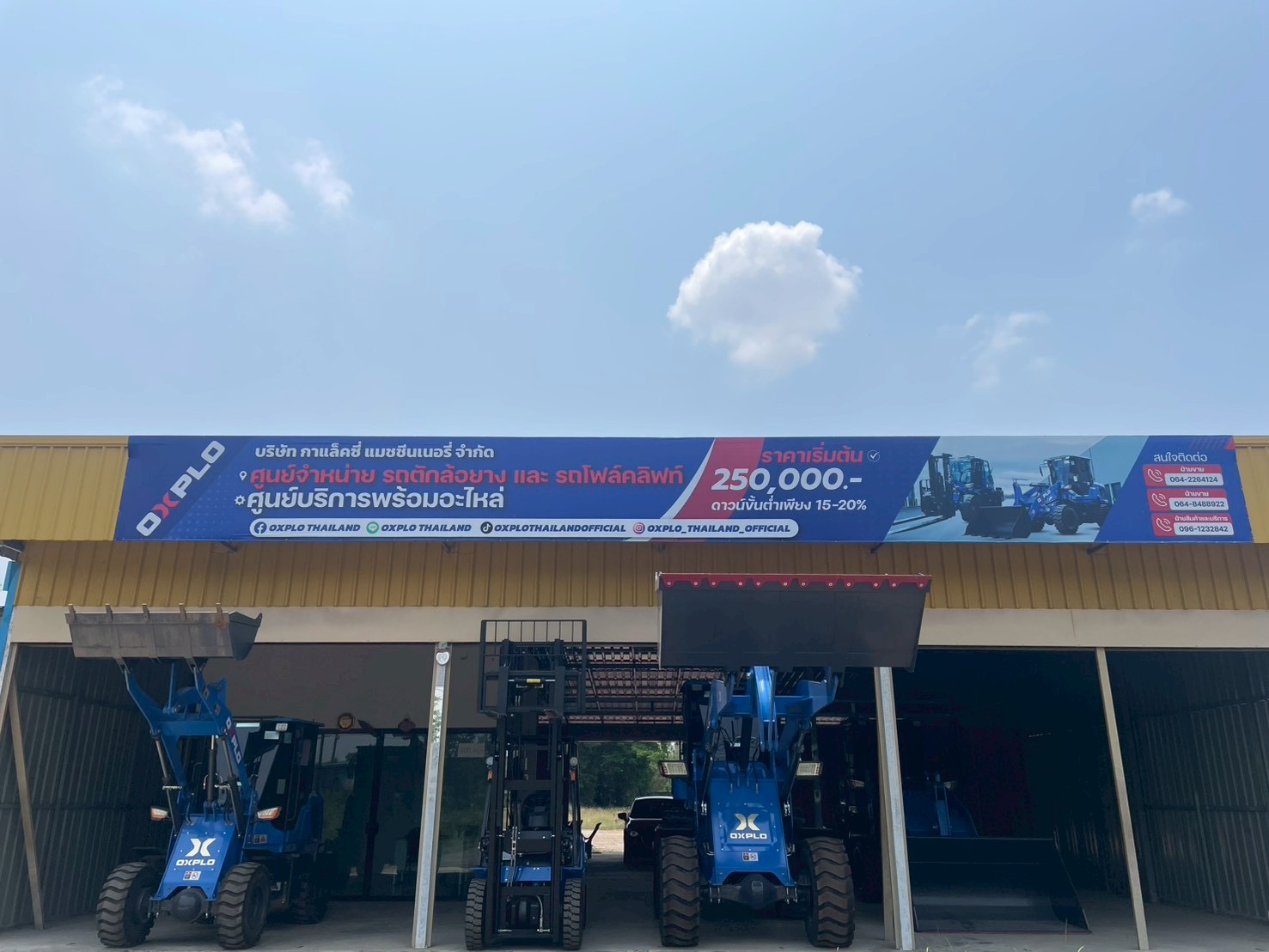
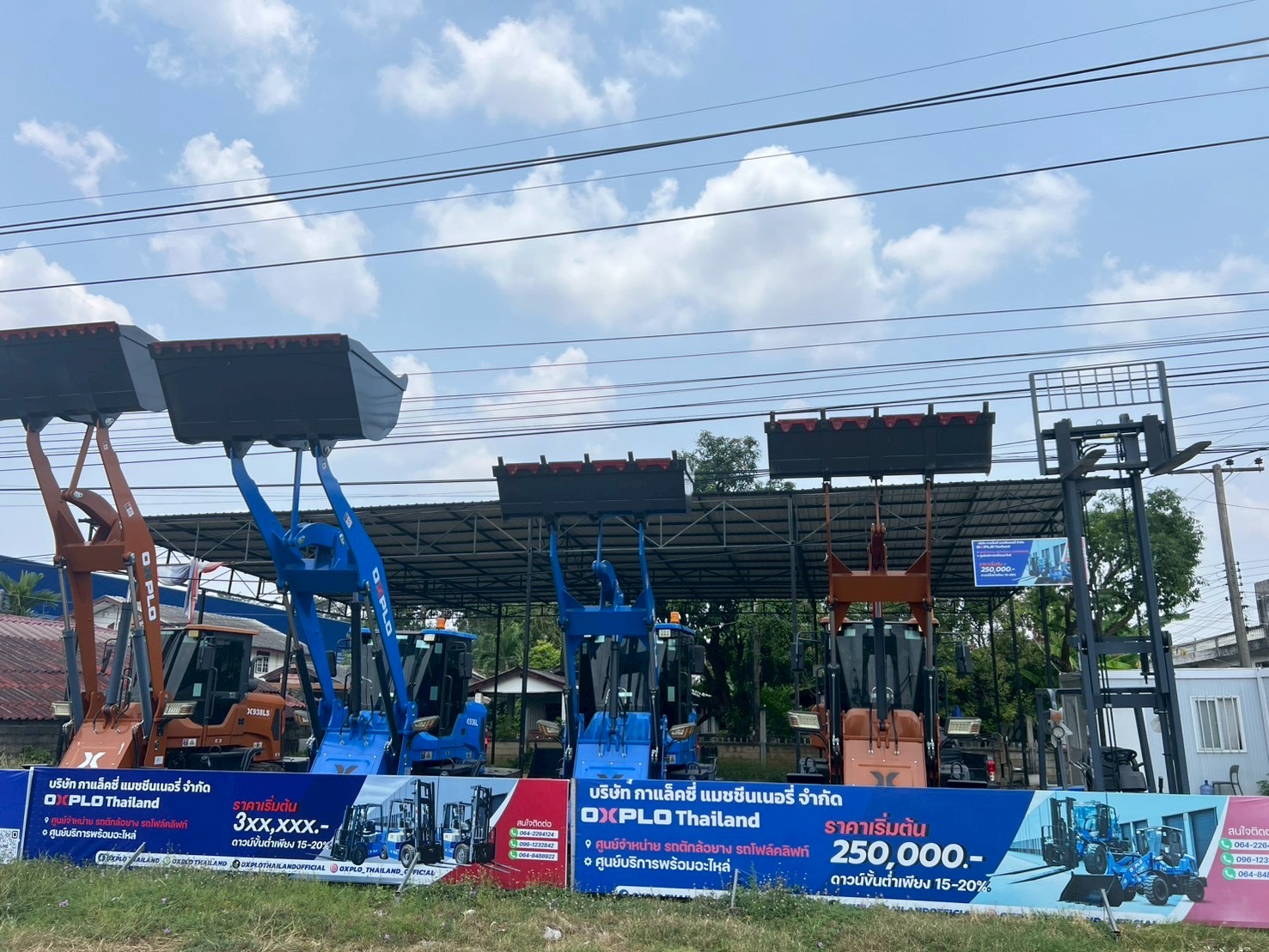
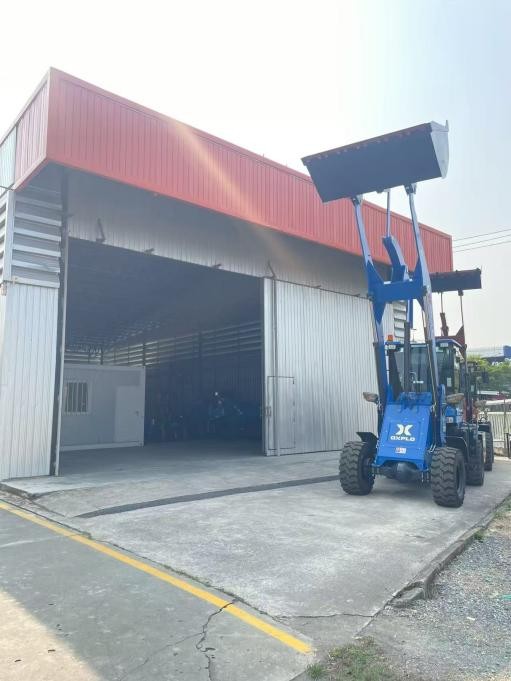
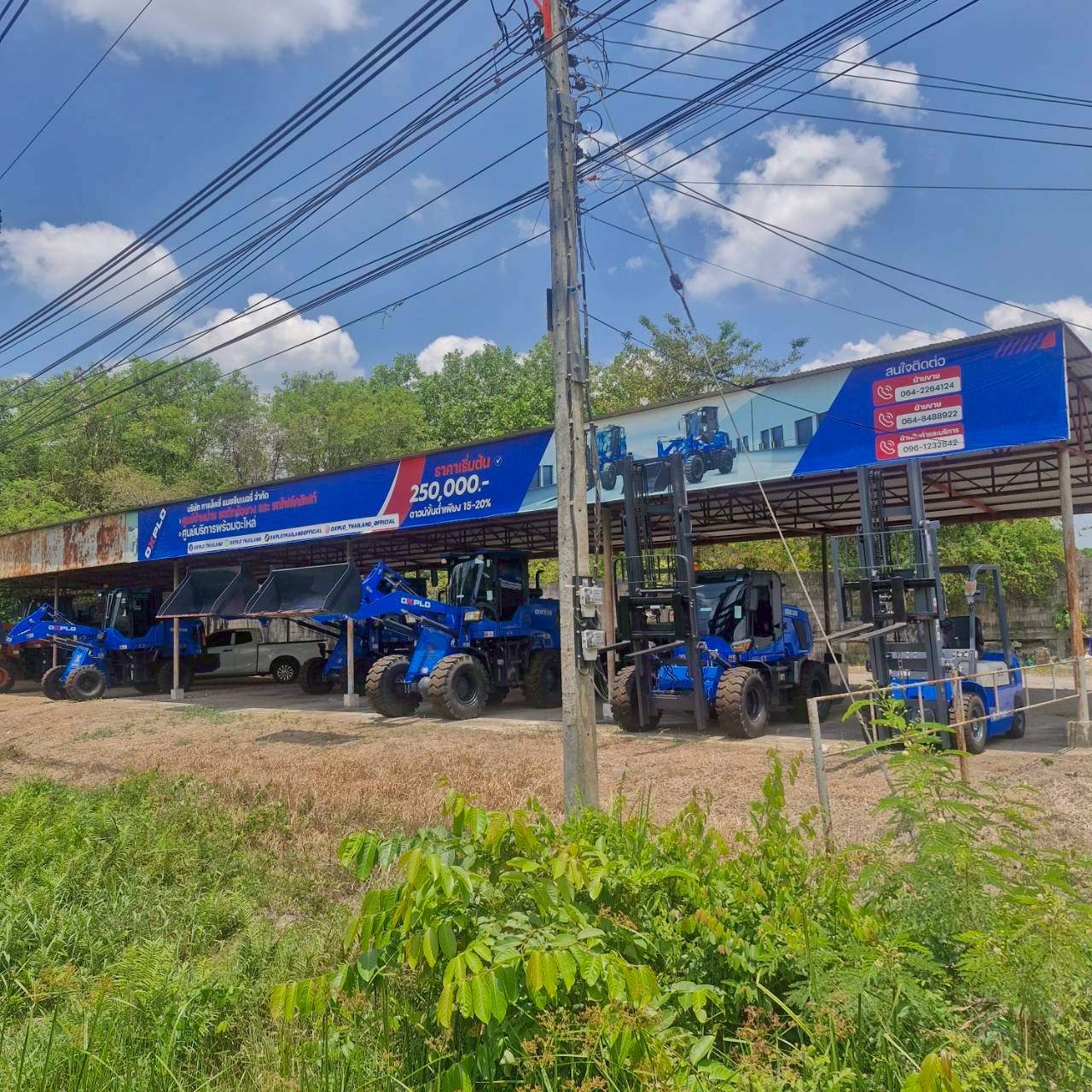
 Thailand-Ayutthaya
 Thailand-Khon Kaen
 Thailand-Nakhon Ratchasima
 Thailand-Ubon Ratchathani
 Thailand-Chiang Mai
 Thailand-Phthalum
, MAGUYAM ROAD, BRGY. MAGUYAM, SILANG, CAVITE") Philippines-ELITE GLOBUS WAREHOUSE(NO. 43 - OXPOWER MACHINERY INC.), MAGUYAM ROAD, BRGY. MAGUYAM, SILANG, CAVITE
Philippines-ELITE GLOBUS WAREHOUSE(NO. 43 - OXPOWER MACHINERY INC.), MAGUYAM ROAD, BRGY. MAGUYAM, SILANG, CAVITE
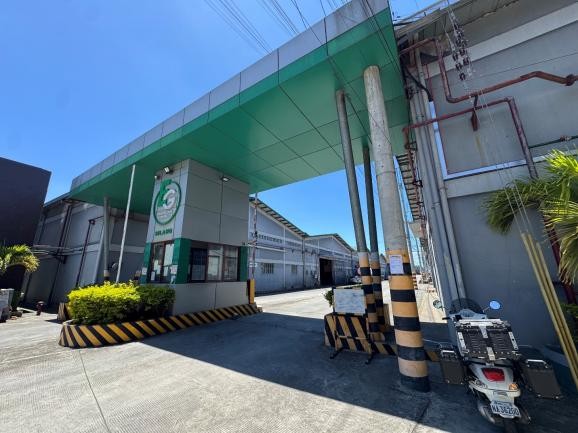
OUR OPERATiONS
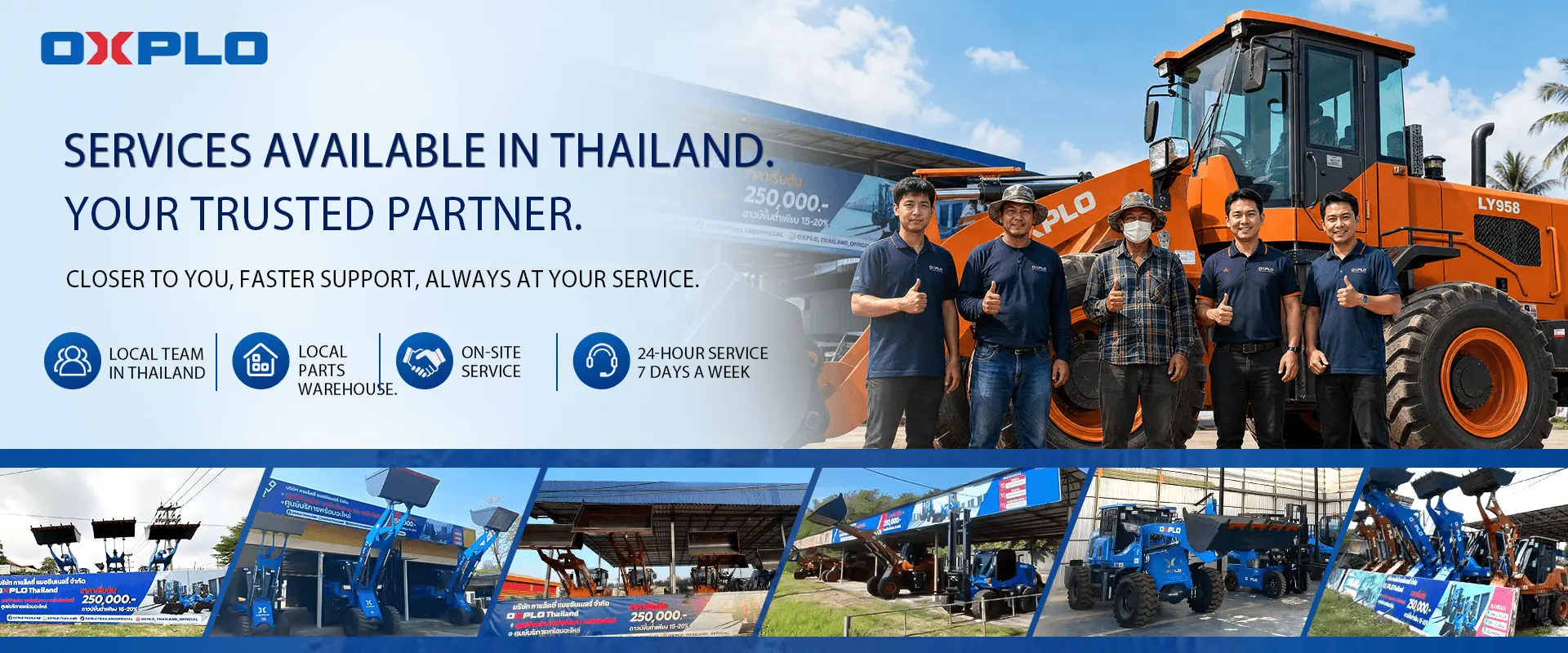
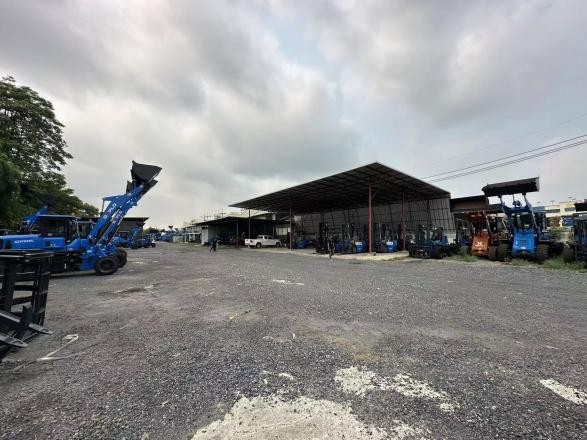
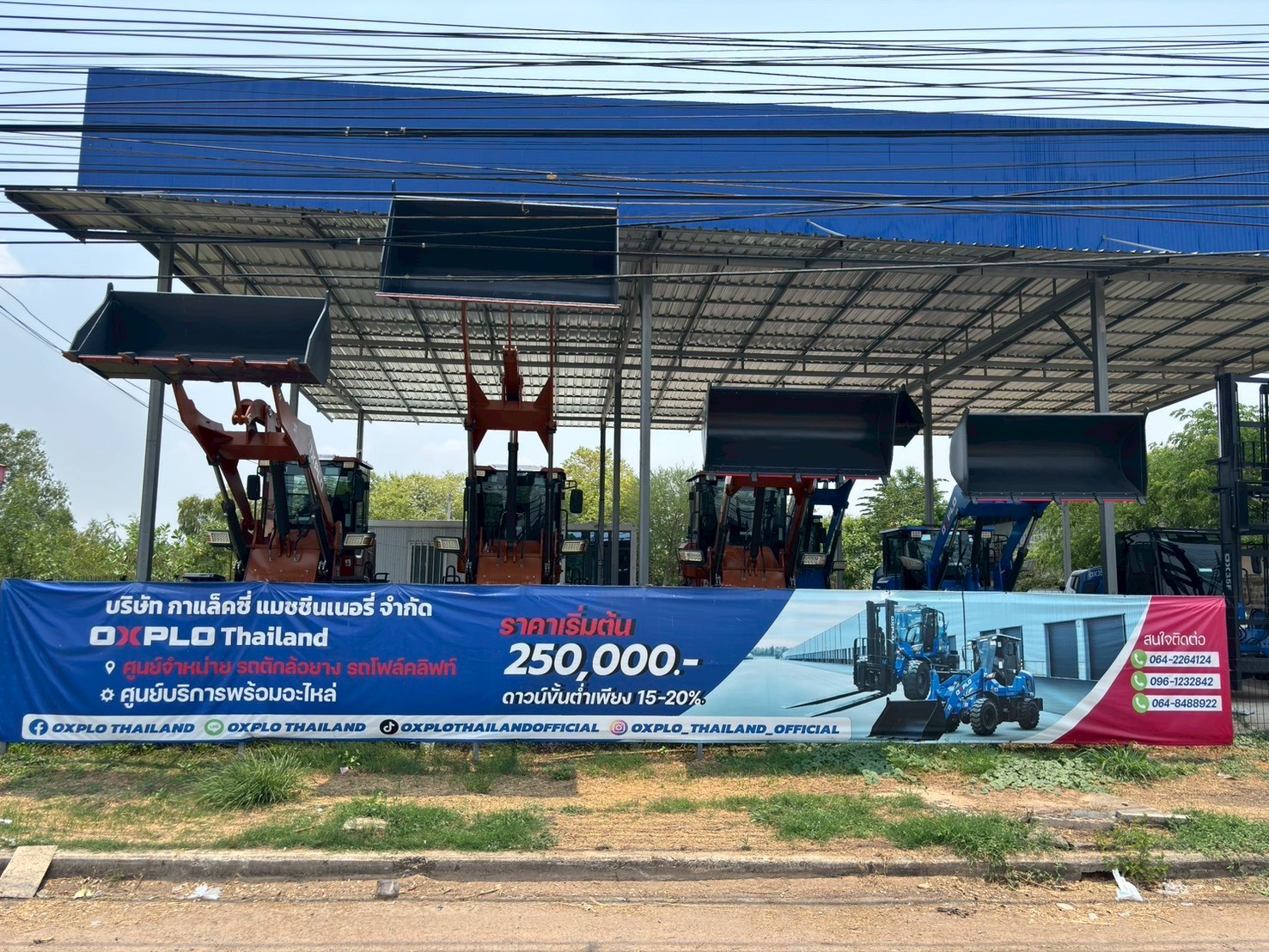
Our regional headquarters are located in Thailand, with independent operations company and service team in the Philippines. This multi-market presence enables us to provide customers throughout Southeast Asia with efficient communication, faster response times, and reliable local support.


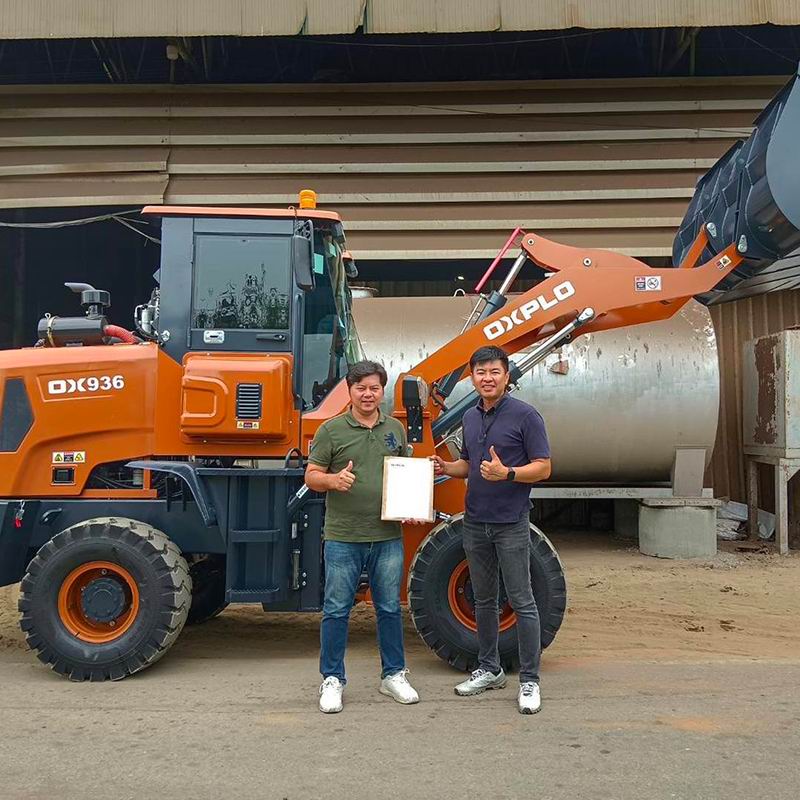
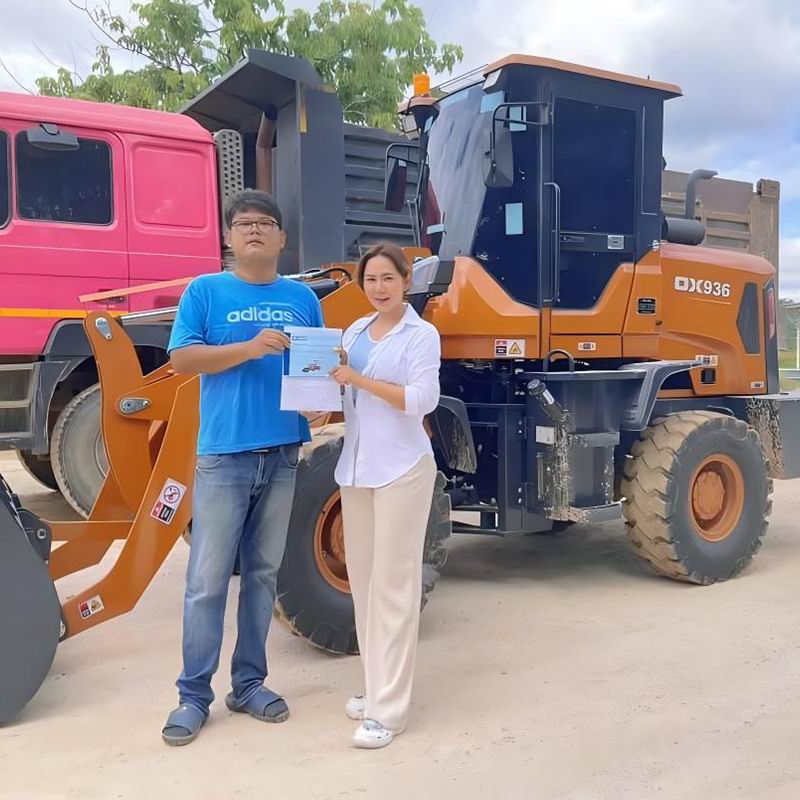
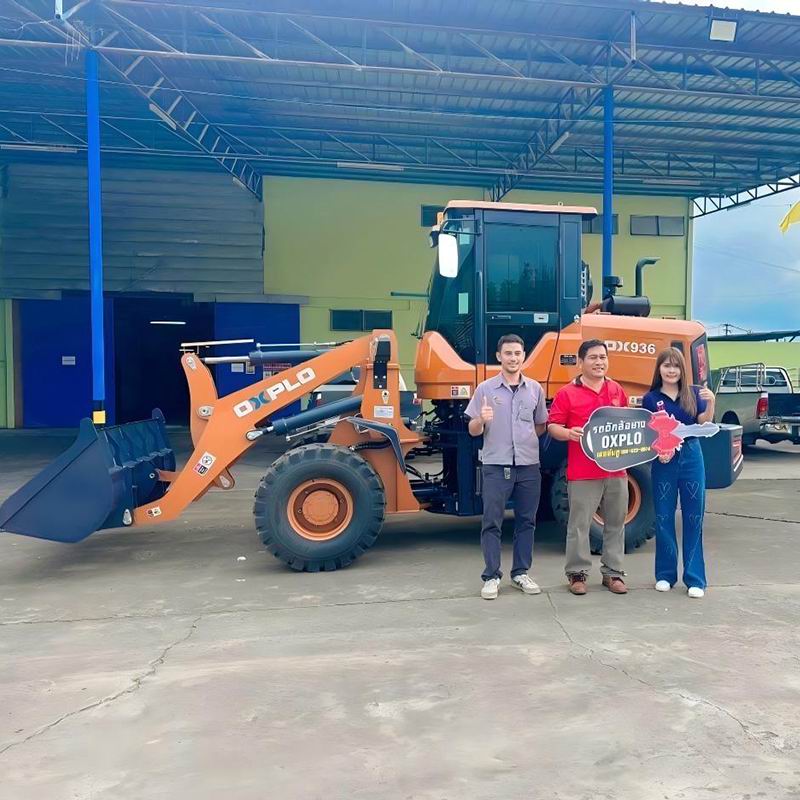
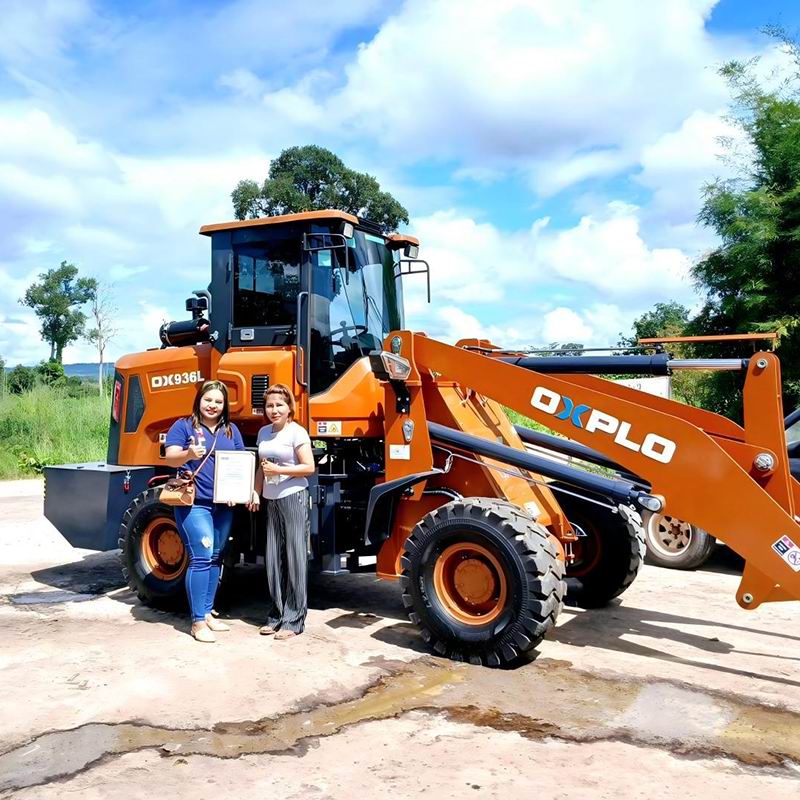
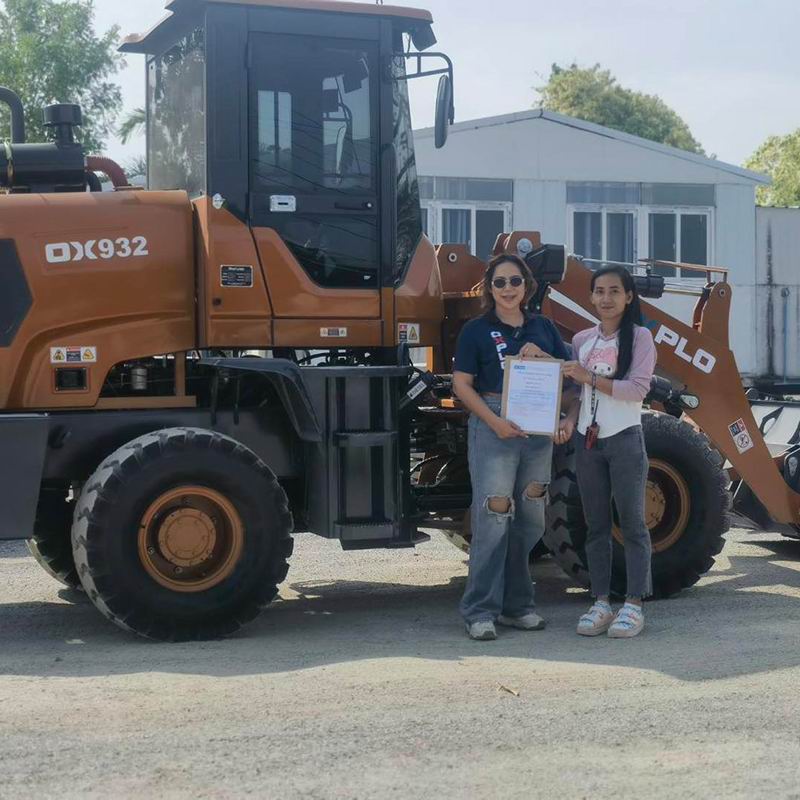
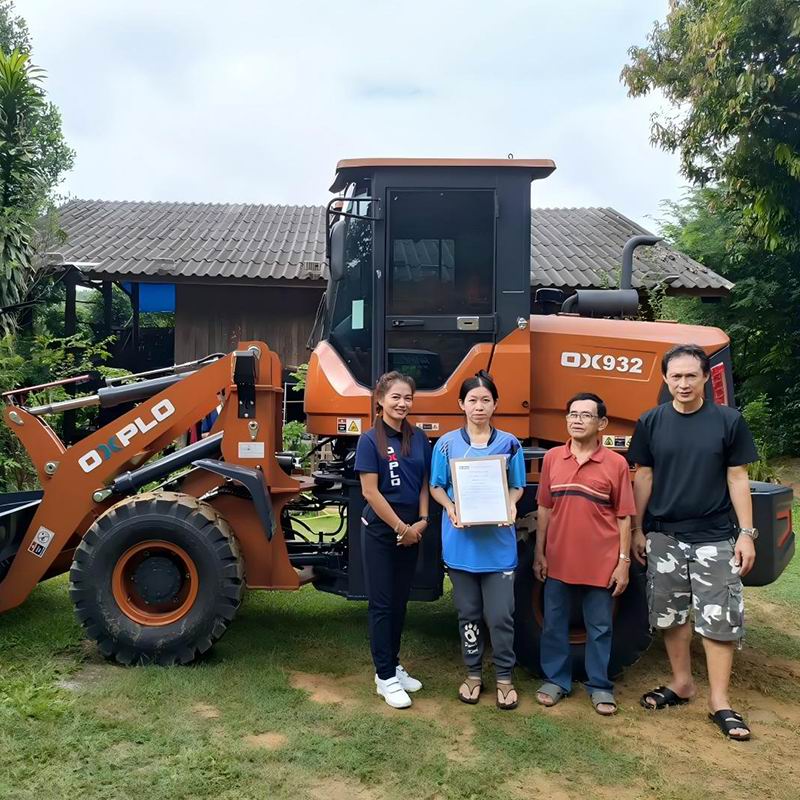
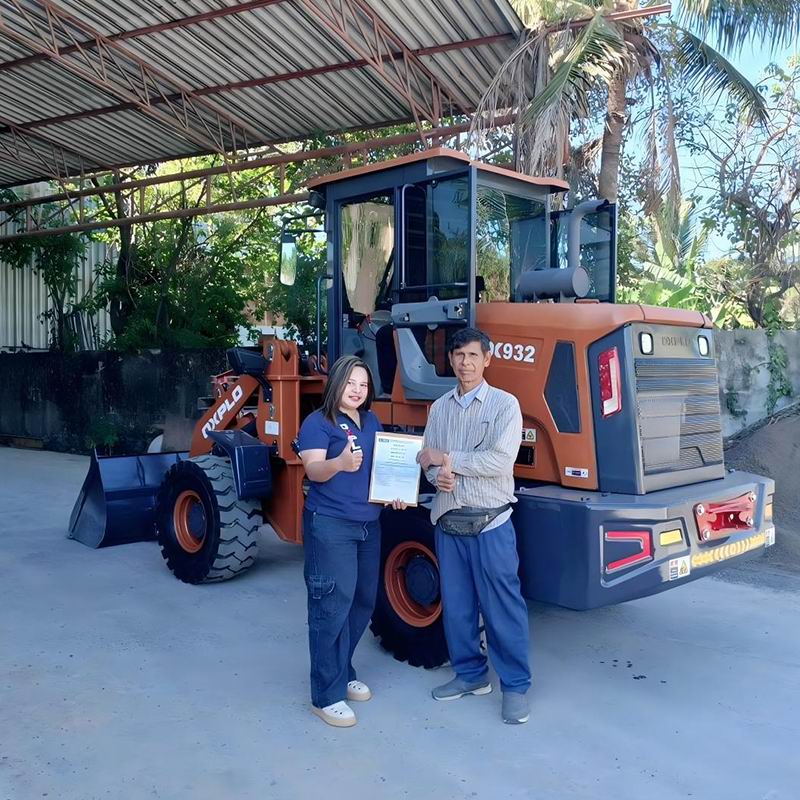
customer case
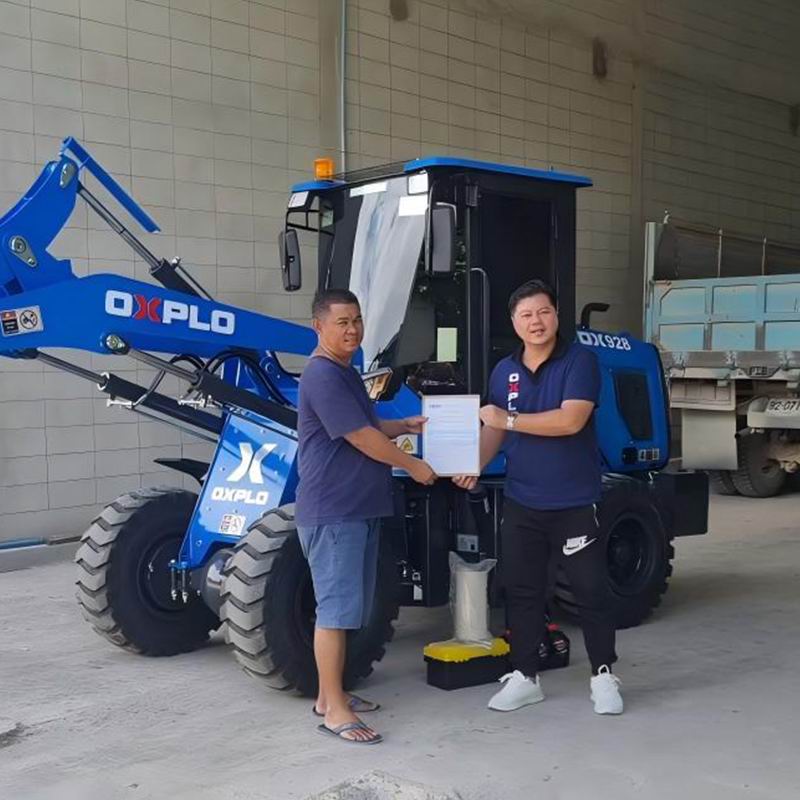
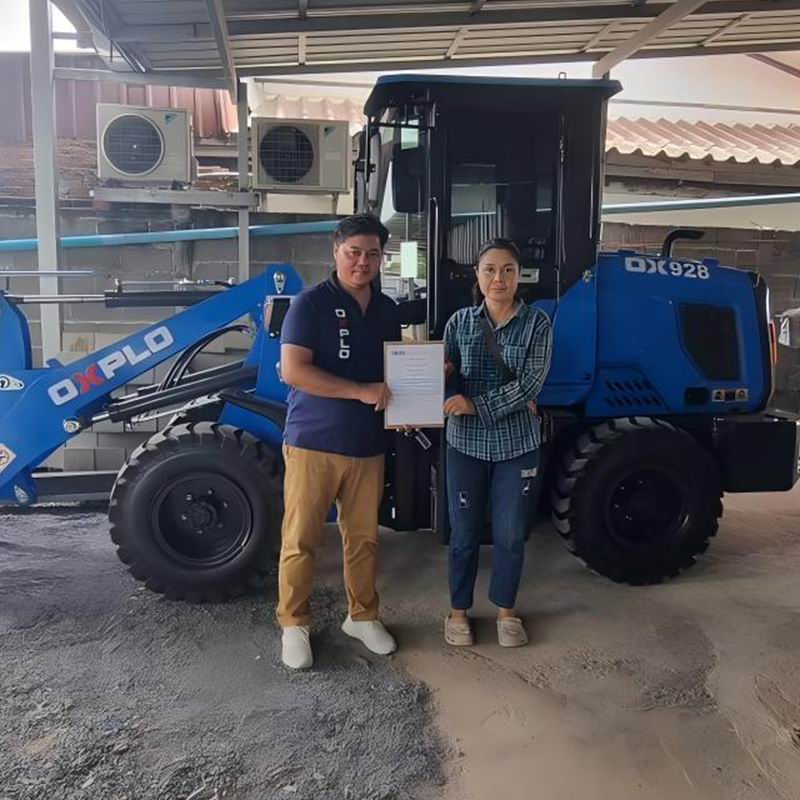
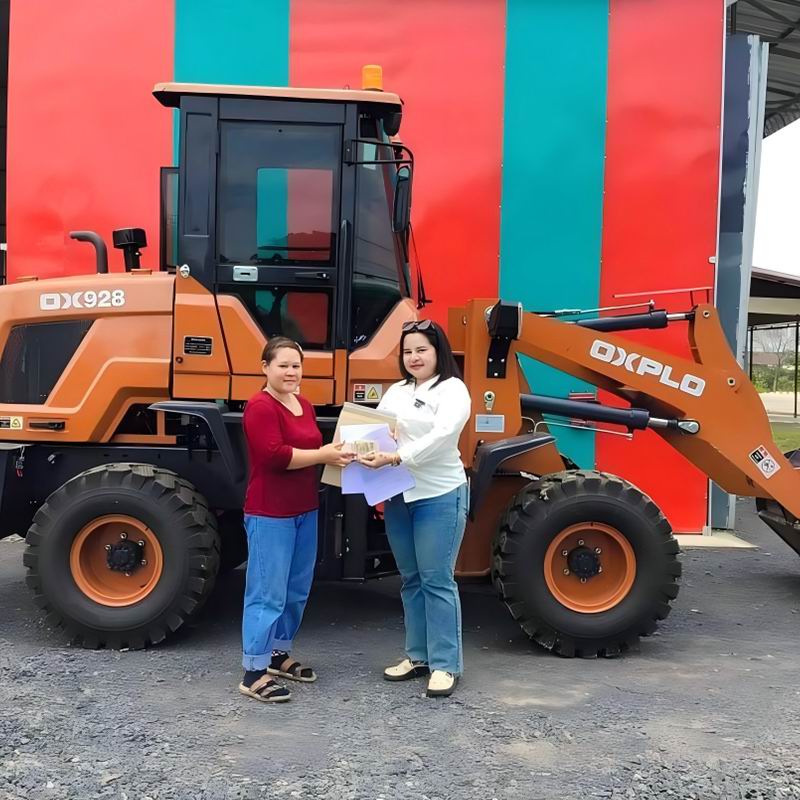
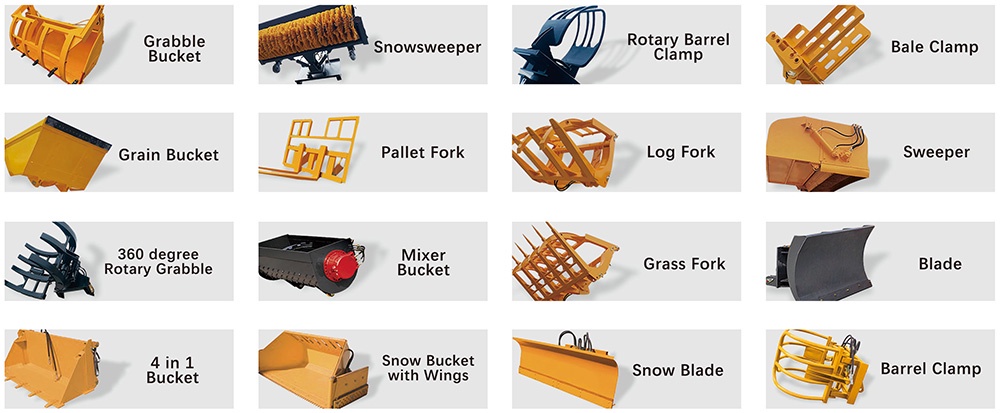
Wheel Loader Attachments
OXPLO provides a variety of spare parts support.
OXPLO's advantages
Let us introduce our products & factory to you
What makes us different
Why Choose Us
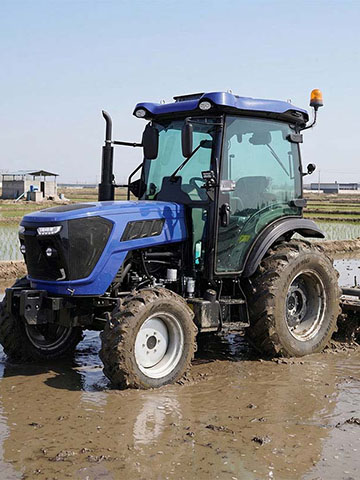
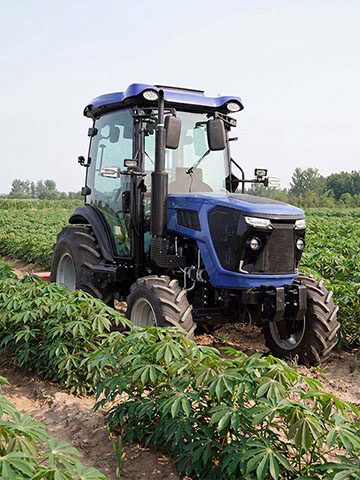
OXPLO specializes in the supply of forklifts, wheel loaders and tractors, providing reliable machinery solutions for material handling, construction and agricultural industries
Thailand Headquarters & SEAN Regional Operations
Headquartered in Thailand, with established firms and local service teams in the Philippines.
Reliable After-Sales & Spare Parts Support
We offer full after-sales care, including maintenance support and spare parts supply.
Factory Direct Supply
Direct factory operation ensures superior quality and a stable supply.
Quick Response & Service
Our local SEAN teams deliver rapid response, on-site service and expert technical help.
High-Performance Equipment
Built for tough jobs, our gear delivers robust power, steady performance and efficiency.
Application Scenarios
Our products are widely used in various fields such as warehousing,
construction, municipal roads, agriculture
about OXPLO
OXPLO is headquartered in Vannok District, Ayutthaya Province, Thailand, with five new branch offices in Khon Kaen, Nakhon Ratchasima, Ubon Ratchathani, Chiang Mai, and Phatthalung Provinces. The company's core competitive advantage lies in its "fast and efficient after-sales service and on-site problem-solving capabilities." OXPLO provides a comprehensive service guarantee system. Having cultivated the Thai market for many years, OXPLO not only provides excellent loaders, industrial forklifts, and off-road forklifts, but also offers one-stop service from procurement financing to after-sales support through comprehensive local support.







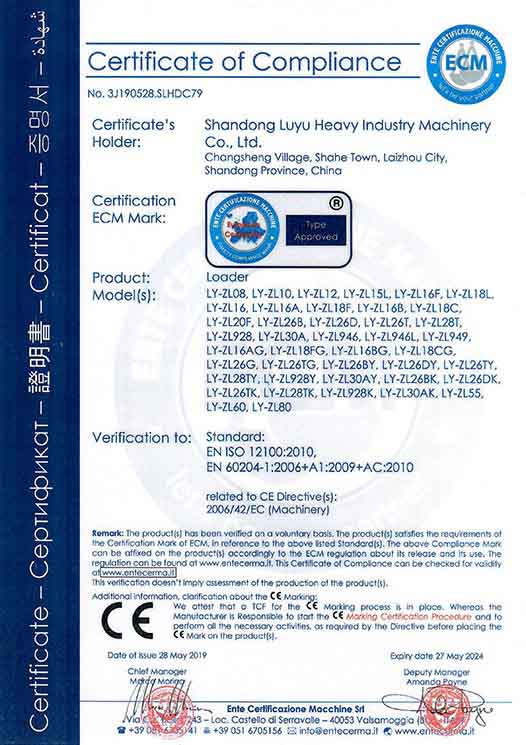
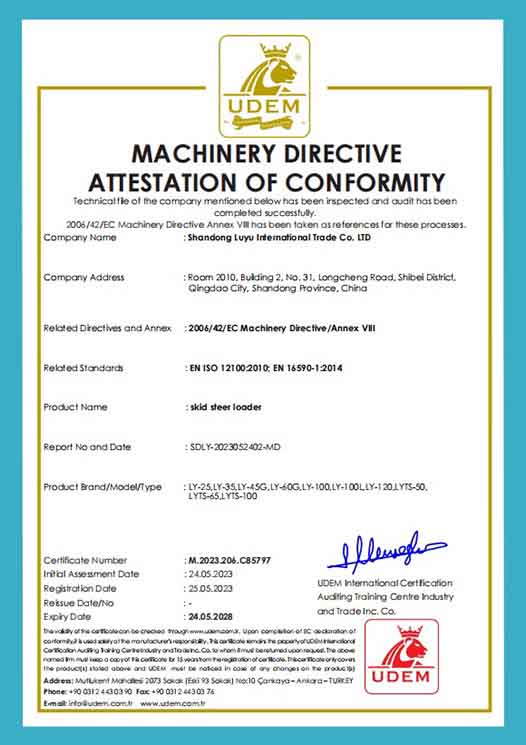
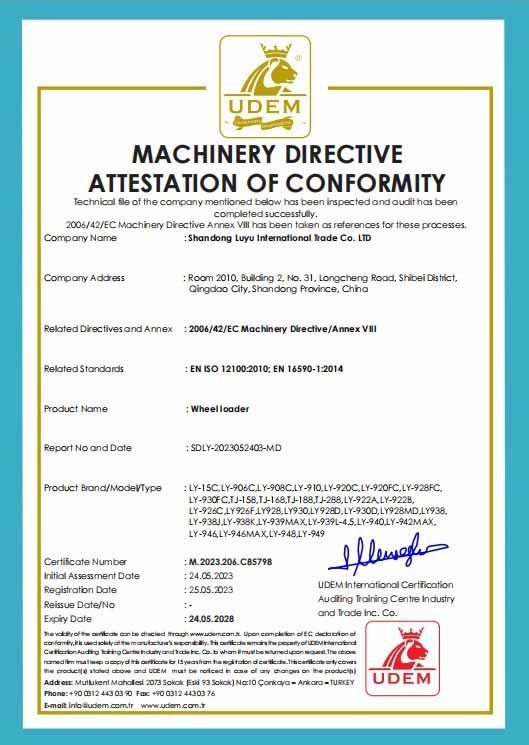
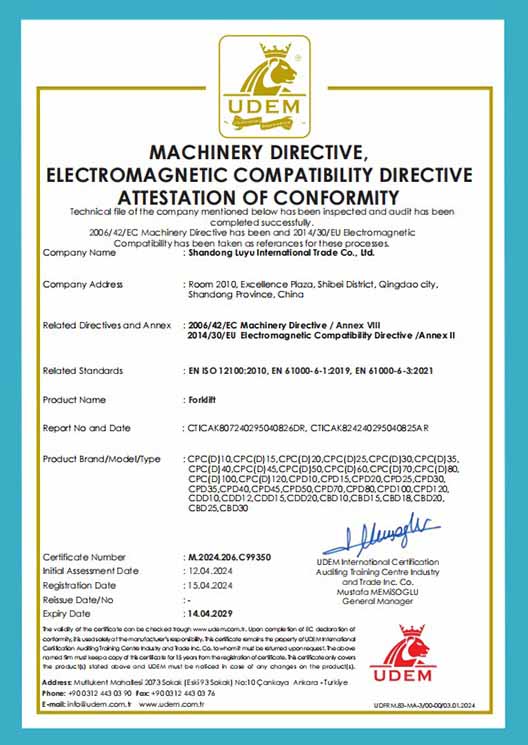
OUR CERTIFICATE
Wheel Loader FAQ
How much does a wheel loader cost?
The cost of a wheel loader varies depending on its rated load capacity, engine configuration, attachments, and optional features. Compact wheel loaders generally cost less than larger construction models. For an accurate quotation, contact OXPLO with your application requirements, preferred specifications, and destination country.
What is the fuel consumption of a wheel loader?
Fuel consumption depends on the loader size, engine power, operating conditions, and workload. Compact wheel loaders typically consume less fuel than larger models used in heavy-duty construction. Proper maintenance, efficient operating practices, and selecting the right machine size can help reduce fuel costs and improve productivity.
What is the lifting capacity of a wheel loader?
A wheel loader's lifting capacity is determined by its rated load. OXPLO offers wheel loaders with rated load capacities ranging from approximately 1.6 tons to 5 tons, making them suitable for agriculture, construction, material handling, and industrial applications. Always select a machine with sufficient capacity for your intended workload.
Can a wheel loader be used with pallet forks?
Yes. Many OXPLO wheel loaders can be equipped with pallet forks through a quick coupler system. This allows the machine to handle palletized goods, construction materials, agricultural products, and warehouse cargo, making it a versatile alternative to dedicated material handling equipment in certain applications.
How often should a wheel loader be serviced?
Regular maintenance is essential for maximizing machine performance and lifespan. Daily inspections should include checking engine oil, hydraulic fluid, coolant levels, and tire condition. Scheduled maintenance intervals vary by model and operating hours, but following the manufacturer's maintenance guidelines can help prevent unexpected downtime and costly repairs.
What is the difference between a wheel loader and a skid steer loader?
The primary difference is size, lifting capability, and maneuverability. Wheel loaders generally offer higher lifting capacities, larger buckets, and better performance for moving bulk materials over longer distances. Skid steer loaders are more compact and excel in confined spaces where tight turning and versatility are required. The best choice depends on your job site conditions and application needs.
What engine brands are available on OXPLO wheel loaders?
OXPLO wheel loaders are available with different engine configurations depending on the model and market requirements. Engine options may include reliable diesel engines designed to deliver strong performance, fuel efficiency, and easy maintenance. Please contact our sales team for specific engine options available in your region.
Do you provide operator training and technical support?
Yes. OXPLO provides after-sales support and technical assistance to help customers operate and maintain their equipment efficiently. Our team can offer guidance on machine operation, routine maintenance, troubleshooting, and spare parts support to ensure long-term reliability and productivity.