



Does a larger forklift really deliver more stable performance in hot, humid, and frequently wet warehouse conditions?
In Southeast Asian warehouse projects, purchasing teams often ask an apparently reasonable question: when a facility remains hot and humid for long periods and its floor is prone to condensation, should they move directly to a higher-capacity forklift to obtain more stable performance?
The short answer is no - not necessarily.
Forklift tonnage primarily describes rated lifting capacity under a specified load center, mast configuration, and attachment condition. It does not directly describe moisture resistance, braking consistency, electrical reliability, or traction on a wet floor.
A 3 ton or 3.5 ton forklift may have greater service weight and more residual lifting capacity. However, if its turning radius is too large, its tires are unsuitable for slippery surfaces, or its electrical connections lack adequate moisture protection, its real operating performance may be less stable than that of a properly configured 2 Ton Forklift.
The real decision is not simply whether the forklift is large enough. It is whether the truck matches the load, load center, floor, aisle, humidity level, duty cycle, and maintenance capability of the warehouse.
I. What Does "Stability" Mean in a Humid Warehouse?
Many buyers interpret stability only as resistance to forward tip-over. In real warehouse operations, however, stability has at least five dimensions.
1. Load stability
A forklift's ability to raise a load safely depends on the load weight, load center, mast height, and attachment geometry.
A 2 ton rating does not mean that every load below 2 tons can be handled safely. Rated capacity is normally stated at a specified load center, such as 500 mm. When a load is longer, its center of gravity moves forward, or the truck is fitted with a side shifter or fork positioner, residual capacity decreases.
2. Travel stability
High-humidity warehouses frequently experience condensation, roof leakage, rainwater carried through loading-bay entrances, and mud or water transferred indoors by tires.
Under these conditions, the main stability variables are:
· The coefficient of friction between the tires and floor
· Travel and steering speed
· Braking distance
· Fork height while traveling
· Lateral inertia during turns
· Operator behavior
A heavier forklift does not automatically achieve a shorter stopping distance on a wet floor. As vehicle mass increases, the braking system and tires must also absorb more kinetic energy.
3. Electrical stability
Humid air does not normally stop a forklift immediately. Instead, moisture gradually affects connectors, wiring interfaces, controller surroundings, and instrument areas.
Typical long-term effects include:
· Oxidation at terminals
· Increased contact resistance
· Intermittent sensor signals
· Reduced insulation performance
· False alarms in low-voltage control circuits
· Corrosion at charging interfaces
· Condensation after moving between cold storage and ambient areas
These risks are not directly related to rated tonnage. A 3 ton forklift controller does not become moisture-resistant simply because the truck is heavier.
4. Mechanical stability
Moisture can accelerate corrosion on mast rollers, chains, pins, brake components, and hydraulic connections. If a maintenance team continues to use the same lubrication interval as it would in a dry warehouse, mast resistance, chain wear, and braking variation may gradually increase.
5. Operational stability
Warehouse managers are rarely concerned with only one successful lift. They need the forklift to maintain consistent travel, braking, and lifting performance throughout the shift.
Useful performance indicators include:
· Unplanned downtime hours per month
· Electrical faults per 1,000 operating hours
· Wet-floor wheel-slip and emergency-braking incidents
· Average handling time per pallet
· Tire and brake replacement intervals
· Preventive maintenance completion rate
II. Why Does Humidity Magnify Forklift Selection Errors?
The challenge in Southeast Asia is not humidity alone. It is the interaction of humidity with heat, dust, salt, rainwater, temperature changes, and high-cycle work.
Heat and humidity reduce thermal headroom
In an electric forklift, repeated acceleration, ramp travel, and continuous lifting generate heat. At high ambient temperatures, the motor, controller, and battery system have less thermal headroom. Poor warehouse ventilation can cause the truck to reach temperature protection or power-limiting conditions earlier.
For an internal-combustion forklift, hot ambient air increases the burden on the cooling system. If humid dust accumulates on radiator surfaces, heat-transfer efficiency can fall further.
Therefore, buyers should evaluate sustained output over a complete shift, not only peak motor power, engine output, or maximum lifting speed.
Cold-storage transitions create condensation
When a forklift leaves a cold room and enters a warm, humid area, moisture may condense on colder metal and electrical surfaces. Repeated cycles can affect connectors and sensors even when there is no obvious water ingress.
In this application, deciding whether a 2 Ton Forklift is reliable requires an assessment of sealing, wiring layout, connector protection, and the operating procedure for moving between temperature zones. Upgrading tonnage alone does not solve condensation.
Wet floors amplify operating errors
Abrupt turns, hard braking, and traveling with raised forks may seem manageable on a dry surface but can become serious risks on a damp floor.
If operators increase speed to compensate for low throughput, or if the warehouse does not remove water at entrances, a heavier forklift cannot eliminate the underlying risk.
Humidity and dust create adhesive contamination
Paper, timber, food, agricultural-product, and building-material warehouses often contain both moisture and dust. Together they can form deposits around radiators, brakes, mast channels, and electrical enclosures.
A larger truck can even increase routine service effort if it contains more inspection points or has less convenient access to components.
III. Three Common Misconceptions About Larger Forklifts
Misconception 1: A heavier truck is always safer
Greater service weight can improve resistance to tip-over in certain static conditions, but forklift safety is not determined by vehicle weight alone.
During loaded turns, the height of the combined center of gravity, travel speed, and floor friction all affect lateral stability. If the forks are carried too high or the load is offset, a heavier truck can still become unstable.
In practice, many warehouses need clear speed limits, turning rules, and low-travel-height procedures more urgently than they need a higher-capacity forklift.
Misconception 2: A 3 ton forklift carrying 1.5 tons must wear more slowly
A lower capacity-utilization ratio may reduce stress on some structural components, but a larger forklift commonly brings other costs:
· Higher acquisition cost
· Larger turning-space requirement
· More expensive tires
· Greater axle load or local floor pressure
· Higher energy consumption
· Wider safety-clearance requirements
· Higher transport and maintenance costs
If more than 80% of a warehouse's loads weigh between 1.2 and 1.6 tons, choosing a truck above 3 tons may simply mean paying for capacity that remains unused.
Misconception 3: A 2 ton rating covers every 2 ton load
Rated capacity must always be read together with the load center.
Assume that a load weighs 1,800 kg and its center of gravity is 500 mm from the fork face. Its simplified load moment is:
1,800 kg x 0.5 m = 900 kg.m
If a longer pallet moves the load center to 600 mm, the equivalent weight at the same simplified moment becomes:
900 kg.m / 0.6 m = 1,500 kg
This calculation is only a preliminary purchasing screen and does not replace the manufacturer's capacity chart or the forklift data plate. It nevertheless demonstrates an important point: the load has not become heavier, but usable capacity can decline substantially when its center of gravity moves forward.
A side shifter, clamp, fork extension, or fork positioner also adds dead weight and may increase the effective forward distance. Both effects must be included in the residual-capacity calculation.
IV. Which Warehouses Are Suitable for a 2 Ton Forklift?
Do not determine whether a 2 Ton Forklift is suitable by looking only at the heaviest pallet. A more reliable assessment follows four steps.
Step 1: Build an actual load-weight distribution
Do not record only the average weight. An average can conceal recurring peak loads. At minimum, collect the following data.
When normal loads are between 1.2 and 1.6 tons, the load center remains close to the standard value, and the heaviest load occurs only occasionally, a 2 ton truck often provides an efficient balance of capacity and maneuverability.
When 1.8 to 2 ton loads are frequent, or the load center often exceeds 500 mm, the buyer should not rely on the nominal rating. Residual capacity at the required lift height must be confirmed.
Step 2: Include mast height in the decision
A taller lift height changes the truck's stability characteristics and may reduce residual capacity at elevation.
· A 3 m duplex mast suits general loading and lower racking.
· A 4.5 m or 5 m triplex mast can reach higher storage positions.
· A taller mast adds weight and requires closer checking of high-lift residual capacity.
Purchasing teams should request the relationship among lift height, load center, and residual capacity. A specification sheet showing only "2,000 kg" is not enough.
Step 3: Verify aisle and turning space
Higher-capacity forklifts usually have wider bodies and larger turning radii. Upgrading capacity in pursuit of stability can make right-angle stacking impossible in one movement.
Operators then need repeated reverse corrections. Pallet cycle time rises, and the risk of contact with racks, barriers, or columns increases.
Required aisle width should account for:
· Forklift turning radius
· Truck length
· Load length
· Pallet overhang
· Operator correction allowance
· Safety clearance on both sides
Step 4: Check floor capacity and drainage
When forklift capacity increases, service weight generally increases as well. Under load, a large share of the combined weight transfers to the front axle and front tires.
The site survey should check more than the slab's total capacity:
· Local pressure under the tire contact area
· Floor joints
· Drainage-channel covers
· Ramp transitions
· Dock plates
· Freight lifts and elevating platforms
· Areas already weakened by moisture, settlement, or cracking
If the floor already contains cracks, settlement, or weak drainage structures, choosing a larger forklift may accelerate damage.
V. How Should a High-Humidity Forklift Program Be Designed?
1. Control water before specifying the truck
A forklift cannot compensate for inadequate drainage. First address:
· Insufficient canopy coverage
· Standing water at dock entrances
· Roof leakage
· Condensation near cold-room doors
· Blocked drains
· Mixtures of water and oil on the floor
Divide the warehouse into dry zones, condensation zones, rainwater-entry zones, and high-risk cold-room transition zones. Apply separate cleaning frequencies and speed limits to each area.
2. Verify electrical protection, not only battery capacity
For an electric forklift, inspect the controller, motor, charging connector, harness connections, and instrument area. A protection rating on one component does not mean that every electrical part of the truck has the same rating.
Ask the supplier:
· Which core components have a documented ingress-protection rating?
· Does the charging interface include a protective cover and drainage design?
· Are wiring harnesses routed away from standing water and high-heat areas?
· Does the truck monitor insulation, overtemperature, and overcurrent conditions?
· Must the truck be dried before entering the charging area?
· Is a condensation-management dwell time required after cold-storage operation?
3. Match tires to floor conditions
On smooth indoor floors, solid tires offer puncture resistance and simple maintenance. Where joints are frequent or the floor is uneven, pneumatic tires can provide better cushioning but require pressure control and puncture management.
Regardless of tire type, tread condition matters. A worn, smooth tire can substantially reduce braking and steering control on a wet surface.
4. Shorten critical inspection intervals
High humidity does not require every part to be replaced more often, but it does justify more frequent inspection of selected components.
Final intervals should still be adjusted to operating hours, the manufacturer's service manual, and the warehouse's own fault history.
VI. How Can the Business Difference Be Quantified?
The benefit of correct sizing should be evaluated through total cost of ownership, not purchase price alone.
Recommended TCO structure
Annual TCO = depreciation or rental + energy + maintenance + tires + downtime + floor repairs + space opportunity cost
Downtime loss can be estimated as:
Downtime loss = downtime hours x expected pallets per hour x delay cost per pallet
Aisle-efficiency impact can be estimated as:
Annual additional labor hours = added seconds per cycle x annual cycles / 3,600
For example, assume that a larger forklift requires one extra reverse correction because of its wider turning envelope. If each pallet cycle increases by only 8 seconds, and the warehouse completes 500 cycles per day for 300 operating days, the truck consumes about 333 additional operating hours per year.
This is an illustrative calculation rather than a universal result. It shows how a small cycle-time difference becomes significant in high-frequency material handling.
A practical selection comparison
VII. How OXPLO Supports High-Humidity Warehouse Selection
In a Southeast Asian warehouse, equipment selection should begin with operating data, not with a predetermined capacity.
The OXPLO forklift range includes electric and internal-combustion models. Public product information lists the OXPLO CPD20 Electric Forklift with a rated capacity of 2,000 kg, a 500 mm load center, a 3 m duplex mast, and an outer turning radius of approximately 2,190 mm. The OXPLO OX20 is a 2,000 kg internal-combustion alternative. The two powertrain types can address different combinations of indoor emissions requirements, ventilation, charging access, and continuous operating time.
These figures are only the starting point. Final configuration and capacity must be confirmed against the quotation, capacity plate, selected mast, attachment package, and actual operating conditions.
A complete project review should include:
1. Load weight and load center
2. Mast height and residual capacity
3. Attachment weight and forward offset
4. Aisle width and rack layout
5. Floor condition, moisture, and drainage
6. Shift duration and hourly cycles
7. Charging, ventilation, and maintenance conditions
8. Local parts availability and technical response capability
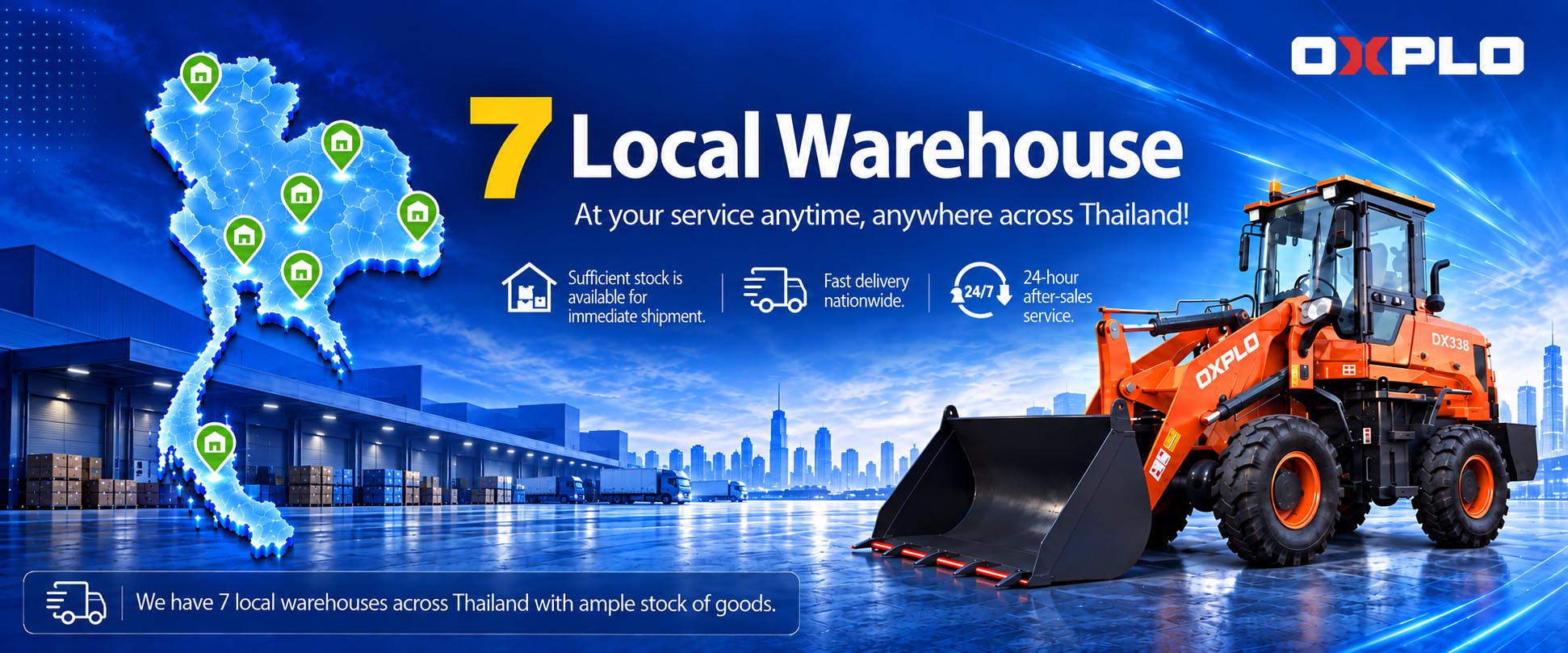
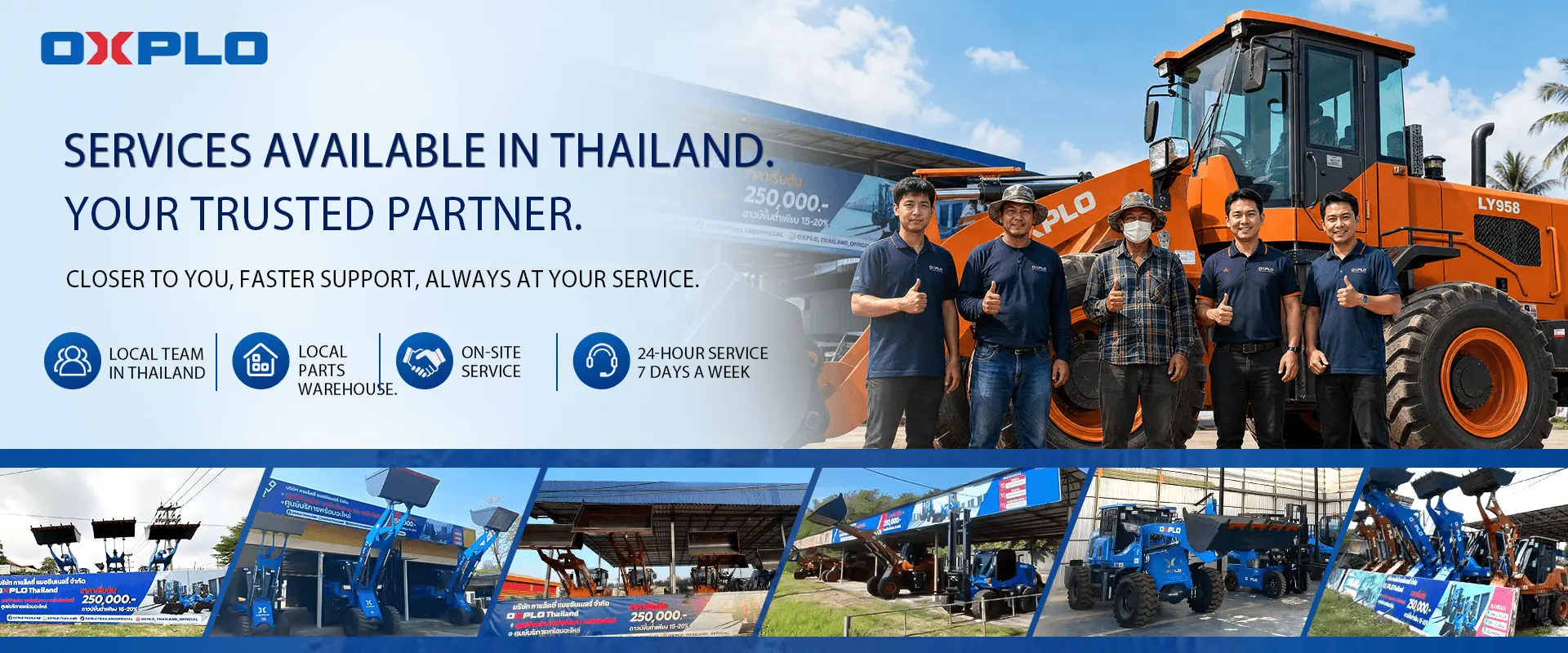
OXPLO operates from a regional base in Thailand and is developing local team, warehouse, and after-sales support in the Philippines. In a high-humidity application, local service matters not only because it can shorten repair delays. It also helps adapt inspection and maintenance planning to the rainy season, local floors, and actual load patterns.
The OXPLO service and support program covers application review, spare-parts supply, technical support, and configuration services.
Before requesting a quotation, provide OXPLO with a complete duty profile rather than only stating that a 2 ton forklift is required. Include maximum load weight, pallet dimensions, lift height, clear aisle width, daily operating hours, indoor/outdoor ratio, ramp gradient, and floor photographs.
That is the level of information required for an engineering-based recommendation.
VIII. Conclusion: Stability Comes From Matching, Not Oversizing
In a humid Southeast Asian warehouse, a higher-capacity forklift is not automatically more stable than a smaller truck.
When load weight, load center, and lift height remain within a suitable range, a correctly specified 2 Ton Forklift with appropriate tires, electrical protection, and maintenance can deliver better aisle efficiency, lower space requirements, and a more controllable TCO.
If loads frequently approach 2 tons, the load center exceeds the standard value, or the application requires a heavy attachment and tall mast, a 2 ton truck may have insufficient capacity margin. In that case, moving to a higher-capacity model is a sound engineering decision.
Do not use a larger rated capacity to hide an incomplete duty analysis, and do not keep a forklift operating at its practical limit merely to reduce the initial purchase price.
OXPLO can compare a 2 Ton Forklift with higher-capacity alternatives using the actual load, warehouse layout, humidity conditions, and shift intensity. The objective is not to recommend the largest truck, but to identify the configuration that completes the real work with the lowest practical downtime risk.
IX. FAQ
Q1: Does high humidity reduce the rated capacity of a 2 Ton Forklift?
A1: Humidity does not normally change the capacity stated on the data plate directly. However, corrosion, braking deterioration, electrical faults, inadequate tire grip, and condensation can reduce operating reliability. Rated capacity must still be determined from the manufacturer's capacity chart and the truck data plate.
Q2: Is it appropriate to handle 1.8 ton loads continuously with a 2 ton forklift?
A2: Weight alone is not enough to decide. If the load center is 500 mm, the lift height is low, and no heavy attachment is installed, the application may be feasible. However, 1.8 tons represents 90% of nominal capacity and leaves limited margin for frequent work. Residual capacity at height and attachment effects must be checked.
Q3: Should a humid warehouse use an electric or diesel forklift?
A3: Indoor warehouses normally place greater emphasis on emissions, noise, and ventilation, which often favors an electric forklift. A diesel forklift may suit well-ventilated sites, operations with a large outdoor share, or longer continuous duty. Both require suitable moisture protection, thermal management, and maintenance.
Q4: Is a heavier forklift less likely to skid on a wet floor?
A4: Not necessarily. Traction depends on tires, floor friction, speed, steering input, and brake condition. Greater vehicle mass also means that more kinetic energy must be controlled during braking. Vehicle weight cannot replace wet-floor speed limits and housekeeping.
Q5: Can a side shifter be installed without changing the 2 ton capacity?
A5: This cannot be assumed. A side shifter adds dead weight and may move the effective load center forward, reducing residual capacity. Request an updated capacity chart and data plate for the specified attachment.
Q6: What information should be prepared before requesting an OXPLO quotation?
A6: Provide maximum load weight, pallet dimensions, center-of-gravity position, maximum lift height, aisle width, doorway height, floor and ramp photographs, daily operating hours, indoor/outdoor ratio, and required attachments. More complete data allows OXPLO to determine whether a 2 ton model genuinely fits the site.
Customer Distribution
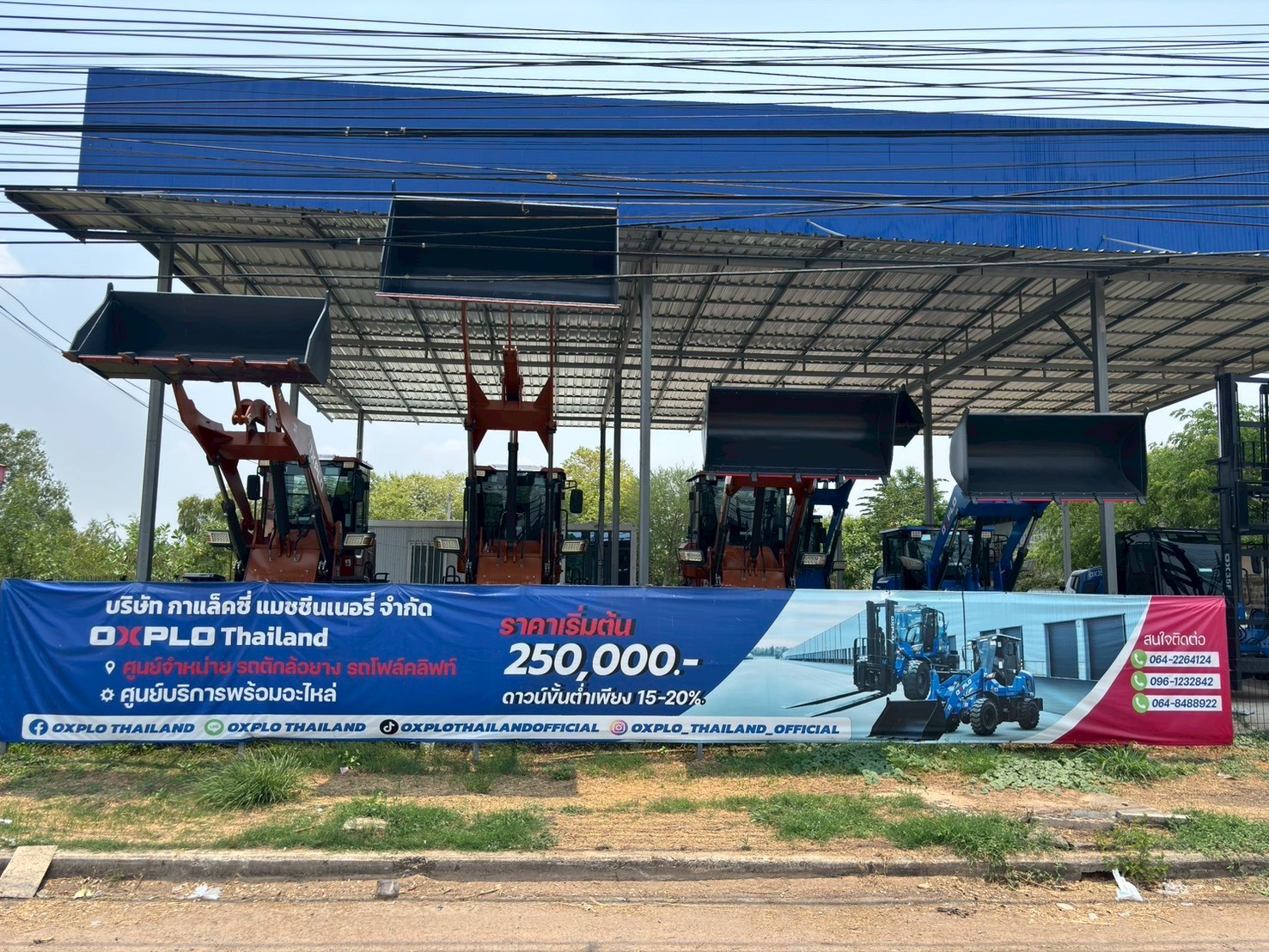
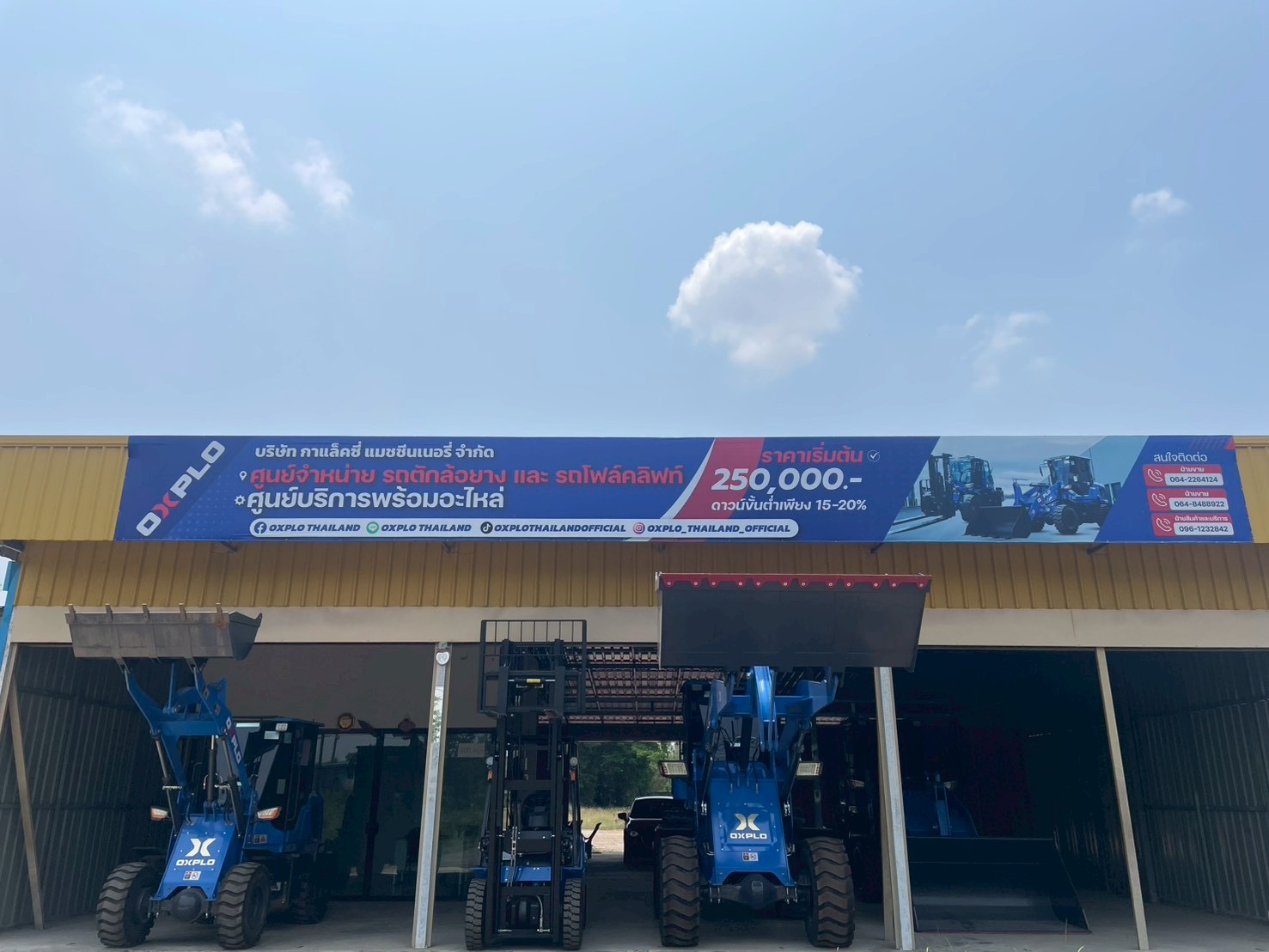
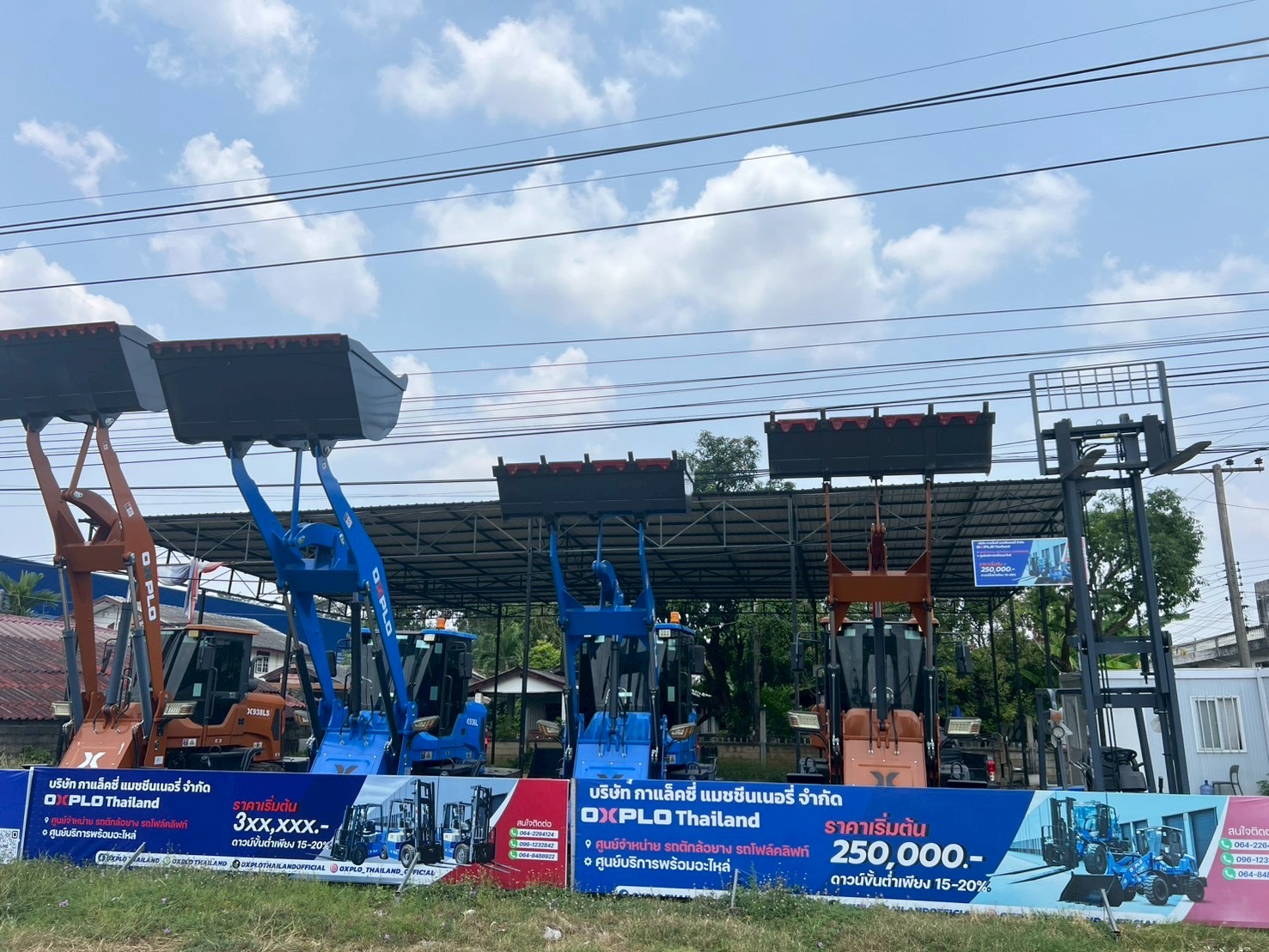
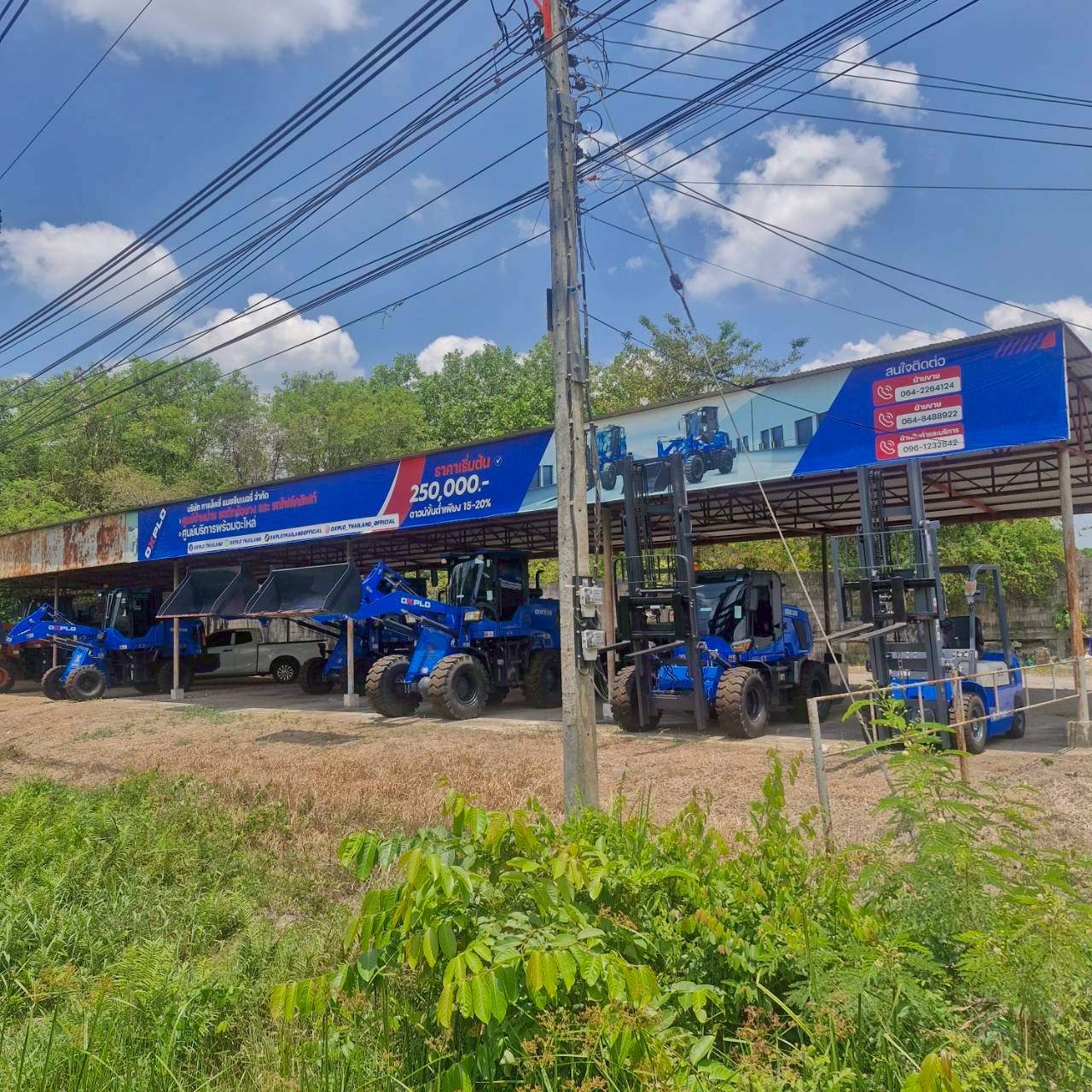
 Thailand-Ayutthaya
 Thailand-Khon Kaen
 Thailand-Nakhon Ratchasima
 Thailand-Ubon Ratchathani
 Thailand-Chiang Mai
 Thailand-Phthalum
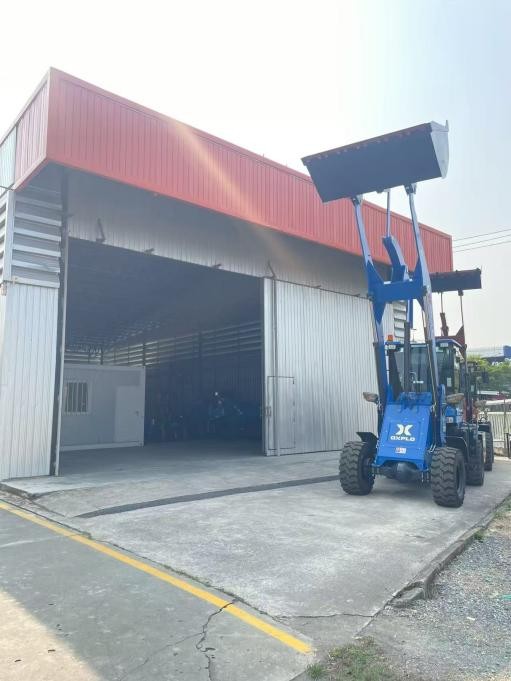
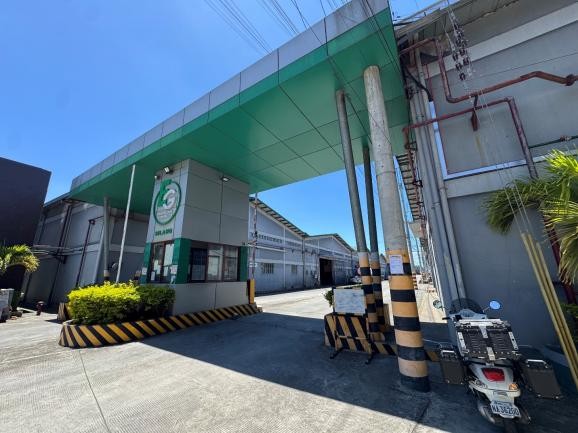
, MAGUYAM ROAD, BRGY. MAGUYAM, SILANG, CAVITE") Philippines-ELITE GLOBUS WAREHOUSE(NO. 43 - OXPOWER MACHINERY INC.), MAGUYAM ROAD, BRGY. MAGUYAM, SILANG, CAVITE
Philippines-ELITE GLOBUS WAREHOUSE(NO. 43 - OXPOWER MACHINERY INC.), MAGUYAM ROAD, BRGY. MAGUYAM, SILANG, CAVITE
OUR OPERATiONS
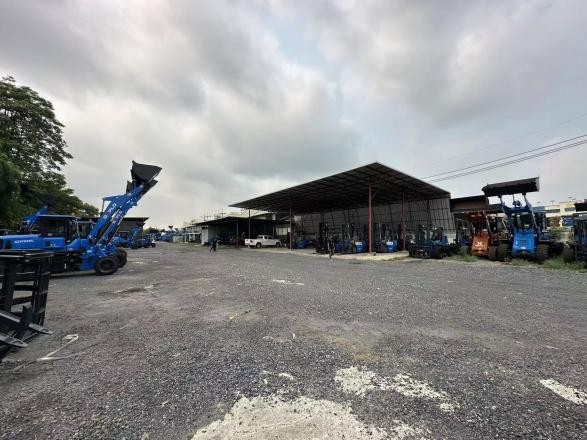
Our regional headquarters are located in Thailand, with independent operations company and service team in the Philippines. This multi-market presence enables us to provide customers throughout Southeast Asia with efficient communication, faster response times, and reliable local support.


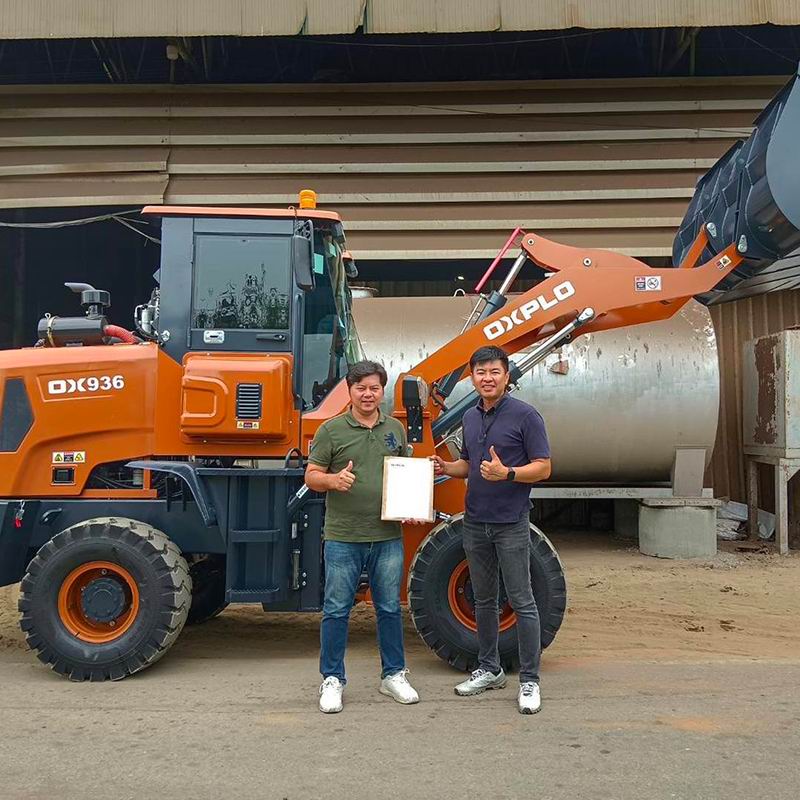
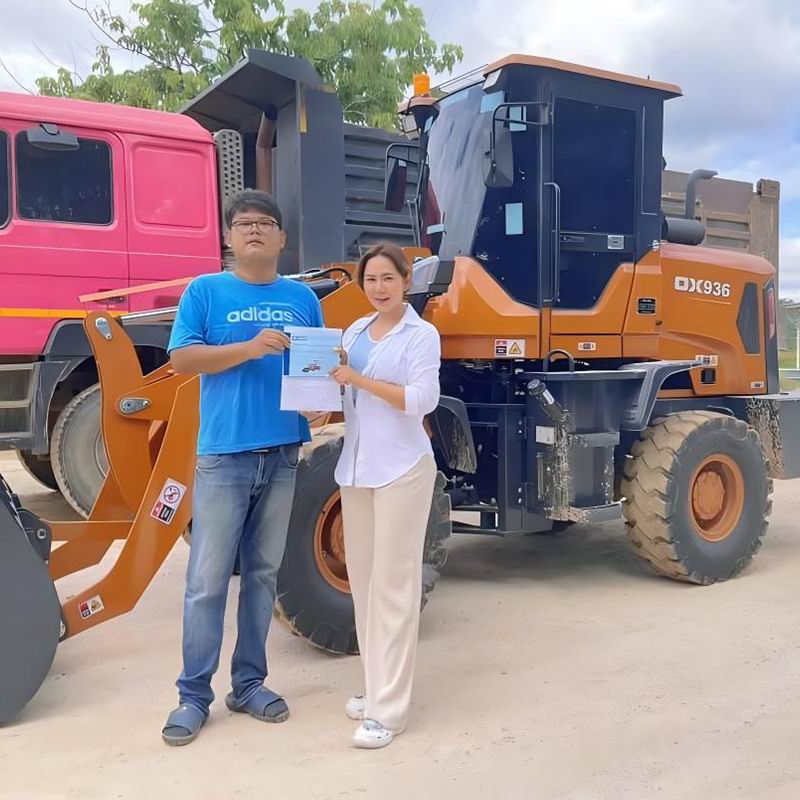
customer case
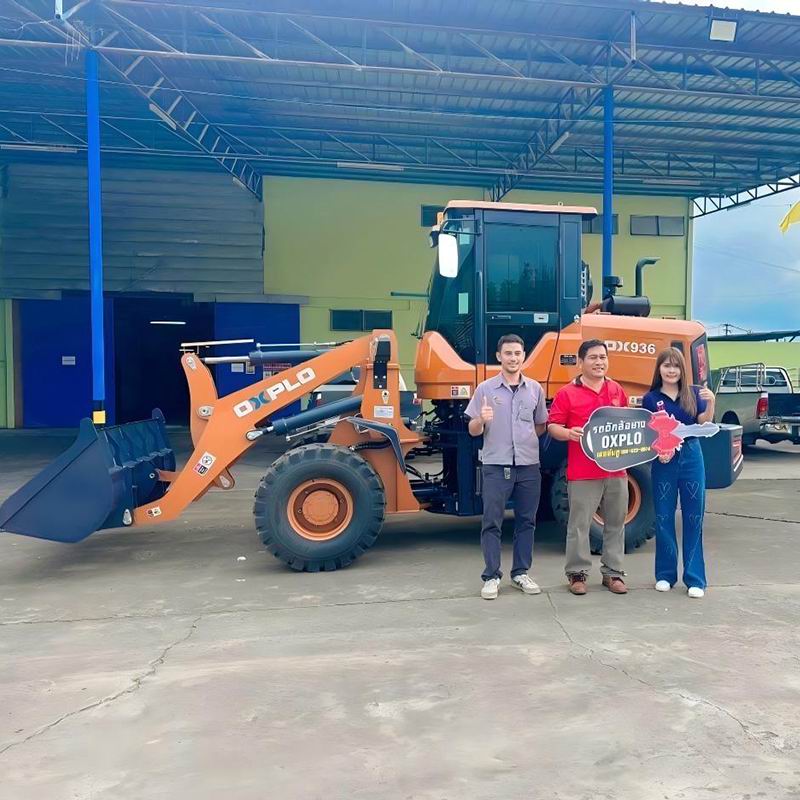
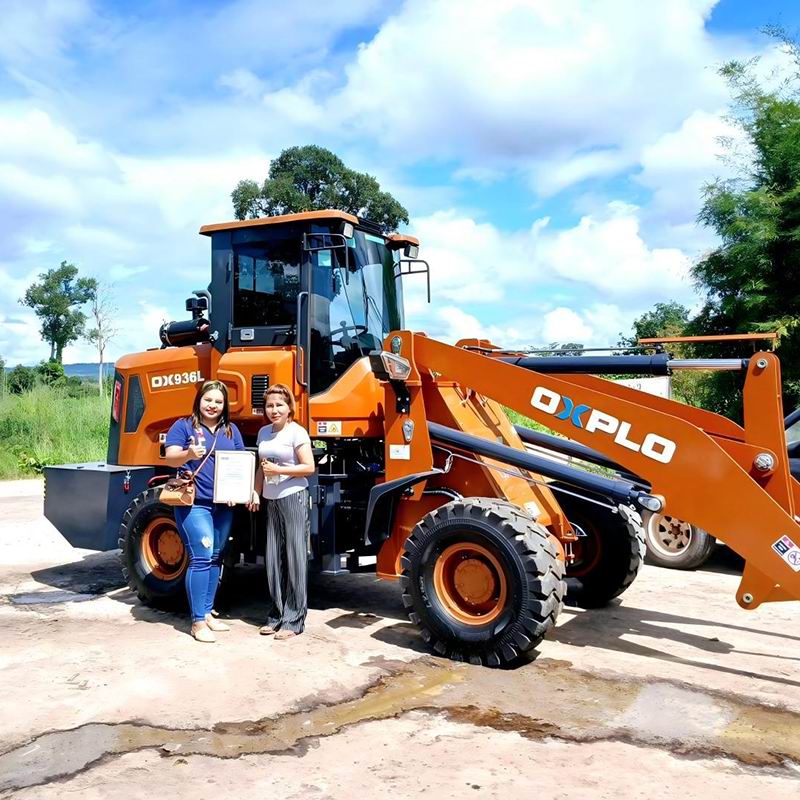
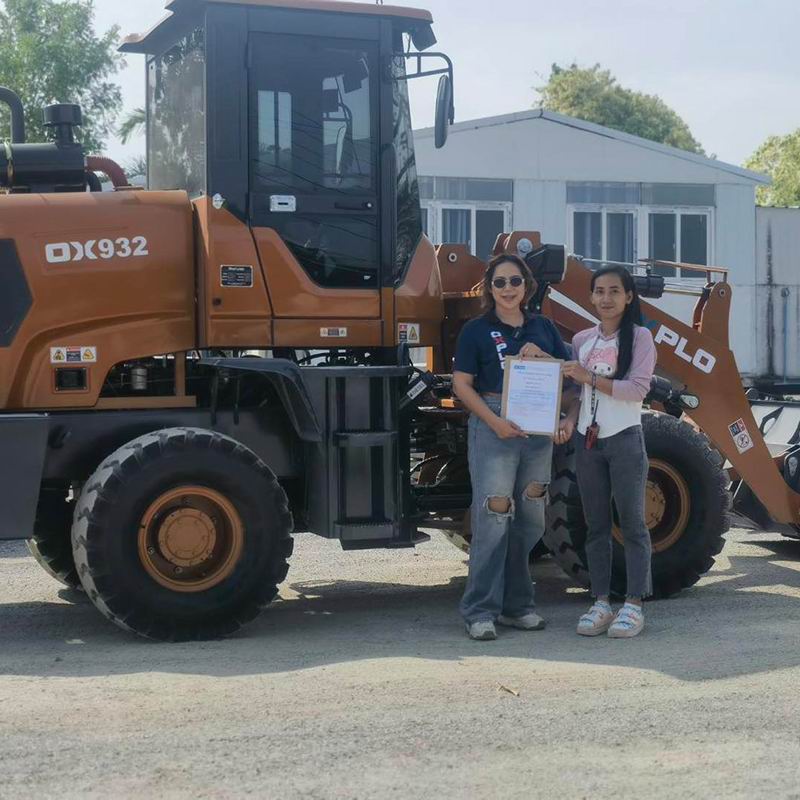
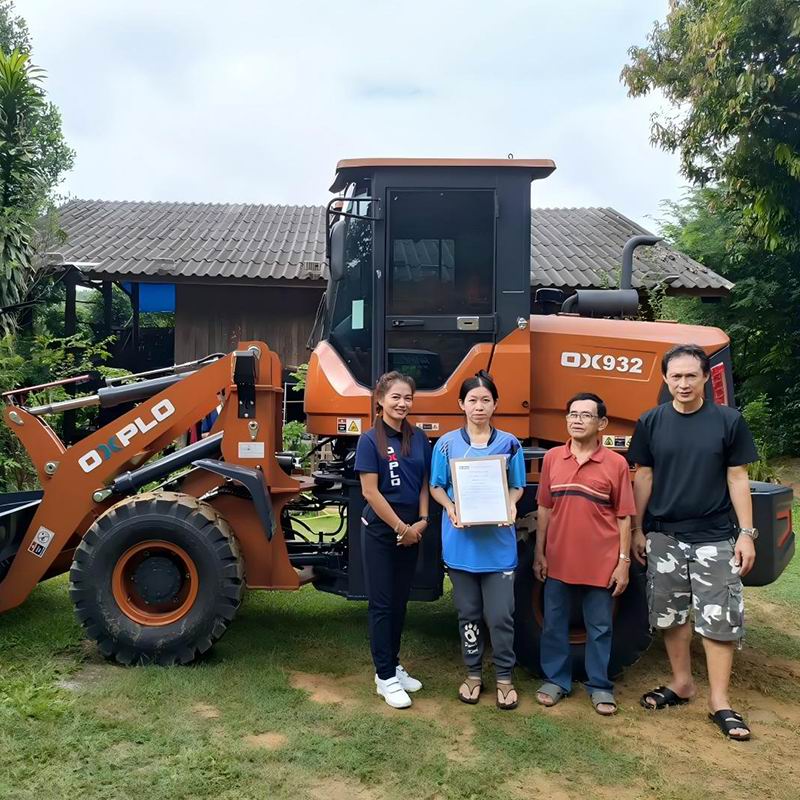
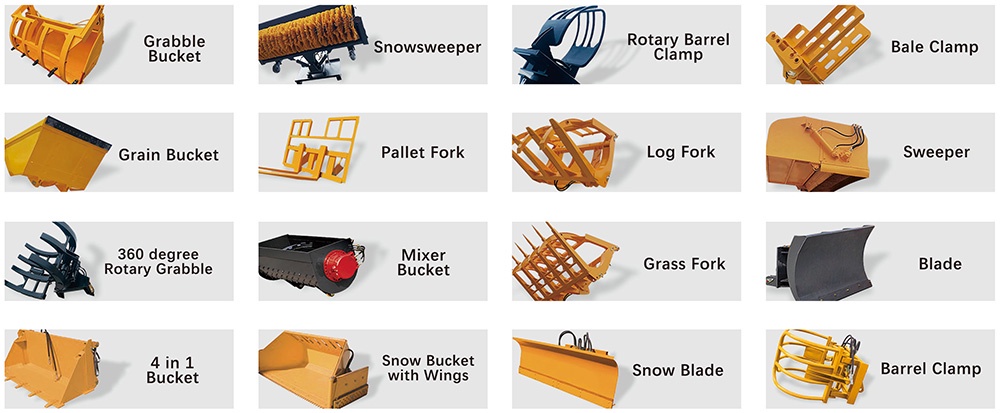
Wheel Loader Attachments
OXPLO provides a variety of spare parts support.
OXPLO's advantages
Let us introduce our products & factory to you
What makes us different
Why Choose Us
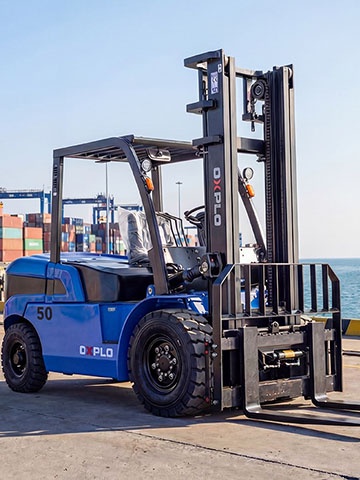
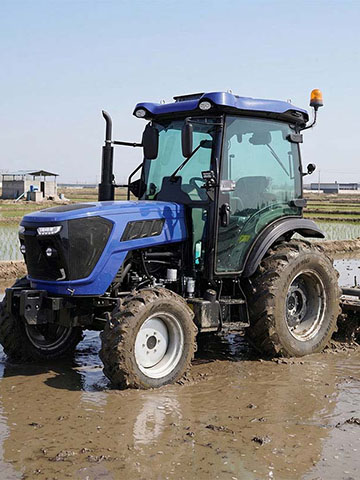
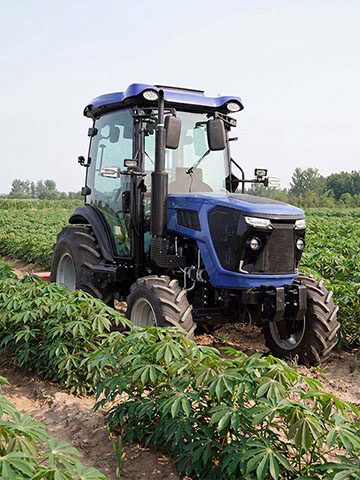
OXPLO specializes in the supply of forklifts, wheel loaders and tractors, providing reliable machinery solutions for material handling, construction and agricultural industries
Thailand Headquarters & SEAN Regional Operations
Headquartered in Thailand, with established firms and local service teams in the Philippines.
Reliable After-Sales & Spare Parts Support
We offer full after-sales care, including maintenance support and spare parts supply.
Factory Direct Supply
Direct factory operation ensures superior quality and a stable supply.
Quick Response & Service
Our local SEAN teams deliver rapid response, on-site service and expert technical help.
High-Performance Equipment
Built for tough jobs, our gear delivers robust power, steady performance and efficiency.
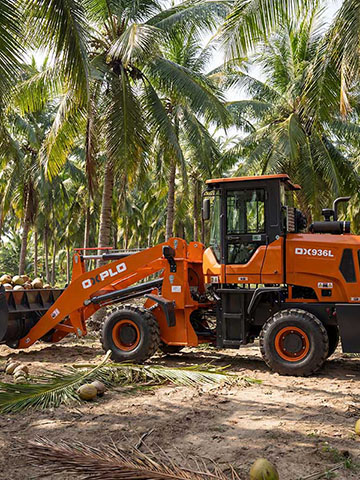
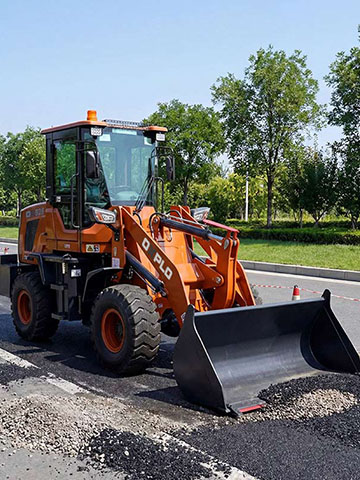
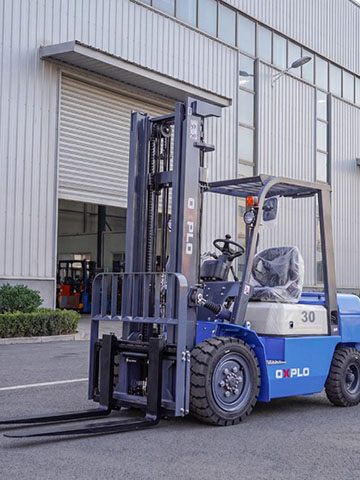
Application Scenarios
Our products are widely used in various fields such as warehousing,
construction, municipal roads, agriculture
about OXPLO
OXPLO is headquartered in Vannok District, Ayutthaya Province, Thailand, with five new branch offices in Khon Kaen, Nakhon Ratchasima, Ubon Ratchathani, Chiang Mai, and Phatthalung Provinces. The company's core competitive advantage lies in its "fast and efficient after-sales service and on-site problem-solving capabilities." OXPLO provides a comprehensive service guarantee system. Having cultivated the Thai market for many years, OXPLO not only provides excellent loaders, industrial forklifts, and off-road forklifts, but also offers one-stop service from procurement financing to after-sales support through comprehensive local support.







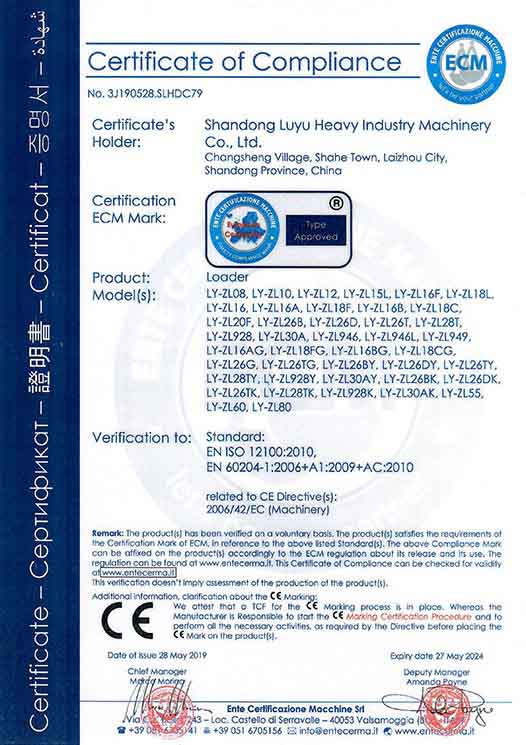
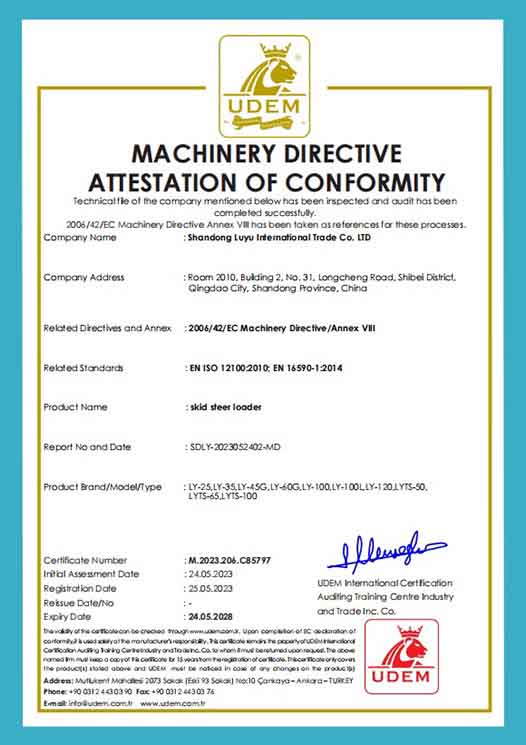
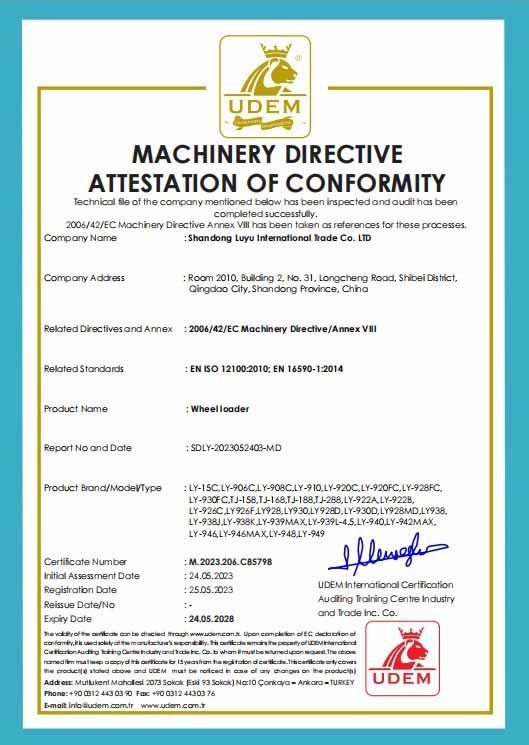
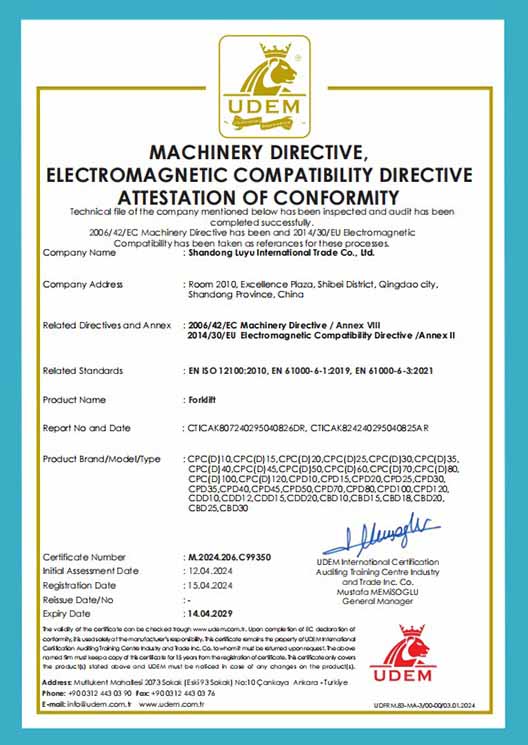
OUR CERTIFICATE
Wheel Loader FAQ
How much does a wheel loader cost?
The cost of a wheel loader varies depending on its rated load capacity, engine configuration, attachments, and optional features. Compact wheel loaders generally cost less than larger construction models. For an accurate quotation, contact OXPLO with your application requirements, preferred specifications, and destination country.
What is the fuel consumption of a wheel loader?
Fuel consumption depends on the loader size, engine power, operating conditions, and workload. Compact wheel loaders typically consume less fuel than larger models used in heavy-duty construction. Proper maintenance, efficient operating practices, and selecting the right machine size can help reduce fuel costs and improve productivity.
What is the lifting capacity of a wheel loader?
A wheel loader's lifting capacity is determined by its rated load. OXPLO offers wheel loaders with rated load capacities ranging from approximately 1.6 tons to 5 tons, making them suitable for agriculture, construction, material handling, and industrial applications. Always select a machine with sufficient capacity for your intended workload.
Can a wheel loader be used with pallet forks?
Yes. Many OXPLO wheel loaders can be equipped with pallet forks through a quick coupler system. This allows the machine to handle palletized goods, construction materials, agricultural products, and warehouse cargo, making it a versatile alternative to dedicated material handling equipment in certain applications.
How often should a wheel loader be serviced?
Regular maintenance is essential for maximizing machine performance and lifespan. Daily inspections should include checking engine oil, hydraulic fluid, coolant levels, and tire condition. Scheduled maintenance intervals vary by model and operating hours, but following the manufacturer's maintenance guidelines can help prevent unexpected downtime and costly repairs.
What is the difference between a wheel loader and a skid steer loader?
The primary difference is size, lifting capability, and maneuverability. Wheel loaders generally offer higher lifting capacities, larger buckets, and better performance for moving bulk materials over longer distances. Skid steer loaders are more compact and excel in confined spaces where tight turning and versatility are required. The best choice depends on your job site conditions and application needs.
What engine brands are available on OXPLO wheel loaders?
OXPLO wheel loaders are available with different engine configurations depending on the model and market requirements. Engine options may include reliable diesel engines designed to deliver strong performance, fuel efficiency, and easy maintenance. Please contact our sales team for specific engine options available in your region.
Do you provide operator training and technical support?
Yes. OXPLO provides after-sales support and technical assistance to help customers operate and maintain their equipment efficiently. Our team can offer guidance on machine operation, routine maintenance, troubleshooting, and spare parts support to ensure long-term reliability and productivity.