


How to assess outdoor handling routes, rainy-season risks and forklift configuration before approving a purchase.
A forklift that handles a 2.4-tonne pallet easily on a dry concrete bay may struggle to move that same load safely across a wet gravel route. The rated tonnage has not changed; the working conditions have.
For a Thai distributor moving cement, concrete blocks, tiles, steel and timber, the important buying question is not simply “3 tonnes or 5 tonnes?” It is whether the machine can lift the real load, fit the loading lanes, maintain visibility and operate on a verified surface without generating avoidable delays.
This guide explains how to evaluate a Forklift for Building Materials Thailand using measurable site conditions and operating costs. It is written for purchasing managers, yard supervisors and equipment owners who need a defensible specification—not a catalogue comparison.
I. Where Thai Building Material Yards Lose Time and Money
A single yard can contain four different operating surfaces
Many construction-material distributors unload trucks on concrete, stage pallets beneath a roof, and store slower-moving products on gravel or compacted soil. The forklift must cross every surface in the cycle. A showroom demonstration on smooth pavement tells the buyer little about the weakest section of that route.
The critical places are usually transitions: the edge of a concrete slab, a patched drainage crossing, a turning point where trucks have broken the surface, or the lane used to reach an overflow storage area. Repeated wheel impacts may slow travel, increase vibration and cause the operator to reposition a pallet more frequently.
Rain changes ground support as well as traction
Across much of Thailand, seasonal heavy rainfall can leave gravel lanes slippery and obscure potholes. Areas that appeared firm yesterday may develop ruts after repeated truck traffic. A tire with more tread cannot correct inadequate ground-bearing capacity. Where soil strength, drainage or pavement support is uncertain, the route must be assessed and repaired before forklift travel resumes.
The material mix changes the real handling requirement
A business dispatching mainly cement pallets has a different bottleneck from a tile wholesaler or a supplier handling long steel stock. Define the problem to be solved before deciding which forklift feature deserves budget.
II. Confirm the Load Envelope Before Comparing Forklifts
Measure the heaviest regular load, not just the invoice weight
Record the loaded pallet weight, load length, width, packaging condition, required stacking height and frequency of movement. Ask whether pallets are consistently built, whether double stacking is expected and whether drivers need to unload from both sides of a vehicle. The true load center and mast configuration can matter as much as gross weight.
Why a nominal 3,000 kg rating is not a universal 3,000 kg approval
Consider a 3,000 kg truck rated at a 500 mm load center. Its nominal load moment is 3,000 × 500 = 1,500,000 kg·mm. If an unusually long pallet moves its center of gravity to 600 mm, a simple constant-moment screening estimate gives 1,500,000 ÷ 600 = 2,500 kg. That is a warning that usable capacity can fall as the load center moves forward.
This calculation is not a safe working-load authorization. Actual allowable capacity must be taken from the equipment-specific capacity plate or manufacturer chart at the intended lift height, with the selected forks, mast and attachments. Do not use this estimate to approve a 2,500 kg lift.
Map the whole loaded route
For each major material flow, measure travel distance, lane width, narrowest corner, ramp angle, overhead clearance, condition after rain and access around parked trucks. Record whether the forklift travels loaded in both directions and where pedestrians could enter the route. A turning-radius figure is useful only after the complete geometry of the load and aisle is considered.
· Ask for evidence: a load list, ground-condition photographs and overhead measurements.
· Flag unacceptable routes: standing water, deep ruts, unsupported edges or unknown ground strength.
· Identify exceptions: rare unusually heavy loads that may need a separate handling method instead of an oversized daily-use machine.
III. Tires: The Trade-off Between Traction, Cushioning and Downtime
“Pneumatic tire” must mean a verified construction
An Outdoor Forklift often uses a pneumatic-profile tire, but that description alone does not reveal whether the tire is air-filled or solid. Air-filled designs can cushion uneven surfaces but require pressure checks and are vulnerable to punctures. Solid pneumatic-profile tires avoid air-loss punctures, yet usually transmit more vibration to the machine and its load.
A Pneumatic Tire Forklift is not automatically a rough-terrain machine
On wet concrete or stable compacted gravel, correct tire selection may contribute to safe handling. It does not make a conventional counterbalance forklift suitable for deep mud, severely rutted tracks or weak soil. Treat “can work outdoors” and “can operate on unprepared ground” as different claims. If the site includes deep loose material, request a dedicated rough-terrain evaluation or improve the route.
Compare tire cost per productive hour
Take an illustrative yard with three tire-related stoppages per month at 90 minutes each. That is 4.5 hours of interrupted handling monthly, or 54 hours over twelve months, before adding repair labor or delivery disruption. The estimate is not a claim about any specific forklift; it shows why tire purchase price alone is an incomplete comparison.
Use: Tire-related cost per productive hour = (tire purchases + repairs + disposal + attributable downtime) ÷ productive operating hours. For a tile distributor, add a separate measure of broken cartons per 1,000 pallets. For a dusty yard with sharp debris, count punctures and tire inspections.
IV. Mast Visibility, Loading Height and Attachments
Visibility is part of throughput
In a busy Construction Material Yard, operators align forks with tightly stacked cement pallets, approach truck bodies at varying heights and reverse around temporary storage. If the Forklift Mast, load or carriage obstructs the operator’s line of sight, additional positioning corrections become necessary. A camera or mirror may assist but does not eliminate the need for proper visibility procedures, segregation and an approved method of travel.
Check three mast dimensions, not only maximum lift height
Confirm maximum lift, overall lowered mast height and free lift. A mast may reach a four-metre stack but fail to enter the covered receiving bay. Higher or more complex mast arrangements can change residual capacity and sight lines. Before committing, perform a supervised test with the actual pallet dimensions and the smallest usable entrance.
Buy attachments for repeated work, then recalculate capacity
A sideshifter may reduce repeated truck-position corrections; a fork positioner may be valuable if operators regularly switch between pallet widths. These features are not free capacity. Attachment mass and forward projection can reduce the capacity available at height. Require a supplier-approved configuration and updated capacity information before adopting one. If the yard rarely changes load type, a paid attachment may create little practical benefit.
V. A Wet-Weather Operating Plan for Thai Material Yards
Make a route decision before each shift
A useful three-level system is: normal routes (inspected and suitable), restricted routes (specific controls supported by a documented assessment) and closed routes (flooded, deeply rutted, unstable or otherwise unacceptable). These are management categories, not universal safety thresholds. Site-specific criteria and competent assessment remain necessary.
Before startup, inspect tire condition, brakes, forks, hydraulic leaks, warning devices and high-frequency travel lanes. After heavy rain, reinspect gravel and drainage crossings before authorizing traffic. If a vehicle or load cannot be supported safely, close the lane instead of telling operators merely to reduce speed.
Reduce unnecessary loaded travel
Place high-turnover cement and standard block pallets close to receiving and dispatch positions where practicable. Keep fragile tile loads away from damaged lanes. Separate pedestrians from forklift travel, mark turning points and give drivers a clear waiting position when multiple trucks arrive. A better loading sequence can save time without asking the forklift to travel faster.
Know when the yard—not the forklift—needs investment
If the same corner breaks down after each rainstorm, comparing stronger forklifts may be less effective than stabilizing the surface and improving drainage. If congestion comes from two trucks blocking one lane, consider scheduling or staging changes. The most economical solution may combine modest yard repair with an appropriately specified machine.
VI. Turn Operational Problems Into a TCO Decision
Estimate the value of repeated small delays
Illustrative example: A Thai distributor completes 80 pallet moves a day. Improving the staging layout and fork-alignment process safely removes an average of 30 seconds of avoidable travel and positioning per move. That releases 80 × 30 = 2,400 seconds, or 40 minutes per day. Across 24 working days, the theoretical capacity released is 16 operating hours per month.
The released time is not automatically a cash saving. It creates financial value only if the business can reduce overtime, avoid demurrage, meet more delivery slots or use the labor elsewhere. Measure before-and-after cycle times under comparable, safe conditions rather than announcing an assumed productivity improvement.
Calculate lifetime cost under the same conditions
Use a consistent comparison period and workload: Total cost of ownership = purchase cost + fuel or electricity + planned maintenance + tires + repairs + downtime + material damage − expected resale value. Compare the options at the same working hours and documented loads. Add the cost of pavement improvements if those are required to make either option usable.
The least expensive quotation is not necessarily the least expensive operating solution. Equally, a larger forklift is not justified unless its added capacity solves a regular constraint.
VII. Which OXPLO Forklift Fits the Actual Yard?
Once the load, surface and route are known, equipment data becomes actionable. OXPLO offers diesel and electric forklifts for different handling environments. The OXPLO selection process should start with the customer’s regular pallets and the worst approved route—not with a fixed preference for the largest model.
OXPLO OX30: repeated standard-pallet handling on maintained outdoor routes
The OXPLO OX30 diesel forklift is listed with 3,000 kg rated capacity at a 500 mm load center, a two-stage 4,000 mm mast, 135 mm minimum ground clearance, 1,210 mm overall width and a 2,240 mm outside turning radius. Its published tire description is “Pneumatic Tyre”; confirm actual tire construction and approved configuration in the quotation.
These dimensions make the OXPLO OX30 worth evaluating for suppliers whose regular cement, bagged products or block pallets stay within the verified capacity envelope and whose outdoor lanes are firm and maintained. Its comparatively smaller turning radius can matter in compact yards. It is not a promise of safe operation on waterlogged or unsupported ground.
OXPLO OX50: greater rated capacity, but more space and ground support needed
The OXPLO OX50 diesel forklift has a published 5,000 kg rating at a 500 mm load center, a two-stage 4,000 mm mast, 175 mm minimum ground clearance, 1,480 mm overall width and a 2,930 mm outside turning radius. The OXPLO OX50 may be appropriate where dense palletized blocks or other approved heavier loads are frequent, provided its residual capacity and route are verified.
The trade-off is important: the OXPLO OX50 is substantially heavier and requires more space. Extra clearance does not make it suitable for deep mud; weak pavement may require improvement rather than a heavier truck.
Published configurations: compare the dimensions that actually change a yard decision.
OXPLO CPD30: paved or covered material-handling operations
For distributors operating mainly inside warehouses or on controlled hardstanding, the OXPLO CPD30 electric forklift is another option. Its published configuration includes 3,000 kg at a 500 mm load center, a two-stage 3,000 mm mast and a 76.8 V / 280 Ah lithium-ion system.
The OXPLO CPD30 eliminates tailpipe exhaust emissions during operation and avoids several diesel-engine service tasks; however, the customer must verify charging power, shifts, actual battery runtime, aisle geometry and weather limitations. The product page describes it primarily for level or paved surfaces, not muddy construction routes.
What the OXPLO specifications solve—and what they do not
OXPLO model dimensions help narrow capacity and maneuvering choices. OXPLO mast and attachment options can be evaluated to improve fork positioning and stacking fit. But no product specification replaces a measured load center, an approved capacity chart, ground-bearing verification or operator training. A responsible OXPLO recommendation should clearly distinguish verified capabilities from application conditions that still require assessment.
VIII. Procurement and Local Support Checklist
Ask suppliers to quote the operating configuration
A useful request for quotation should include the top three load types, typical and maximum pallet weights, load dimensions, stacking height, narrowest clear aisle, ground photos after rain, operating hours and delivery location. Ask the supplier to state the tire construction, mast lowered height, residual capacity with attachments, maintenance intervals and any restrictions relevant to the site.
Why a local support plan matters to Thai owners
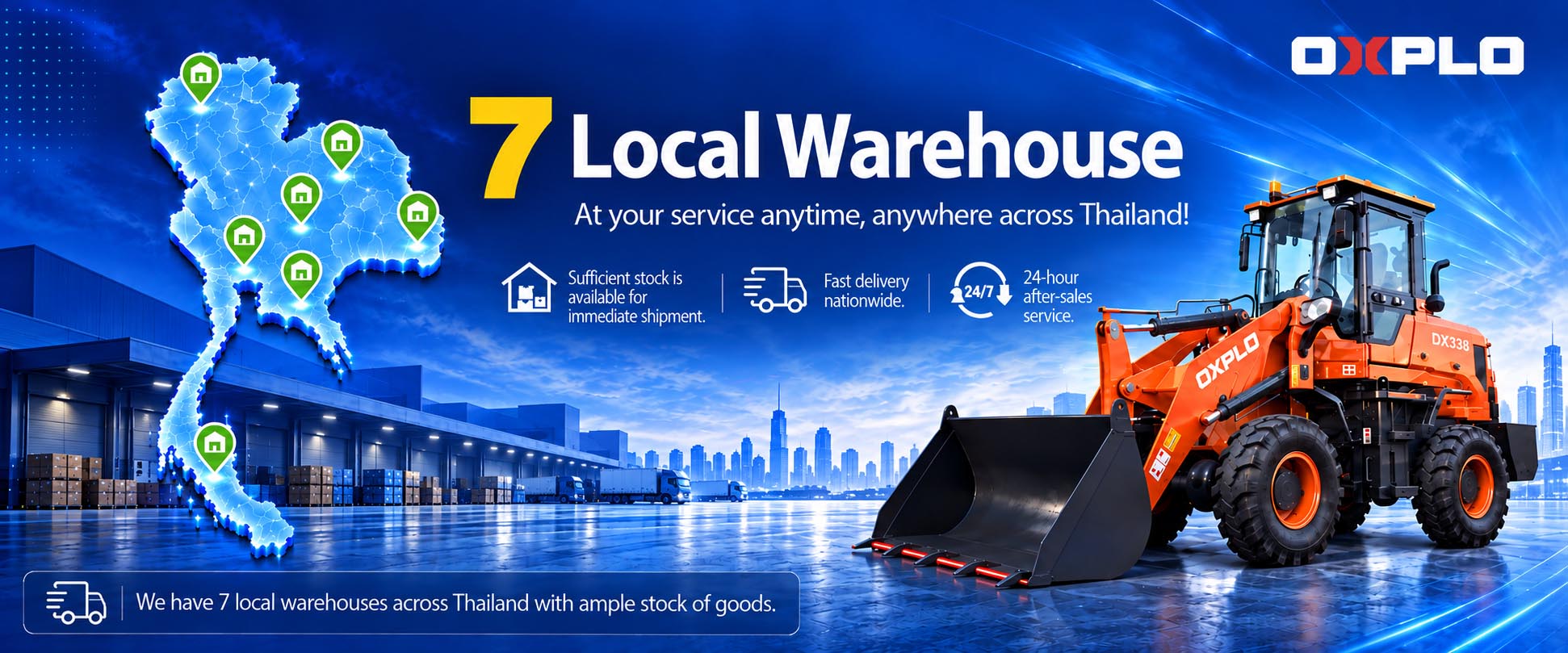
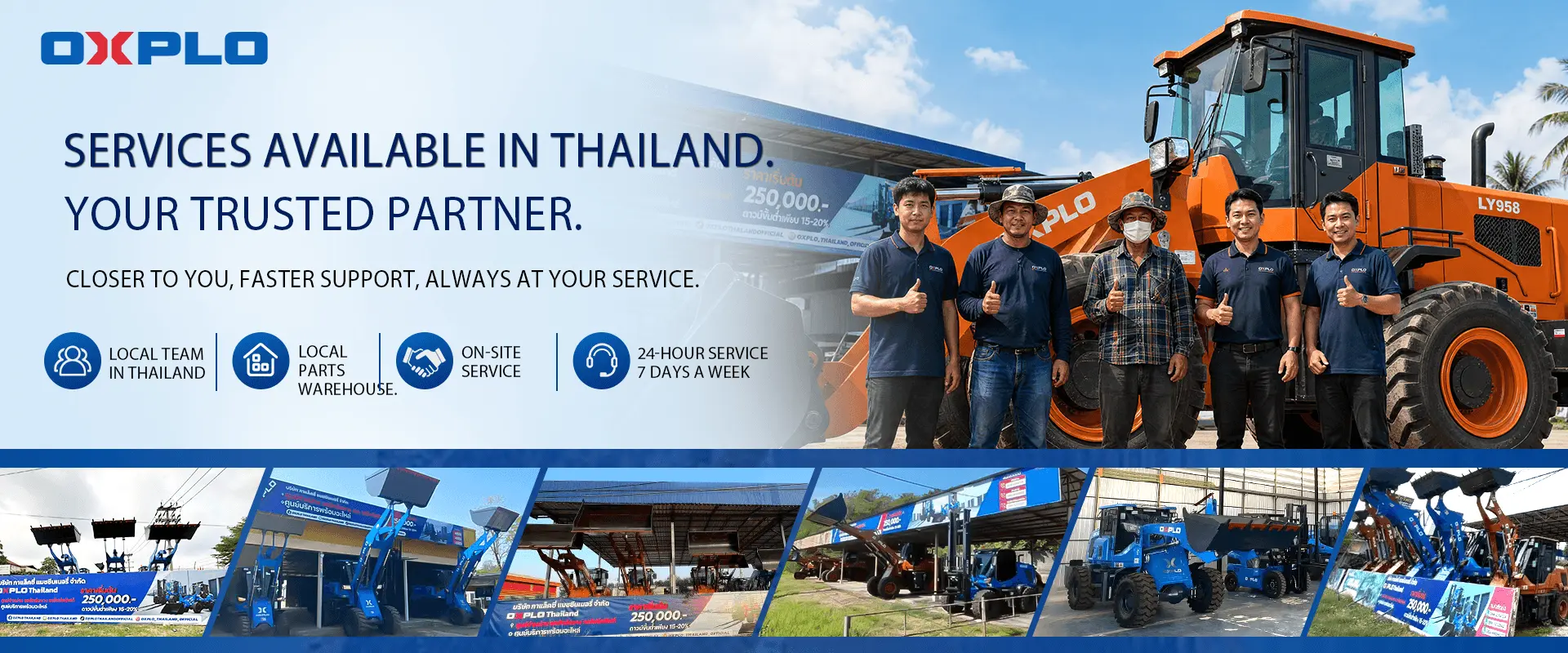
A forklift stoppage can delay multiple trucks even when the damaged component is inexpensive. OXPLO publishes a Thailand-based operating presence, with its Ayutthaya headquarters and regional locations, along with parts and after-sales support information. Buyers should review the OXPLO forklift business overview and the OXPLO Service & Support page to understand the advertised service arrangements.
For a specific OXPLO model and district, request written confirmation of technicians, parts stocking, warranty coverage, response expectations, delivery terms and operator handover. Published network coverage should not be confused with a guaranteed repair time at every site.
Use an acceptance test that mirrors the business
· Load test: Approved actual pallets at required heights using the manufacturer’s capacity guidance.
· Geometry test: Truck approach, turning space, lowered mast clearance and sight lines.
· Surface test: All authorized routes including the sections most affected by rain.
· Operating-cost review: Fuel or charging, tire plan, service schedule and realistic utilization.
· Handover: Authorized operator training, pre-use checks, documentation and service contacts.
For product details, buyers can browse the OXPLO forklift range after these operating requirements are established.
IX. Frequently Asked Questions
1. Is a 3-tonne forklift enough for cement or block pallets in Thailand?
It may be, but nominal pallet weight is not enough. Confirm actual load center, lifting height, attachments and route restrictions. The OXPLO OX30 is a 3,000 kg-class candidate; OXPLO should verify the requested load envelope rather than assuming every load under 3,000 kg is approved.
2. Can the OXPLO OX30 travel on gravel after rain?
Only where ground conditions are suitable, the route is approved, and the selected tire configuration meets the manufacturer’s requirements. Firm gravel is different from deep ruts or waterlogged soil. OXPLO tire specifications do not override ground-bearing limits.
3. Is the OXPLO OX50 better than the OX30 for every outdoor yard?
No. The OXPLO OX50 provides higher rated capacity and clearance, but its greater weight, width and turning radius may be disadvantages in narrow or weak-surface yards. Select it where heavier approved loads genuinely justify the larger equipment.
4. Does a three-stage Forklift Mast always improve productivity?
No. It can help when the job needs both a particular lifting height and a compact lowered mast, but it may affect sight lines, complexity and residual capacity. Ask OXPLO to confirm the selected mast against door height, stacking height and pallet geometry.
5. Should a Thai building-material warehouse choose the OXPLO CPD30 electric model?
For level, suitable paved or covered operations, it can be a relevant option. Confirm the duty cycle, charging infrastructure, aisle width and environmental limits. An electric truck is not automatically suitable for muddy or severely uneven outdoor routes.
6. What should I send OXPLO to get a useful quotation?
Send pallet weights and dimensions, actual lifting height, surface photographs, aisle or gate measurements, operating hours, preferred energy type and the province or destination. This gives the OXPLO team enough context to discuss model, mast, tire and support requirements instead of returning a tonnage-only quote.
X. Conclusion: Choose a Forklift Around the Yard, Not a Catalogue
The right Forklift for Building Materials Thailand is the one that moves the required loads safely across the routes a business actually uses. Tires affect traction, cushioning and repair costs; mast design affects sight lines and access; uneven ground changes whether the machine can operate at all. Procurement becomes more reliable when those factors are quantified before the price comparison.
OXPLO offers 3-tonne and 5-tonne diesel options alongside electric forklifts for more controlled handling environments. OXPLO also publishes local Thailand operating and service information that buyers can include in their lifecycle-cost review. None of these advantages removes the need to verify site conditions and the final equipment configuration.
If you are planning a new yard fleet or replacing a forklift that struggles with daily loading, share your pallet data, lift-height requirement and photographs of the toughest approved travel route. Contact the OXPLO Thailand team to discuss a configuration that addresses the real bottleneck.
Customer Distribution
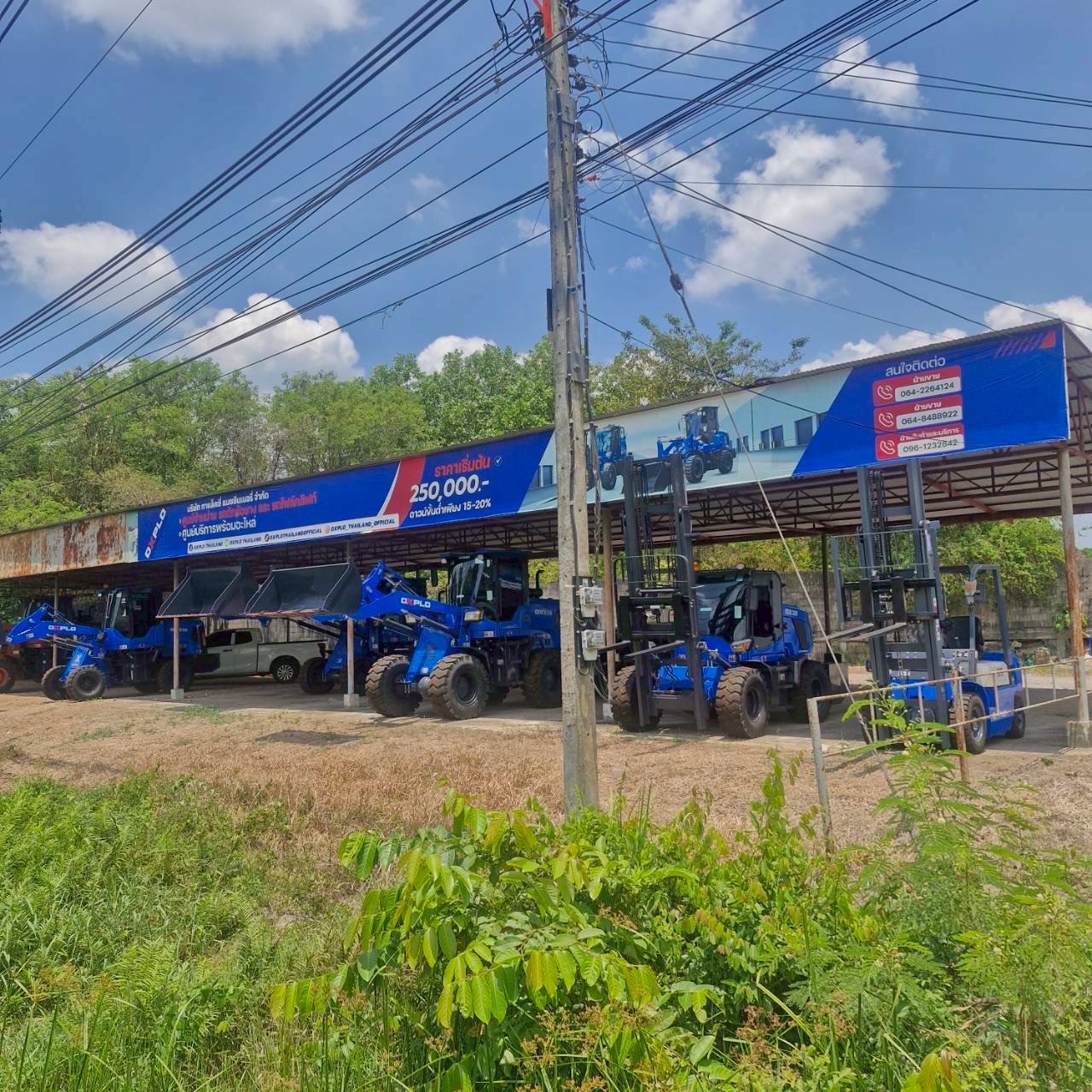
 Thailand-Ayutthaya
 Thailand-Khon Kaen
 Thailand-Nakhon Ratchasima
 Thailand-Ubon Ratchathani
 Thailand-Chiang Mai
 Thailand-Phthalum
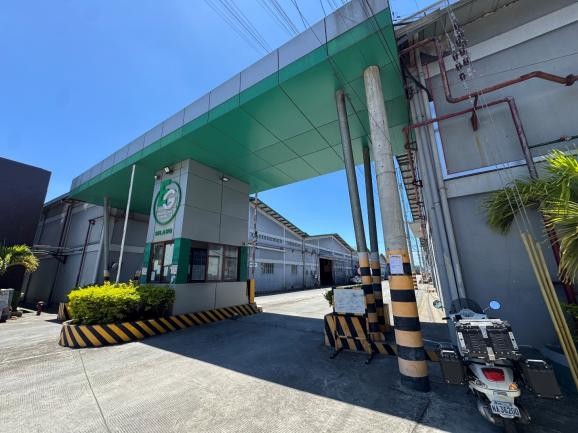
, MAGUYAM ROAD, BRGY. MAGUYAM, SILANG, CAVITE") Philippines-ELITE GLOBUS WAREHOUSE(NO. 43 - OXPOWER MACHINERY INC.), MAGUYAM ROAD, BRGY. MAGUYAM, SILANG, CAVITE
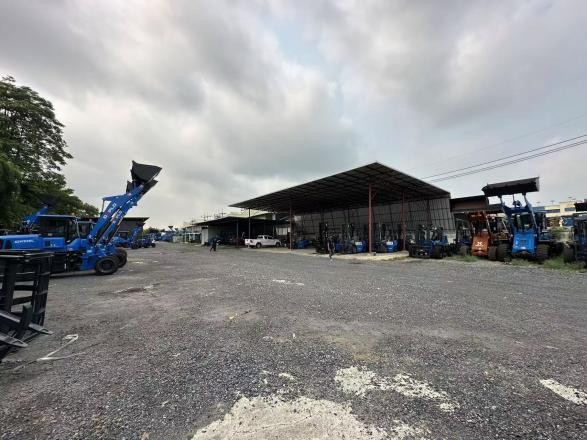
OUR OPERATiONS
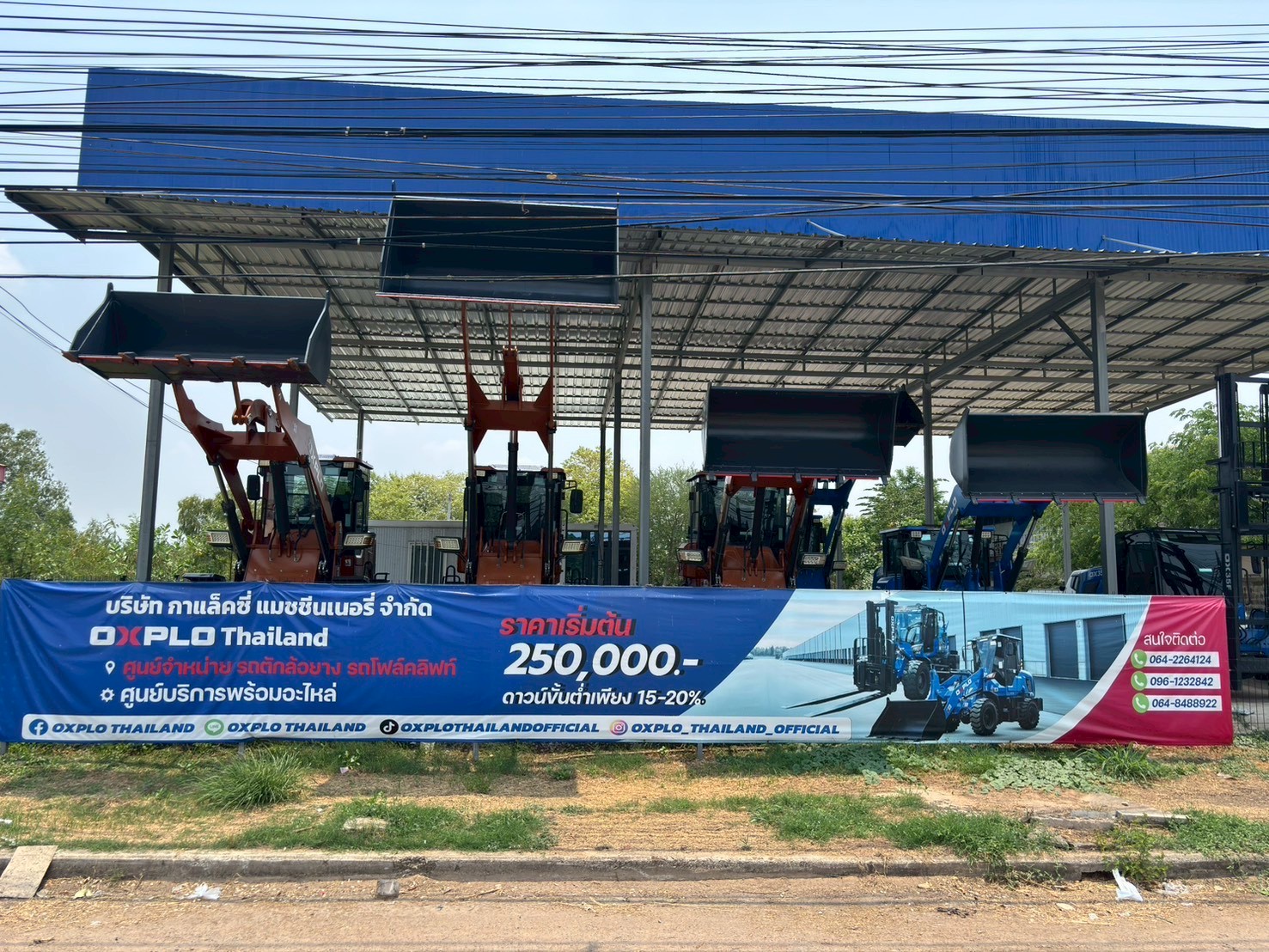
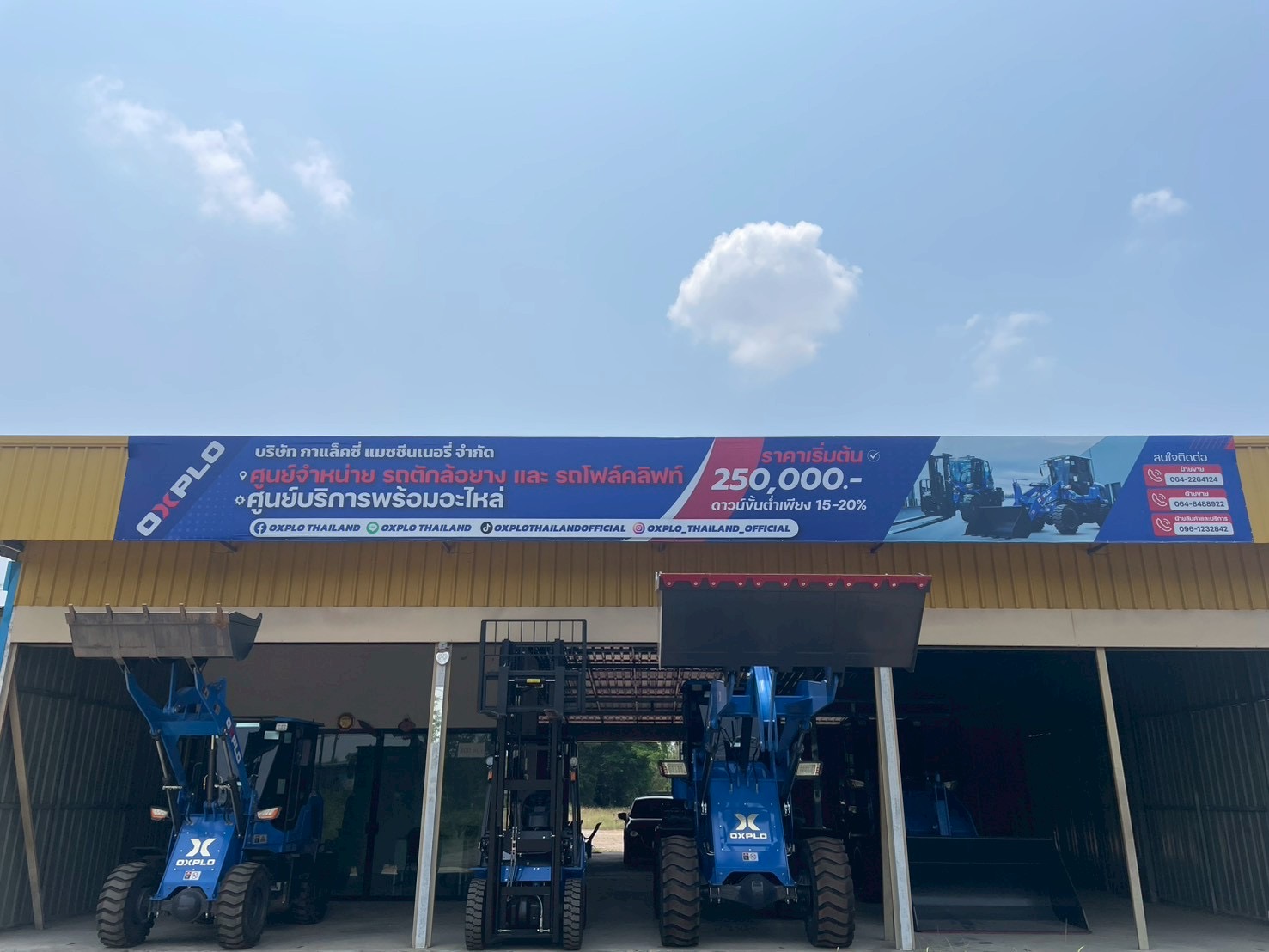
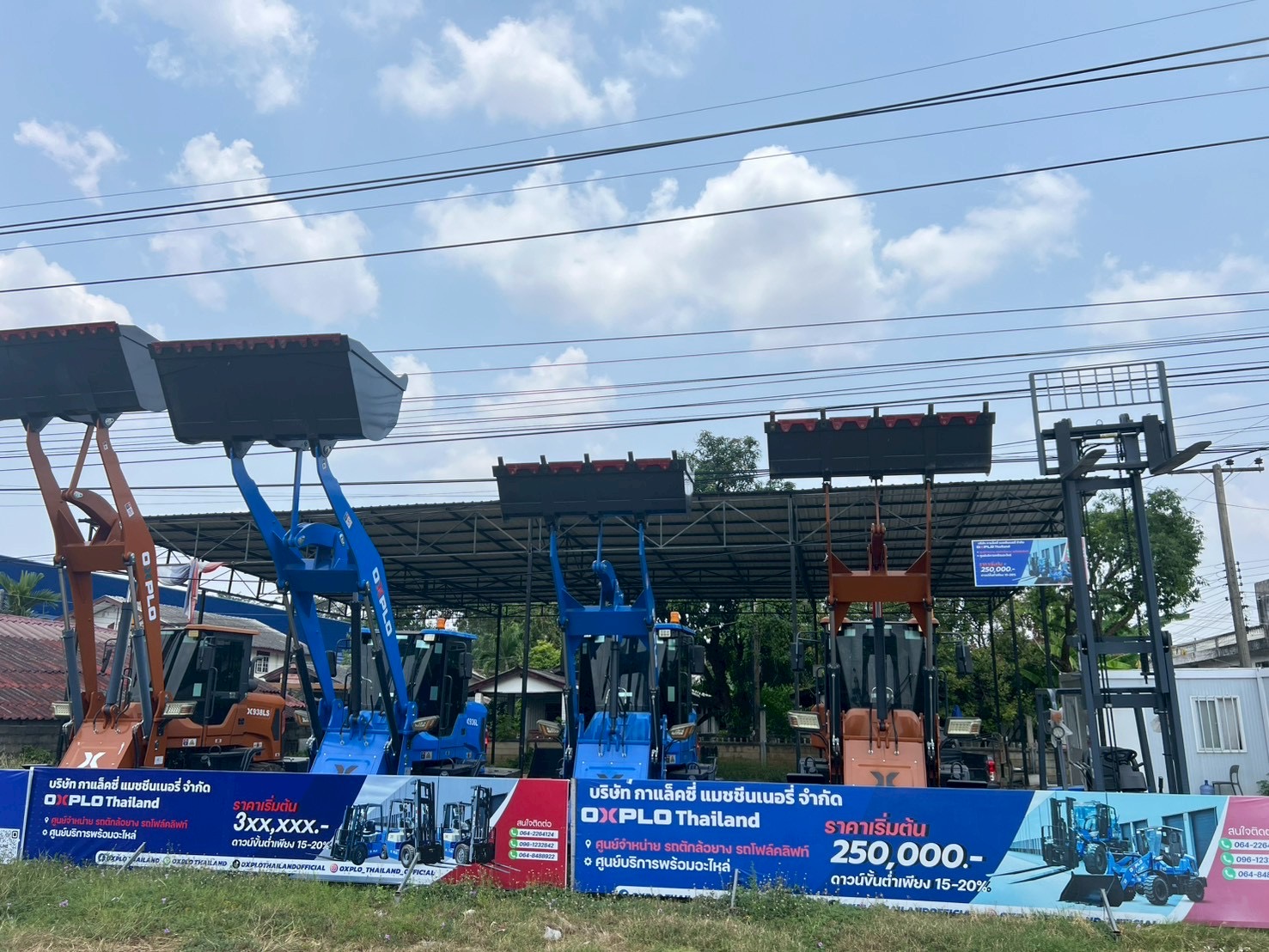
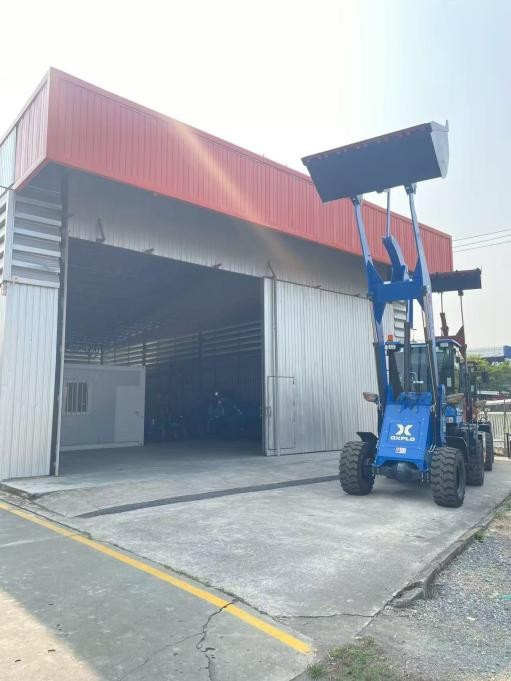
Our regional headquarters are located in Thailand, with independent operations company and service team in the Philippines. This multi-market presence enables us to provide customers throughout Southeast Asia with efficient communication, faster response times, and reliable local support.


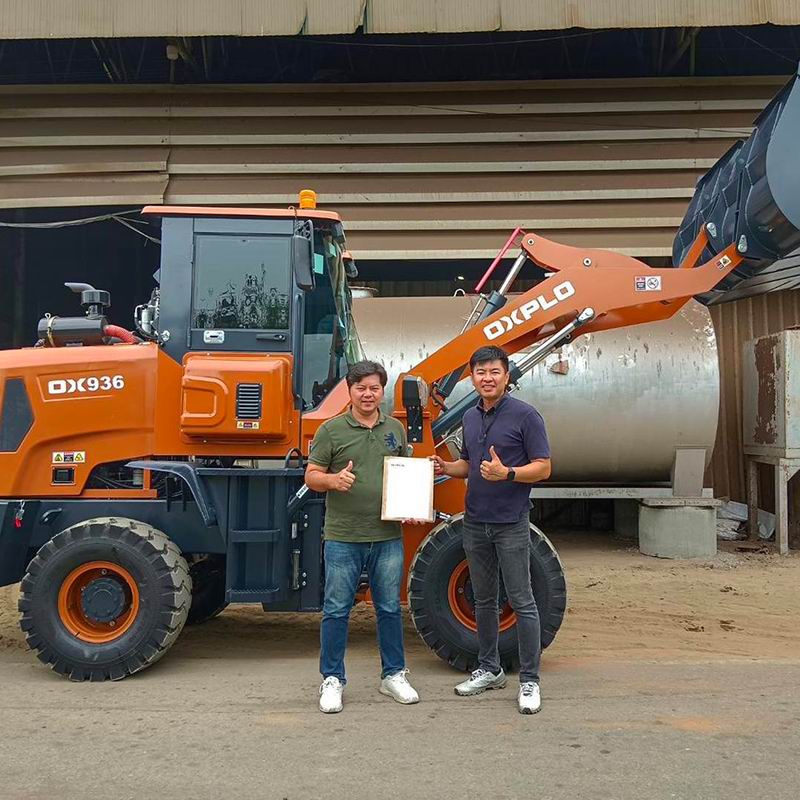
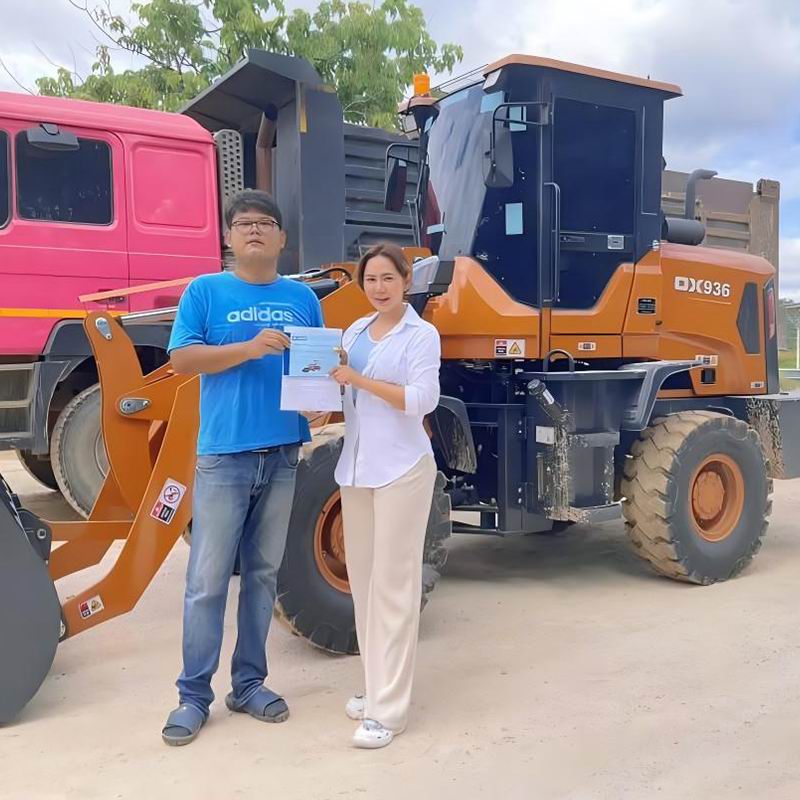
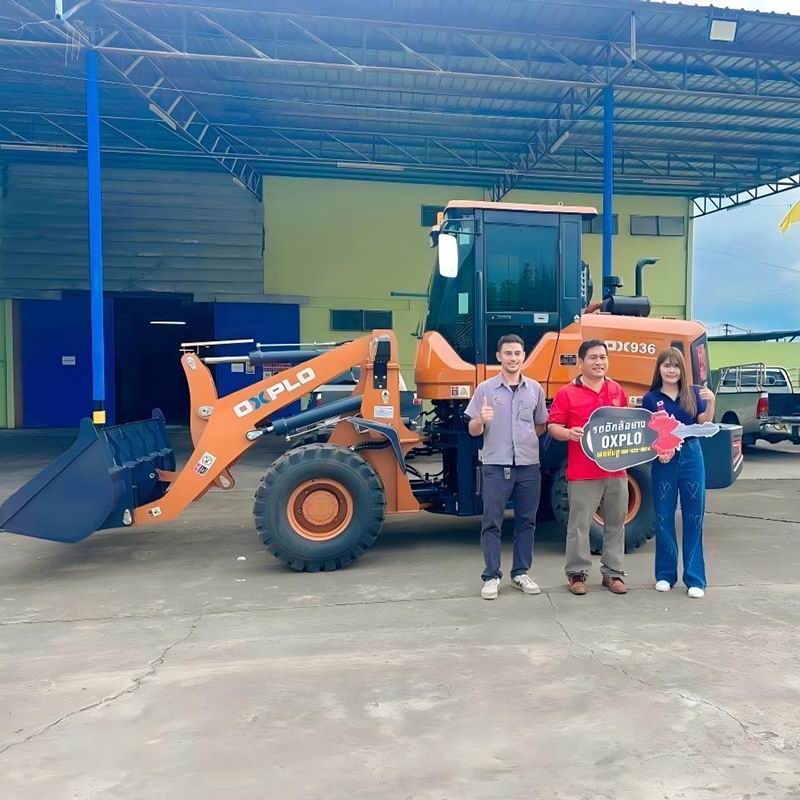
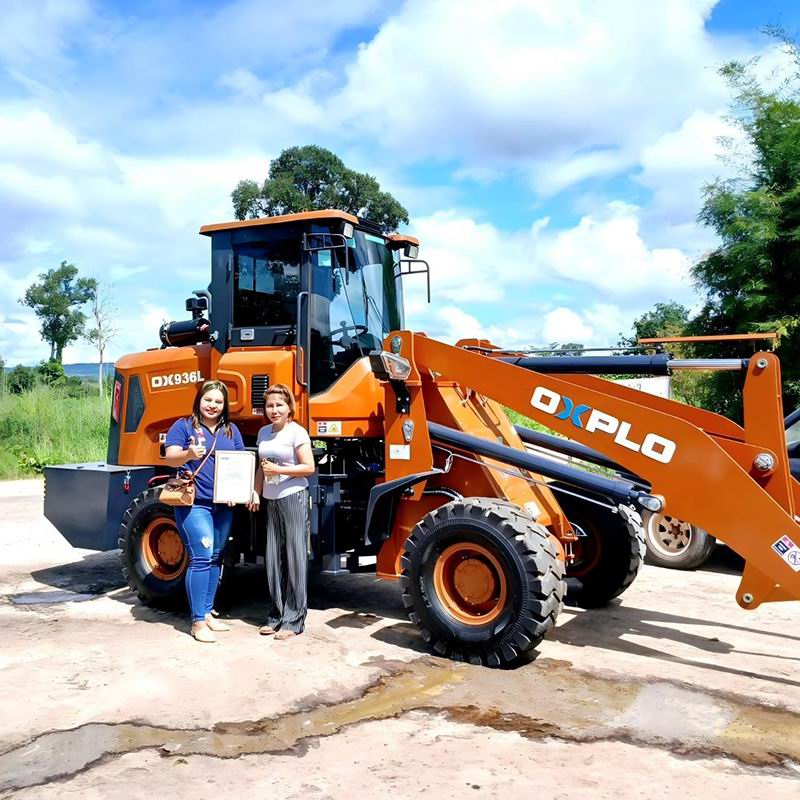
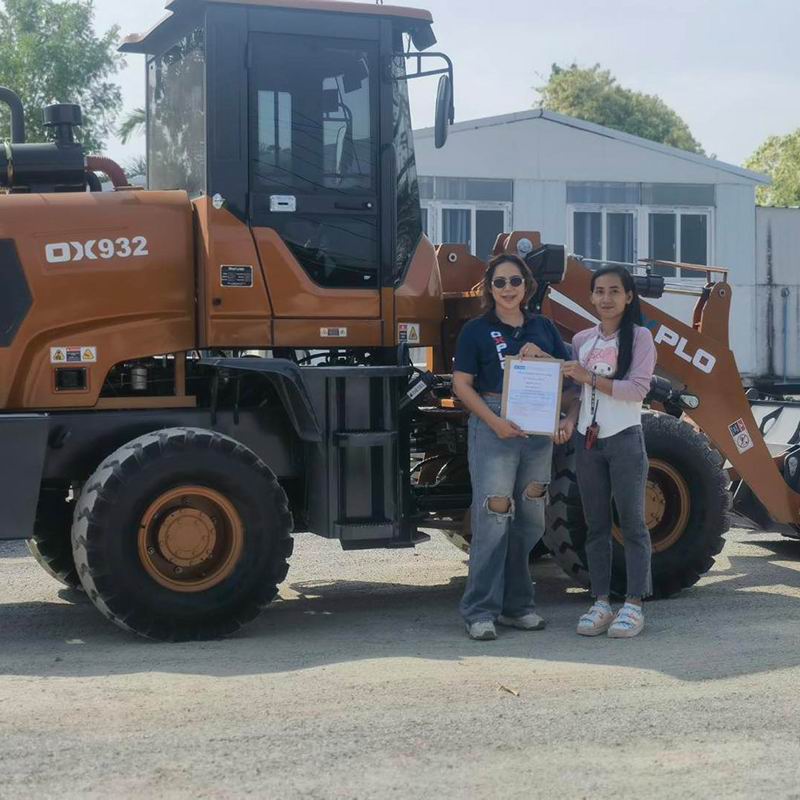
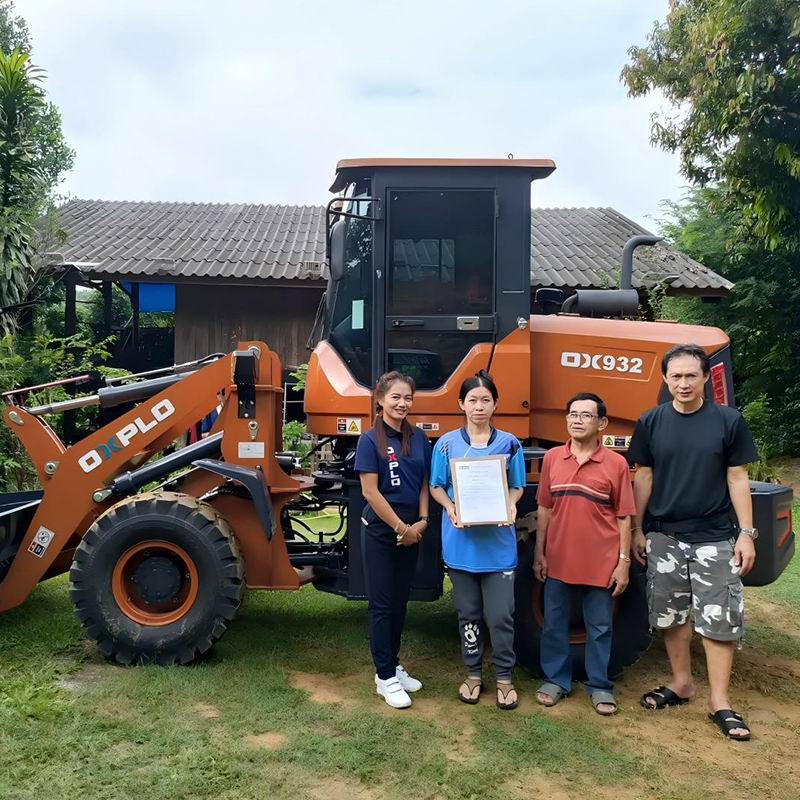
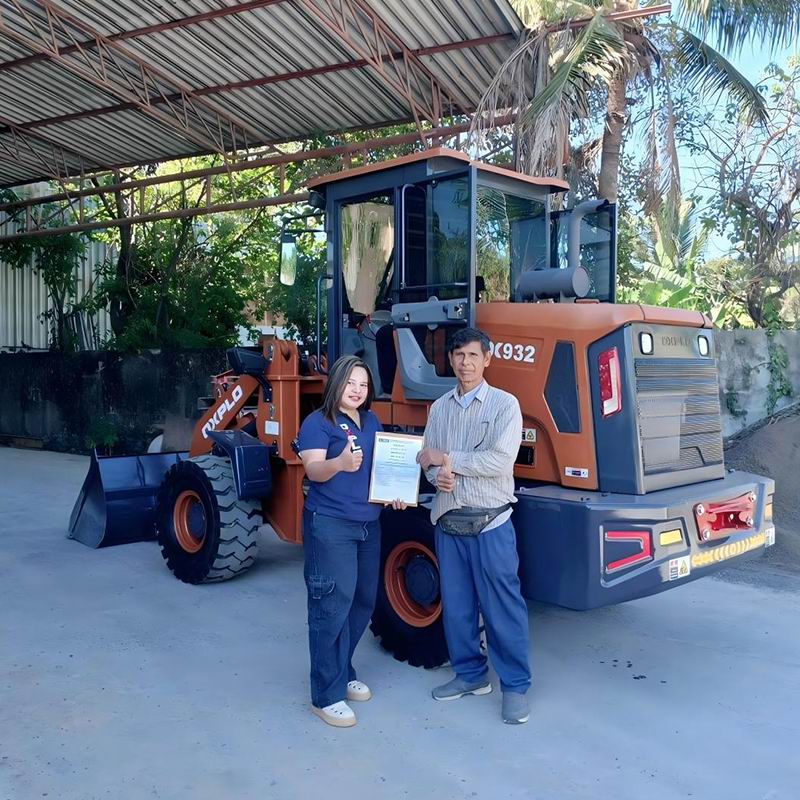
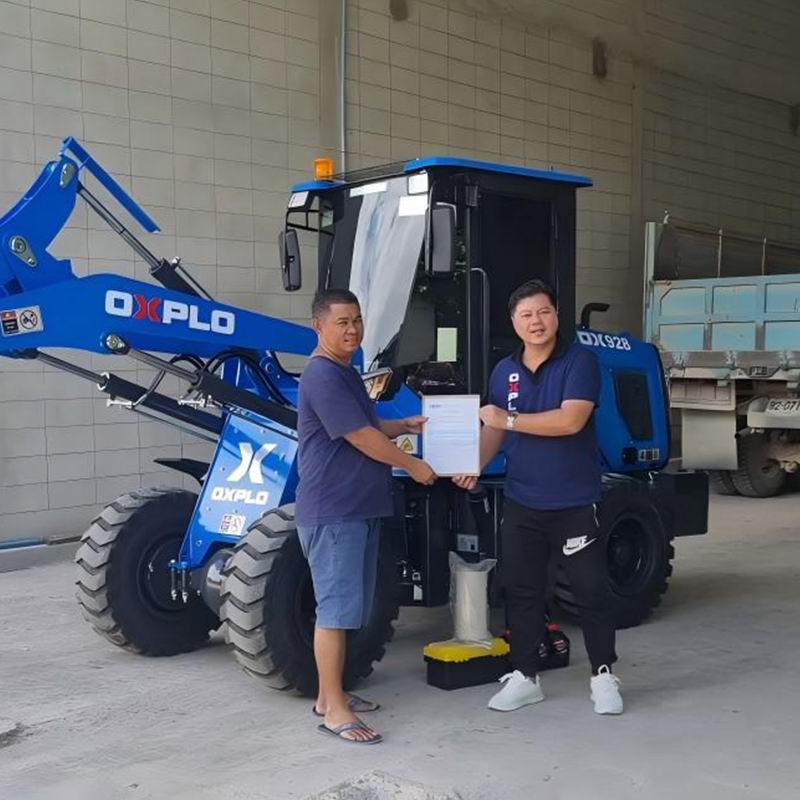
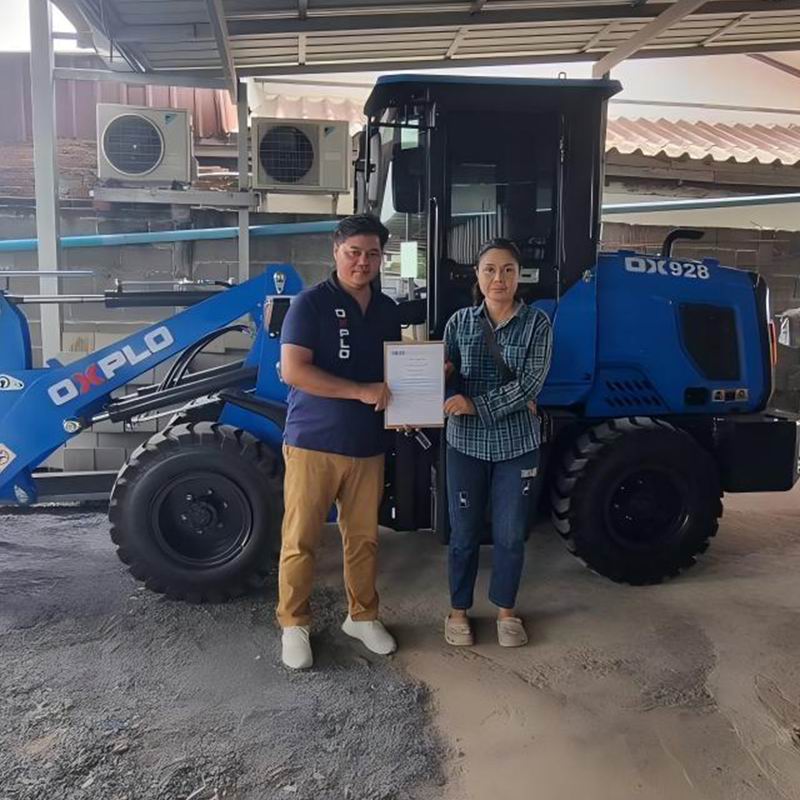
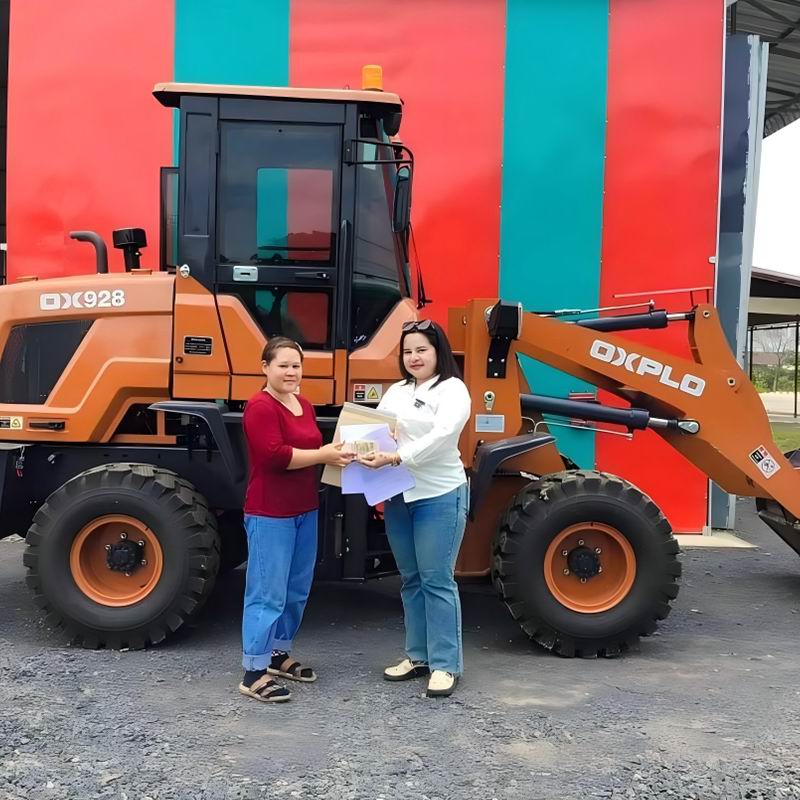
customer case
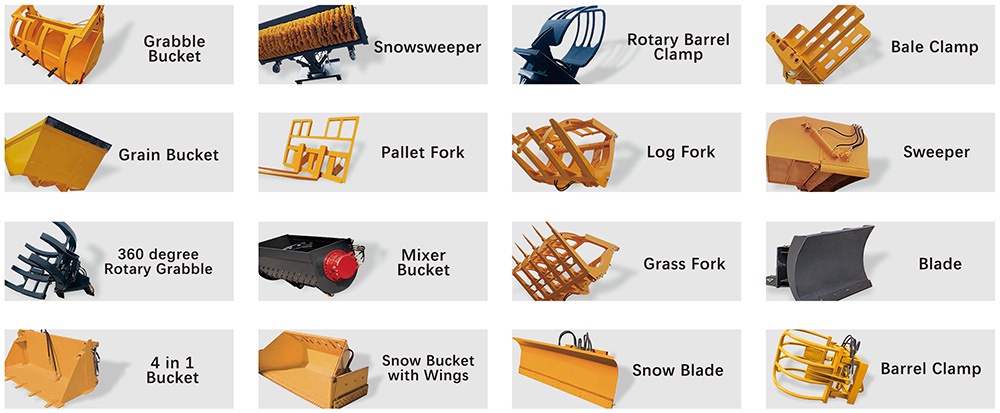
Wheel Loader Attachments
OXPLO provides a variety of spare parts support.
OXPLO's advantages
Let us introduce our products & factory to you
What makes us different
Why Choose Us
OXPLO specializes in the supply of forklifts, wheel loaders and tractors, providing reliable machinery solutions for material handling, construction and agricultural industries
Thailand Headquarters & SEAN Regional Operations
Headquartered in Thailand, with established firms and local service teams in the Philippines.
Reliable After-Sales & Spare Parts Support
We offer full after-sales care, including maintenance support and spare parts supply.
Factory Direct Supply
Direct factory operation ensures superior quality and a stable supply.
Quick Response & Service
Our local SEAN teams deliver rapid response, on-site service and expert technical help.
High-Performance Equipment
Built for tough jobs, our gear delivers robust power, steady performance and efficiency.
Application Scenarios
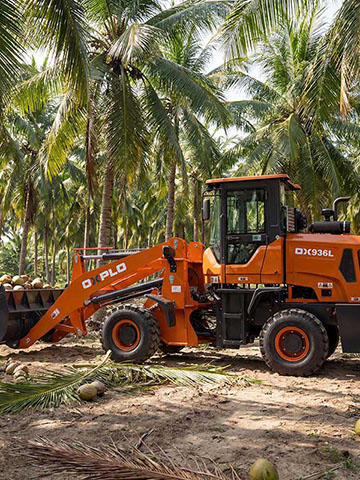
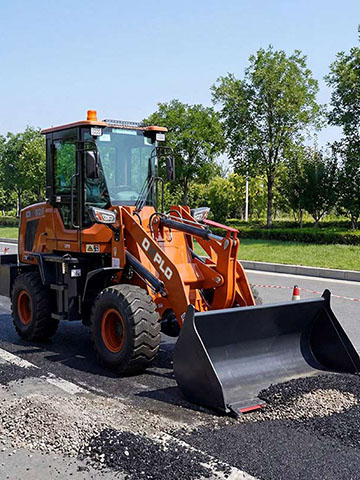
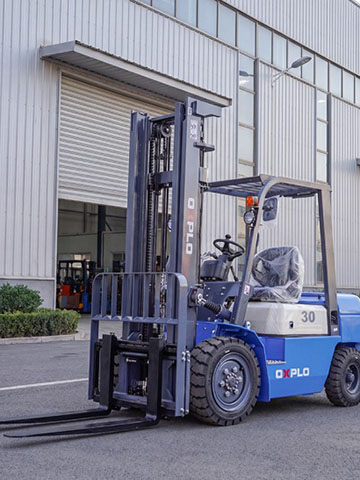
Our products are widely used in various fields such as warehousing,
construction, municipal roads, agriculture
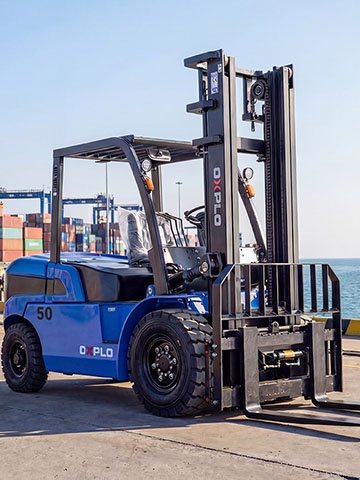
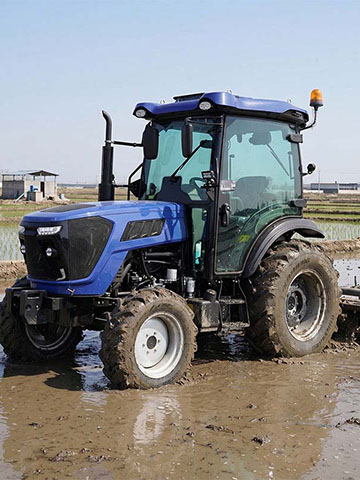
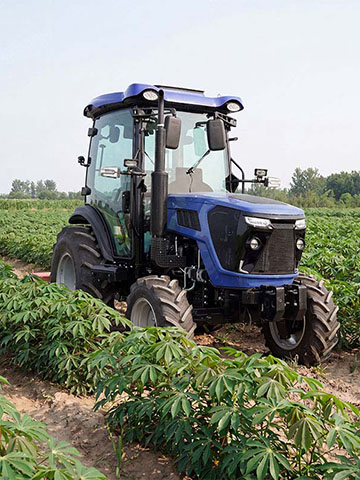
about OXPLO
OXPLO is headquartered in Vannok District, Ayutthaya Province, Thailand, with five new branch offices in Khon Kaen, Nakhon Ratchasima, Ubon Ratchathani, Chiang Mai, and Phatthalung Provinces. The company's core competitive advantage lies in its "fast and efficient after-sales service and on-site problem-solving capabilities." OXPLO provides a comprehensive service guarantee system. Having cultivated the Thai market for many years, OXPLO not only provides excellent loaders, industrial forklifts, and off-road forklifts, but also offers one-stop service from procurement financing to after-sales support through comprehensive local support.







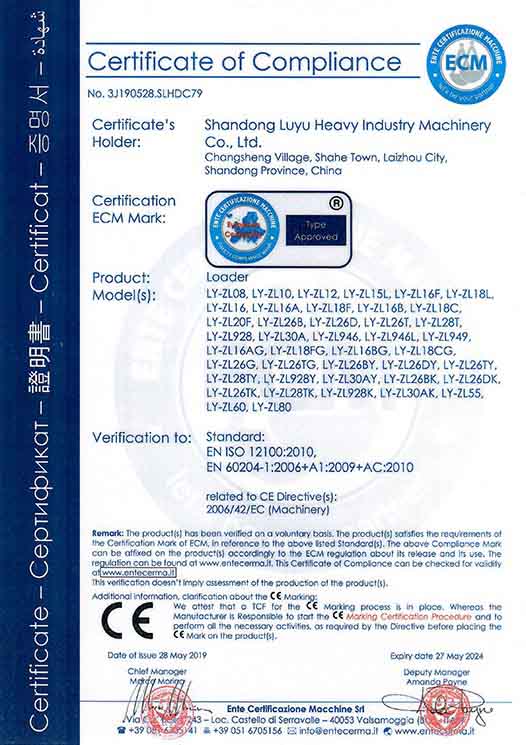
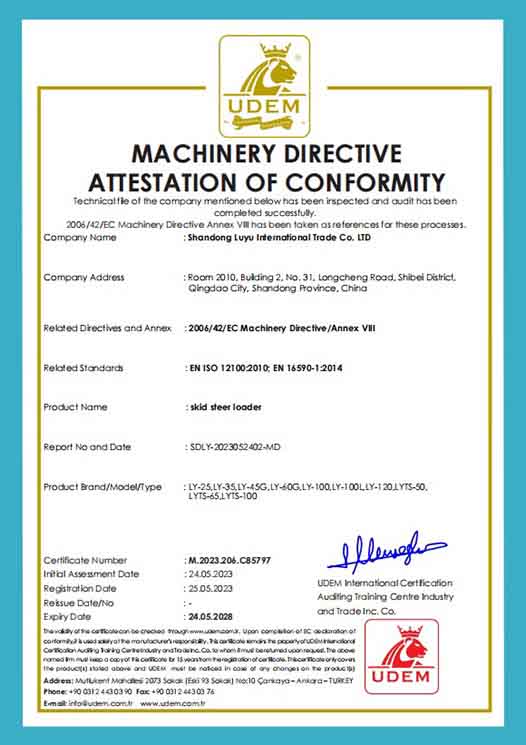
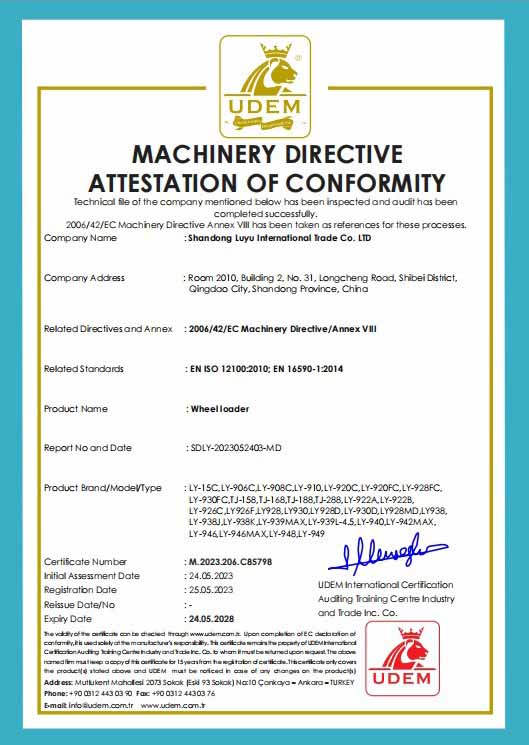
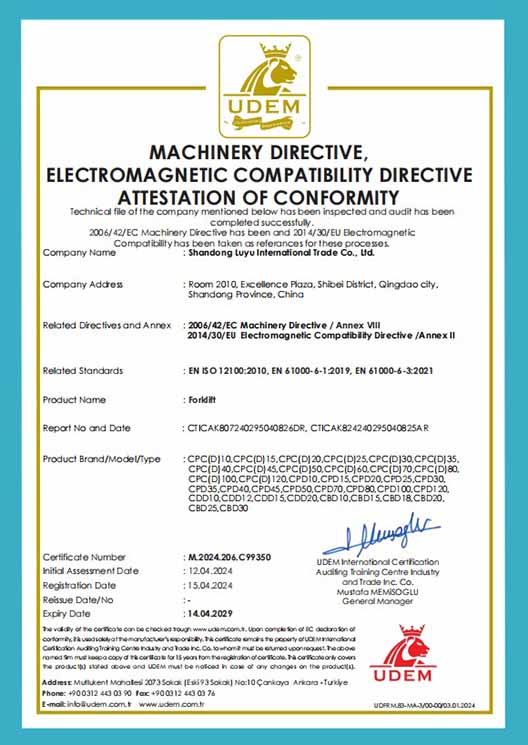
OUR CERTIFICATE
Wheel Loader FAQ
How much does a wheel loader cost?
The cost of a wheel loader varies depending on its rated load capacity, engine configuration, attachments, and optional features. Compact wheel loaders generally cost less than larger construction models. For an accurate quotation, contact OXPLO with your application requirements, preferred specifications, and destination country.
What is the fuel consumption of a wheel loader?
Fuel consumption depends on the loader size, engine power, operating conditions, and workload. Compact wheel loaders typically consume less fuel than larger models used in heavy-duty construction. Proper maintenance, efficient operating practices, and selecting the right machine size can help reduce fuel costs and improve productivity.
What is the lifting capacity of a wheel loader?
A wheel loader's lifting capacity is determined by its rated load. OXPLO offers wheel loaders with rated load capacities ranging from approximately 1.6 tons to 5 tons, making them suitable for agriculture, construction, material handling, and industrial applications. Always select a machine with sufficient capacity for your intended workload.
Can a wheel loader be used with pallet forks?
Yes. Many OXPLO wheel loaders can be equipped with pallet forks through a quick coupler system. This allows the machine to handle palletized goods, construction materials, agricultural products, and warehouse cargo, making it a versatile alternative to dedicated material handling equipment in certain applications.
How often should a wheel loader be serviced?
Regular maintenance is essential for maximizing machine performance and lifespan. Daily inspections should include checking engine oil, hydraulic fluid, coolant levels, and tire condition. Scheduled maintenance intervals vary by model and operating hours, but following the manufacturer's maintenance guidelines can help prevent unexpected downtime and costly repairs.
What is the difference between a wheel loader and a skid steer loader?
The primary difference is size, lifting capability, and maneuverability. Wheel loaders generally offer higher lifting capacities, larger buckets, and better performance for moving bulk materials over longer distances. Skid steer loaders are more compact and excel in confined spaces where tight turning and versatility are required. The best choice depends on your job site conditions and application needs.
What engine brands are available on OXPLO wheel loaders?
OXPLO wheel loaders are available with different engine configurations depending on the model and market requirements. Engine options may include reliable diesel engines designed to deliver strong performance, fuel efficiency, and easy maintenance. Please contact our sales team for specific engine options available in your region.
Do you provide operator training and technical support?
Yes. OXPLO provides after-sales support and technical assistance to help customers operate and maintain their equipment efficiently. Our team can offer guidance on machine operation, routine maintenance, troubleshooting, and spare parts support to ensure long-term reliability and productivity.