



Many equipment purchases fail not because the machine cannot start or because its specifications are obviously inadequate, but because it cannot complete the intended work at a reasonable cost once it reaches the jobsite.
A loader may be able to lift the material but fail to clear the sidewall of the receiving hopper. It may reach its rated load yet require repeated reversing in a narrow yard. It may be fitted with a large bucket, but every full bucket of wet sand may push the machine close to overload. On paper, the equipment is operational. In business terms, however, it continues to consume fuel, tires, labor hours, and maintenance budget.
Therefore, when selecting a Wheel Loader 2 Ton, the real question is not simply, “Is a 2-ton loader large enough?” The question is:
Under the required site, material, shift, and loading conditions, which machine configuration can complete the job consistently at the lowest cost per tonne handled?
This is the central issue most often overlooked in wheel loader selection.
I. The Biggest Waste Is Not Paying More-it Is Mismatching the Machine to the Job
Procurement teams can easily see the purchase price. What is much harder to see during the quotation stage is the downstream cost of choosing the wrong machine. Those losses are usually spread across several departments: fuel is charged to fleet operations, tires to maintenance, idle time to production, and delays caused by underloaded trucks to logistics. Each item may appear manageable in isolation. Combined, they can far exceed the amount saved on the original purchase.
An oversized loader brings higher acquisition, transport, and daily operating costs. It may also require more turning room, place greater pressure on the ground, and make two-way traffic more difficult. An undersized machine may look economical at first, but it often requires more bucket cycles, operates continuously near maximum load, raises hydraulic oil temperatures, and accelerates component wear.
The more difficult point is that the same rated load does not guarantee the same productivity. All of the following variables affect the actual result:
• Bucket capacity and whether the bucket suits the target material;
• Standard lift arms, long arms, or high-dump configurations;
• Operating weight, wheelbase, tires, and counterweight;
• Breakout force, hydraulic flow, and cycle time;
• Dump height, dump reach, and bucket rollback angle;
• Site gradient, ground strength, travel distance, and turning space;
• Operator skill, maintenance conditions, and continuous daily operating hours.
For that reason, “2-ton class” should be treated only as an initial screening criterion-not as a final purchasing decision.
II. Main Wheel Loader Categories: Different Designs Solve Different Problems
The industry does not use one universal boundary between “mini,” “compact,” and “medium” wheel loaders. Instead of focusing too heavily on category names, buyers should compare machines by rated operating load, working equipment, and power source.
1. Classification by Rated Operating Load
As the table shows, the value of a Wheel Loader 2 Ton is not merely that it is larger than a compact loader. Its value lies in the balance it can offer between maneuverability and production capacity. However, that balance can quickly disappear when material density, dump height, or site conditions change.
2. Classification by Lift-Arm and Attachment Configuration
Standard-lift models generally provide good structural rigidity, stability, and loading efficiency for routine work. They are commonly used to load conventional trucks, feed low or medium-height hoppers, or supply production lines.
Long-arm or high-dump models can reach a higher discharge point, but a longer lift arm changes the load moment. The same rated load does not mean the machine retains the same stability margin at every lift height and forward reach. When purchasing a high-dump loader, verify the actual dump height, dump reach, bucket specification, and target material rather than focusing only on how high the boom can lift.
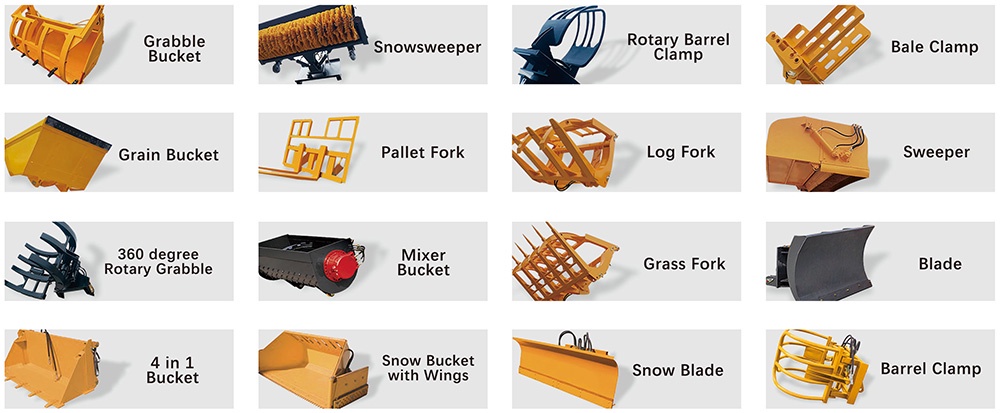
Multi-purpose models can use buckets, pallet forks, grapples, sweepers, or clamps through a quick coupler. This is useful on farms and in factories where tasks change frequently. Nevertheless, an attachment changes front-end weight, hydraulic demand, and the machine’s center of gravity. The value of a quick coupler is shorter changeover time; it does not allow one loader to replace every purpose-built machine without limits.
3. Classification by Power Source
Diesel models are suitable for projects with limited charging infrastructure, continuous outdoor work, or highly variable loads. Electric models offer advantages in low-noise, low-local-emission, and indoor applications, but battery capacity, charging windows, cold-weather performance, and the available electrical supply must be calculated at the same time.
The power source determines how the machine receives energy. It does not replace the need to calculate rated load and actual working conditions. Both diesel and electric loaders can be oversized or undersized.
III. Why Can Two “2-Ton” Loaders Still Be Wrong for the Same Job?
Mistake 1: Assuming Every Bucket Can Carry 2 Tonnes
The actual mass of material in the bucket can be estimated using a simple formula:
Material per bucket = bucket capacity × loose bulk density × fill factor
Assume a machine uses a 1.8 m³ bucket to handle dry grain with a loose bulk density of approximately 0.65 t/m³. With a fill factor of 0.90:
1.8 × 0.65 × 0.90 ≈ 1.05 tonnes
This combination normally leaves some payload margin. Now replace the grain with wet sand at a loose bulk density of approximately 1.6 t/m³. Even if the fill factor falls to 0.80:
1.8 × 1.6 × 0.80 ≈ 2.30 tonnes
For a loader rated at 2 tonnes, that already exceeds the nominal load. A large bucket is therefore more suitable for light materials; it does not automatically deliver higher productivity with dense materials.
Material density also changes with moisture content, particle size, and compaction. Buyers should provide the supplier with site measurements or a reliable density range instead of writing only “sand,” “grain,” or “fertilizer” in the inquiry.
Mistake 2: Comparing Engine Power Alone
Engine power defines the upper limit of available power, but productivity also depends on hydraulic performance, torque-converter matching, traction, bucket geometry, and the operating route. A more powerful machine may still consume more fuel per tonne if it is heavier than necessary, follows a longer cycle path, or struggles to fill the bucket efficiently.
The correct approach is to observe the complete loading cycle:
1. Approach the stockpile;
2. Penetrate the pile and fill the bucket;
3. Reverse, turn, and travel;
4. Lift, position, and dump;
5. Return to the loading point.
Wheel slip, repeated steering correction, or waiting at any stage will consume the power advantage shown on the specification sheet.
Mistake 3: Treating Maximum Dump Height as Usable Working Height
The dump height listed on a specification sheet is normally measured at a defined machine position and under specified conditions. At the jobsite, tire sinkage, ground gradient, vehicle-positioning error, and bucket dump angle can all reduce the usable clearance. If the nominal dump height is only slightly above the sidewall of the target truck or hopper, spillage, contact, and incomplete dumping become likely.
The correct evaluation should include:
• The highest interference point on the receiving truck or hopper;
• Dump height and forward reach in the unloading position;
• The movement path of the bucket cutting edge, pivot point, and rollback mechanism;
• Height loss caused by uneven ground or tire sinkage;
• Stability and operator visibility while lifting a full load.
Mistake 4: Assuming a Larger Machine Must Finish the Job Faster
If a larger loader requires one additional reverse movement or spends another 10 seconds correcting its position during each cycle, the larger bucket may not produce more material per hour. Loader productivity should be calculated from effective payload multiplied by effective cycles-not from bucket size alone.
IV. A Practical Wheel Loader 2 Ton Selection Process
Step 1: Define the Work Before Selecting a Model
At a minimum, the purchasing requirement should answer the following questions:
This step appears basic, yet it can eliminate most clearly unsuitable machines before quotations are compared.
Step 2: Calculate Payload per Bucket and Required Cycle Count
First, use material density and fill factor to calculate effective payload per bucket. Then work backward from the target output to determine the required number of cycles:
Hourly output (t/h) = effective payload per bucket (t) × 3,600 ÷ average cycle time (s) × operating efficiency
For example, assume a machine carries an effective payload of 1.6 tonnes per bucket, completes an average cycle in 45 seconds, and achieves 70% operating efficiency:
1.6 × 3,600 ÷ 45 × 70% = 89.6 t/h
A second machine carries 2.0 tonnes per bucket. However, because its larger dimensions slow turning and positioning, its average cycle time reaches 55 seconds. At the same operating efficiency:
2.0 × 3,600 ÷ 55 × 70% ≈ 91.6 t/h
The second machine carries 25% more material per bucket, but its hourly output is only about 2.2% higher. These figures are illustrative, but they demonstrate an important rule: payload and cycle time must be evaluated in the same calculation.
Step 3: Verify Machine Geometry Against Site Limits
Map the loading point, dumping point, and turning route on the actual site. Measure the narrowest passage, lowest entrance, and required discharge position. During a machine trial, check whether the loader can complete a V-pattern or Y-pattern cycle with minimal direction changes.
For high-dump work, dump reach matters as much as dump height. A loader that can lift high enough but cannot approach the hopper closely enough may still be unable to discharge effectively.
Step 4: Match Tires, Ground Clearance, and Drivetrain to the Surface
On paved surfaces, prioritize tire wear resistance, steering response, and low rolling resistance. On muddy farms, tread design, self-cleaning ability, ground clearance, and traction become more important. Slope work also requires an assessment of braking, center of gravity, and the risks of traveling downhill with a full bucket.
If the machine will mainly operate on soft ground, adding operating weight may improve stability under some conditions, but it can also increase sinkage and rolling resistance. This is a classic engineering trade-off.
Step 5: Include Maintenance Conditions in the Configuration Sheet
Which engine and components a supplier can provide is only the first question. The availability of filters, seals, brake parts, tires, and common hydraulic components in the local market determines how quickly production can resume after a fault.
During procurement review, confirm service intervals, access to daily inspection points, diagnostic methods, included spare parts, and the technical-support process. The cost of one day of downtime can easily exceed the cost of several routine services.
V. Use TCO-not the Quotation-to Decide Whether a Loader Is Economical
Total cost of ownership should include at least:
TCO = acquisition and transport + energy + labor + maintenance and repair + tires and wear parts + downtime losses − residual value
To make different machines genuinely comparable, calculate:
Cost per tonne handled = TCO during the evaluation period ÷ actual tonnes handled during the evaluation period
The table below uses hypothetical figures to illustrate the calculation method. It does not represent a performance commitment for any specific model.
If the oversized machine does not produce a higher effective hourly output, fuel alone adds USD 5,400 per year. Higher tire, transport, and spare-parts costs can turn what initially appeared to be a “higher specification” into an ongoing financial burden.
An undersized machine is not necessarily economical either. If additional bucket cycles add one operating hour per day over 250 working days, the machine accumulates another 250 engine hours per year. Energy, labor, and scheduled maintenance all increase accordingly.
Therefore, quantified benefits should not be described vaguely as “higher efficiency.” They should be expressed through four operating indicators:
• Effective tonnes handled per hour;
• Fuel or electricity consumed per tonne;
• Unplanned downtime per 500 operating hours;
• Tire, cutting-edge, and hydraulic-component cost per operating hour.
VI. Understanding the Differences Within OXPLO’s 2-Ton-Class Range
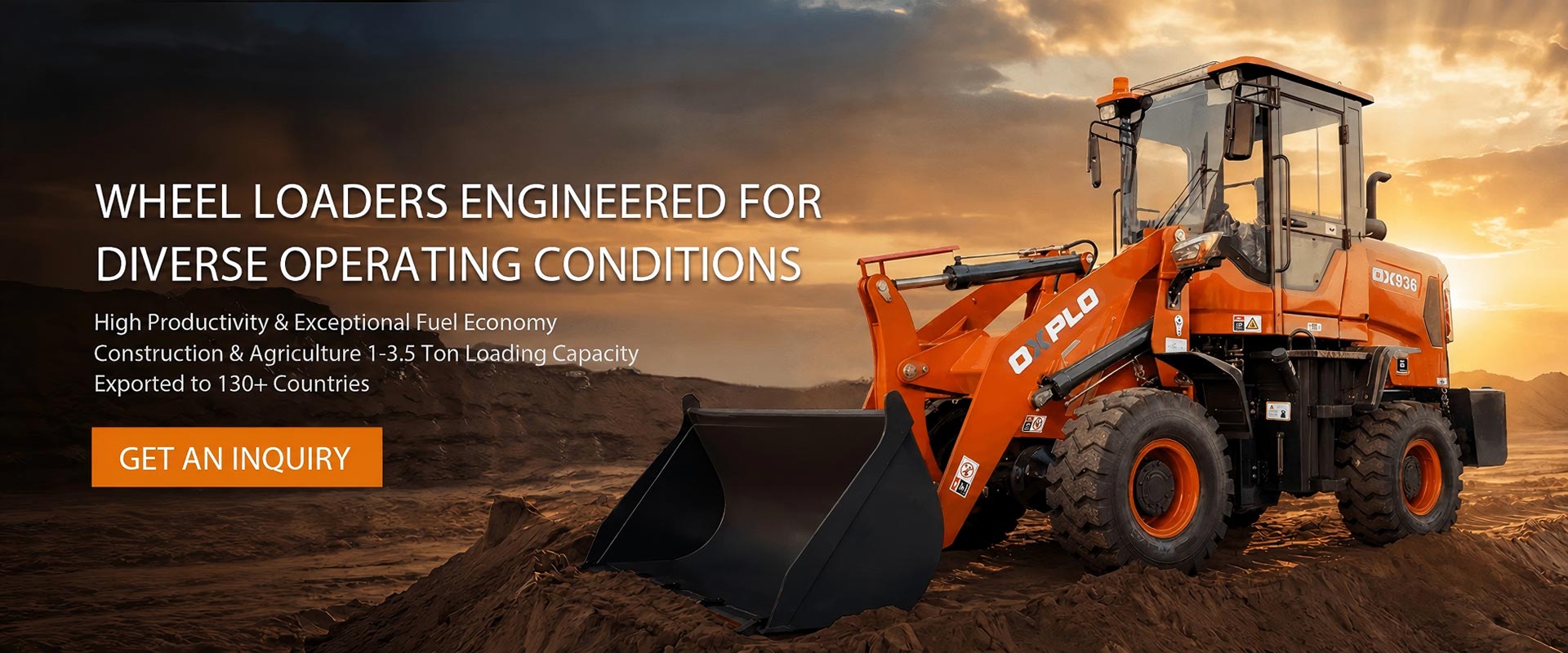
The OXPLO website currently presents wheel loaders with rated loads of approximately 1.5 to 3.5 tonnes for agriculture, construction, material handling, and municipal applications. Models close to the Wheel Loader 2 Ton search category already show meaningful differences in configuration.
Buyers may classify both machines as 2-ton loaders, but they are not direct substitutes in every application. The OX938L’s 1.8 m³ bucket and 4.5 m dump height indicate that material density and the high-dump target require careful assessment. The OX938’s 1.0 m³ bucket makes it more appropriate to calculate payload around denser materials. Any final conclusion should still be confirmed against site conditions, available attachments, and the actual ordered configuration rather than inferred from the table alone.
The OXPLO product range also includes adjacent rated-load classes such as 1.5 tonnes, 1.6 tonnes, 2.3–2.6 tonnes, 3 tonnes, and 3.5 tonnes. This range is not intended to push every buyer toward a larger model. Its practical value is that the procurement team can move up or down after completing the workload calculations.
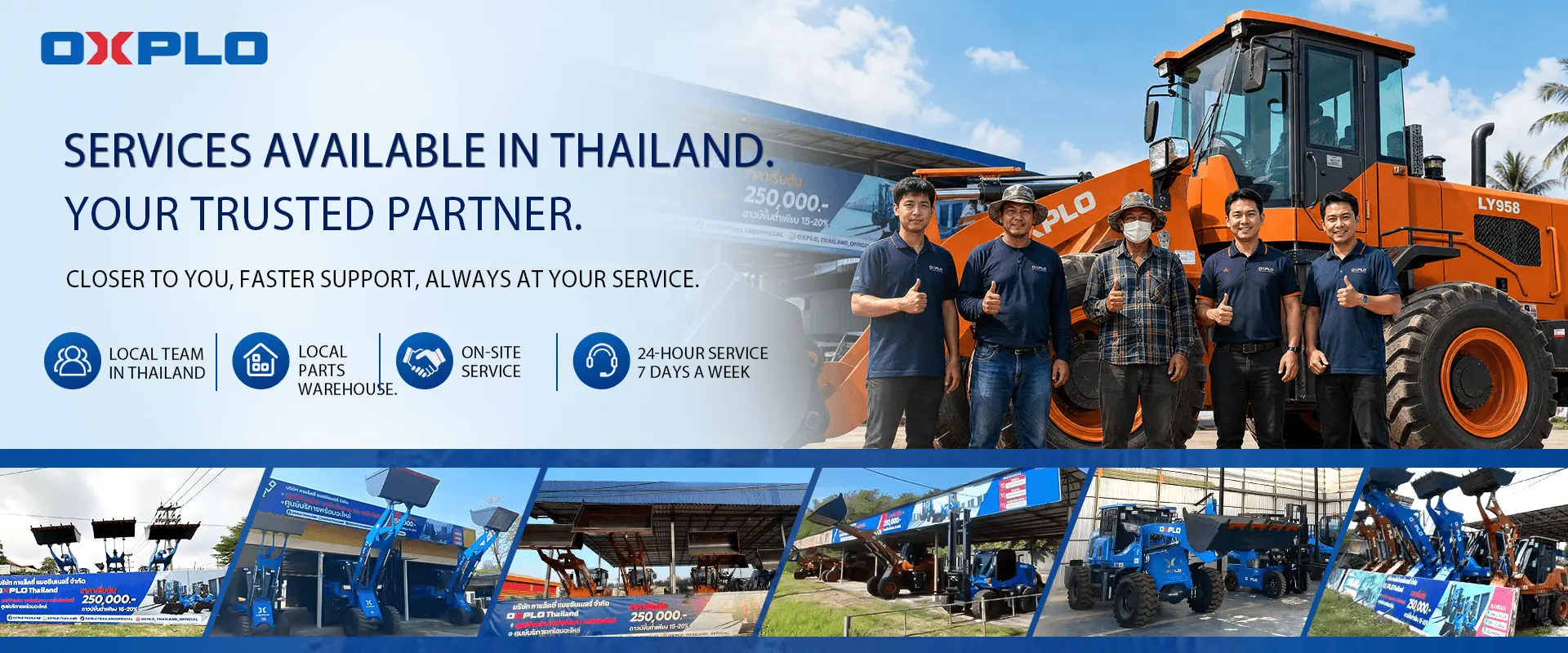
If a 2-ton-class machine would operate continuously near its load limit with dense material, a 2.6-tonne model may provide a more reliable margin. If the work mainly involves light agricultural materials, short travel distances, and confined spaces, a 1.6-tonne machine may achieve a lower unit cost. OXPLO can also provide application options such as different buckets and pallet forks. With its headquarters and multiple sales and service locations in Thailand, together with an operational and service presence in the Philippines, configuration, maintenance, and spare-parts planning can be reviewed in relation to local working conditions.
The real value is not in recommending one machine immediately. It is in eliminating the wrong configurations first and then selecting the lowest-risk combination from the remaining options.
VII. Pre-Purchase Checklist: Turn an Inquiry into a Technical Screening Process
When requesting a quotation, avoid sending only, “Need Wheel Loader 2 Ton, please quote.” Include at least:
1. Material name, loose bulk-density range, moisture condition, and maximum particle size;
2. Target throughput per hour and per shift;
3. One-way travel distance in each operating cycle;
4. Narrowest passage, lowest entrance, maximum gradient, and ground type;
5. Interface dimensions of the target truck, hopper, or production equipment;
6. Required bucket, pallet fork, grapple, and attachment-change frequency;
7. Daily working hours, number of shifts, and maximum local ambient temperature;
8. Fuel, emissions, noise, and certification requirements;
9. Requirements for locally available spare parts and service response;
10. Expected acceptance-test indicators, not merely specification-sheet values.
Recommended On-Site Acceptance Test
Where possible, use the actual material and complete at least one representative continuous operating period. Record:
• Actual or sampled payload per bucket;
• Average cycle time over 50 effective cycles;
• Loaded travel, braking, and steering performance;
• Whether repeated position corrections are needed during dumping;
• Engine coolant temperature, hydraulic oil temperature, and abnormal warnings;
• Fuel consumption per hour;
• Operator visibility, fatigue, and access for daily inspections.
Do not evaluate the machine only while it is empty. Smooth unloaded travel does not prove that the loader remains suitable with a full bucket, on a slope, or while dumping at maximum height.
VIII. Conclusion: The Right Machine Has the Lowest Cost per Unit of Output
The cost of choosing the wrong wheel loader does not appear in full on delivery day. It enters the operating budget gradually through one extra reversing movement, several additional bucket cycles, faster tire wear, more frequent maintenance, and longer downtime.
When selecting a Wheel Loader 2 Ton, treat rated load as the starting point-not the answer. First calculate material density and payload per bucket. Then verify cycle time, dumping geometry, ground conditions, attachment requirements, and maintenance capability. Finally, compare the shortlisted machines by cost per tonne handled.
If your project is comparing 1.6-tonne, 2-tonne, and 2.6-tonne wheel loaders, you can provide OXPLO with your material data, output target, site dimensions, and required dump height. Screening the configuration against these operating inputs is more useful than issuing a quotation alone, and it reduces the risk of rework and long-term waste after delivery.
IX. FAQ
Q1: Does Wheel Loader 2 Ton mean the bucket can carry 2 tonnes every time?
A1: No. Two tonnes normally refers to the rated load under specified operating conditions. The actual payload in each bucket depends on bucket capacity, loose bulk density, and fill factor. With dense materials such as wet sand or crushed stone, even a partially filled large bucket may exceed the rated load.
Q2: What jobs are suitable for a 2-ton-class wheel loader?
A2: Typical applications include farms, building-material yards, small and medium construction projects, municipal maintenance, and general material handling. Suitability still depends on dump height, travel distance, site width, material density, and required output per shift.
Q3: How should I choose between standard-lift and high-dump arms?
A3: Standard lift should be evaluated first for conventional truck loading and low-level hoppers. Higher hoppers, specific truck bodies, or light bulk materials may require a high-dump configuration. High dump is not a benefit without trade-offs: it changes machine weight, working geometry, and stability, so it must be verified against the actual material and discharge target.
Q4: Does more engine power always mean higher productivity?
A4: Not necessarily. Effective output depends on payload per bucket, cycle time, bucket-filling performance, traction, and the operating route. A more powerful loader may have a higher cost per tonne if it turns more slowly, travels farther while empty, or uses a mismatched bucket.
Q5: How can I compare the real economics of two wheel loaders?
A5: Under the same material and route conditions, record effective tonnes handled per hour, fuel consumption, unplanned downtime, and the cost of tires and wear parts. Then calculate the cost per tonne handled. Comparing purchase prices alone does not reveal the true lifecycle cost.
Customer Distribution
 Thailand-Ayutthaya
 Thailand-Khon Kaen
 Thailand-Nakhon Ratchasima
 Thailand-Ubon Ratchathani
 Thailand-Chiang Mai
 Thailand-Phthalum
, MAGUYAM ROAD, BRGY. MAGUYAM, SILANG, CAVITE") Philippines-ELITE GLOBUS WAREHOUSE(NO. 43 - OXPOWER MACHINERY INC.), MAGUYAM ROAD, BRGY. MAGUYAM, SILANG, CAVITE
Philippines-ELITE GLOBUS WAREHOUSE(NO. 43 - OXPOWER MACHINERY INC.), MAGUYAM ROAD, BRGY. MAGUYAM, SILANG, CAVITE
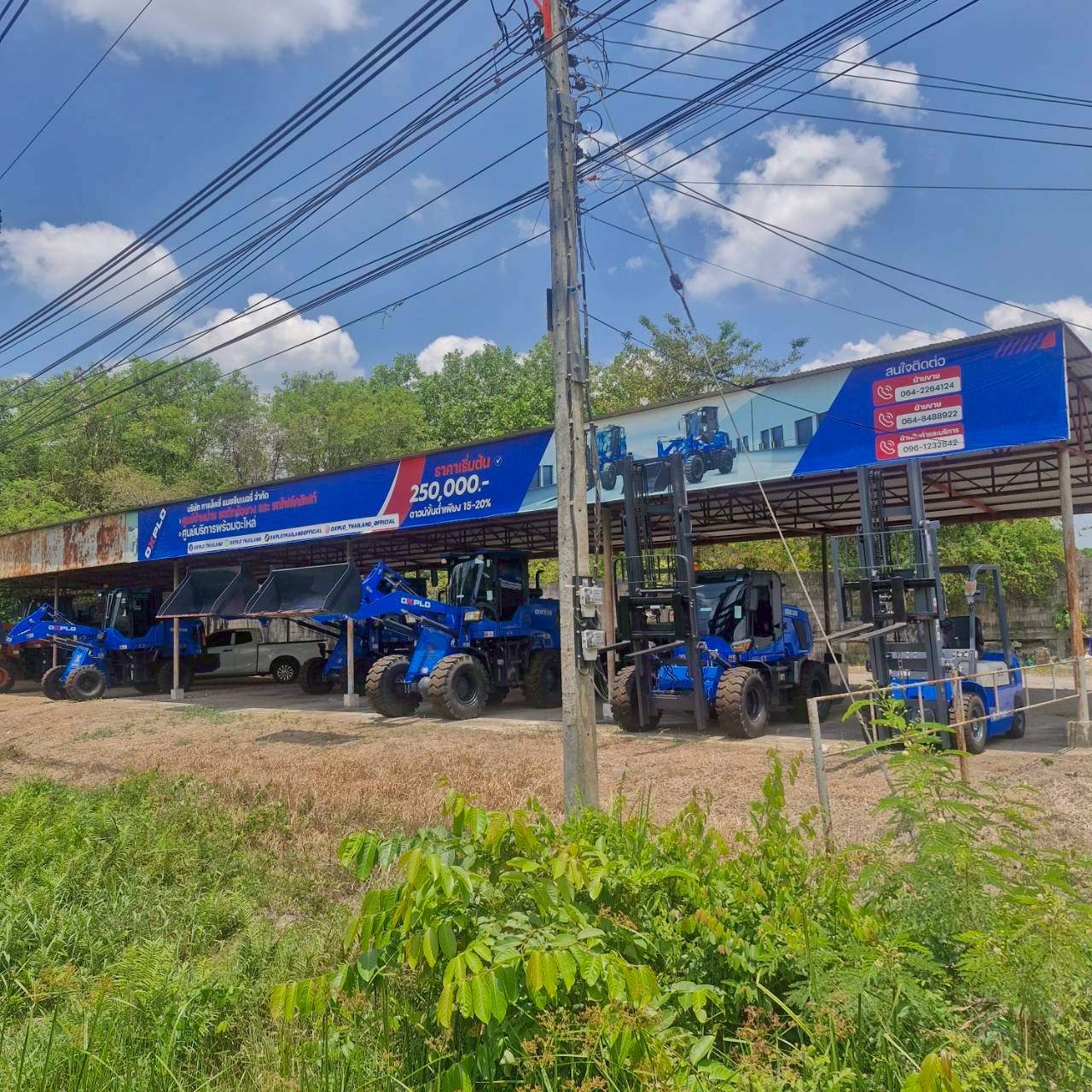
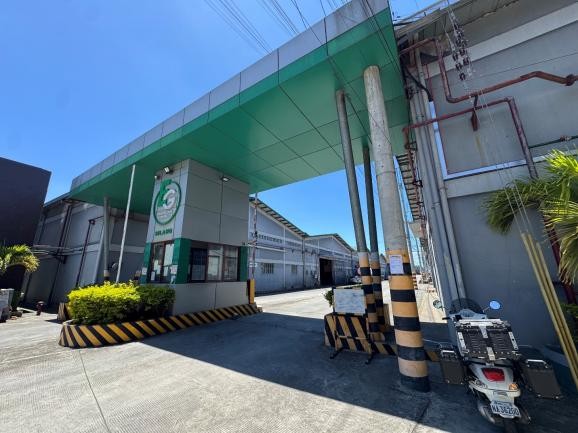
OUR OPERATiONS
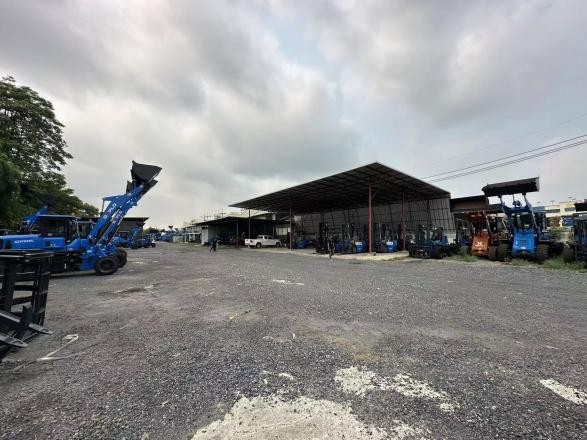
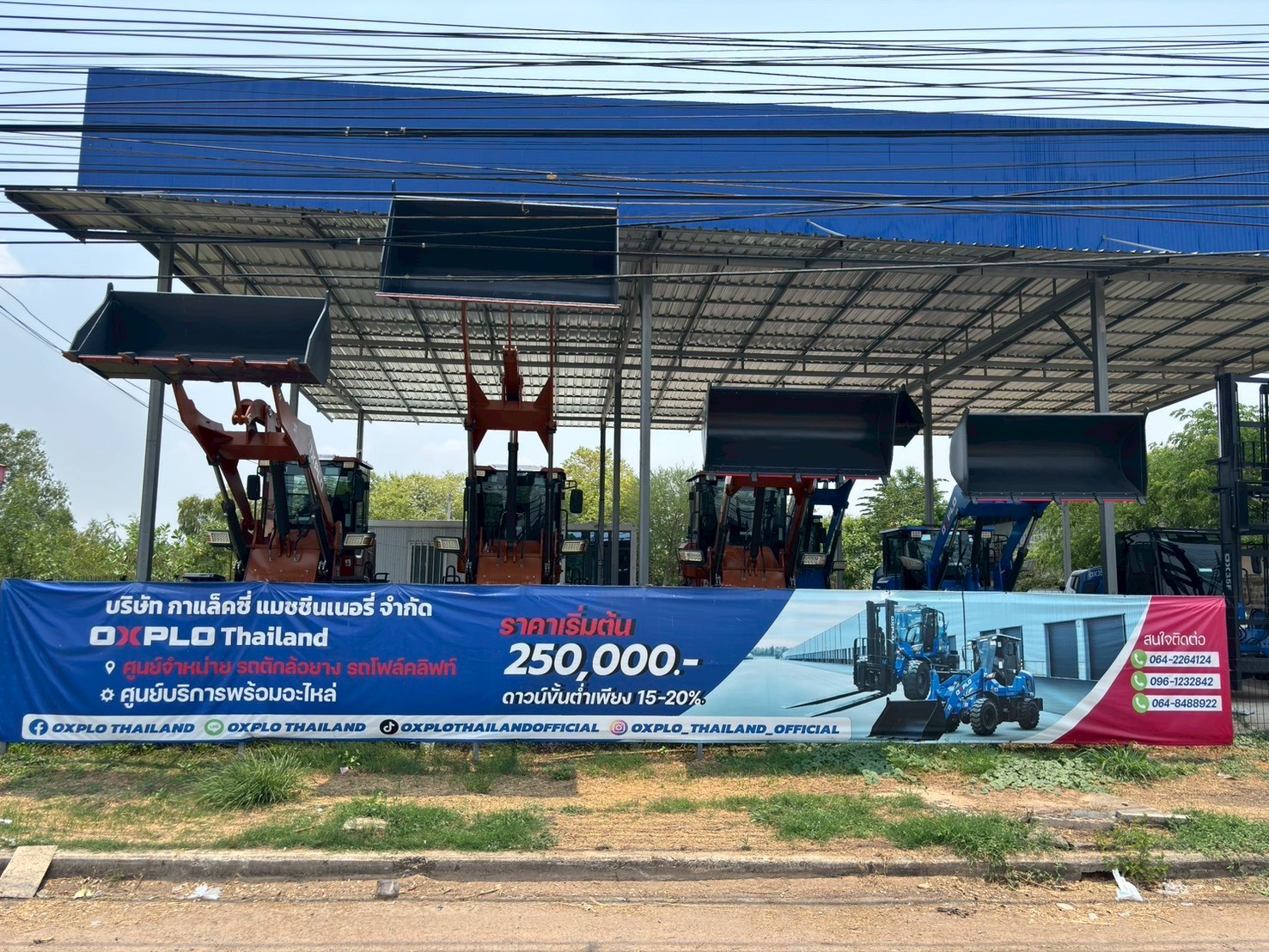
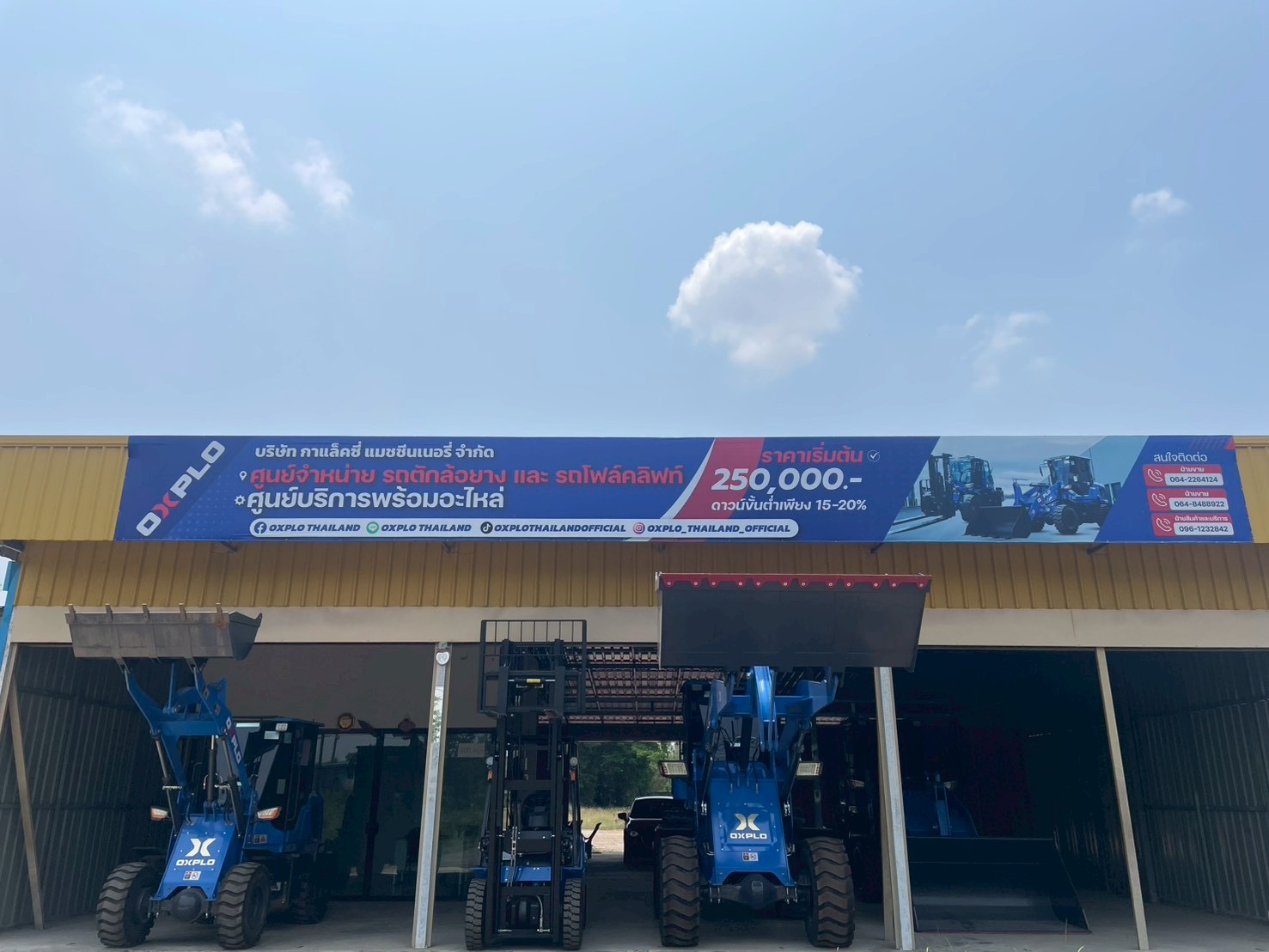
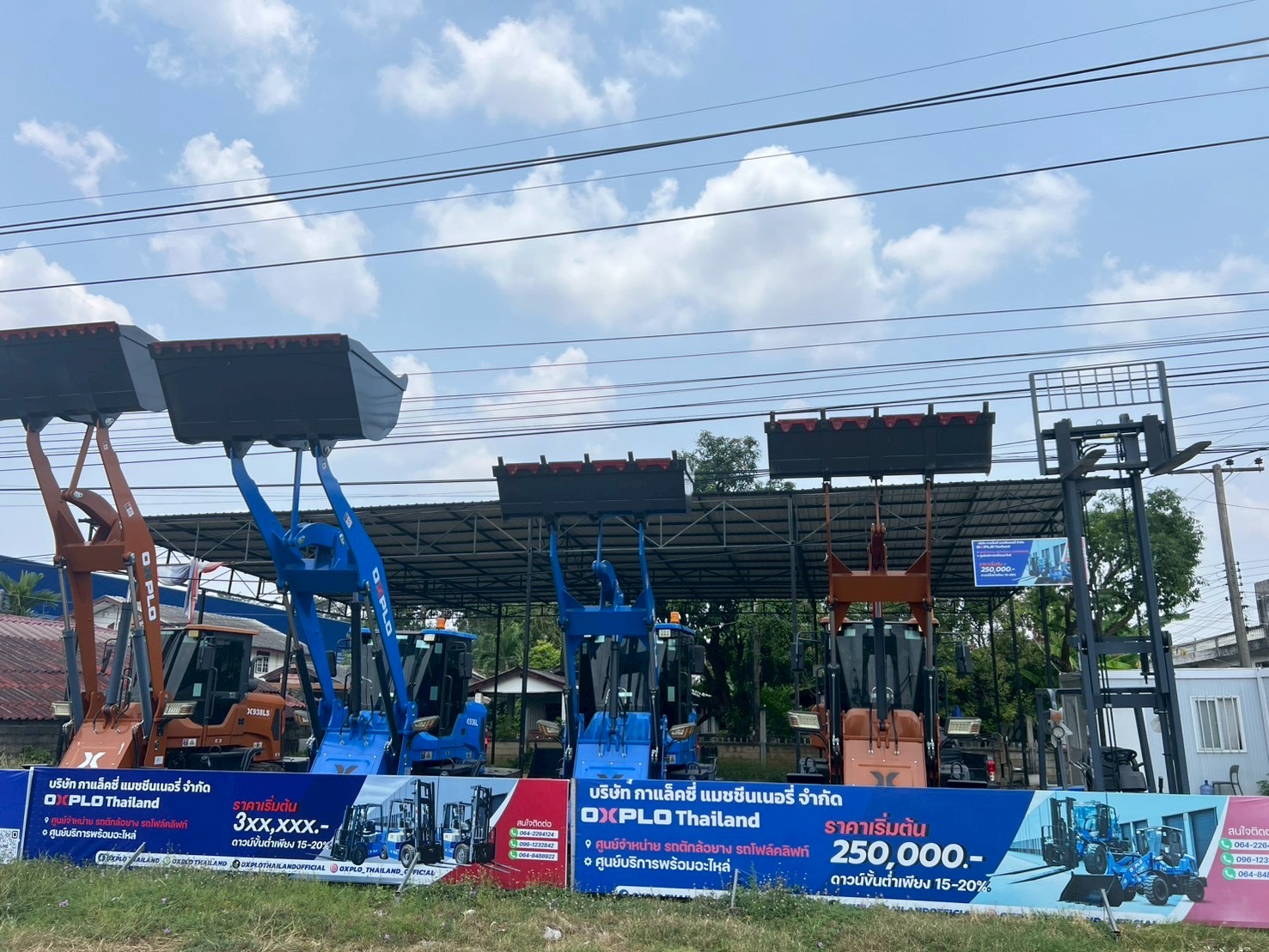
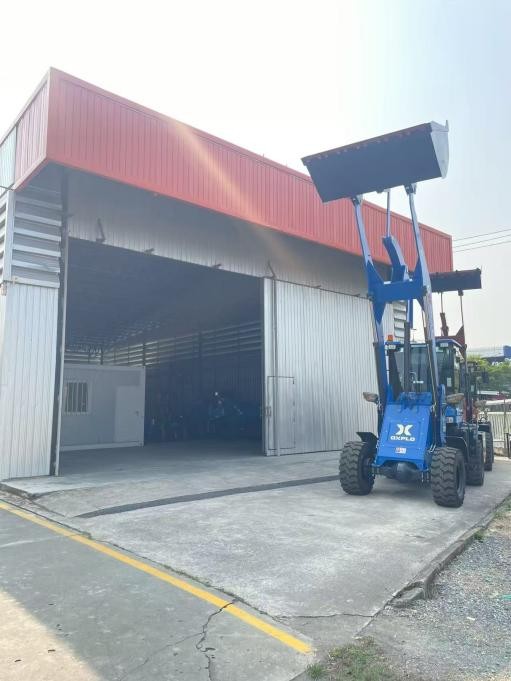
Our regional headquarters are located in Thailand, with independent operations company and service team in the Philippines. This multi-market presence enables us to provide customers throughout Southeast Asia with efficient communication, faster response times, and reliable local support.


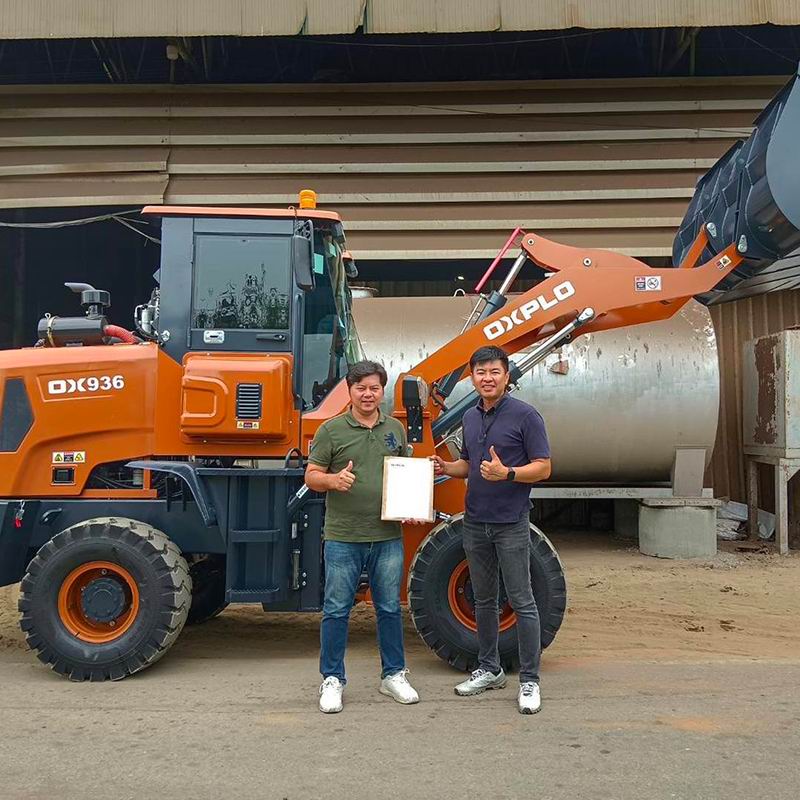
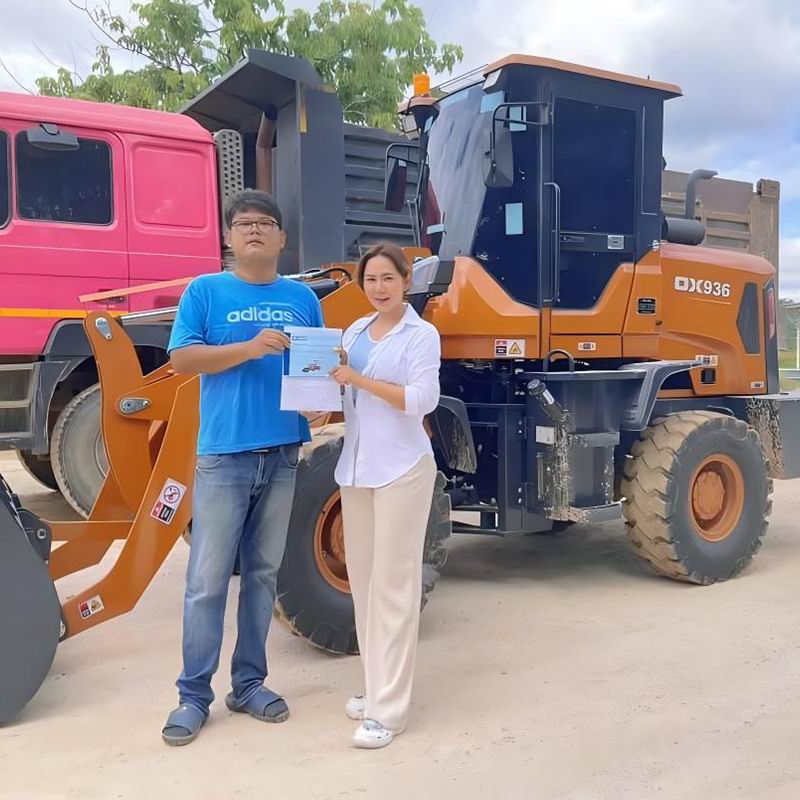
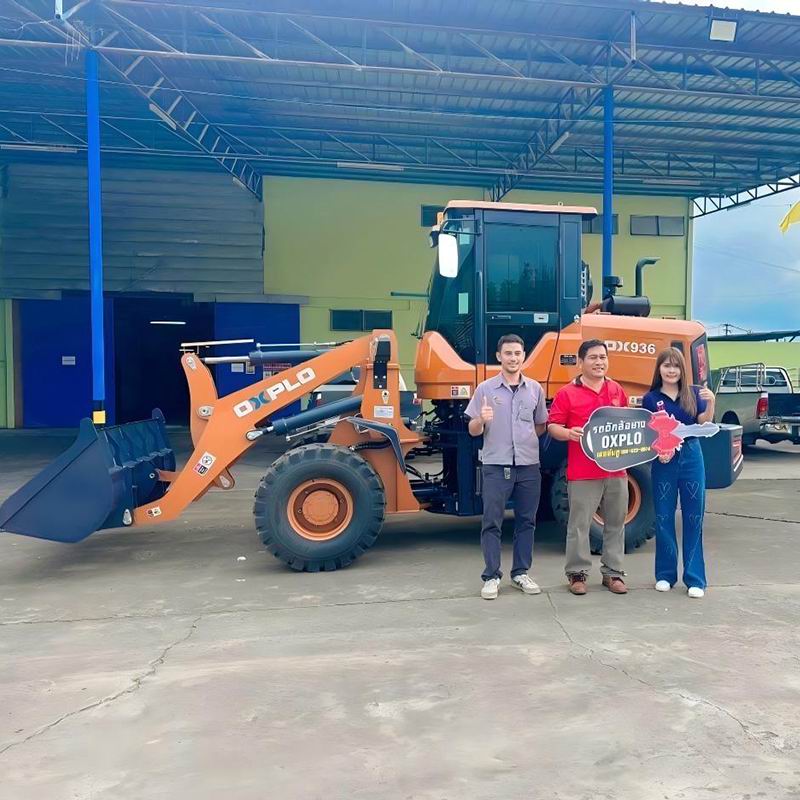
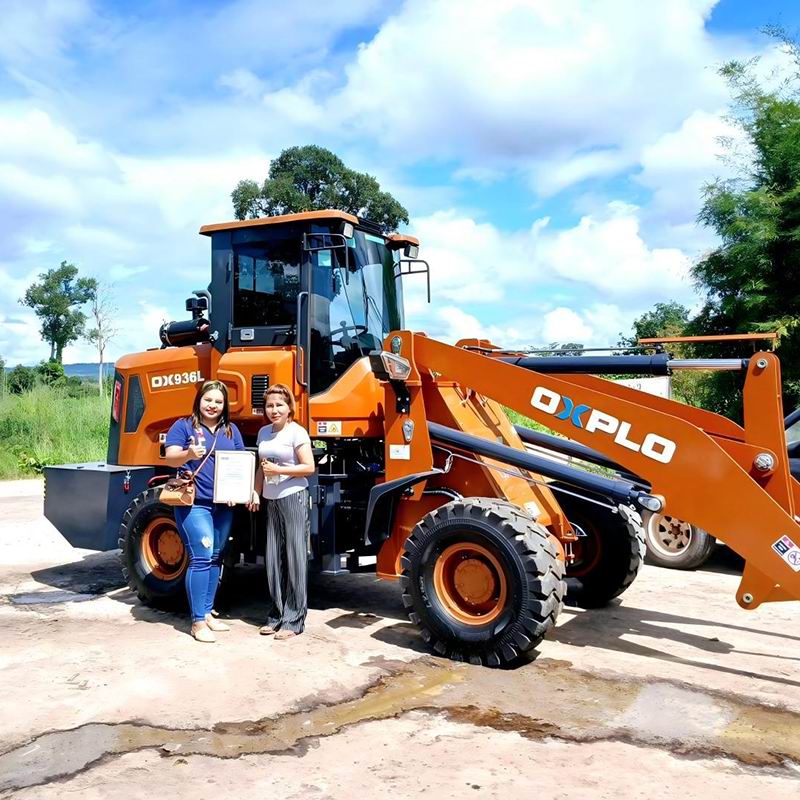
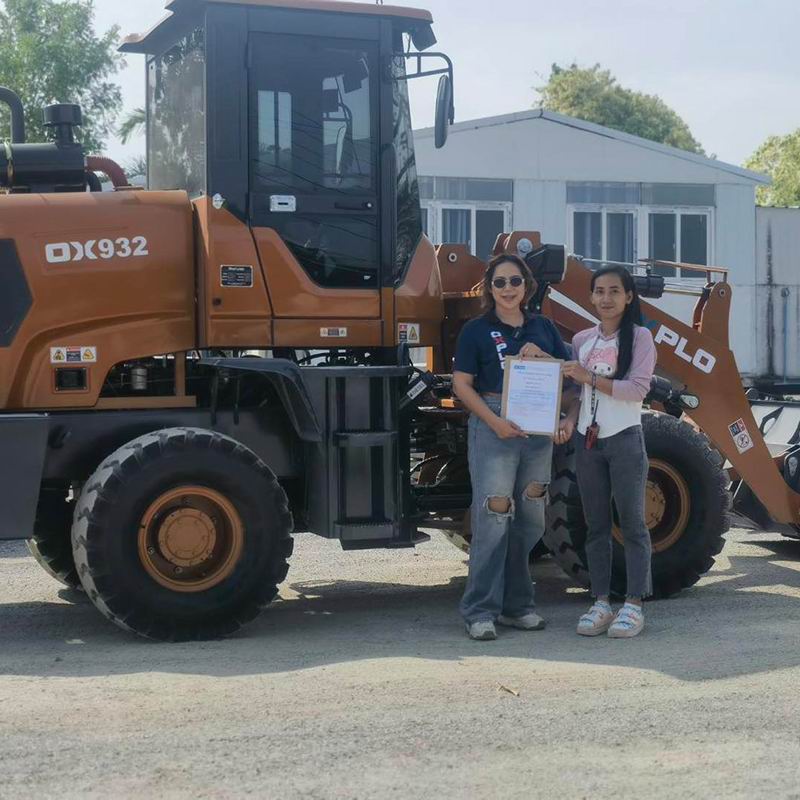
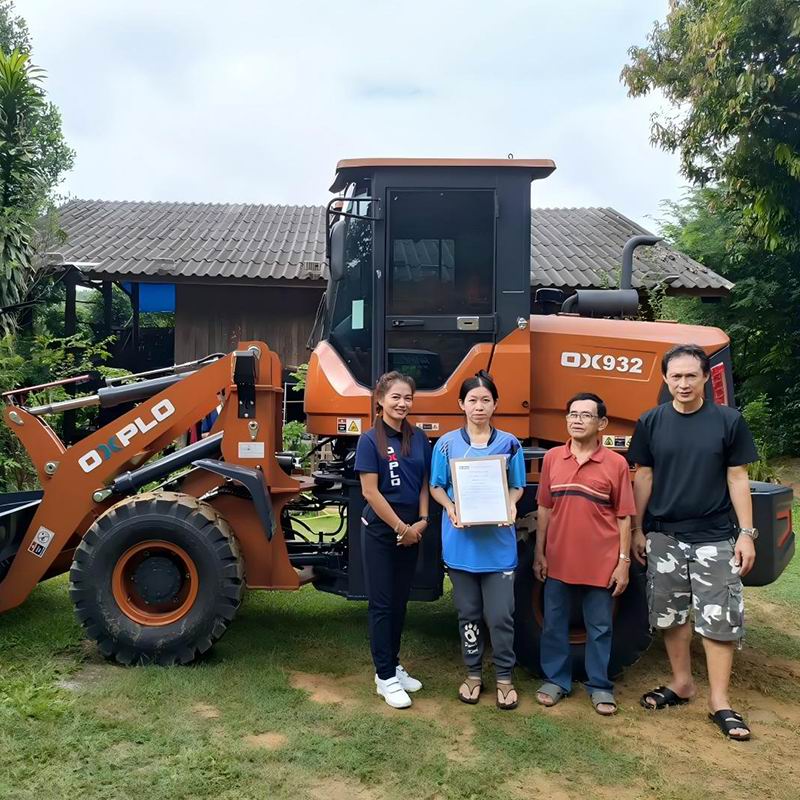
customer case
Wheel Loader Attachments
OXPLO provides a variety of spare parts support.
OXPLO's advantages
Let us introduce our products & factory to you
What makes us different
Why Choose Us
OXPLO specializes in the supply of forklifts, wheel loaders and tractors, providing reliable machinery solutions for material handling, construction and agricultural industries
Thailand Headquarters & SEAN Regional Operations
Headquartered in Thailand, with established firms and local service teams in the Philippines.
Reliable After-Sales & Spare Parts Support
We offer full after-sales care, including maintenance support and spare parts supply.
Factory Direct Supply
Direct factory operation ensures superior quality and a stable supply.
Quick Response & Service
Our local SEAN teams deliver rapid response, on-site service and expert technical help.
High-Performance Equipment
Built for tough jobs, our gear delivers robust power, steady performance and efficiency.
Application Scenarios
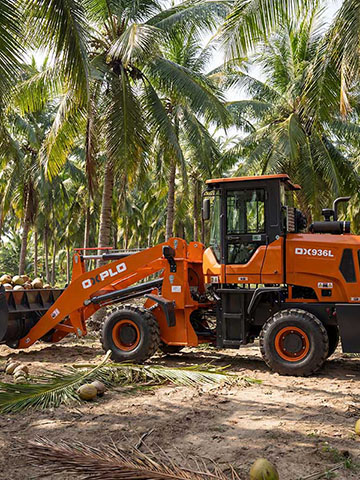
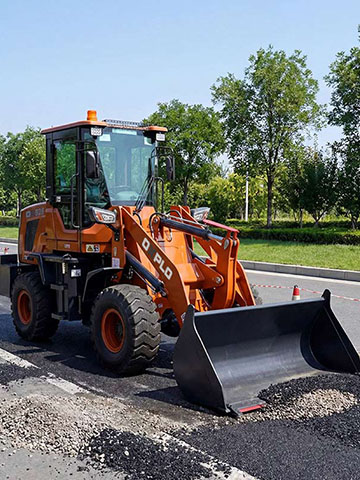
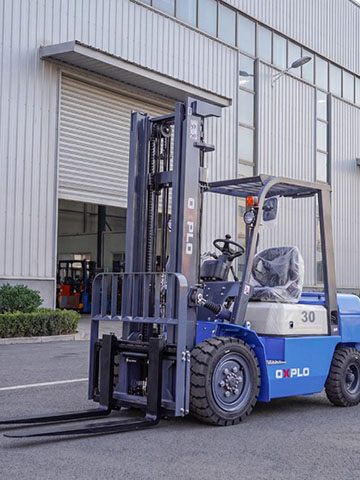
Our products are widely used in various fields such as warehousing,
construction, municipal roads, agriculture
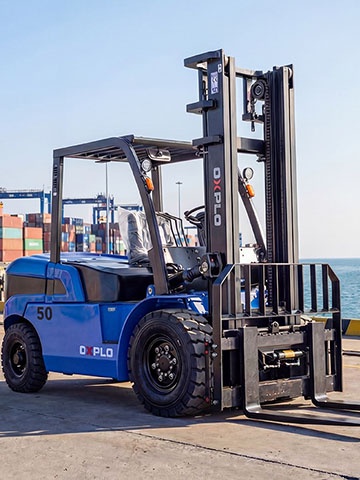
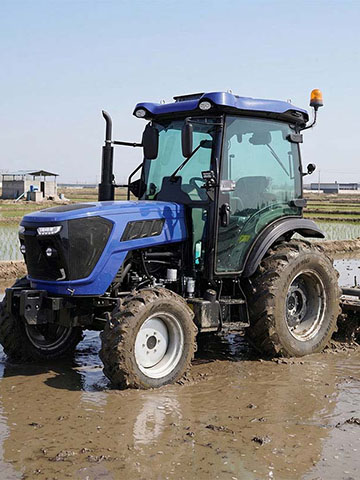
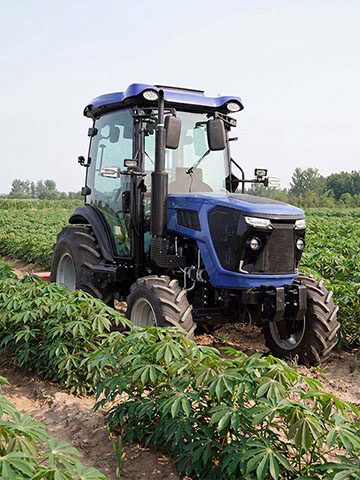
about OXPLO
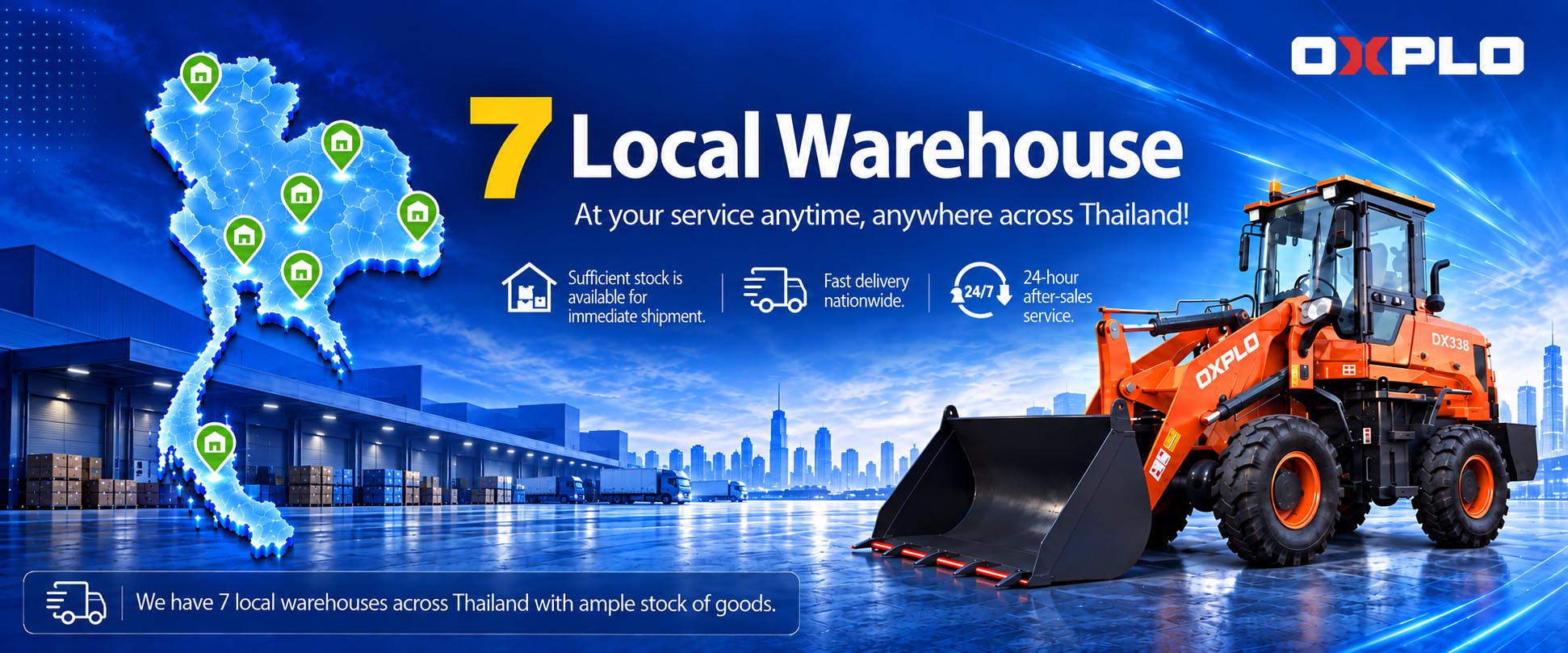
OXPLO is headquartered in Vannok District, Ayutthaya Province, Thailand, with five new branch offices in Khon Kaen, Nakhon Ratchasima, Ubon Ratchathani, Chiang Mai, and Phatthalung Provinces. The company's core competitive advantage lies in its "fast and efficient after-sales service and on-site problem-solving capabilities." OXPLO provides a comprehensive service guarantee system. Having cultivated the Thai market for many years, OXPLO not only provides excellent loaders, industrial forklifts, and off-road forklifts, but also offers one-stop service from procurement financing to after-sales support through comprehensive local support.







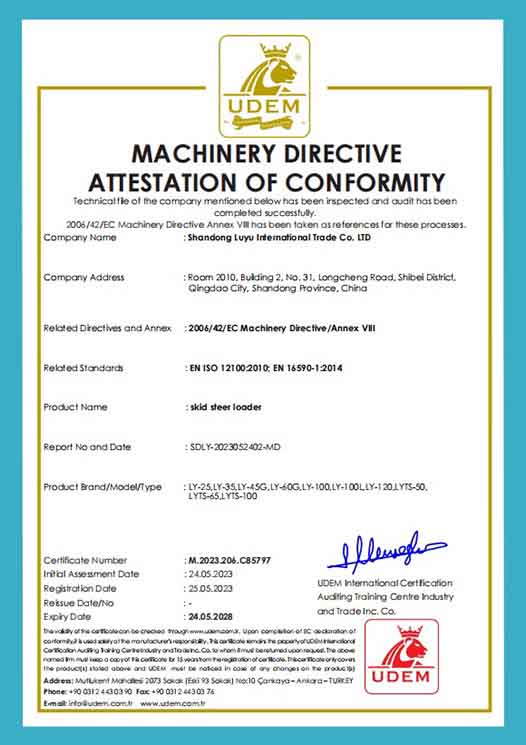
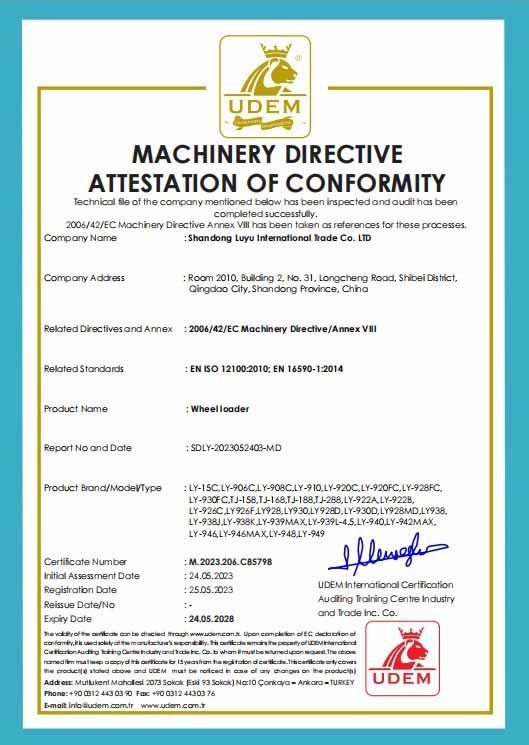
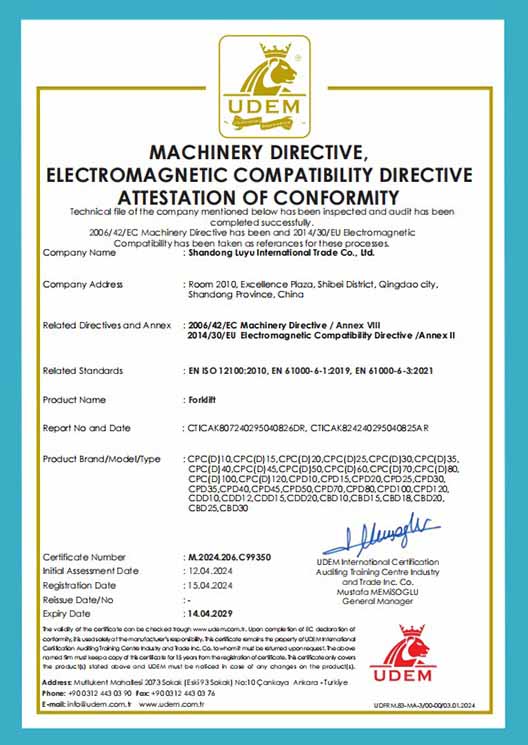
OUR CERTIFICATE
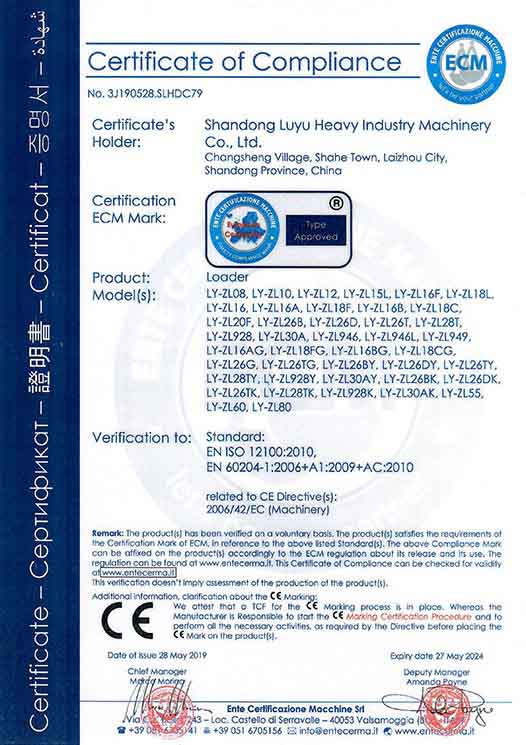
Wheel Loader FAQ
How much does a wheel loader cost?
The cost of a wheel loader varies depending on its rated load capacity, engine configuration, attachments, and optional features. Compact wheel loaders generally cost less than larger construction models. For an accurate quotation, contact OXPLO with your application requirements, preferred specifications, and destination country.
What is the fuel consumption of a wheel loader?
Fuel consumption depends on the loader size, engine power, operating conditions, and workload. Compact wheel loaders typically consume less fuel than larger models used in heavy-duty construction. Proper maintenance, efficient operating practices, and selecting the right machine size can help reduce fuel costs and improve productivity.
What is the lifting capacity of a wheel loader?
A wheel loader's lifting capacity is determined by its rated load. OXPLO offers wheel loaders with rated load capacities ranging from approximately 1.6 tons to 5 tons, making them suitable for agriculture, construction, material handling, and industrial applications. Always select a machine with sufficient capacity for your intended workload.
Can a wheel loader be used with pallet forks?
Yes. Many OXPLO wheel loaders can be equipped with pallet forks through a quick coupler system. This allows the machine to handle palletized goods, construction materials, agricultural products, and warehouse cargo, making it a versatile alternative to dedicated material handling equipment in certain applications.
How often should a wheel loader be serviced?
Regular maintenance is essential for maximizing machine performance and lifespan. Daily inspections should include checking engine oil, hydraulic fluid, coolant levels, and tire condition. Scheduled maintenance intervals vary by model and operating hours, but following the manufacturer's maintenance guidelines can help prevent unexpected downtime and costly repairs.
What is the difference between a wheel loader and a skid steer loader?
The primary difference is size, lifting capability, and maneuverability. Wheel loaders generally offer higher lifting capacities, larger buckets, and better performance for moving bulk materials over longer distances. Skid steer loaders are more compact and excel in confined spaces where tight turning and versatility are required. The best choice depends on your job site conditions and application needs.
What engine brands are available on OXPLO wheel loaders?
OXPLO wheel loaders are available with different engine configurations depending on the model and market requirements. Engine options may include reliable diesel engines designed to deliver strong performance, fuel efficiency, and easy maintenance. Please contact our sales team for specific engine options available in your region.
Do you provide operator training and technical support?
Yes. OXPLO provides after-sales support and technical assistance to help customers operate and maintain their equipment efficiently. Our team can offer guidance on machine operation, routine maintenance, troubleshooting, and spare parts support to ensure long-term reliability and productivity.