



On a Thai cassava farm, the wrong tractor rarely fails in an obvious way. It may complete the first plowing pass but take too long to finish the field, damage established ridges during weed control, or hold up the harvest because the trailer and transport schedule were never planned together.
The cost shows up in missed field windows, extra fuel, contractor calls, damaged roots and idle labor. A larger engine will not automatically solve these problems. A productive cassava tractor must fit the soil, the implements, the crop rows and the delivery workflow.
This guide gives farm owners, contractors and machinery buyers in Thailand a practical method to select a tractor for cassava work, evaluate trade-offs and estimate operating costs before requesting quotations. The same decision framework can help buyers in Laos, Cambodia and other Southeast Asian cassava-producing markets, with local conditions checked separately.
I. The Real Problem: One Cassava Farm, Three Different Tractor Jobs
Start with the bottleneck, not the horsepower
Cassava production combines work that imposes very different loads on machinery. Preparing hard soil calls for traction and implement compatibility. Operating near young plants requires accurate wheel paths and shallow, controlled cultivation. Moving fresh roots requires safe towing, loading coordination and predictable turnaround time.
An agricultural buyer who asks only “Is 50HP enough?” has not yet defined the job. The better questions are: Which implement must the tractor pull, how many rai must be finished before rain, and how many tonnes must leave the farm each harvest day?
Why the Thai operating environment raises the stakes
The growing season is affected by rainfall timing, soil workability and labor availability. Cassava prices and demand from starch processors can fluctuate. The Thailand Development Research Institute has also reported pressures from cassava mosaic disease, drought and uncertain raw-material supply. A tractor may help complete work on time; it cannot fix crop disease, make poor planting material healthy or guarantee a market price.
This distinction matters. The purchase should target a measurable cost or scheduling problem that machinery can actually solve. If the farm’s biggest loss is waiting for hired plowing during a short planting window, machinery access may be the priority. If its problem is road delivery queues, more field horsepower may not improve revenue.
II. Planting Preparation: Design Around Soil Resistance and Working Days
Wet soil is not a horsepower problem
Cassava favors soils with a reasonably loose structure and good root-development conditions. Thailand’s cassava fields can range from sandy land to more resistant and seasonally wet soil. The same plow can behave differently across these conditions. Wheel slip on loose soil, high draft in compacted layers and rutting after rainfall are separate issues requiring different responses.
Before tillage, inspect soil structure and moisture at the intended operating depth. If the tractor sinks deeply or smears wet soil, delaying the pass may be cheaper than continuing and repairing ruts. If it slips on workable soil, check tire inflation, traction and approved ballast before assuming the tractor lacks engine power.
Use effective field capacity to test a dealer’s productivity claim
A useful formula for primary tillage, ridge preparation and other continuous field operations is:
Effective field capacity (ha/hour) = Working width (m) × Travel speed (km/hour) × Field efficiency ÷ 10
Example: a 1.5m effective implement width, 4km/hour working speed and 65% field efficiency produce 0.39ha/hour, equivalent to about 2.44 rai/hour. A 120-rai operation would require about 49 productive field hours. Increasing effective width to 2.0m, while maintaining the same speed and efficiency, would reduce the estimate to roughly 37 hours.
That saving is conditional. A wider implement may increase draft, slow the machine, cause wheel slip or exceed hydraulic and hitch limits. The appropriate purchase criterion is completed rai per working day under local conditions, not nominal implement width.
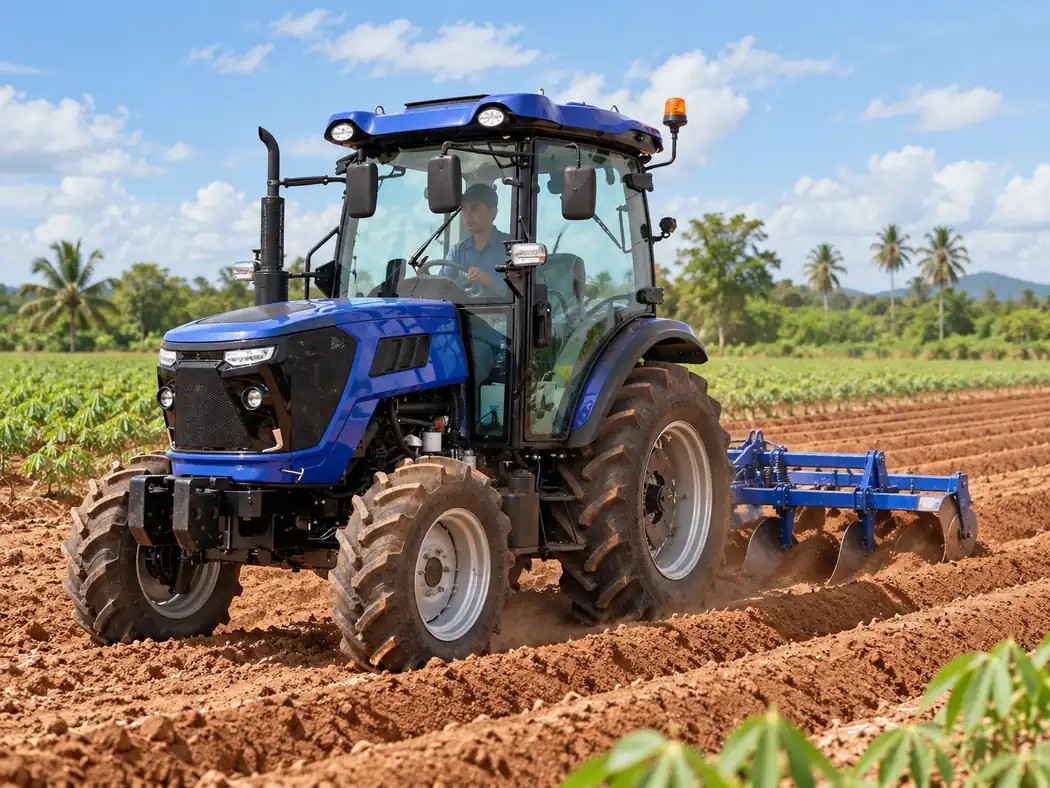
Figure 1. Ridge preparation in a Thai cassava field using a compatible tractor-mounted soil-working implement.
The ridger must be chosen before the tractor is finalized
Ridge spacing and shape influence drainage, planting geometry and later field access. A local technical example illustrates why attachment-first purchasing is sensible: the Thai CMT 83-124 disc ridger publishes a 36–49HP tractor range and 270kg implement weight; the larger 83-126 lists 60–90HP and 385kg. Those values apply only to those implements, but they reveal a real gap between a light ridger and a heavier one.
An engine-power match is not sufficient: verify three-point hitch category and pin sizes, available hydraulic lift, depth, stability and the soil in which the tool will work. Ask the supplier to check the complete tractor–implement combination, preferably before delivery.
Source for the example: CMT Thailand Disc Ridger Specifications.
III. Row Spacing and Cultivation: Prevent an Expensive Compatibility Mistake
A 1m cassava row does not call for a “1m-wide tractor”
The ASEAN Cassava Centre describes planting patterns around 100 × 100cm, with narrower or wider arrangements depending on local fertility and crop requirements. These are agronomic examples, not machine clearance guarantees. A tractor can sometimes straddle more than one row; its external width alone does not tell you where the tires will travel.
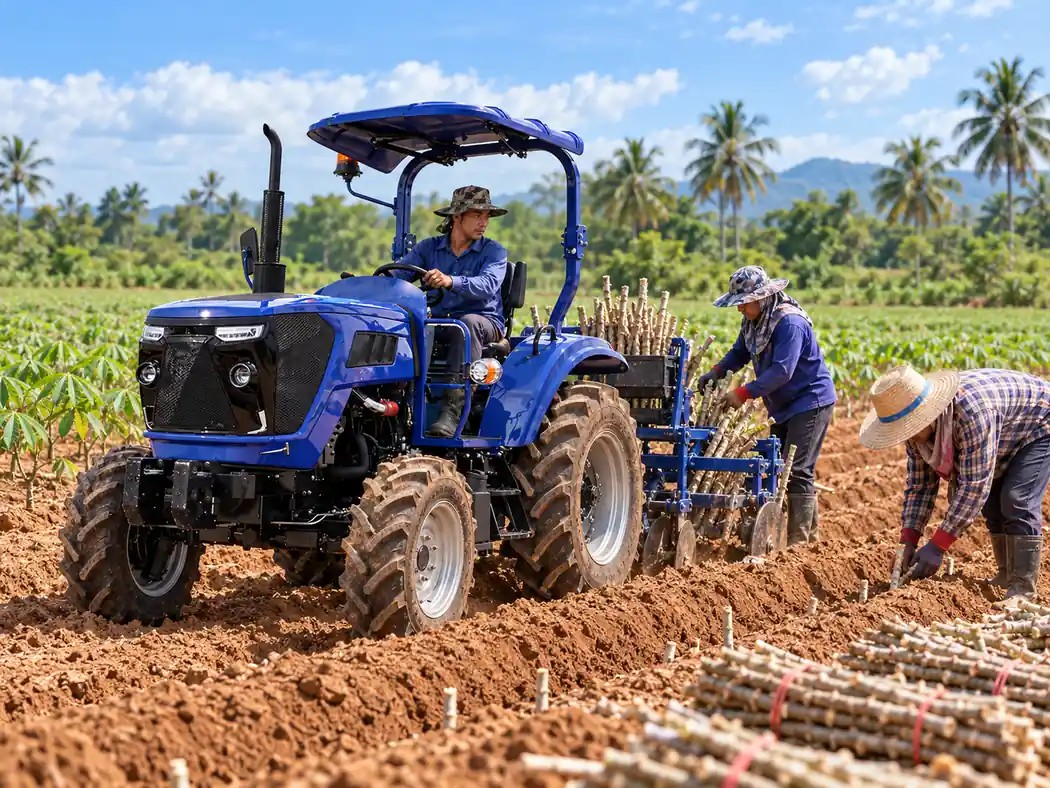
Figure 2. Coordinating tractor support and manual placement of cassava stem cuttings along prepared ridges.
To establish whether a tractor can enter a planted field, obtain the front and rear wheel-track ranges, tire widths, ground clearance, row-centre distances and the path of the cultivator’s working elements. Then draw the wheel paths over the proposed planting layout. A trial pass is preferable to assumptions based on catalog photographs.
Cultivate weeds without cultivating the cassava roots
Early weed competition can be costly because cassava establishment is relatively slow. Yet repeated aggressive passes are not always better. Cultivation too close to the crop can disturb ridges or damage developing roots, especially as the crop advances.
Plan checks after planting and following significant rainfall. Use shallow, controlled cultivation only when soil is workable and machinery clearance is adequate. As the canopy expands or roots occupy more of the row zone, switch to other suitable weed-control methods rather than forcing a tractor through the crop. This is a genuine limitation of mechanization, not a failure of the farm.
Practical test: walk a short treated strip, inspect the furrows and root zone, and compare weed removal with visible crop disturbance before allowing a full-field pass.
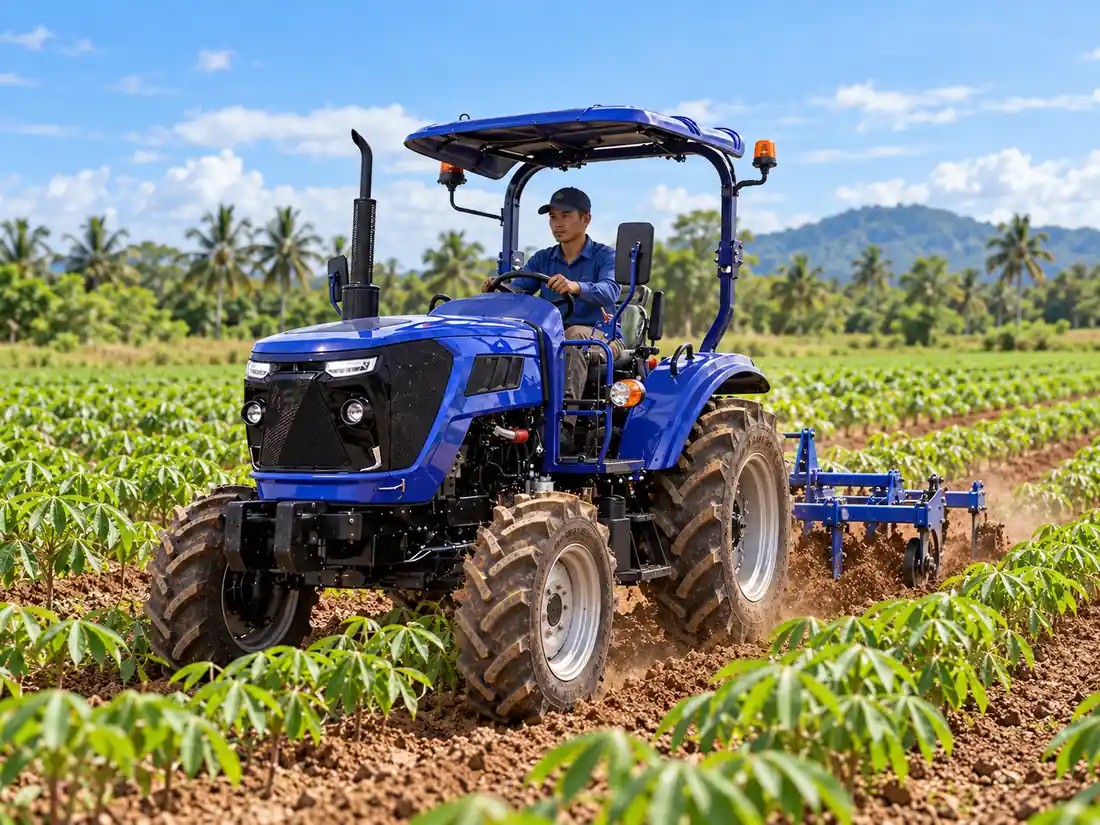
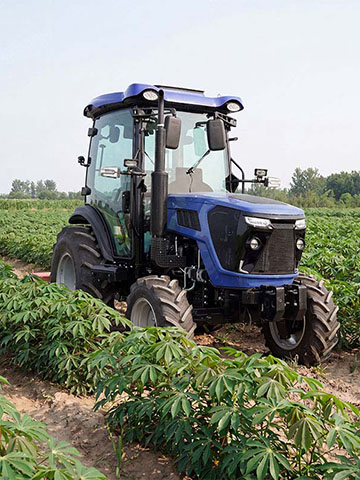
Figure 3. Controlled inter-row cultivation in young cassava, with crop clearance checked before entering the field.
IV. Cassava Hauling: The Bottleneck Is Often the Transport Cycle
Fresh roots need a collection plan, not only a trailer
Harvested cassava roots are bulky and can deteriorate after harvest, so farms should coordinate collection, loading and delivery with the buyer’s receiving schedule. The tractor may perform short field shuttles while contracted road transport handles longer trips. That can be more practical than making a farm trailer perform every stage of the journey.
Calculate trips and vehicle-hours before buying equipment
Take a hypothetical 200-rai farm yielding 3 tonnes of fresh roots per rai. That is 600 tonnes for the harvest. If the target is 30 tonnes transported per day and a trailer has an independently verified 3-tonne net payload, the farm needs 10 loaded trips per day.
At 70 minutes per full trip—including loading, outbound travel, unloading and return—transport demand is about 11.7 vehicle-hours per day. One eight-hour vehicle shift cannot complete that target. Reducing queue time, changing the loading point, adding an appropriate second vehicle or using hired road transport may be more effective than increasing engine HP.
Never infer trailer capacity from tractor horsepower. Confirm approved drawbar and hitch limits, trailer gross mass, brakes, axle and tire load ratings, slopes and applicable road regulations. Use only the approved hitch point and safe operating procedures.
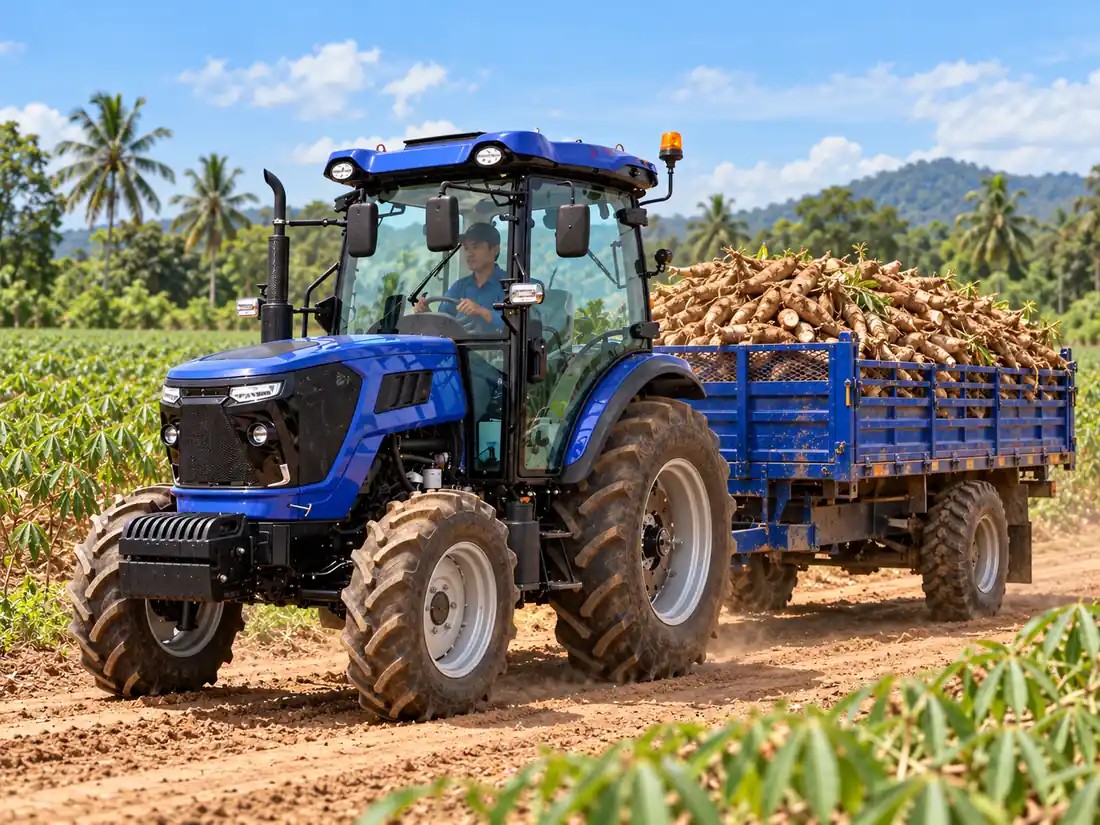
Figure 4. Harvested cassava roots transported by tractor and farm trailer; trailer capacity must be verified for the complete combination.
Measure transport cost per delivered tonne
Transport cost per tonne = Total relevant transport cost ÷ Tonnes delivered. Include fuel, operator time, loading delays, maintenance and the appropriate equipment charge. Compare options on the same route and delivery schedule. A larger trailer that cannot safely navigate a muddy field exit or that spends hours in a receiving queue may not lower cost.
V. Tractor Ownership Economics: Calculate Cost per Rai, Not Just Purchase Price
The break-even test for a Thai farm
Owning machinery adds depreciation, finance costs where applicable, insurance, storage, servicing and repairs. Hiring passes some of these risks to a contractor. To compare fairly, specify the same package of work in both options—for example, one defined soil preparation and ridging schedule rather than comparing tractor ownership with a single contracted plowing pass.
Illustrative—not quoted market—assumptions: annual fixed ownership cost of THB 105,000, variable owned-machine cost of THB 300 per rai, and an equivalent contracted service rate of THB 850 per rai.
Break-even annual area = Fixed cost ÷ (Contract price per rai − Owned variable cost per rai)
THB 105,000 ÷ (850 − 300) = approximately 191 rai of equivalent work per year.
Illustrative scenario only. Actual Thai contractor fees, machinery prices, fuel, attachments, finance, service costs and repair risk must be verified locally.
Think in annual utilization and failure risk
At lower utilization, hired machinery can be financially attractive. At higher utilization, ownership may lower the cost of completed work and make planting schedules more predictable. But an expensive implement needed only once a year may still be better rented or contracted. A farm that owns a tractor for routine hauling and maintenance can also hire a specialist for deep soil preparation.
Keep separate records for litres per rai, completed rai per productive hour, downtime, annual machine hours and transport tonnes per hour. Comparing these by task prevents a high-load plowing pass from being confused with light farm transport.
VI. Specify the Complete Machine Before Requesting Quotes
A five-part field survey
Ask the farm manager or buyer to document five items: (1) rai and field geometry; (2) soil, wet-season access and slopes; (3) the exact plow, rotary tiller, ridger and trailer specifications; (4) cassava row layout and any required inter-row work; and (5) planned working hours, harvest tonnage and delivery distances.
Then identify the most demanding recurring operation. Verify required engine and PTO power, hitch category, hydraulic lift, wheel path and stability. Consider whether the tractor can physically enter the property and turn with the attachment mounted. This analysis is faster and more reliable than asking suppliers for the “best cassava tractor” without field details.
What a field demonstration should prove
A meaningful acceptance test should check sustained working speed in representative soil, adequate implement depth, no excessive wheel slip, safe turns at the headland, and correct operation of hydraulics and PTO. For trailers, separately check the fully loaded combination within approved limits. For existing crops, confirm that the wheel and tool paths do not damage plants or roots.
The result should be an agreed operating specification and a list of configurations still needing technical confirmation. That document makes quotations comparable, even when several suppliers propose different horsepower classes.
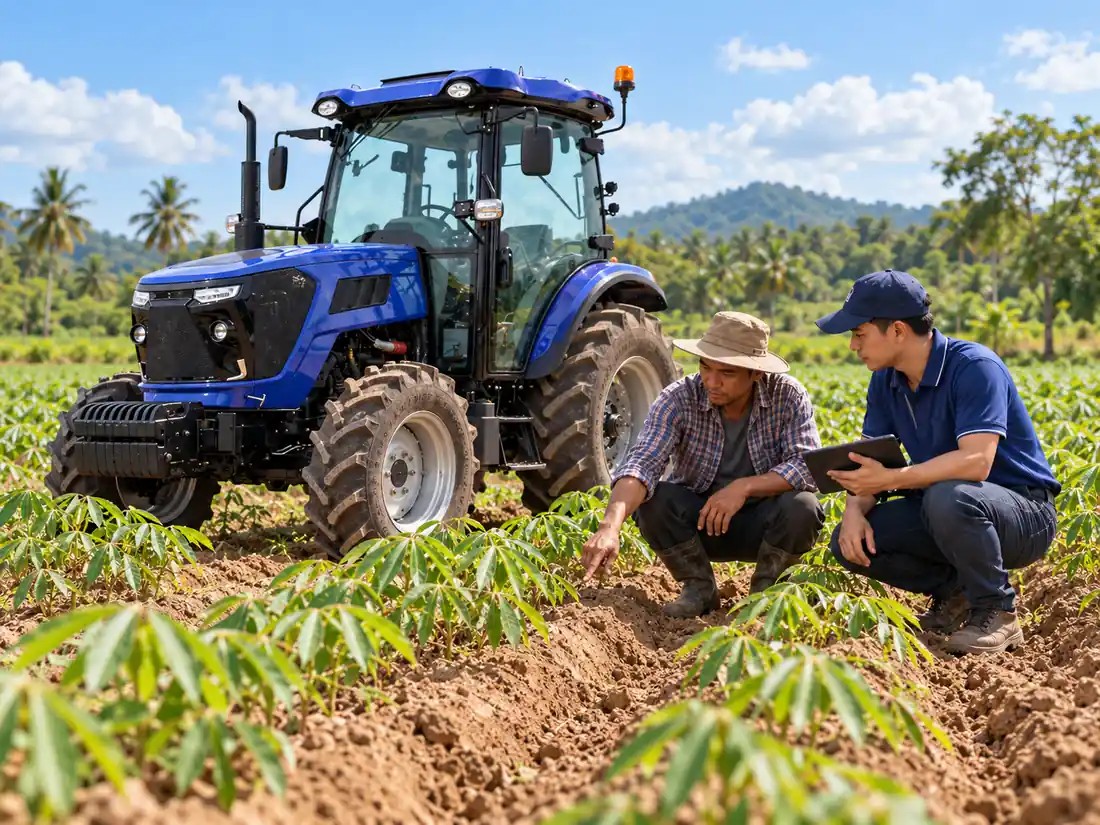
Figure 5. Measuring soil conditions and planting geometry before choosing a cassava farm tractor.
VII. Where the OXPLO 25–70HP Tractor Range Fits Cassava Operations
What OXPLO can contribute—and what still needs verification
OXPLO agricultural tractors give Thai buyers a published 25–70HP, 4WD model range to assess against their farm specifications. The value is not a claim that every OXPLO tractor can plant and harvest cassava automatically. It is the opportunity to match a defined workload with different power, transmission and linkage configurations, then verify the chosen attachments.
Published OXPLO product data group the 25–50HP models around an 8+8 transmission and Category I linkage, while the OXPLO 60–70HP platform lists a 12+12 transmission and Category II linkage. The published external widths also differ between these groups. This provides a more useful purchasing distinction than engine horsepower alone.
Data from OXPLO’s published product specification tables. Confirm current dimensions, PTO, wheel-track adjustment, lift ratings, towing limits, final configurations and compatible implements with the supplier before ordering.
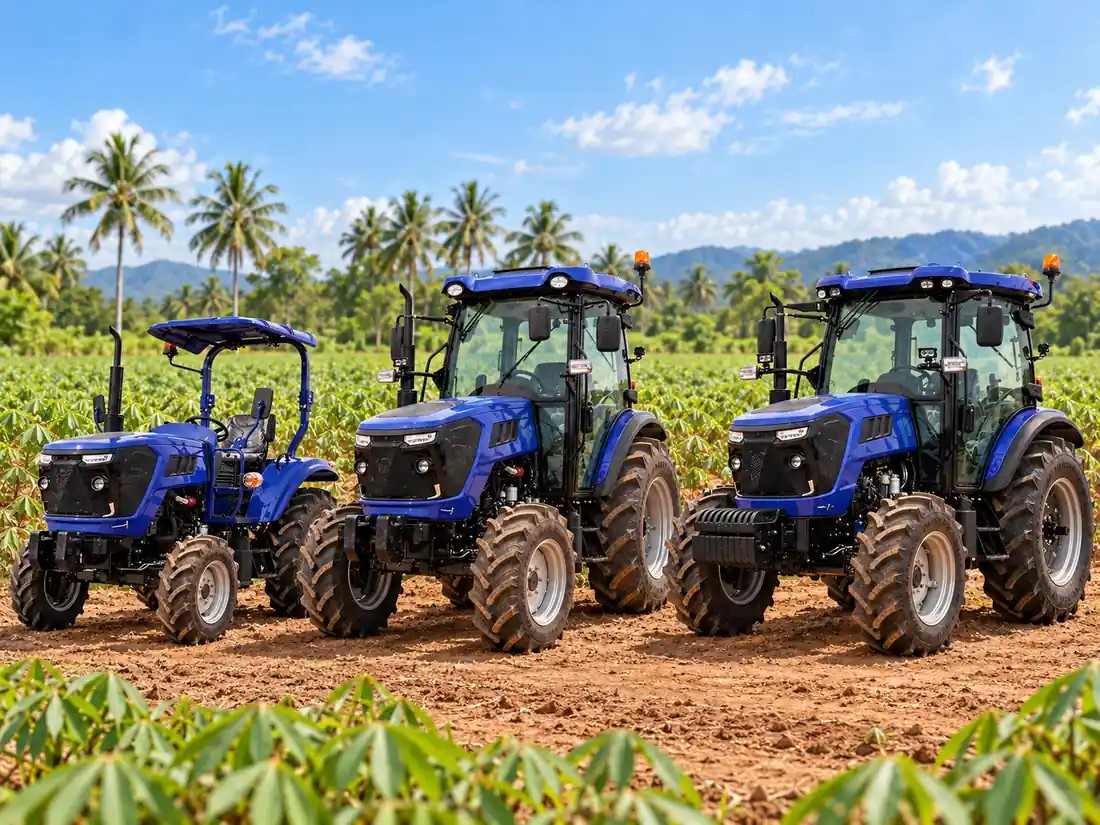
Figure 6. Visual comparison of OXPLO-style open-canopy and enclosed-cab tractor configurations for different farm workloads.
OXPLO 25–30HP: light farm duties where power demand is modest
The OXPLO OXT254 25HP tractor and OXPLO OXT304 30HP tractor can be shortlisted for properly sized light implements and supporting work such as moving planting materials, subject to load and attachment limits. Their 4WD layout can assist traction when conditions are suitable, but it does not justify entering waterlogged fields.
An important detail: OXPLO lists the same 1,560mm overall width and 2,200kg weight for its 25HP, 30HP, 40HP and 50HP models. Choosing the OXT254 over a larger engine model does not by itself create a narrower machine for cassava rows. A buyer needing tight crop access must ask OXPLO for the actual wheel-track and tire configuration.
OXPLO 40–50HP: a starting point for mixed field operations
The OXPLO OXT404 40HP tractor and OXPLO OXT504 50HP tractor are relevant comparison points for buyers combining suitably sized soil preparation, ridge work and general farm-support operations. Both publish 4WD, an 8+8 gearbox and Category I linkage.
PTO details are not identical: the OXPLO OXT404 is listed at 540/1000rpm, while the OXPLO OXT504 is listed at 540/720rpm. The buyer should therefore send the actual PTO-driven implement model, not assume the tractor with more HP has the correct PTO speed. With a ridger, OXPLO and the attachment supplier should verify the complete mounting, lifting and field-load requirements.
OXPLO 60–70HP: a larger platform for more demanding assignments
The OXPLO OXT604 60HP tractor and OXPLO OXT704 70HP tractor list 4WD, 12+12 transmissions, Category II linkage and a 1,760mm overall width. Both also have a greater published operating mass than the 25–50HP models.
This OXPLO platform may be more appropriate where larger compatible implements or intensive field schedules justify the extra capacity. The trade-off is that the larger size must still fit access roads, headlands and any existing crop geometry. A 70HP OXPLO tractor is not automatically the economical choice for light maintenance, nor can its safe trailer payload be deduced from engine power.
The practical OXPLO advantage: selecting by work specification
A useful way to work with OXPLO is to start from a complete list of tasks. Buyers can compare published tractors, identify a feasible power and linkage category, then request confirmation of implement compatibility and configuration. The OXPLO dryland farming solution describes applications such as land preparation, fertilizing, field management and material handling; cassava-specific attachments must still be checked individually.
OXPLO also lists regional operations in Thailand on its website. Buyers should ask the company to confirm tractor-specific sales support, spare-parts availability, warranty and local service arrangements for their province, rather than assuming that every listed facility services every tractor configuration.
VIII. A Procurement Checklist for Thai Cassava Buyers and Dealers
Send the data that will actually change the recommendation
Before contacting OXPLO or another supplier, prepare a single-page request listing farm location, total rai, soil condition, topography, intended planting and weed-control system, ridger and tiller models, trailer weights, harvesting schedule and expected annual tractor hours. Photographs of the existing rows and field exits are especially useful when access is restricted.
Request four answers in writing: which OXPLO configuration is technically suitable; which implement specifications remain unconfirmed; which consumables and service parts are available; and what are the delivered-machine, warranty and support terms. Also request the current technical specification sheet, because product-page narratives and tables may differ.
A decision rule for the buyer
Choose the lowest-cost configuration that reliably completes the most demanding recurring task, fits the land and planting geometry, and has confirmed attachment and safety ratings. If that cannot be achieved with one general-purpose tractor, compare a two-machine approach or hired specialist work. The goal is not to maximize machinery ownership—it is to keep cost per completed rai and cost per delivered tonne under control.
IX. Frequently Asked Questions
Q1. Is a 40HP tractor enough for a cassava farm in Thailand?
It can be adequate for particular implements and soils, but not by default. Compare the ridger, plow or other equipment manufacturer’s requirements with tractor PTO, hitch, hydraulic and traction capacity. An OXPLO 40HP model should be evaluated as a complete machine–implement combination.
Q2. Is a 50HP tractor better than a 70HP tractor for cassava?
Neither is universally better. A 50HP tractor may suit an appropriately matched Category I implement package; a 70HP tractor may be justified by larger Category II attachments and frequent demanding work. The OXPLO 70HP platform is also wider and heavier, so access and soil conditions must be checked.
Q3. Can a tractor cultivate between 1m cassava rows?
Not from width alone. Check adjustable wheel track, tire widths, crop height, wheel paths and the cultivator’s tool position. Ask for a dimensional drawing and, ideally, test the planned planting geometry before making the purchase.
Q4. Can an OXPLO 50HP tractor tow a loaded cassava trailer?
Only if the actual towing arrangement stays within approved ratings. Engine horsepower does not establish trailer payload. Verify the hitch, permissible trailer mass, braking capability, road gradient and applicable rules.
Q5. Should small Thai cassava farms buy or hire tractors?
Compare the total annual cost of owning and operating the specified tractor with local contract rates for equivalent work. Include the value of avoiding missed planting windows, but do not omit attachment costs, downtime and major repair risk.
Q6. What should I provide when asking OXPLO for a quote?
State the farm’s area in rai, soil and access conditions, target daily work rate, actual implement models, intended trailer operation and purchasing timeline. OXPLO can then be asked to confirm the configuration and what remains subject to technical checks.
X. Conclusion: Buy for the Cassava Work Cycle, Not a Horsepower Label
A suitable tractor for cassava farms in Thailand must do three things consistently: finish necessary soil work within an achievable window, protect crops when field access is required, and support a safe and efficient harvest-transport plan. That requires matching soil, implements, planting geometry, haulage and annual machine utilization.
The OXPLO tractor product range offers 25–70HP configurations that can form part of this comparison. The most valuable next step is not to request a price for “any 50HP tractor,” but to send OXPLO the field measurements, attachments and workload that determine the right machine.
Explore the OXPLO website or use the OXPLO contact page to discuss a specific application. Ask for confirmed attachment compatibility, configuration, delivered terms and support before committing to a purchase.
The right tractor is the one that completes the required work, on time and at a sustainable cost per rai—not simply the one with the most horsepower.
Technical References and Verification Notes
Agronomy: ASEAN Cassava Centre; industry conditions: Thailand Development Research Institute (August 2026); implement example: CMT Thailand disc ridger; model specifications: OXPLO product pages.
All THB cost comparisons and capacity calculations are illustrative planning examples, not field-test results, market quotations or guaranteed tractor performance.
Customer Distribution
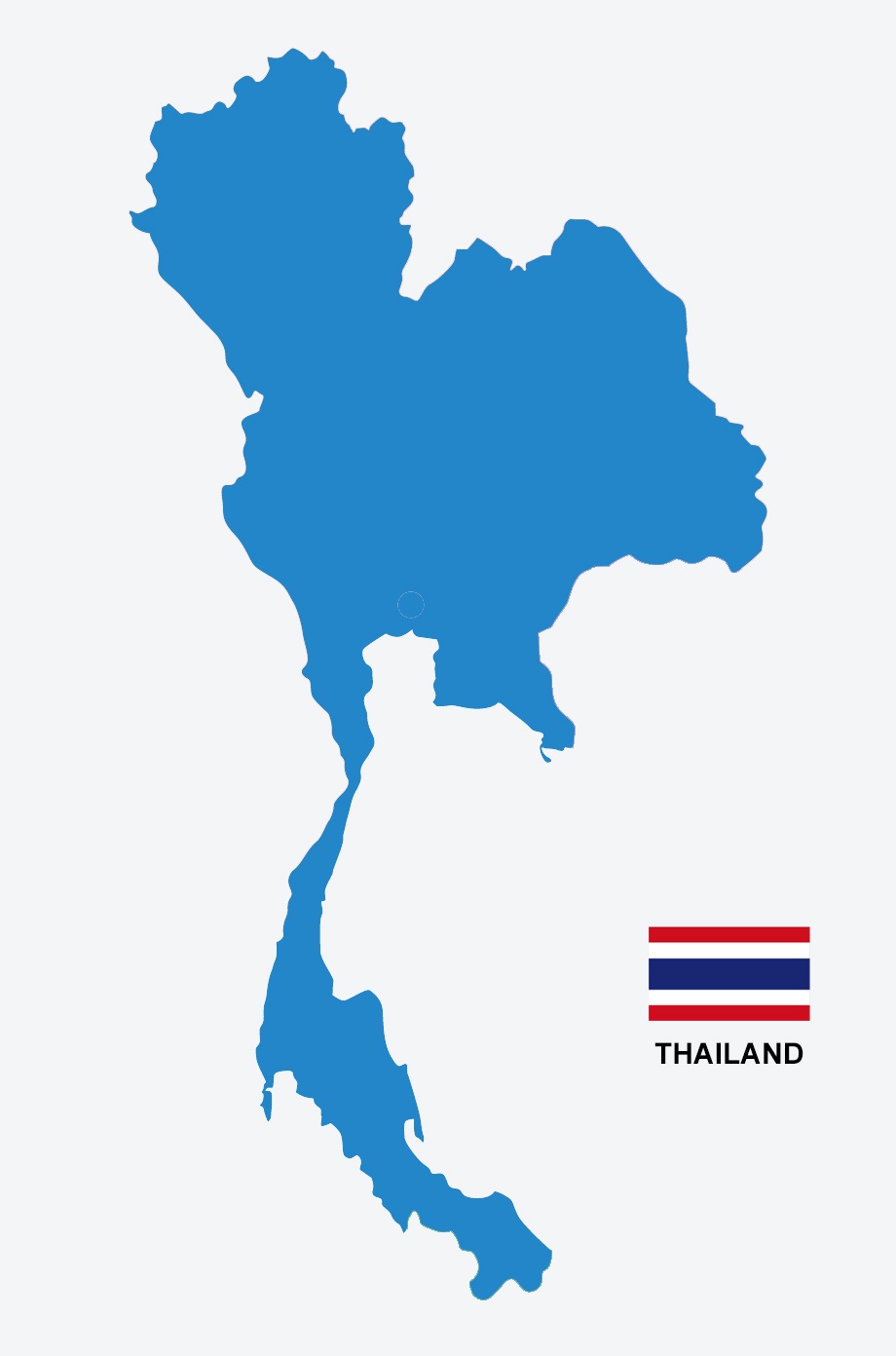
 Thailand-Ayutthaya
 Thailand-Khon Kaen
 Thailand-Nakhon Ratchasima
 Thailand-Ubon Ratchathani
 Thailand-Chiang Mai
 Thailand-Phthalum
, MAGUYAM ROAD, BRGY. MAGUYAM, SILANG, CAVITE") Philippines-ELITE GLOBUS WAREHOUSE(NO. 43 - OXPOWER MACHINERY INC.), MAGUYAM ROAD, BRGY. MAGUYAM, SILANG, CAVITE
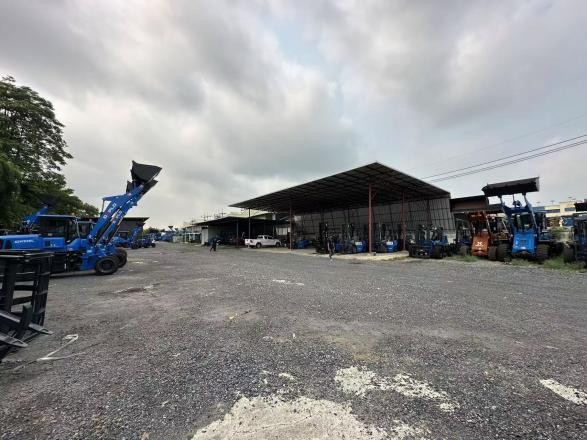
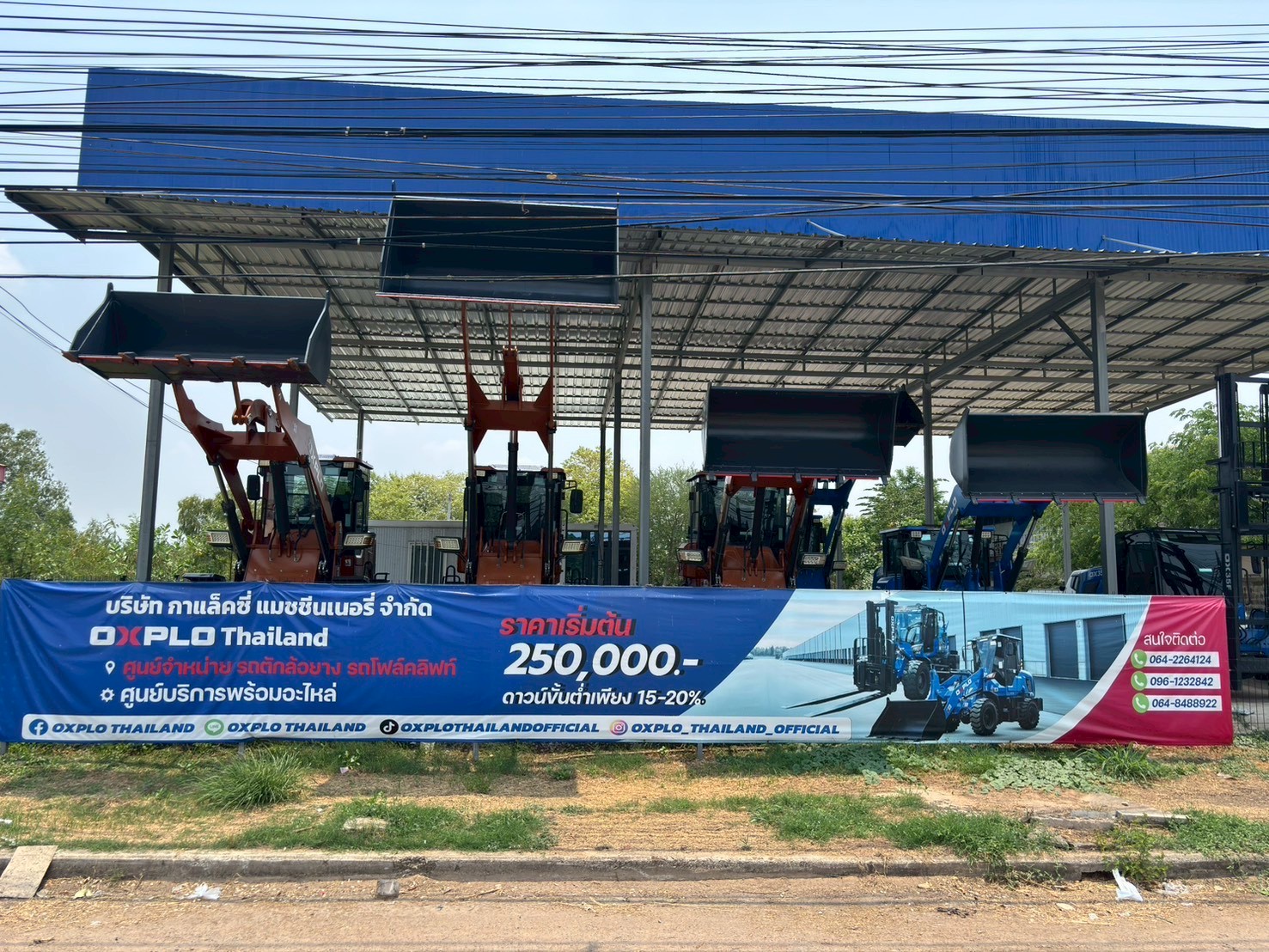
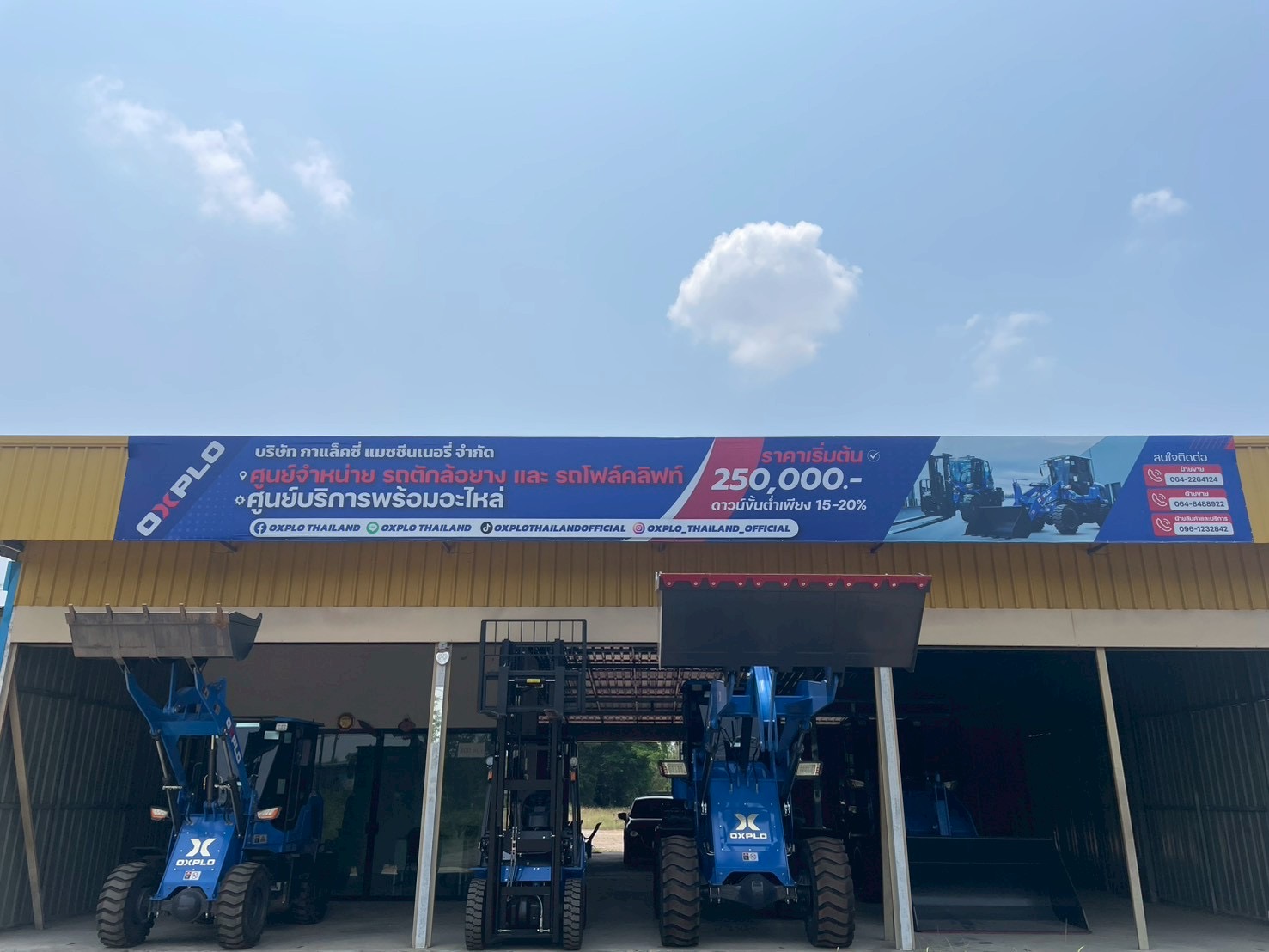
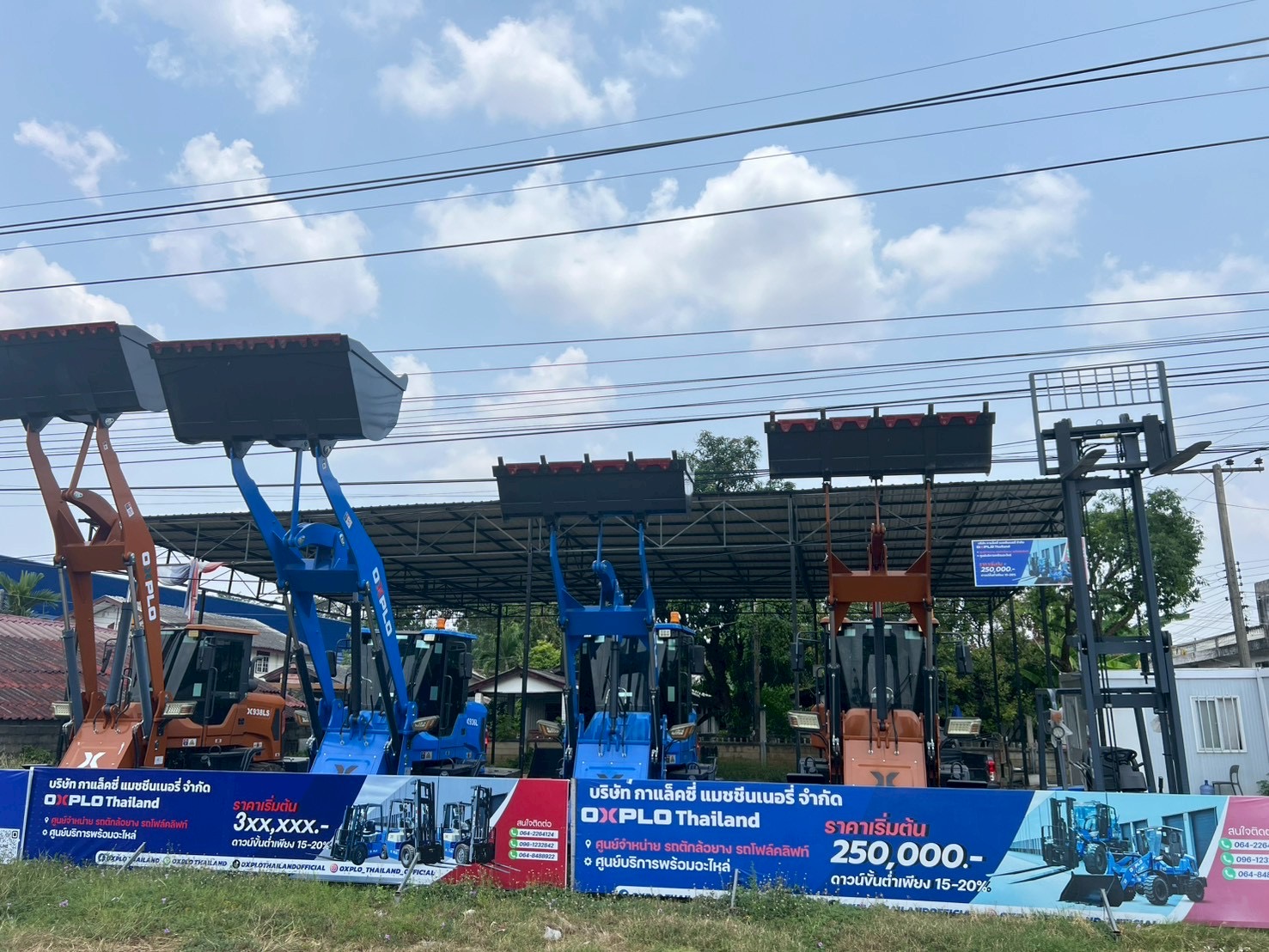
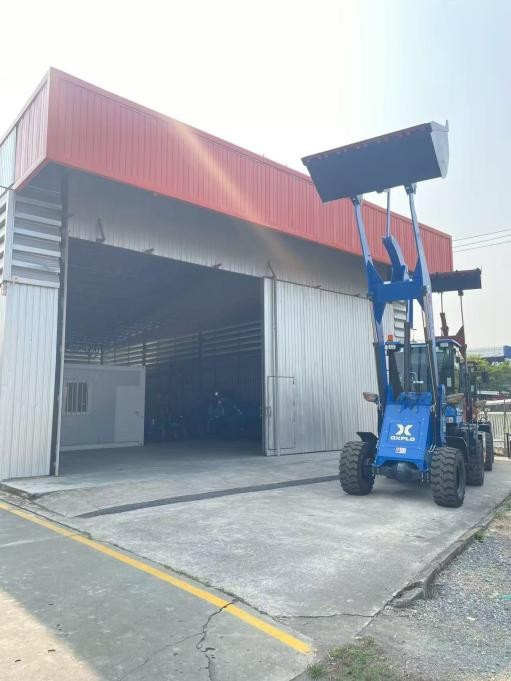
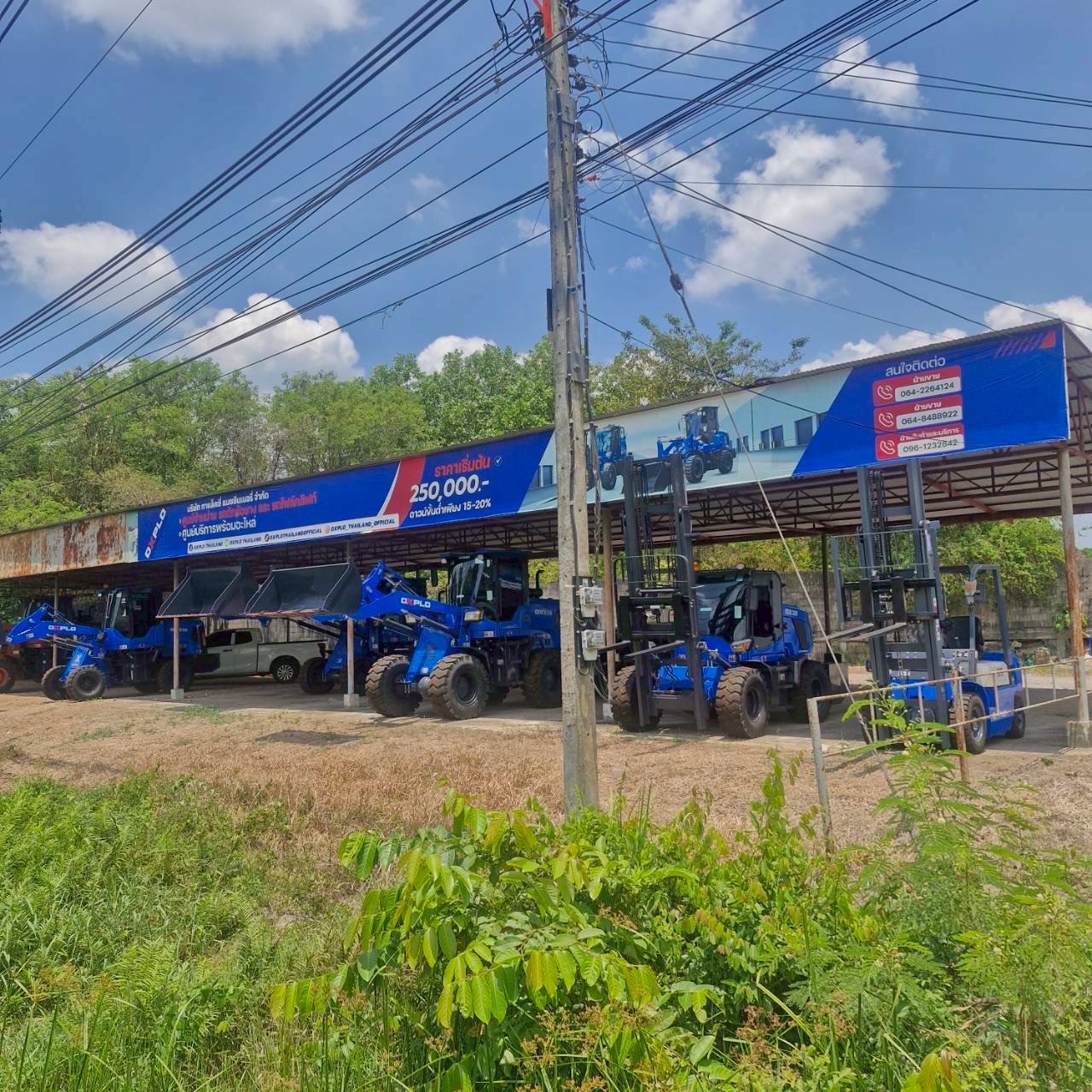
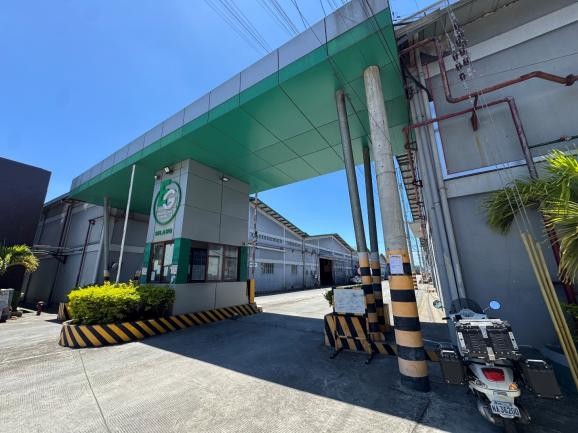
OUR OPERATiONS
Our regional headquarters are located in Thailand, with independent operations company and service team in the Philippines. This multi-market presence enables us to provide customers throughout Southeast Asia with efficient communication, faster response times, and reliable local support.

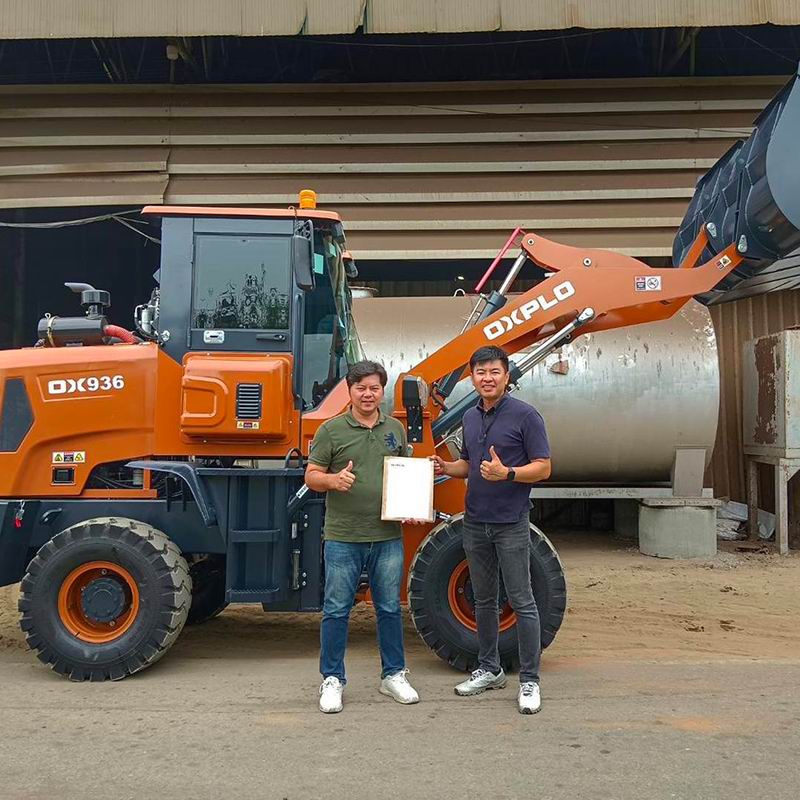
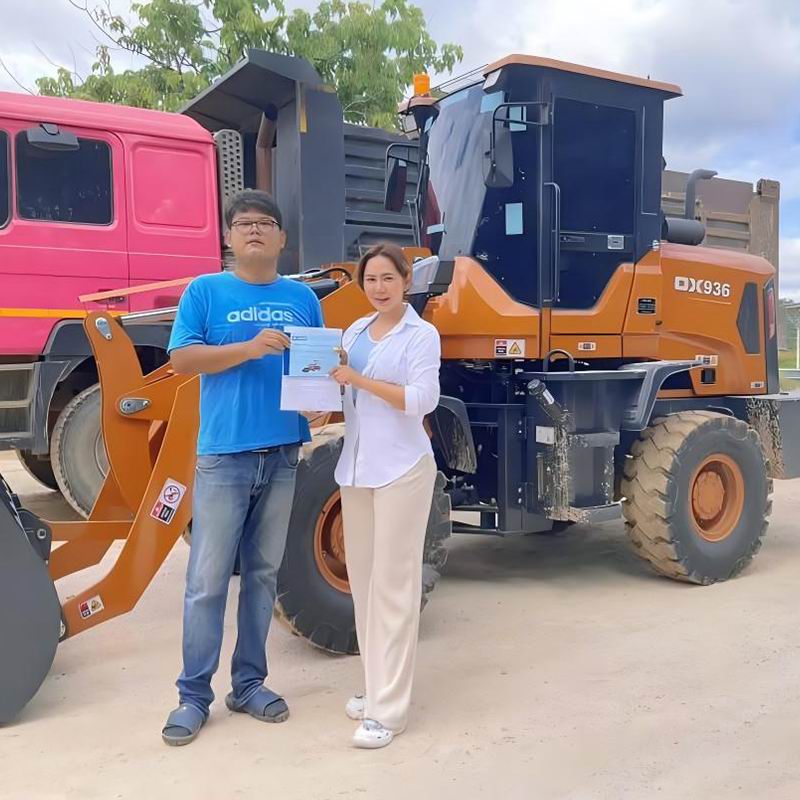
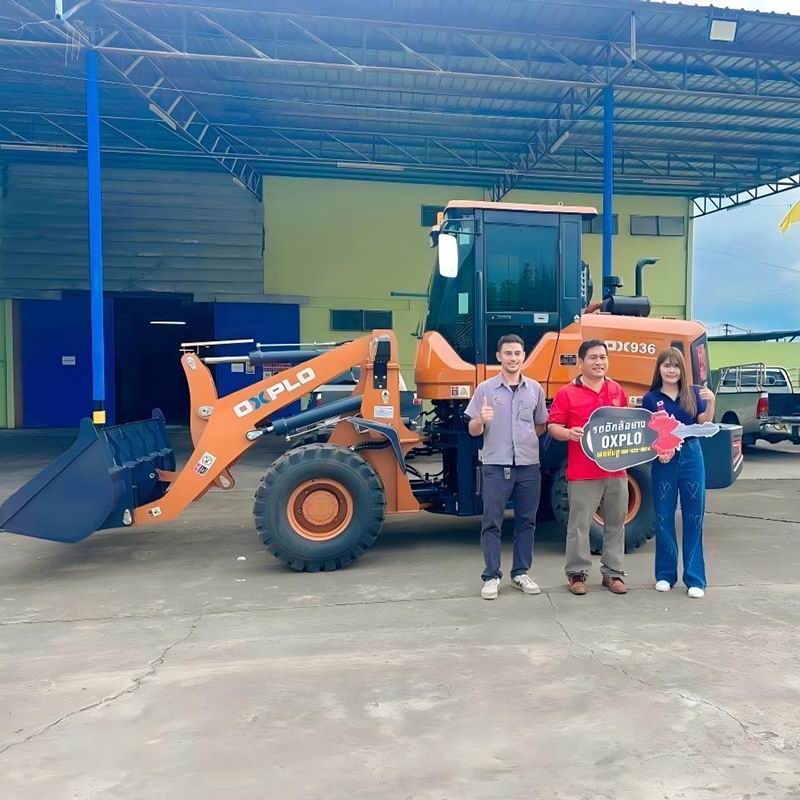
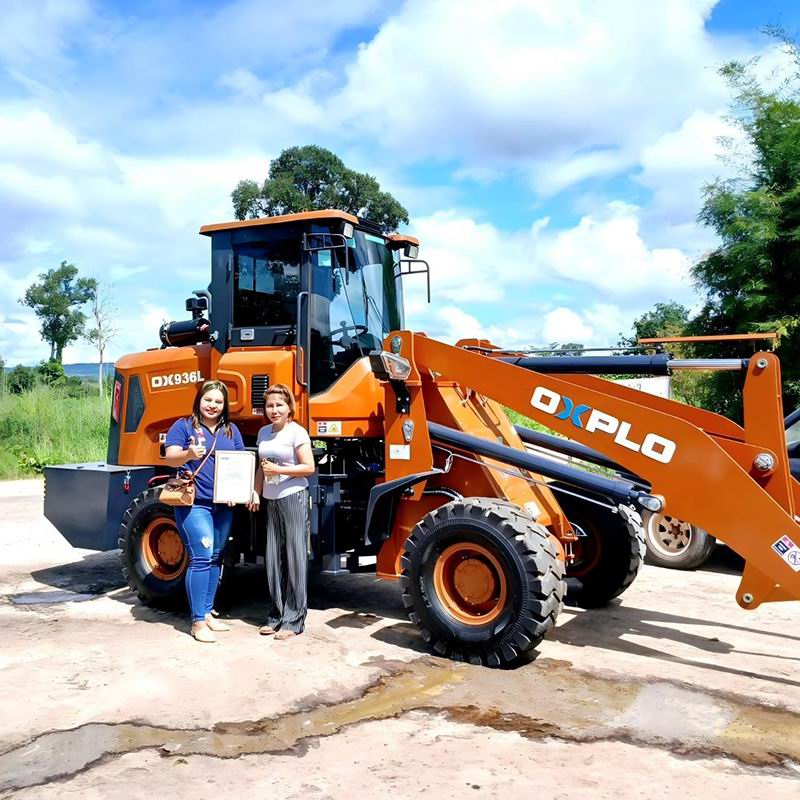
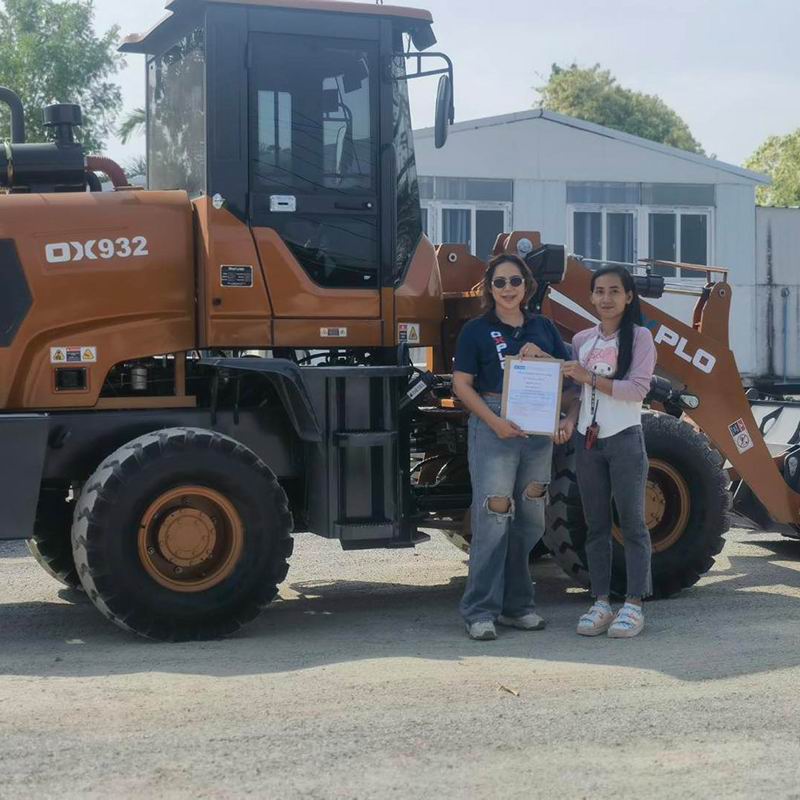
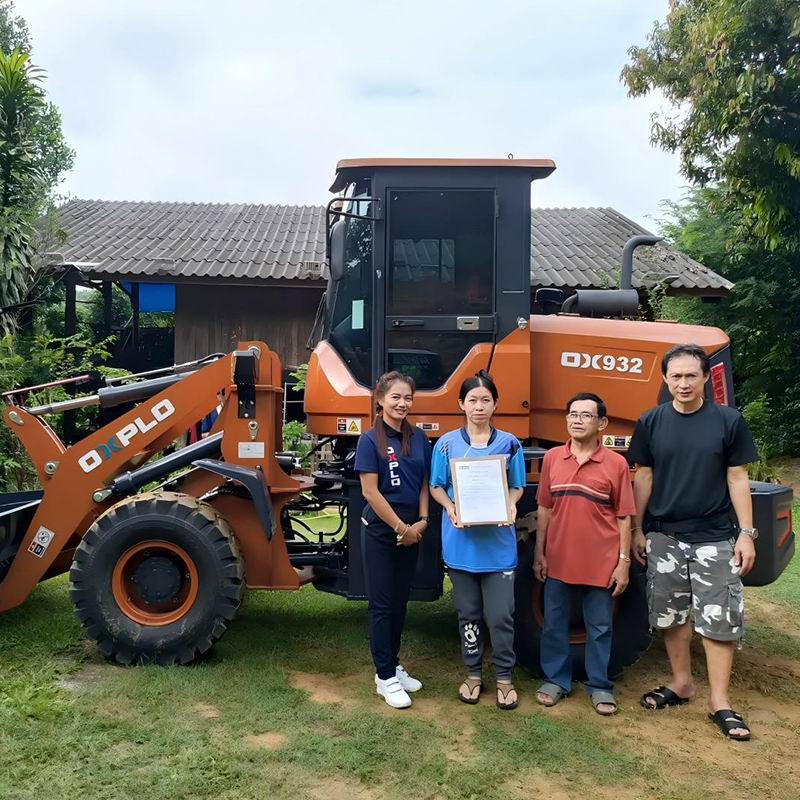
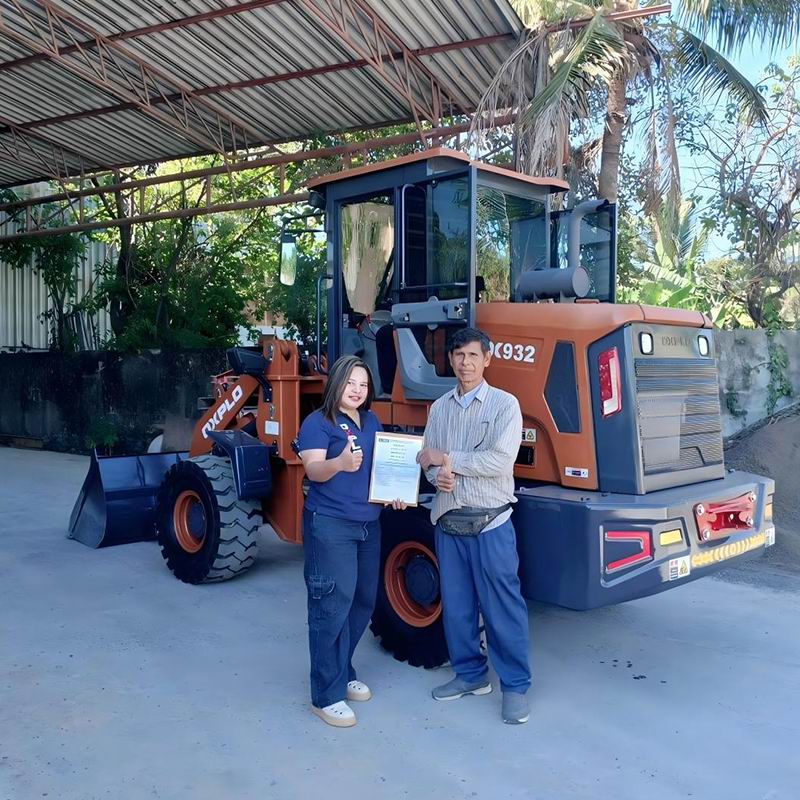
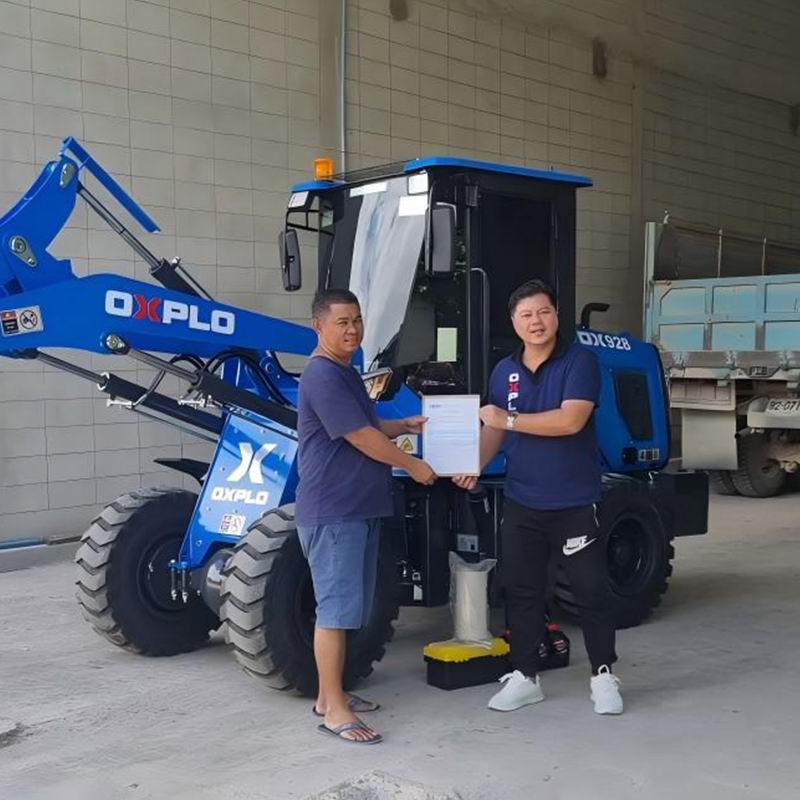
customer case
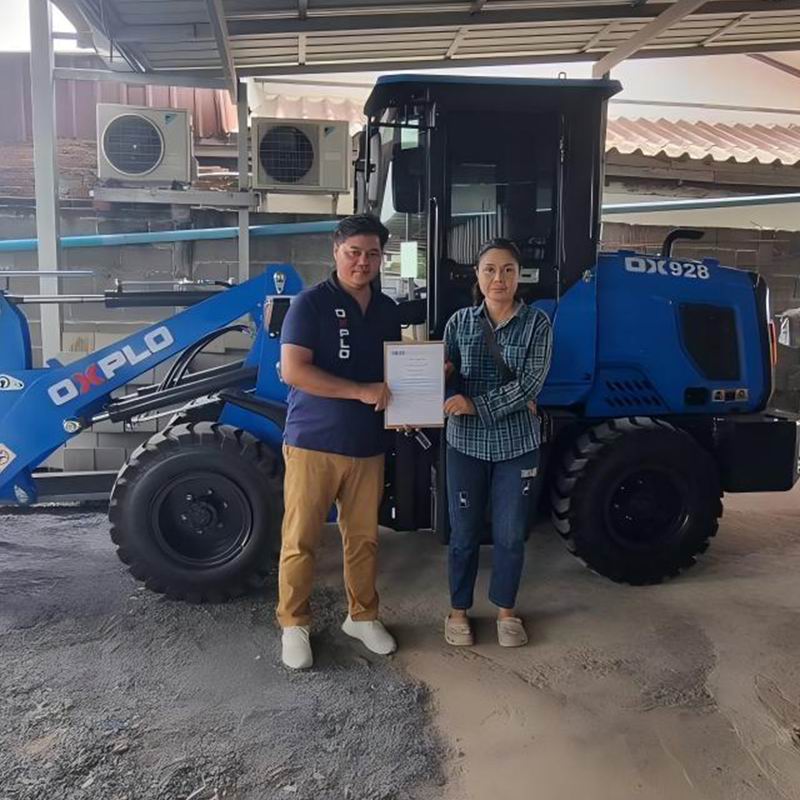
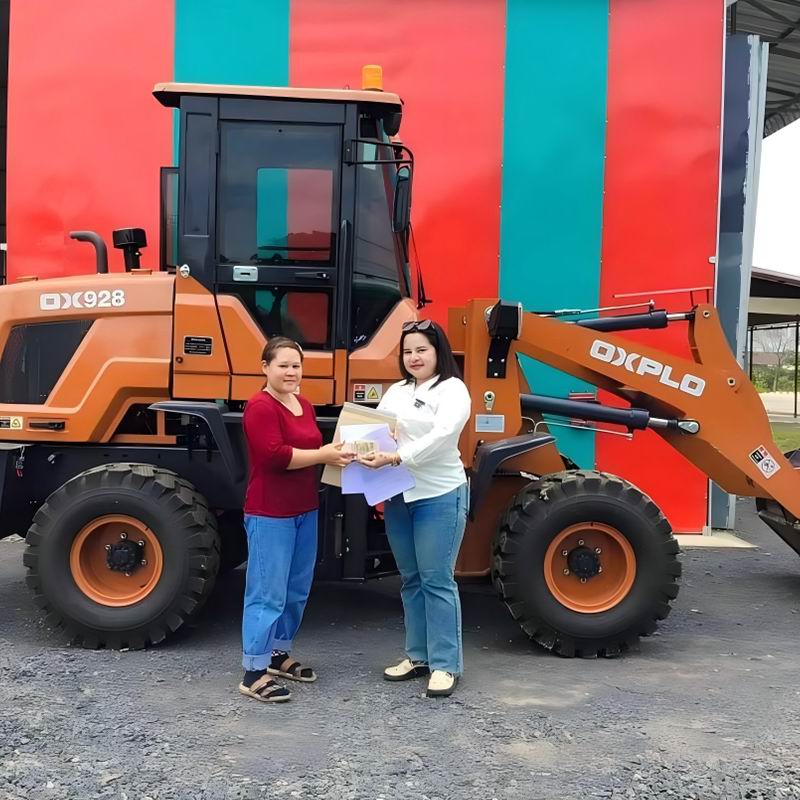
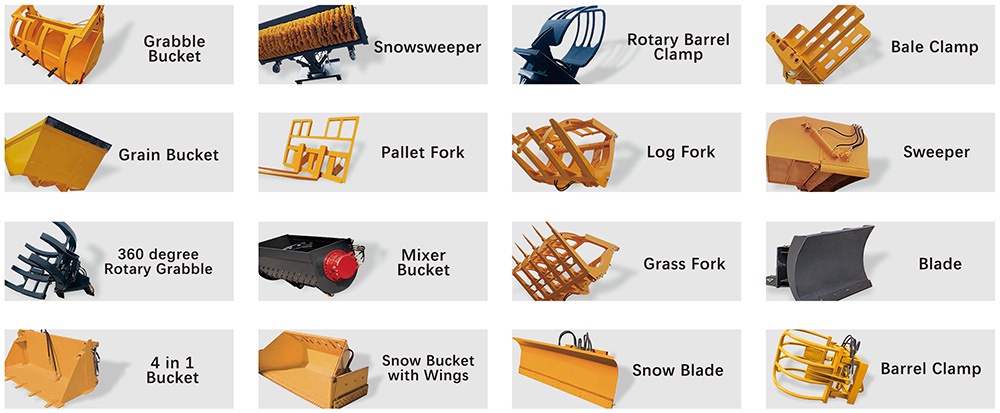
Wheel Loader Attachments
OXPLO provides a variety of spare parts support.
OXPLO's advantages
Let us introduce our products & factory to you
What makes us different
Why Choose Us
OXPLO specializes in the supply of forklifts, wheel loaders and tractors, providing reliable machinery solutions for material handling, construction and agricultural industries
Thailand Headquarters & SEAN Regional Operations
Headquartered in Thailand, with established firms and local service teams in the Philippines.
Reliable After-Sales & Spare Parts Support
We offer full after-sales care, including maintenance support and spare parts supply.
Factory Direct Supply
Direct factory operation ensures superior quality and a stable supply.
Quick Response & Service
Our local SEAN teams deliver rapid response, on-site service and expert technical help.
High-Performance Equipment
Built for tough jobs, our gear delivers robust power, steady performance and efficiency.
Application Scenarios
Our products are widely used in various fields such as warehousing,
construction, municipal roads, agriculture
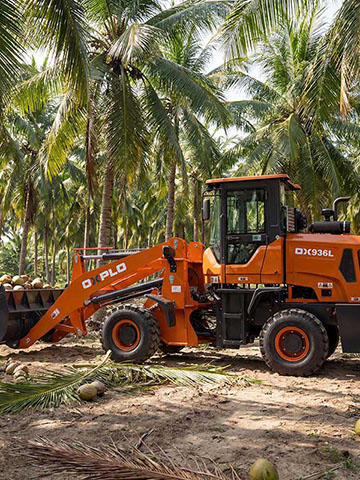
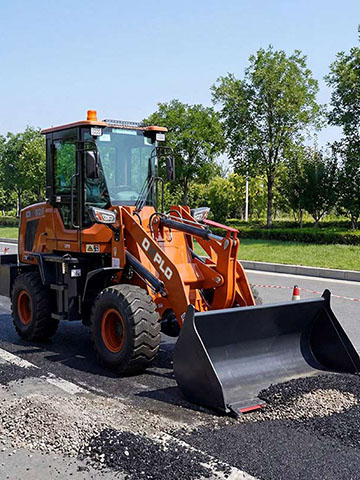
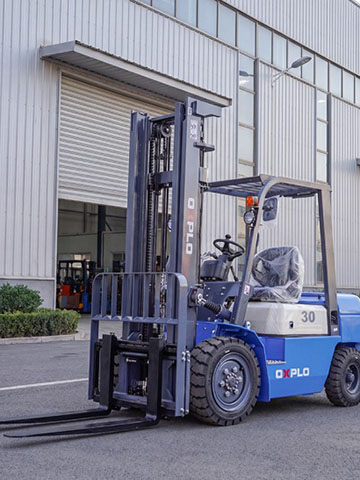
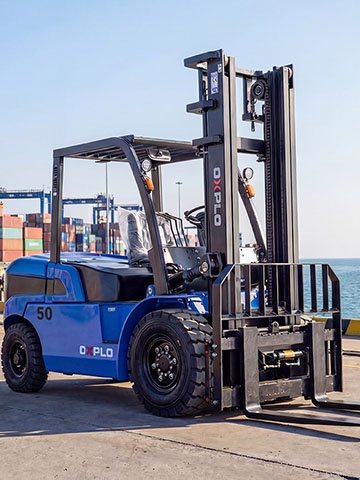
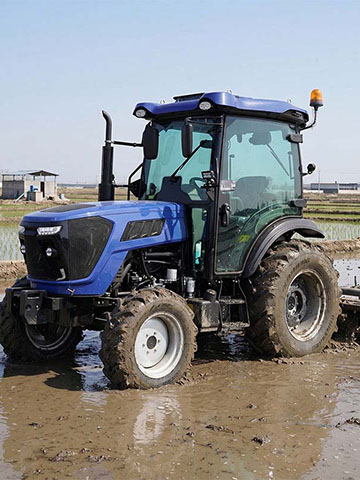
about OXPLO
OXPLO is headquartered in Vannok District, Ayutthaya Province, Thailand, with five new branch offices in Khon Kaen, Nakhon Ratchasima, Ubon Ratchathani, Chiang Mai, and Phatthalung Provinces. The company's core competitive advantage lies in its "fast and efficient after-sales service and on-site problem-solving capabilities." OXPLO provides a comprehensive service guarantee system. Having cultivated the Thai market for many years, OXPLO not only provides excellent loaders, industrial forklifts, and off-road forklifts, but also offers one-stop service from procurement financing to after-sales support through comprehensive local support.







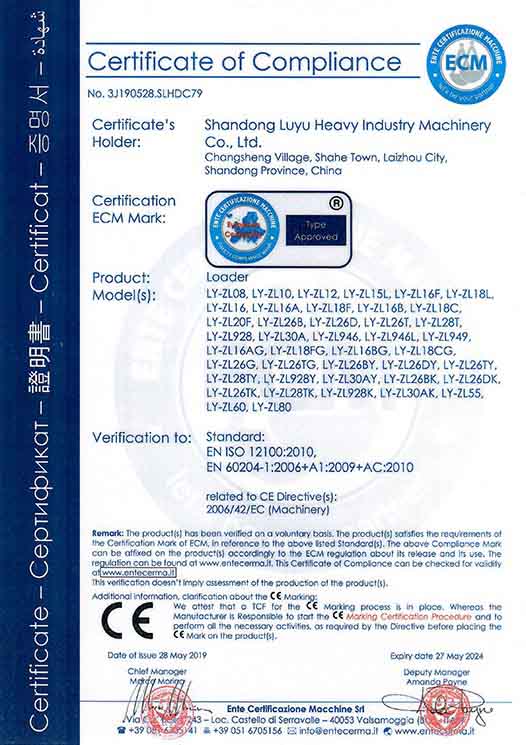
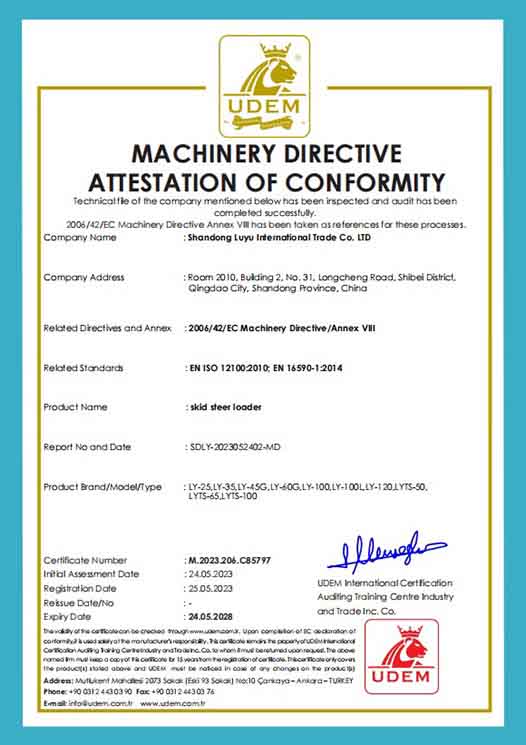
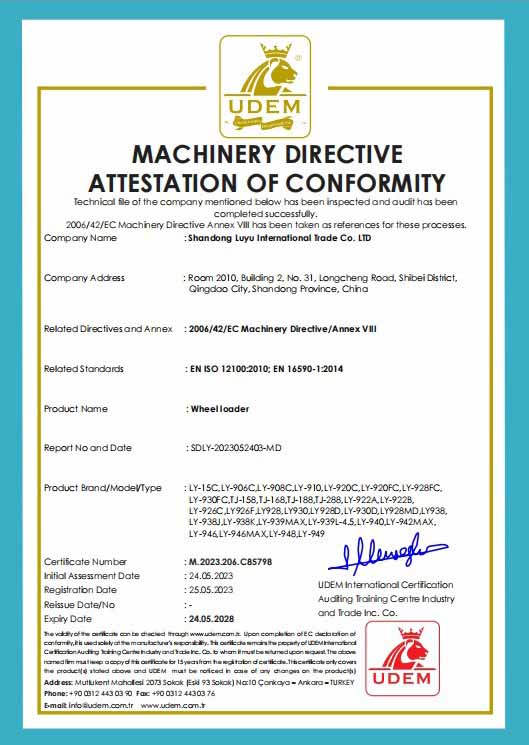
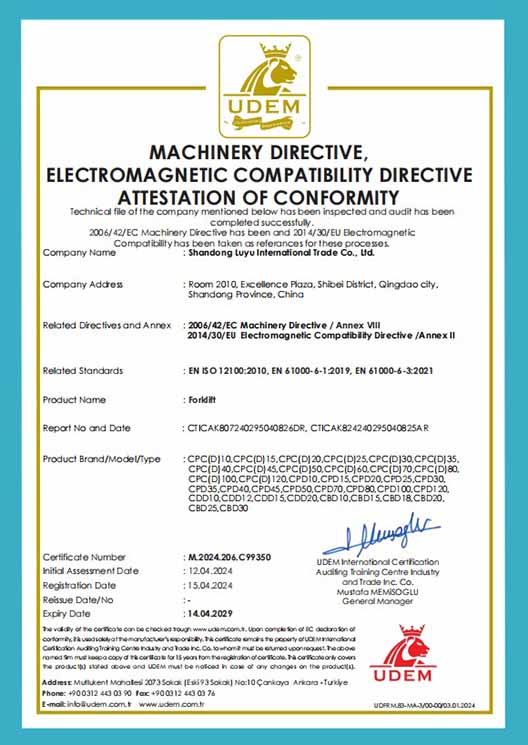
OUR CERTIFICATE
Wheel Loader FAQ
How much does a wheel loader cost?
The cost of a wheel loader varies depending on its rated load capacity, engine configuration, attachments, and optional features. Compact wheel loaders generally cost less than larger construction models. For an accurate quotation, contact OXPLO with your application requirements, preferred specifications, and destination country.
What is the fuel consumption of a wheel loader?
Fuel consumption depends on the loader size, engine power, operating conditions, and workload. Compact wheel loaders typically consume less fuel than larger models used in heavy-duty construction. Proper maintenance, efficient operating practices, and selecting the right machine size can help reduce fuel costs and improve productivity.
What is the lifting capacity of a wheel loader?
A wheel loader's lifting capacity is determined by its rated load. OXPLO offers wheel loaders with rated load capacities ranging from approximately 1.6 tons to 5 tons, making them suitable for agriculture, construction, material handling, and industrial applications. Always select a machine with sufficient capacity for your intended workload.
Can a wheel loader be used with pallet forks?
Yes. Many OXPLO wheel loaders can be equipped with pallet forks through a quick coupler system. This allows the machine to handle palletized goods, construction materials, agricultural products, and warehouse cargo, making it a versatile alternative to dedicated material handling equipment in certain applications.
How often should a wheel loader be serviced?
Regular maintenance is essential for maximizing machine performance and lifespan. Daily inspections should include checking engine oil, hydraulic fluid, coolant levels, and tire condition. Scheduled maintenance intervals vary by model and operating hours, but following the manufacturer's maintenance guidelines can help prevent unexpected downtime and costly repairs.
What is the difference between a wheel loader and a skid steer loader?
The primary difference is size, lifting capability, and maneuverability. Wheel loaders generally offer higher lifting capacities, larger buckets, and better performance for moving bulk materials over longer distances. Skid steer loaders are more compact and excel in confined spaces where tight turning and versatility are required. The best choice depends on your job site conditions and application needs.
What engine brands are available on OXPLO wheel loaders?
OXPLO wheel loaders are available with different engine configurations depending on the model and market requirements. Engine options may include reliable diesel engines designed to deliver strong performance, fuel efficiency, and easy maintenance. Please contact our sales team for specific engine options available in your region.
Do you provide operator training and technical support?
Yes. OXPLO provides after-sales support and technical assistance to help customers operate and maintain their equipment efficiently. Our team can offer guidance on machine operation, routine maintenance, troubleshooting, and spare parts support to ensure long-term reliability and productivity.