



A practical engineering and buying guide for Thai cassava growers, contractors and agricultural machinery distributors
A tractor can look powerful in a brochure and still be the wrong machine for a cassava farm. It may pull a ridger across dry ground but lose traction after rain. It may prepare a field efficiently yet be unable to travel through established planting rows. Or it may finish field work on schedule while harvested roots wait for a trailer.
These are not isolated equipment problems. They are failures to match planting geometry, soil conditions, implements and transport capacity to the same production calendar. For buyers searching Tractor for Cassava Farm Thailand, the question is not simply how many horsepower to purchase; it is which configuration removes the farm’s most costly recurring constraint.
This guide shows how to diagnose that constraint, calculate useful output and decide when a different tractor, implement, workflow or contracting arrangement makes economic sense. Values used in worked examples are illustrative, not machine performance guarantees.
I. Why Tractor Purchases Underperform on Thai Cassava Farms
The same tractor faces three different tests
Land preparation and ridging demand steady drawbar traction. Cultivation demands precision and crop clearance. Harvest hauling demands safe trailer control and a reliable loading cycle. These jobs differ mechanically, so a machine chosen only for its engine rating may fit one stage and perform poorly at the others. A Cassava Farm Tractor should be evaluated against all recurring tasks, but sized around the most difficult task that genuinely has to be done in-house.
In Thailand, the operating surface can change quickly. Sandy soils, harder compacted areas, field slopes and seasonal rain alter draft resistance and tyre grip. A 4WD tractor may offer a useful traction advantage, yet additional driven wheels cannot make waterlogged soil suitable for traffic or override trailer braking limits. The buying decision must separate engine-power shortage from traction shortage and from a poorly matched implement.
Three symptoms buyers often misdiagnose
Symptom 1: The tractor slows under tillage load. The cause might be excessive working depth, a wider-than-appropriate implement, an unsuitable gear, high wheel slip or inadequate engine power. Buying a larger tractor before checking those variables risks paying for horsepower that does not solve the real problem.
Symptom 2: Weed control remains labor-intensive. More power does not fix planting rows that cannot accommodate the wheel track or a cultivator whose tools damage cassava stems. Row geometry and the growth stage decide whether mechanical access is realistic.
Symptom 3: Harvested roots accumulate beside the field. The bottleneck may be a loader, trailer turnaround time, narrow exit or delivery schedule rather than the tractor itself. The useful measure is tonnes transported per hour, not the horsepower badge.
Who should make which financial comparison?
A farm owner with limited annual use should compare ownership with hiring a contractor for peak draft work. A service contractor should estimate rai completed per productive hour, daily availability and the cost of one breakdown during a short work window. A dealer should focus on specifying a compatible tractor-and-implement package and ensuring the buyer can obtain parts and service where the machine will operate. The same model can make sense for one of these buyers and not for another.
II. Planting and Ridging: Measure the Rows Before Choosing Machinery
A one-meter cassava row is not a one-meter tractor lane
FAO’s review of cassava production in Thailand describes common inter-row spacing of roughly 70–100 cm, with 100 × 100 cm a conventional planting arrangement. Actual practice depends on soil, slope, planting method and other agronomic decisions. The geometry has an immediate machinery implication: a tractor with an overall width greater than 1 m cannot simply travel entirely inside a 1 m corridor between two rows.
A Tractor for Row Crops may instead be configured to straddle one or more rows, if its wheel-center spacing, tyre width and crop height permit this. Do not infer that capability from a compact tractor label. Measure the existing ridge-to-ridge distance, wheel track at the front and rear, tyre section width, clearance under the chassis and headland turning space. Ask whether the proposed wheel-track settings are approved for the exact tractor and tyre combination.
For an existing farm, measuring first prevents plant damage after purchase. For a new plantation, agreeing on machinery access before the rows are established can preserve future options for inter-row weed control.
Ridge design depends on drainage and harvest method
Raised ridges can be beneficial where drainage is poor or tractor-mounted digging is planned. Flat planting can be reasonable in suitable, moisture-limited fields where unnecessary disturbance would increase moisture loss. FAO’s Thailand case study describes both approaches rather than prescribing ridging everywhere. On slopes, row direction and soil cover also matter because aggressive tillage can accelerate erosion.
Ask the contractor to set ridging depth and width using actual soil conditions, then inspect the first rows. Consistent ridge shape is useful only if it supports cutting establishment, cultivation access and later root lifting. Deepening every ridge to demonstrate machine power is not an agronomic improvement.
Make the planting pass a quality-control step
Cassava is established from stem cuttings; their length, condition and placement can vary. After a trial planting pass, check row straightness, cutting spacing, soil cover and visible disturbance. Inspect representative sections before increasing ground speed. Finishing more rai per hour provides little value if poor establishment requires replanting or creates irregular rows that later cannot be cultivated mechanically.
III. Cultivation: Control Weeds Without Sacrificing the Crop
The early weed-control window cannot be recovered later
Cassava is particularly vulnerable to weed competition during establishment. Thai Good Agricultural Practices guidance emphasizes effective weed control in the first three months, while field-specific timing depends on weed pressure and crop development. A cultivator that is unavailable until canopy closure is not a timely solution, no matter how productive it is on an empty demonstration field.
At the early stage, shallow inter-row cultivation may be feasible if the tractor and implement can follow rows without touching plants or exposing developing roots. Later, larger stems and canopy development reduce clearance. The correct decision may shift to targeted manual or other locally appropriate weed-control methods rather than pushing the machine through a crop it cannot clear.
Why faster cultivation can produce a worse result
Three checks matter during the first working pass: how much weed growth is actually disturbed, how many cassava plants are damaged, and how consistently the tractor follows the row. A wide implement may appear efficient on paper but require slower travel or leave an untreated strip if placement is poor. Excess depth can destroy roots and move soil away from the crop. A narrow, accurately guided pass may be the more economical option.
A practical field trial should mark a short representative section, record speed and time, count obvious crop injuries and compare weed coverage before and after. Repeat where soil conditions differ. If mechanical access is unsafe or impractical, exclude that operation from the tractor business case rather than assuming it will generate labor savings.
Do not buy a tractor on a hypothetical inter-row capability
This is a recurring procurement trap for Thai cassava growers: a tractor is bought for preparation and presumed suitable for later inter-row work. If existing spacing and wheel settings do not align, the farm still needs a separate weed-control plan. Treat compatibility with standing cassava as something to prove in the field, not an automatic feature of lower horsepower.
IV. Harvest Hauling: Find the Bottleneck Before Increasing Engine Power
Follow the roots from digging to delivery
The harvest operation does not end when roots are lifted. Roots must be gathered, transferred to a loading point, placed on a trailer or truck and delivered within the buyer’s handling requirements. Fresh cassava is subject to rapid post-harvest deterioration, so delays can have consequences beyond idle labor. When the tractor finishes digging faster than the transport process can clear roots, increasing field horsepower alone can deepen the queue.
Map a complete cycle: root collection, loading time, loaded travel, unloading, empty return and any waiting at a field exit or collection point. Record both the average time and the worst repeated delay. A field with a narrow exit may be more effectively served by coordinated smaller loads than by an oversized trailer that cannot maneuver.
A hauling calculation that changes the buying decision
Assume a 100-rai farm yields 3 tonnes of roots per rai. That gives 300 tonnes to move. With a permitted 3-tonne payload per trailer trip, the harvest requires 100 loaded trips. At 40 minutes for the entire loading-to-return cycle, the workload is roughly 66.7 vehicle-hours. These are illustrative assumptions and must not be interpreted as the towing capacity of any particular machine.
If the bottleneck is waiting to load, a larger tractor may achieve no improvement. If the existing tractor cannot safely handle the trailer on its route, a different approved towing combination may be needed. If travel distance is long, the business case may favor a different collection strategy rather than buying extra tractor horsepower.
The safety limits of a Farm Trailer Tractor
A Farm Trailer Tractor must be assessed by gross trailer mass, drawbar vertical load, braking equipment, gradients, surface grip and permitted travel route. A 4WD tractor that can pull an overloaded trailer uphill may still be unable to stop it safely downhill. Get written tractor and trailer ratings, and check Thai public-road requirements when road travel is planned. The published engine rating and empty-trailer demonstration are never enough.
V. Cost per Rai: Calculate Real Capacity and Ownership Risk
Use effective field capacity, not catalogue width
For field operations, effective capacity can be estimated as hectares per hour = implement width (m) × working speed (km/h) × field efficiency ÷ 10. Field efficiency reflects turning, overlaps, short interruptions and other losses. Since 1 rai = 0.16 hectare, divide hectares per hour by 0.16 to obtain rai per hour.
Example: a 2.0 m ridger travelling at 3.5 km/h with 65% field efficiency completes 0.455 hectares per hour, or about 2.84 rai per hour. A 100-rai field then requires approximately 35.2 operating hours. With field efficiency falling to 50% under otherwise identical assumptions, the same area needs about 45.7 hours—roughly 10.5 extra hours. The calculation illustrates why turning loss, slip and repeated adjustments deserve attention before increasing horsepower.
Translate working time into money
The useful comparison is cost per rai, not purchase price alone. A simplified model is annual fixed costs ÷ annual rai worked + variable cost per rai. Fixed costs include depreciation, financing and insurance as applicable; variable costs include fuel, routine servicing, wear, labor and repairs attributable to operation. Contractors should also account for travel between customers and idle hours that cannot be billed.
Suppose annualized fixed cost is THB 150,000 and variable operating cost is THB 200 per rai. At 500 rai of annual use, the estimate is THB 500 per rai; at 1,000 rai, it is THB 350 per rai. These are deliberately hypothetical amounts, not Thailand market quotes. Their purpose is to show why a farm using a machine only occasionally may rationally hire heavy tillage or digging services instead.
Run three decisions, not just one comparison
Own versus hire: Does the tractor complete enough annual work to cover fixed cost while ensuring timely access? Smaller versus larger: Will a larger platform genuinely widen the compatible implement or increase productive speed without unacceptable slip or crop access problems? One machine versus several services: Can one tractor do necessary work safely, or should transport or digging be handled by a separate provider?
An equipment purchase can still be justified at a higher cost per rai if it avoids a costly missed planting window. That benefit should be stated explicitly and tested against real seasonal scheduling—not assumed as a general advantage of ownership.
VI. A Procurement Checklist That Prevents Expensive Mismatches
Seven checks before requesting a quotation
1. Map the crop calendar. Identify preparation, ridging, planting support, weed-control and hauling periods; flag jobs that overlap in the same week.
2. Measure the field. Record rai, slope, soil texture, drainage, row centers, entrance width and available turning space.
3. Inventory existing implements. Collect working width, weight, draft requirements, hitch category, PTO rpm, PTO power and hydraulic requirements from each implement maker.
4. Identify the limiting operation. Determine whether the key recurring loss is draft capacity, traction, row access, loading time, transport or service downtime.
5. Compare tractor platforms on more than HP. Review 4WD, gearbox working speeds, hitch, PTO settings, tyres, total weight and any approved towing limits.
6. Trial with the real tool and surface. Check travel speed, engine load, slip, turning time, crop injury and handling characteristics—not just whether the implement can be attached.
7. Calculate cost and support risk. Compare productive rai/hour, estimated yearly usage, downtime exposure, parts access and the complete delivered configuration.
What buyers should demand in writing
Before paying for a Cassava Farm Tractor, request the exact tractor model and options, tyre sizes, PTO configuration, hitch category, relevant hydraulic data, approved towing information and the implement compatibility statement. If an accessory is proposed, confirm the supplier’s responsibility for fitment and commissioning. If an operating capability is not documented or demonstrated, treat it as unverified rather than building a labor-saving forecast around it.
For equipment dealers, using the same checklist across customers improves quotation quality. It separates farms that genuinely need a more powerful platform from those whose problem is row spacing or an unsuitable implement. That reduces the risk of selling an expensive solution that cannot perform the buyer’s intended operation.
VII. Which OXPLO Tractor Configuration Fits the Workload?
Use the actual specifications, then test the application
For Thailand Agricultural Machinery buyers, equipment selection is strongest when real field and attachment requirements come first. After the first six decisions are clear, the OXPLO tractor collection provides a practical range to compare. OXPLO currently lists 25, 30, 40, 50, 60 and 70 HP tractor models on its Thailand-focused website. The specification difference between the 40–50 HP and 60–70 HP platforms is more useful to examine than horsepower alone: the listed gearbox, hitch class, overall width, weight and PTO selections change between them.
All four OXPLO models in the table list 4WD and 308 mm minimum ground clearance. The OXT404/OXT504 pages specify 2,200 kg total weight; the OXT604/OXT704 parameter tables specify 2,500 kg. These are published product figures, not proof of a specific drawbar, lift or cassava-digging capacity. Where website summary language differs from technical tables, buyers should request the current model-specific specification sheet before ordering.
Where the 40–50 HP OXPLO platform deserves consideration
For a farm doing mixed light-to-moderate preparation, compatible ridging and general farm work, the OXPLO OXT404 or OXPLO OXT504 may be sensible candidates for field evaluation. The OXPLO OXT504 combines a 50 HP rating with 4WD, 8+8 transmission and Category I linkage; it is not automatically compatible with every existing cassava implement. Check whether the primary ridger or tiller requires a different hitch category or PTO capacity. The related OXPLO 50 HP tractor buying guide explains the broader power-class trade-offs.
The OXPLO OXT254 25 HP and OXT304 30 HP can also be evaluated for lighter tasks, but their published overall width is 1,560 mm. Smaller engine size must never be confused with guaranteed access through 1 m cassava rows. Their suitability needs exactly the same geometry check.
When moving to OXPLO 60–70 HP may be justified
The OXPLO OXT604 and OXT704 offer a 12+12 gearbox and Category II linkage on a heavier platform. These differences may be relevant for buyers whose verified workload requires larger compatible implements, more sustained draft capacity or high-hour contract work. But the 1,760 mm listed width adds another clearance consideration if cultivating established crops is part of the plan.
The practical question for an OXPLO buyer is: what measurable problem is solved by upgrading from the 50 HP platform? If the answer is improved compatibility with a required Category II implement, that is a specific engineering reason. If the answer is merely that 70 HP sounds safer, the farm should conduct a better workload assessment first.
Configuration support should reduce mistakes, not create assumptions
For Thailand and Southeast Asia customers, OXPLO publishes Service & Support information covering pre-sales consultation, spare parts and local operations. Availability and terms should be confirmed for the specific model and customer location. OXPLO can use field details to discuss a suitable tractor platform, but a proposed cassava planter, cultivator, digger or trailer still requires its own compatibility and safe-use verification.
Agricultural machinery distributors can also use OXPLO’s Industry Articles when helping customers distinguish general horsepower comparisons from site-specific machinery decisions. In this context, OXPLO is most useful as a source of configurable tractor specifications and procurement discussion—not as a promise that any one tractor will solve planting, cultivation and hauling without careful matching.
VIII. FAQ: Tractor Selection for Cassava Farms in Thailand
Q1. Is 50 HP enough for a cassava farm in Thailand?
A1. It may be suitable for selected mixed duties, depending on soil draft, implement width, annual hours and hauling requirements. The OXPLO OXT504 is a candidate to evaluate, not a blanket recommendation. Confirm the toughest recurring job under real operating conditions.
Q2. Will a smaller tractor fit between cassava rows?
A2. Not automatically. Tractor overall width, wheel-track adjustment, tyre dimensions and whether the travel path straddles rows determine clearance. OXPLO 25–30 HP models do not automatically fit narrow inter-row spaces just because their engine ratings are lower.
Q3. Is 4WD necessary on every cassava farm?
A3. Not every operation demands it, but 4WD may improve usable traction for preparation, slopes and variable soil. It does not replace sound soil-moisture judgment, correct tyres or manufacturer-approved ballast and trailer limits. OXPLO publishes 4WD on the listed 40–70 HP models.
Q4. Can I use my existing cassava ridger with an OXPLO tractor?
A4. Check hitch category, dimensions, mass, required draft force, hydraulic requirements and PTO demand where relevant. OXPLO OXT504 is listed with Category I linkage; OXPLO OXT604 and OXT704 are listed with Category II. An adapter alone does not confirm safe or functional compatibility.
Q5. How should I compare hauling alternatives?
A5. Calculate tonnes per load, total safe payload, the complete loading-to-return cycle and the number of trips needed. If the loading operation is the bottleneck, adding trailer capacity or tractor horsepower without changing the workflow may not improve overall harvest throughput.
Q6. What should I send OXPLO for a useful tractor quotation?
A6. Provide province, farm size in rai, soil and slope conditions, planting row spacing, implement specifications, work calendar, trailer requirements and estimated annual hours. Send pictures or measurements of existing implements. Use the OXPLO Contact page to request a model-and-configuration discussion rather than a horsepower-only quotation.
IX. Conclusion: Specify the Job First, Then the Tractor
A successful tractor purchase for Thai cassava production starts with the field geometry and finishes with the full operating cycle. Planting needs consistent rows and correct soil preparation. Cultivation must control weeds without injuring plants. Harvest hauling must move roots safely before transport becomes the limiting step. A Tractor for Cassava Farm Thailand decision should therefore be based on verified implements, effective rai per hour and cost of productive use—not engine power alone.
The OXPLO tractor range gives farm owners, contractors and dealers several platforms to evaluate, from lighter models to the OXPLO 60–70 HP series. The right OXPLO model is the one whose hitch, PTO, dimensions, traction and operating capacity can be matched to the buyer’s measured work. For an application-specific review, share your field data and intended implements with OXPLO Thailand or request a configuration through OXPLO Contact.
Technical basis: FAO reviews of cassava production in Thailand; Thailand Good Agricultural Practices guidance for cassava; model-specific OXPLO tractor specification pages (checked 22 October 2026). Examples are illustrative and do not constitute machine performance, yield or towing guarantees.
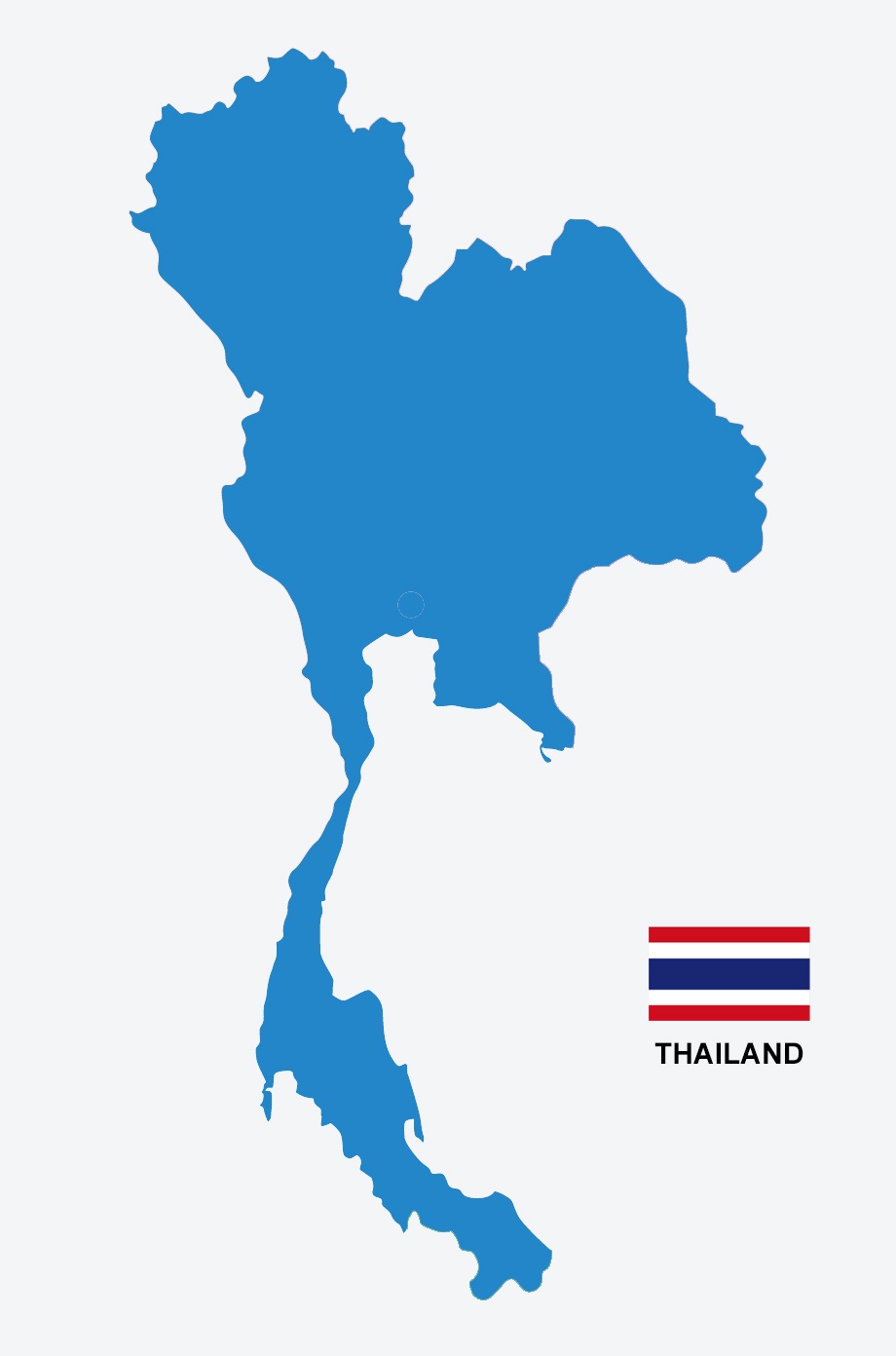
Customer Distribution
 Thailand-Ayutthaya
 Thailand-Khon Kaen
 Thailand-Nakhon Ratchasima
 Thailand-Ubon Ratchathani
 Thailand-Chiang Mai
 Thailand-Phthalum
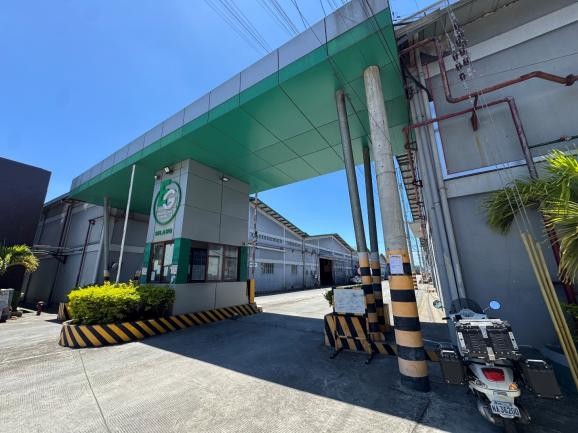
, MAGUYAM ROAD, BRGY. MAGUYAM, SILANG, CAVITE") Philippines-ELITE GLOBUS WAREHOUSE(NO. 43 - OXPOWER MACHINERY INC.), MAGUYAM ROAD, BRGY. MAGUYAM, SILANG, CAVITE
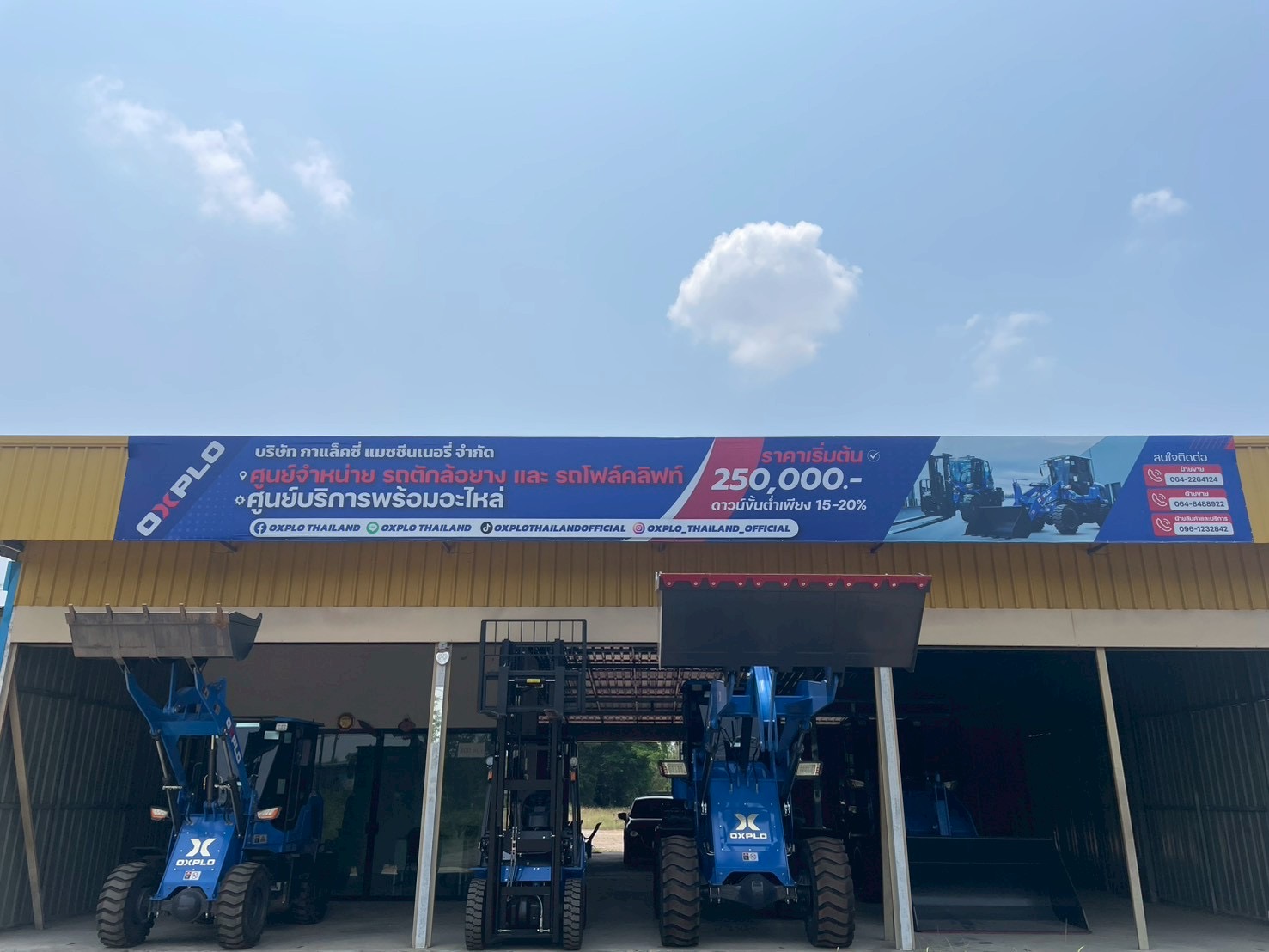
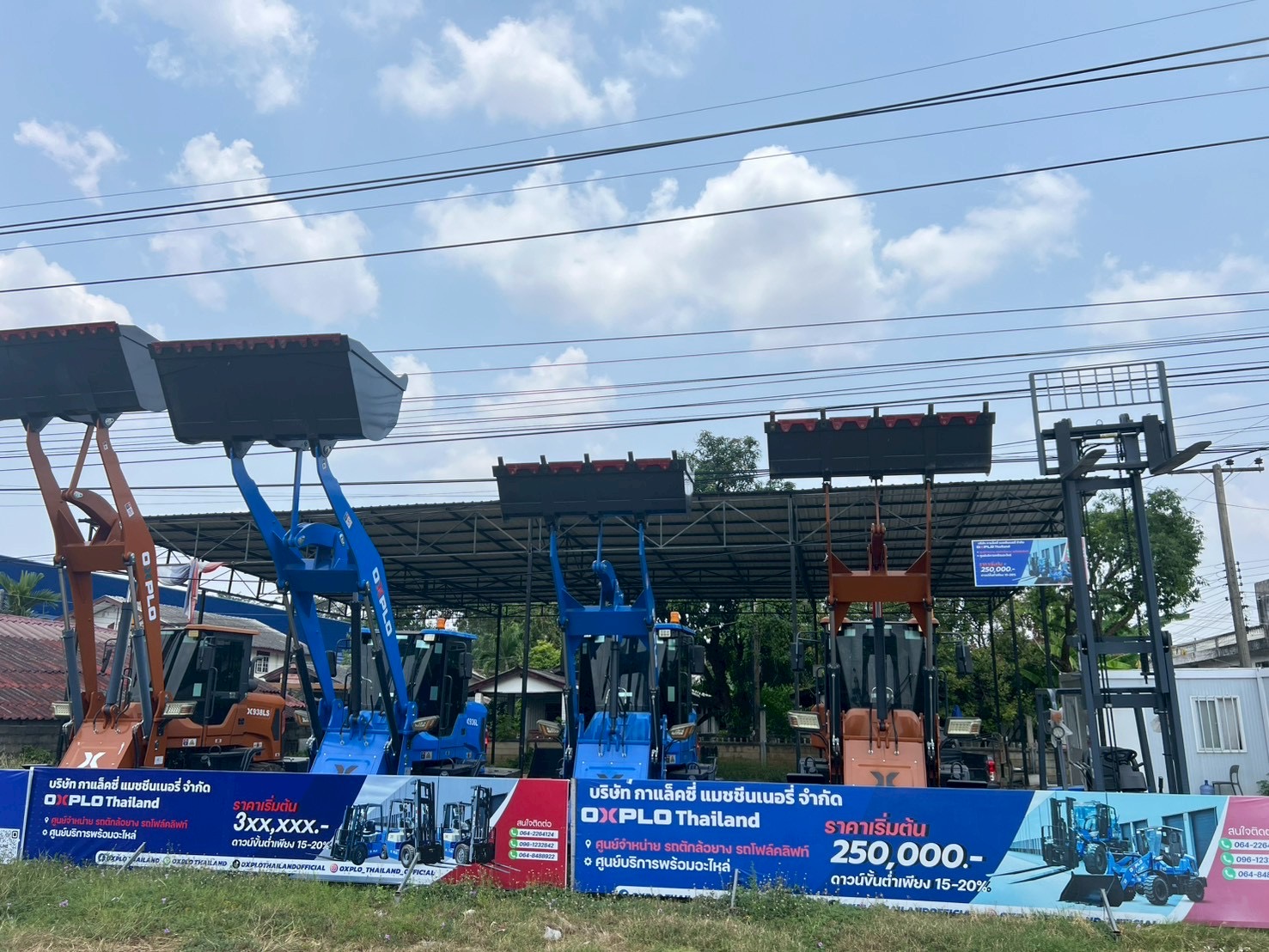
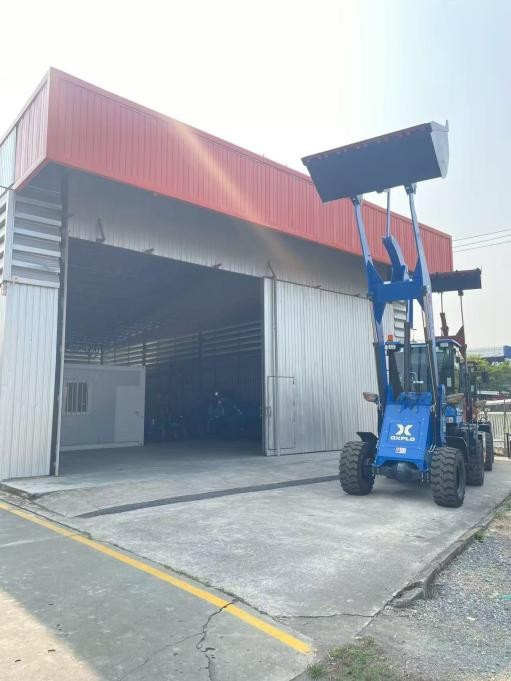
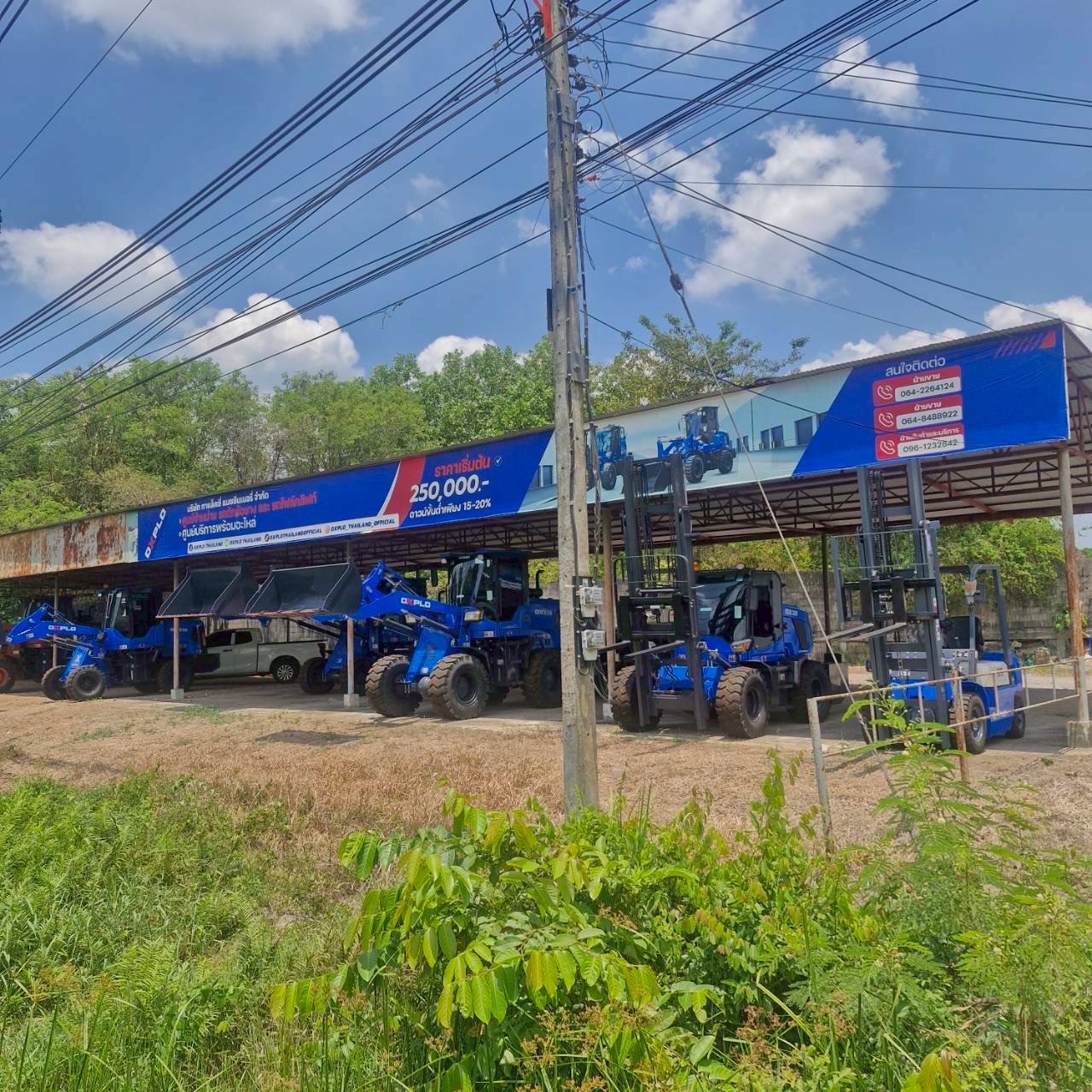
OUR OPERATiONS
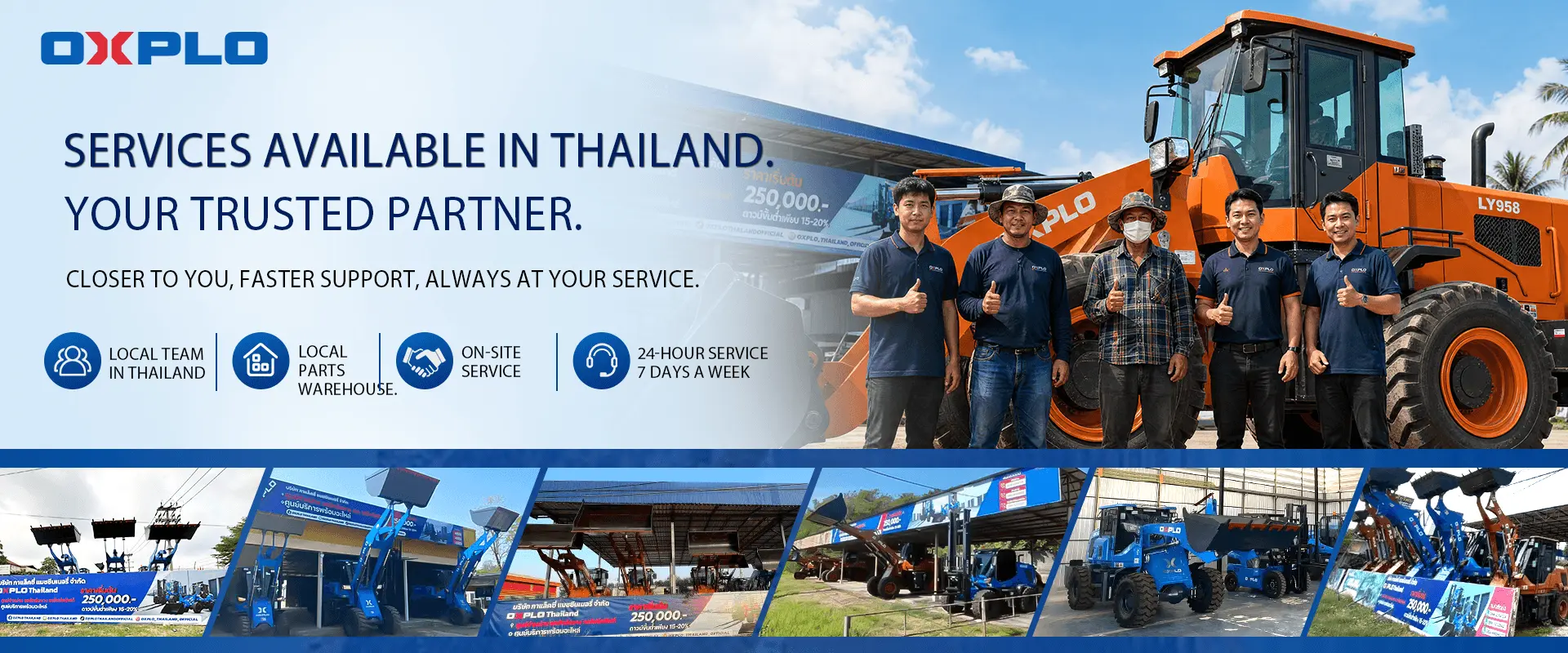
Our regional headquarters are located in Thailand, with independent operations company and service team in the Philippines. This multi-market presence enables us to provide customers throughout Southeast Asia with efficient communication, faster response times, and reliable local support.

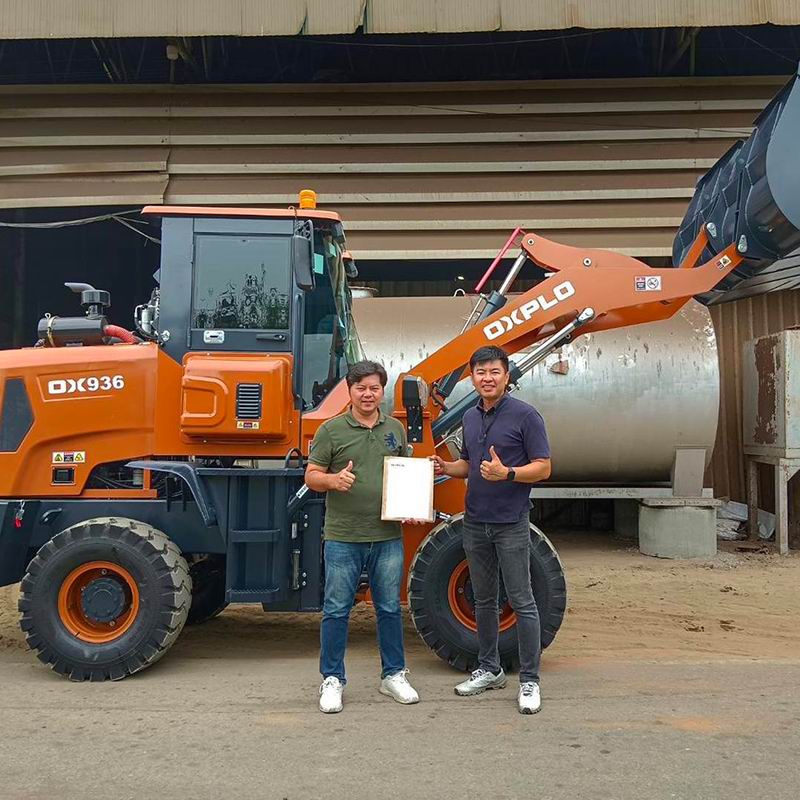
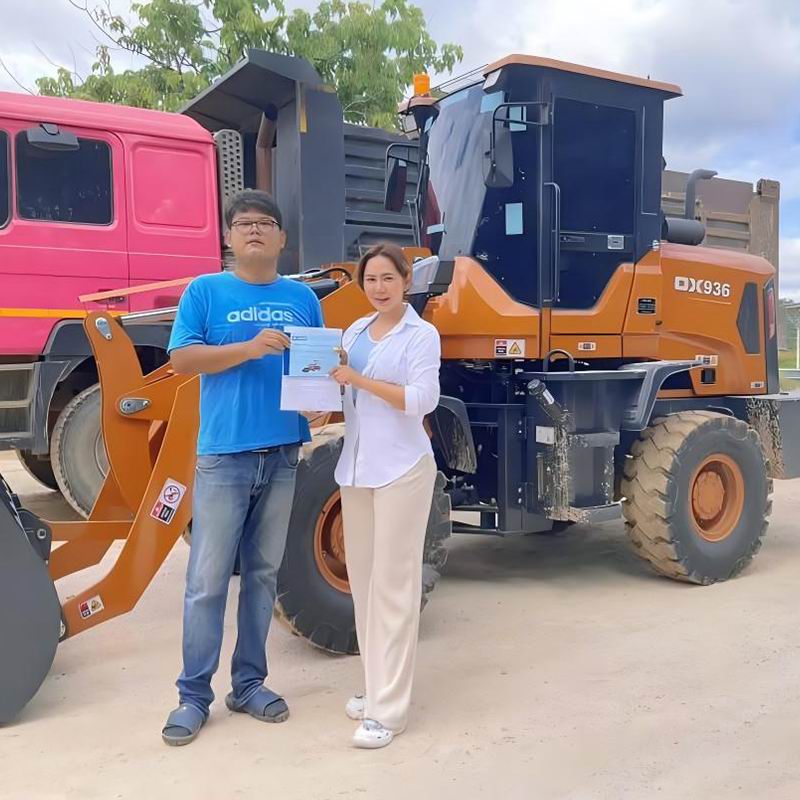
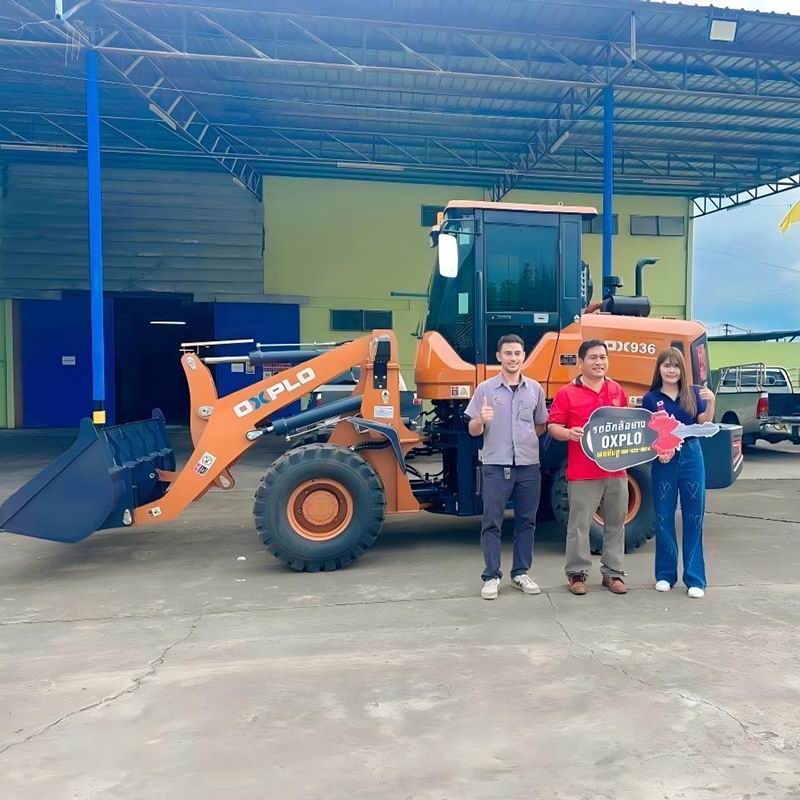
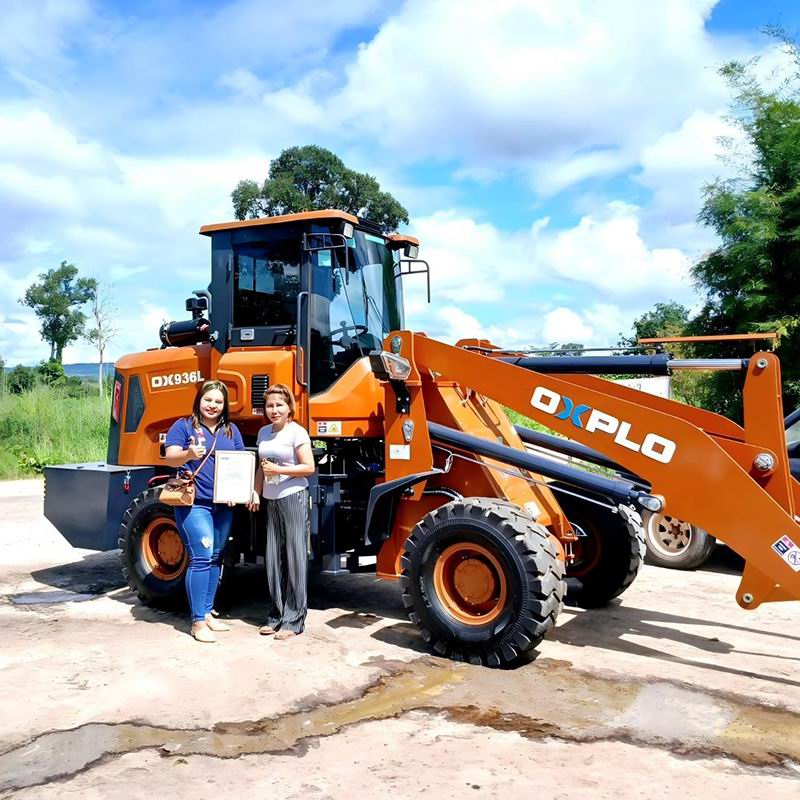
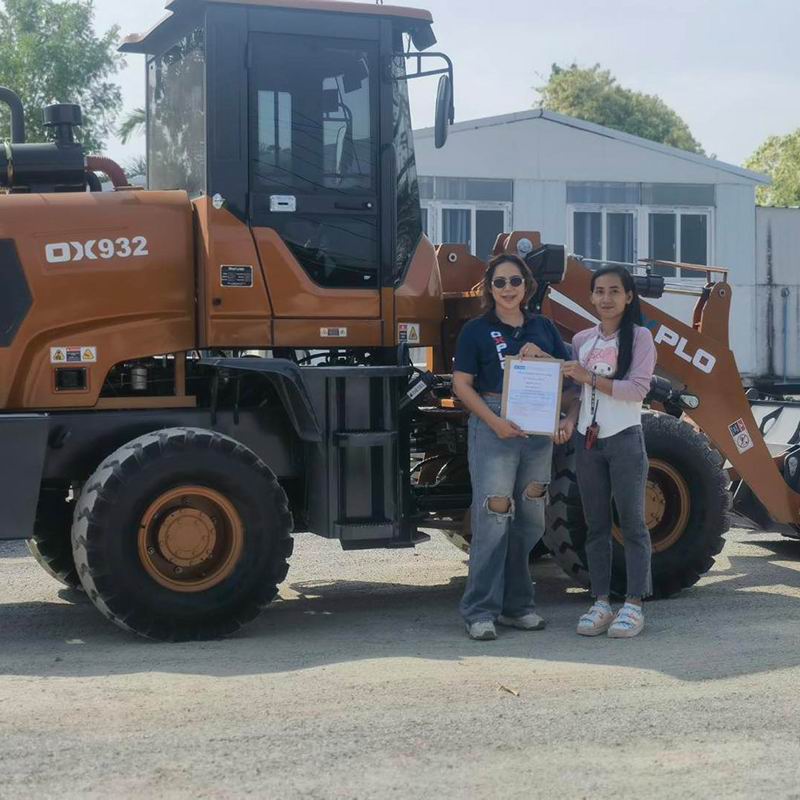
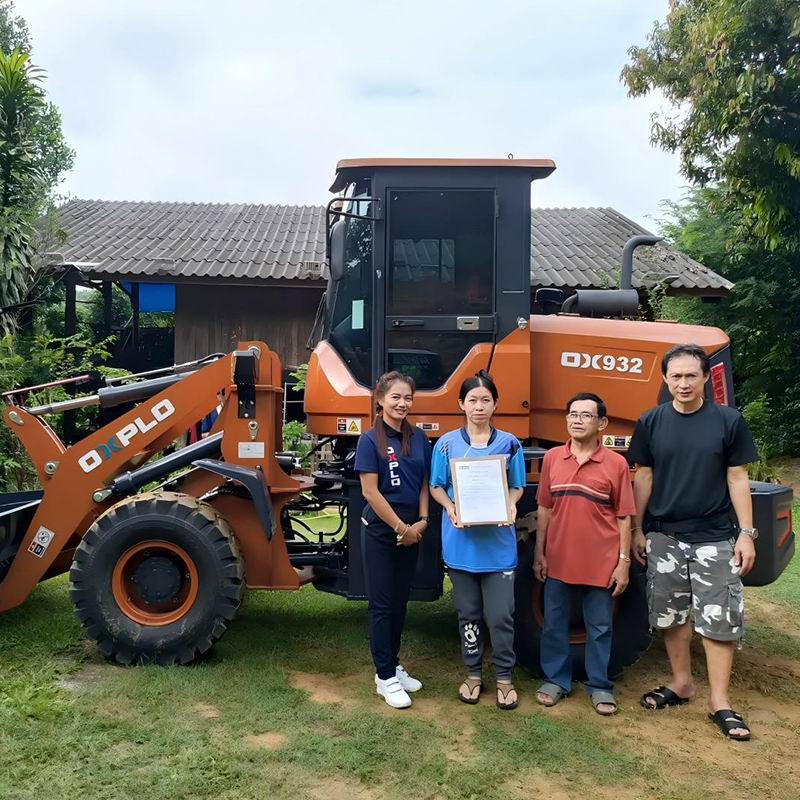
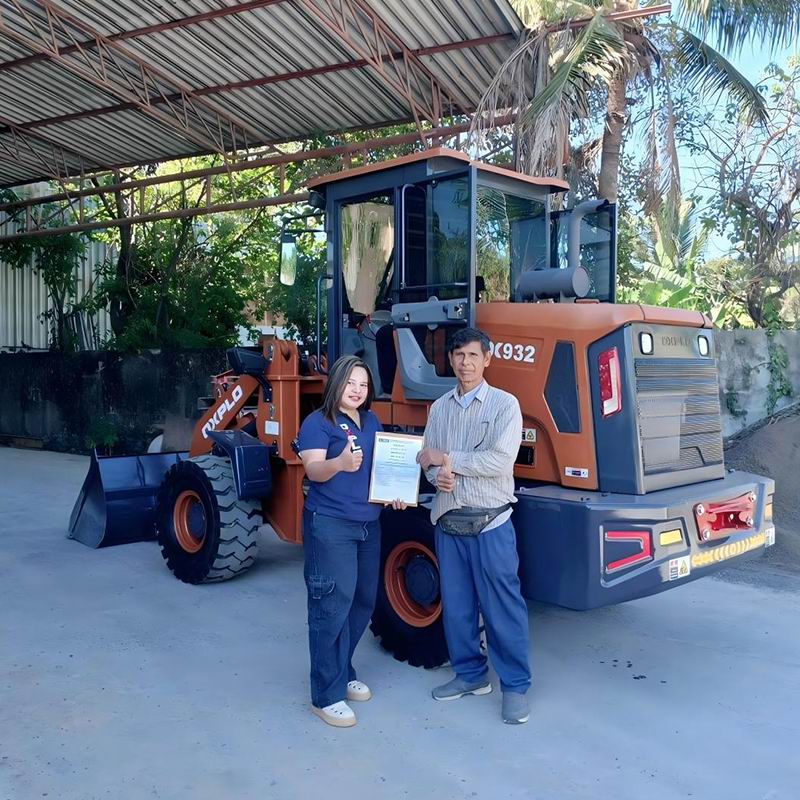
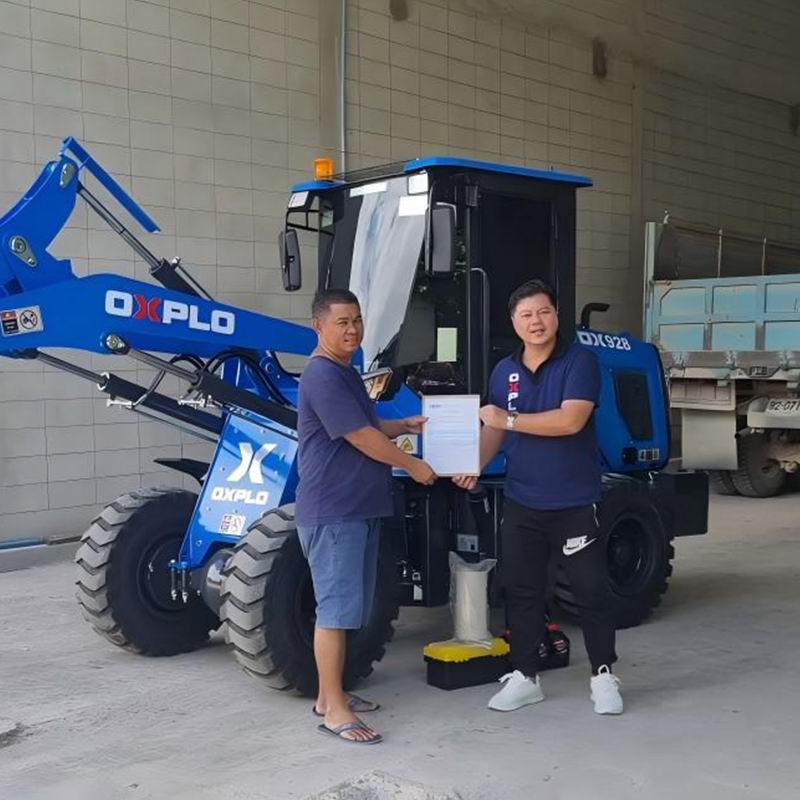
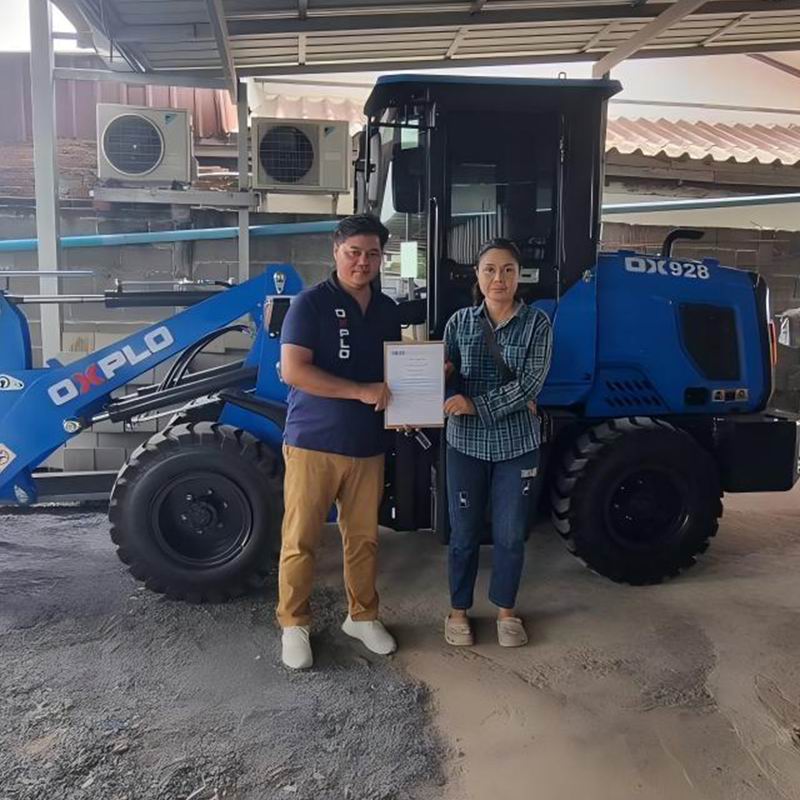
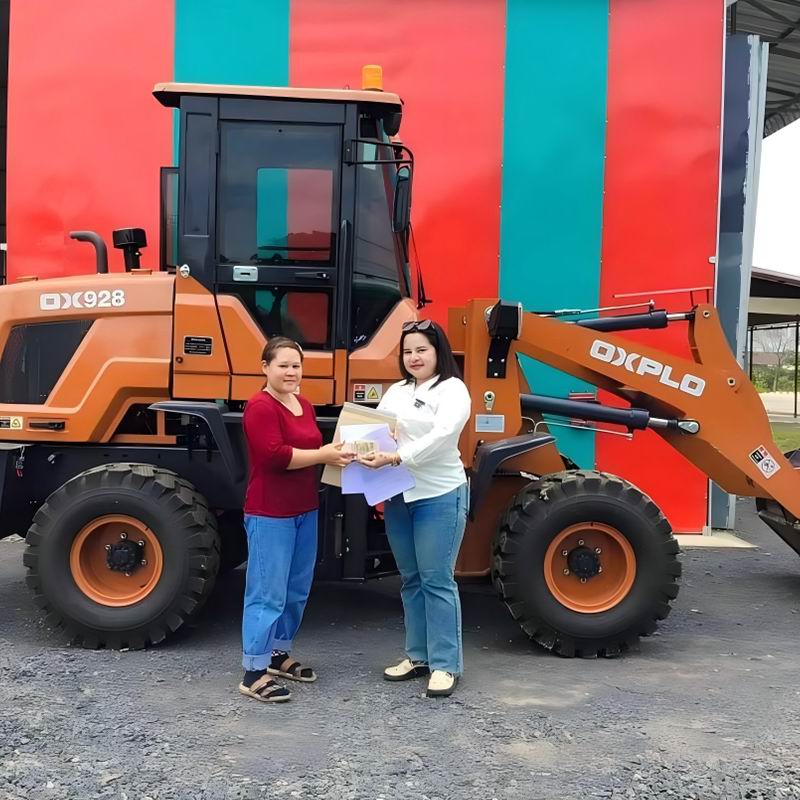
customer case
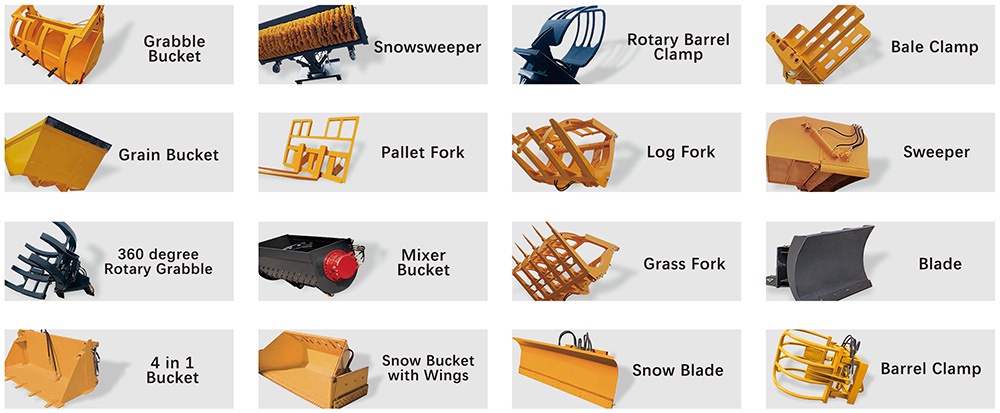
Wheel Loader Attachments
OXPLO provides a variety of spare parts support.
OXPLO's advantages
Let us introduce our products & factory to you
What makes us different
Why Choose Us
OXPLO specializes in the supply of forklifts, wheel loaders and tractors, providing reliable machinery solutions for material handling, construction and agricultural industries
Thailand Headquarters & SEAN Regional Operations
Headquartered in Thailand, with established firms and local service teams in the Philippines.
Reliable After-Sales & Spare Parts Support
We offer full after-sales care, including maintenance support and spare parts supply.
Factory Direct Supply
Direct factory operation ensures superior quality and a stable supply.
Quick Response & Service
Our local SEAN teams deliver rapid response, on-site service and expert technical help.
High-Performance Equipment
Built for tough jobs, our gear delivers robust power, steady performance and efficiency.
Application Scenarios
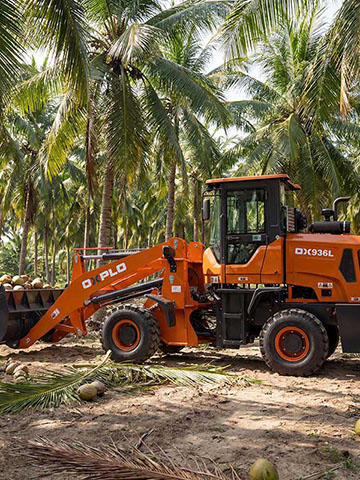
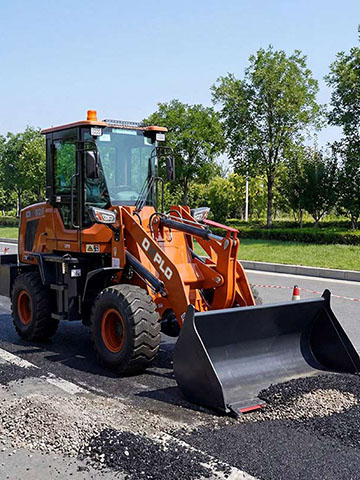
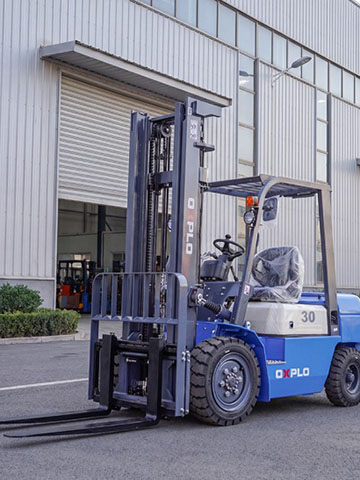
Our products are widely used in various fields such as warehousing,
construction, municipal roads, agriculture
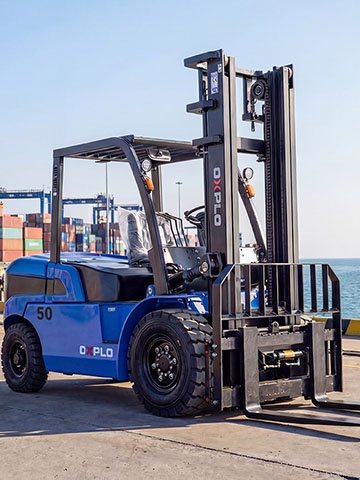
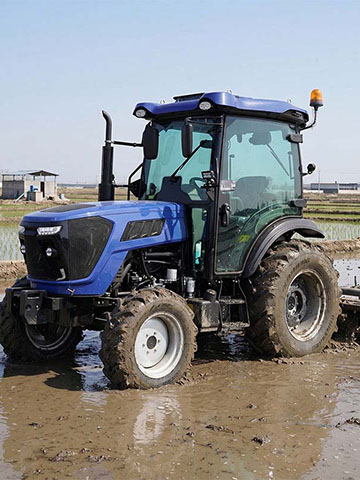
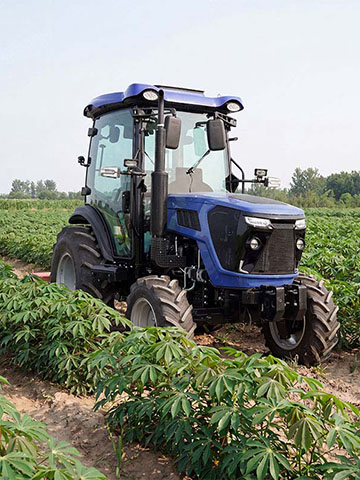
about OXPLO
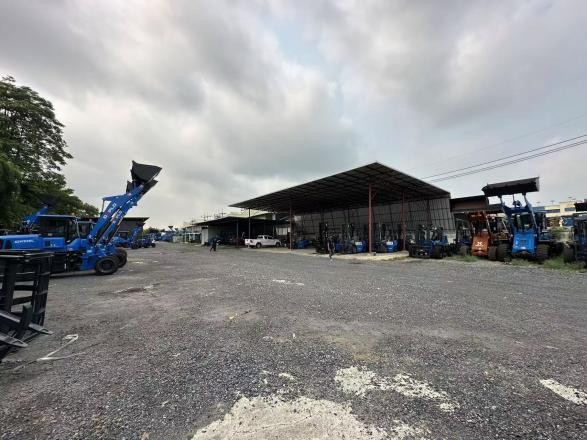
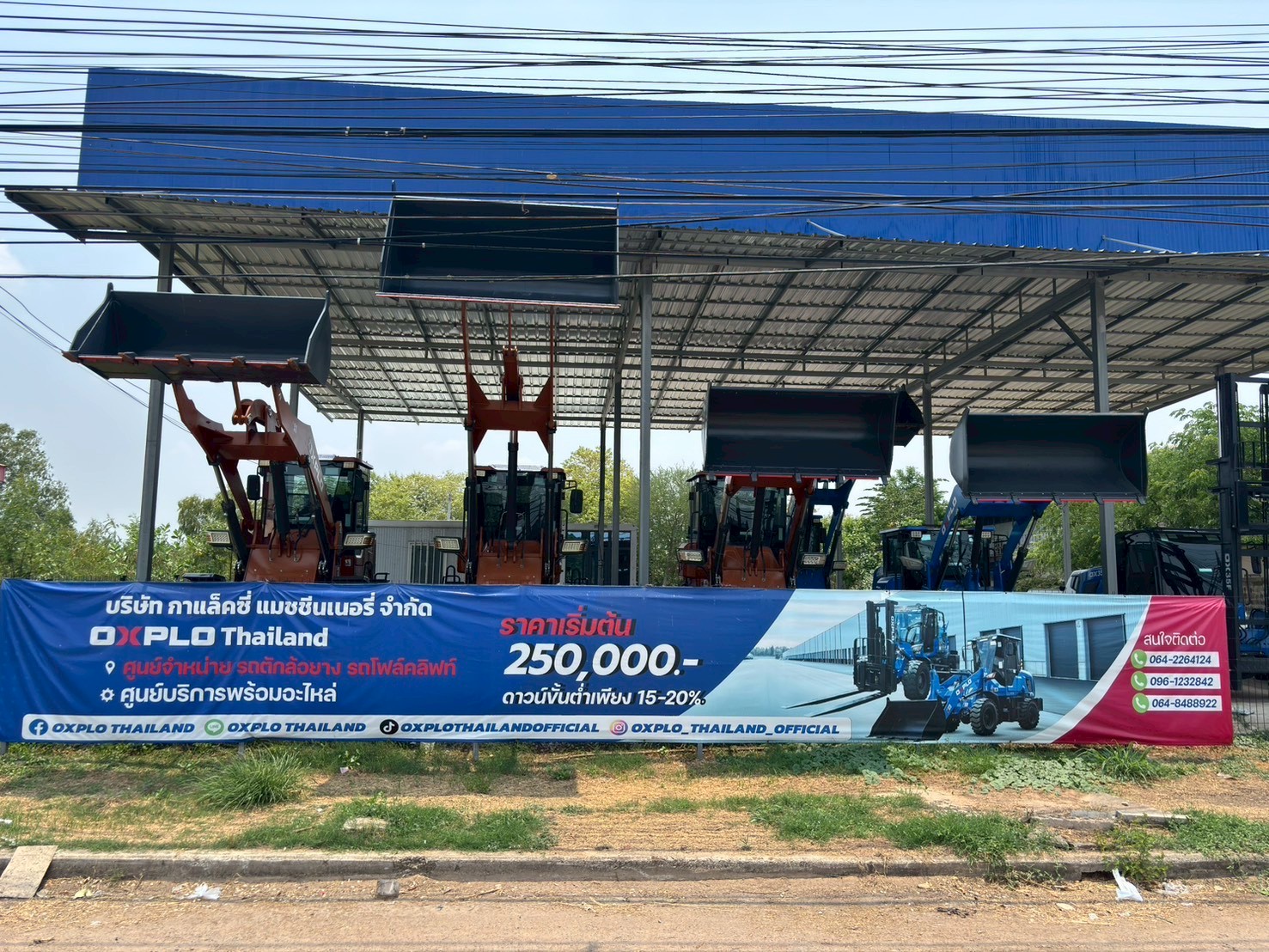
OXPLO is headquartered in Vannok District, Ayutthaya Province, Thailand, with five new branch offices in Khon Kaen, Nakhon Ratchasima, Ubon Ratchathani, Chiang Mai, and Phatthalung Provinces. The company's core competitive advantage lies in its "fast and efficient after-sales service and on-site problem-solving capabilities." OXPLO provides a comprehensive service guarantee system. Having cultivated the Thai market for many years, OXPLO not only provides excellent loaders, industrial forklifts, and off-road forklifts, but also offers one-stop service from procurement financing to after-sales support through comprehensive local support.







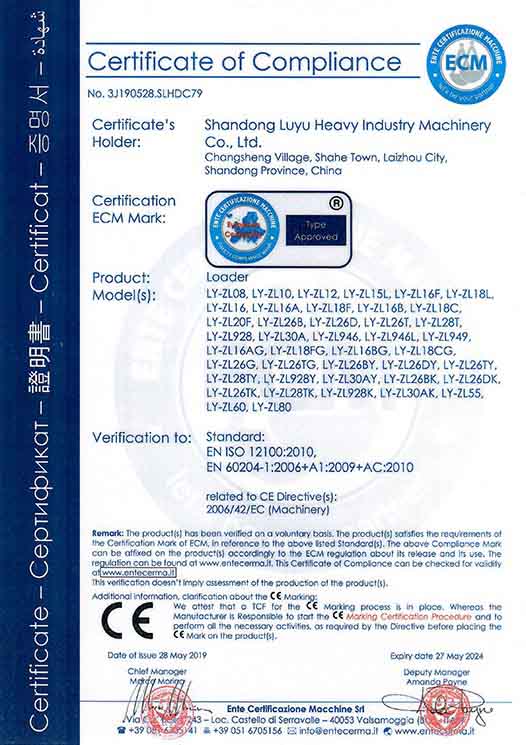
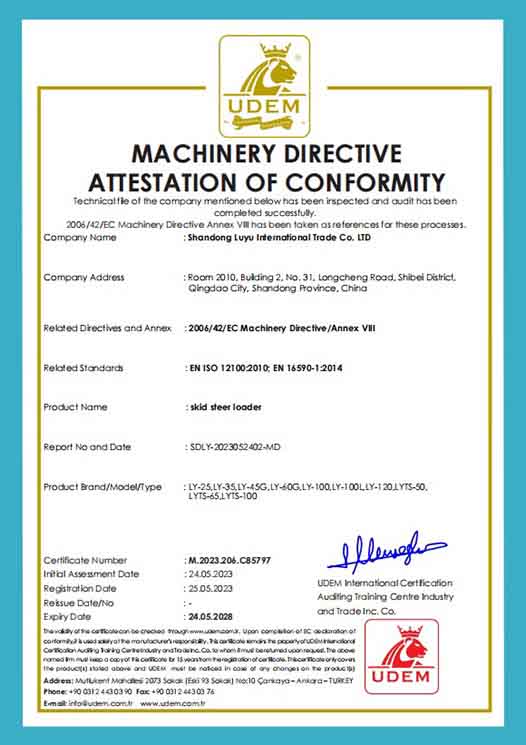
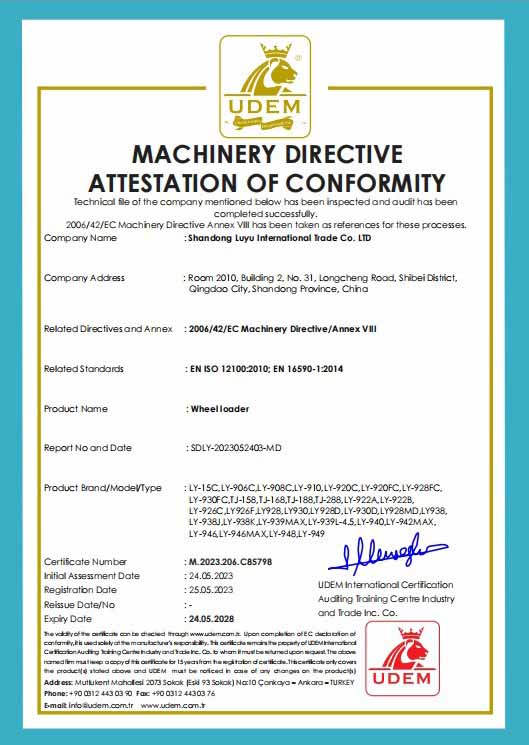
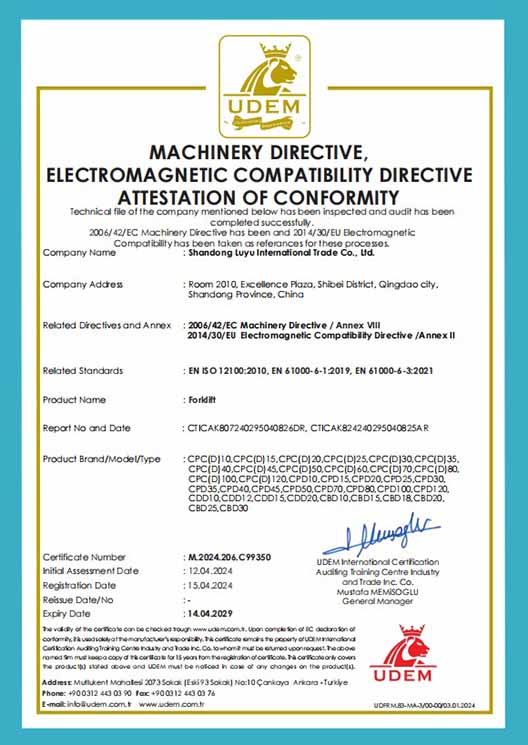
OUR CERTIFICATE
Wheel Loader FAQ
How much does a wheel loader cost?
The cost of a wheel loader varies depending on its rated load capacity, engine configuration, attachments, and optional features. Compact wheel loaders generally cost less than larger construction models. For an accurate quotation, contact OXPLO with your application requirements, preferred specifications, and destination country.
What is the fuel consumption of a wheel loader?
Fuel consumption depends on the loader size, engine power, operating conditions, and workload. Compact wheel loaders typically consume less fuel than larger models used in heavy-duty construction. Proper maintenance, efficient operating practices, and selecting the right machine size can help reduce fuel costs and improve productivity.
What is the lifting capacity of a wheel loader?
A wheel loader's lifting capacity is determined by its rated load. OXPLO offers wheel loaders with rated load capacities ranging from approximately 1.6 tons to 5 tons, making them suitable for agriculture, construction, material handling, and industrial applications. Always select a machine with sufficient capacity for your intended workload.
Can a wheel loader be used with pallet forks?
Yes. Many OXPLO wheel loaders can be equipped with pallet forks through a quick coupler system. This allows the machine to handle palletized goods, construction materials, agricultural products, and warehouse cargo, making it a versatile alternative to dedicated material handling equipment in certain applications.
How often should a wheel loader be serviced?
Regular maintenance is essential for maximizing machine performance and lifespan. Daily inspections should include checking engine oil, hydraulic fluid, coolant levels, and tire condition. Scheduled maintenance intervals vary by model and operating hours, but following the manufacturer's maintenance guidelines can help prevent unexpected downtime and costly repairs.
What is the difference between a wheel loader and a skid steer loader?
The primary difference is size, lifting capability, and maneuverability. Wheel loaders generally offer higher lifting capacities, larger buckets, and better performance for moving bulk materials over longer distances. Skid steer loaders are more compact and excel in confined spaces where tight turning and versatility are required. The best choice depends on your job site conditions and application needs.
What engine brands are available on OXPLO wheel loaders?
OXPLO wheel loaders are available with different engine configurations depending on the model and market requirements. Engine options may include reliable diesel engines designed to deliver strong performance, fuel efficiency, and easy maintenance. Please contact our sales team for specific engine options available in your region.
Do you provide operator training and technical support?
Yes. OXPLO provides after-sales support and technical assistance to help customers operate and maintain their equipment efficiently. Our team can offer guidance on machine operation, routine maintenance, troubleshooting, and spare parts support to ensure long-term reliability and productivity.