




Practical field assessment, equipment selection and cost-per-rai planning for Thai rice farms and agricultural contractors
A rice farmer can purchase a tractor with more than enough rated horsepower and still lose an entire working day after heavy rain. The tractor may pull a tiller easily on firm soil, then sink or spin when the cultivated layer becomes saturated. A wider implement may look more productive on a quotation but reduce real field output if the tractor cannot maintain speed.
For buyers researching a Tractor for Rice Farm Thailand, the decision is not simply 40 HP versus 50 HP versus 70 HP. It is whether the machine, tires, power take-off (PTO), transmission and implements can complete the required work inside the planting window without excessive rutting, fuel use or stoppages.
This guide works backward from the Thai customer’s operating problem. It explains what to inspect in the field, where common buying decisions fail, how to calculate output per rai, and how to check a proposed equipment package before payment.
I. Thailand’s Rice-Farming Problem Is a Work-Window Problem
1.1 The same tractor can perform differently before and after rainfall
The first challenge is inconsistent soil bearing capacity. A paddy can contain a soft cultivated surface layer above a firmer compacted layer. On some fields the firm layer supports the wheels; on others it is deep, disturbed or discontinuous. Two fields with the same visible water depth may therefore produce entirely different wheel sinkage.
Once the wheels sink, rolling resistance rises and the machine may lose forward speed even when engine output remains available. More throttle can produce wheel spin rather than useful drawbar pull. A larger engine will not automatically correct a flotation problem, and more machine weight may make weak ground harder to cross.
1.2 Rainfed and irrigated rice farms have different equipment needs
In irrigated parts of central Thailand, repeated cropping and tightly sequenced land preparation can make daily throughput particularly important. In rainfed areas of the Northeast, such as farms around Khon Kaen or Ubon Ratchathani, machinery must often cope with changes in soil moisture and a narrower opportunity to prepare fields after rainfall. In smaller or irregular fields, access width and turning space can dominate the buying decision.
These are purchasing scenarios, not rigid regional categories. Soil must be evaluated on the actual plot. A tractor appropriate for firm land near a canal may be unsuitable for deeply puddled land in the same province.
1.3 Evaluate the cost of being late, not just the invoice
The commercial consequence of poor matching is often invisible on the specification sheet: fewer rai completed per working day, additional labor, rescue or recovery costs, delayed customers for a contractor, and an increased chance of missing the intended planting date.
The correct operating target is simple: finish the required area within the workable days at an acceptable cost per rai. Horsepower is one input to that target; it is not the target itself.
II. Diagnose Soil, Flotation and Field Access Before Buying
2.1 Check the support layer, not only standing water
A useful pre-purchase inspection includes representative soft-soil depth, rut depth left by existing machinery, firmness below the cultivated layer, water conditions, embankment strength, entrance width and turning space. The operator should also confirm whether the intended work will be carried out before flooding, during puddling or after drainage.
Avoid treating visible water depth as a machine rating. A tractor can become immobilized in shallow water over weak soil, while a properly configured machine may travel on a wet surface with stronger subsurface support. Where stability is uncertain, carry out a controlled field assessment before dispatching the tractor.
2.2 Understand the trade-off between traction and flotation
Traction is the ability to turn driving force into forward movement. Flotation is the ability of the soil–wheel system to limit sinking. Adding ballast may help a tractor grip firm ground, but the same ballast can be counterproductive in soft paddy soil. Narrower tires or unsuitable inflation may also concentrate load and form deep ruts.
A 4WD Rice Tractor can distribute driving effort between front and rear axles, improving the use of available grip. It cannot eliminate the need for adequate ground support. If both axles are sinking excessively, the first remedy is to reconsider the field condition and wheel arrangement, not increase power.
2.3 Rubber tires, approved paddy wheels and operating limits
Conventional agricultural rubber tires are practical for farms that combine dry-field tillage, maintenance and transport. Specialized paddy cage wheels may be appropriate for certain muddy puddling operations, but they involve mounting, clearance, gearing, road-transport and warranty considerations.
Before accepting any alternative wheel package, ask for written confirmation of compatibility with the particular tractor model, front-to-rear rolling relationship on 4WD machines, approved axle loads, speed limits, required guards and whether the configuration is approved for the intended field use. A wheel modification that improves grip but overloads the driveline is not a safe upgrade.
2.4 Know when a four-wheel tractor is the wrong machine
In very deep, weak or heavily puddled fields, a purpose-built lighter wet-field system or appropriate two-wheel tractor may be more economical than a conventional four-wheel farm tractor. Buyers should not assume that every paddy job belongs to a 40–70 HP machine. The correct outcome of a technical assessment may be to change the equipment type.
III. Match HP, PTO and Transmission to the Dominant Implement
3.1 Size the tractor around the hardest recurring job
List the operations that account for most annual engine hours: primary tillage, rotary cultivation, puddling, leveling, transport and off-season agricultural tasks. Then identify which operation demands the most sustained power or traction. Do not size the entire tractor around a rare emergency task, but do not ignore a heavy operation if it repeatedly controls planting dates.
An implement supplier should document working width, target depth, soil assumptions, required PTO power or draft load, recommended forward speed and mounting details. A 50 HP tractor may run a compatible rotary tiller efficiently on one field and struggle with the same tiller in compacted soil or heavy residue.
3.2 A practical HP screening guide
Screening categories, not guaranteed paddy-field capacities. Final suitability requires the exact tractor and implement specifications and a representative field trial.
3.3 Engine horsepower is not PTO horsepower
A tractor’s engine rating and available PTO power are different quantities. PTO-driven tillers also require the correct shaft speed and spline configuration. A machine that can physically connect to an implement is not necessarily able to run it at the required speed and continuous load.
For every rotary tiller or puddling attachment, match the implement’s required PTO rpm, PTO power, shaft connection, hitch category and lifting load to the proposed machine. Mixing an implement intended for 1,000 rpm operation with a different available PTO setting is not an acceptable shortcut.
3.4 Why gearbox choice matters in wet soil
For tillage, the operator must maintain appropriate PTO conditions while controlling forward speed. If travel is too fast, the implement may overload or leave an inadequate seedbed. If travel is too slow, working cost per rai rises. Gear count gives an indication of available selections, but actual working ratios should be checked on the chosen model.
More horsepower can help when an implement genuinely requires power reserve. It cannot rescue a machine whose wheels lose grip or whose selected gear forces the wrong relationship between travel speed and PTO rpm.
IV. Build the Right Rice Field Implements Package
4.1 Primary tillage: control draft and protect the supporting layer
Disc plows and other primary tillage tools generate draft resistance that changes with soil moisture, texture, depth, width and travel speed. A wider plow is not automatically more productive if its extra load causes excessive wheel slip. Work at an agronomically justified depth rather than cultivating deeper simply because more horsepower is available.
In fields with a useful compacted supporting layer, unnecessarily deep or repeated tillage may worsen trafficability and water management. The implement plan should reflect the actual soil and rice establishment method.
4.2 Rotary tillers: the widest tool may be the slowest in practice
A rotary tiller may break down soil aggregates, work residue into the surface and prepare a seedbed. Its working width must be matched to available PTO power, target depth and realistic travel speed. A wider machine that forces frequent downshifting or stoppages may complete fewer rai per hour than a narrower, properly matched tiller.
Buyers should ask for a compatible PTO specification, three-point linkage category, implement mass, driveline angle limitations and guarding. These are functional requirements, not optional quotation details.
4.3 Puddling is not identical to dry-field rotary tillage
Wet-paddy puddling changes the structure and condition of saturated soil; field leveling shapes the surface for more uniform water distribution. Different rice establishment systems may require different sequences and finishing standards. A standard dry-field rotary tiller is not automatically suitable for every flooded-field job.
A well-defined Farm Tractor Setup separates primary tillage, secondary tillage or puddling, and leveling. Buying several attachments that overlap in function adds purchase cost without necessarily improving the result.
4.4 Verify the full implement interface
The best Rice Field Implements package is the smallest set of compatible tools that completes every required operation to the needed standard. Avoid specifying an attachment solely by width or marketing name.
V. Convert Machine Specifications into Rai, Time and Cost
5.1 Calculate actual field capacity
Thailand measures farmland in rai: 1 rai = 0.16 hectare; 1 hectare = 6.25 rai. For an initial productivity estimate, use:
Effective field capacity (ha/hour) = working width (m) × ground speed (km/hour) × field efficiency ÷ 10
Field efficiency includes headland turns, overlap, small interruptions and other nonproductive movement. Use a realistic assumption for the plot shape and job; do not present an ideal driving speed as average productive speed.
5.2 Example: preparing 40 rai inside a three-day window
Suppose a farm has 40 rai to prepare in three workable days, with six effective machine hours per day. It has 18 productive hours available. Compare two hypothetical configurations under different observed travel-speed and efficiency assumptions:
Illustrative operating assumptions for decision training; not a field test, product claim or guaranteed OXPLO performance.
Setup B has the wider implement but misses the available window. This can happen when extra implement load reduces travel speed or when field turns and stoppages absorb more time. The correct buying test is therefore the number of rai finished at a repeatable quality standard, not the nominal working width.
5.3 Calculate cost per rai, then evaluate ownership cost
Fuel consumed per hour can be misleading. A tractor using slightly less fuel per hour may consume more per rai if its field capacity is substantially lower. Track liters per rai, labor hours per rai, implement wear, transport, downtime and recovery work.
For a total cost of ownership (TCO) comparison, add acquisition or lease cost, financing, maintenance, tires, repairs, labor, fuel, and expected downtime, then deduct an appropriate residual value. Allocate these costs across realistic annual productive hours or rai completed. Contractors should also include travel between customer fields and idle days.
5.4 Field trial: what a serious buyer should record
· Date, location, soil condition and recent rainfall
· Actual implement model, width and working depth
· Loaded speed, selected gear and PTO setting
· Observed wheel slip, rut depth and any recovery event
· Rai completed, fuel used and productive operating time
· Turning time, stoppages and field-finish quality
A representative test on the actual or comparably difficult field is more persuasive than a short demonstration on firm ground. If conditions are unsafe, do not force the test.
VI. How OXPLO Tractor Platforms Fit Thai Rice-Farm Requirements
Once the farm conditions and implement requirements are clear, an equipment supplier can be evaluated against them. OXPLO’s tractor range includes 25, 30, 40, 50, 60 and 70 HP models for buyers in Thailand and the wider Southeast Asian market. The useful comparison is not the badge on the hood; it is the complete platform behind the engine.
6.1 Compare OXPLO 40–70 HP as complete platforms
Published OXPLO model-page values checked in October 2026. Ask the sales team to confirm the final variant and configuration supplied.
For moderate compatible tasks, review the OXPLO OXT404 40 HP tractor and the OXPLO OXT504 50 HP tractor. Both list 4WD, an 8+8 gearbox and Category I linkage. The OXPLO OXT504 adds rated engine power, but does not automatically solve wheel sinkage: its published standard tire sizes and listed weight are the same as those of the OXPLO OXT404.
For buyers requiring a Category II implement platform, more gear selections or greater power reserve, compare the OXPLO OXT604 60 HP tractor and OXPLO OXT704 70 HP tractor. OXPLO lists these models with 12+12 gearboxes and larger standard agricultural tires. Their higher listed weight deserves particular attention on soft paddy soil.
6.2 What each OXPLO specification can solve—and what it cannot
The OXPLO model pages publish the OXT404 at 2,200 kg and the OXT504 at 2,200 kg, while the OXT604 and OXT704 parameter tables list 2,500 kg. Since a heavier frame is not necessarily better on weak soil, OXPLO buyers should request written confirmation of the delivered model’s actual operating weight, tires and any optional ballast.
6.3 Do not confuse a paddy application page with a standard equipment specification
OXPLO also publishes a Paddy Field Farming application solution describing anti-sinking wheels and wet-field design features. This is useful for starting a configuration discussion, but it should not be interpreted as proof that every OXPLO tractor has widened paddy wheels, specialized sealing or unrestricted flooded-field capability as standard.
For an OXPLO paddy configuration, request the exact model, approved wheel package, operating limits, component-protection details and warranty terms in writing. This protects both the Thai farm buyer and any distributor preparing an equipment quotation.
6.4 Local support matters because rice preparation is seasonal
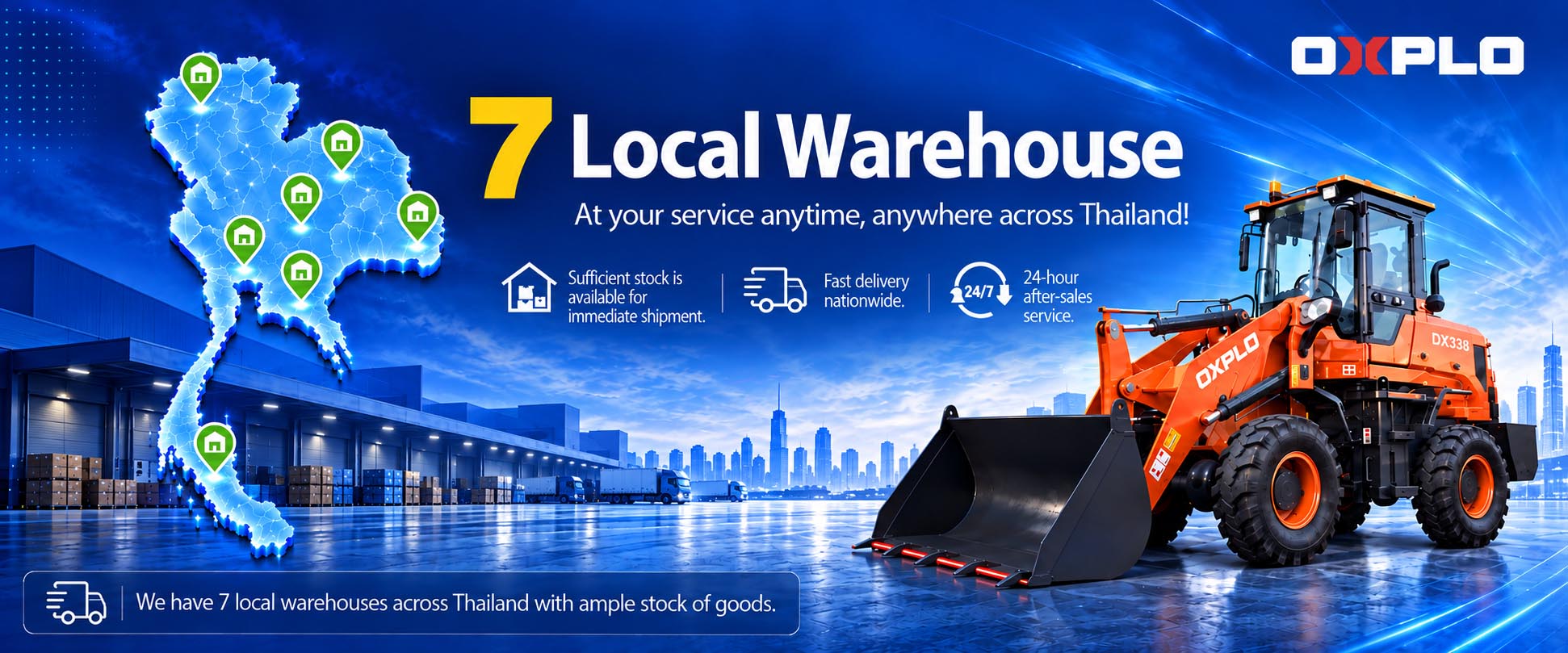
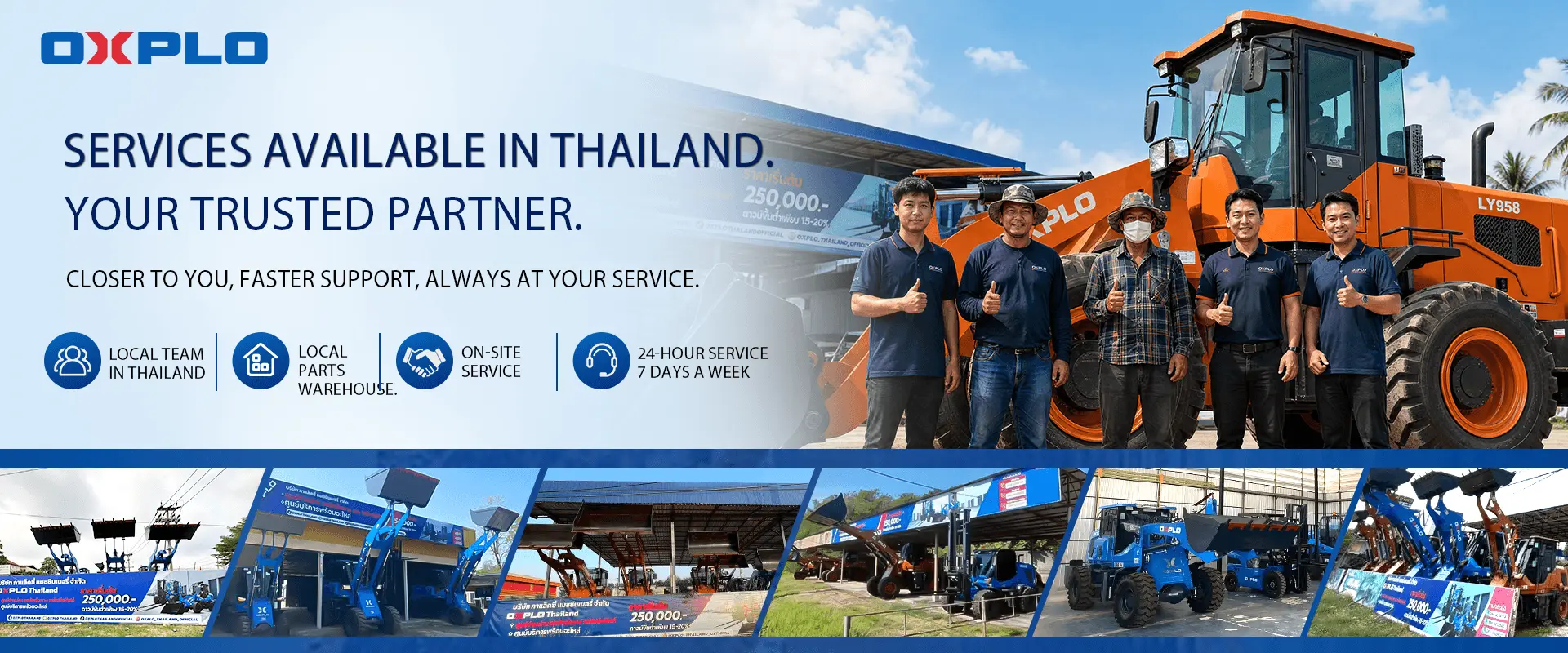
OXPLO describes Thailand-based operations, regional service arrangements and spare-parts support on its Service & Support page. Those capabilities are relevant to farm owners and contractors: an unavailable seal, bearing or PTO component during the preparation season may cost more than the part itself.
The buyer should confirm local inventory for the selected OXPLO model, which workshop or technician covers the province, expected parts lead times, and what support applies to wet-field accessories. OXPLO’s published services provide a discussion starting point; exact local service commitments should appear in the commercial offer.
VII. Three Purchase Scenarios and a Practical Checklist
Scenario A — Irrigated farm with weak wet soil
The buyer reports repeated wheel spin after flooding. A larger engine is proposed. Before changing horsepower, assess rutting, support-layer depth and the suitability of the current wheel package. If the ground cannot safely support the machine, consider a lighter wet-field system; if it can, test an approved configuration under representative conditions. OXPLO should only recommend a particular model after receiving field details.
Scenario B — Rainfed farm with mixed seasonal work
The main concern is that the tractor must prepare rice fields during a short weather window but also perform maintenance or dry-field operations in other months. A multi-purpose configuration may create more annual value than a highly specialized wet-field machine. Compare OXPLO 40–50 HP options with higher power classes using actual implement demand and annual working hours, not purchase price alone.
Scenario C — Contractor serving different rice farms
The contractor requires predictable output but encounters variable plot sizes, soil and transport distances. Build the selection around the heaviest recurring task and contract schedule. The OXPLO OXT604 or OXPLO OXT704 may merit consideration when a compatible Category II platform or higher-duty power reserve is required; however, the contractor should separately assess whether some wet fields demand smaller equipment.
A buyer-ready RFQ checklist
· Farm location and provinces served; total rai and typical plot dimensions
· Rice establishment method; timing of primary tillage, puddling and leveling
· Soil texture, recent rut depth, flood conditions and firm-layer observations
· Current and planned implement models, width, depth, PTO rpm and power requirements
· Target rai per day and the available number of workable days
· Transport routes, field entrance width, slopes, roads and operator experience
· Proposed tires or cage wheels, exact approval and wet-field operating limitations
· Warranty coverage, local parts, operator training, service and quotation inclusions
OXPLO customers can use the company’s 50 HP Tractor Buying Guide for further multi-purpose sizing guidance and its 70 HP Tractor Buying Guide when comparing higher-duty work. Before payment, request a written machine–implement compatibility statement rather than relying only on general product descriptions.
VIII. FAQ: Tractor for Rice Farm Thailand
What HP tractor is suitable for rice farming in Thailand?
There is no universal HP answer. A compatible 40–50 HP platform may fit moderate tillage or multi-purpose work, while 60–70 HP may suit heavier recurring jobs. Very weak wet paddy may require a different machine regardless of horsepower. The field, working window and implements determine the choice.
Does 4WD stop a paddy tractor from getting stuck?
No. 4WD helps use available traction, but it cannot prevent sinkage when soil bearing capacity is insufficient. A 4WD tractor still needs appropriate tires, machine weight, field conditions and operating technique.
Can an OXPLO OXT504 operate a rotary tiller?
The OXPLO OXT504 is a 50 HP 4WD tractor with Category I linkage and published 540/720 rpm PTO speeds. Whether a particular rotary tiller is suitable depends on required PTO power, rpm, hitch, width and working depth. OXPLO should confirm the proposed implement before quotation.
Should I choose OXPLO OXT604 or OXT704 for a paddy field?
Choose neither solely because it has more power. Both OXPLO models use a larger Category II platform and listed standard weight than the OXT504, which may help with appropriate higher-duty implements but may be disadvantageous on weak soil. Confirm flotation and the exact working requirements first.
Can OXPLO provide a specialized paddy wheel package?
OXPLO publishes a paddy-field application solution and describes equipment customization. A buyer should contact OXPLO to confirm the availability, approval and technical details of a wet-field wheel package for the exact ordered model; do not assume it is standard.
What should an equipment distributor send with an OXPLO inquiry?
Provide location, field photos or representative video, rai to be cultivated, soil and water conditions, implements, target rai per day, budget and expected service location. This lets OXPLO evaluate technical compatibility rather than quote an arbitrary horsepower class.
IX. Conclusion: Buy a Working Paddy-Farm System, Not an HP Badge
A successful Tractor for Rice Farm Thailand purchase begins with soil support, work-window requirements and implement compatibility. Suitable tires affect flotation; 4WD helps make use of available traction; PTO and gear ratios influence actual tillage performance; and local service determines how quickly the tractor returns to work when an unexpected issue occurs.
OXPLO offers several 4WD tractor platforms and publishes a dedicated wet-field application concept, but no specification sheet can replace field evaluation. The right OXPLO model is the one that can operate the required implements safely, complete enough rai within the available window and maintain an acceptable cost per rai.
Review the OXPLO tractor lineup and the company’s paddy-field application information, then contact the OXPLO Thailand team with the field conditions, implement specifications and required daily output. A workload-based quotation is the most reliable route to an equipment package that fits the farm.
Customer Distribution
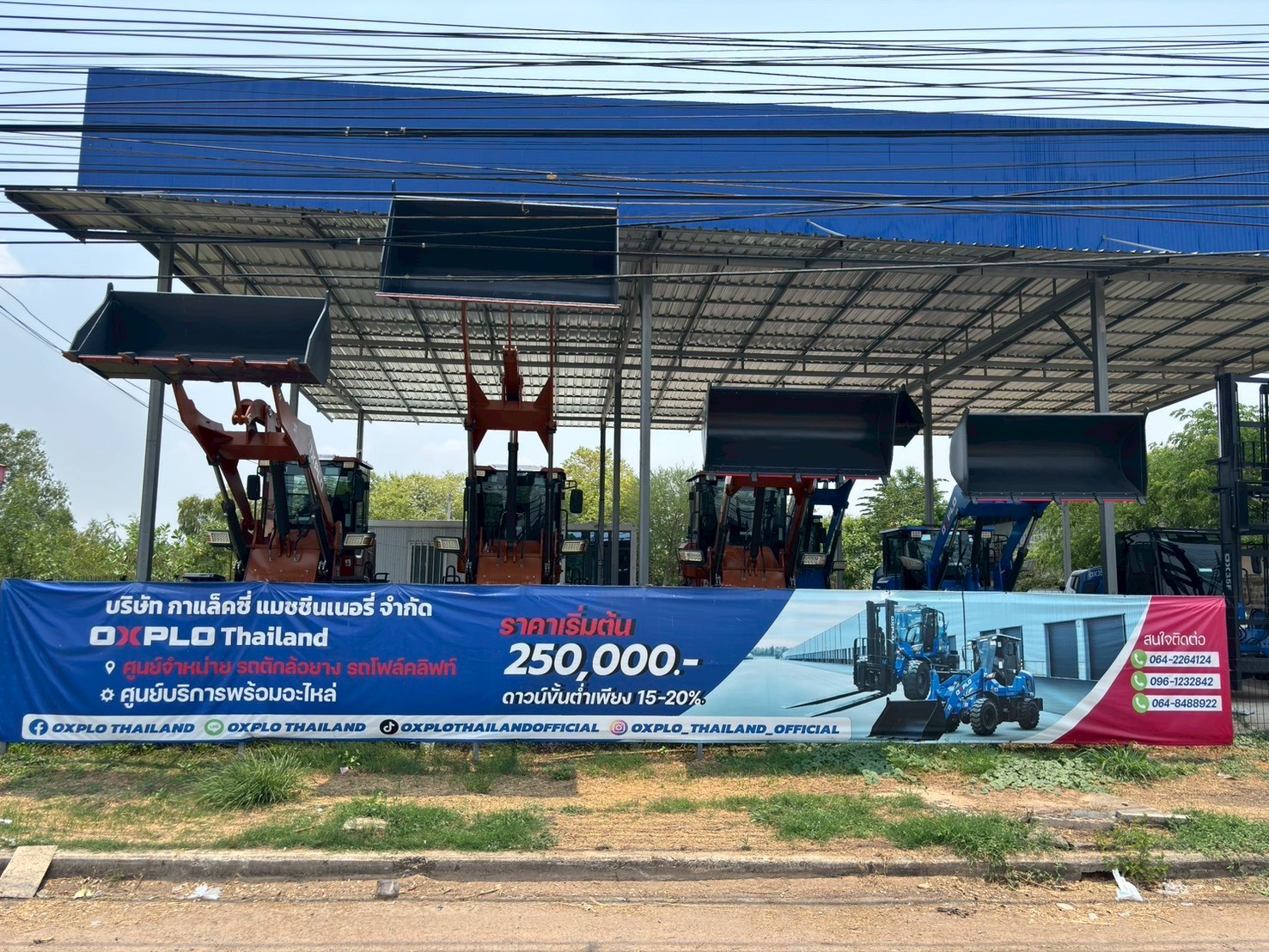
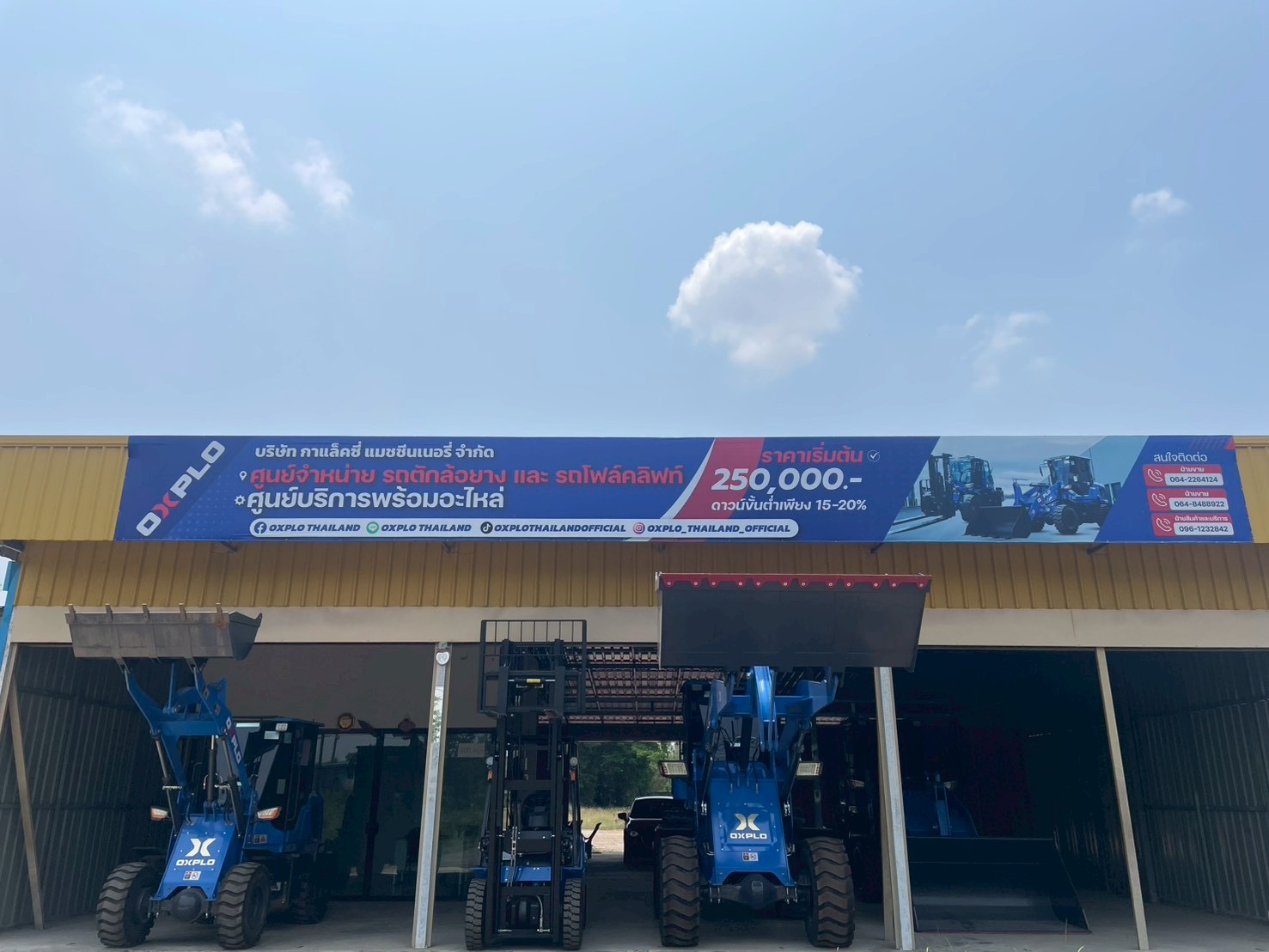
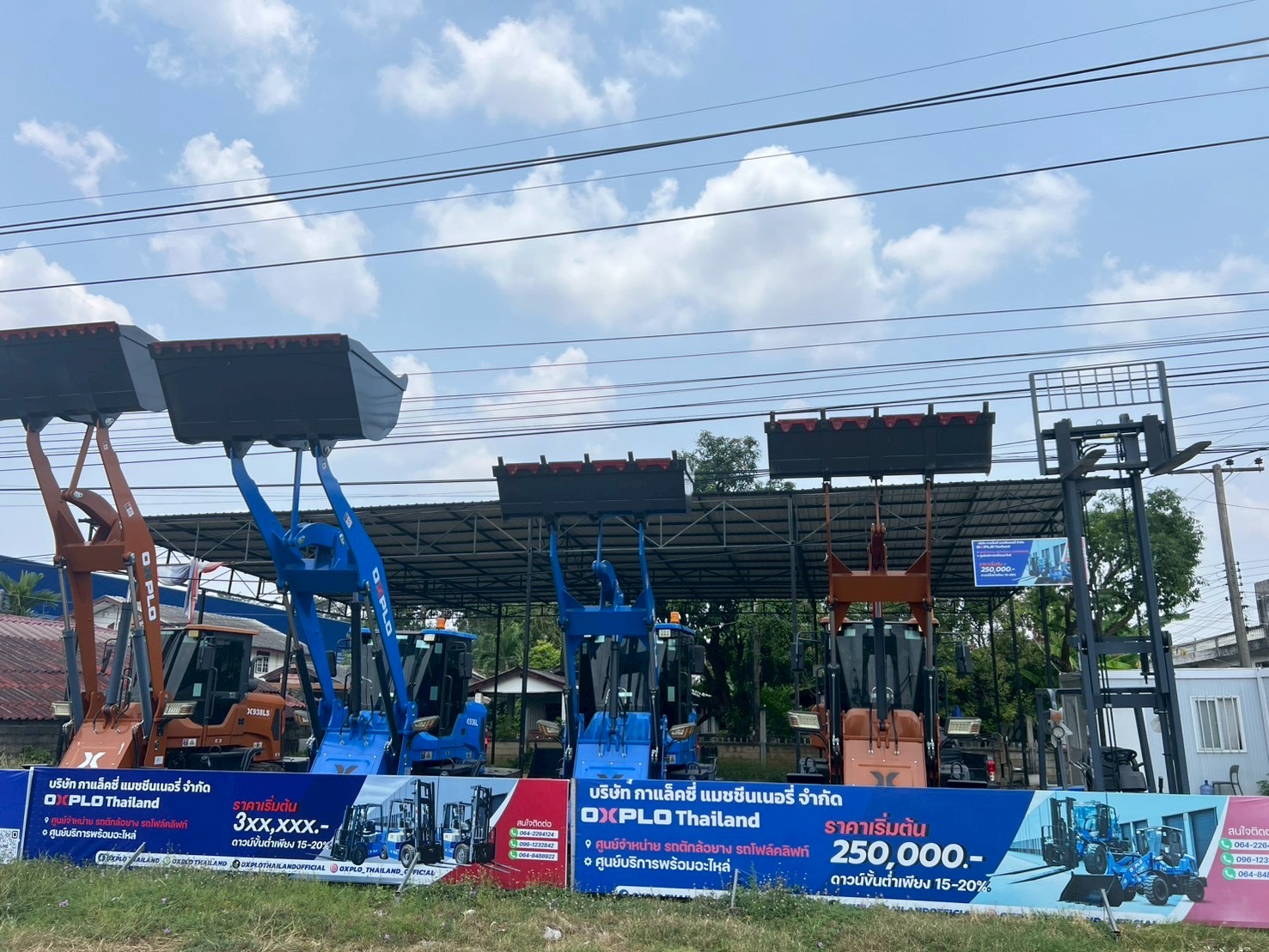
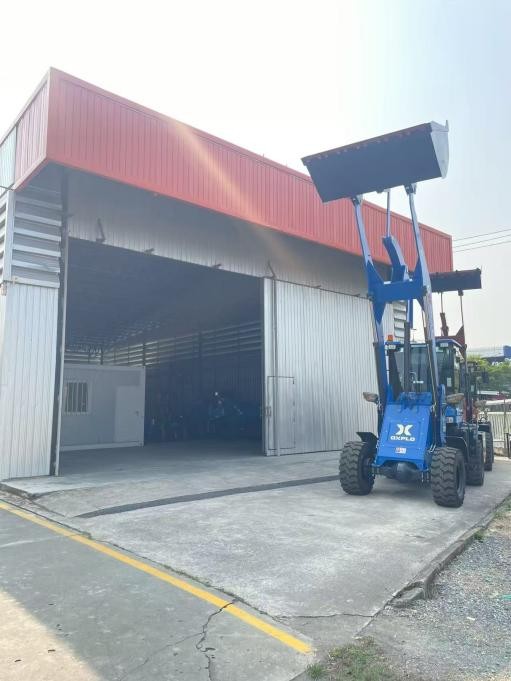
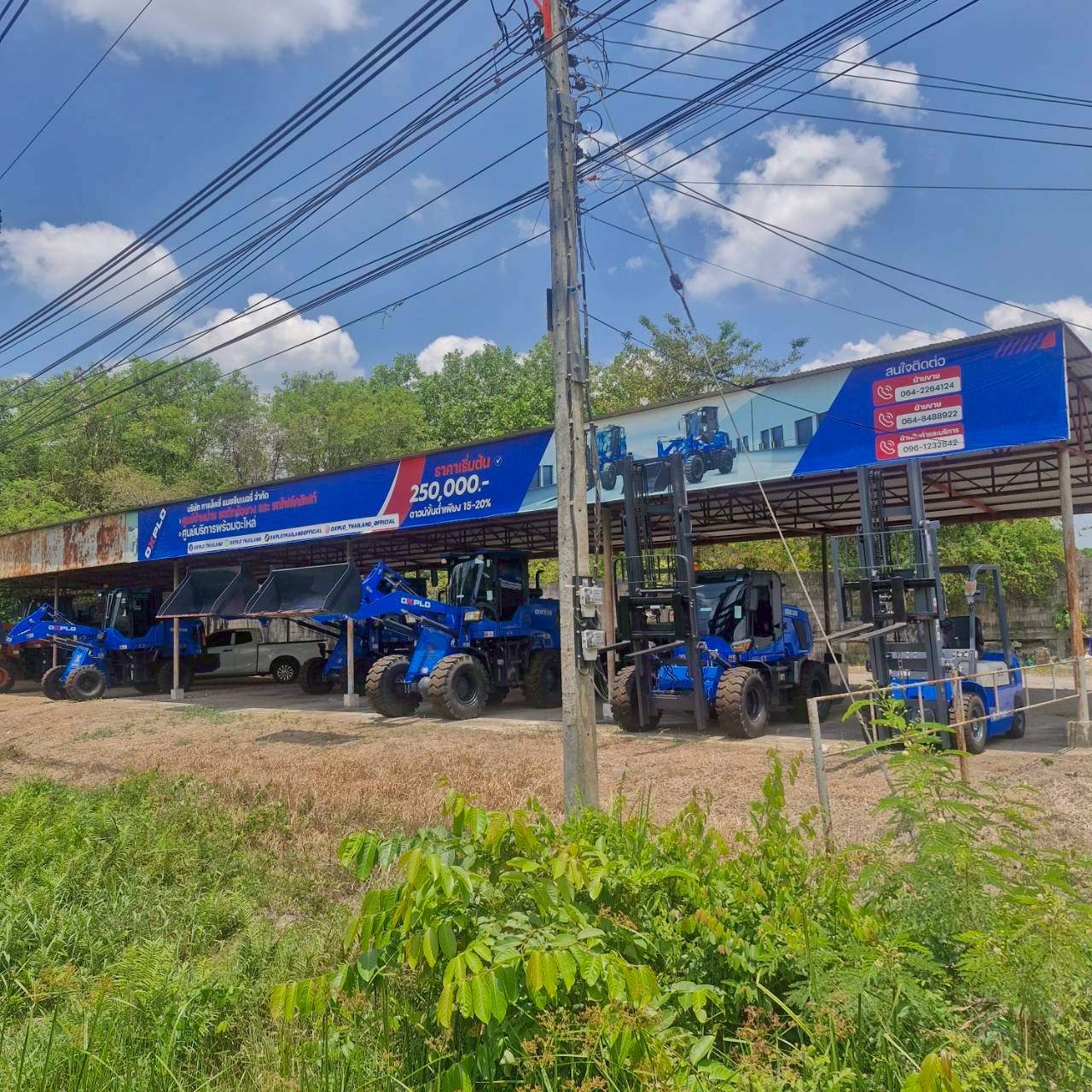
 Thailand-Ayutthaya
 Thailand-Khon Kaen
 Thailand-Nakhon Ratchasima
 Thailand-Ubon Ratchathani
 Thailand-Chiang Mai
 Thailand-Phthalum
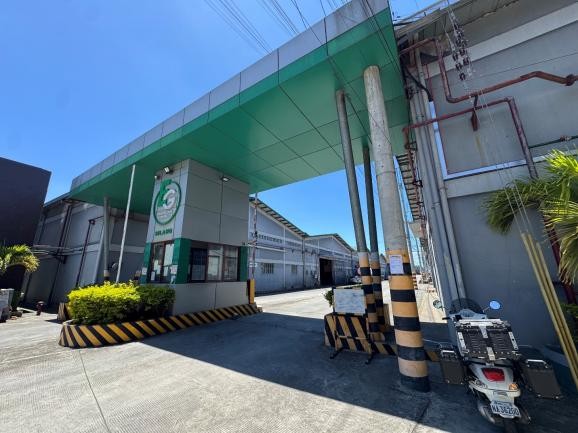
, MAGUYAM ROAD, BRGY. MAGUYAM, SILANG, CAVITE") Philippines-ELITE GLOBUS WAREHOUSE(NO. 43 - OXPOWER MACHINERY INC.), MAGUYAM ROAD, BRGY. MAGUYAM, SILANG, CAVITE
Philippines-ELITE GLOBUS WAREHOUSE(NO. 43 - OXPOWER MACHINERY INC.), MAGUYAM ROAD, BRGY. MAGUYAM, SILANG, CAVITE
OUR OPERATiONS
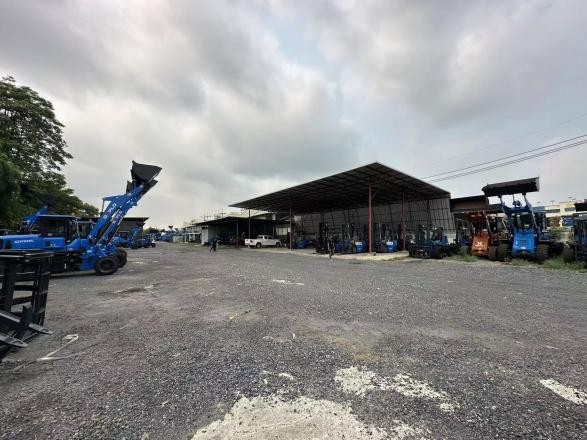
Our regional headquarters are located in Thailand, with independent operations company and service team in the Philippines. This multi-market presence enables us to provide customers throughout Southeast Asia with efficient communication, faster response times, and reliable local support.


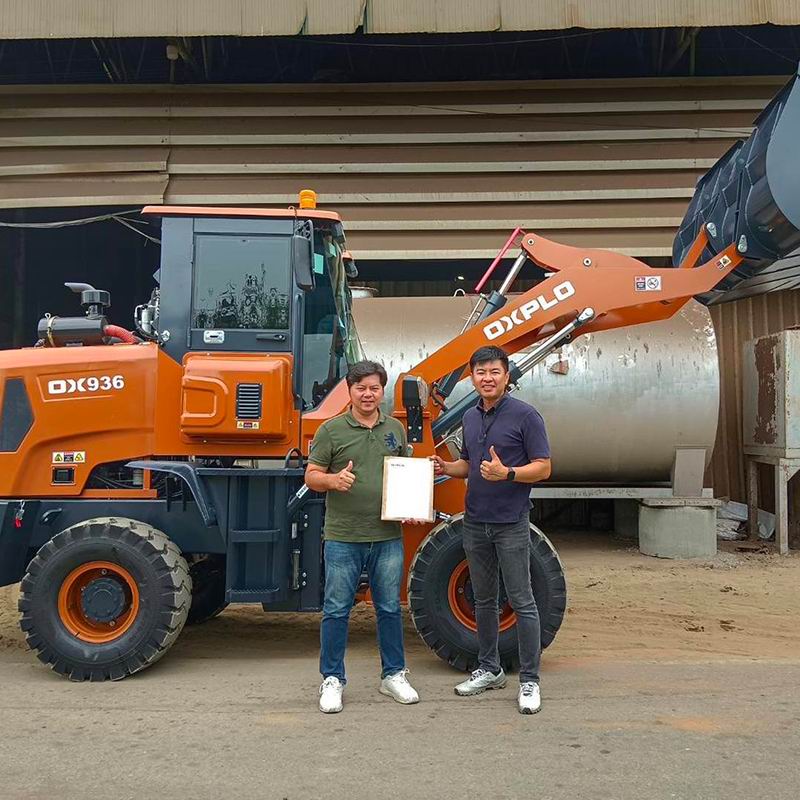
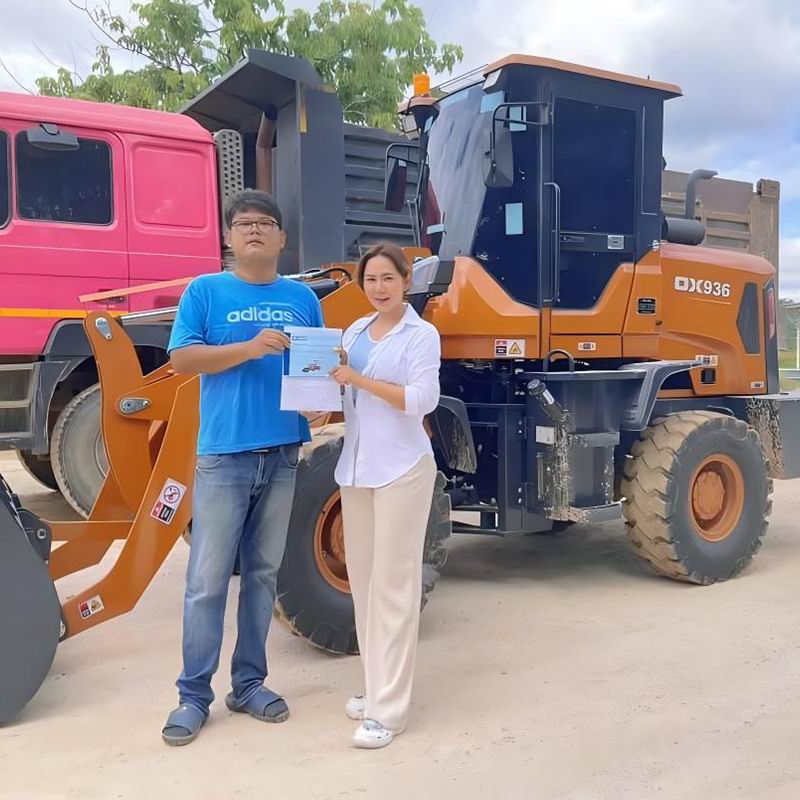
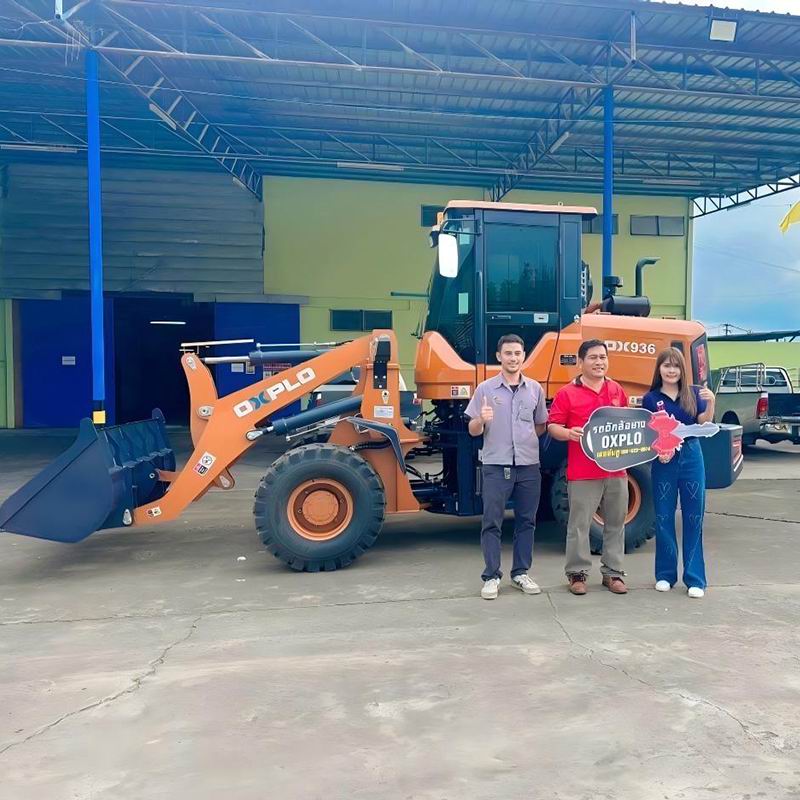
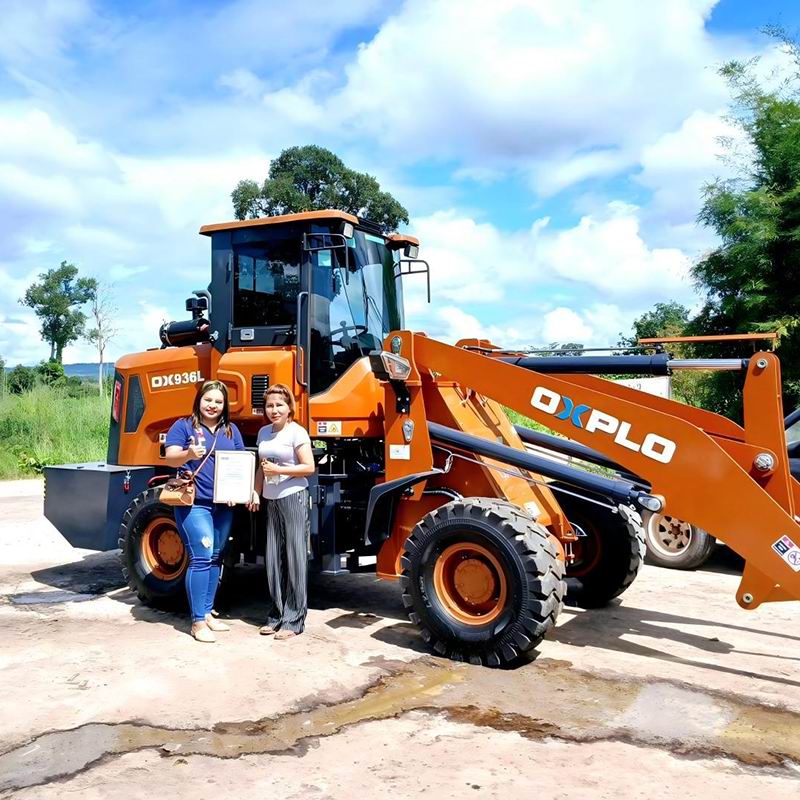
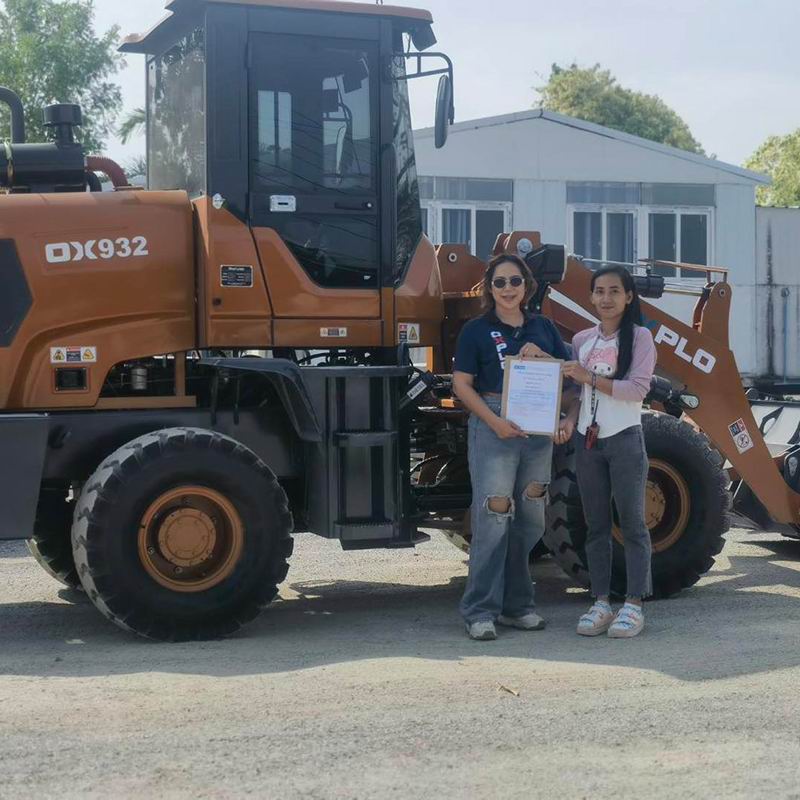
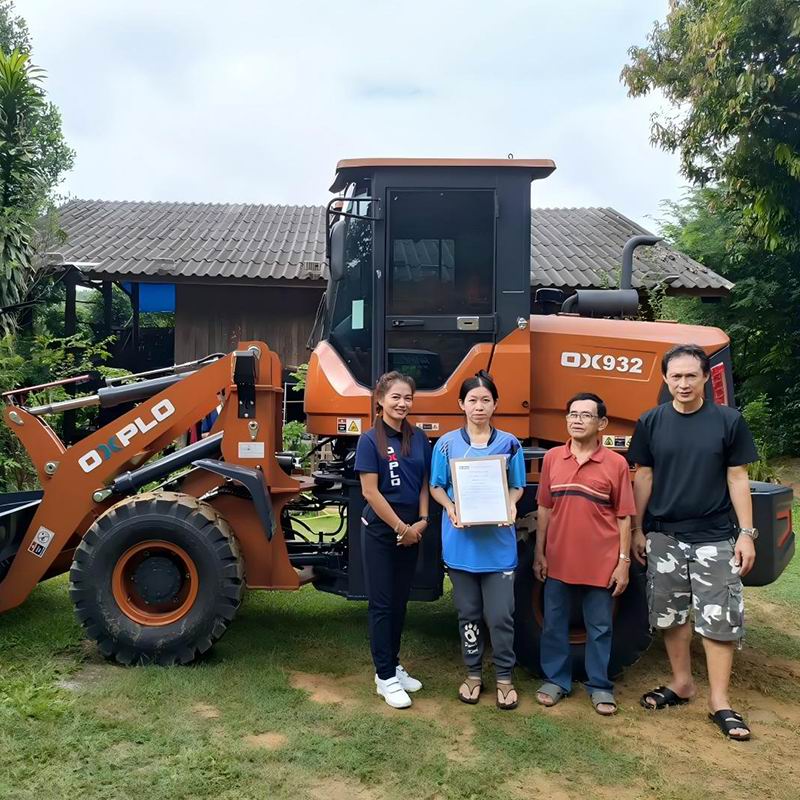
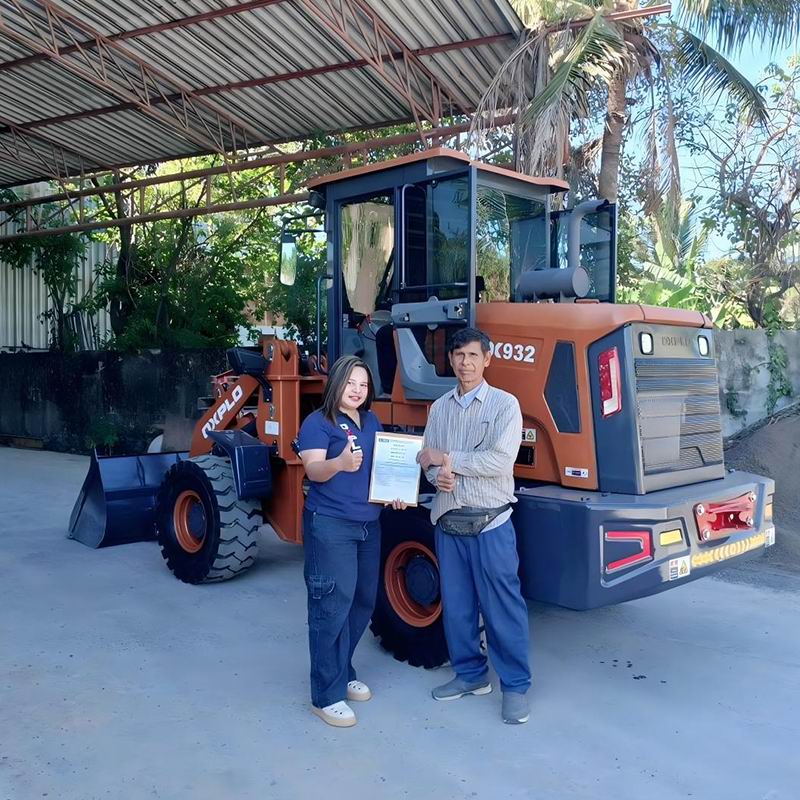
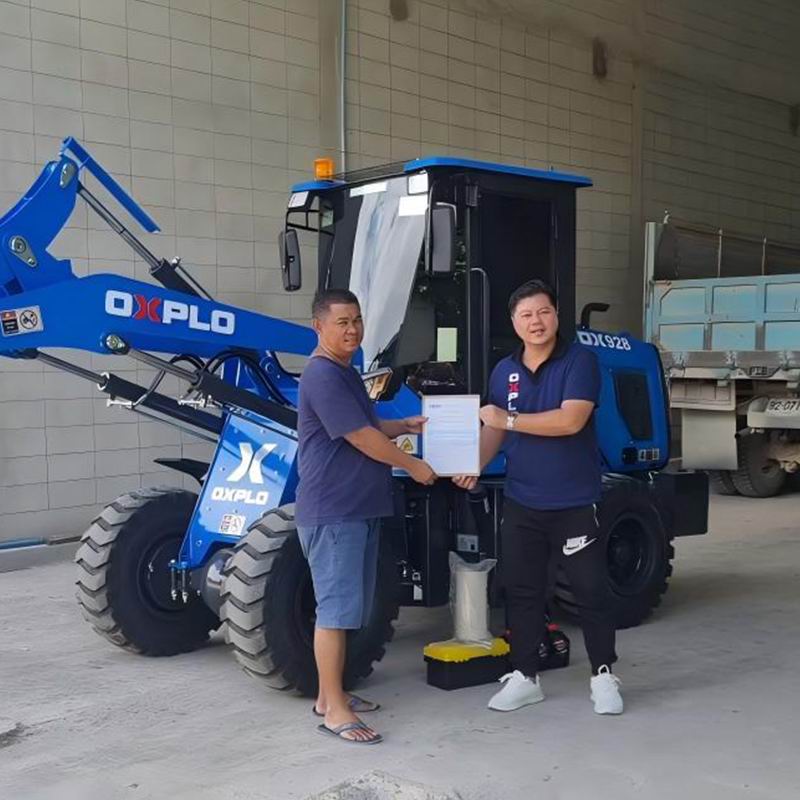
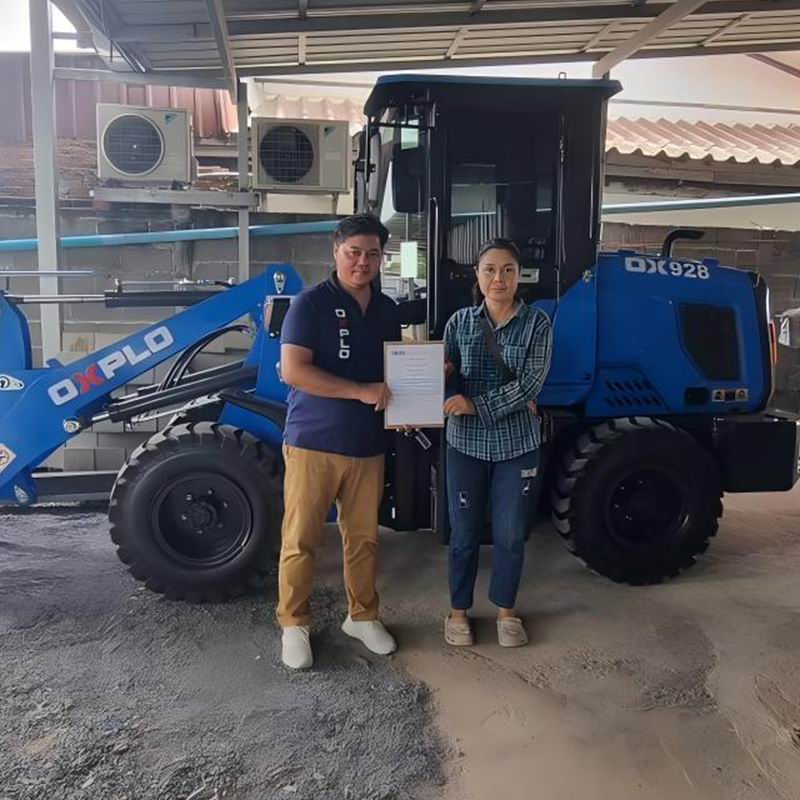
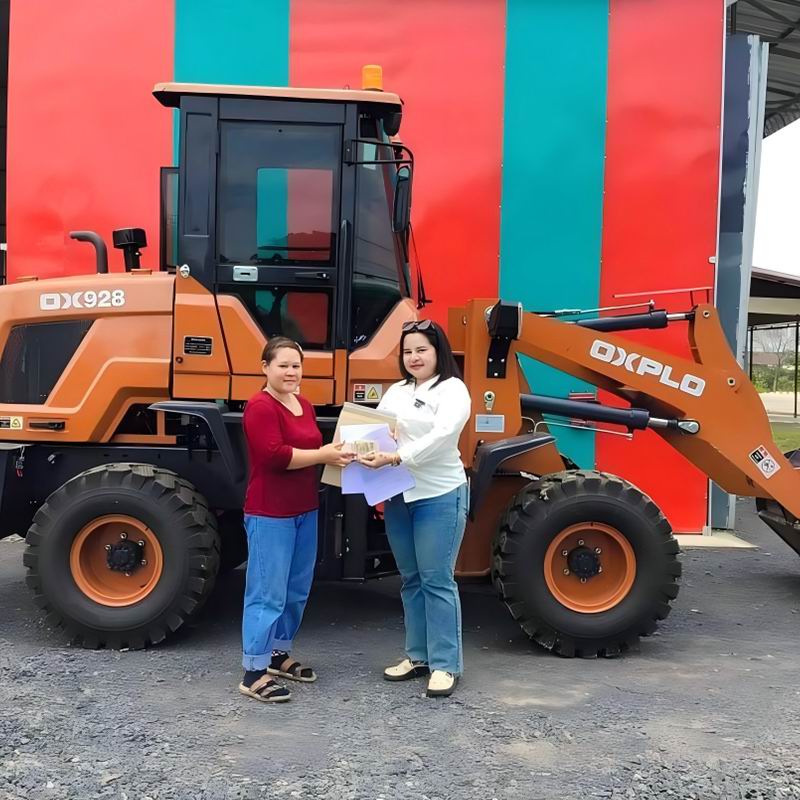
customer case
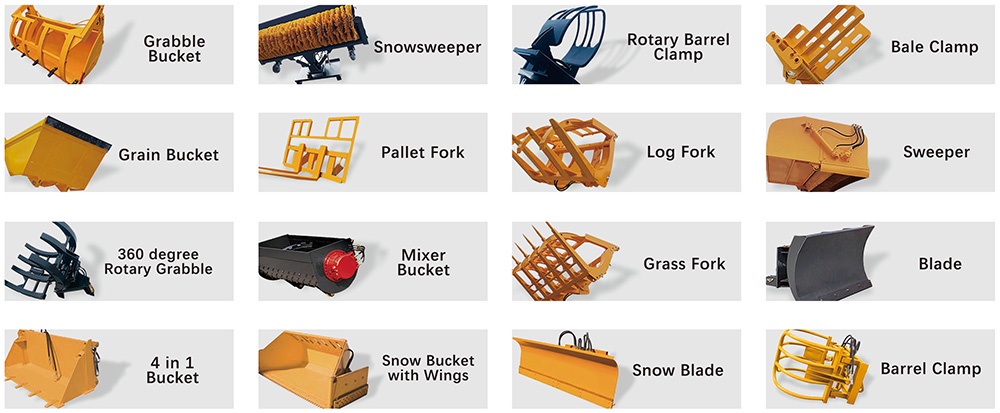
Wheel Loader Attachments
OXPLO provides a variety of spare parts support.
OXPLO's advantages
Let us introduce our products & factory to you
What makes us different
Why Choose Us
OXPLO specializes in the supply of forklifts, wheel loaders and tractors, providing reliable machinery solutions for material handling, construction and agricultural industries
Thailand Headquarters & SEAN Regional Operations
Headquartered in Thailand, with established firms and local service teams in the Philippines.
Reliable After-Sales & Spare Parts Support
We offer full after-sales care, including maintenance support and spare parts supply.
Factory Direct Supply
Direct factory operation ensures superior quality and a stable supply.
Quick Response & Service
Our local SEAN teams deliver rapid response, on-site service and expert technical help.
High-Performance Equipment
Built for tough jobs, our gear delivers robust power, steady performance and efficiency.
Application Scenarios
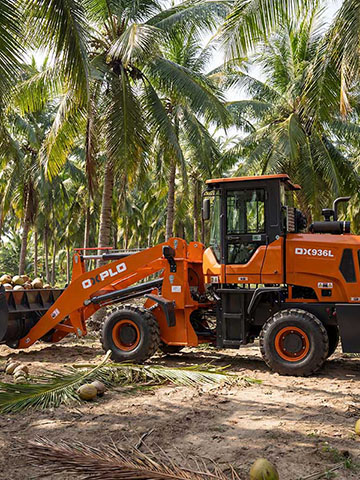
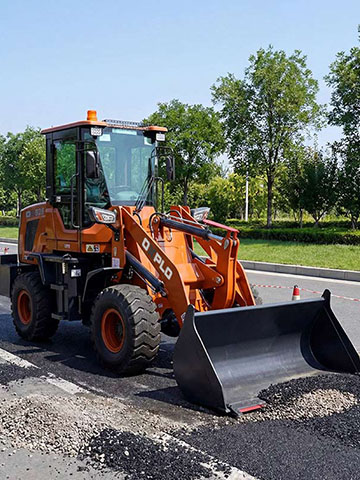
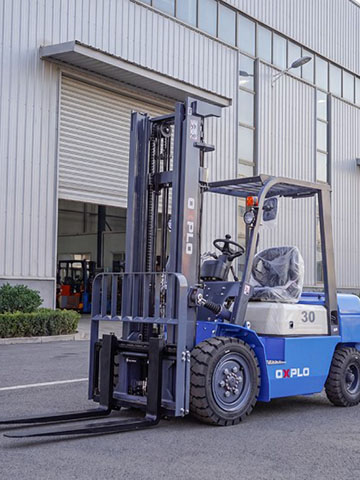
Our products are widely used in various fields such as warehousing,
construction, municipal roads, agriculture
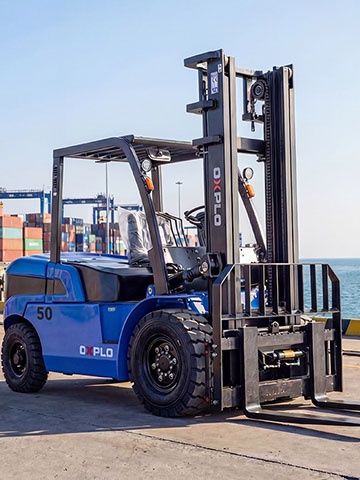
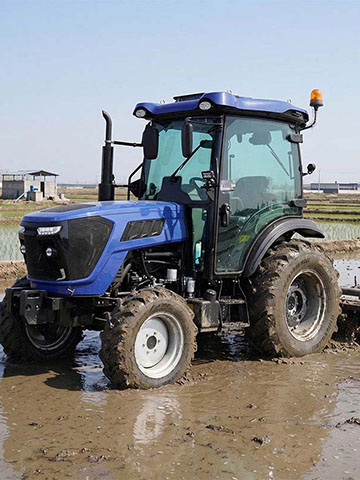
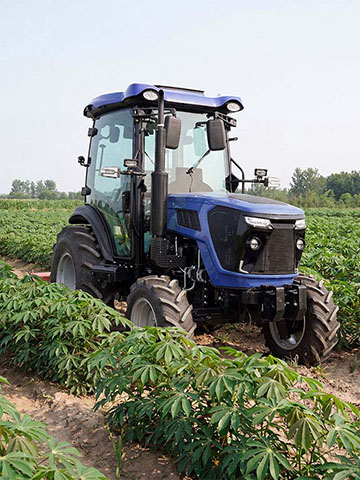
about OXPLO
OXPLO is headquartered in Vannok District, Ayutthaya Province, Thailand, with five new branch offices in Khon Kaen, Nakhon Ratchasima, Ubon Ratchathani, Chiang Mai, and Phatthalung Provinces. The company's core competitive advantage lies in its "fast and efficient after-sales service and on-site problem-solving capabilities." OXPLO provides a comprehensive service guarantee system. Having cultivated the Thai market for many years, OXPLO not only provides excellent loaders, industrial forklifts, and off-road forklifts, but also offers one-stop service from procurement financing to after-sales support through comprehensive local support.







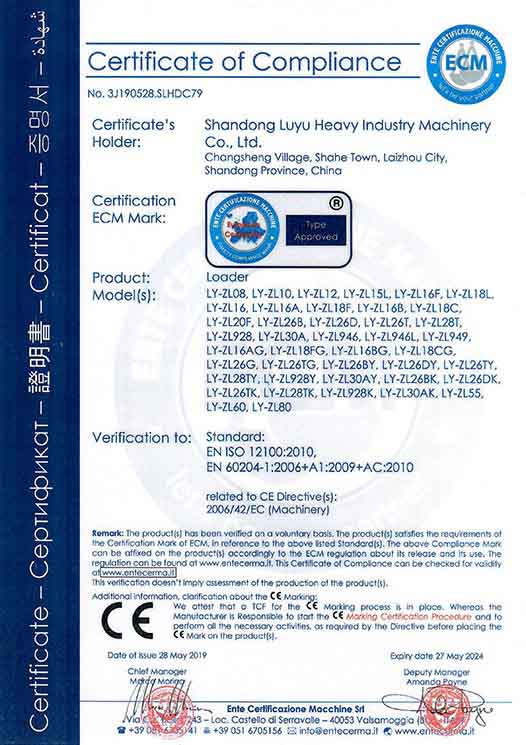
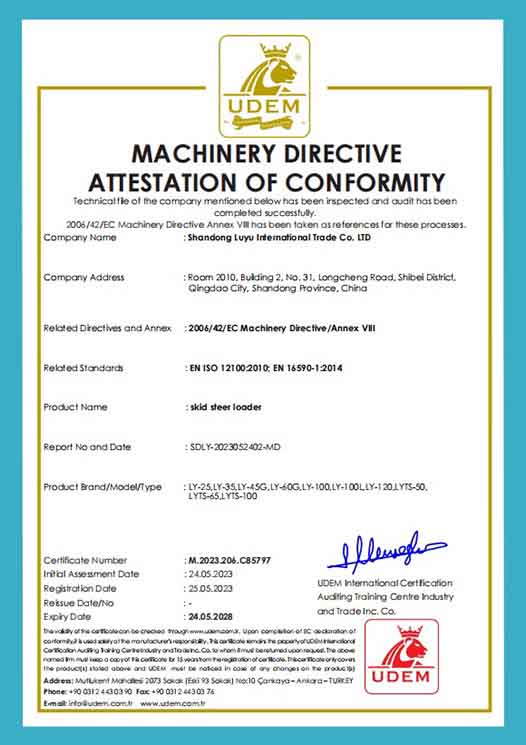
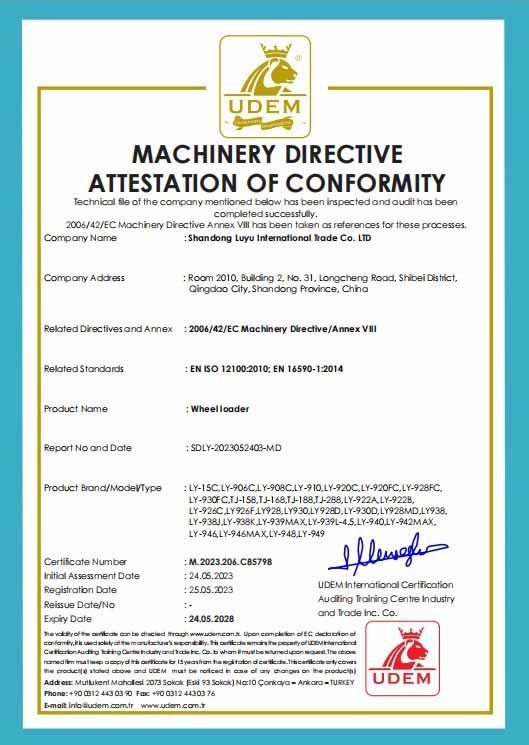
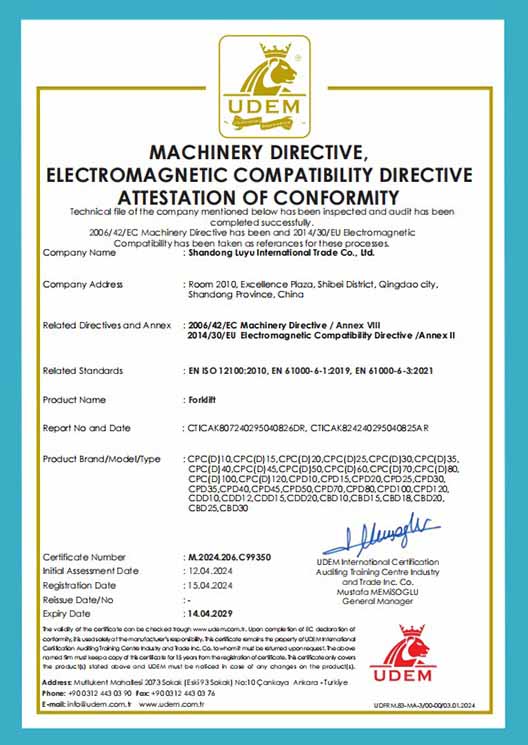
OUR CERTIFICATE
Wheel Loader FAQ
How much does a wheel loader cost?
The cost of a wheel loader varies depending on its rated load capacity, engine configuration, attachments, and optional features. Compact wheel loaders generally cost less than larger construction models. For an accurate quotation, contact OXPLO with your application requirements, preferred specifications, and destination country.
What is the fuel consumption of a wheel loader?
Fuel consumption depends on the loader size, engine power, operating conditions, and workload. Compact wheel loaders typically consume less fuel than larger models used in heavy-duty construction. Proper maintenance, efficient operating practices, and selecting the right machine size can help reduce fuel costs and improve productivity.
What is the lifting capacity of a wheel loader?
A wheel loader's lifting capacity is determined by its rated load. OXPLO offers wheel loaders with rated load capacities ranging from approximately 1.6 tons to 5 tons, making them suitable for agriculture, construction, material handling, and industrial applications. Always select a machine with sufficient capacity for your intended workload.
Can a wheel loader be used with pallet forks?
Yes. Many OXPLO wheel loaders can be equipped with pallet forks through a quick coupler system. This allows the machine to handle palletized goods, construction materials, agricultural products, and warehouse cargo, making it a versatile alternative to dedicated material handling equipment in certain applications.
How often should a wheel loader be serviced?
Regular maintenance is essential for maximizing machine performance and lifespan. Daily inspections should include checking engine oil, hydraulic fluid, coolant levels, and tire condition. Scheduled maintenance intervals vary by model and operating hours, but following the manufacturer's maintenance guidelines can help prevent unexpected downtime and costly repairs.
What is the difference between a wheel loader and a skid steer loader?
The primary difference is size, lifting capability, and maneuverability. Wheel loaders generally offer higher lifting capacities, larger buckets, and better performance for moving bulk materials over longer distances. Skid steer loaders are more compact and excel in confined spaces where tight turning and versatility are required. The best choice depends on your job site conditions and application needs.
What engine brands are available on OXPLO wheel loaders?
OXPLO wheel loaders are available with different engine configurations depending on the model and market requirements. Engine options may include reliable diesel engines designed to deliver strong performance, fuel efficiency, and easy maintenance. Please contact our sales team for specific engine options available in your region.
Do you provide operator training and technical support?
Yes. OXPLO provides after-sales support and technical assistance to help customers operate and maintain their equipment efficiently. Our team can offer guidance on machine operation, routine maintenance, troubleshooting, and spare parts support to ensure long-term reliability and productivity.