



A 2-ton wheel loader has enough capacity for daily loading work while remaining easy to move around the site. It is commonly used to handle loose materials and load trucks on farms, at building material yards, and in warehouses.
In Thailand, prices can vary depending on more than the machine itself. Configuration, attachments, and local support can all affect the final quote.
If you’re considering a 2-ton wheel loader, this guide will help you understand the actual costs before making your decision.
Purchase Price vs. Real Costs of a 2-Ton Wheel Loader
Prices for 2-ton wheel loaders vary widely in Thailand, making direct comparisons difficult. When one model comes with a noticeably lower quote, it may seem like the easiest way to save.
A lower purchase price, however, does not always mean lower operating costs. Over time, you may face:
- Higher fuel consumption
- Limited availability of commonly needed parts
- More frequent repairs
- Slower after-sales response
- Lower resale value
The price tag is just the start. What you really pay depends on fuel, parts, maintenance, and support over time.
What Does the Total Cost of Ownership (TCO) Include?
For a 2-ton wheel loader, total cost of ownership (TCO) generally falls into two categories: purchase costs and operating costs.
Purchase Costs of a 2-Ton Wheel Loader
Base Machine Price
The initial quote for the standard machine is the largest part of the upfront investment.
Financing Costs
Interest and related fees should be considered when purchasing the wheel loader through a loan or installment plan.
Optional Equipment
Tire choices, cab options, and other upgrades can change the final purchase price.
Attachments
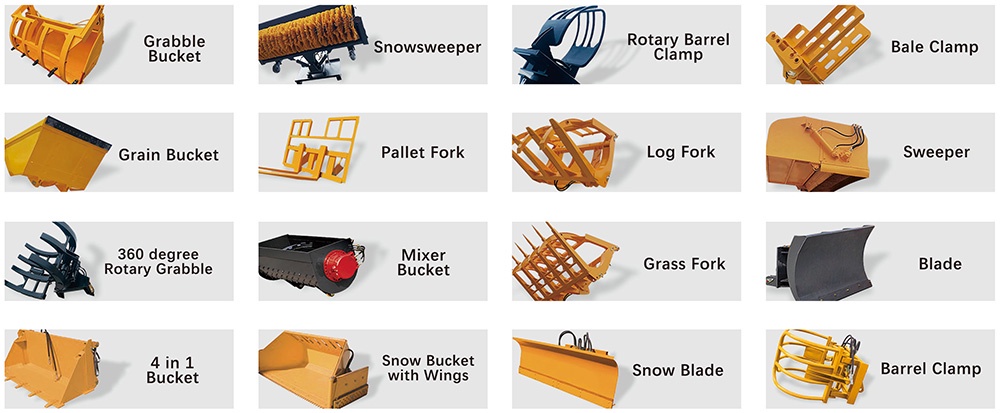
Pallet forks, grapples, and other attachments are usually priced separately and can increase the total investment.
Operating Costs of a 2-Ton Wheel Loader
Fuel Consumption
Fuel costs depend on the loader’s fuel consumption, operating hours, and local diesel prices.
Routine Maintenance
Regular maintenance includes replacement of engine oil, hydraulic oil, filters, lubricants, and other service items.
Wear Parts Replacement
Components such as tires, bucket teeth, and seals wear out over time and require replacement.
Repairs and Downtime Costs
Repair costs include spare parts, labor, and potential losses caused by machine downtime.
What Should You Consider When Buying a 2-Ton Wheel Loader?
Before choosing a model, check these five important factors:
1. Daily Workload Requirements
Make sure the 2-ton rated load capacity can handle your main loading and transportation tasks.
2. Material Type and Working Conditions
Dense materials such as sand and gravel require strong loading performance. For lighter bulk materials, a larger bucket may improve efficiency.
3. Loading and Dumping Requirements
Check whether the loader’s dumping height matches your trucks, containers, or hoppers.
4. Attachment Compatibility
Verify the mounting system and attachment compatibility before purchase to ensure future flexibility.
5. Local Spare Parts and Service Support
Confirm access to spare parts, maintenance services, and technical support in your working area.
Balancing capacity, fuel efficiency, and ease of operation is important. Bigger isn’t always better, and cheaper isn’t always good value. Choosing a loader that matches your actual workload helps control long-term operating costs.
OXPLO 938L: A Reliable 2-Ton Wheel Loader for Thailand
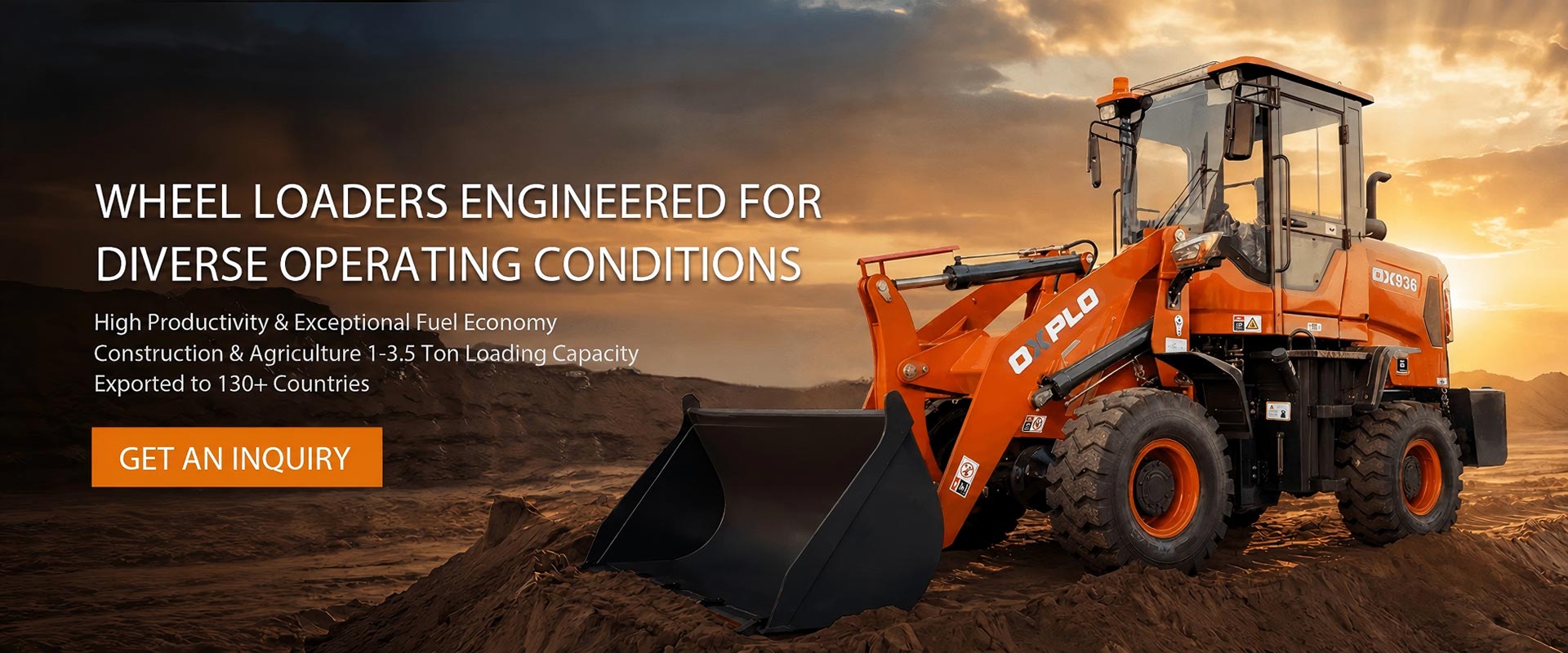
The OXPLO 938L is designed for everyday applications such as material loading, transportation, and truck loading. It provides strong loading capacity, high dumping performance, and compatibility with multiple attachments.
OXPLO 938L Product Highlights
2-Ton Rated Load Capacity
Handles routine loading and material transportation tasks efficiently.
1.8 m³ Bucket Capacity
Carries more material per cycle and helps improve daily working efficiency.
4.5 m Dumping Height
Designed for loading high-sided trucks and hoppers.
Multiple Attachment Options
Supports pallet forks, grapples, and other attachments to handle different working conditions.
Easy Maintenance Design
Key components are easily accessible, making daily inspections and servicing more convenient.
OXPLO Local Support in Thailand
Configuration Guidance
OXPLO provides recommendations based on your materials, working environment, and operating requirements.
Attachment Options
A variety of attachments are available to meet different material handling applications.
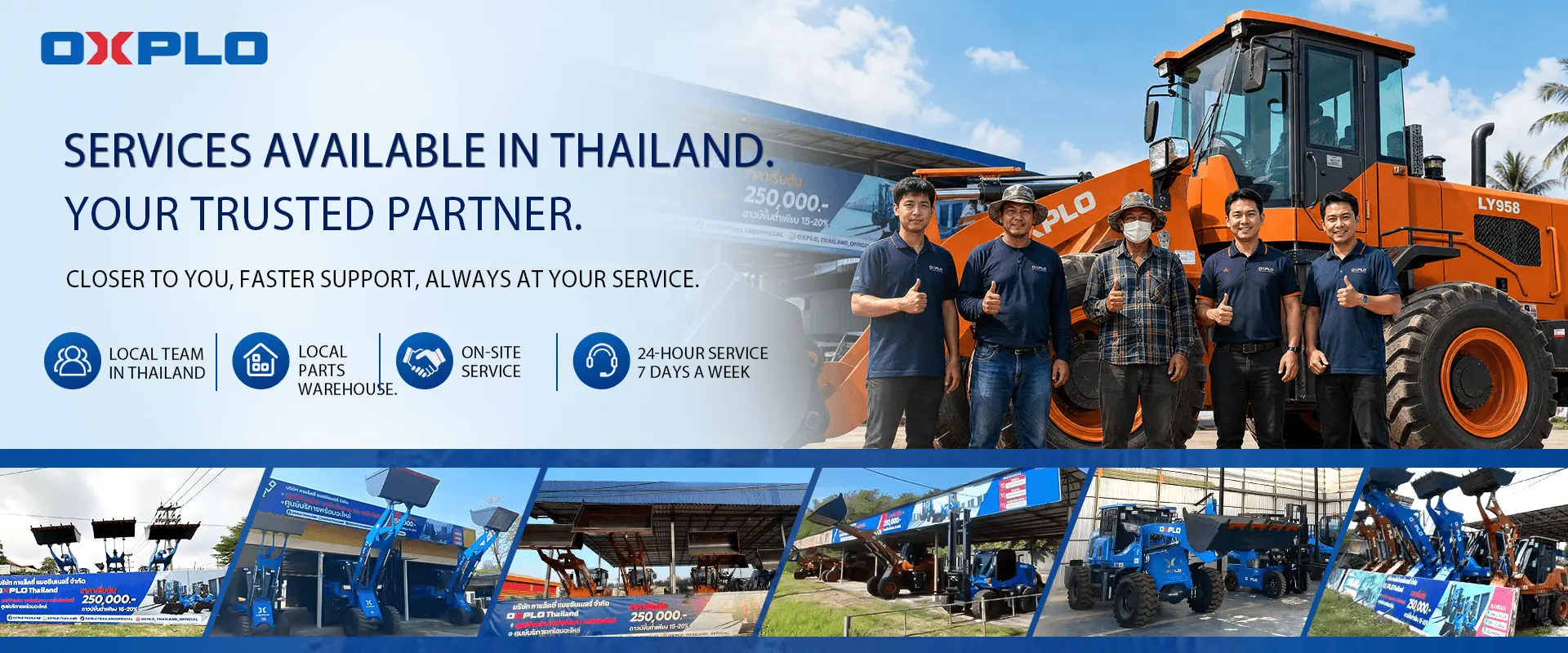
Local Spare Parts Support
Frequently used spare parts are available in Thailand to reduce waiting time for replacements.
After-Sales Service
Professional inspections, repair support, and technical assistance help keep your equipment operating efficiently.
Choose the Right 2-Ton Wheel Loader for Your Business
Selecting the right wheel loader is not only about the initial purchase price. Fuel consumption, maintenance requirements, attachment options, and after-sales support all affect the real cost of ownership.
If you are looking for a reliable 2-ton wheel loader for agriculture, construction, warehouses, or material handling applications in Thailand, contact OXPLO to find the right configuration for your job.
Customer Distribution
 Thailand-Ayutthaya
 Thailand-Khon Kaen
 Thailand-Nakhon Ratchasima
 Thailand-Ubon Ratchathani
 Thailand-Chiang Mai
 Thailand-Phthalum
, MAGUYAM ROAD, BRGY. MAGUYAM, SILANG, CAVITE") Philippines-ELITE GLOBUS WAREHOUSE(NO. 43 - OXPOWER MACHINERY INC.), MAGUYAM ROAD, BRGY. MAGUYAM, SILANG, CAVITE
Philippines-ELITE GLOBUS WAREHOUSE(NO. 43 - OXPOWER MACHINERY INC.), MAGUYAM ROAD, BRGY. MAGUYAM, SILANG, CAVITE
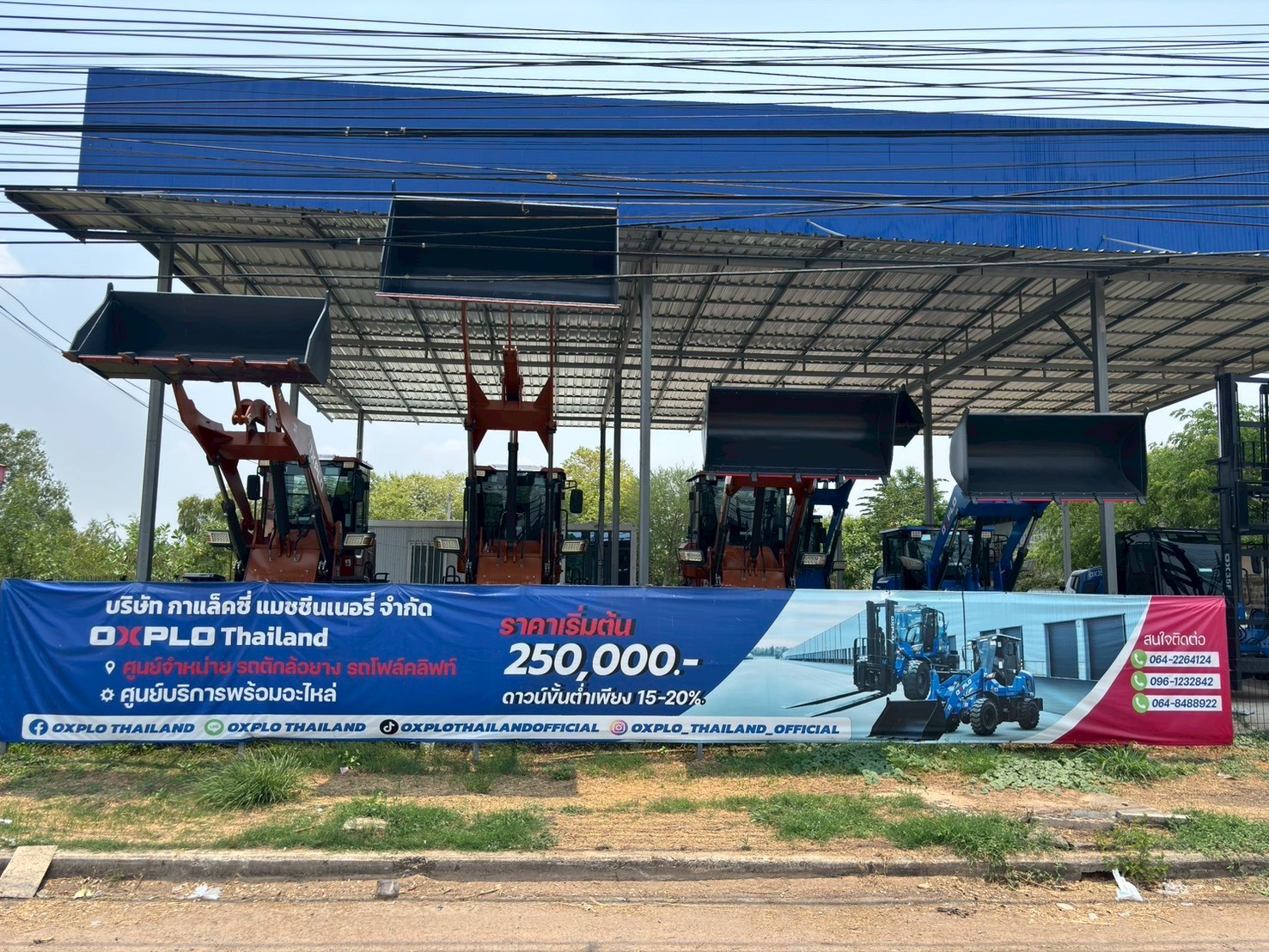
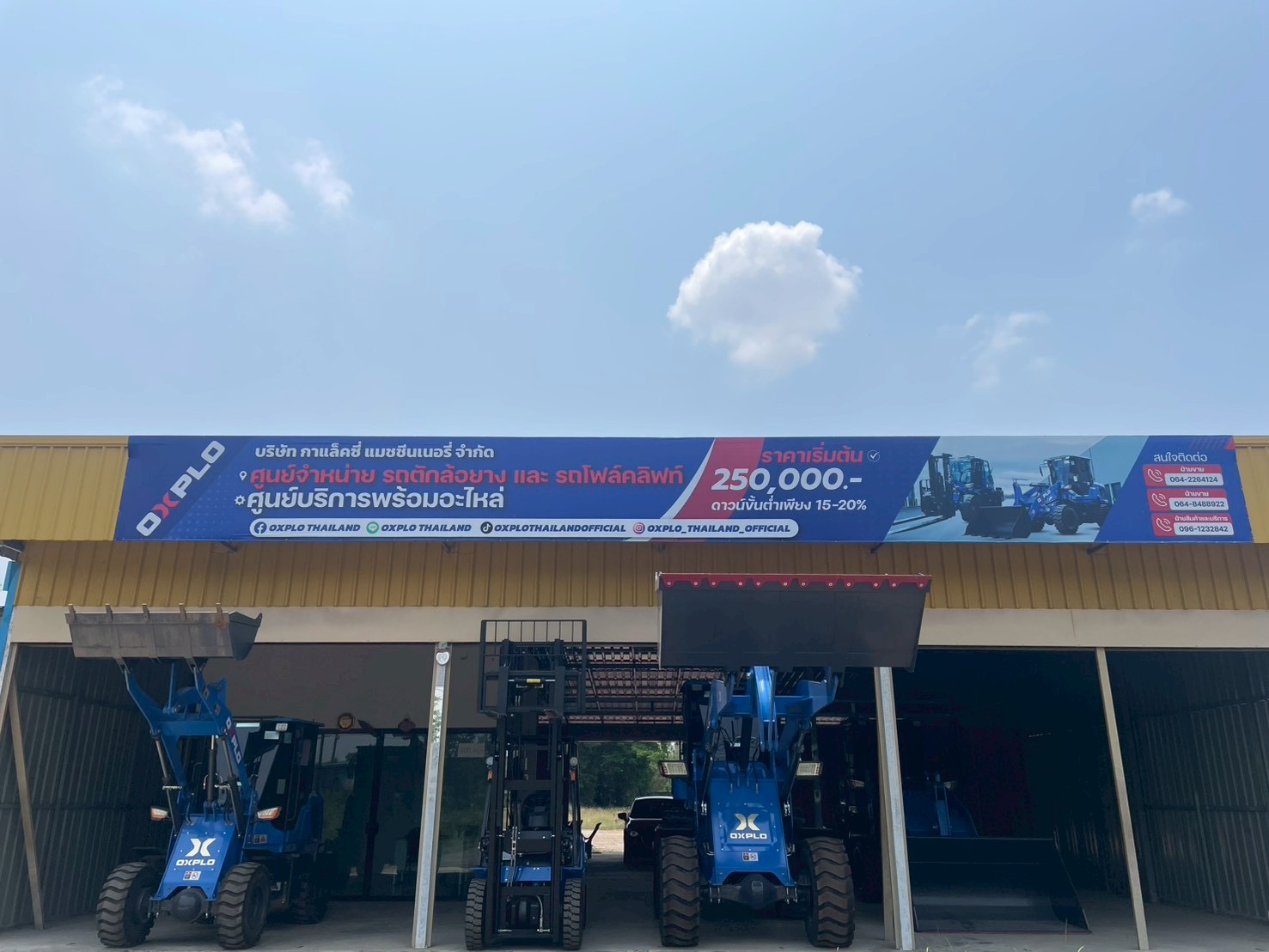
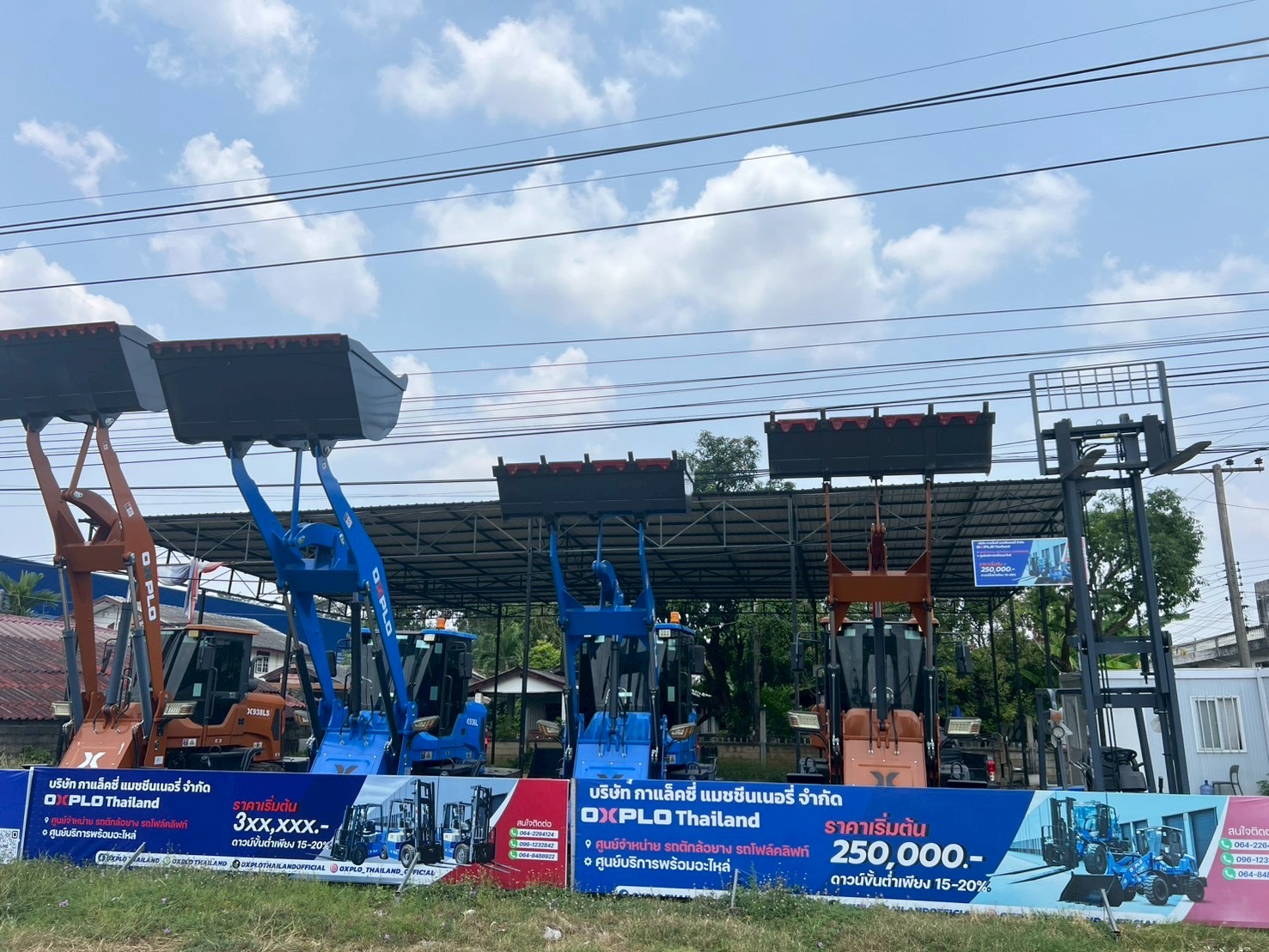
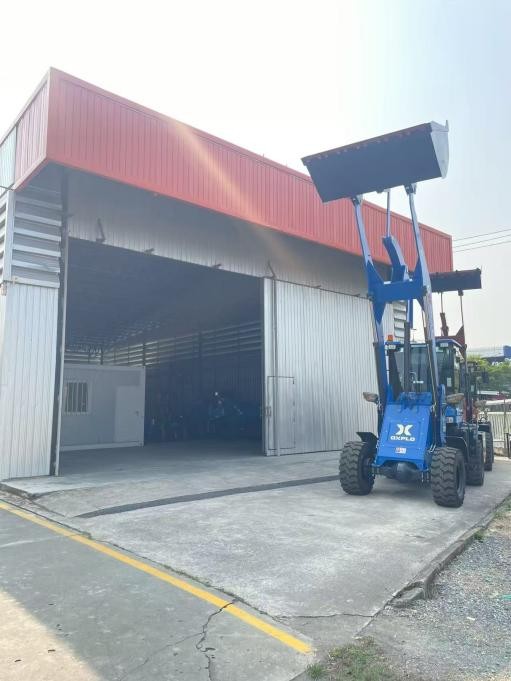
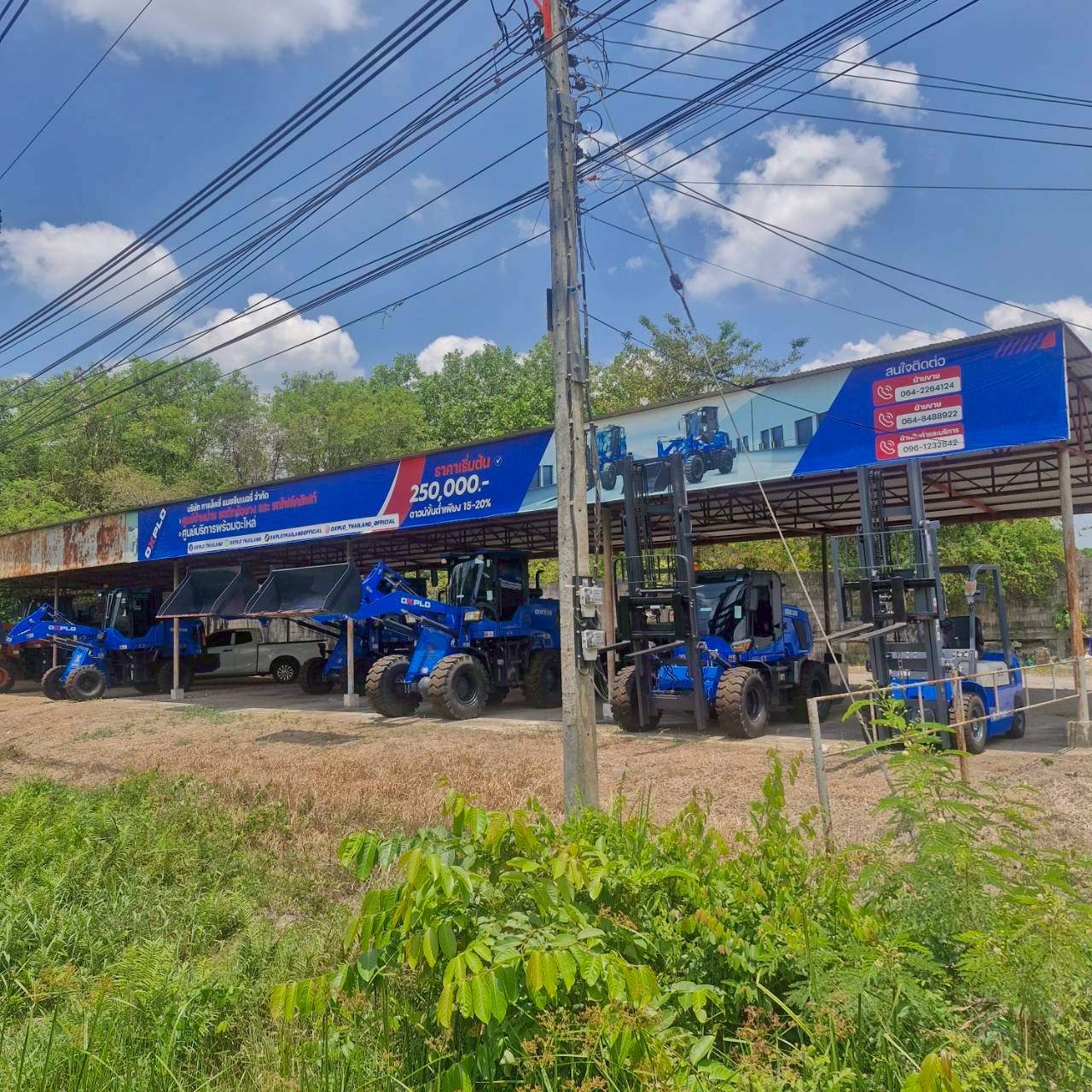
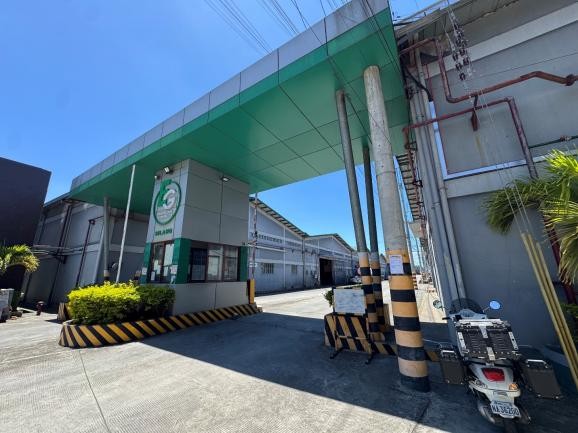
OUR OPERATiONS
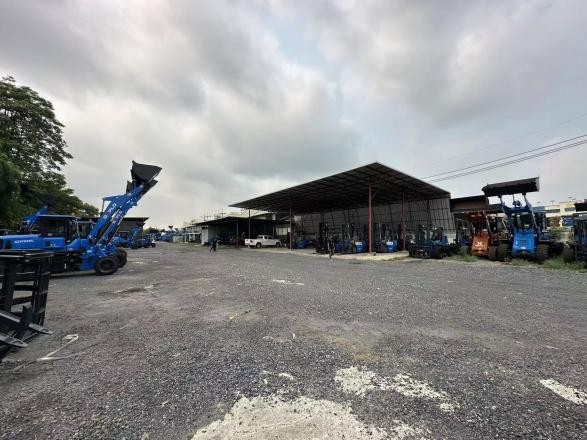
Our regional headquarters are located in Thailand, with independent operations company and service team in the Philippines. This multi-market presence enables us to provide customers throughout Southeast Asia with efficient communication, faster response times, and reliable local support.


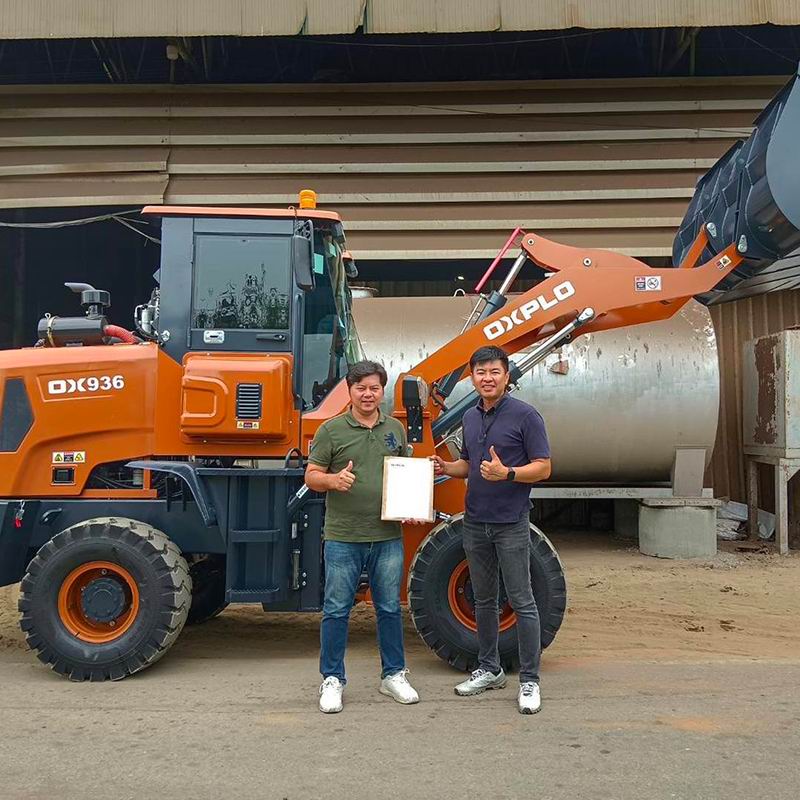
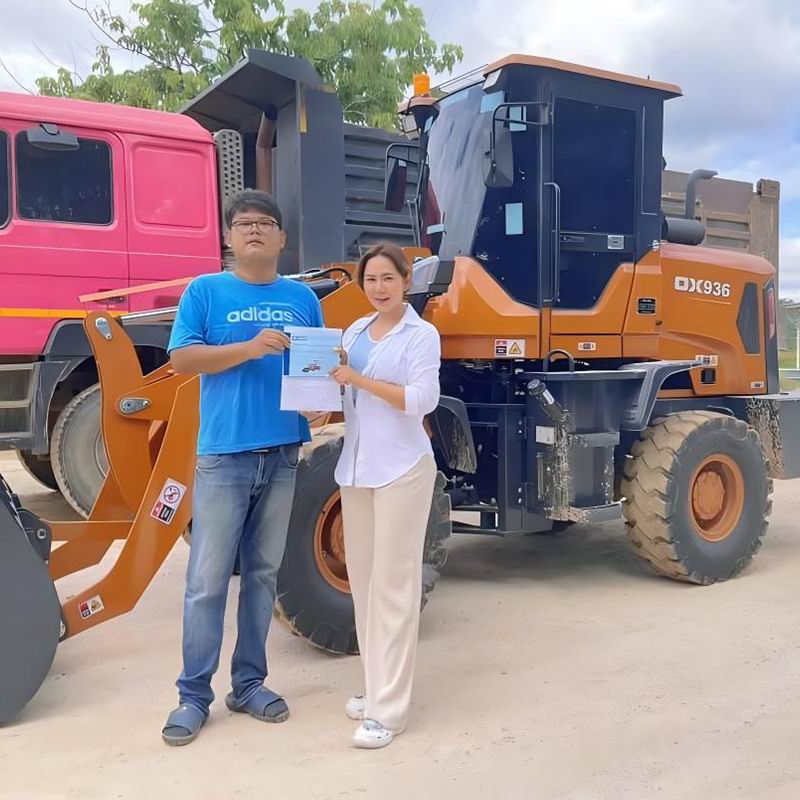
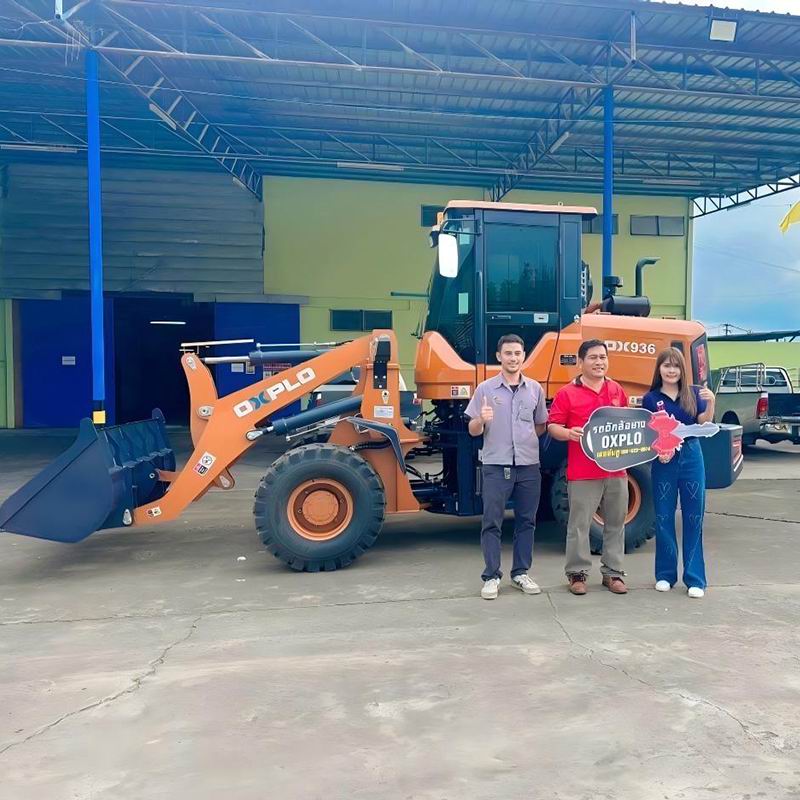
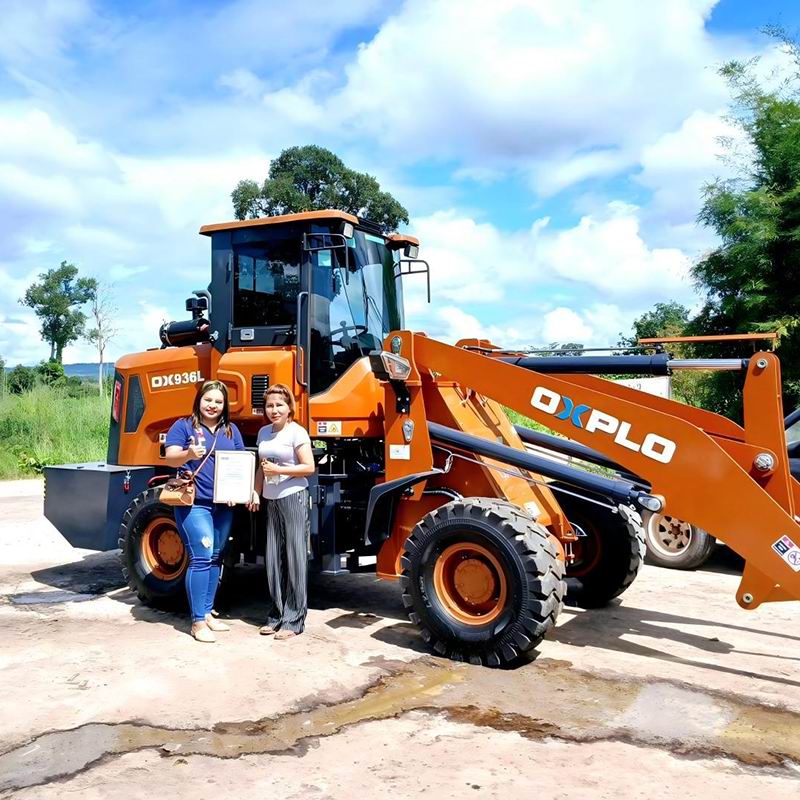
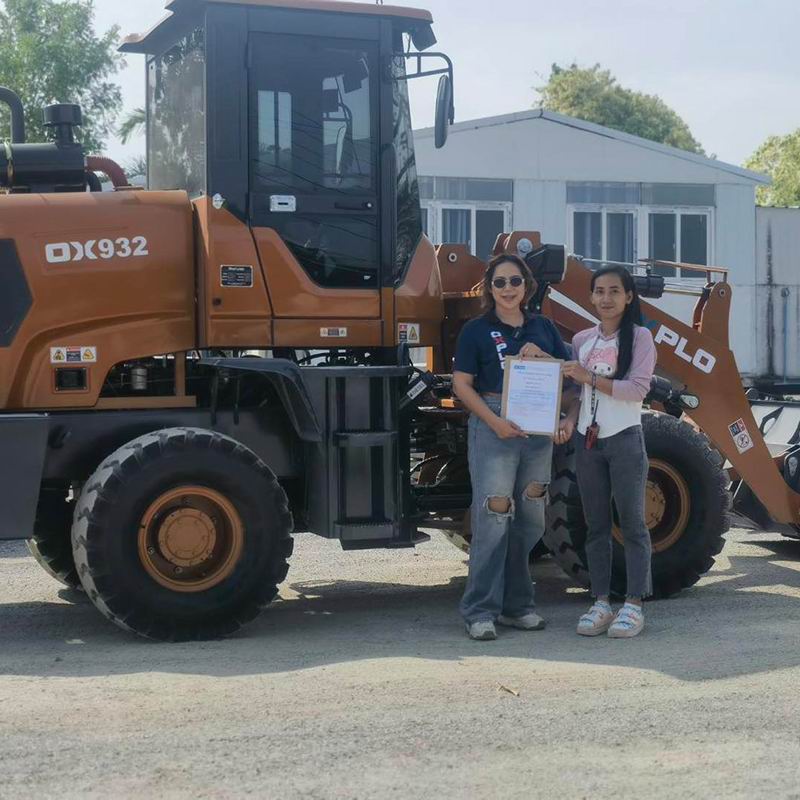
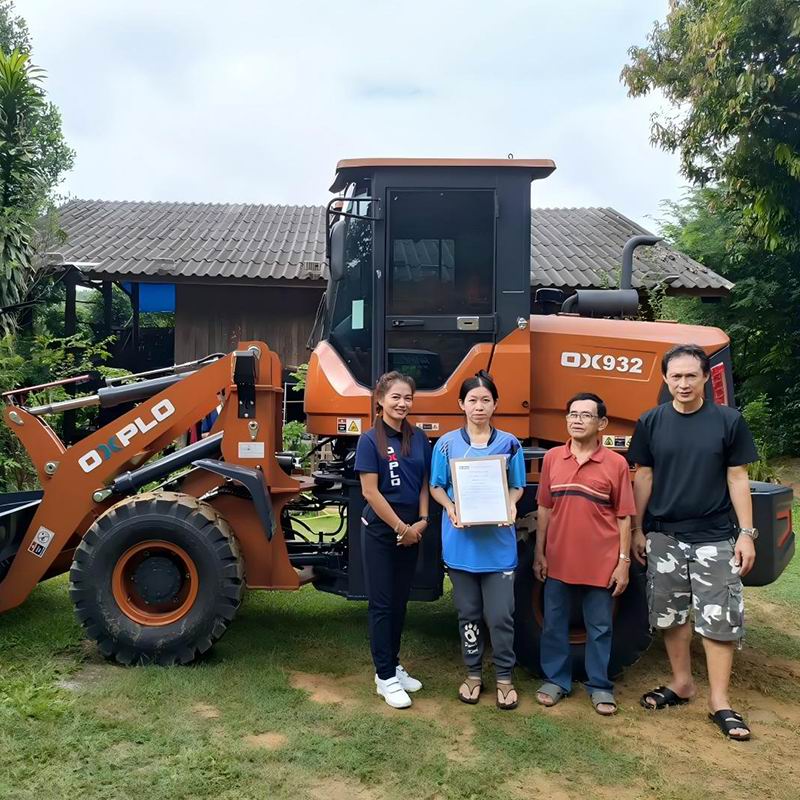
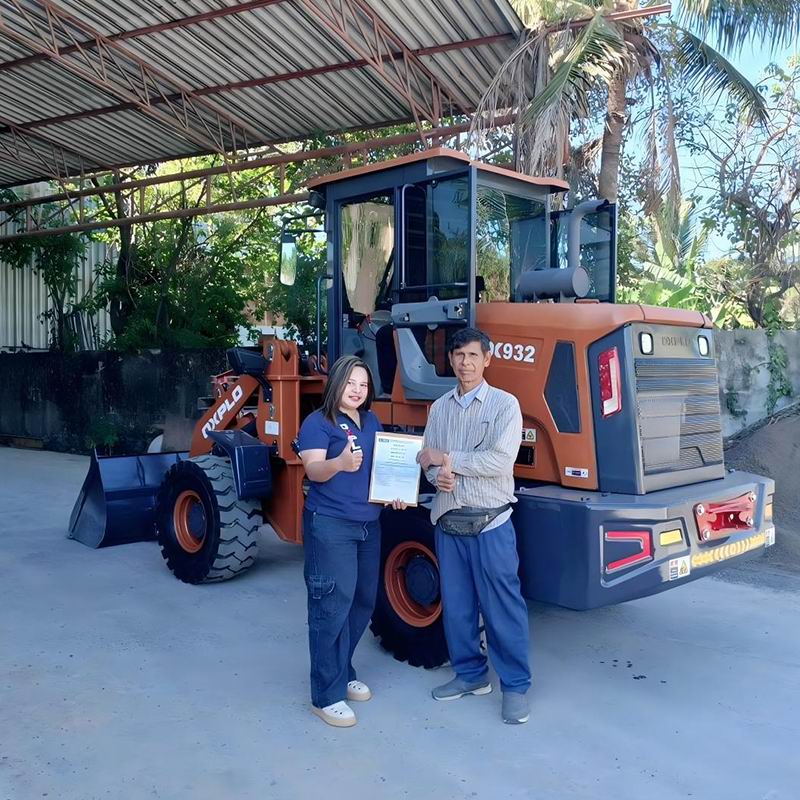
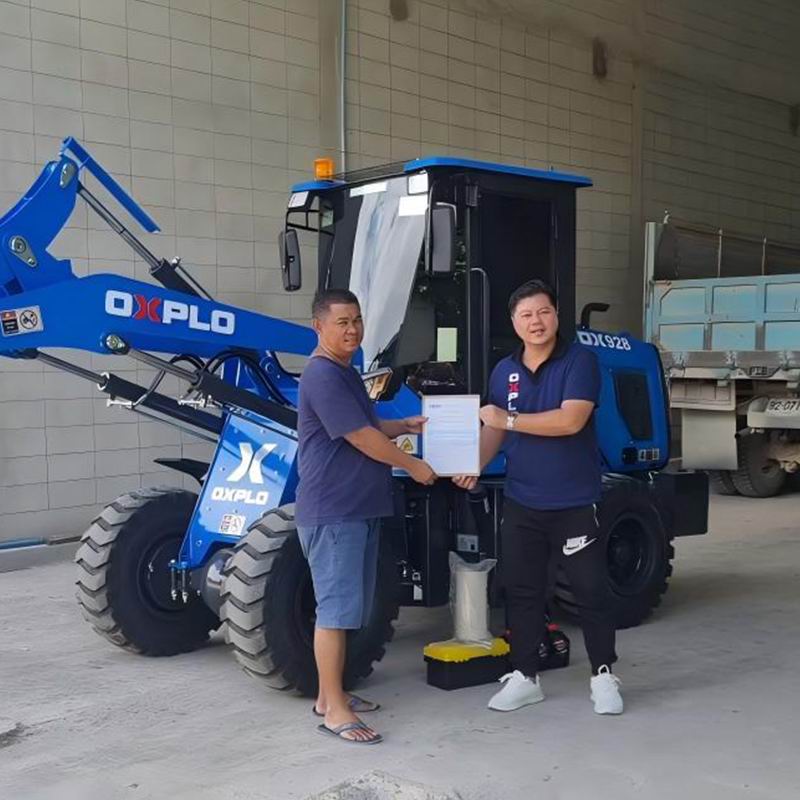
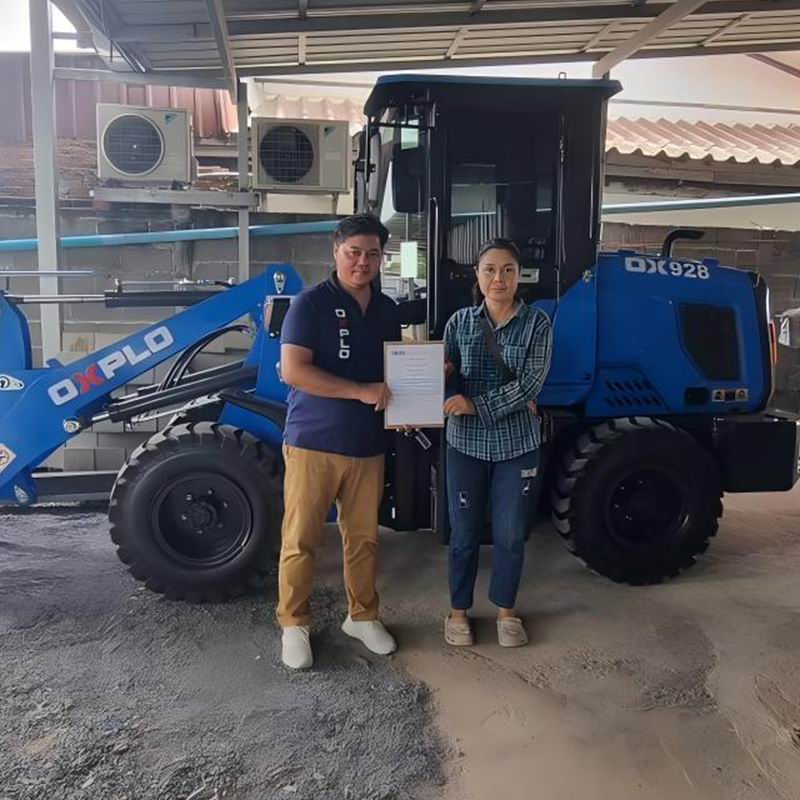
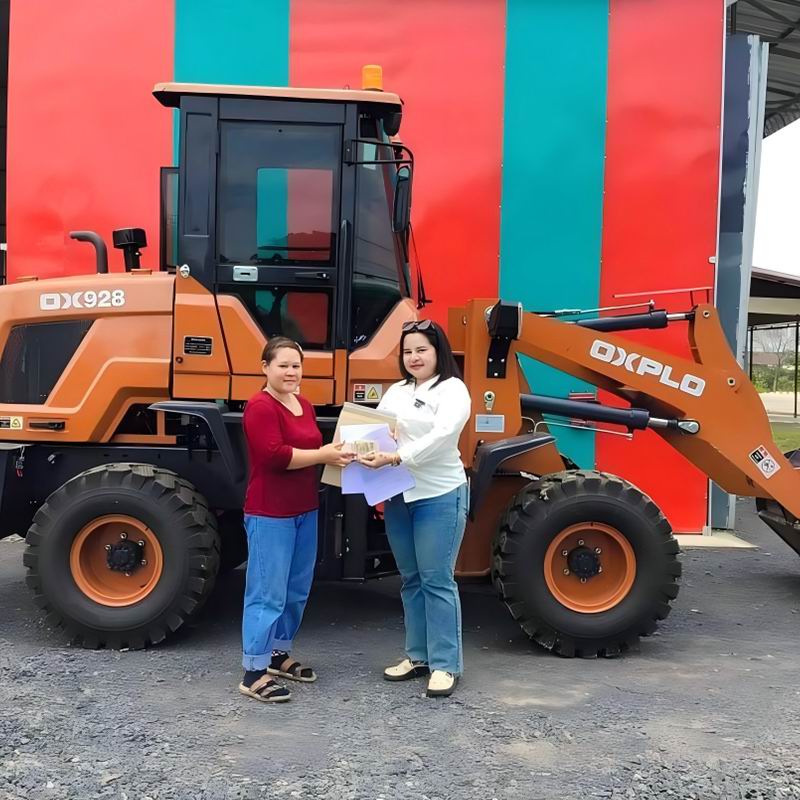
customer case
Wheel Loader Attachments
OXPLO provides a variety of spare parts support.
OXPLO's advantages
Let us introduce our products & factory to you
What makes us different
Why Choose Us
OXPLO specializes in the supply of forklifts, wheel loaders and tractors, providing reliable machinery solutions for material handling, construction and agricultural industries
Thailand Headquarters & SEAN Regional Operations
Headquartered in Thailand, with established firms and local service teams in the Philippines.
Reliable After-Sales & Spare Parts Support
We offer full after-sales care, including maintenance support and spare parts supply.
Factory Direct Supply
Direct factory operation ensures superior quality and a stable supply.
Quick Response & Service
Our local SEAN teams deliver rapid response, on-site service and expert technical help.
High-Performance Equipment
Built for tough jobs, our gear delivers robust power, steady performance and efficiency.
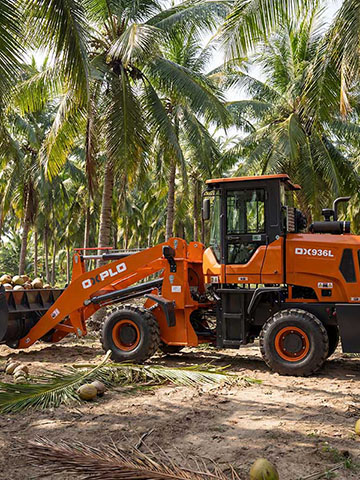
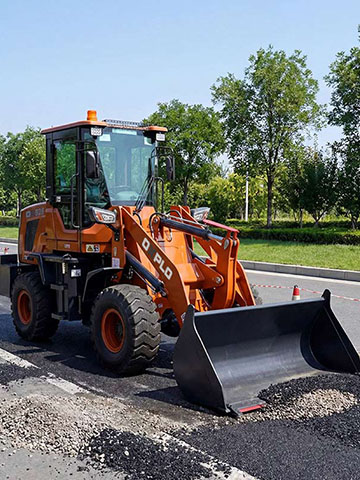
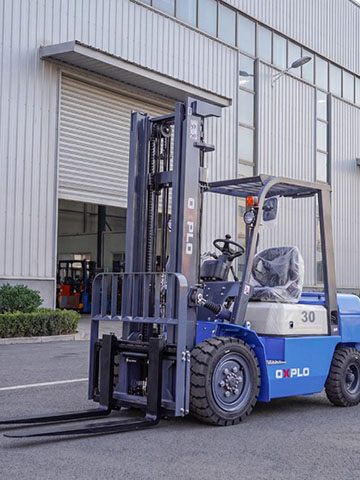
Application Scenarios
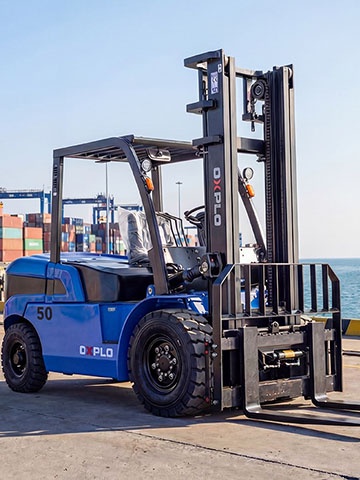
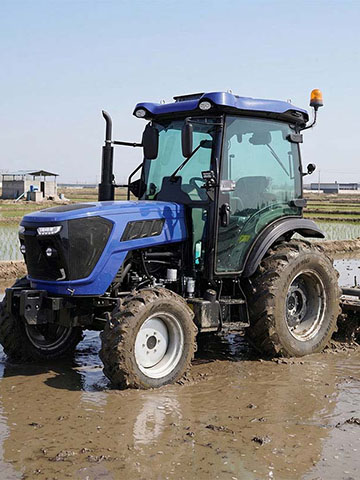
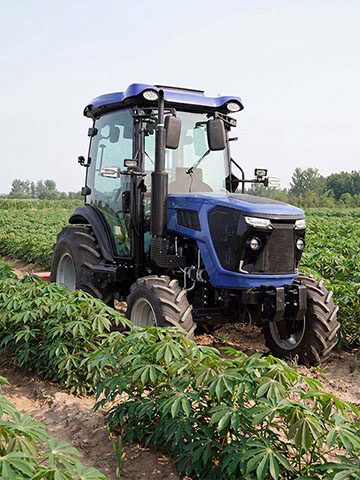
Our products are widely used in various fields such as warehousing,
construction, municipal roads, agriculture
about OXPLO
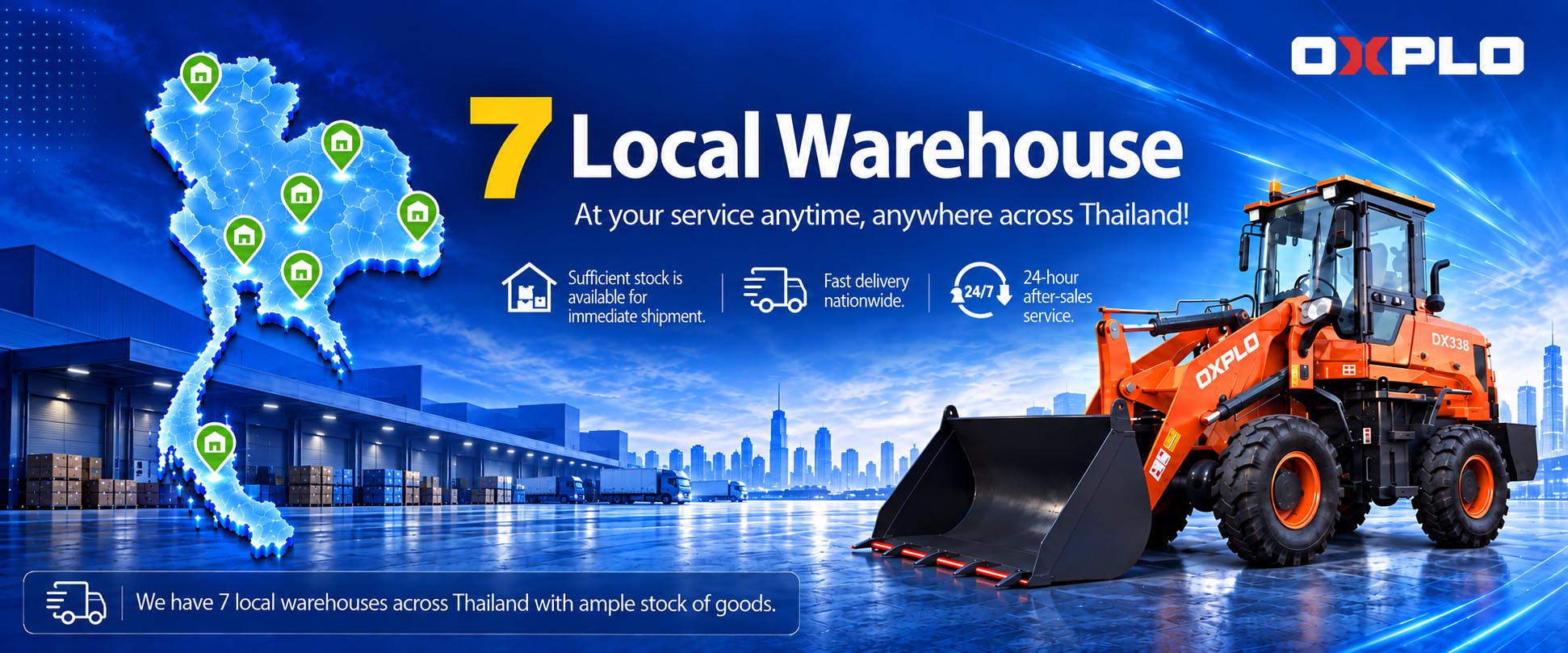
OXPLO is headquartered in Vannok District, Ayutthaya Province, Thailand, with five new branch offices in Khon Kaen, Nakhon Ratchasima, Ubon Ratchathani, Chiang Mai, and Phatthalung Provinces. The company's core competitive advantage lies in its "fast and efficient after-sales service and on-site problem-solving capabilities." OXPLO provides a comprehensive service guarantee system. Having cultivated the Thai market for many years, OXPLO not only provides excellent loaders, industrial forklifts, and off-road forklifts, but also offers one-stop service from procurement financing to after-sales support through comprehensive local support.







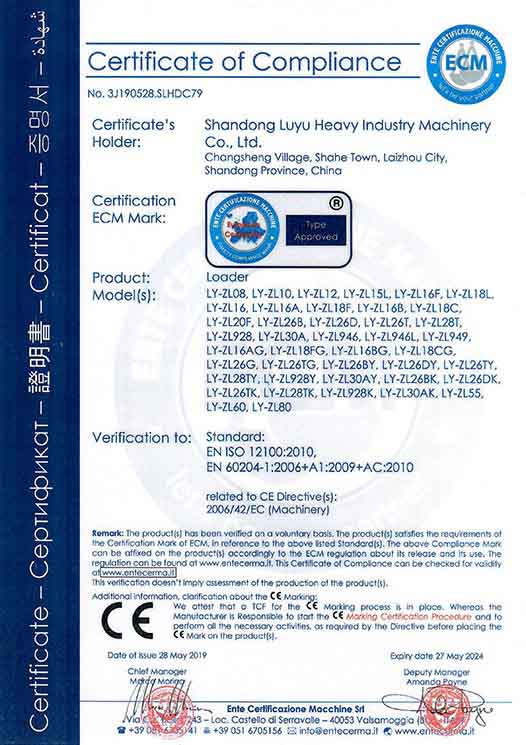
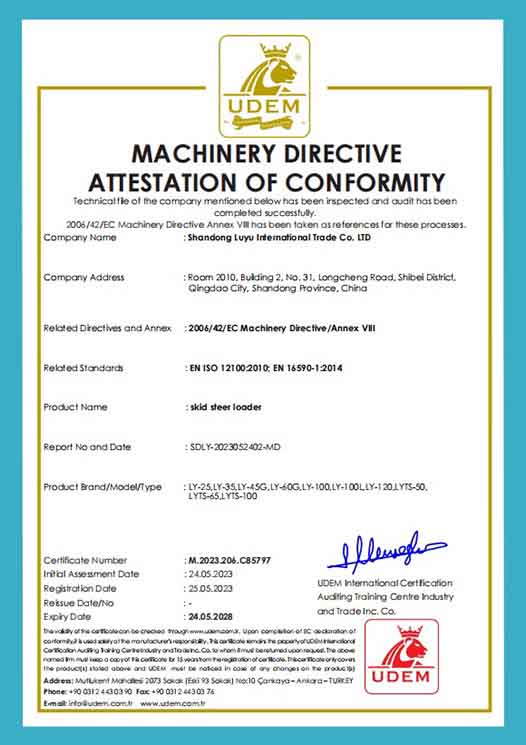
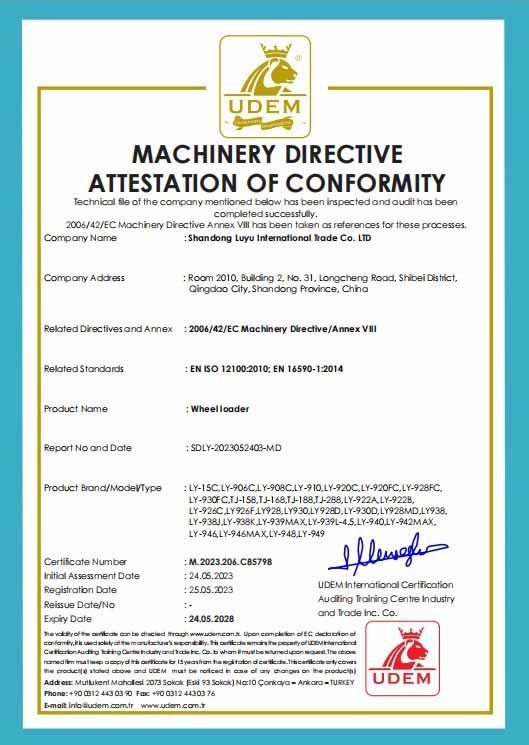
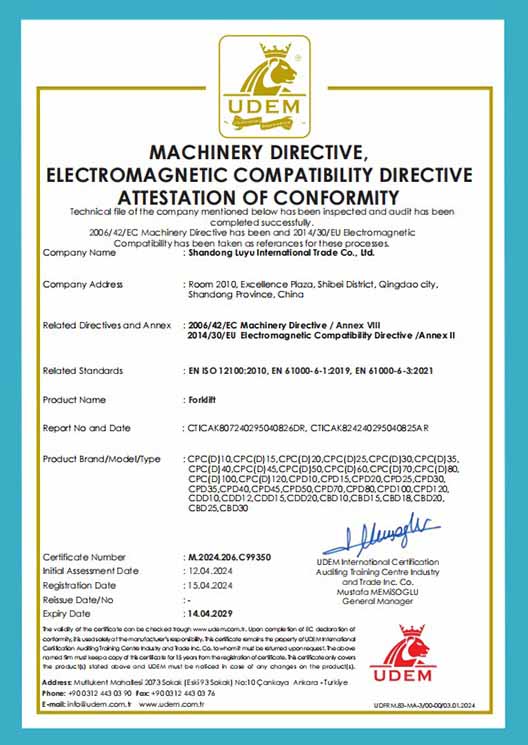
OUR CERTIFICATE
Wheel Loader FAQ
How much does a wheel loader cost?
The cost of a wheel loader varies depending on its rated load capacity, engine configuration, attachments, and optional features. Compact wheel loaders generally cost less than larger construction models. For an accurate quotation, contact OXPLO with your application requirements, preferred specifications, and destination country.
What is the fuel consumption of a wheel loader?
Fuel consumption depends on the loader size, engine power, operating conditions, and workload. Compact wheel loaders typically consume less fuel than larger models used in heavy-duty construction. Proper maintenance, efficient operating practices, and selecting the right machine size can help reduce fuel costs and improve productivity.
What is the lifting capacity of a wheel loader?
A wheel loader's lifting capacity is determined by its rated load. OXPLO offers wheel loaders with rated load capacities ranging from approximately 1.6 tons to 5 tons, making them suitable for agriculture, construction, material handling, and industrial applications. Always select a machine with sufficient capacity for your intended workload.
Can a wheel loader be used with pallet forks?
Yes. Many OXPLO wheel loaders can be equipped with pallet forks through a quick coupler system. This allows the machine to handle palletized goods, construction materials, agricultural products, and warehouse cargo, making it a versatile alternative to dedicated material handling equipment in certain applications.
How often should a wheel loader be serviced?
Regular maintenance is essential for maximizing machine performance and lifespan. Daily inspections should include checking engine oil, hydraulic fluid, coolant levels, and tire condition. Scheduled maintenance intervals vary by model and operating hours, but following the manufacturer's maintenance guidelines can help prevent unexpected downtime and costly repairs.
What is the difference between a wheel loader and a skid steer loader?
The primary difference is size, lifting capability, and maneuverability. Wheel loaders generally offer higher lifting capacities, larger buckets, and better performance for moving bulk materials over longer distances. Skid steer loaders are more compact and excel in confined spaces where tight turning and versatility are required. The best choice depends on your job site conditions and application needs.
What engine brands are available on OXPLO wheel loaders?
OXPLO wheel loaders are available with different engine configurations depending on the model and market requirements. Engine options may include reliable diesel engines designed to deliver strong performance, fuel efficiency, and easy maintenance. Please contact our sales team for specific engine options available in your region.
Do you provide operator training and technical support?
Yes. OXPLO provides after-sales support and technical assistance to help customers operate and maintain their equipment efficiently. Our team can offer guidance on machine operation, routine maintenance, troubleshooting, and spare parts support to ensure long-term reliability and productivity.