



For most purchasing managers, when buying an articulated wheel loader, key metrics like engine power, rated load, and bucket capacity are usually the primary focus.
However, the factor that truly determines whether the equipment generates profit on a daily basis is often not the engine, but the transmission system.
Many fleet operators have encountered situations like these:
* Two loaders with identical 180 HP ratings show a difference in actual loading efficiency of over 20%;
* Working the same 10-hour shift, one unit consumes significantly less fuel;
* One machine maneuvers nimbly in the stockpile area, while another requires frequent reversing to adjust its position;
* After five years of use, the maintenance costs differ by tens of thousands of dollars.
The real differentiator isn't the engine itself, but how that power is transmitted to the wheels.
Different transmission systems dictate the machine's acceleration characteristics, pushing power, fuel efficiency, operator comfort, and long-term maintenance costs.
Therefore, for any business planning to purchase an articulated wheel loader, understanding the technical differences between transmission options is far more important than simply comparing horsepower ratings.
Why Has the Transmission System Become the Most Critical Technical Differentiator in Modern Wheel Loaders?
The focus of wheel loader development has shifted over the past two decades.
In the past, the industry prioritized:
* Larger engines
* Higher tonnage
* Greater hydraulic flow
Today, the industry focuses more on:
* Cost per ton of material
* Fuel consumption per hour
* Cycle time
* Operator comfort
* Total Cost of Ownership (TCO)
The reason is simple.
Engine technology has matured, and the power gap between different brands has narrowed significantly.
What truly impacts efficiency is:
> Whether the power generated by the engine can be transmitted to the drive axles consistently, efficiently, and smoothly across various operating conditions.
This is precisely the role of the transmission.
A Common Misconception: "More Power Equals Higher Efficiency"
This is the most common pitfall during the purchasing process. For example:
Machine A:
* 220 HP
* Standard mechanical gear shifting
Machine B:
* 180 HP
* High-efficiency hydromechanical transmission
In terms of actual loading efficiency, Machine B might actually perform better.
Why?
Because a wheel loader does not spend most of its operating time driving at full throttle.
A typical cycle includes:
* Moving forward
* Crowding/penetrating the material
* Lifting
* Reversing
* Steering
* Moving forward again
This cycle may be repeated thousands of times a day.
The factors that truly impact efficiency are:
* Smoothness of gear shifting
* Continuity of power delivery
* Absence of power interruptions
* Whether frequent throttle adjustments are required
rather than peak horsepower.
Three Common Transmission Systems for Articulated Wheel Loaders
Current market offerings generally fall into three categories:
1. Hydrostatic Transmission
This system typically utilizes the following configuration:
Engine →
Variable displacement pump →
Hydraulic motor →
Drive axle
Characteristics:
Advantages:
* Infinitely variable speed control (CVT-like)
* Excellent low-speed control
* Smooth operation
* Highly suitable for precision work
Particularly well-suited for:
* Warehousing
* Municipal operations
* Farming
* Port operations
* Timber handling
Its greatest advantage is: Operators can achieve near-millimeter precision control.
For example:
When handling pallets with forks:
Speed remains very stable.
There is no sudden surging or lurching forward.
Consequently, many compact articulated wheel loaders utilize hydrostatic systems.
Limitations
However: Efficiency in high-speed transport is relatively low.
Long-distance travel: Hydraulic efficiency drops.
Continuous heavy-load dozing: Heat generation increases.
For large-scale mining operations: It is not the optimal solution.
2. Powershift Transmission
This is currently the most mature solution for medium-to-large wheel loaders.
Working principle:
Engine →
Torque converter →
Multi-speed transmission →
Drive axle
Advantages include:
Superior dozing capability
The torque converter can multiply engine torque. Handling:
* Loose rock/gravel
* Clay
* High-density materials
Provides more powerful starting performance.
Higher Haulage Efficiency
Compared to hydrostatic drives:
Higher mechanical efficiency.
Lower fuel consumption at high speeds.
Especially in:
Mining operations
Quarries
Large-scale earthmoving projects
The advantages are significant.
Proven Technology
Largest global installed base.
Easy to service.
Mature spare parts supply chain.
For long-term fleet operations:
Lower maintenance risk.
Limitations
The downsides are also obvious:
During gear shifts:
There is a brief interruption in power delivery.
If the operator lacks experience:
It can easily lead to:
* Shock loads/jerking
* Tire wear
* Increased fuel consumption
Consequently, more manufacturers are adopting: Automatic Powershift.
3. CVT / Intelligent Transmission
In recent years, some high-end articulated wheel loaders have begun adopting intelligent transmission technology.
Core concept:
Automatically adjusts the optimal gear ratio based on:
* Load
* Gradient
* Engine speed (RPM)
* Torque demand
Eliminates the need for frequent operator input.
Advantages include:
* Lower fuel consumption
* Faster cycle times
* Reduced tire slippage
* More comfortable driving experience
Particularly suitable for: Large fleets operating over 12 hours a day.
However, currently:
Purchase costs remain high.
Maintenance requires a higher level of technical expertise.
What truly impacts fleet profitability is "matching the transmission to the application"
Many procurement failures aren't due to the equipment being poor.
Rather: The transmission type didn't match the operating conditions.
Here are a few typical scenarios.
Scenario 1: Sand and Gravel Yard
Characteristics:
* High-frequency loading
* Heavy loads
* Frequent reversing
Recommendation: Powershift.
Reason:
Greater tractive force.
Better sustained power output.
Scenario 2: Agriculture
Characteristics:
* Precision handling
* Confined spaces
* Frequent use of fork attachments
Recommendation: Hydrostatic.
Reason:
More precise speed control.
Reduced risk of collisions. ## Scenario 3: Municipal Construction
Characteristics:
* Frequent attachment changes
* Frequent stop-and-go operation
* Limited working space
Recommendation:
Hydrostatic or Intelligent Transmission.
Smoother operation.
Significantly reduced operator fatigue.
Scenario 4: Large-scale Mining
Characteristics:
* Long-distance hauling
* Uphill travel with full loads
* Continuous operation
Recommendation:
Heavy-duty Powershift.
Higher reliability.
Mature maintenance support system.
Why do many buyers focus only on purchase price while ignoring lifecycle costs?
This is a common pitfall for many enterprises.
Hypothetical scenario:
Purchasing a unit for $5,000 less.
It looks like a budget saving.
But over the next 5 years, it may lead to:
* Higher fuel costs
* Increased tire wear
* Higher clutch repair costs
* Longer downtime
These hidden costs can easily exceed the initial savings on the purchase price.
Therefore, when helping clients evaluate equipment, we recommend focusing on Total Cost of Ownership (TCO) rather than just comparing the one-time purchase price.
Comprehensive evaluation typically includes:
* Hourly fuel consumption
* Average cycle time
* Annual operating hours
* Maintenance intervals
* Wear part lifespan
* Operator training costs
* Resale value
For fleets operating over 2,000 hours per year, differences in transmission systems will compound over time, impacting operating profits far more than the initial price difference.
How do you choose the best Articulated Wheel Loader for your fleet?
In actual projects, we usually advise procurement teams not to simply ask suppliers "which transmission is best," but to first answer the following questions:
1. How many hours does the equipment operate daily?
* Less than 1,000 hours: Focus on purchase cost and ease of maintenance.
* 1,000–2,000 hours: Balance fuel efficiency and reliability.
* Over 2,000 hours: Prioritize long-term TCO over the initial price.
2. What materials are primarily being handled?
Material density determines the requirements for traction and torque. For example:
* Sandy soil
* Sand and gravel
* Coal
* Wood chips
* Grain
The optimal transmission solution varies for each of these.
3. Is the work site confined?
If the equipment requires frequent:
* Turning
* Reversing
* Maneuvering close to buildings
* Operation with forks or grapples
then control precision is usually more important than top speed.
4. Are there plans to expand attachment usage?
If you plan to add the following in the future:
* Snow blade
* Grapple
* Fork
* Broom
* Auger
it is recommended to consider the compatibility between the hydraulic system and the transmission system, rather than focusing solely on whether the attachment interface fits.
5. Is comprehensive after-sales support available?
No matter how advanced the transmission technology is, a lack of local repair capabilities or spare parts availability can lead to prolonged equipment downtime. Therefore, factors such as the supplier's technical training, spare parts inventory, and responsiveness should be evaluated during the procurement stage.
Future Trends in Wheel Loader Transmission Systems
As emission regulations tighten and operating costs continue to rise, future transmission systems for articulated wheel loaders will increasingly emphasize intelligence and energy efficiency management.
Key industry trends for the coming years include:
* Smarter automatic gear-shifting strategies to improve fuel economy across various operating conditions.
* Deep integration of the engine, hydraulic system, and transmission system to achieve on-demand power delivery.
* Remote diagnostics and data monitoring to detect transmission anomalies early and reduce unplanned downtime.
* Gradual adoption of hybrid and electric drive technologies for specific applications, resulting in lower energy consumption and reduced maintenance requirements.
For large fleets, future procurement involves acquiring not just a piece of equipment, but an intelligent production tool capable of continuously optimizing operational data.
Conclusion
No single transmission system is suitable for every project.
If your core requirements include precise control, operation in confined spaces, and frequent use of various attachments, a hydrostatic transmission typically offers a superior driving experience and higher operational precision.
If your equipment is frequently used for heavy-load loading, quarrying, mining, or intensive earthmoving operations, a proven powershift transmission system often holds the advantage, striking a better balance between tractive force, durability, and ease of maintenance. For large fleets aiming to further reduce long-term operating costs and enhance automation, the focus should be on next-generation intelligent drivetrain systems, while evaluating the return on investment based on actual operating conditions.
When advising global customers on equipment configuration, OXPLO prioritizes matching the equipment to specific operating conditions rather than simply recommending a particular technology. We typically factor in variables such as material type, annual operating hours, attachment requirements, site conditions, and maintenance capabilities to help formulate a configuration plan that aligns with long-term operational goals.
When selecting an articulated wheel loader, the true basis for comparison goes beyond engine specifications; what matters most is the machine's ability to consistently create value for your fleet over thousands of hours of future operation-delivering a lower total cost of ownership, higher uptime, and reliable efficiency.
Frequently Asked Questions (FAQ)
Q1. What transmission system is best for an articulated wheel loader?
A1. There is no single "best" transmission system. The right choice depends on your operating conditions.
· Hydrostatic transmission is ideal for precision work, tight job sites, and frequent direction changes.
· Powershift transmission performs better in heavy-duty loading, quarry operations, and long-distance travel.
· Intelligent or CVT systems are suitable for fleets seeking maximum fuel efficiency and automated performance optimization.
When evaluating an articulated wheel loader, operators should consider total operating costs rather than focusing only on engine horsepower or purchase price.
Q2. Is a hydrostatic transmission more fuel-efficient than a powershift transmission?
A2. It depends on the application.
Hydrostatic systems often consume less fuel during stop-and-go operations because they eliminate unnecessary gear shifting and provide precise speed control. However, for long-distance travel or continuous heavy pushing, a powershift transmission usually delivers higher mechanical efficiency and lower fuel consumption.
Matching the transmission to the actual duty cycle is far more important than comparing fuel figures alone.
Q3. Which articulated wheel loader transmission requires less maintenance?
A3. Both systems can provide long service life when maintained correctly.
Hydrostatic transmissions require careful monitoring of hydraulic oil cleanliness and cooling performance, while powershift systems rely on regular transmission oil changes and proper clutch pack maintenance.
Preventive maintenance is usually more important than the transmission type itself in determining equipment reliability.
Q4. How do I choose the right articulated wheel loader for my fleet?
A4. Before selecting a machine, fleet managers should evaluate:
· Annual operating hours
· Material density and loading conditions
· Travel distance between loading and dumping areas
· Required attachments
· Operator experience
· Local service and spare parts availability
Choosing equipment based on these factors typically delivers a lower Total Cost of Ownership (TCO) over the machine's lifetime.
Q5. Does OXPLO offer articulated wheel loader solutions for different applications?
A5. Yes. OXPLO provides a range of articulated wheel loader models designed for construction, agriculture, logistics, mining, material handling, and municipal applications.
Rather than recommending a one-size-fits-all machine, the OXPLO engineering team works with customers to evaluate:
· Operating environment
· Material type
· Bucket capacity requirements
· Annual working hours
· Attachment compatibility
· Local maintenance conditions
This application-based selection process helps customers reduce fuel consumption, improve productivity, and lower long-term operating costs.
Q6. Can OXPLO customize wheel loader configurations?
A6. Yes. Depending on project requirements, OXPLO can provide customized configurations, including:
· Different bucket capacities
· Forks, grapples, snow blades, and other attachments
· Enclosed or air-conditioned cabins
· Auxiliary hydraulic systems
· Tire options for various terrains
· Additional safety and operator comfort features
Customizing the machine according to actual job site requirements often delivers better long-term value than purchasing a standard configuration.
Q7. What should international buyers consider before purchasing an articulated wheel loader?
A7. Besides machine specifications, international buyers should evaluate the supplier's ability to provide technical support, spare parts, documentation, and after-sales service.
OXPLO supports overseas customers with equipment selection guidance, technical documentation, spare parts supply, and responsive after-sales assistance, helping fleets maximize equipment uptime throughout the machine's service life.
Q8. Why is transmission selection more important than engine horsepower?
A8. Engine horsepower indicates the machine's potential power output, but the transmission determines how efficiently that power reaches the wheels.
An appropriately matched transmission can improve:
· Loading cycle times
· Fuel economy
· Operator comfort
· Tire life
· Machine durability
· Overall fleet productivity
For this reason, experienced fleet managers often evaluate the transmission system before comparing engine specifications when selecting an articulated wheel loader.
Customer Distribution
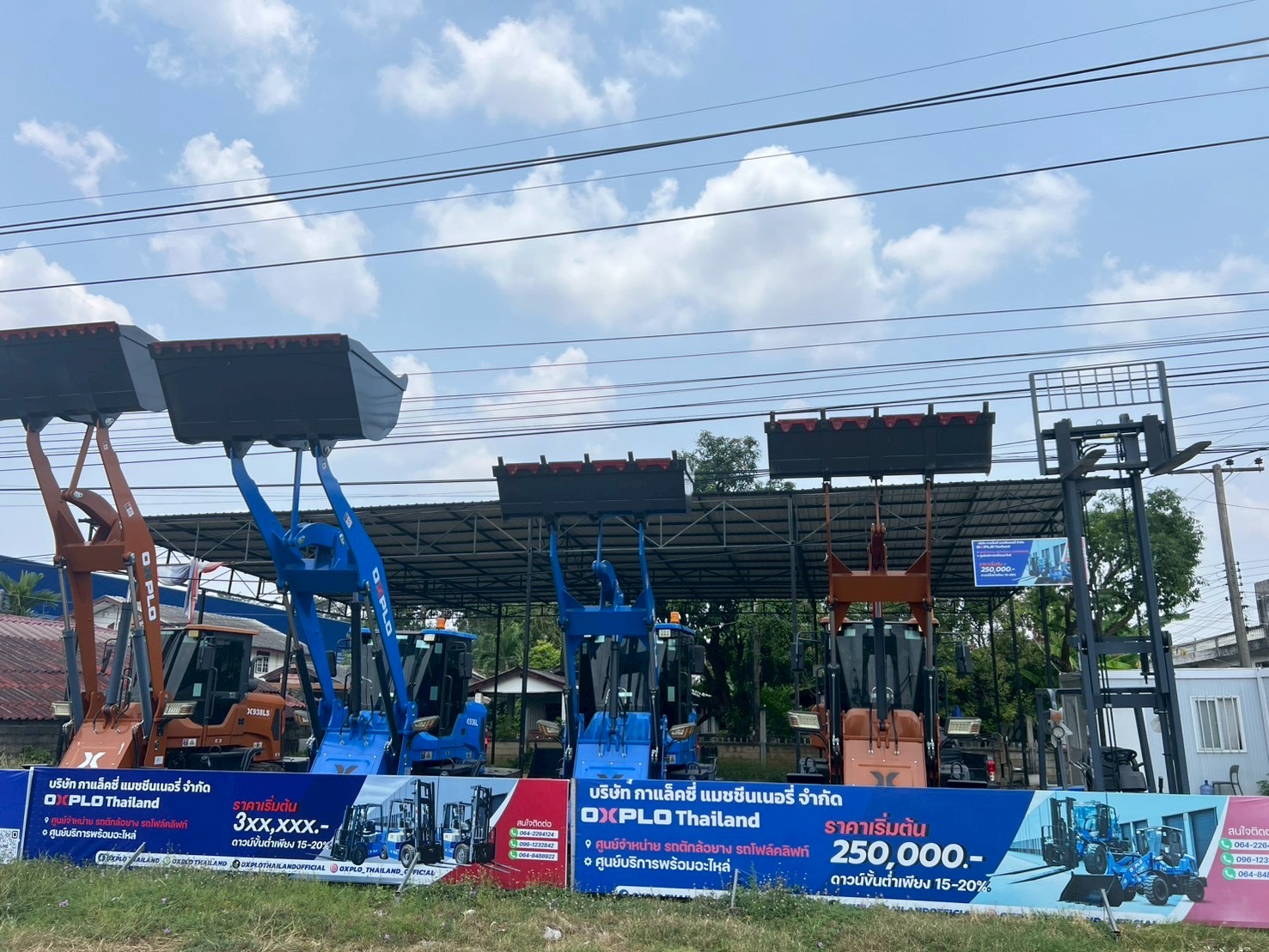
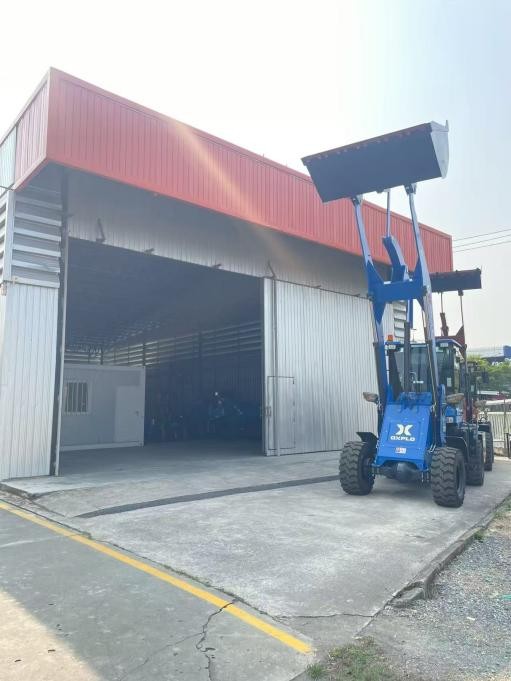
 Thailand-Ayutthaya
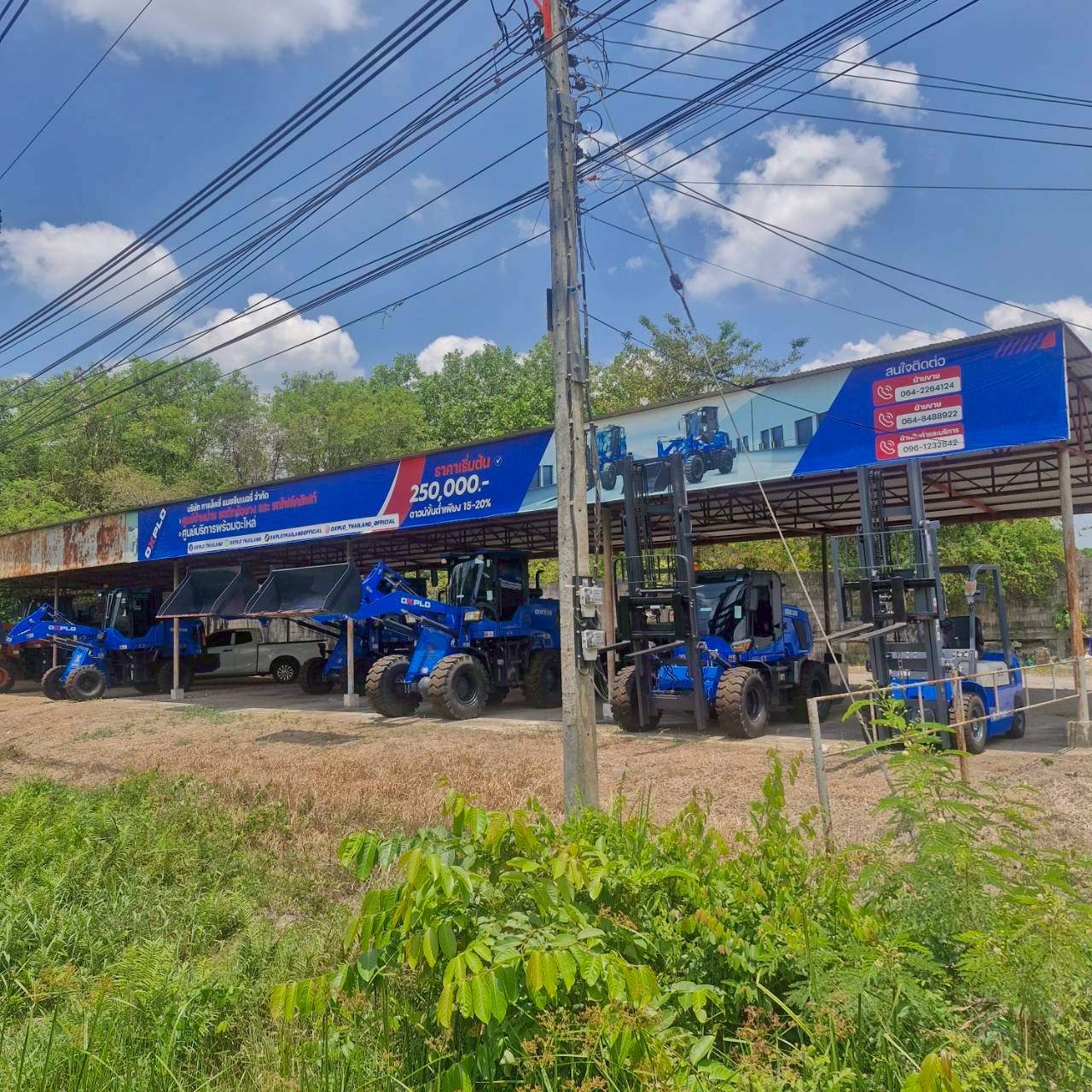
 Thailand-Khon Kaen
 Thailand-Nakhon Ratchasima
 Thailand-Ubon Ratchathani
 Thailand-Chiang Mai
 Thailand-Phthalum
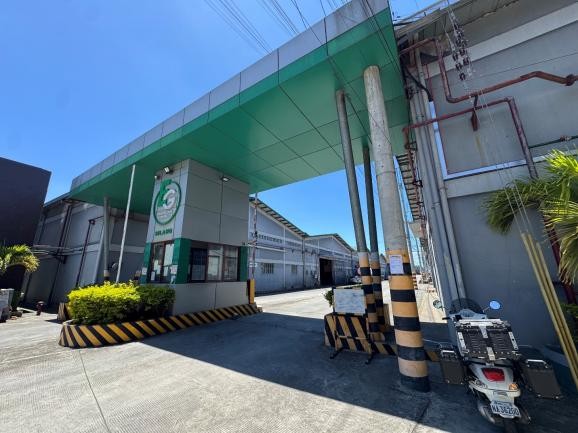
, MAGUYAM ROAD, BRGY. MAGUYAM, SILANG, CAVITE") Philippines-ELITE GLOBUS WAREHOUSE(NO. 43 - OXPOWER MACHINERY INC.), MAGUYAM ROAD, BRGY. MAGUYAM, SILANG, CAVITE
Philippines-ELITE GLOBUS WAREHOUSE(NO. 43 - OXPOWER MACHINERY INC.), MAGUYAM ROAD, BRGY. MAGUYAM, SILANG, CAVITE
OUR OPERATiONS
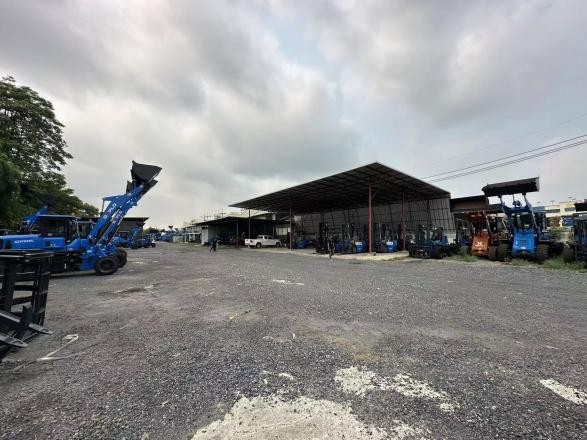
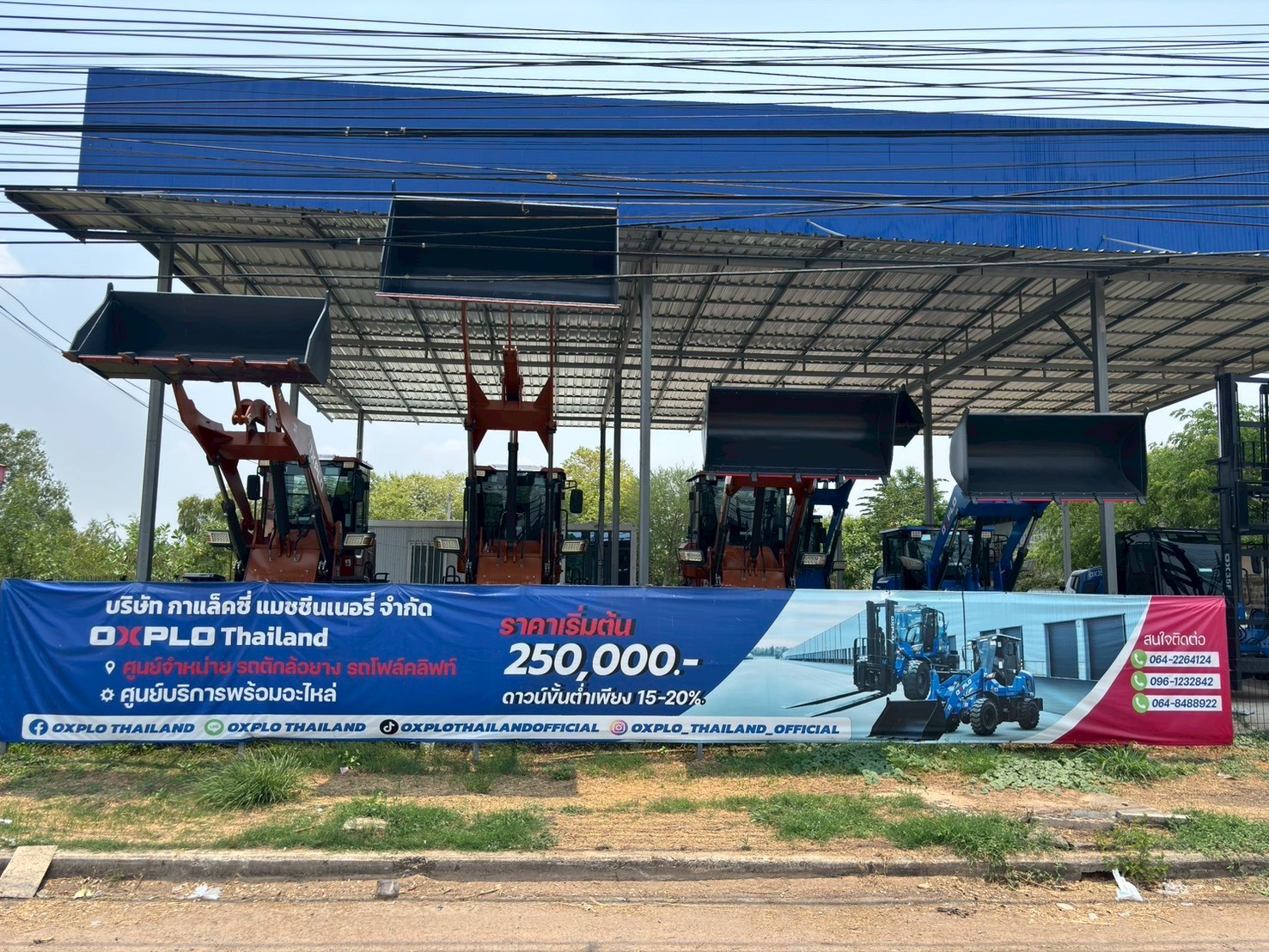
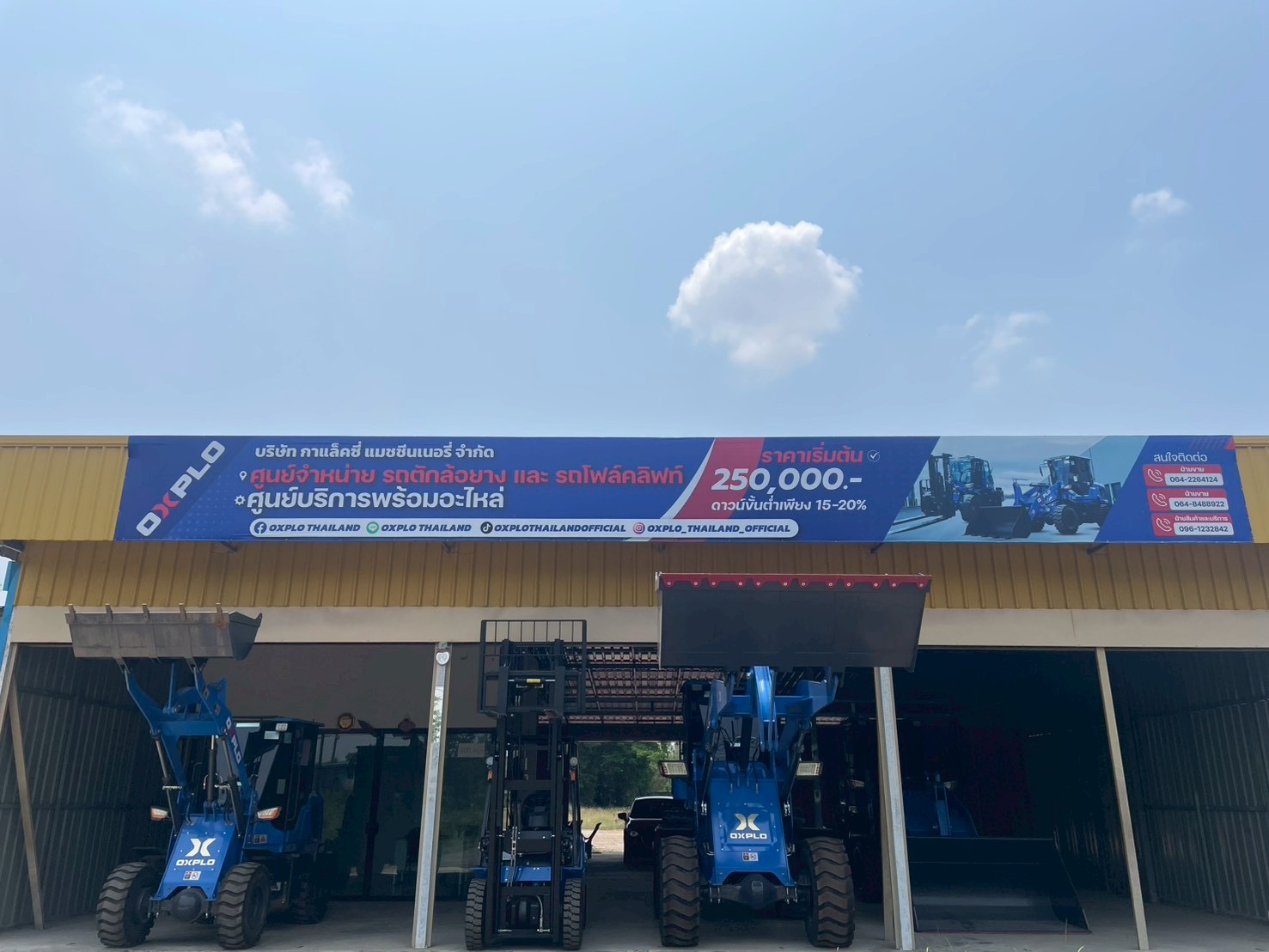
Our regional headquarters are located in Thailand, with independent operations company and service team in the Philippines. This multi-market presence enables us to provide customers throughout Southeast Asia with efficient communication, faster response times, and reliable local support.


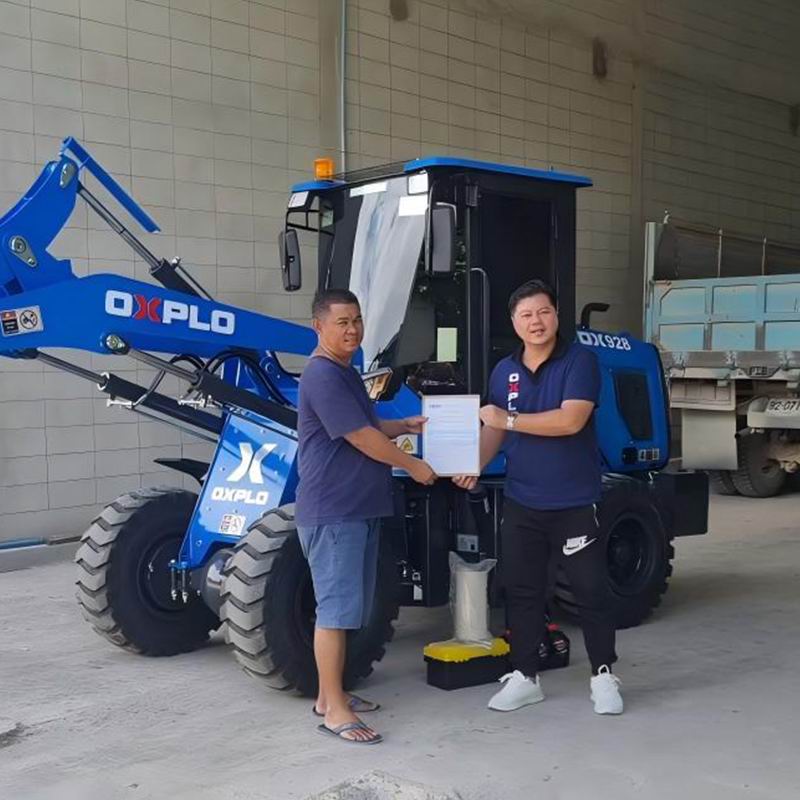
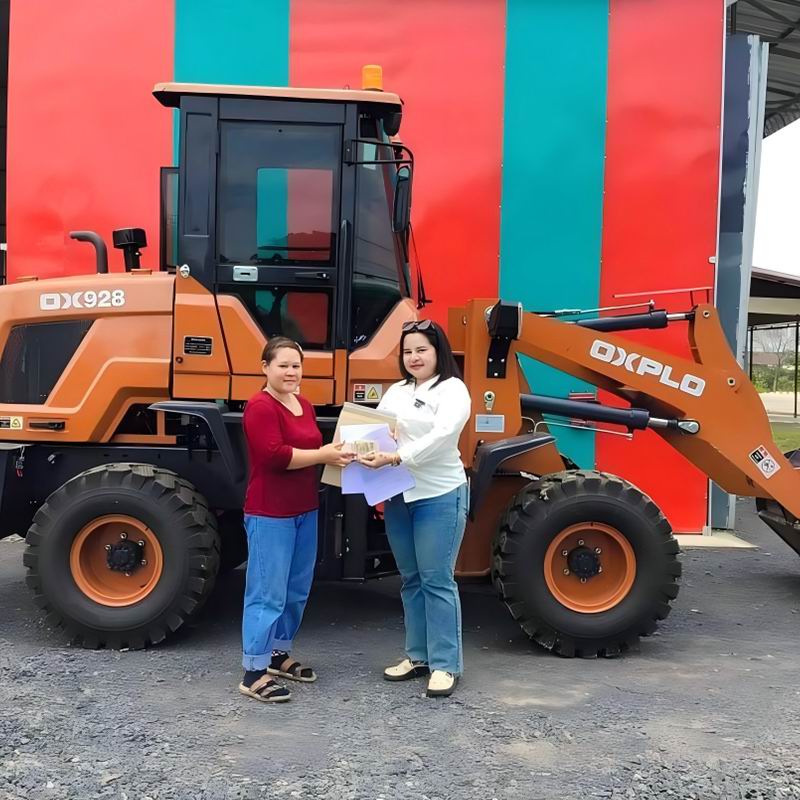
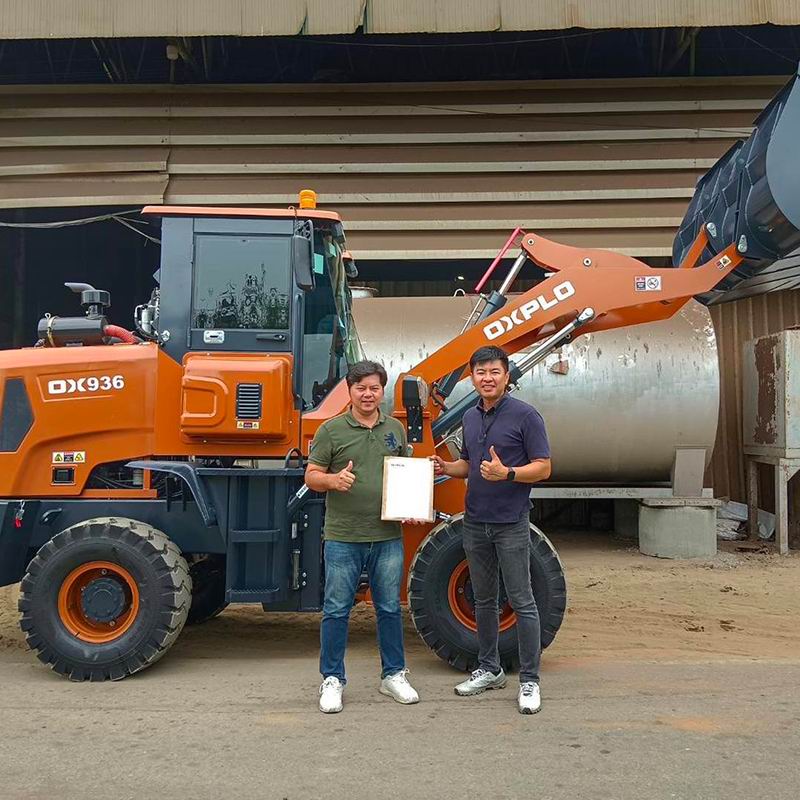
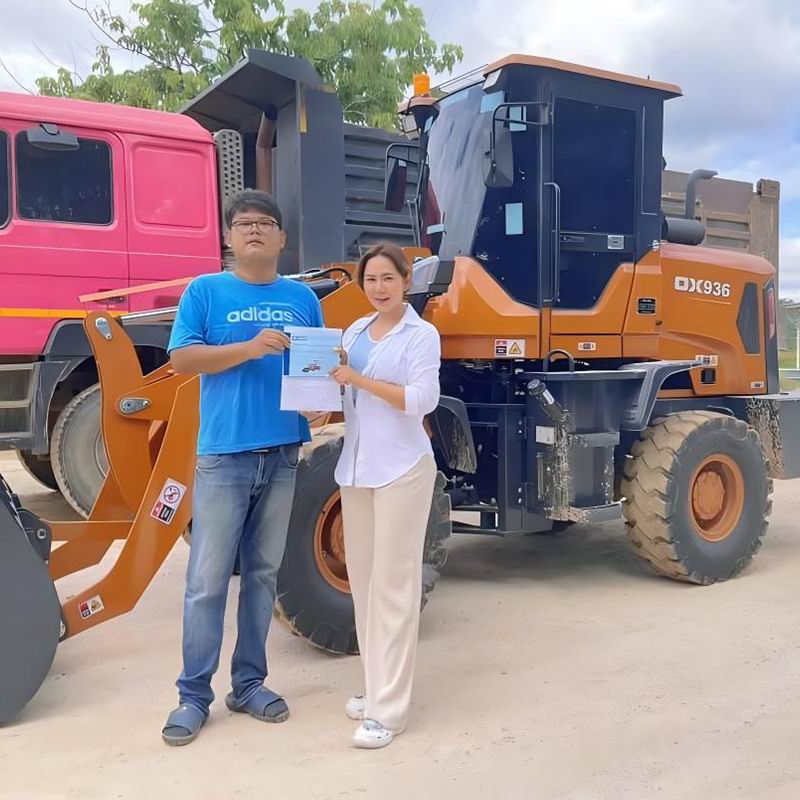
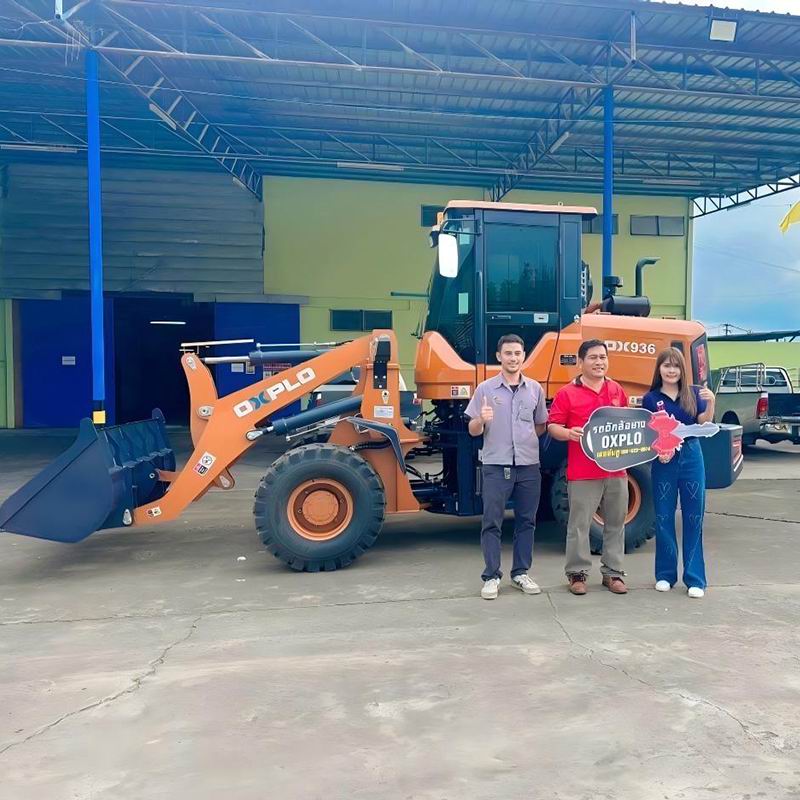
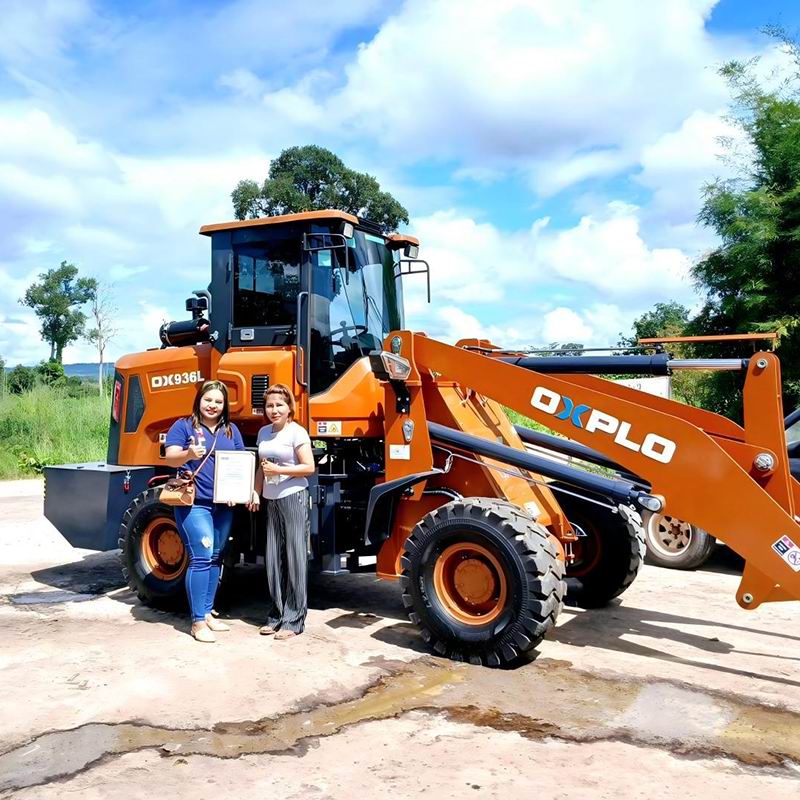
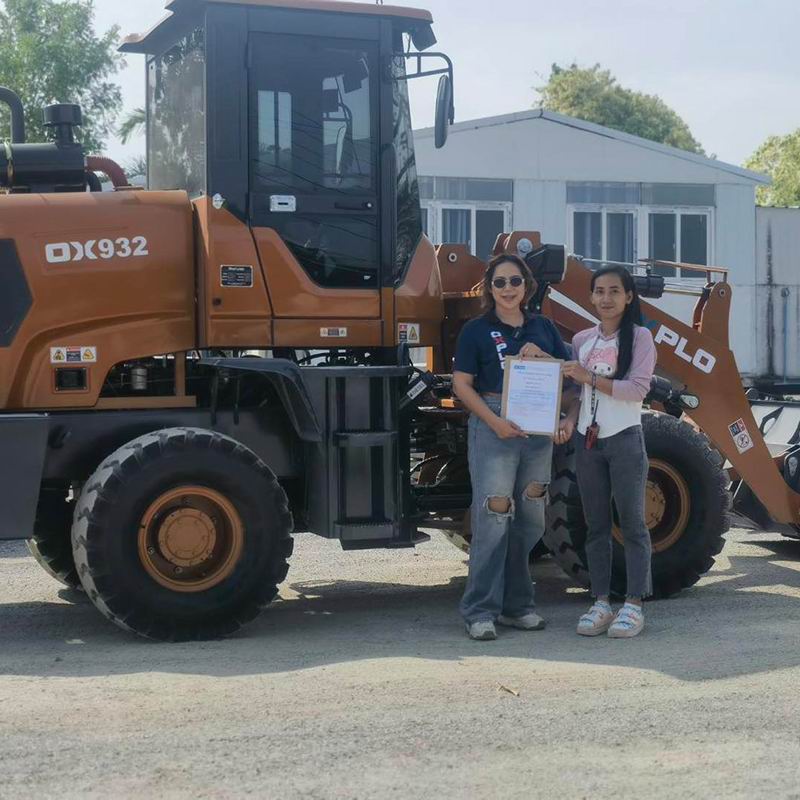
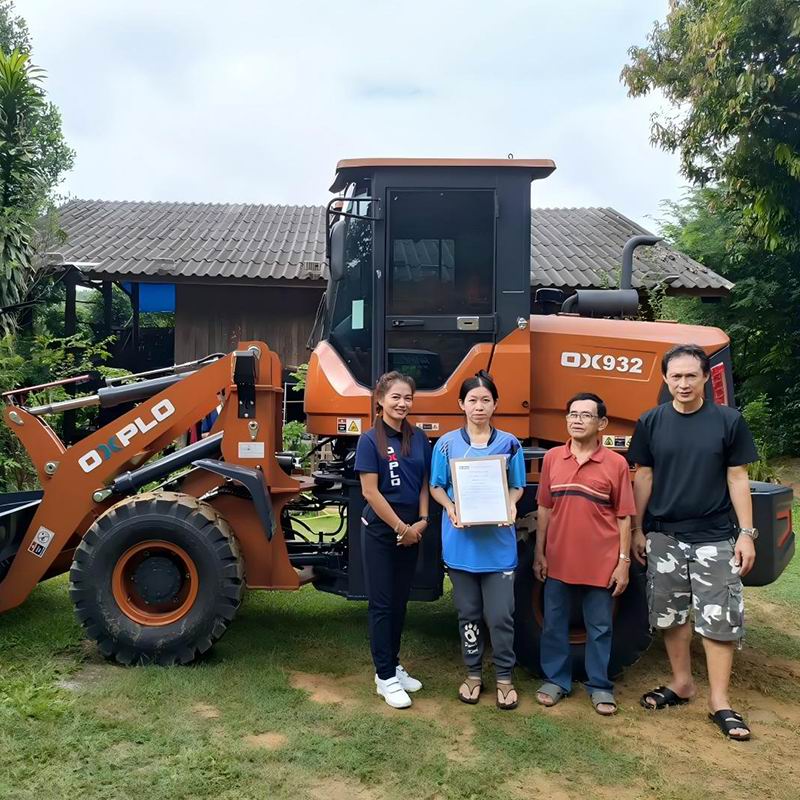
customer case
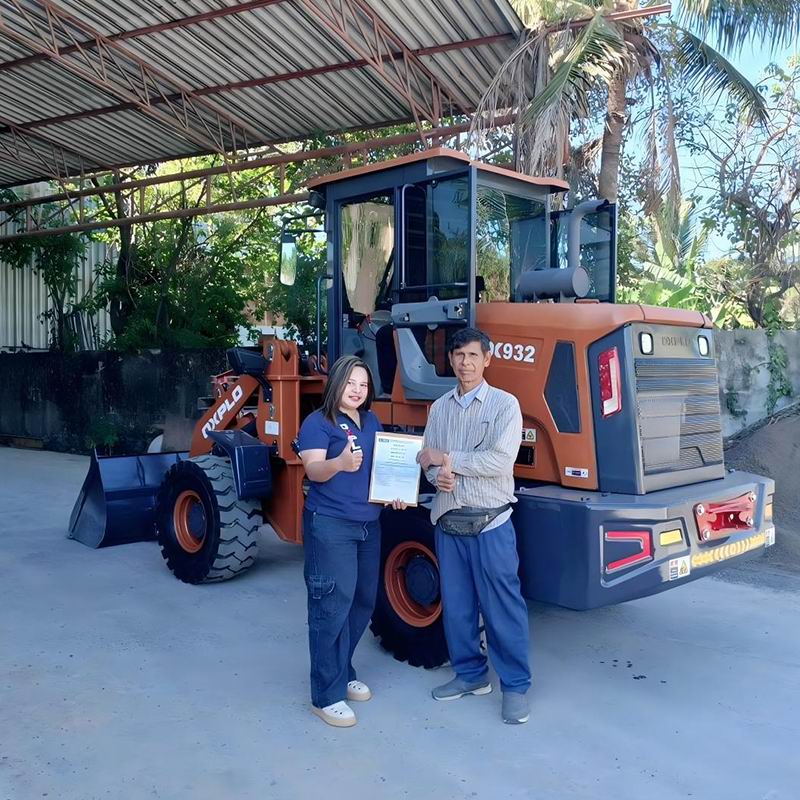
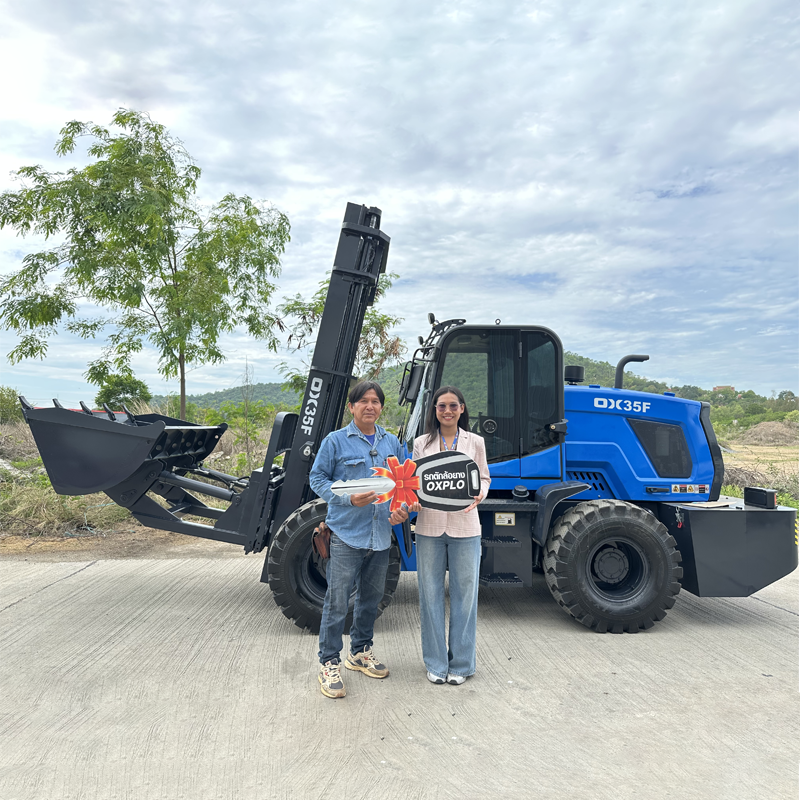
Wheel Loader Attachments
OXPLO provides a variety of spare parts support.
OXPLO's advantages
Let us introduce our products & factory to you
What makes us different
Why Choose Us
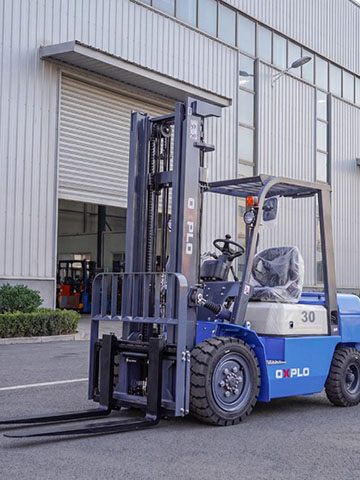
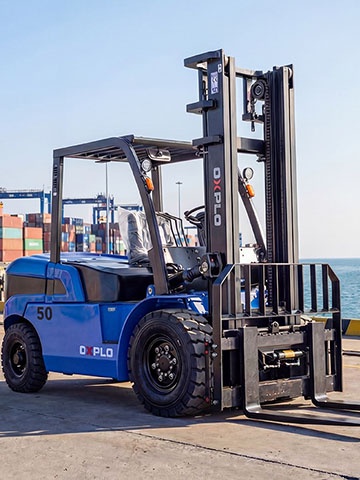
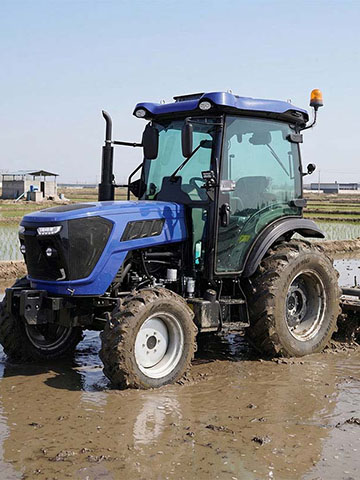
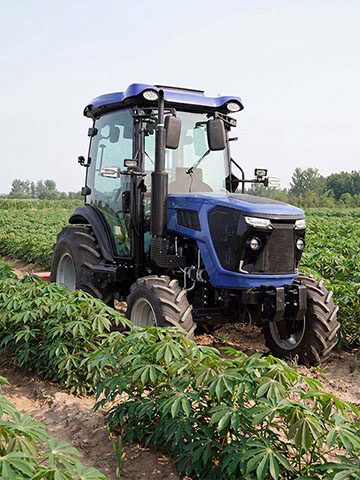
OXPLO specializes in the supply of forklifts, wheel loaders and tractors, providing reliable machinery solutions for material handling, construction and agricultural industries
Thailand Headquarters & SEAN Regional Operations
Headquartered in Thailand, with established firms and local service teams in the Philippines.
Reliable After-Sales & Spare Parts Support
We offer full after-sales care, including maintenance support and spare parts supply.
Factory Direct Supply
Direct factory operation ensures superior quality and a stable supply.
Quick Response & Service
Our local SEAN teams deliver rapid response, on-site service and expert technical help.
High-Performance Equipment
Built for tough jobs, our gear delivers robust power, steady performance and efficiency.
Application Scenarios
Our products are widely used in various fields such as warehousing,
construction, municipal roads, agriculture
about OXPLO
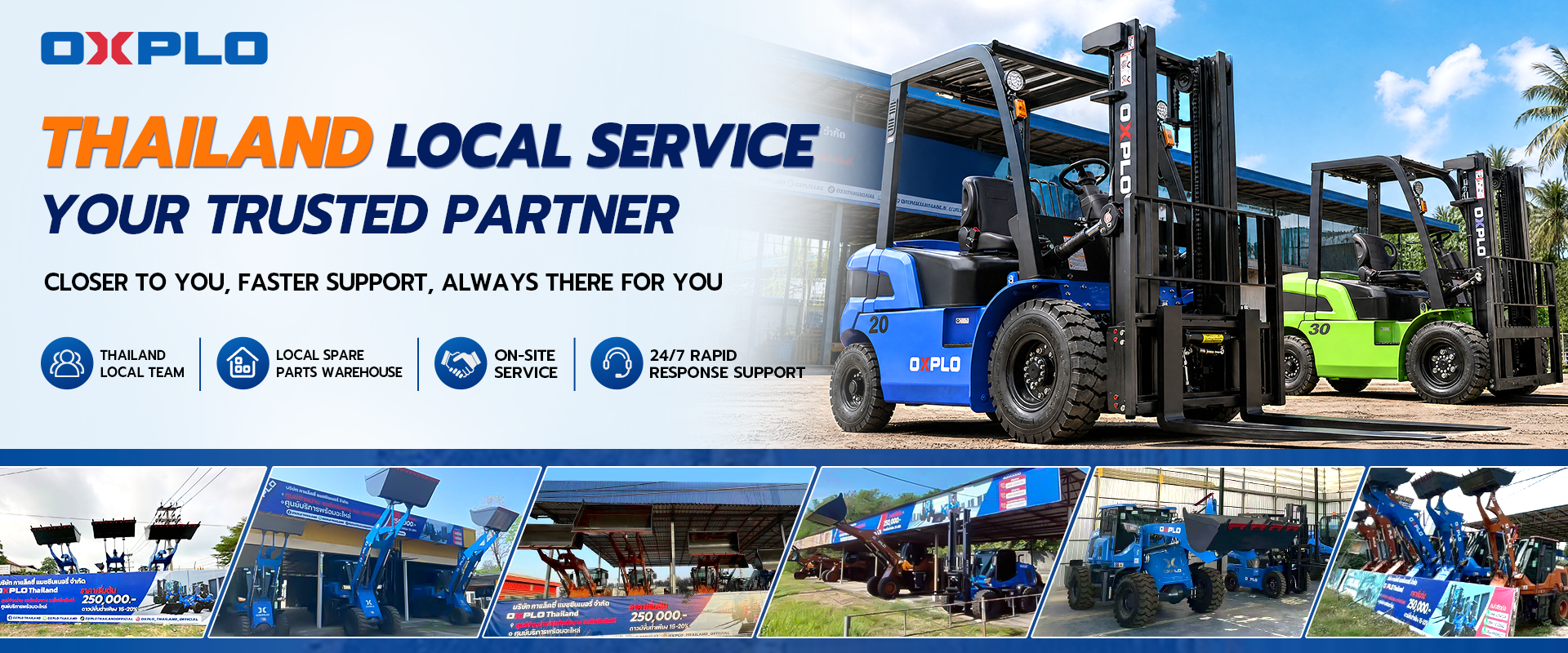
OXPLO is headquartered in Vannok District, Ayutthaya Province, Thailand, with five new branch offices in Khon Kaen, Nakhon Ratchasima, Ubon Ratchathani, Chiang Mai, and Phatthalung Provinces. The company's core competitive advantage lies in its "fast and efficient after-sales service and on-site problem-solving capabilities." OXPLO provides a comprehensive service guarantee system. Having cultivated the Thai market for many years, OXPLO not only provides excellent loaders, industrial forklifts, and off-road forklifts, but also offers one-stop service from procurement financing to after-sales support through comprehensive local support.







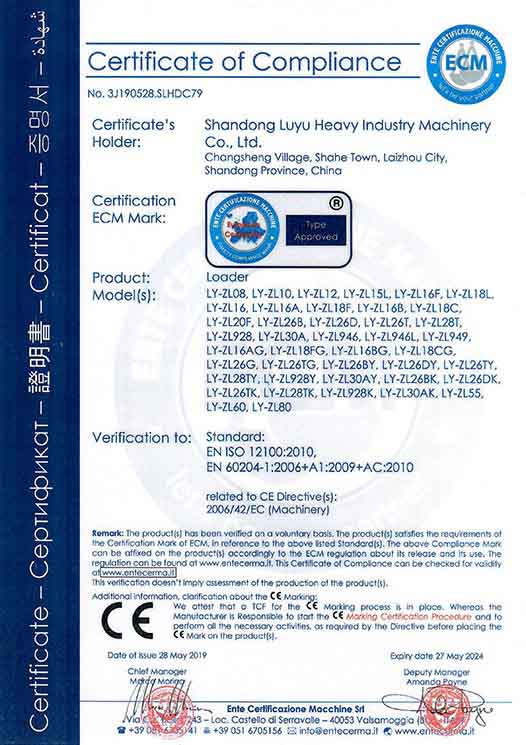
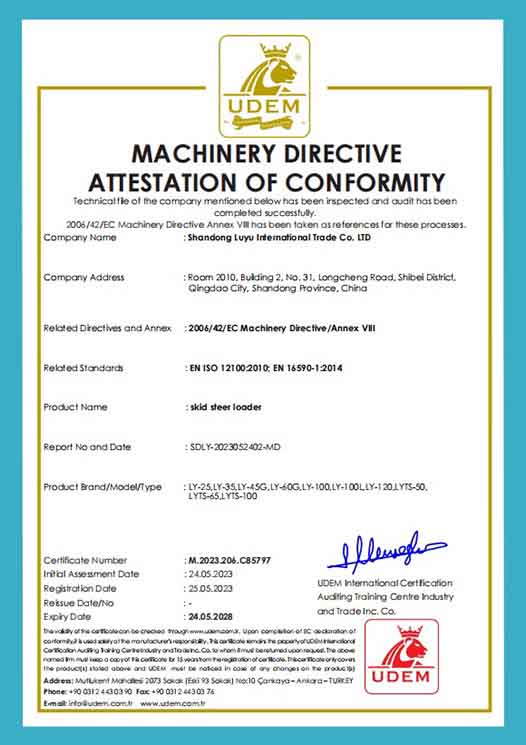
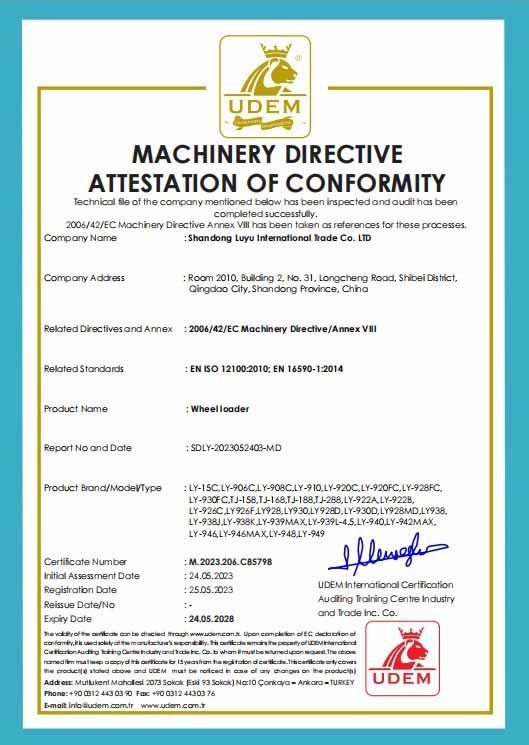
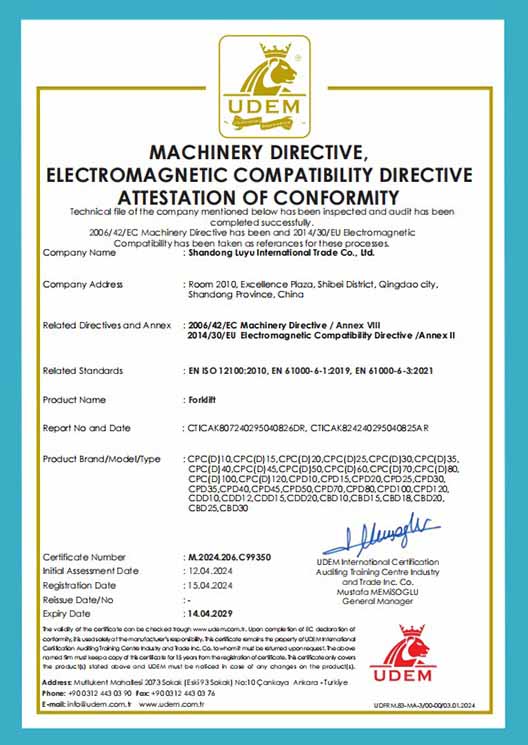
OUR CERTIFICATE
Wheel Loader FAQ
How much does a wheel loader cost?
The cost of a wheel loader varies depending on its rated load capacity, engine configuration, attachments, and optional features. Compact wheel loaders generally cost less than larger construction models. For an accurate quotation, contact OXPLO with your application requirements, preferred specifications, and destination country.
What is the fuel consumption of a wheel loader?
Fuel consumption depends on the loader size, engine power, operating conditions, and workload. Compact wheel loaders typically consume less fuel than larger models used in heavy-duty construction. Proper maintenance, efficient operating practices, and selecting the right machine size can help reduce fuel costs and improve productivity.
What is the lifting capacity of a wheel loader?
A wheel loader's lifting capacity is determined by its rated load. OXPLO offers wheel loaders with rated load capacities ranging from approximately 1.6 tons to 5 tons, making them suitable for agriculture, construction, material handling, and industrial applications. Always select a machine with sufficient capacity for your intended workload.
Can a wheel loader be used with pallet forks?
Yes. Many OXPLO wheel loaders can be equipped with pallet forks through a quick coupler system. This allows the machine to handle palletized goods, construction materials, agricultural products, and warehouse cargo, making it a versatile alternative to dedicated material handling equipment in certain applications.
How often should a wheel loader be serviced?
Regular maintenance is essential for maximizing machine performance and lifespan. Daily inspections should include checking engine oil, hydraulic fluid, coolant levels, and tire condition. Scheduled maintenance intervals vary by model and operating hours, but following the manufacturer's maintenance guidelines can help prevent unexpected downtime and costly repairs.
What is the difference between a wheel loader and a skid steer loader?
The primary difference is size, lifting capability, and maneuverability. Wheel loaders generally offer higher lifting capacities, larger buckets, and better performance for moving bulk materials over longer distances. Skid steer loaders are more compact and excel in confined spaces where tight turning and versatility are required. The best choice depends on your job site conditions and application needs.
What engine brands are available on OXPLO wheel loaders?
OXPLO wheel loaders are available with different engine configurations depending on the model and market requirements. Engine options may include reliable diesel engines designed to deliver strong performance, fuel efficiency, and easy maintenance. Please contact our sales team for specific engine options available in your region.
Do you provide operator training and technical support?
Yes. OXPLO provides after-sales support and technical assistance to help customers operate and maintain their equipment efficiently. Our team can offer guidance on machine operation, routine maintenance, troubleshooting, and spare parts support to ensure long-term reliability and productivity.