



Choosing a wheeled loader for overseas construction projects is rarely just a matter of selecting the largest machine with the highest horsepower.
In real working conditions, equipment performance is affected by many variables: terrain conditions, material density, working cycles, transportation limitations, climate, operator experience, maintenance capability, and even local spare parts availability.
Many purchasing mistakes happen because buyers focus on the machine specification sheet but ignore the actual operating environment.
A loader with a larger engine does not always mean higher productivity.
A cheaper machine does not always mean lower operating costs.
And a machine that performs well in one country may become inefficient when transferred to another market with completely different working conditions.
This is why professional equipment buyers need a systematic approach to wheeled loader selection.
The correct question is not:
*"Which loader has the highest configuration?"
The correct question is:
"Which loader configuration creates the lowest total operating cost under my actual working conditions?"
1. Why Wheeled Loader Selection Has Become More Difficult in Global Construction Markets
The global construction industry is becoming increasingly diversified.
A contractor in Southeast Asia may use a loader for:
* quarry material handling
* agricultural land preparation
* road construction
* sand and gravel loading
* waste management
* port logistics
* industrial material transfer
Although these applications all use wheel loaders, the operating requirements are completely different.
For example:
A loader working in a limestone quarry faces:
* high-impact loading cycles
* abrasive materials
* continuous operation
* higher hydraulic demand
A loader working on a plantation may require:
* compact dimensions
* better maneuverability
* lower ground pressure
* easier transportation between sites
A machine designed for heavy quarry operations may actually become inefficient in agricultural applications because of unnecessary fuel consumption and higher maintenance costs.
This is the first common mistake:
Selecting equipment based on specifications instead of working conditions.
2. The Hidden Complexity Behind Wheeled Loader Performance
Many buyers compare only visible parameters:
* engine power
* bucket capacity
* operating weight
* lifting capacity
However, actual productivity depends on the interaction between several systems.
A wheeled loader is not simply an engine with a bucket.
It is a complete working system consisting of:
* powertrain
* hydraulic system
* working attachment
* frame structure
* axle system
* control system
* cooling system
The efficiency of the whole machine depends on whether these systems are matched correctly.
2.1 Engine Power Is Important, But Not The Only Factor
A common misconception is:
"More horsepower means more working capability."
This is not always true.
For example:
A 120 HP loader may outperform a 150 HP loader in certain applications if it has:
* better hydraulic efficiency
* optimized transmission matching
* faster cycle time
* lower fuel consumption
In daily operations, productivity is determined by the complete working cycle:
Loading → Lifting → Traveling → Dumping → Returning
If each cycle takes 35 seconds instead of 45 seconds, the difference becomes significant after hundreds of cycles per day.
Assume:
* 8 working hours/day
* 50 cycles/hour
A 10-second cycle improvement can create hundreds of additional loading cycles every day.
The key parameter is not maximum power.
It is productive power utilization.
3. Common Wheeled Loader Selection Mistakes That Increase Long-Term Costs
Mistake 1: Choosing Bucket Size Without Considering Material Density
Bucket capacity is one of the most misunderstood specifications.
Many buyers believe:
"Larger bucket = higher productivity."
But this ignores material density.
Different materials have different weights:
A bucket that works well for light materials may overload the machine when handling heavy materials.
Overloading creates:
* faster tire wear
* higher fuel consumption
* hydraulic system stress
* shorter component life
Professional selection requires matching:
Bucket Capacity + Rated Load + Material Density
rather than choosing the biggest bucket available.
Mistake 2: Ignoring Terrain Conditions
Construction environments are rarely flat and clean.
Many projects involve:
* muddy roads
* uneven ground
* slopes
* narrow working spaces
* soft soil conditions
A heavy loader may provide excellent stability on hard surfaces.
However, in soft terrain, excessive weight can reduce mobility and increase fuel consumption.
For narrow construction areas, a compact wheeled loader often provides better efficiency because:
* turning radius is smaller
* transportation is easier
* operators can work faster in limited spaces
The correct choice depends on the environment.
Mistake 3: Buying Advanced Configuration That Local Conditions Cannot Support
This is one of the biggest problems in international equipment purchasing.
A machine may have advanced technology, but if:
* local technicians cannot diagnose problems
* spare parts take months to arrive
* operators are unfamiliar with the system
then the theoretical advantages disappear.
Equipment selection must consider:
Machine capability + local service capability
A slightly simpler machine with reliable support can sometimes create higher availability.
Experienced equipment buyers usually follow a structured evaluation process.
Step 1: Define The Actual Working Scenario
Before requesting quotations, collect:
Material Information
* What materials are handled?
* Average density?
* Loading distance?
* Required bucket type?
Working Environment
* Flat or mountainous?
* Soil condition?
* Climate?
* Working hours per day?
Production Requirement
* Tons per hour?
* Number of trucks loaded per day?
* Required operating cycle?
Without these answers, equipment comparison is meaningless.
Step 2: Match Machine Size With Productivity Requirements
A practical calculation:
Required Productivity = Bucket Capacity×Material Density×Cycle Frequency×Working Efficiency
For example:
A machine with:
* 2.5 m³ bucket
* 1.7 t/m³ material density
* 45-second cycle time
can theoretically move:
approximately 170-190 tons/hour depending on operating efficiency.
But if the loader is oversized and spends more time maneuvering, actual productivity may decrease.
Step 3: Evaluate Total Cost of Ownership (TCO)
Professional buyers do not only calculate purchase price.
They evaluate:
TCO = Purchase Cost + Fuel Cost + Maintenance Cost + Downtime Cost
For construction equipment, downtime is often the hidden expense.
A machine that saves $10,000 during purchase but causes frequent downtime may cost much more after three years.
Important evaluation factors include:
Fuel Consumption
Fuel is usually one of the largest operating expenses.
Small improvements in fuel efficiency create significant savings over thousands of operating hours.
Maintenance Accessibility
Check:
* filter replacement access
* lubrication points
* hydraulic inspection convenience
* service intervals
A machine that is easy to maintain reduces labor costs.
5. How Professional Buyers Balance Different Trade-Offs
There is no universal "perfect" wheeled loader.
The correct choice depends on priorities.
Scenario A: Quarry and Heavy Material Handling
Recommended focus:
* stronger structure
* higher breakout force
* reinforced bucket
* durable tires
Trade-off:
Higher investment and operating cost are acceptable because productivity is the priority.
Scenario B: Small Construction Projects
Recommended focus:
* compact dimensions
* flexible operation
* lower fuel consumption
* easy transportation
Trade-off:
Maximum lifting capacity is less important than versatility.
Scenario C: Agricultural and Mixed Applications
Recommended focus:
* reliability
* simple maintenance
* attachment compatibility
Trade-off:
A balanced machine usually performs better than an extremely specialized machine.
6. What International Buyers Should Check Before Purchasing a Wheeled Loader
Before signing a purchase agreement, evaluate:
Technical Documents
Confirm:
* engine specification
* hydraulic system parameters
* rated operating load
* bucket options
* attachment compatibility
Supplier Capability
Check whether the supplier can provide:
* technical documentation
* spare parts support
* operation guidance
* after-sales communication
Market Adaptability
Consider:
* local fuel quality
* climate conditions
* operator skill level
* transportation requirements
A successful equipment purchase is not only about receiving a machine.
It is about ensuring the machine can continuously create value after delivery.
7. How OXPLO Approaches Wheeled Loader Selection for Global Markets
For international customers, equipment selection cannot follow a single standard.
Different markets have different requirements.
At OXPLO, the focus is not only providing a machine specification list, but understanding the actual application environment before recommending a configuration.
For example:
* compact wheeled loaders for limited-space operations
* different bucket configurations for various materials
* suitable power options according to working intensity
* practical solutions for maintenance and daily operation
The goal is to help customers avoid choosing equipment that looks attractive on paper but performs poorly in real working conditions.
Because in construction, the real value of a wheeled loader is not measured by the purchase invoice.
It is measured by:
* how many hours it works reliably
* how much material it moves
* how much operating cost it saves
* how quickly it returns investment
Conclusion: The Right Wheeled Loader Is The One That Fits Your Operating Reality
Selecting a wheeled loader for complex construction environments requires more than comparing horsepower and bucket capacity.
The most important factors are:
* working conditions
* material characteristics
* productivity requirements
* maintenance capability
* total ownership cost
The wrong choice creates hidden costs through fuel consumption, downtime, and inefficient operation.
The right choice creates long-term productivity.
Before purchasing your next wheeled loader, analyze the complete working system first.
A professional equipment decision starts not with the machine catalog.
It starts with understanding the job.
Need help selecting a suitable wheeled loader configuration for your construction application? Contact OXPLO for practical equipment recommendations based on your working environment, material requirements, and operating conditions.
Customer Distribution
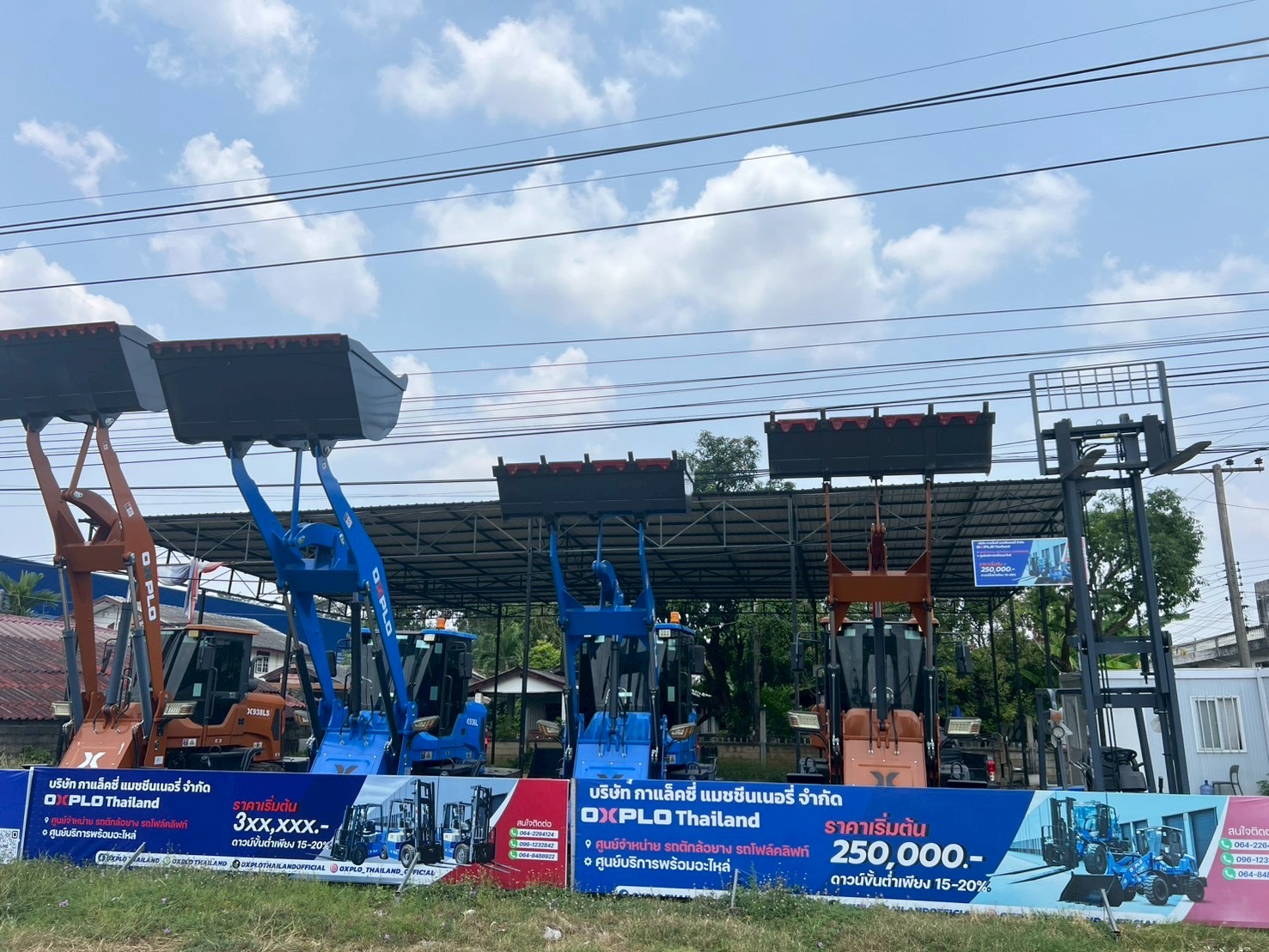
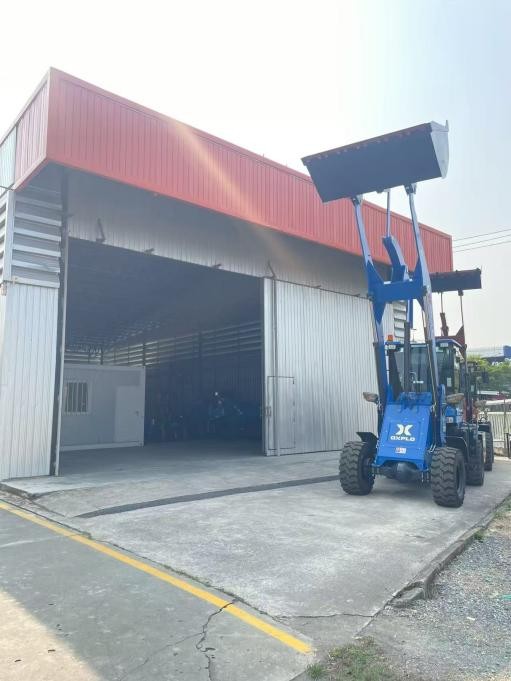
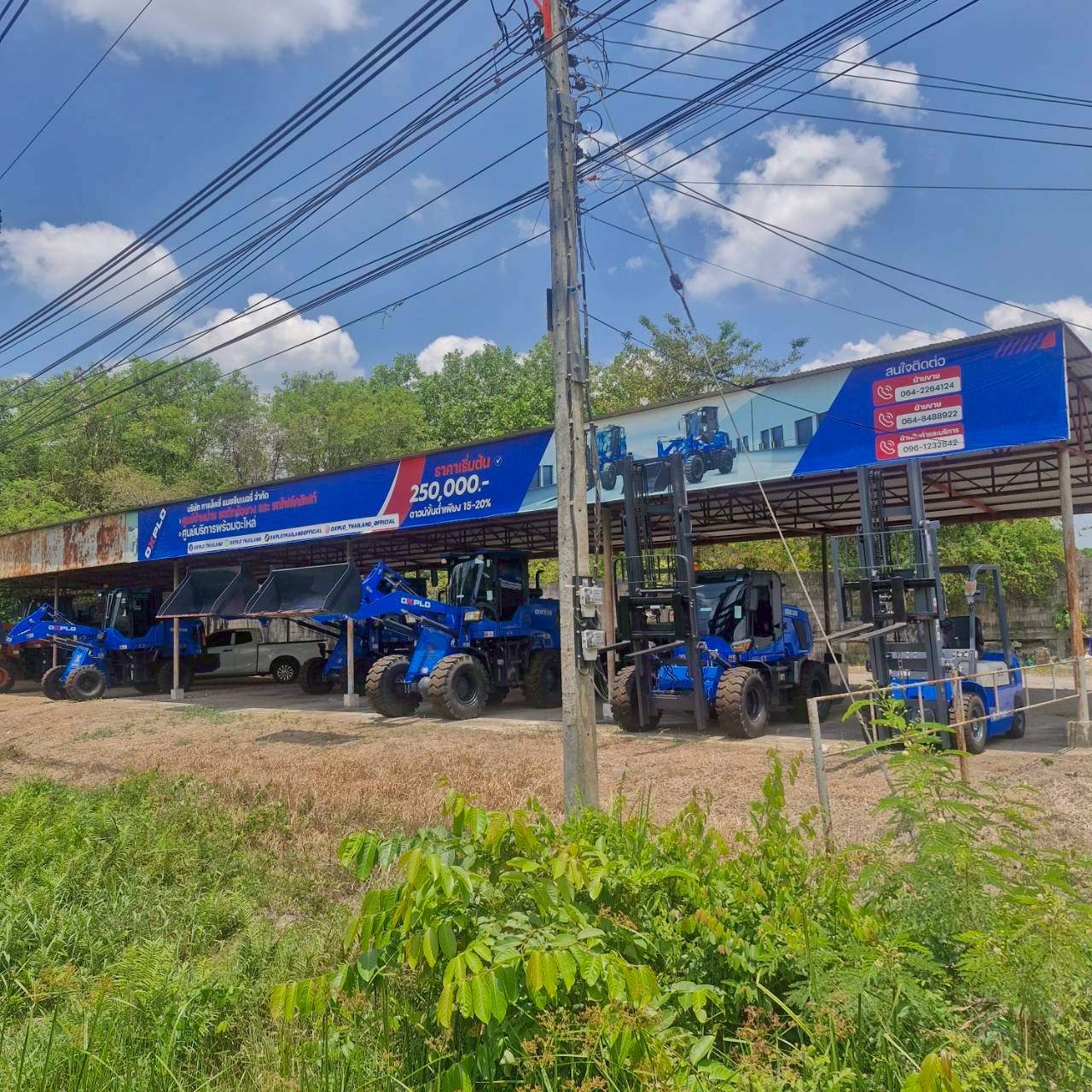
 Thailand-Ayutthaya
 Thailand-Khon Kaen
 Thailand-Nakhon Ratchasima
 Thailand-Ubon Ratchathani
 Thailand-Chiang Mai
 Thailand-Phthalum
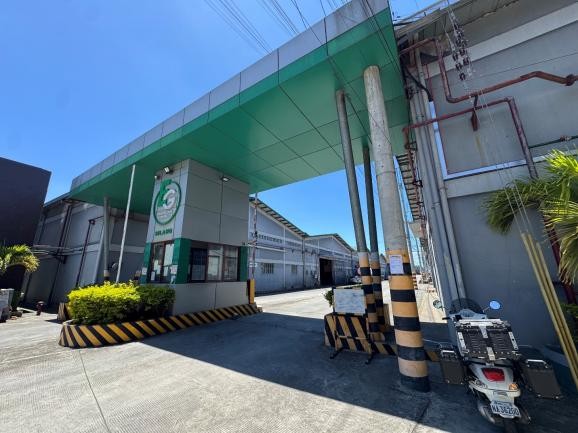
, MAGUYAM ROAD, BRGY. MAGUYAM, SILANG, CAVITE") Philippines-ELITE GLOBUS WAREHOUSE(NO. 43 - OXPOWER MACHINERY INC.), MAGUYAM ROAD, BRGY. MAGUYAM, SILANG, CAVITE
Philippines-ELITE GLOBUS WAREHOUSE(NO. 43 - OXPOWER MACHINERY INC.), MAGUYAM ROAD, BRGY. MAGUYAM, SILANG, CAVITE
OUR OPERATiONS
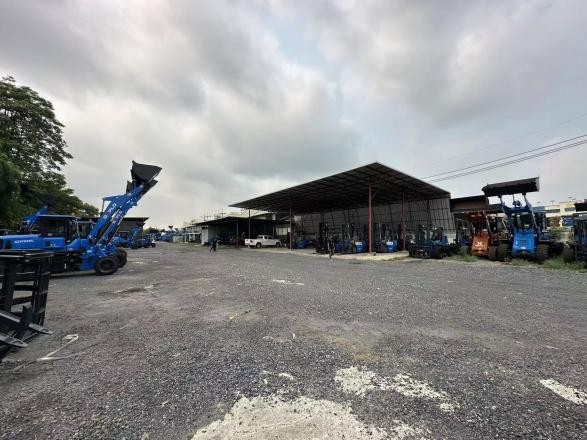
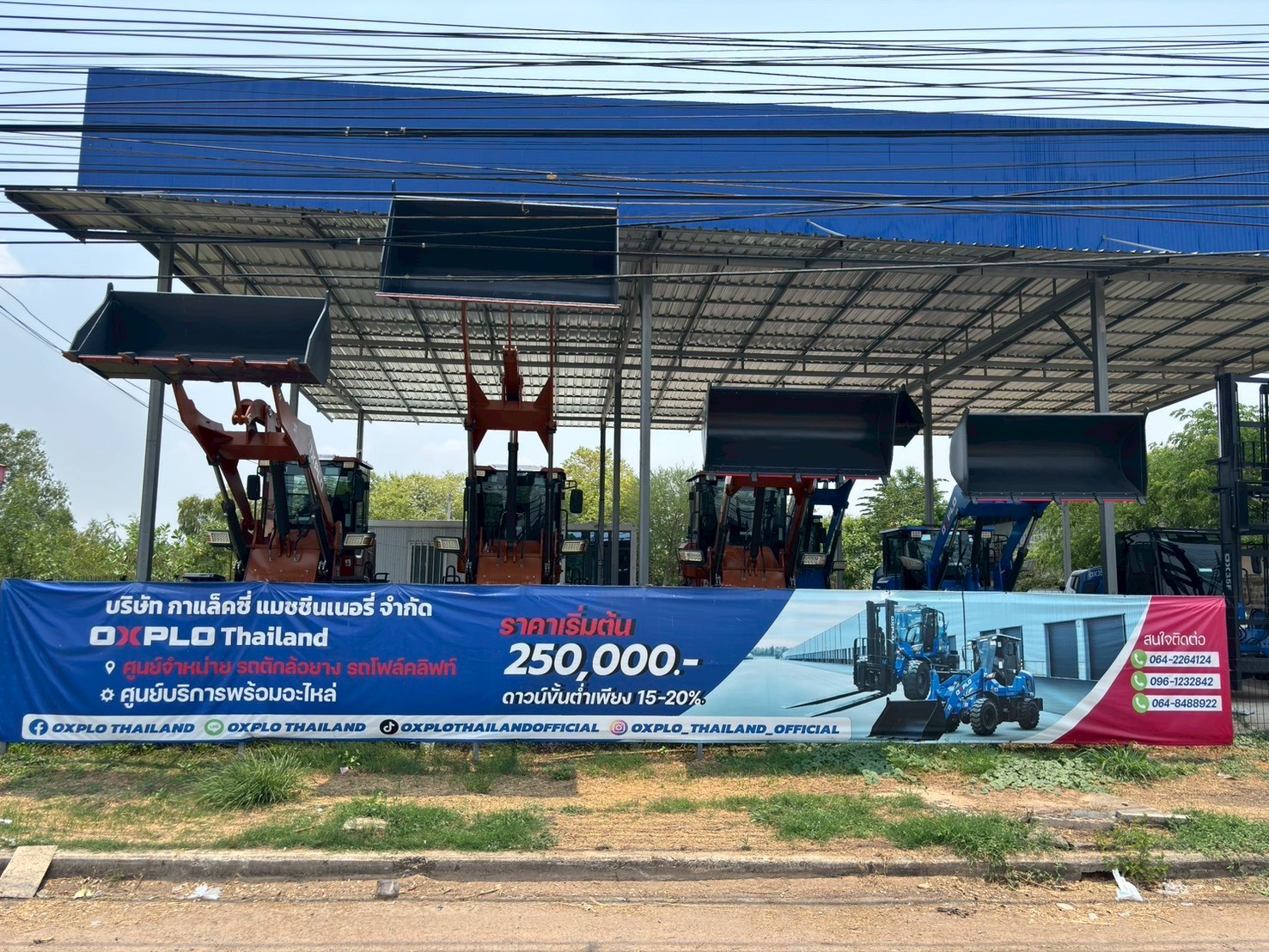
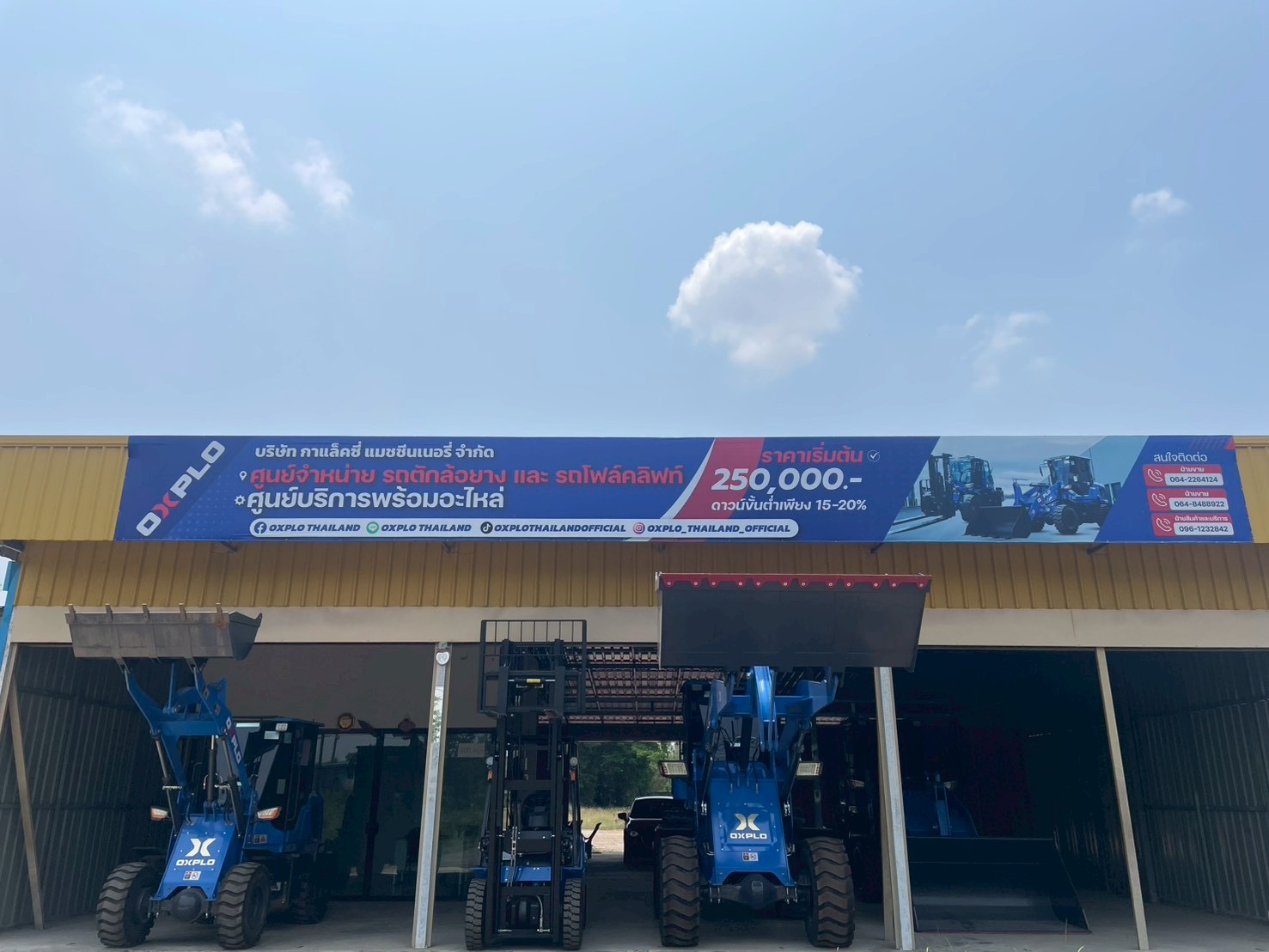
Our regional headquarters are located in Thailand, with independent operations company and service team in the Philippines. This multi-market presence enables us to provide customers throughout Southeast Asia with efficient communication, faster response times, and reliable local support.


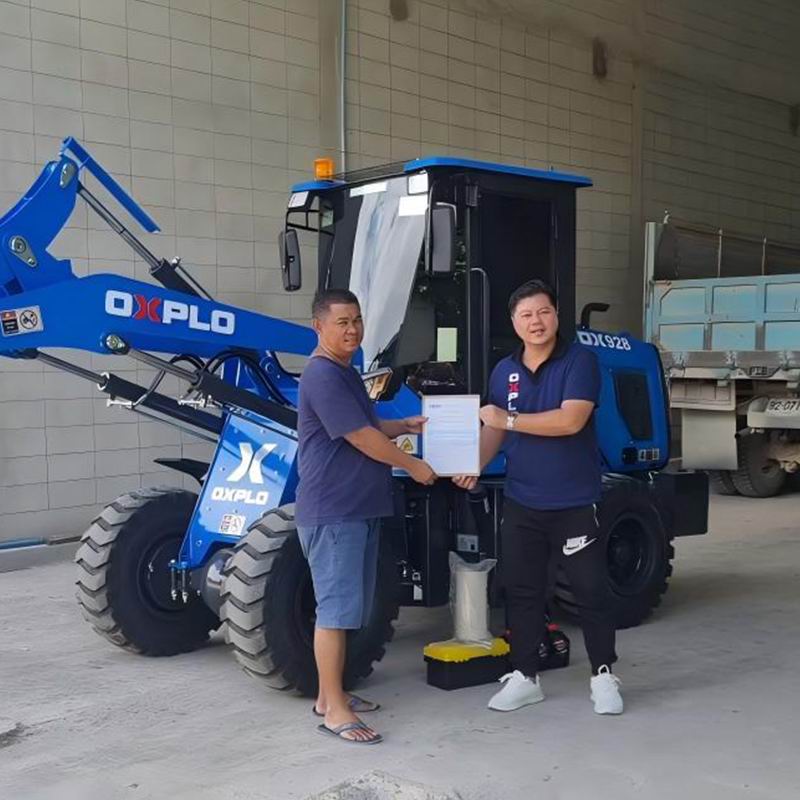
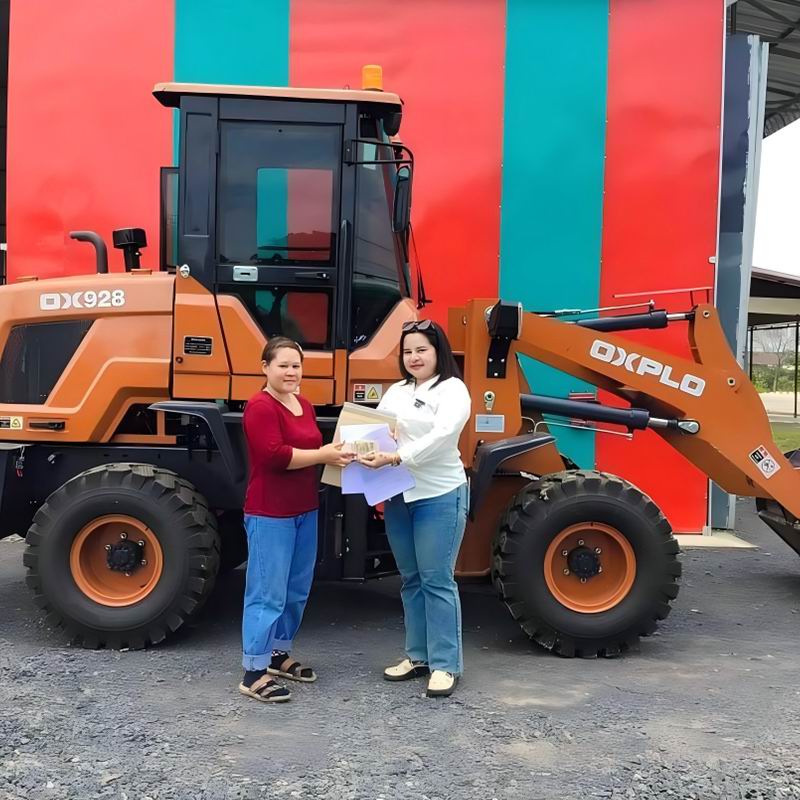
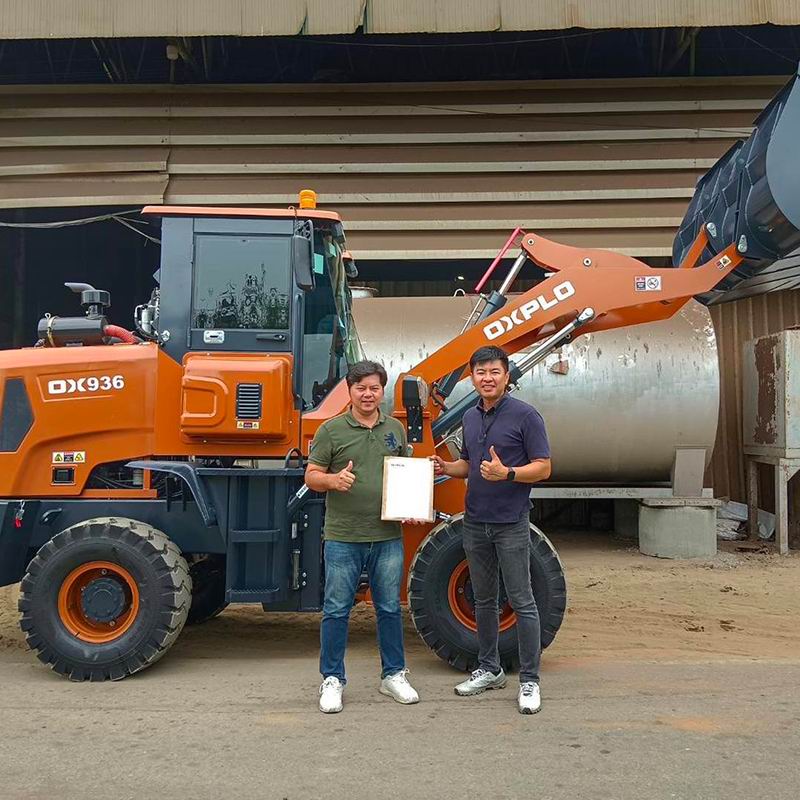
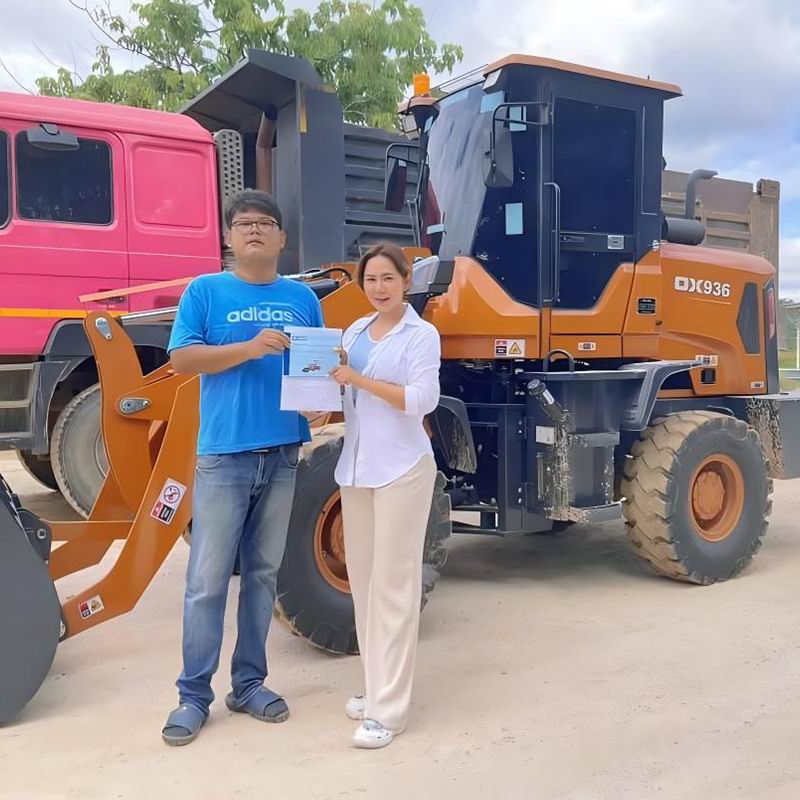
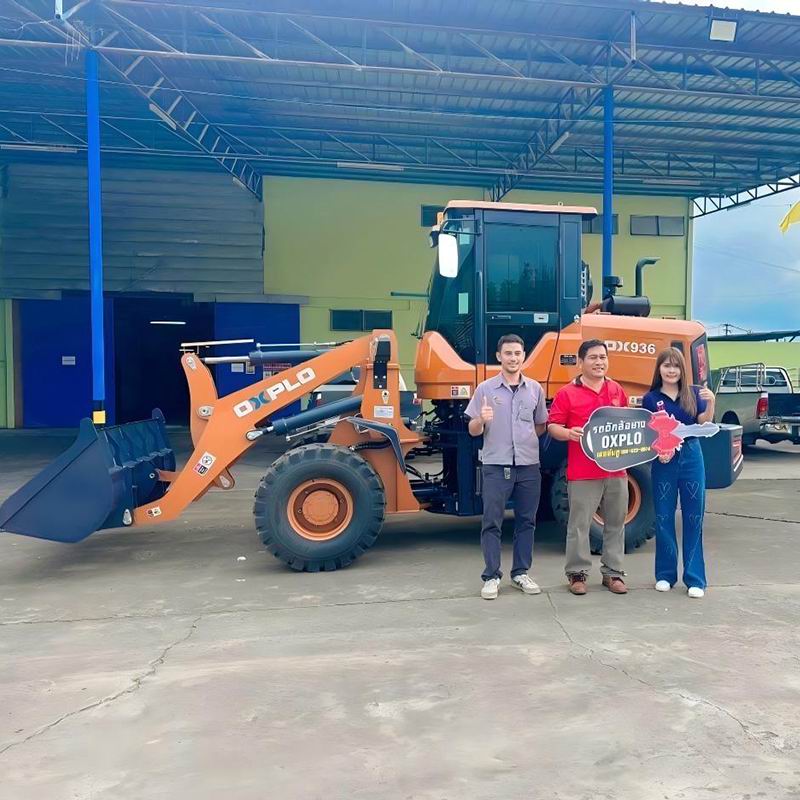
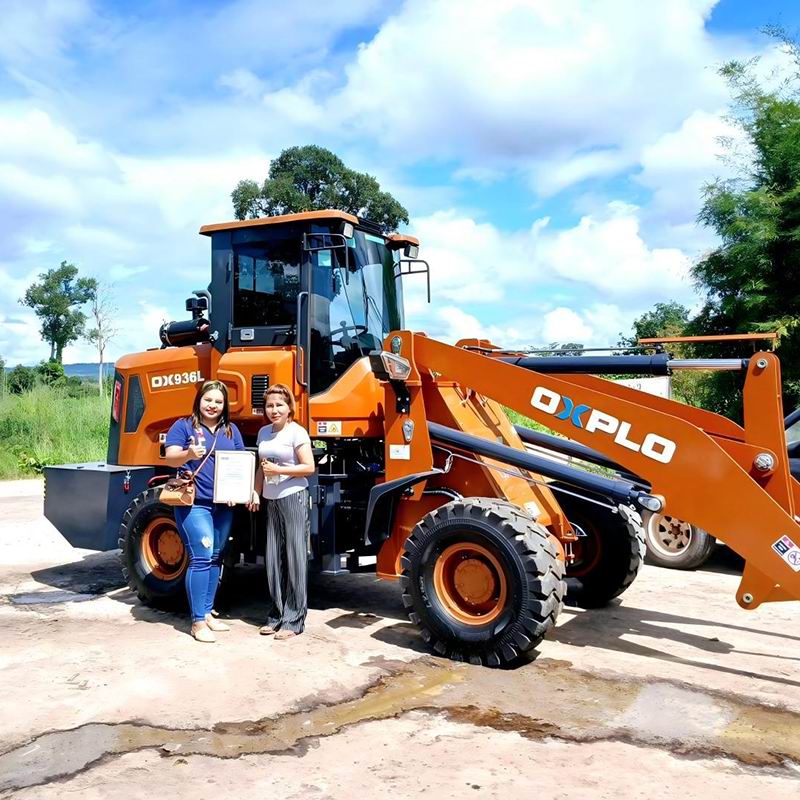
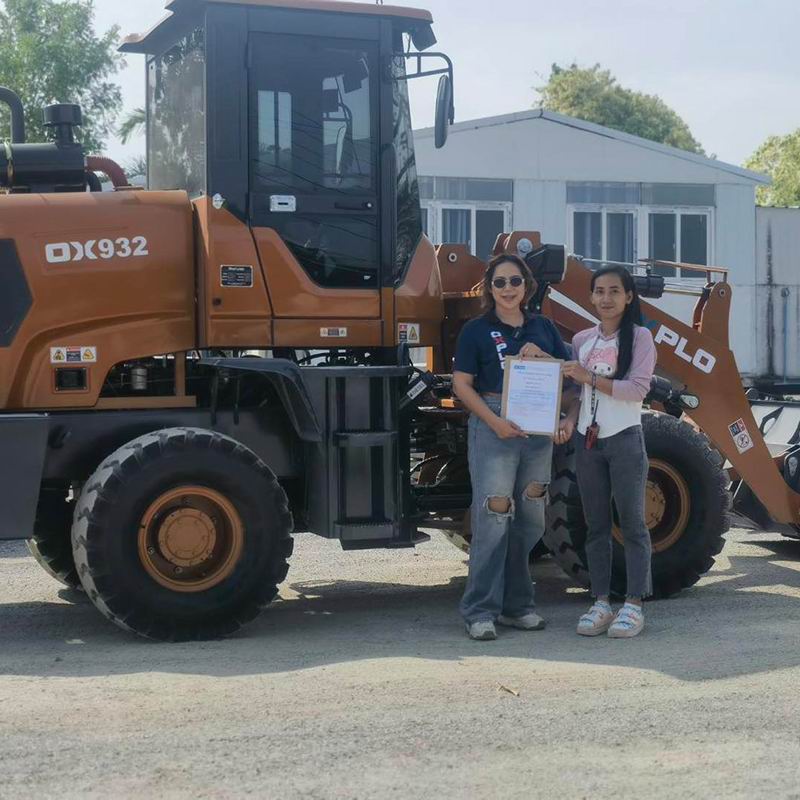
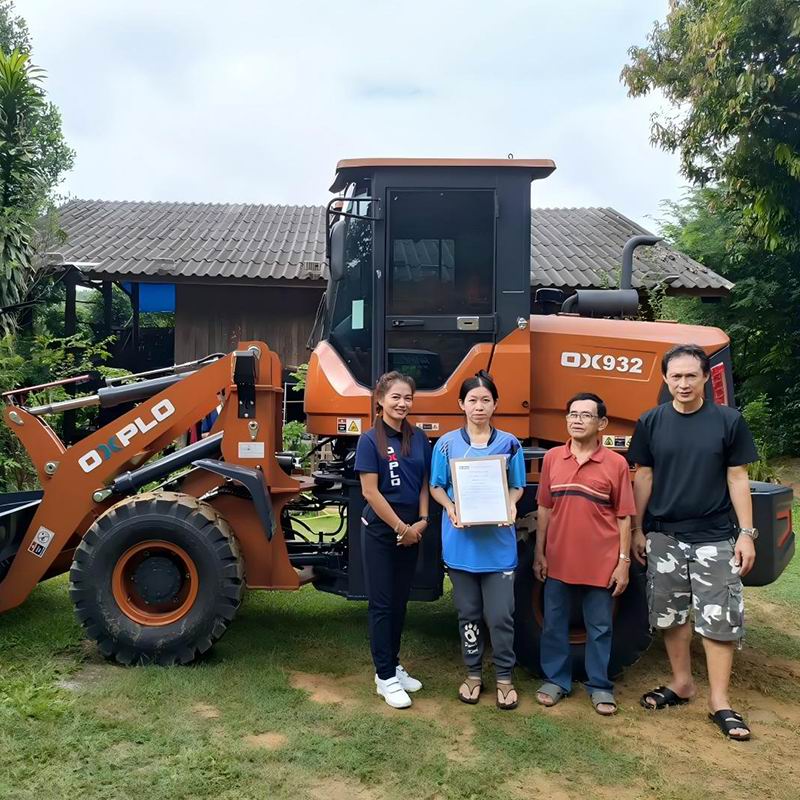
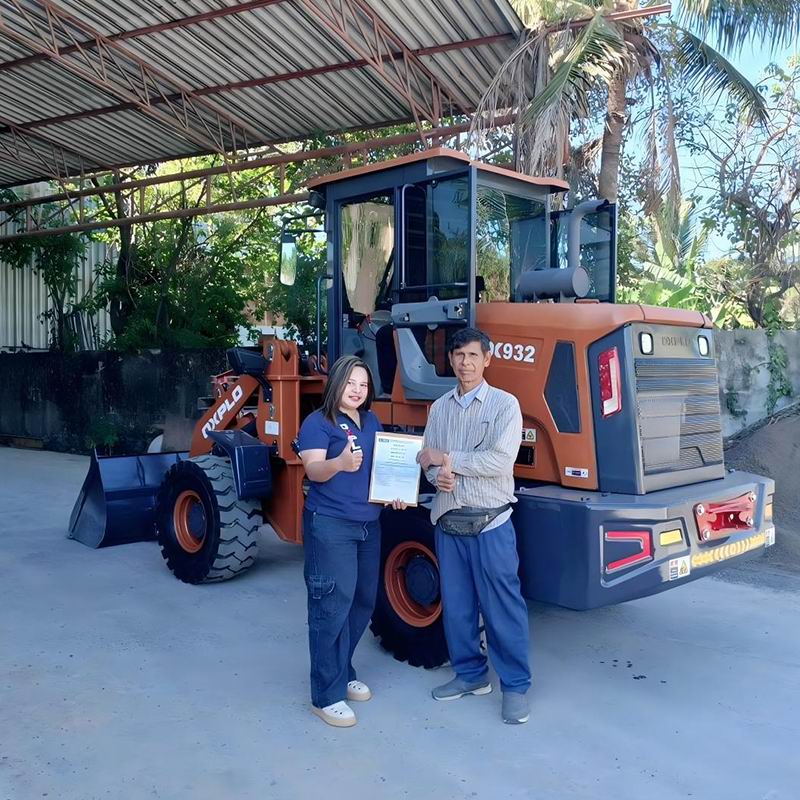
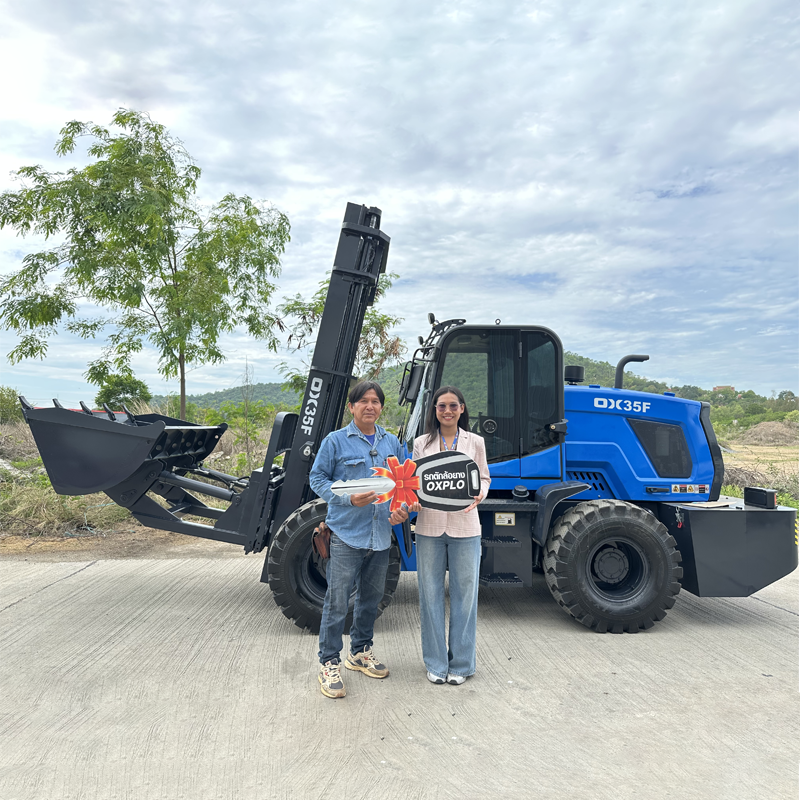
customer case
Wheel Loader Attachments
OXPLO provides a variety of spare parts support.
OXPLO's advantages
Let us introduce our products & factory to you
What makes us different
Why Choose Us
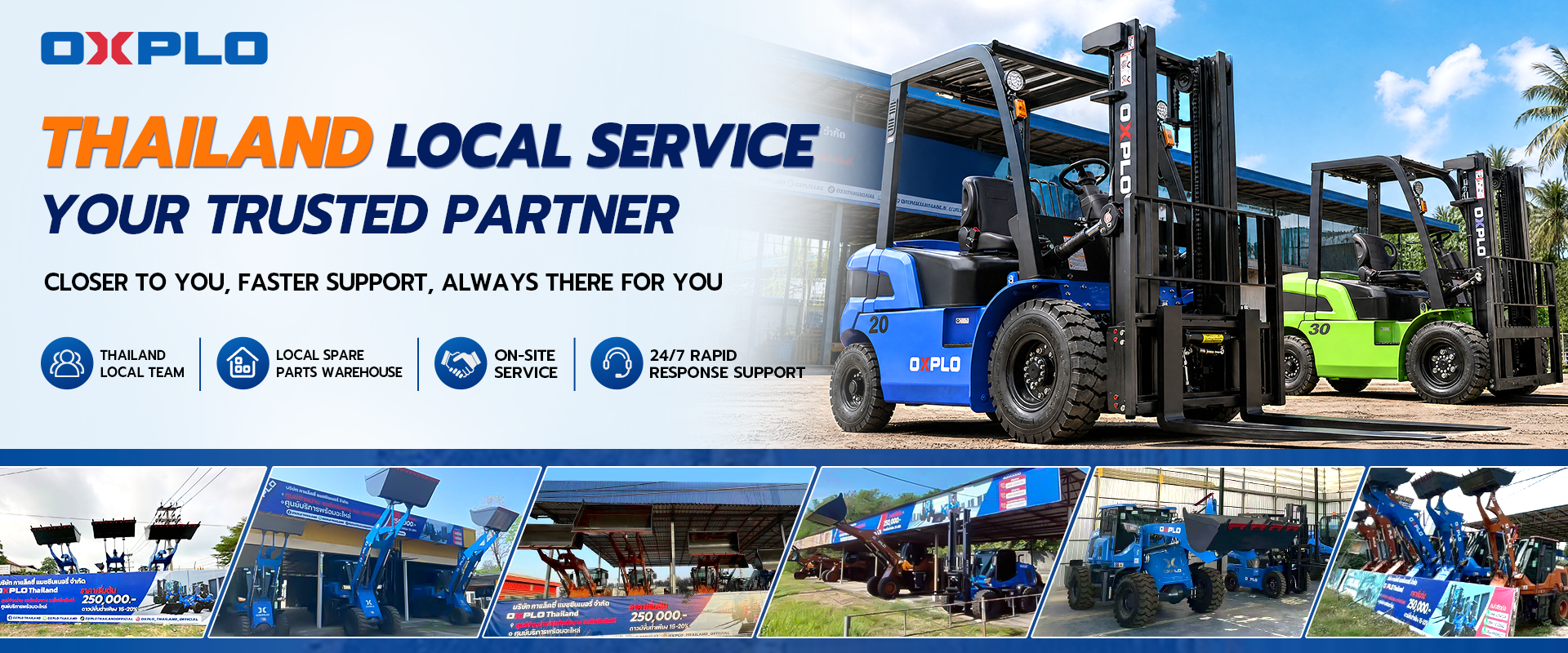
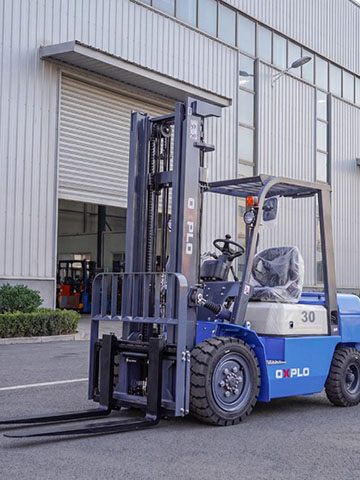
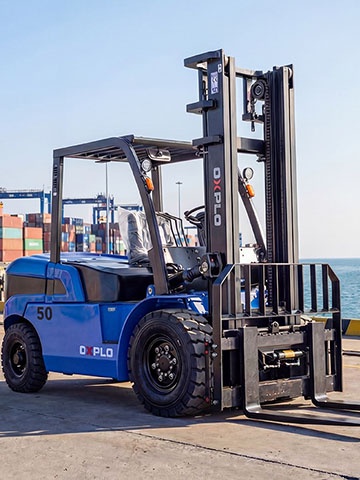
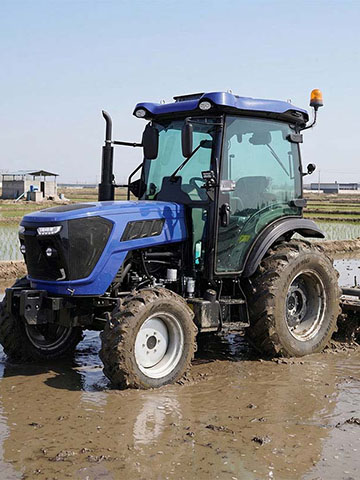
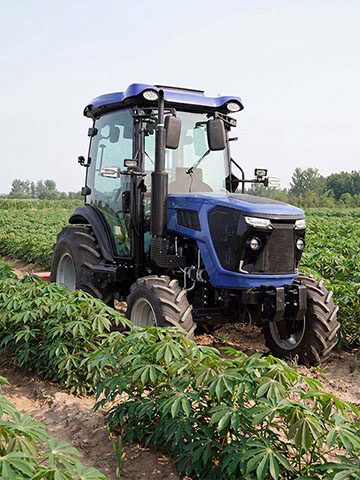
OXPLO specializes in the supply of forklifts, wheel loaders and tractors, providing reliable machinery solutions for material handling, construction and agricultural industries
Thailand Headquarters & SEAN Regional Operations
Headquartered in Thailand, with established firms and local service teams in the Philippines.
Reliable After-Sales & Spare Parts Support
We offer full after-sales care, including maintenance support and spare parts supply.
Factory Direct Supply
Direct factory operation ensures superior quality and a stable supply.
Quick Response & Service
Our local SEAN teams deliver rapid response, on-site service and expert technical help.
High-Performance Equipment
Built for tough jobs, our gear delivers robust power, steady performance and efficiency.
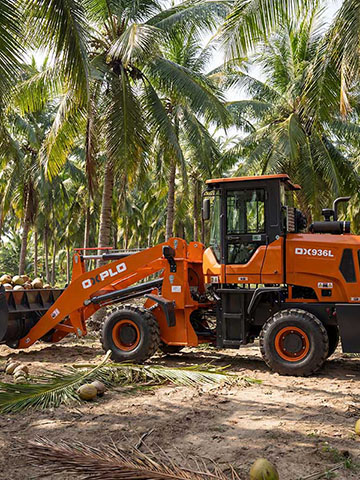
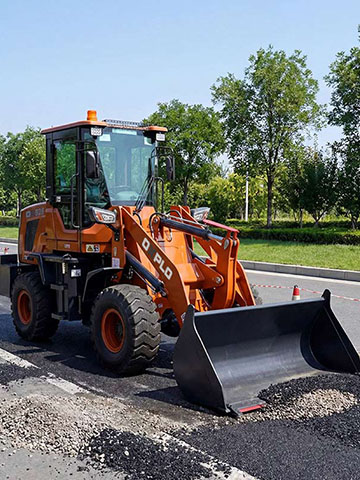
Application Scenarios
Our products are widely used in various fields such as warehousing,
construction, municipal roads, agriculture
about OXPLO
OXPLO is headquartered in Vannok District, Ayutthaya Province, Thailand, with five new branch offices in Khon Kaen, Nakhon Ratchasima, Ubon Ratchathani, Chiang Mai, and Phatthalung Provinces. The company's core competitive advantage lies in its "fast and efficient after-sales service and on-site problem-solving capabilities." OXPLO provides a comprehensive service guarantee system. Having cultivated the Thai market for many years, OXPLO not only provides excellent loaders, industrial forklifts, and off-road forklifts, but also offers one-stop service from procurement financing to after-sales support through comprehensive local support.







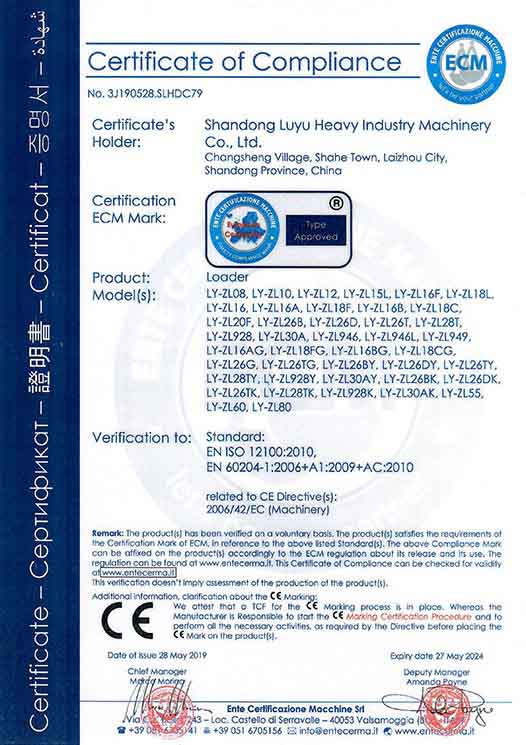
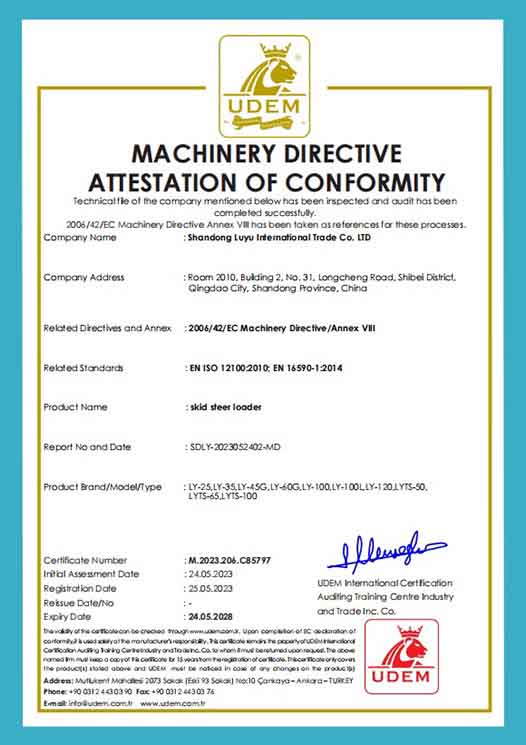
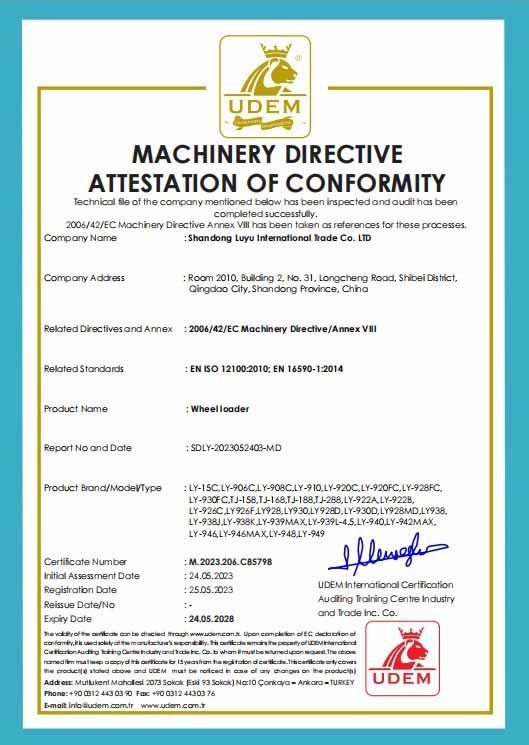
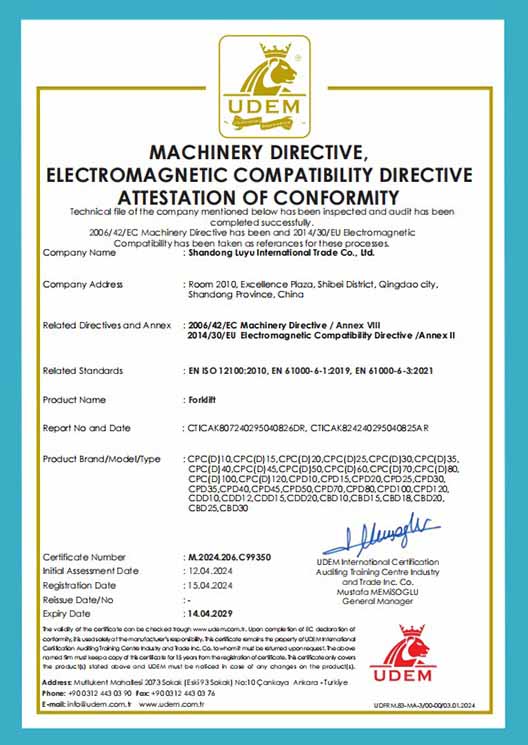
OUR CERTIFICATE
Wheel Loader FAQ
How much does a wheel loader cost?
The cost of a wheel loader varies depending on its rated load capacity, engine configuration, attachments, and optional features. Compact wheel loaders generally cost less than larger construction models. For an accurate quotation, contact OXPLO with your application requirements, preferred specifications, and destination country.
What is the fuel consumption of a wheel loader?
Fuel consumption depends on the loader size, engine power, operating conditions, and workload. Compact wheel loaders typically consume less fuel than larger models used in heavy-duty construction. Proper maintenance, efficient operating practices, and selecting the right machine size can help reduce fuel costs and improve productivity.
What is the lifting capacity of a wheel loader?
A wheel loader's lifting capacity is determined by its rated load. OXPLO offers wheel loaders with rated load capacities ranging from approximately 1.6 tons to 5 tons, making them suitable for agriculture, construction, material handling, and industrial applications. Always select a machine with sufficient capacity for your intended workload.
Can a wheel loader be used with pallet forks?
Yes. Many OXPLO wheel loaders can be equipped with pallet forks through a quick coupler system. This allows the machine to handle palletized goods, construction materials, agricultural products, and warehouse cargo, making it a versatile alternative to dedicated material handling equipment in certain applications.
How often should a wheel loader be serviced?
Regular maintenance is essential for maximizing machine performance and lifespan. Daily inspections should include checking engine oil, hydraulic fluid, coolant levels, and tire condition. Scheduled maintenance intervals vary by model and operating hours, but following the manufacturer's maintenance guidelines can help prevent unexpected downtime and costly repairs.
What is the difference between a wheel loader and a skid steer loader?
The primary difference is size, lifting capability, and maneuverability. Wheel loaders generally offer higher lifting capacities, larger buckets, and better performance for moving bulk materials over longer distances. Skid steer loaders are more compact and excel in confined spaces where tight turning and versatility are required. The best choice depends on your job site conditions and application needs.
What engine brands are available on OXPLO wheel loaders?
OXPLO wheel loaders are available with different engine configurations depending on the model and market requirements. Engine options may include reliable diesel engines designed to deliver strong performance, fuel efficiency, and easy maintenance. Please contact our sales team for specific engine options available in your region.
Do you provide operator training and technical support?
Yes. OXPLO provides after-sales support and technical assistance to help customers operate and maintain their equipment efficiently. Our team can offer guidance on machine operation, routine maintenance, troubleshooting, and spare parts support to ensure long-term reliability and productivity.