



But the real question is: which one is right for your operation?
Stop guessing. We will walk through both options, furthermore, we will show you the key selection factors. Your next step should be much clearer after reading.
1. Counterbalance Forklifts: Built for Versatile Material Handling
Counterbalance forklifts have a heavy weight in the back to offset the load on the forks. It gives you stability to lift and move serious weight.
You’ve got diesel, LPG, and electric options for counterbalance forklifts. Either way, they take on heavy loads and tough environments like pros.
2. Reach Trucks: Designed for Narrow Aisles and High Racking
Reach trucks are built for indoor warehouse work. Their mast or forks extend forward to access pallets, then retract. So, they need less room when working close to racking.
Reach trucks feature a tight turning radius and serious lift height. If your aisles are narrow and your racks are tall, this is your machine.
3. Counterbalance Forklift vs. Reach Truck: Key Differences at a Glance
4. Where Each Forklift Works Best
In real operations, the working environment often shows the difference more clearly than a single specification.
Best Applications for Counterbalance Forklifts
· Indoor and outdoor work
· Truck loading and unloading
· Loading areas, factories, and warehouses
· Logistics and distribution
· Ports and yard storage
Take Chonburi and Rayong — strong in manufacturing, logistics, and maritime. Here, counterbalance forklifts handle truck loading and moving pallets between warehouses and loading bays.
Best Applications for Reach Trucks
· Indoor use
· High-level racking
· Narrow-aisle warehouses
· High-density storage
· Pallet handling in fixed racking systems
Around Bangkok’s logistics hubs, it’s mostly indoor pallet storage: smooth floors, high racks, tight aisles. That’s where reach trucks shine.
5. How to Choose Between a Counterbalance Forklift and a Reach Truck
The right choice really depends on actual operation. Here are the main points to compare:
Load Capacity
Need to move heavier pallets? Counterbalance forklifts are usually the better choice.
Lift Height
For standard racking and loading work, counterbalance forklifts can meet most needs. For much higher racking, reach trucks have the advantage.
Aisle Width and Warehouse Space
Have enough aisle space? Counterbalance forklifts offer more flexibility. Need to improve storage density? Reach trucks are better suited to narrower aisles.
Indoor vs. Outdoor Operation
On smooth indoor floors, either type works. If the machine also needs to move through loading areas or outdoor spaces, counterbalance forklifts are more adaptable.
Power Source
Counterbalance forklifts come in diesel, LPG, and electric versions. Reach trucks mainly use electric power.
6. Which Forklift Is the Better Fit for Your Operation?
There is no absolute “best” choice between a counterbalance forklift and a reach truck. The right one depends on your working environment and operating goals.
Counterbalance forklifts suit a wider range of material handling tasks. Reach trucks are better for high-level storage where warehouse space is limited.
If your factory or warehouse in Thailand needs load capacity, flexibility, and broader material handling capability, an OXPLO counterbalance forklift can provide stable support for daily operations.
Contact the OXPLO team to explore available models and configurations for your application.
Customer Distribution
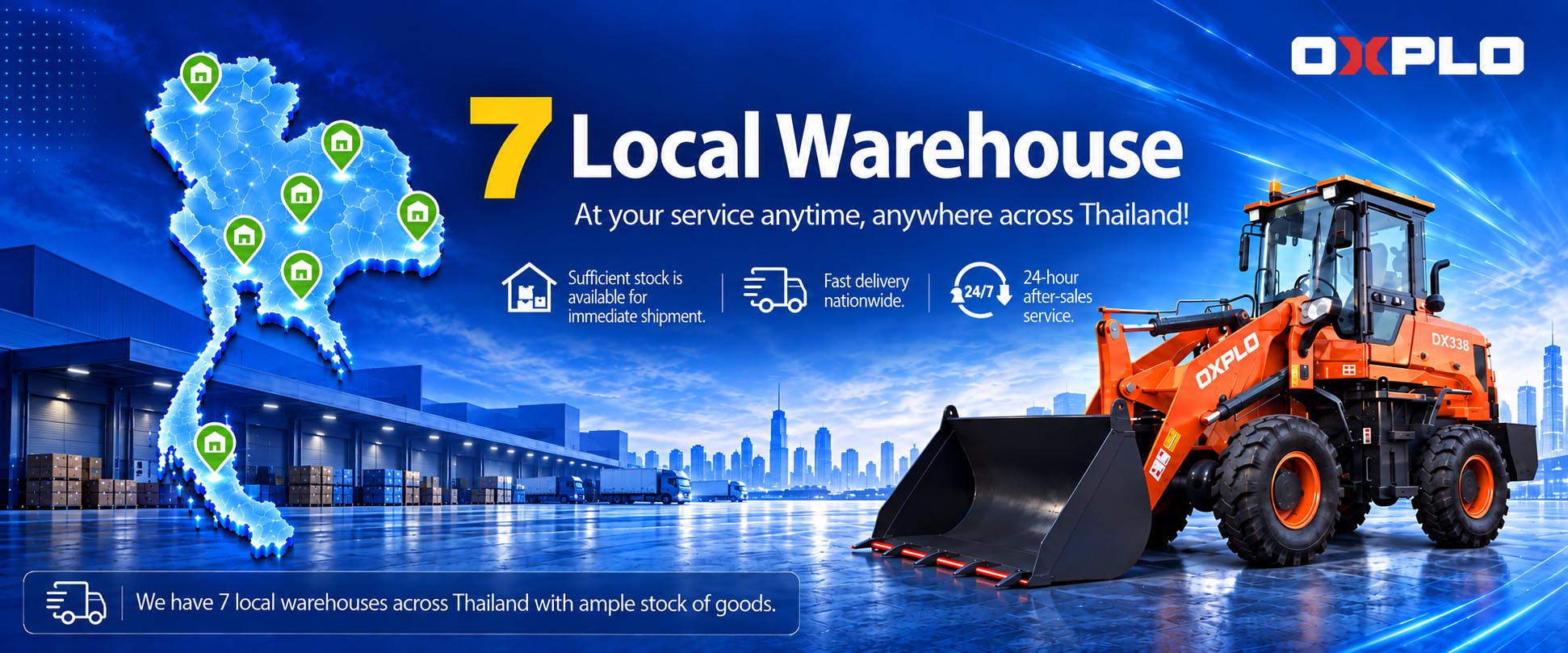
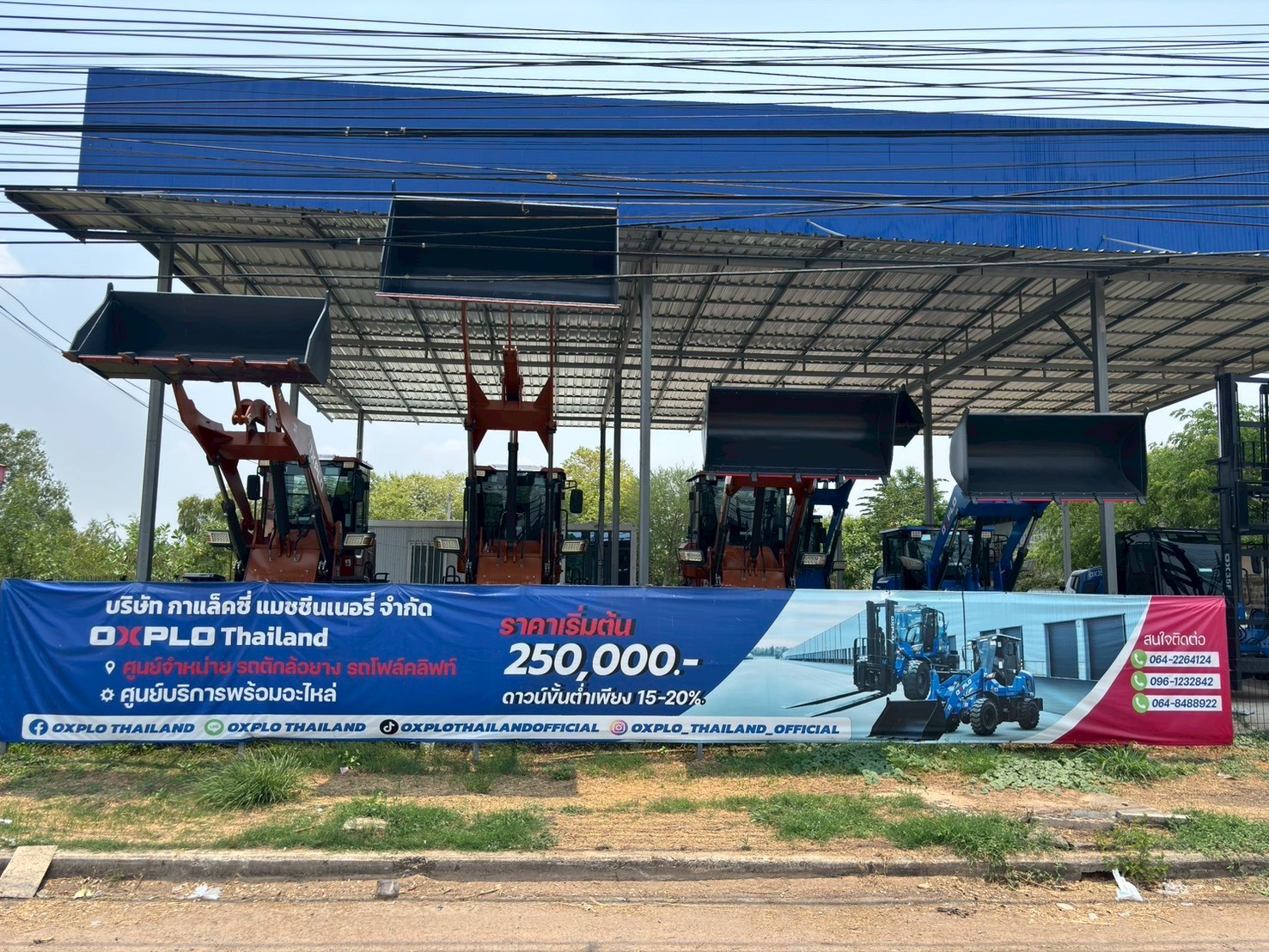
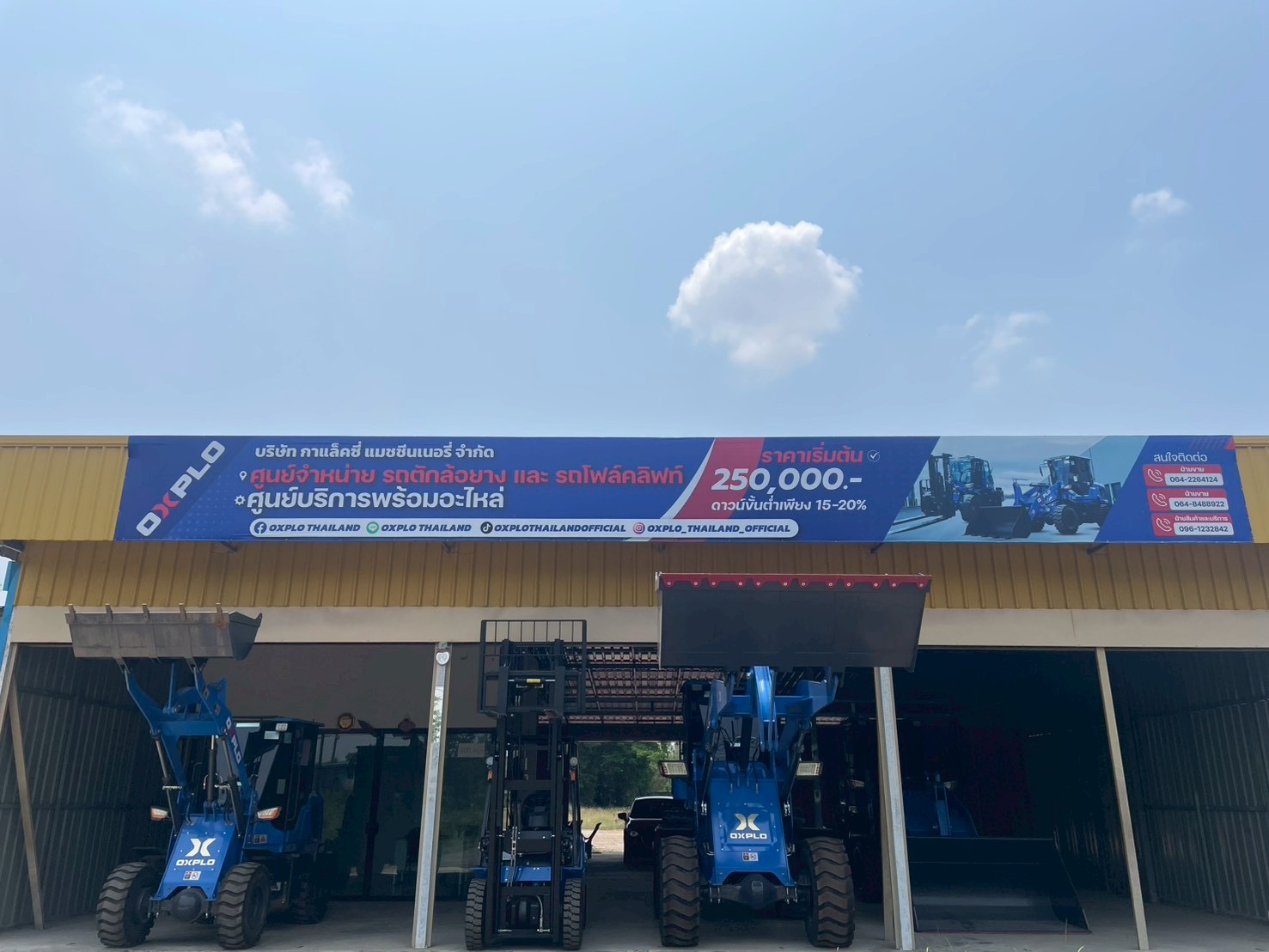
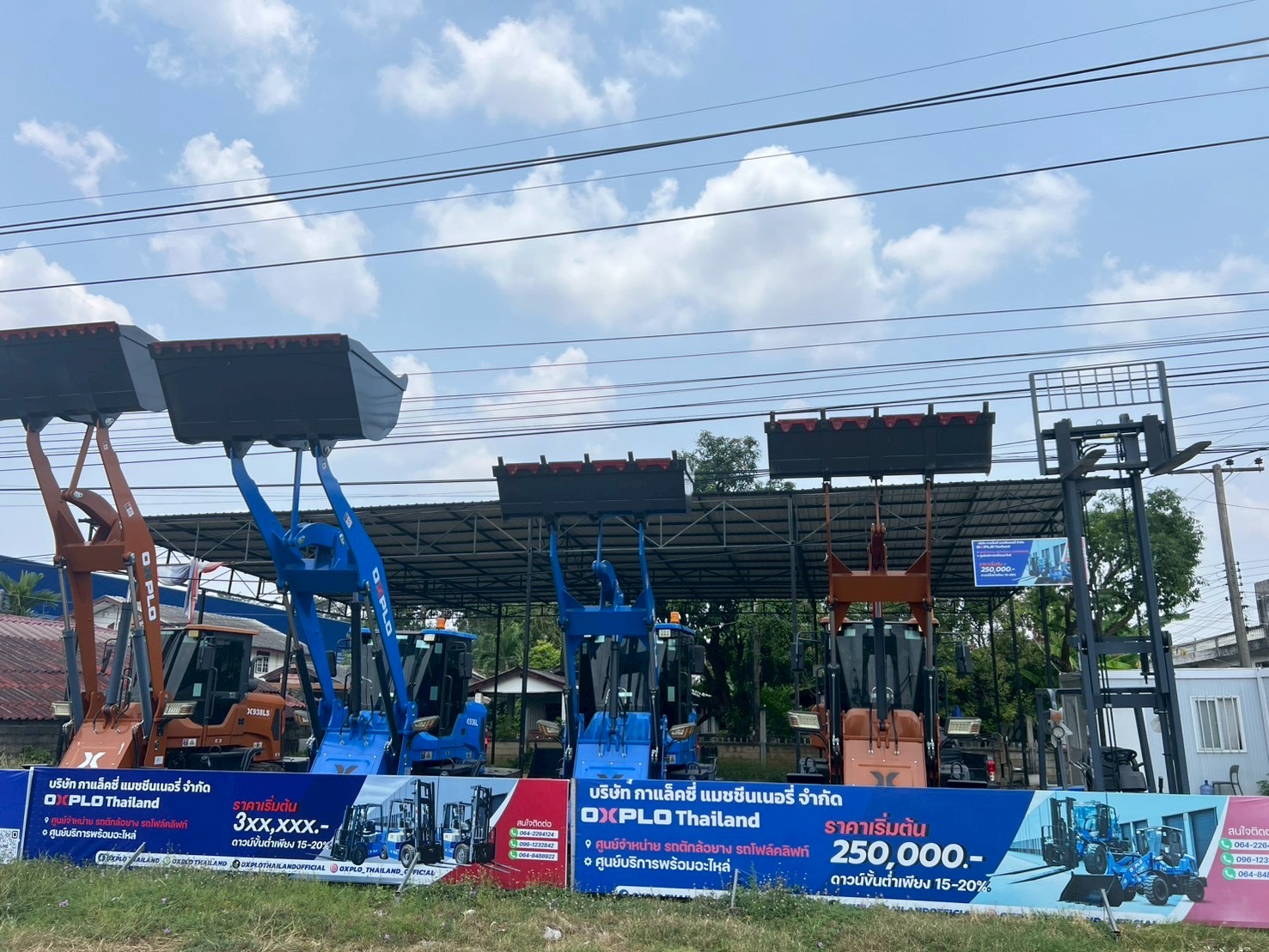
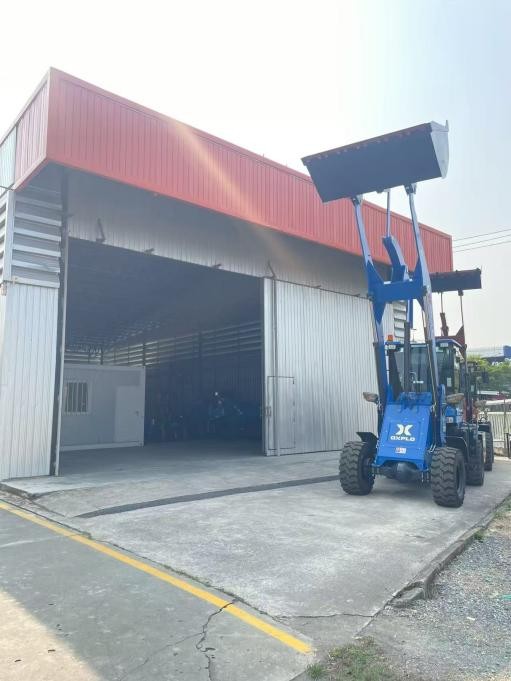
 Thailand-Ayutthaya
 Thailand-Khon Kaen
 Thailand-Nakhon Ratchasima
 Thailand-Ubon Ratchathani
 Thailand-Chiang Mai
 Thailand-Phthalum
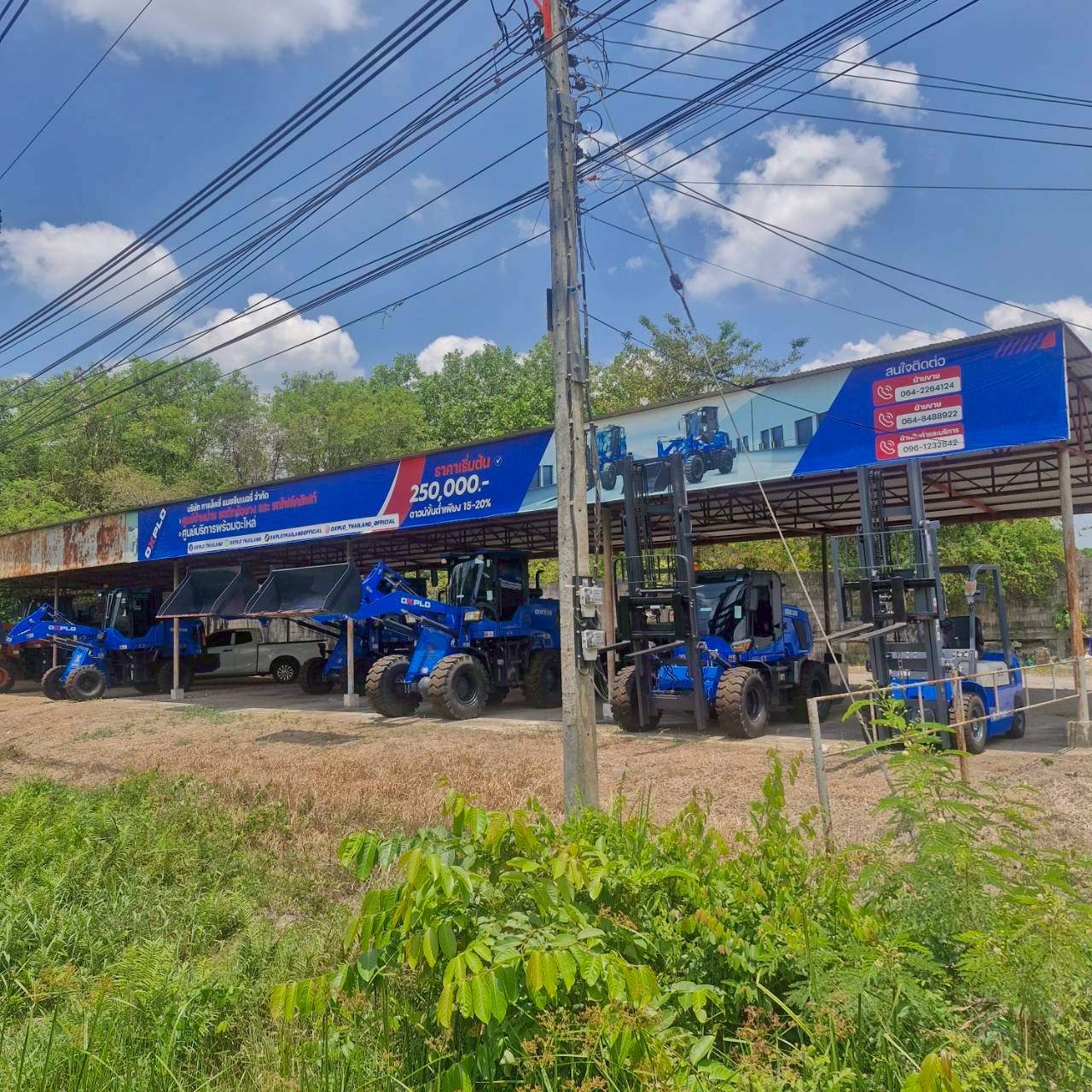
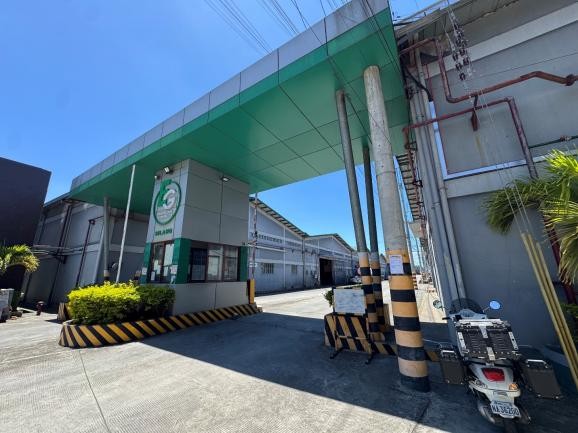
, MAGUYAM ROAD, BRGY. MAGUYAM, SILANG, CAVITE") Philippines-ELITE GLOBUS WAREHOUSE(NO. 43 - OXPOWER MACHINERY INC.), MAGUYAM ROAD, BRGY. MAGUYAM, SILANG, CAVITE
Philippines-ELITE GLOBUS WAREHOUSE(NO. 43 - OXPOWER MACHINERY INC.), MAGUYAM ROAD, BRGY. MAGUYAM, SILANG, CAVITE
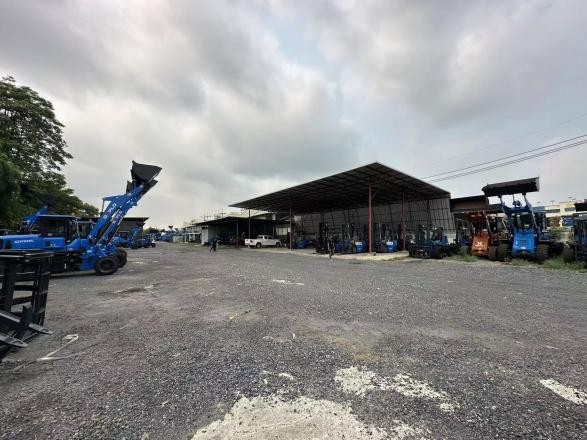
OUR OPERATiONS
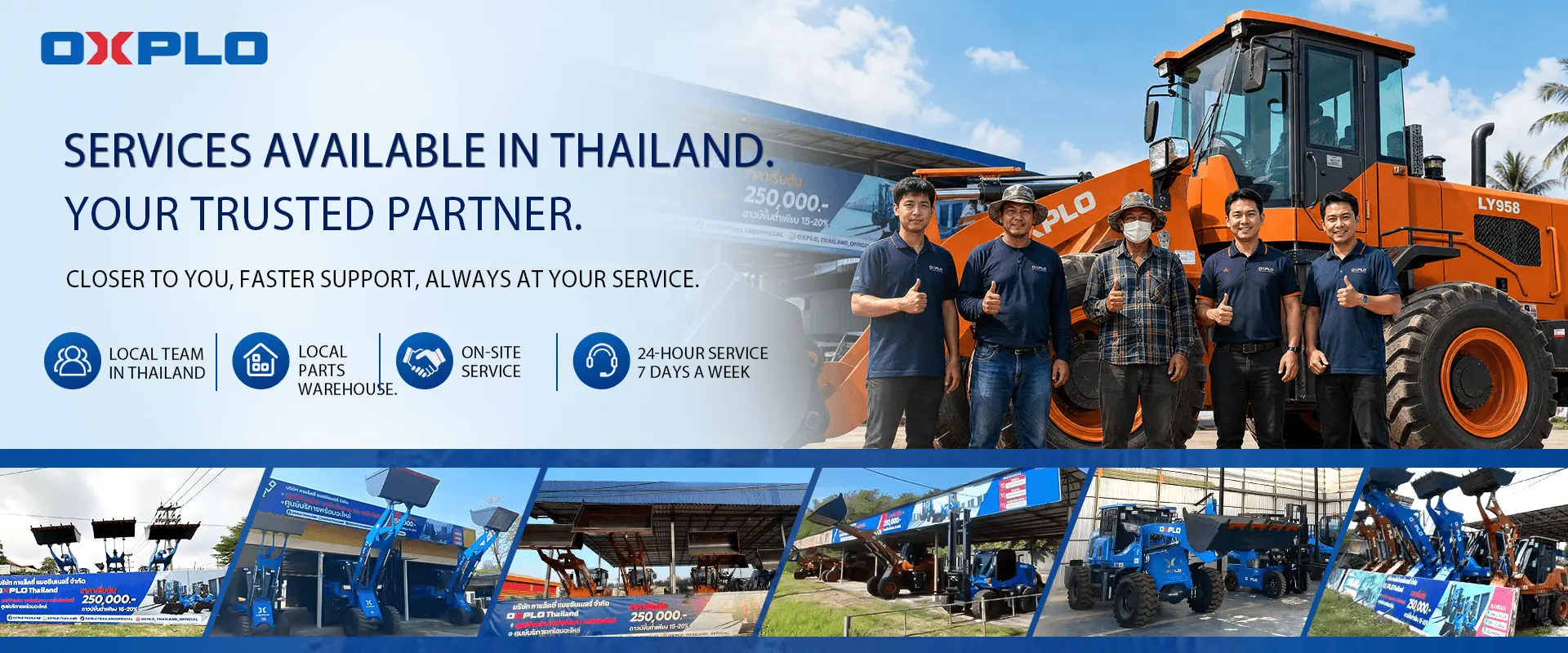
Our regional headquarters are located in Thailand, with independent operations company and service team in the Philippines. This multi-market presence enables us to provide customers throughout Southeast Asia with efficient communication, faster response times, and reliable local support.


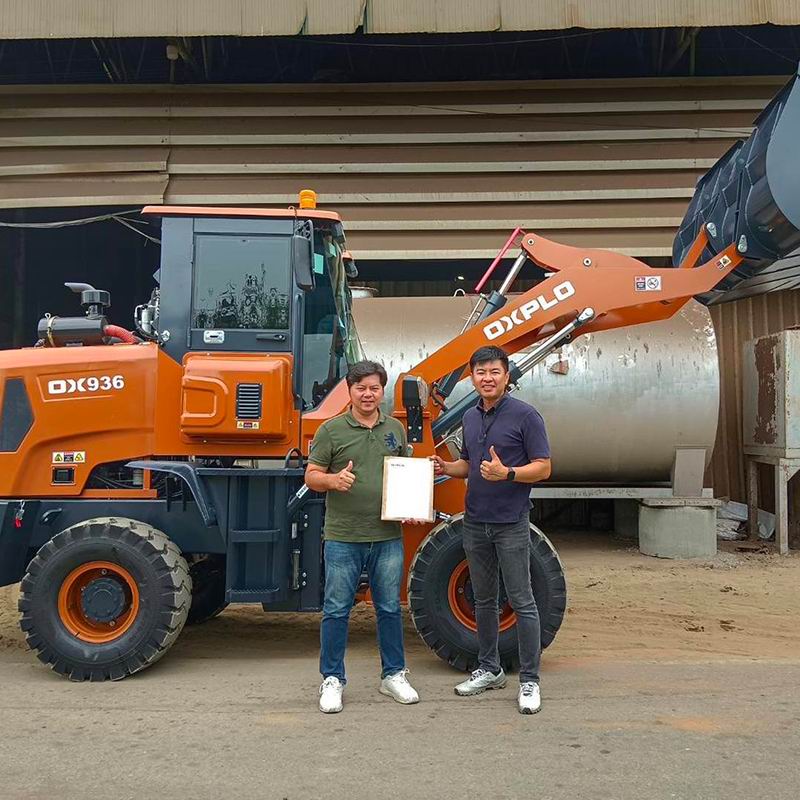
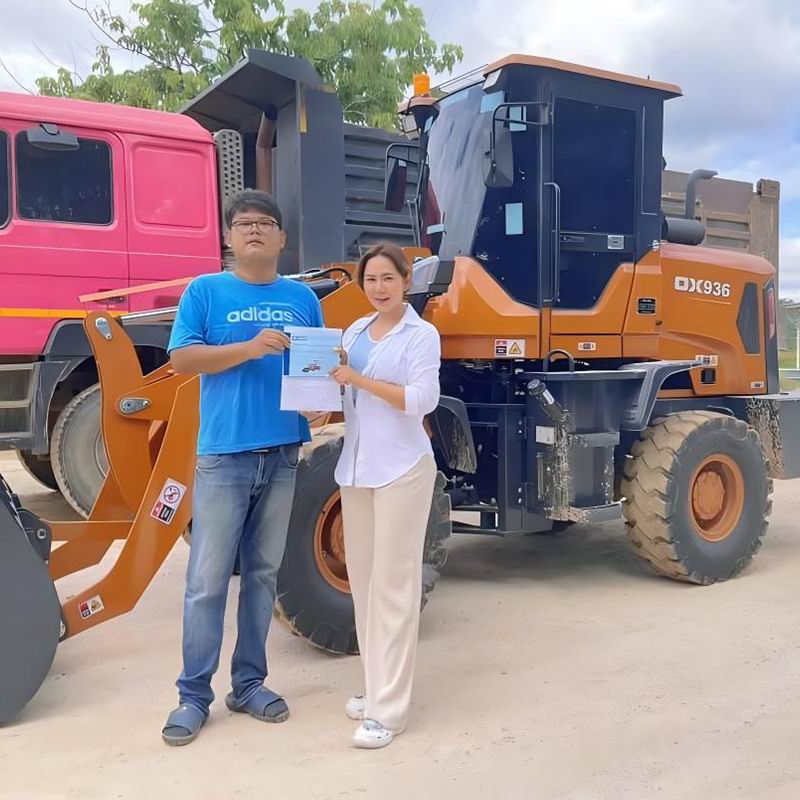
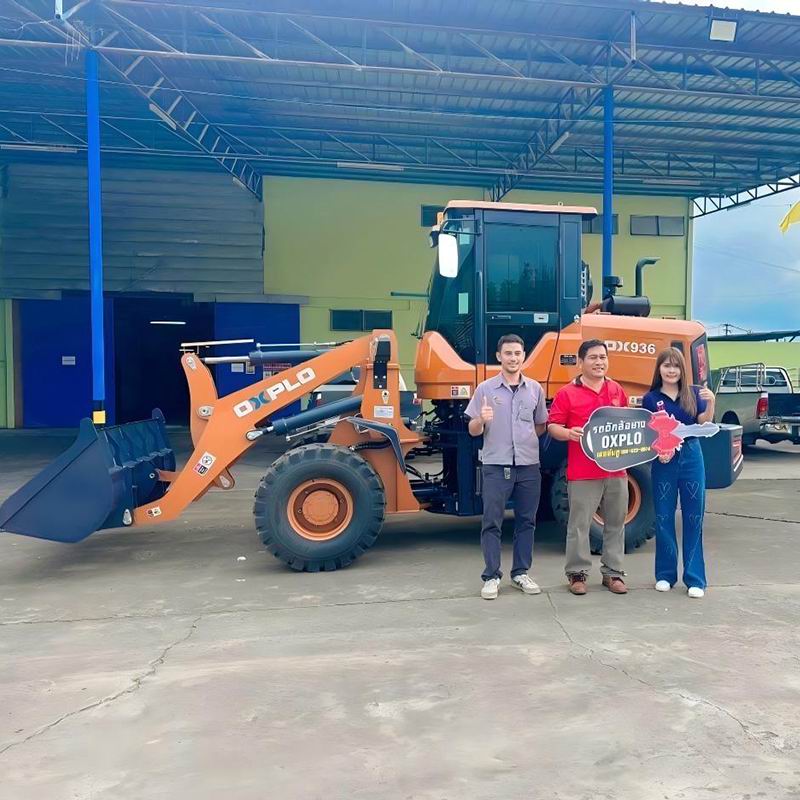
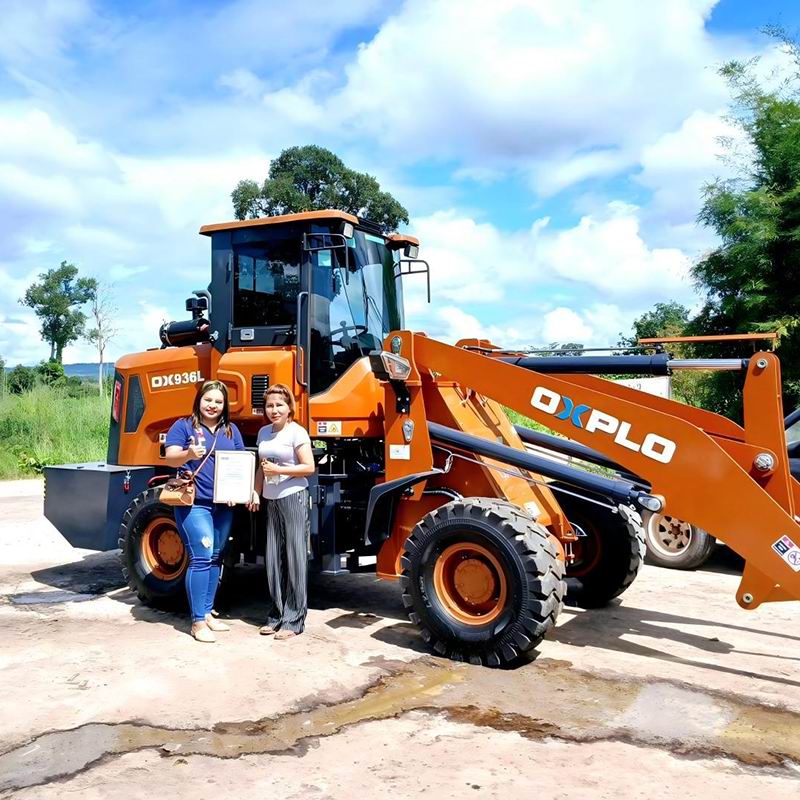
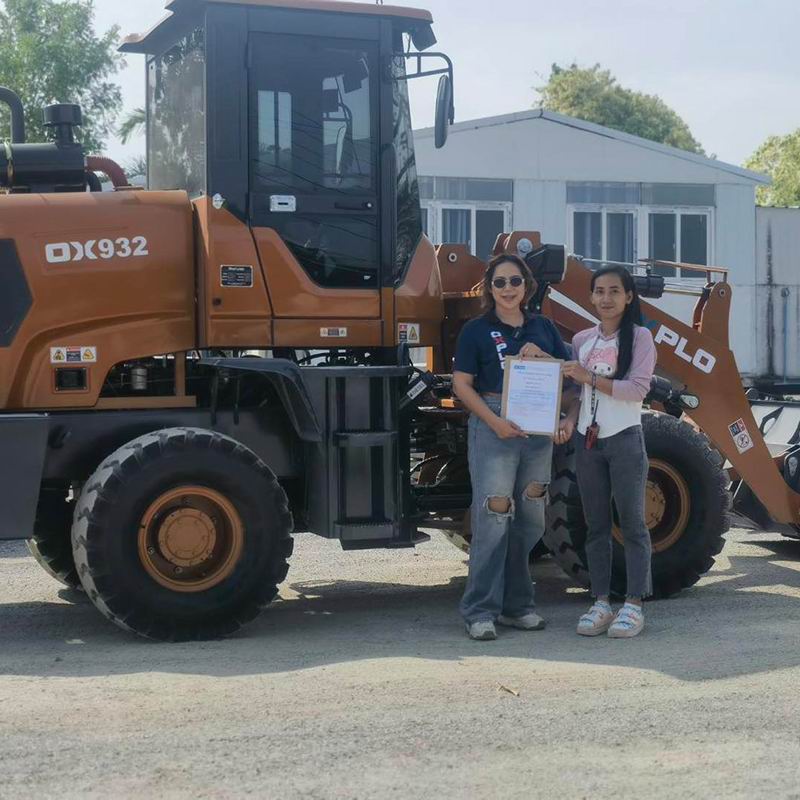
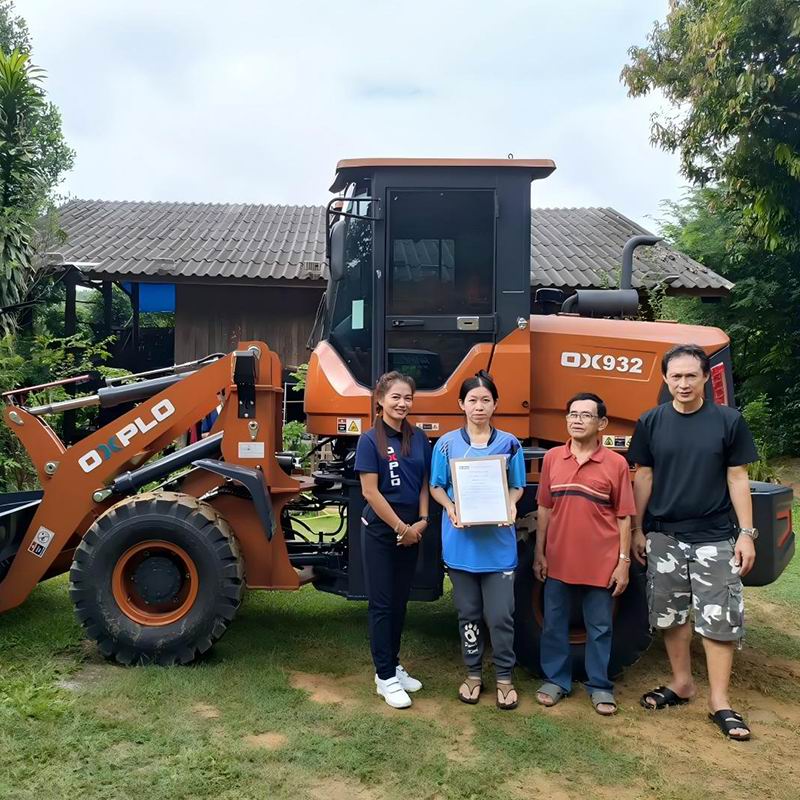
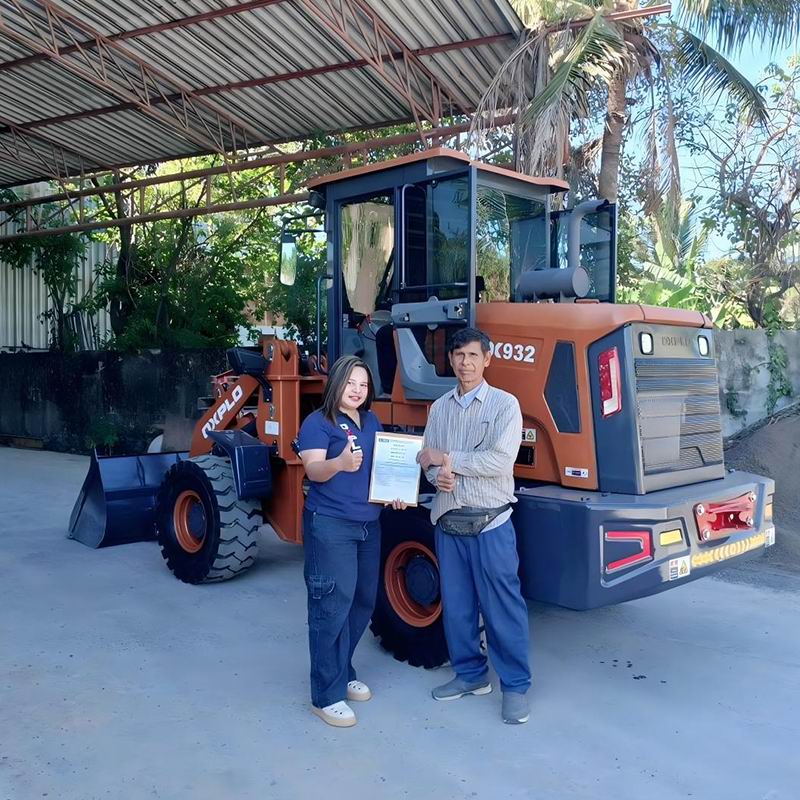
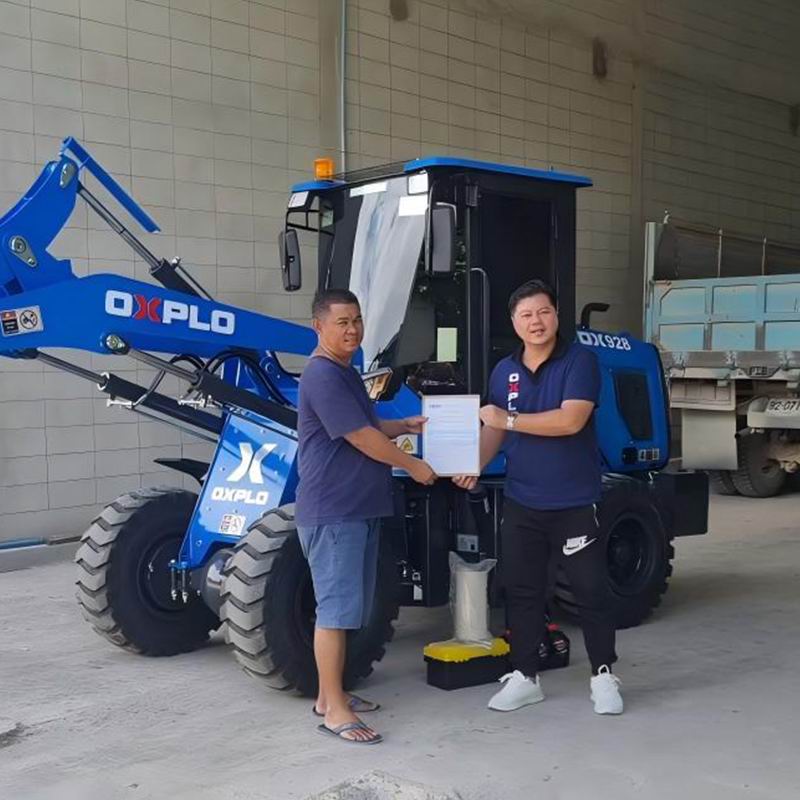
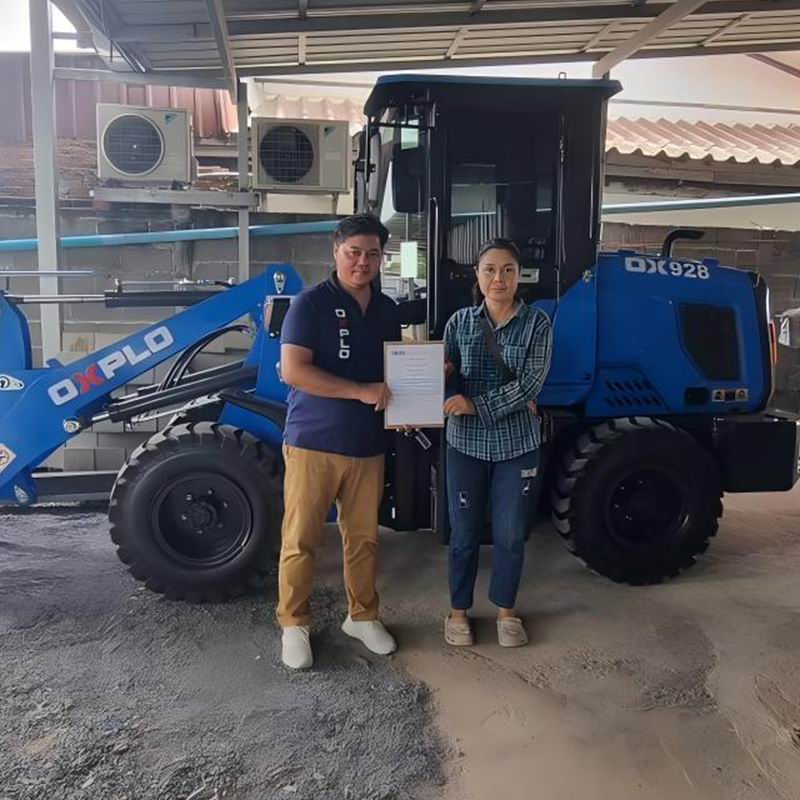
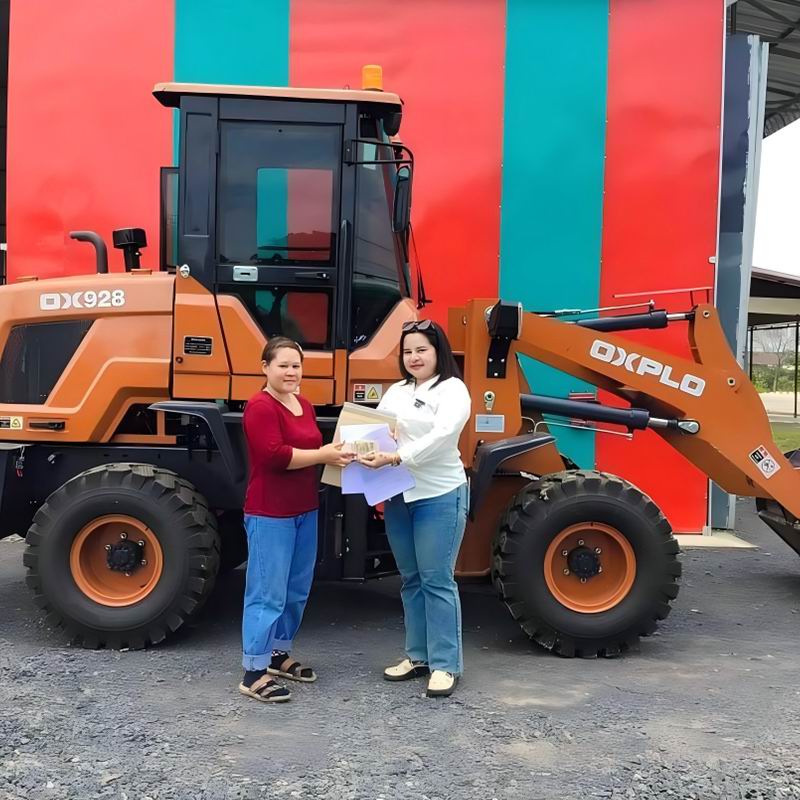
customer case
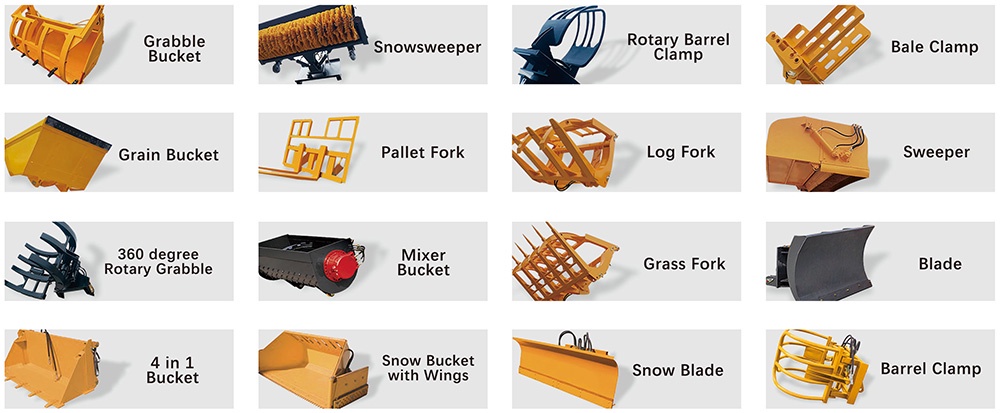
Wheel Loader Attachments
OXPLO provides a variety of spare parts support.
OXPLO's advantages
Let us introduce our products & factory to you
What makes us different
Why Choose Us
OXPLO specializes in the supply of forklifts, wheel loaders and tractors, providing reliable machinery solutions for material handling, construction and agricultural industries
Thailand Headquarters & SEAN Regional Operations
Headquartered in Thailand, with established firms and local service teams in the Philippines.
Reliable After-Sales & Spare Parts Support
We offer full after-sales care, including maintenance support and spare parts supply.
Factory Direct Supply
Direct factory operation ensures superior quality and a stable supply.
Quick Response & Service
Our local SEAN teams deliver rapid response, on-site service and expert technical help.
High-Performance Equipment
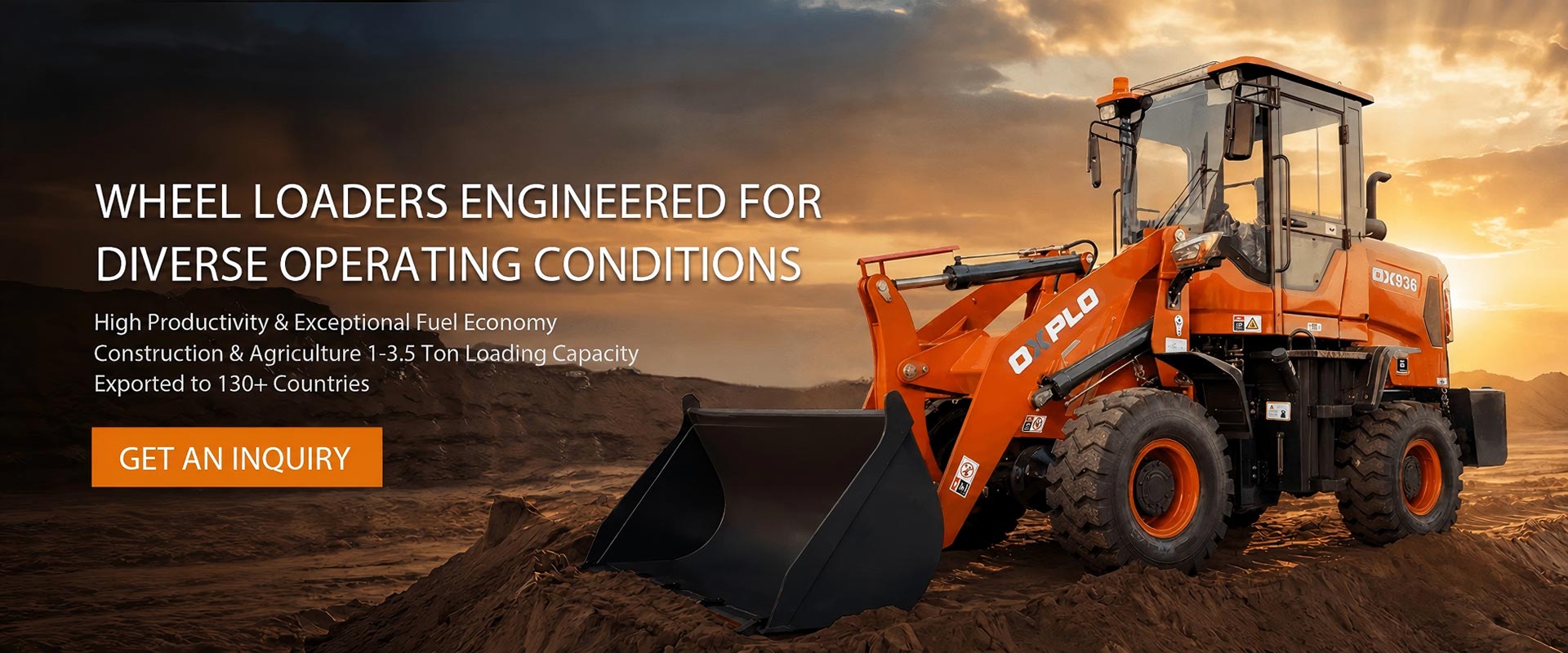
Built for tough jobs, our gear delivers robust power, steady performance and efficiency.
Application Scenarios
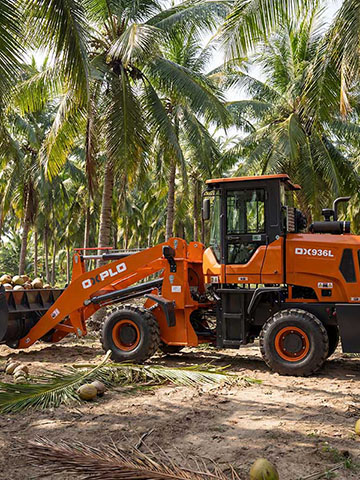
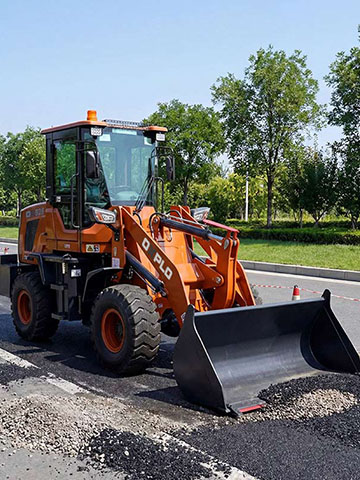
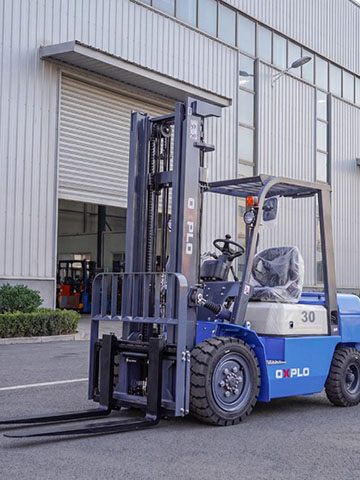
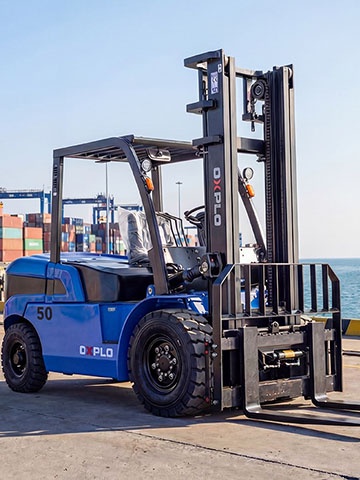
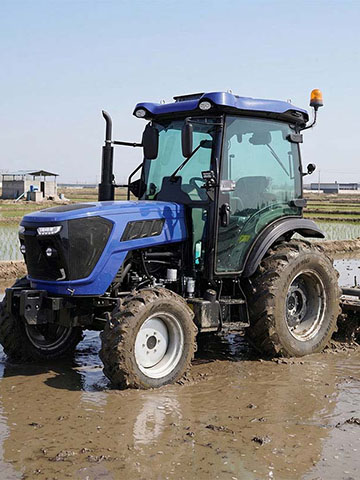
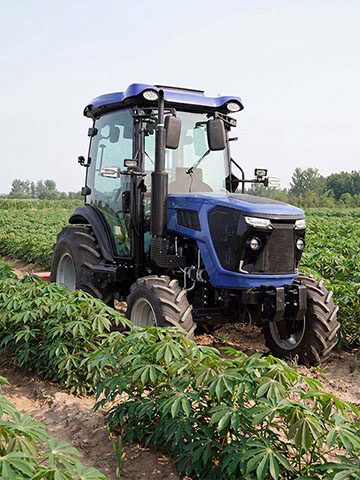
Our products are widely used in various fields such as warehousing,
construction, municipal roads, agriculture
about OXPLO
OXPLO is headquartered in Vannok District, Ayutthaya Province, Thailand, with five new branch offices in Khon Kaen, Nakhon Ratchasima, Ubon Ratchathani, Chiang Mai, and Phatthalung Provinces. The company's core competitive advantage lies in its "fast and efficient after-sales service and on-site problem-solving capabilities." OXPLO provides a comprehensive service guarantee system. Having cultivated the Thai market for many years, OXPLO not only provides excellent loaders, industrial forklifts, and off-road forklifts, but also offers one-stop service from procurement financing to after-sales support through comprehensive local support.






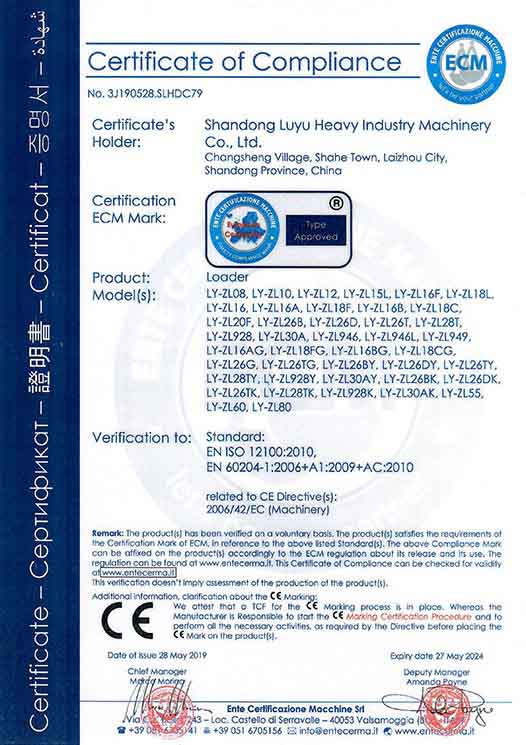
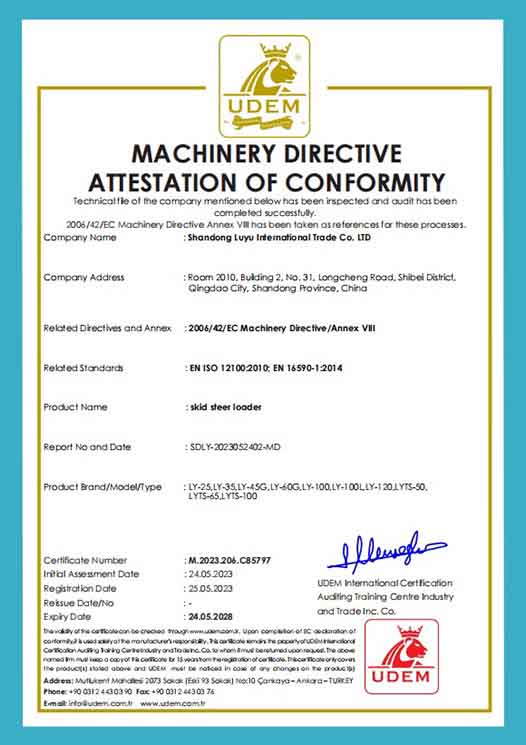
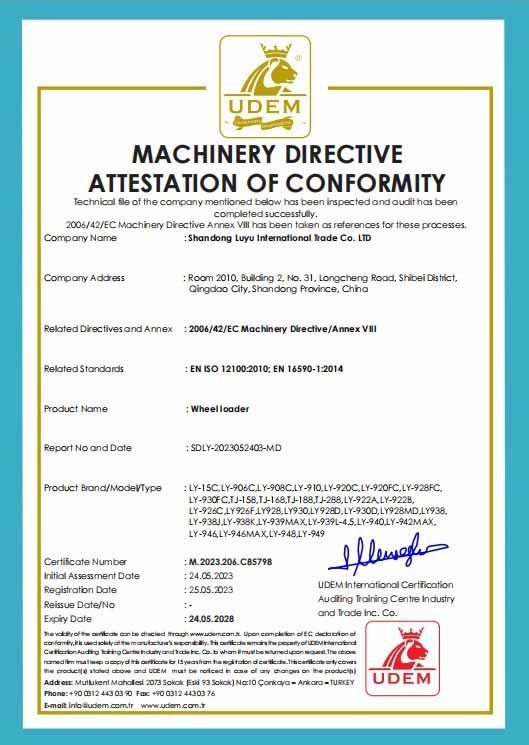
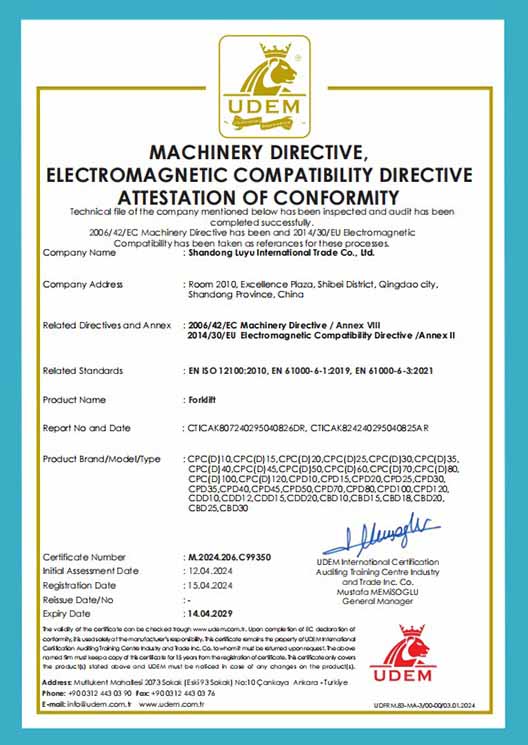
OUR CERTIFICATE
Wheel Loader FAQ
How much does a wheel loader cost?
The cost of a wheel loader varies depending on its rated load capacity, engine configuration, attachments, and optional features. Compact wheel loaders generally cost less than larger construction models. For an accurate quotation, contact OXPLO with your application requirements, preferred specifications, and destination country.
What is the fuel consumption of a wheel loader?
Fuel consumption depends on the loader size, engine power, operating conditions, and workload. Compact wheel loaders typically consume less fuel than larger models used in heavy-duty construction. Proper maintenance, efficient operating practices, and selecting the right machine size can help reduce fuel costs and improve productivity.
What is the lifting capacity of a wheel loader?
A wheel loader's lifting capacity is determined by its rated load. OXPLO offers wheel loaders with rated load capacities ranging from approximately 1.6 tons to 5 tons, making them suitable for agriculture, construction, material handling, and industrial applications. Always select a machine with sufficient capacity for your intended workload.
Can a wheel loader be used with pallet forks?
Yes. Many OXPLO wheel loaders can be equipped with pallet forks through a quick coupler system. This allows the machine to handle palletized goods, construction materials, agricultural products, and warehouse cargo, making it a versatile alternative to dedicated material handling equipment in certain applications.
How often should a wheel loader be serviced?
Regular maintenance is essential for maximizing machine performance and lifespan. Daily inspections should include checking engine oil, hydraulic fluid, coolant levels, and tire condition. Scheduled maintenance intervals vary by model and operating hours, but following the manufacturer's maintenance guidelines can help prevent unexpected downtime and costly repairs.
What is the difference between a wheel loader and a skid steer loader?
The primary difference is size, lifting capability, and maneuverability. Wheel loaders generally offer higher lifting capacities, larger buckets, and better performance for moving bulk materials over longer distances. Skid steer loaders are more compact and excel in confined spaces where tight turning and versatility are required. The best choice depends on your job site conditions and application needs.
What engine brands are available on OXPLO wheel loaders?
OXPLO wheel loaders are available with different engine configurations depending on the model and market requirements. Engine options may include reliable diesel engines designed to deliver strong performance, fuel efficiency, and easy maintenance. Please contact our sales team for specific engine options available in your region.
Do you provide operator training and technical support?
Yes. OXPLO provides after-sales support and technical assistance to help customers operate and maintain their equipment efficiently. Our team can offer guidance on machine operation, routine maintenance, troubleshooting, and spare parts support to ensure long-term reliability and productivity.